
Yükleniyor…
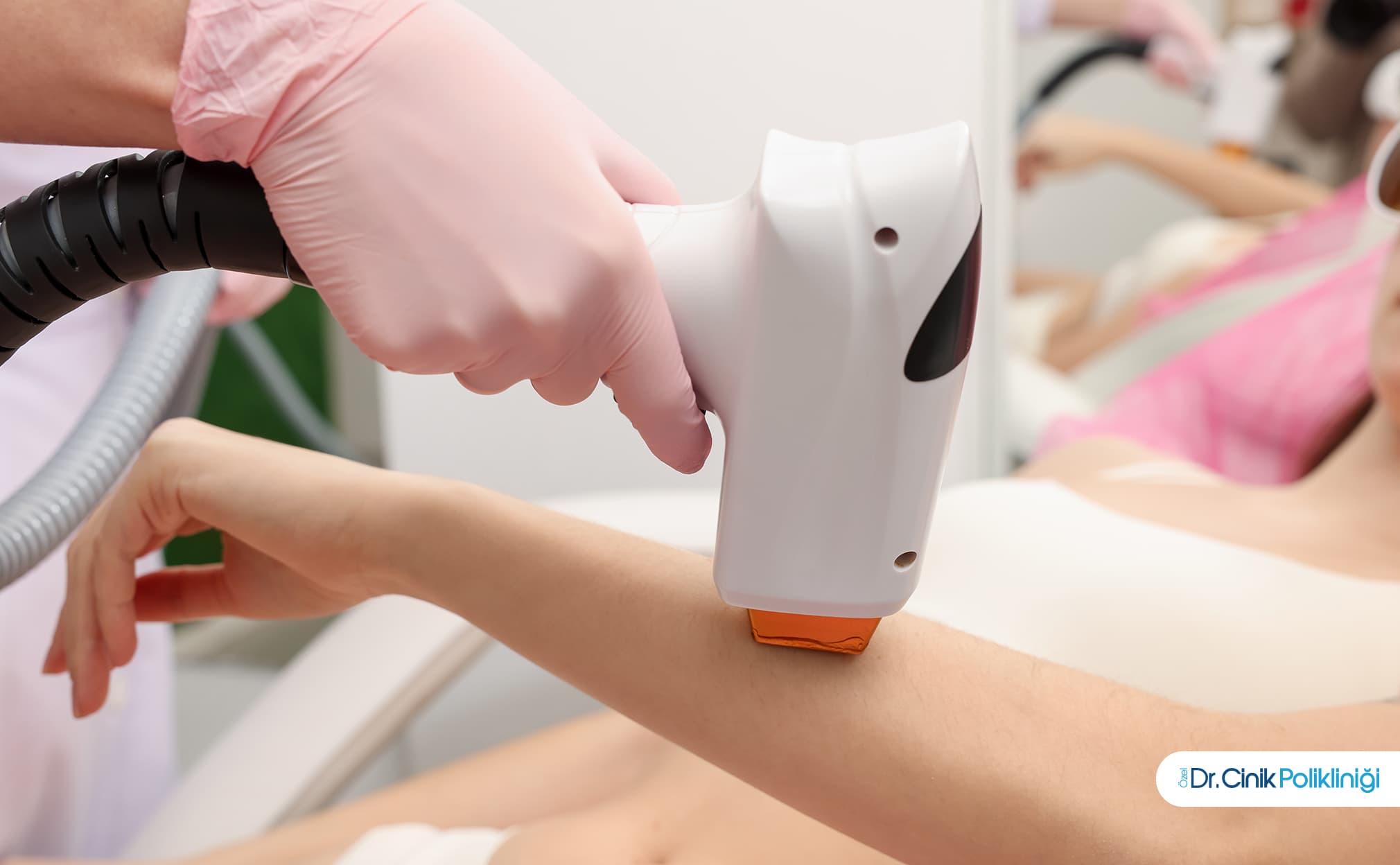
Laser hair removal is one of the most commonly preferred permanent hair reduction methods today. Many people have one question on their mind before the procedure: Do laser hair removal burns cause permanent damage? This article answers that question based on scientific research. Studies show that laser hair removal is a safe procedure when performed under the right conditions. However, incorrect device settings, inexperienced operators, or inadequate post-treatment care can lead to skin burns and, in rare cases, permanent scars.
Laser hair removal is a selective heating method that targets the melanin in the hair root using laser light, destroying the hair. The laser beam directed at the skin surface is absorbed by the dark pigment in the hair root. This absorption is converted into heat energy. The heat destroys the hair follicle and prevents regrowth. Surrounding tissues are not damaged because the laser only targets the chromophore, which is melanin. This principle is based on the selective photothermolysis theory defined by Anderson and Parrish in 1983. Modern medicine has developed different laser systems tailored to various skin types using this theory.
Laser hair removal devices operate at different wavelengths. Each wavelength is optimized for a specific skin type and hair color. Alexandrite laser operates at a wavelength of 755 nanometers and is suitable for light skin types. Diode laser operates in the range of 800-810 nanometers and caters to various skin types. Nd:YAG laser has a wavelength of 1064 nanometers and stands out as the safest option for dark skin types. Ice laser systems simultaneously cool the skin during the procedure, enhancing comfort. These devices are used on large areas such as the face, underarms, legs, bikini area, back, and chest.
The table below compares common laser devices:
Laser Type | Wavelength | Suitable Skin Type | Key Feature |
Alexandrite | 755 nm | I-III | Provides high efficacy on light skin |
Diode | 810 nm | I-V | Suitable for a wide range of skin types |
Nd:YAG | 1064 nm | IV-VI | Offers safe deep penetration on dark skin |
Ice Laser | Variable | I-VI | Provides cooling during the procedure and reduces pain |
Laser hair removal can be safely applied to many areas of the body. The facial area, including above the eyebrows, cheeks, and jawline, are commonly preferred areas. Underarms are popular for hygiene and aesthetic purposes due to the density of sweat glands. Legs are one of the most frequently treated areas due to their large surface area. The bikini area requires special cooling systems due to its sensitive structure. In men, the back and chest areas are often requested due to hormonal hair growth. Each area requires different energy settings based on its skin thickness and melanin distribution.
A laser hair removal burn is tissue damage caused by excessive heat exposure to the skin. Under normal conditions, the laser beam heats the melanin in the hair follicle without damaging surrounding tissues. However, if the device's energy level is too high, the cooling system is inadequate, or an inappropriate wavelength is selected for the skin type, unwanted heat accumulation occurs on the skin surface. This can lead to a burn reaction in the epidermis. Burns can vary in severity from mild redness to serious blistering.
A laser burn is classified as a thermal injury. When the skin is exposed to higher temperatures than normal, cells are damaged. In mild cases, only the outer layer of skin is affected. In severe cases, damage extends to deeper tissue layers. This damage disrupts the skin's natural barrier. Inflammation begins in the burned area. The body activates defense mechanisms to repair the injured area. However, deep damage prevents the skin from returning to its original state. The severity of thermal damage is directly related to the degree and duration of the temperature exposure.
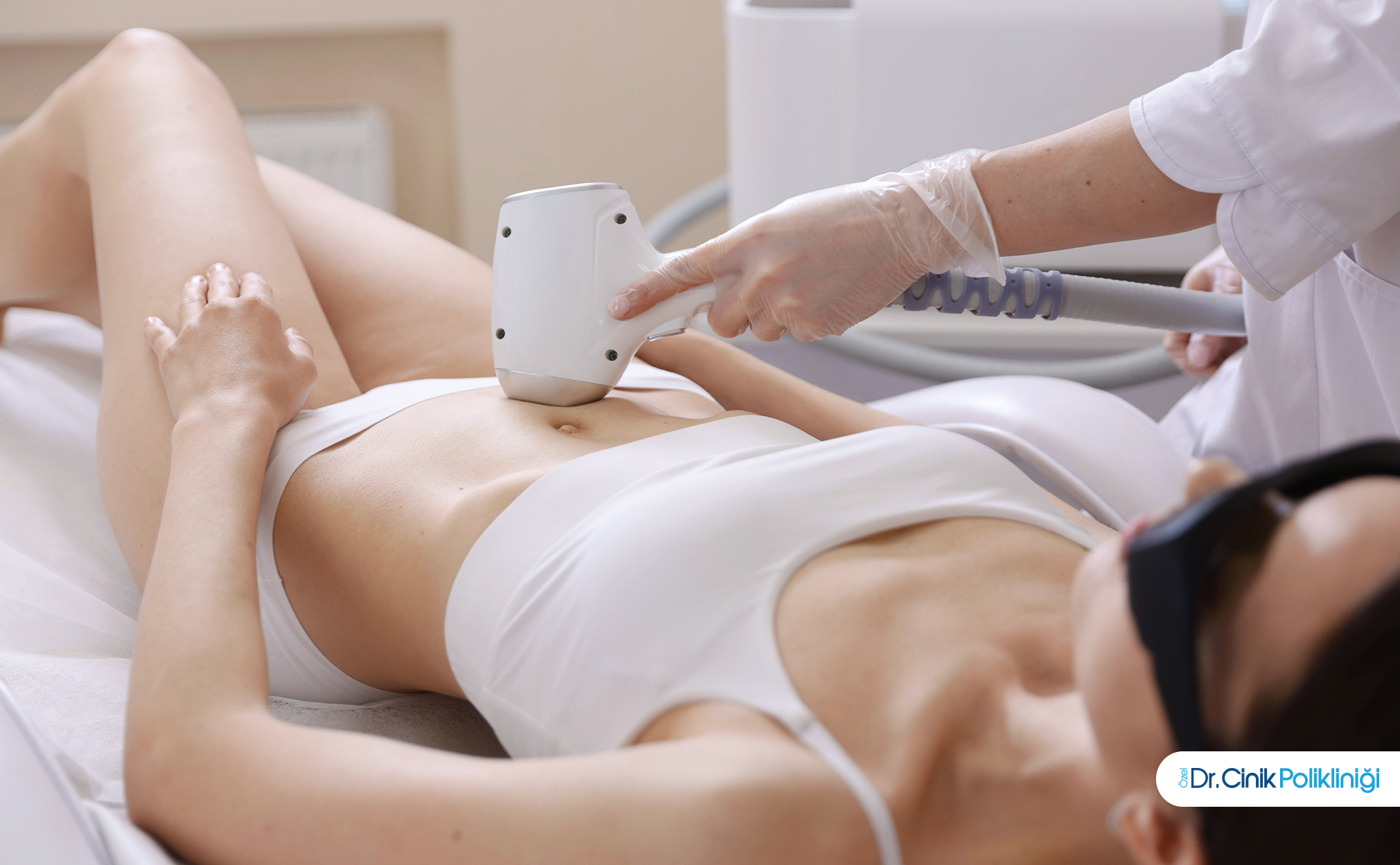
Laser hair removal burns provide distinct signs during or after the procedure. The patient experiences a sudden burning sensation in the treatment area. Redness begins within a few hours. Skin sensitivity increases. Touching causes pain. In advanced cases, swelling may occur. Blistering develops. Peeling starts. Color changes appear. Brown spots, known as hyperpigmentation, are a common symptom. Pain can range from mild discomfort to severe pain.
The following list outlines the symptoms of burns:
Redness and increased heat
Burning and stinging sensation
Localized edema and swelling
Blistering and bubbles
Brown or white color spots
Sensitivity and pain
Peeling and crusting of the skin
These symptoms become most pronounced within the first 24 hours after the procedure. Mild redness is a normal part of follicular inflammation and should not be a cause for concern. However, blistering and severe pain are signs of serious thermal damage.
Most laser hair removal burns are temporary and do not leave permanent damage. Mild redness and localized sensitivity are normal reactions post-procedure. These symptoms typically start within a few hours and completely disappear within a few days. Superficial burns affect the upper layer of the epidermis. The skin regenerates quickly. Deep burns, however, present a different scenario. When the dermal layer is damaged, the skin cannot fully repair itself. This condition increases the risk of permanent scarring.
The formation of permanent damage depends on the depth of the burn and the speed of treatment. Mild first-degree burns do not leave scars. Second-degree burns usually heal without scarring with proper treatment. However, deep second-degree and third-degree burns can create scar tissue. Pigment changes can also be permanent. Especially in individuals with dark skin, the risk of hypopigmentation increases after incorrect laser settings. Nanni and Alster (1998) observed hypopigmentation in 10% of patients undergoing hair removal with alexandrite and ruby lasers. This finding proves that incorrect parameters can lead to serious consequences (Prohaska and Hohman, 2023).
The table below compares temporary and permanent effects:
Type of Effect | Examples | Recovery Time | Permanence |
Temporary | Redness, mild swelling, tingling | 24-72 hours | No |
Short-term | Hyperpigmentation, mild peeling | 3-6 months | Rarely |
Permanent | Deep scar, hypopigmentation, tissue deformation | 12 months+ | Yes |
The risk of permanent scarring increases under certain conditions. It occurs when there is deep tissue damage affecting the underlying layers of the epidermis and dermis. Inadequate or delayed treatment negatively impacts the healing process. The patient pulling off scabs opens a gateway for infection. Infection increases inflammation and triggers scar tissue. Sun exposure makes post-burn pigment changes permanent. Individuals with darker skin have a higher risk due to increased melanin density. Atta-Motte and Załęska (2020) noted that multiple side effects are ten times more common in patients of Black and mixed-race descent.
In severe cases, scar tissue develops. Irregularities occur on the skin surface. Fibroblasts produce excessive collagen. This leads to the formation of keloids or hypertrophic scars. Deep dermal damage disrupts the skin's elasticity. The wound area transforms into a different tissue from the surrounding tissue. Rare complications include long-term sensitivity, nerve irritation, and chronic skin sensitivity. These conditions typically arise following deep third-degree burns.
Pigment changes are one of the most common complications of laser burns. Hyperpigmentation is the darkening of the skin. Hypopigmentation, on the other hand, is the lightening of the skin. Hyperpigmentation is usually temporary. It improves within 3-8 months with sun protection and appropriate creams. Hypopigmentation is more stubborn. In rare cases, it can be permanent. In patients with darker skin, melanin in the epidermis absorbs laser energy excessively. This damages the melanocytes and leads to lightening of the color. Prohaska and Hohman (2023) emphasized that the treatment of hypopigmentation is more difficult than that of hyperpigmentation and the likelihood of spontaneous recovery is lower.
Hyperpigmentation occurs due to an excessive increase in melanin production. Inflammation after a burn stimulates the melanocytes. The skin produces more pigment as a protective measure. These spots usually fade with sun protection. Hypopigmentation is the destruction of melanocytes due to thermal damage. The skin cannot produce pigment. White spots appear. This condition is particularly seen in Fitzpatrick skin types 5 and 6. Its treatment takes longer than hyperpigmentation and complete recovery is not always guaranteed.
Laser hair removal burns occur as a result of a combination of several factors, not just one. Device settings, operator experience, patient characteristics, and pre-procedure preparation determine the risk. Incorrect energy levels damage the skin. An inappropriate wavelength disrupts melanin distribution. An inadequate cooling system allows heat accumulation on the skin surface. An inexperienced practitioner misinterprets the skin response. Devices that are not FDA approved or poorly maintained produce unstable energy output. Making consecutive shots on the same area increases thermal accumulation.
Incorrect device settings directly increase the risk of burns. An energy level unsuitable for the skin type excessively heats the epidermis. Choosing the wrong wavelength affects the surrounding tissue instead of the target chromophore. An inadequate cooling system allows heat accumulation on the skin surface. Cooling protects the epidermis and prevents thermal damage. If the cooling head is faulty or insufficient, the skin surface temperature exceeds safe limits.
Inexperienced practitioners misinterpret the skin response. Using devices that are not FDA approved or poorly maintained leads to unstable energy output. Repeated shots on the same area increase thermal accumulation. Moving to a full surface application without appropriate test shots increases the risk. If the operator cannot accurately classify the skin type, they select incorrect parameters.
Patient-related risk factors are also important. Tanned skin increases the amount of melanin in the epidermis. This causes the laser to absorb excessive energy from the skin surface. Performing the procedure after sun exposure multiplies the risk of photothermal damage. Sensitive skin structure intensifies the inflammatory response. The presence of active wounds or diseases weakens the barrier function. The table below summarizes the causes of burns:
Reason Category | Examples | Risk Level |
Device-related | High energy, incorrect wavelength, inadequate cooling | High |
Operator-related | Inexperience, not performing test shots, excessive overlap | High |
Patient-related | Tanned skin, sensitive skin, active infection | Medium-High |
Care-related | Sun exposure, hot showers, irritating products | Medium |
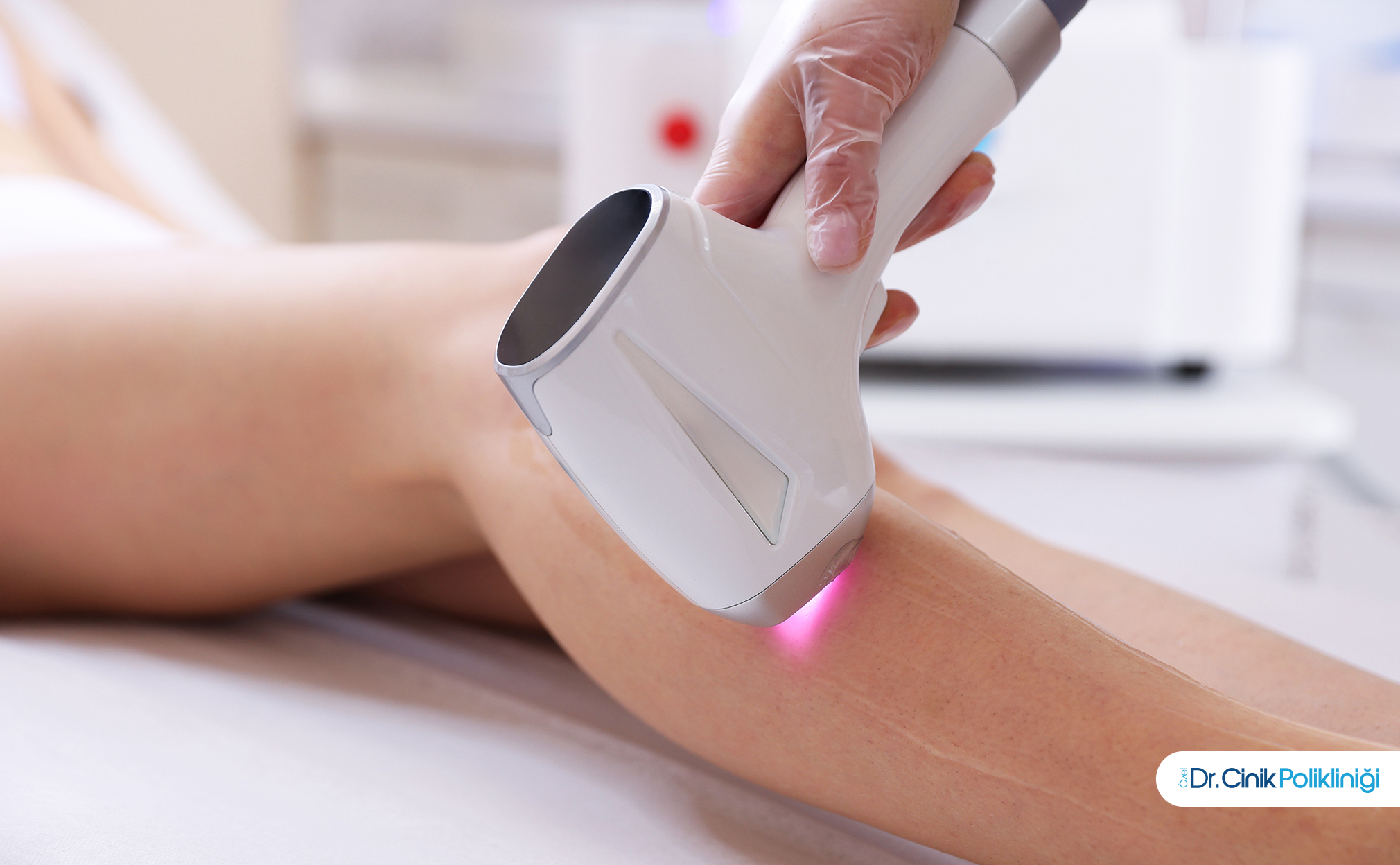
Fitzpatrick skin types play a critical role in the safety of laser hair removal. This classification divides skin into 6 categories based on its response to sunlight. Type 1 and 2 represent very light and light skin. These types tolerate short wavelengths. Type 3 and 4 are medium and olive skin tones. They require longer wavelengths. Type 5 and 6 are dark and very dark skin. In these types, the melanin density in the epidermis is high. Laser energy is absorbed from the skin surface instead of the hair follicle. This increases the risk of burns and pigment changes.
Ghorbani and colleagues (2024) found the complication rate to be 0.69% in a study examining 16,900 patients. Researchers revealed that the use of alexandrite laser and high energy levels increases risk in Fitzpatrick type 3-4 skin. Nd:YAG laser should be preferred for dark skin. Lower energy and longer shot intervals should be used. Cooling systems protect the epidermis and reduce pigment complications.
Laser hair removal burns are classified into three main degrees according to medical burn classification. First-degree burns affect only the epidermis. Redness and slight sensitivity are observed on the skin. Pain is mild. Healing takes 3 to 7 days. The likelihood of scarring is low. Second-degree burns affect the upper layer of the epidermis and dermis. Blistering and severe pain occur. The risk of pigmentation increases. Healing takes 2 to 4 weeks. Careful management prevents scar formation. Third-degree burns indicate deep tissue damage. White or black discoloration is seen on the skin. The skin is damaged down to the subcutaneous fat layer. This condition requires medical intervention.
First-degree burns present with superficial redness. There is slight sensitivity. The skin feels warm to the touch. Pain is mild. They usually heal without scarring. The epidermis renews itself within 3 to 7 days. Burns at this level improve with home care.
Second-degree burns are characterized by blistering and severe pain. The risk of pigmentation increases. The upper layer of the dermis is affected. Blisters contain fluid filled with serum. This fluid is necessary for skin protection. Removing the scabs increases the risk of infection. Healing takes 2 to 4 weeks. Color changes may begin at this stage.
More severe burn cases indicate deep tissue damage. The likelihood of permanent scarring is high. It requires a long healing process. The deep dermis and even the subcutaneous fat layer are affected. White or black discoloration is seen on the skin. There may be loss of sensation. These cases require emergency or burn center intervention.
The table below compares the degrees of burns:
Degree | Affected Layer | Symptoms | Healing Time | Risk of Scarring |
First | Avoiding hot water and steam exposure | |||
Keeping the area clean | Not applying any creams or ointments without doctor's advice | |||
Using prescribed medications for pain | Avoiding sun exposure |
Taking a hot shower
Keeping the area clean
Exfoliating and scrubbing
Avoiding the sun
Using perfumed products
Consulting a doctor
Peeling off scabs
Protecting the wound barrier
Applying makeup
The patient goes to the doctor when experiencing severe pain. Common swelling is a sign of infection. Red streaks indicate that inflammation has spread. The formation of pus signals a bacterial infection. Fever carries the risk of systemic infection. Permanent color changes require evaluation. If any of these symptoms occur, the specialist should be contacted without delay.
Treatment is shaped according to the degree of the burn. For first-degree burns, topical burn creams are sufficient. Barrier repair products renew the skin's protective layer. Aloe vera-containing soothing gels reduce inflammation. For second-degree burns, intervention is essential. Corticosteroid creams suppress excessive inflammation. Medical dressings prevent infection. Antibiotic ointments inhibit bacterial growth.
Burn creams moisturize the epidermis and repair the barrier. Barrier repair products contain ceramides and niacinamide. Aloe vera-containing soothing products reduce inflammation and cool the area. These products should be applied to the burn area two to three times a day. They should not contain alcohol or perfume. They must not cause skin irritation.
Corticosteroid creams control excessive inflammatory responses. Medical dressing applications keep the wound environment moist. Spot treatments help eliminate hyperpigmentation. The plans treatment according to the depth of the burn. Systemic antibiotics are prescribed in the presence of infection.
In advanced cases, spot treatments come into play. Fractional laser applications correct scar tissue. Chemical peels address superficial color unevenness. Microdermabrasion renews the skin surface. Kamolz and Hecker (2023) studied the molecular mechanisms in burn wound healing. Researchers found that the formation of scar tissue in deep burns is related to the inflammatory response. Obaidi and colleagues (2023) emphasized that early intervention in burn scar management determines functional and aesthetic outcomes.
The table below summarizes the treatment methods:
Burn Degree | Treatment Approach | Goal |
First | Cold compress, burn cream, moisturizer | Relieve pain, repair barrier |
Second | Corticosteroid, medical dressing, antibiotic | Prevent infection, accelerate healing |
Deep | Fractional laser, peeling, surgical debridement | Reduce scarring, preserve function |
Prevention strategies encompass the pre-, during, and post-procedure periods. Safe clinic selection is the first and most important step. Supervision by a specialist doctor ensures accurate skin analysis. Licensed centers use FDA-approved devices with regular calibration. Before the procedure, the patient is protected from the sun. Avoid tanning beds. Skin analysis determines the Fitzpatrick type. A test shot verifies the appropriate energy level.
Supervision by a specialist doctor ensures accurate skin analysis. A licensed center should be preferred. The use of FDA-approved devices guarantees safety standards. Device maintenance records prove regular calibration. Inexperienced staff increases risk. The clinic must have emergency intervention protocols.
The patient is protected from the sun before the procedure. Avoid tanning beds. Skin analysis determines the Fitzpatrick type. A test shot verifies the appropriate energy level. If there is an active infection or open wound, the procedure is postponed. Products containing retinoids and acids should be discontinued one week prior.
After the procedure, broad-spectrum sunscreen is used. SPF 30 or higher is preferred. Regular moisturizing supports the barrier function. Irritating products, acids, and retinoids should not be used for several weeks. Hot showers, saunas, and heavy exercise are postponed for 48 hours. The table below presents the prevention checklist:
Period | To Do | To Avoid |
Before | Skin analysis, test shot, sun protection | Tanning, tanning beds, waxing |
During | Appropriate wavelength, cooling, correct energy | Excessive overlap, repeated shots |
After | SPF, moisturizer, doctor check-up | Hot water, peeling, perfume |
The internet contains many misconceptions about laser hair removal. These myths unnecessarily scare patients or, conversely, lead them to take unnecessary risks. Scientific facts correct these misconceptions.
The belief that "every redness means a burn" is incorrect. Mild redness after the procedure is a normal and expected response. This reaction is a healthy sign of the follicle's response to laser energy. Redness typically begins within a few hours and disappears within 24-72 hours. A burn, however, is characterized by severe pain, blistering, and scabbing.
The claim that "you cannot get burns with ice laser" is also not true. Ice laser improves the cooling system, but incorrect settings can still cause burns. Cooling protects the skin surface. However, if the energy level is too high or the wavelength is not appropriate, thermal damage can still occur. Ice laser reduces the risk but does not eliminate it.
The statement "laser hair removal causes cancer" lacks scientific basis. Laser light is non-ionizing light. It does not cause DNA damage. It is not like UV rays that increase cancer risk. Laser hair removal devices operate in the visible light or infrared spectrum. These wavelengths do not mutate cells.
The belief that "if a burn occurs, it will always leave a permanent scar" does not reflect reality. Mild and moderate burns heal without leaving scars with proper care. Early intervention allows the skin to fully repair itself. Only deep and neglected burns carry a risk of permanent scarring.
Clinical studies confirm that laser hair removal is generally a safe procedure. Alster and colleagues (1999) examined 900 consecutive procedures. In this large-scale study, no long-term complications, infections, or scarring were observed. Researchers noted that proper patient selection and parameters suitable for skin type guarantee safety. Radmanesh and colleagues (2008) classified burns, folliculitis, and pigment changes as four main complications in intense pulsed light hair removal.
Atta-Motte and Załęska (2020) compared diode laser side effects across different ethnic groups. The study showed that multiple side effects were ten times more common in patients of Black and mixed race compared to White and Asian groups. However, researchers emphasized that all side effects were temporary and did not affect treatment. Ghorbani and colleagues (2024) calculated the complication rate at only 0.69% among 16,900 patients. This rate proves how safe laser hair removal is. The study showed that alexandrite laser and high energy levels increased the risk.
Permanent damage is rare. In Ghorbani and colleagues' (2024) cohort of 16,900 patients, the complication rate was 0.69%. Most of these complications were temporary pigment changes and mild burns. Permanent scarring and hypopigmentation constitute a very small portion of this rate. The risk is largely preventable. Appropriate patient selection and expert application reduce the risk of permanent damage to nearly zero.
Laser hair removal burns are temporary in most cases and do not leave permanent damage. Mild redness and localized sensitivity are normal responses after the procedure. These symptoms completely disappear within a few days. However, incorrect device settings, inexperienced practitioners, and inadequate care can lead to serious complications. Deep burns can cause pigment changes and scar tissue. Early intervention significantly reduces the risk of permanent damage. Cold compresses, clean care, and prompt medical consultation accelerate the healing process.
Choosing a reliable clinic plays a critical role in preventing complications. Supervision by expert doctors, proper device selection, and personalized energy settings guarantee safety. Patients diligently follow pre- and post-procedure instructions. Sun protection, moisturizing, and avoiding irritating products protect the skin barrier. Scientific research proves that laser hair removal is a safe method with low complication rates. Proper patient selection, suitable laser technology, and expert application minimize the risk of permanent damage.
Alster, Tina S., et al. "Laser-assisted hair removal: Side effects of Q-switched Nd:YAG, long-pulsed ruby, and alexandrite lasers." Journal of the American Academy of , vol. 41, no. 2, 1999, pp. 165-71.
Atta-Motte, M., and I. Załęska. "Diode Laser 805 hair removal side effects in groups of various ethnicities- cohort study results." Journal of Lasers in Medical Sciences, vol. 11, no. 2, 2020, pp. 132-137.
Ghorbani, Farnoosh, et al. "Laser hair removal complications and the associated risk factors at a tertiary center: a case-control study." Lasers in Medical Science, 2024.
Kamolz, Lars-Peter, and Anke Hecker. "Molecular mechanisms related to burns, burn wound healing and scarring." International Journal of Molecular Sciences, vol. 24, no. 10, 2023, pp. 8785.
Obaidi, Nadia, et al. "Burn scar management and reconstructive surgery." Surgical Clinics of North America, vol. 103, no. 3, 2023, pp. 515-527.
Prohaska, Justin, and Matthew Hohman. "Laser Complications." StatPearls, StatPearls Publishing, 2023.
Radmanesh, Mohammad, et al. "Burning, paradoxical hypertrichosis, leukotrichia and folliculitis are four major complications of intense pulsed light hair removal therapy." Journal of Treatment, vol. 19, no. 6, 2008, pp. 360-363.