Yükleniyor…
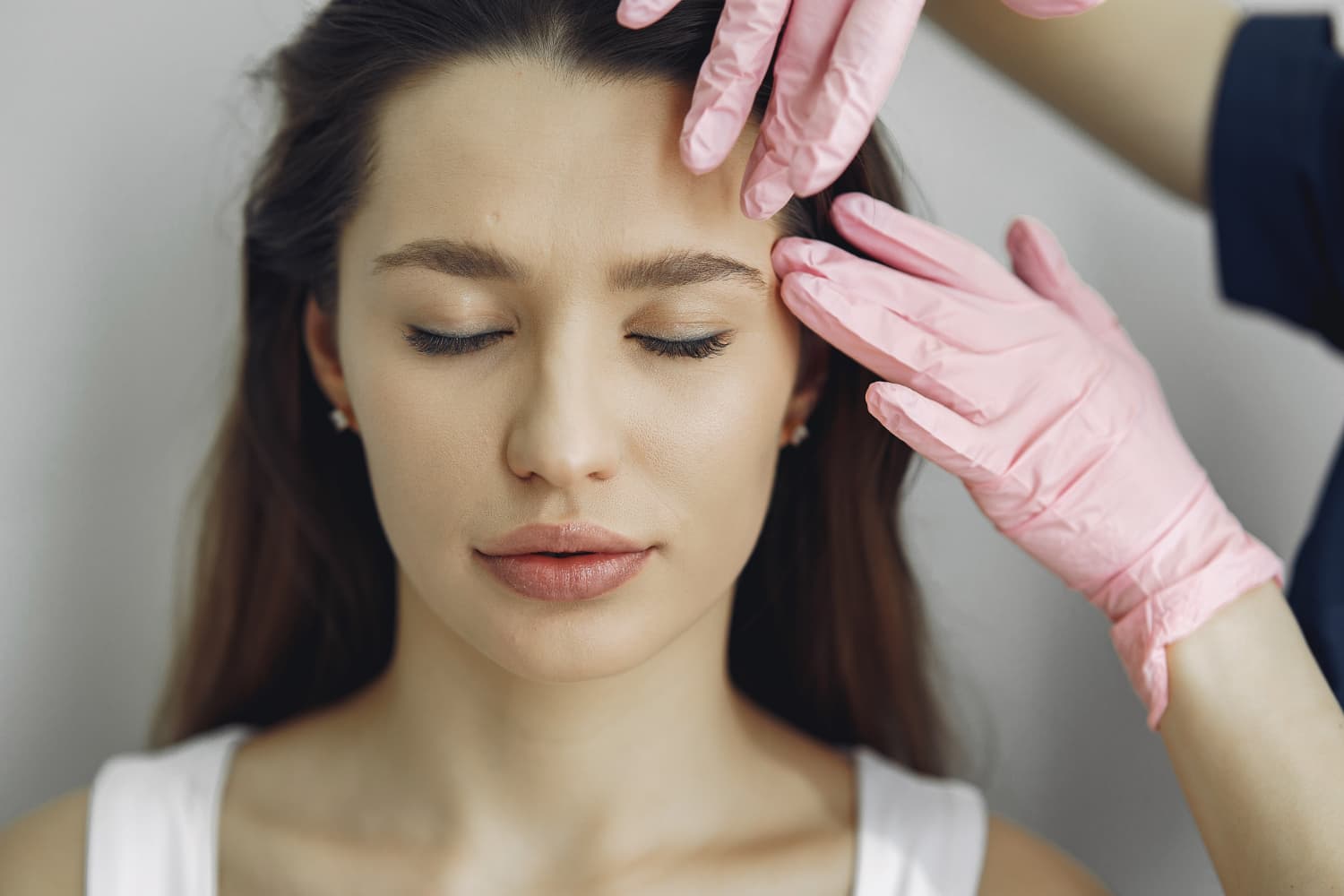
Laser Eyebrow Liftinguses main technologies such as fractional CO₂ laser, Er:YAG laser, Nd:YAG laser, diode laser systems, and picosecond laser platforms. These devices stimulate collagen production with thermal energy and tighten the skin, naturally lifting the eyebrow position.
Eyebrows play a very important role in facial aesthetics. The shape and position of the eyebrows frame the gaze and define facial expression. As the aging process progresses, the eyebrows gradually shift downwards. This causes a tired, sad, and aged appearance. Many people feel uncomfortable with this change and seek a solution.
Today, there are two main methods for eyebrow lifting. Surgical methods require incisions and have a long recovery time. Non-surgical methods use energy-based technologies. These technologies send thermal energy to the deeper layers of the skin. Heat increases collagen and elastin production. The skin tightens and the eyebrows naturally lift.
Energy-based aesthetic procedures have gained great interest in recent years. Patients desire natural-looking results without incisions. Laser technologies meet this expectation. In this article, we will examine the technologies used in laser eyebrow lifting in detail. We will explain the working principles, advantages, and limitations of each technology. Thus, you can make the right treatment choice based on scientific data.
Laser eyebrow lifting is a non-surgical aesthetic procedure that increases collagen production by stimulating subcutaneous tissues with thermal energy and elevates the eyebrow position by tightening the skin.
The laser device sends controlled thermal energy to the skin surface. This heat stimulates fibroblast cells in the dermis layer. Fibroblasts produce new collagen and elastin fibers. The skin tightens from within, and the eyebrow area lifts upwards.
Laser devices produce monochromatic light. This light is transmitted to the skin tissue at a specific wavelength. Water molecules in the skin absorb the laser energy. The absorbed energy is converted into heat. This heat creates controlled tissue damage. The body synthesizes new collagen to repair this damage.
Collagenis the framework of the skin. With sufficient collagen, the skin appears tight and youthful. With aging, collagen production slows down. Laser accelerates this production again. Elastin fibers also provide elasticity. Together, these two proteins tighten the skin. As the skin around the eyebrows lifts, the eyebrow position rises.
The lifting effect is not seen immediately. The skin repair process continues over weeks. Generally, the best results appear within 2 to 3 months. Results develop gradually. This natural process does not create an artificial appearance.
Laser brow lifting does not require incisions, has a short recovery time, results develop gradually, and provides a natural appearance. Surgical methods require incisions, stitches, and a long recovery process.
Surgical brow lifting is performed in an operating room. The surgeon makes incisions in the brow area. They lift the sagging tissue and remove excess skin. This method provides definitive results but carries risks. Scarring may occur. Facial expression may become dull. Recovery takes several weeks.
Laser brow lifting is performed in an office setting. Skin integrity is not compromised. There are no incisions or stitches. The patient returns to daily life immediately after the procedure. Facial expression is preserved. Results develop naturally. However, it may not provide as dramatic a change as surgery.
Feature | Laser Brow Lifting | Surgical Brow Lifting |
Incision | None | Present |
Anesthesia | Local cream or mild sedation | General anesthesia |
Recovery Time | 2-7 days | 2-4 weeks |
Naturalness of Results | Very natural | Variable |
Risk Level | Low | Medium |
Permanence | 1-2 years | 5-10 years |
Cost | Lower | Higher |
Fractional CO₂ laser, Er:YAG laser, Nd:YAG laser, diode laser systems, and picosecond laser platforms are the main technologies used. Each device operates with different wavelengths and mechanisms of action.
Fractional CO₂ laser operates at a wavelength of 10,600 nanometers. It sends microscopic heat columns to the skin surface. These columns promote rapid repair of the surrounding healthy tissue. It triggers deep collagen renewal.
Fractional CO₂ laser applies intense heat to the upper layer of the skin. The device divides the light into thousands of microscopic points. Healthy tissue remains around each point. This healthy tissue quickly repairs the damaged area. This is why the procedure is called fractional.
The device renews the epidermis. At the same time, it penetrates down to the dermis, stimulating deep collagen production. Fine wrinkles around the eyebrows are corrected. Skin tone is evened out. The eyebrow position is lifted.
Advantages Provided:
Provides deep tissue renewal
Delivers noticeable results in a single session
Significantly improves skin quality
Triggers long-term collagen production
Who Is It Suitable For?
Those with moderate to severe eyebrow drooping
Those with compromised skin quality
Those with sun damage and fine wrinkle issues
Patients over 40 who do not want surgery
Recovery Process: After the procedure, there may be mild redness and scabbing for 3 to 7 days. The skin returns to normal within a week. Sun protection is essential. Results fully emerge within 2 to 3 months.
Er:YAG laser operates at a wavelength of 2940 nanometers. Water absorption is much higher compared to CO₂ laser. Therefore, it transmits less heat to the skin surface. It creates a more superficial but more precise effect.
The Er:YAG laser has a high affinity for water. The water molecules in the upper layer of the skin absorb energy quickly. The risk of heat spreading to deeper tissues is reduced. This creates a safer profile.
Tissue Effect Mechanism: The Er:YAG laser exfoliates the epidermis in a controlled manner. It creates an ablative effect. The skin surface is renewed. The heat reaching the dermis stimulates collagen production. However, it does not penetrate as deeply as CO₂.
Differences from CO₂ Laser:
Feature | Er:YAG Laser | CO₂ Laser |
Wavelength | 2940 nm | 10,600 nm |
Water Absorption | Very high | High |
Depth | More superficial | Deeper |
Healing Time | 3-5 days | 5-10 days |
Redness Duration | Short | Long |
Pain | Lighter | More intense |
Risk | Lower | Higher |
Advantages: The recovery time is short. Redness and swelling are minimal. The risk of permanent color change in the skin is low. It can be safely used in sensitive areas.
Limitations: Deep collagen production is not as strong as CO₂. It may not be sufficient alone in advanced sagging. Multiple sessions may be required.
The Nd:YAG laser operates at a wavelength of 1064 nanometers. This wavelength penetrates the skin surface and reaches deep tissue layers. It heats the dermis and subcutaneous layers. It deeply stimulates collagen renewal.
The most important feature of the Nd:YAG laser is its deep penetration. It transmits energy to the lower layers without damaging the epidermis. This creates a non-ablative effect. The skin surface does not peel. The external appearance returns to normal immediately after the procedure.
Deep Tissue Heating: The 1064 nm wavelength is minimally absorbed by melanin. Therefore, it can be safely used on dark skin types. Energy is absorbed by water and hemoglobin in deep tissues. Heat stimulates fibroblasts.
Contribution to Collagen Renewal: The long wavelength heats large areas. The thermal effect spreads over a wide region. This initiates an intense collagen remodeling process. The subcutaneous tissues in the eyebrow area tighten. The eyebrow position gradually rises.
Diode lasers operate in the range of 800 to 980 nanometers. These systems provide homogeneous energy distribution to subcutaneous tissues. The skin tightening effect is strong. They are generally used for body applications but can also be preferred on the face.
Diode lasers have uniform energy distribution. They transmit heat evenly to subcutaneous fat and connective tissue. This helps with the overall tightening of the skin. Loose skin around the eyebrows lifts.
Energy Distribution: Diode lasers use large heads. They treat large areas in one go. The energy density is adjustable. This feature allows optimization according to different skin thicknesses.
Skin Tightening Effect: Heat shortens the collagen fibers in the connective tissue. This shortening creates an immediate feeling of tightness. New collagen production continues in the following weeks. The skin structurally strengthens.
Areas of Use: Diode lasers are primarily used for body tightening. However, they also enhance skin quality in the facial area. They can be preferred as a supportive treatment in eyebrow lifting, not alone.
Picosecond lasers send energy bursts in trillionths of a second (picoseconds). They create a photoacoustic effect instead of a thermal effect. They improve skin quality and stimulate collagen production. They provide rejuvenation in the eyebrow area.
Picosani technology works differently from classic lasers. Energy is delivered in a high dose in a very short time. There is no heat accumulation in the skin. This reduces the risk of side effects. It breaks down pigments and damaged tissues with a photomechanical effect.
Technological Developments: Next-generation platforms offer multi-wavelength systems. Multiple types of lasers are available in one device. This personalizes the treatment. The physician can create different effects at different depths.
Contributions to Skin Quality: Picosani lasers equalize skin tone. They eliminate sunspots. They tighten pores. These effects improve the overall appearance of the brow area.
Effects on Brow Lifting: The direct lifting effect may not be as strong as other lasers. However, the improvement in skin quality makes the area around the brows look younger. It is a valuable component in combined protocols.
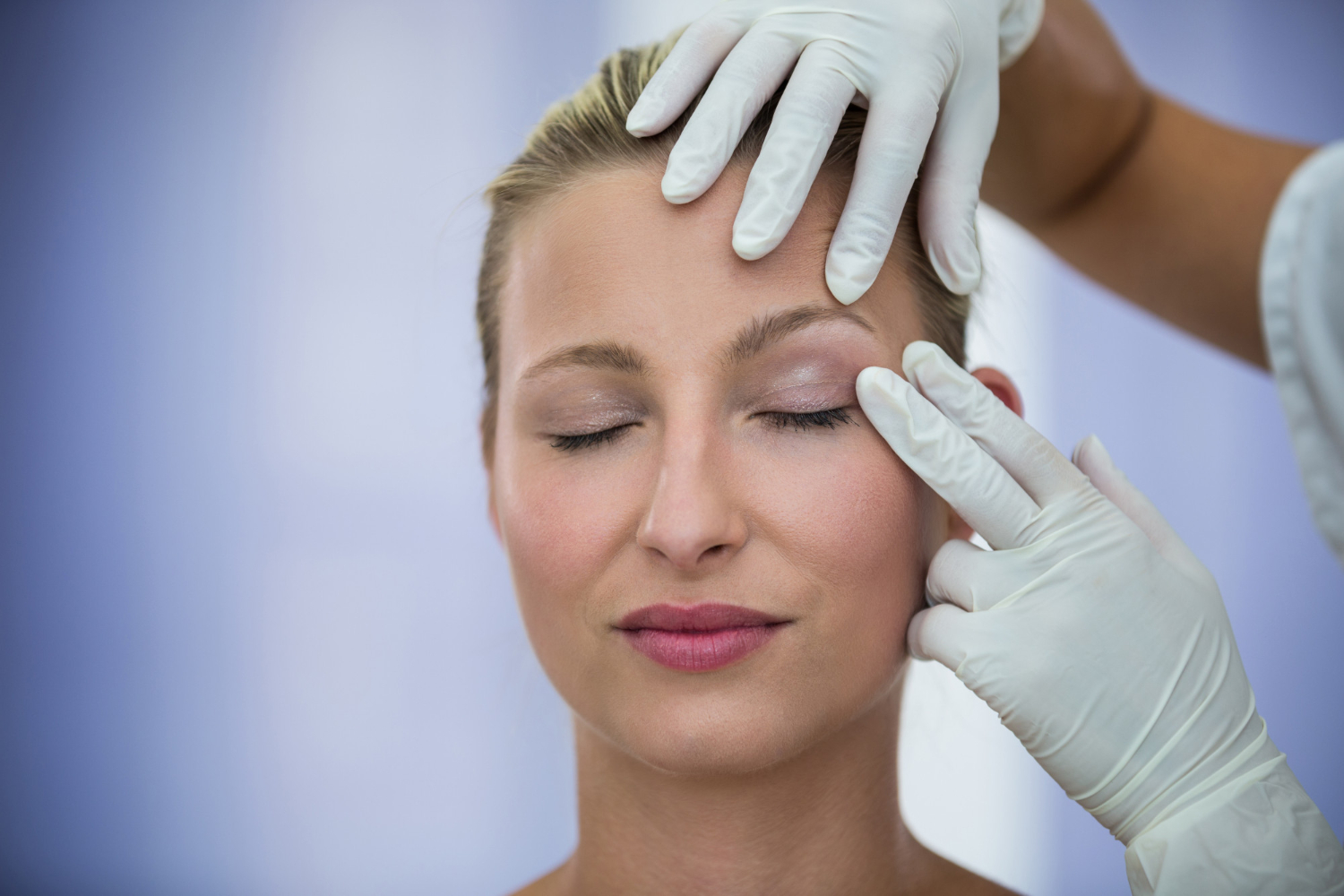
Technologies such as HIFU, micro-ultrasound (Sofwave), radiofrequency, and plasma energy are used besides laser. These systems stimulate subcutaneous tissues with different types of energy and elevate the brow position.
Laser technologies are common and effective. However, laser may not be the best option for every patient. Different types of energy work through different mechanisms. Knowing these technologies makes it easier to make the right decision.
HIFU (High-Intensity Focused Ultrasound) heats deep tissues by focusing sound waves. While laser uses light energy, HIFU uses ultrasound energy. HIFU can reach the SMAS layer.
How Does Ultrasound Energy Work? HIFU devices generate sound waves. These waves pass through the skin surface. They focus at a specific depth. High heat is generated at the focal point. This heat creates localized coagulation. Collagen production begins around each heat point.
Effect on the SMAS Layer: The SMAS layer is a connective tissue layer that surrounds the facial muscles. This layer is lifted in surgical facelift procedures. HIFU reaches this layer without surgery. When the SMAS is heated, a noticeable lifting effect occurs on the surface. The brows particularly benefit from this effect.
Differences from Laser:
Feature | HIFU | Laser |
Type of Energy | Ultrasound | Light |
Effect Depth | 1.5-4.5 mm (including SMAS) | 0.1-3 mm |
Effect on Skin Surface | None | Present |
Recovery Time | Almost none | 2-7 days |
Pain | Moderate-Advanced | Mild-Moderate |
Number of Sessions | 1-2 | 1-3 |
Result Visibility | 2-3 months | 1-3 months |
Sofwave is a micro-ultrasound technology. It uses a special system called SUPERB™. It focuses ultrasound energy on the dermis layer. It increases collagen and elastin production. It is an FDA-approved device.
SUPERB™ Technology: Sofwave sends parallel ultrasound beams. These beams focus on the mid-layer of the dermis. It does not damage the skin surface or deep tissues. A cooling system operates during the procedure. This enhances comfort.
Collagen and Elastin Production: Heat stimulates fibroblasts. Fibroblasts synthesize new collagen and elastin. Elastin provides skin elasticity. Collagen gives skin firmness. Together, these two proteins lift the brow area.
FDA Approved Indications: Sofwave has been approved by the FDA for facial lifting and wrinkle treatment. Eyebrow lifting is also among the indications. Scientific studies support its effectiveness.
Who is it Suitable For? Patients aged 30 to 50 are ideal candidates. Those with mild to moderate eyebrow droop can benefit. It is a safe alternative for those who do not want surgery. It can be applied to all skin types.
Radiofrequency converts electrical energy into heat. It delivers controlled heat to the subcutaneous tissues. It shortens and renews collagen fibers. The skin tightens. The eyebrow position lifts.
Role of Heat Energy: RF devices generate an electric current. This current encounters resistance in the tissues. The resistance converts to heat. Heat accumulates in the deep tissues. The skin surface is protected.
Skin Tightening Mechanism: Heat instantly shortens collagen fibers. This shortening provides immediate tension. New collagen production continues over the next 3 months. The skin structurally strengthens. The eyebrow area lifts.
Use in Combined Treatments: RF is often used in conjunction with laser or HIFU. Combined treatments create a synergistic effect. Laser renews the skin surface. RF provides deep tightening. When used together, results are better.
Plasma energy produces ionized gas molecules. These molecules deliver energy to the skin surface. It provides superficial tissue tightening. It corrects fine wrinkles around the eyebrows.
Superficial Tissue Tightening: Plasma affects the upper layer of the skin. It creates controlled damage at microscopic points. This damage tightens the skin. The lifting effect remains superficial.
Areas of Use Around the Eyebrows: Plasma is suitable for fine lines above the eyebrows. It provides slight lifting in the tail area of the eyebrows. However, it is not sufficient alone for deep lifting. It is used as a supportive treatment.
Skin thickness, age, degree of eyebrow droop, skin type, and patient expectations determine technology selection. Accurate assessment ensures the selection of the most suitable device.
Thin skin requires superficial effective systems (Er:YAG). Thick skin needs deep penetration (CO₂, Nd:YAG). Incorrect selection increases the risk of side effects.
Skin thickness is a critical factor in device selection. Thin skin transmits energy more easily. Deep lasers carry a risk of damage on thin skin. Thick skin requires energy to penetrate deeper. The physician should assess skin thickness.
In young patients, protective and mild systems are sufficient. In older age, deep effective devices are required. Collagen loss increases with age. This situation necessitates more aggressive treatment.
Collagen production is high in the 20s. It responds well to even slight stimulation. In skin over 40, collagen production has slowed down. Stronger energy is required. As age increases, the number of sessions may also rise.
All technologies work for mild droop. Fractional laser or HIFU is preferred for moderate droop. Surgical options should be considered for advanced sagging. Energy-based systems provide limited lifting.
Eyebrow droop is measured in millimeters. 1-2 mm is mild, 3-4 mm is moderate, and over 5 mm is advanced droop. Laser systems generally provide 2-4 mm of lifting. Surgery is required for more than that.
Fitzpatrick I-III (light skin) is suitable for all laser systems. Fitzpatrick IV-VI (dark skin) requires Nd:YAG or special settings. Incorrect device selection carries the risk of hypopigmentation.
The Fitzpatrick classification measures the skin's response to the sun. Light skin has low melanin. It absorbs laser energy safely. Dark skin has high melanin. The laser can target melanin, causing color changes. The Nd:YAG laser is safe for dark skin with a wavelength of 1064 nm.
Fitzpatrick Type | Characteristic | Suitable Laser |
I-III | Light skin, burns easily | CO₂, Er:YAG, Nd:YAG |
IV | Medium skin, rarely burns | Nd:YAG, adjusted CO₂ |
V-VI | Dark skin, never burns | Nd:YAG, special parameters |
Those who want natural and gradual results prefer lasers. Those seeking quick and noticeable changes look for HIFU or combined treatments. Patients expecting surgical results are not suitable candidates.
Patient expectations should be clarified in the first consultation. Energy-based systems do not promise dramatic changes. They offer natural rejuvenation. Managing expectations is the key to treatment success.
All systems are suitable for mild sagging. Fractional laser or HIFU is recommended for moderate sagging. Surgical or combined protocols are required for advanced looseness. Preventive treatment is sufficient for young patients.
For mild drooping, Er:YAG laser, non-ablative Nd:YAG, or radiofrequency is sufficient. These systems stimulate the skin and prevent early aging. The number of sessions may be 2-3.
Mild drooping is seen in young patients. The skin structure is still healthy. A preventive approach is the best. There is no need for aggressive treatment. Mild systems improve skin quality. They maintain eyebrow position.
For moderate sagging, fractional CO₂ laser, HIFU, or Sofwave is preferred. These devices provide deep collagen production. They yield significant results in one or two sessions.
Moderate drooping is common between the ages of 30-50. The skin has begun to lose collagen. Deep-acting systems are required. Fractional CO₂ offers both skin quality and lifting effects. HIFU provides strong lifting by reaching deep layers.
In advanced looseness, energy-based systems may be insufficient on their own. Combined treatments (HIFU + laser) or surgical options should be considered. Realistic expectations are important.
Advanced sagging is seen in those over 50 or with severe sun damage. The skin structure has significantly weakened. Laser or HIFU provides partial improvement. However, it cannot be as effective as surgery. Combined protocols yield the best non-surgical results.
For those who do not want surgery, HIFU or fractional CO₂ laser is the best option. These systems offer the most significant lifting effect without surgery. The recovery time is short.
Fear of surgery is common. Anesthesia risks, scarring, and long recovery times create anxiety. Energy-based systems eliminate this fear. HIFU reaches the SMAS layer, creating a surgical-like effect. Fractional CO₂ offers both skin quality and lifting together.
In young patients (ages 20-35), mild laser, radiofrequency, or Sofwave is used as preventive treatment. These applications prevent collagen loss. They maintain eyebrow position for a long time.
Preventive aesthetics have become popular in recent years. It is essential to intervene before signs of aging begin. Early collagen stimulation strengthens the skin. Eyebrows stay in place longer. This approach is called "prejuvenation."
Minimal invasive approach, natural appearance, collagen renewal, quick recovery, and combinability are the main advantages. These features make laser systems popular.
The minimal invasive approach does not disrupt the integrity of the skin. There are no cuts, stitches, or bleeding. The procedure is performed in an office setting. Risks are much lower compared to surgery.
Minimal invasive techniques are indispensable in modern medicine. They prioritize patient comfort. The complication rate is minimal. The procedure duration is 30-60 minutes. The need for anesthesia is low.
Natural results stem from a gradual healing process. The skin produces its own collagen. There is no appearance of external intervention. The brows gradually lift into place.
An artificial appearance is the most feared situation. Surgery can sometimes change facial expression. Laser systems utilize the skin's natural repair. Results develop within weeks. No one realizes a procedure has been done.
Collagen renewal enhances the structural strength of the skin. It improves not only brow lifting but also overall skin quality. The results provide not just aesthetic but also healthy skin structure.
Collagen is the body's most important structural protein. 70-80% of the skin is made up of collagen. Aging decreases collagen. Laser reverses this decrease. New collagen thickens the skin. It tightens the pores. The skin appears brighter.
After the procedure, the patient immediately returns to normal activities. Makeup can be applied in non-ablative systems. There may be slight redness for 3-5 days in ablative systems. Recovery is very fast compared to surgery.
Modern life requires pace. Long recovery times are unacceptable. Laser systems meet this need. Post-procedure care is simple. Sun protection is sufficient.
Yes, laser brow lifting can be performed alongside botulinum toxin, fillers, mesotherapy, and skincare. Combined treatments provide comprehensive rejuvenation.
Brow lifting alone may sometimes not be sufficient. Forehead wrinkles and fine lines around the eyes may accompany it. Combined protocols rejuvenate the entire face. The physician plans the appropriate timing.
In advanced sagging, effectiveness is limited. One session may not be sufficient. Results are not permanent. Regular maintenance is required. These limitations are important for managing patient expectations.
In advanced sagging, the skin and connective tissue have significantly loosened. Limited lifting is achieved with laser or HIFU. One should not expect results as dramatic as surgery.
Advanced sagging is usually seen in individuals over 55 years old. The SMAS layer may also have loosened. Energy-based systems cannot fully correct this condition. They provide partial improvement. However, the fatigue in facial expression may not completely disappear.
In cases of severe skin damage, deep wrinkles, and advanced age, a single session may be insufficient. 2-3 sessions with intervals provide better results.
Each skin responds differently. Some skins start collagen production slowly. A single session may not create a noticeable effect on these skins. Multiple sessions provide cumulative effects. A wait of 4-6 weeks is expected between sessions.
Laser brow lifting results typically last 1-2 years. HIFU results can last 1.5-2 years. Since the aging process continues, the results are not permanent.
Surgical results last 5-10 years. Energy-based systems do not last as long. However, repeated applications provide cumulative benefits. Regular maintenance extends the results.
Regular maintenance means repeating sessions every 6-12 months. This maintenance keeps collagen production continuous. It maintains the brow position for a long time.
The maintenance protocol is personalized. For younger patients, one session per year is sufficient. In older age, a session every 6 months may be necessary. Maintenance sessions are not as aggressive as the main treatment. Gentle systems are used.
Digital facial analysis, brow symmetry measurement, photographic assessment, and AI-supported analyses are used before the procedure. These technologies enable accurate planning.
Digital facial analysis measures facial features with special software. It converts skin quality, wrinkle depth, and brow position into numerical data. It personalizes the treatment plan.
In modern aesthetic medicine, digital analysis has become standard. The physician goes beyond visual assessment. The software measures facial symmetry. It maps signs of aging. It makes comparisons before and after treatment.
Brow symmetry is measured using special rulers and digital software. The points of the brow head, middle, and tail are marked. The difference between the two brows is recorded in millimeters.
Symmetry is important in aesthetics. The human eye seeks symmetry. Brow symmetry determines facial balance. The target position is determined as a result of the measurement. The treatment is planned to correct symmetry.
Standard light and angles are used to take before photos. Front, side, and 45-degree angles are utilized. These photos serve as a comparison tool to document results.
Photographic assessment is a medical standard. The same light, background, and pose are used. Patients see the results objectively. The physician measures treatment effectiveness. It provides legal documentation.
Artificial intelligence analyzes skin images. It predicts aging. It suggests the most suitable treatment protocol. It supports the physician's decision.
AI technology is rapidly evolving. Deep learning algorithms perform skin analysis. It learns from thousands of patient data. It offers personalized recommendations. However, the final decision is always made by the physician.
Cooling systems, LED light therapies, and medical care protocols accelerate healing. These technologies protect the skin barrier and optimize results.
Cooling systems lower the skin temperature after the procedure. They reduce redness and swelling. They enhance comfort. They accelerate healing.
Modern laser devices have integrated cooling. The skin is cooled during the procedure. Cold application is also done afterward. Cooling controls inflammation. The skin barrier is preserved.
LED light therapies use light at different wavelengths. Red light increases collagen production. Blue light kills bacteria. It supports healing.
LED technology is a non-invasive support. It can be applied within 24-48 hours after the procedure. Red light (630-700 nm) increases fibroblast activity. Infrared light accelerates tissue repair. Sessions last 15-20 minutes.
Medical care protocols consist of restorative creams, moisturizers, sunscreens, and antioxidant ingredients. These products repair the skin barrier. They preserve results.
The skin temporarily becomes sensitive after the procedure. Medical skincare products reduce this sensitivity. The ingredients are simple and effective. They are free of fragrance and alcohol. They are selected with physician recommendations.
Temporary redness, mild swelling, crusting, and pigmentation changes are possible side effects. Choosing the right technology and having an experienced physician minimizes these risks.
Yes, temporary redness is a normal and expected response. It lasts 3-7 days with ablative lasers. It resolves within a few hours with non-ablative systems.
Redness is the skin's heat response. It is a sign of inflammation. This inflammation triggers collagen production. Therefore, redness is part of the healing process. Excessive and prolonged redness should be reported to the physician.
Mild swelling is observed within 24-48 hours after the procedure. It completely disappears within 3-5 days. Sleeping with the head elevated reduces swelling.
Swelling is the body's natural response. It is the accumulation of inflammatory fluid. The eyebrow area and around the eyes are sensitive to swelling. A cold compress helps. Reducing salt intake is beneficial.
Crusting is the renewal of the skin surface in ablative lasers. Brown micro crusts form. They shed within 5-10 days. It is forbidden to pick at the crusts.
Crusting is a sign of epidermal renewal. New and healthy skin forms underneath. Picking at the crusts prematurely carries the risk of scarring and color changes. The use of moisturizer is important.
Pigmentation changes can be temporary or permanent. There is a risk of redness in light skin and darkening in dark skin. The correct choice of device and sun protection reduces this risk.
Hyperpigmentation is more common in dark skin. Melanin cells are affected by the laser. Sun exposure increases the risk. Sunscreen is essential before and after treatment. In some cases, bleaching creams are recommended.
Integrated cooling systems, energy control sensors, and skin type analysis devices reduce the risk of side effects. An experienced physician is the most important safety factor.
Modern devices are equipped with safety features. Energy is automatically adjusted. Skin temperature is monitored. Cooling operates instantaneously. However, the physician's knowledge and experience are as important as the device.
Patients are curious about the difference between laser and ultrasound, the most effective system, durability, pain levels, and combined use. In this section, we answer the most common questions.
Laser uses light energy and affects the skin surface or mid-layers. Ultrasound uses sound waves and reaches deep tissues and the SMAS layer. While laser improves skin quality, ultrasound enhances the lifting effect.
Laser and ultrasound work on different physical principles. Laser creates a photothermal effect. Ultrasound creates mechanical and thermal effects. Laser renews the skin surface. Ultrasound provides tightening in deeper layers. They are not alternatives to each other but rather complementary.
The most effective system varies according to the patient's profile. For deep collagen and skin renewal, CO₂ laser is effective, for rapid healing Er:YAG, for dark skin Nd:YAG, and for deep lifting HIFU is more effective.
There is no single "best" device. Each device has its strengths. The physician selects the most suitable device after evaluating the patient. The correct patient-device match is the secret to success.
No, not every laser device is suitable for eyebrow lifting. Hair removal lasers, vascular lasers, or tattoo removal lasers cannot be used for this purpose. Devices with skin rejuvenation and tightening properties are required.
Laser devices are produced in different wavelengths and purposes. Hair removal lasers target hair follicles. Vascular lasers target hemoglobin. Collagen-stimulating devices are needed for eyebrow lifting. The choice of device is the physician's area of expertise.
Results typically last 12-24 months. HIFU results can last 18-24 months, while laser results may last 12-18 months. Since aging continues, results are not permanent. Maintenance sessions are recommended.
Permanence depends on lifestyle. Results last longer in patients who use sunscreen, do not smoke, and eat healthily. Collagen production varies from person to person.
The procedure may cause mild to moderate pain. Pain is minimal in non-ablative systems. In ablative lasers, pain is managed with local anesthesia cream or cooling. Pain may be more pronounced in HIFU.
Pain perception is subjective. Everyone has a different pain threshold. Modern devices are equipped with comfort features. Cooling, vacuum, and anesthesia options are available. Post-procedure pain is rare.
Yes, multiple technologies can be used together or sequentially. For example, HIFU can be applied for deep lifting, and fractional laser can be used for skin quality together. A waiting period of 2-4 weeks is expected between sessions.
Combined treatments create a synergistic effect. A single technology may not meet all needs. The physician plans the combination. Proper timing is important. Two aggressive procedures are not performed on the same day.
Non-ablative Nd:YAG, radiofrequency, and HIFU require almost no recovery time. Er:YAG requires 2-3 days, while CO₂ requires 5-10 days of recovery. Social planning should be done before the procedure.
Recovery time can be a decisive factor in the choice. If there is an upcoming wedding or important meeting, non-ablative systems are preferred. If longer recovery is acceptable, ablative systems yield better results.
Yes, there are laser systems suitable for all skin types. All lasers are safe for light skin. In dark skin, Nd:YAG and specially adjusted systems are used. Careful evaluation is required for Fitzpatrick VI skin types.
In dark skin, melanin absorbs laser energy. This increases the risk of side effects. However, long-wavelength systems minimize this risk. An experienced physician can achieve safe results even in dark skin.
The right technology choice is personalized based on skin structure, age, degree of brow ptosis, skin type, and expectations. Scientific evidence and evaluation by experienced physicians yield the best results.
In this article, we examined the technologies used in laser brow lifting in detail. Fractional CO₂ laser offers deep collagen production and skin rejuvenation. Er:YAG laser provides a more superficial and safer profile. Nd:YAG laser is effective in dark skin and deep tissue heating. Diode laser systems distribute energy homogeneously over large areas. Picosecond and next-generation platforms enhance skin quality.
Apart from lasers, HIFU reaches the deep SMAS layer, providing powerful lifting. Sofwave micro-ultrasound technology offers FDA-approved safe results. Radiofrequency performs deep tightening. Plasma energy provides superficial correction.
Each technology has a different working mechanism. Lasers use light energy. Ultrasound uses sound waves. Radiofrequency converts electrical energy into heat. These different mechanisms create effects at varying depths.
Patient assessment is critical in technology selection. Skin thickness, age, degree of brow ptosis, Fitzpatrick skin type, and expectations determine the right device. Digital analysis and photographic evaluation enable objective planning.
Choosing the right device based on scientific evidence increases safety and treatment success. Each device has its advantages and limitations. The correct patient-device match yields the best results. Combined protocols can provide superior outcomes in some cases.
Laser brow lifting technologies offer minimally invasive, natural results, and quick recovery. However, they may be limited in advanced sagging. Regular maintenance prolongs results. Proper expectation management is key to patient satisfaction.
Goldman, Michael P., and John M. Cucé. "Laser Eyebrow and Forehead Lifting: A Comparison of CO₂ and Er:YAG Lasers." Surgery, vol. 28, no. 2, 2002, pp. 123-129.
Ross, E. Victor, et al. "Nonablative Laser Treatment of Facial Rhytides: A Comparison of CO₂ and Nd:YAG Lasers." Archives of , vol. 136, no. 5, 2000, pp. 625-631.
Fatemi, Nazanin, et al. "High-Intensity Focused Ultrasound (HIFU) for Lifting and Tightening of the Eyebrow and Forehead." Lasers in Surgery and Medicine, vol. 42, no. 8, 2010, pp. 723-730.
Suh, Dong Hye, et al. "Intense Focused Ultrasound Tightening in Facial Rejuvenation: A Prospective Study." Surgery, vol. 41, no. 5, 2015, pp. 623-629.
Brightman, Lori, et al. "Ablative and Fractional Ablative Lasers in Skin Rejuvenation and Repair." Journal of Drugs in , vol. 15, no. 11, 2016, pp. 1369-1376.
Alexiades-Armenakas, Macrene R. "Fractional Laser Resurfacing: A Review of the Literature." Journal of Cosmetic and Laser Therapy, vol. 10, no. 4, 2008, pp. 231-237.
Kennedy, J. E., et al. "High-Intensity Focused Ultrasound for Noninvasive Skin Tightening: A Review of the Clinical Evidence." Aesthetic Surgery Journal, vol. 35, no. 7, 2015, pp. 891-897.
Gold, Michael H. "Update on Tissue Tightening: A Review of Ultrasound and Radiofrequency Technologies." Journal of Drugs in , vol. 8, no. 8, 2009, pp. 735-740.
Dierickx, Christine C. "The Role of Lasers in Eyebrow Elevation and Facial Rejuvenation." Facial Plastic Surgery Clinics of North America, vol. 22, no. 3, 2014, pp. 357-365.
El-Domyati, Moetaz, et al. "Radiofrequency Facial Rejuvenation: Evidence-Based Effect." Surgery, vol. 37, no. 2, 2011, pp. 261-273.