
Yükleniyor…
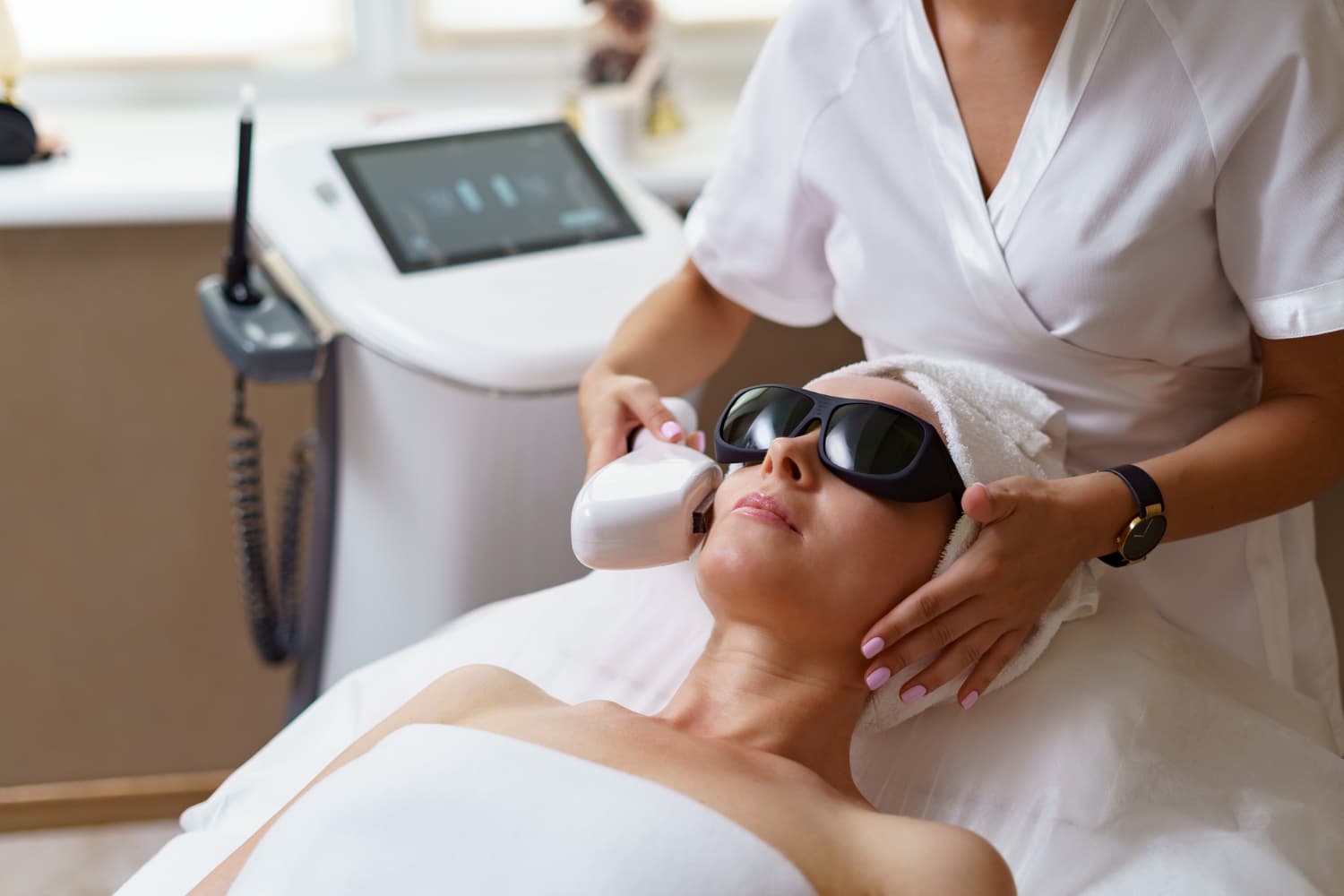
Yes, Ulthera technology provides non-surgical face lifting. Micro-focused ultrasound energy reaches the deeper layers of the skin. It triggers collagen production. The skin tightens. A lifting effect occurs. It does not require surgical incisions. It gives natural results.
Facial aging is a natural process that everyone encounters. Skin elasticity decreases over time. Collagen fibers weaken. The skin begins to sag. Fine lines deepen. These changes are seen from the 30s onwards. They become more pronounced in the 40s and 50s.
So, is it possible to stop this process? Non-surgical facial rejuvenation methods seek answers to this question. Nowadays, people avoid surgical operations. They do not want long recovery times. They are looking for solutions that preserve a natural appearance. At this point, Ulthera stands out.
Ulthera, or Ultherapy, uses micro-focused ultrasound technology. It does not require surgical incisions. It does not require anesthesia. It delivers energy to the deeper layers of the skin. It targets the SMAS layer. This layer is also the targeted area in surgical facelifts. It initiates collagen renewal. Over time, the skin tightens. A lifting effect occurs.
In this article, we will discuss Ulthera technology in detail. We will explain the treatment mechanism. We will show which areas it can be applied to. We will specify who it is suitable for. We will include scientific studies. We will create realistic expectations.
Ulthera is a non-surgical skin tightening system based on micro-focused ultrasound technology. It is FDA approved. It focuses on the deeper layers of the skin. It increases collagen production. It does not require surgical incisions.
Ulthera sends micro-focused ultrasound energy. This energy reaches the deeper layers without damaging the skin's surface. It penetrates down to the targeted SMAS layer in surgical facelifts. At this point, the energy generates heat. The heat creates controlled damage. This damage activates the body's healing mechanism. New collagen fibers are produced. The skin tightens. The lifting effect develops over time.
This technology is different from other laser systems. Lasers typically target the surface of the skin. Ulthera focuses on deep tissues. This feature makes it the closest non-surgical method to surgery.
Micro-focused ultrasound uses sound waves. These waves converge at a specific point within the skin tissue. Thanks to the focusing, energy is delivered to the deeper layers. The surface of the skin is not affected. Temperatures of 60-70 degrees occur in the deep tissues. This temperature reorganizes collagen fibers. It initiates new collagen synthesis.
Technology can operate at three different depths. A depth of 1.5 mm targets the upper layer of the skin. A depth of 3.0 mm reaches the subcutaneous tissue. A depth of 4.5 mm descends to the SMAS layer. This multi-layered approach provides comprehensive rejuvenation.
The Ulthera device has an imaging system. This system performs ultrasound imaging. The practitioner can see the internal structure of the skin on the screen. It distinguishes muscle layers, fat tissue, and bone structure. It clearly determines where to send the energy.
This feature enhances safety. Energy is not sent to incorrect depths. Nerve structures are preserved. Blood vessels are not harmed. Personalized application becomes possible. Every facial structure is different. The imaging system adapts to these differences.
The U.S. Food and Drug Administration (FDA) has approved the Ulthera system. The approved areas are brow lifting, neck tightening, and the submental area. These approvals have been supported by scientific studies. Clinical efficacy has been proven.
The areas of use have expanded over the years. Initially, it was used only on the facial area. Now it is also applied to the neck, décolleté, and body areas. Special heads have been developed for each area.
Ulthera sends ultrasound energy to deep tissues. It targets the SMAS layer. Heat triggers collagen production. The skin tightens. The lifting effect becomes noticeable within 2-3 months.
Our skin is made up of collagen fibers. These fibers support the skin. Over time, the quality of collagen decreases. Micro-focused ultrasound energy creates controlled heat. This heat shortens existing collagen fibers. The body perceives this situation as a repair signal.
Fibroblast cells are activated. These cells produce new collagen. Elastin fibers are also renewed. The synthesis of hyaluronic acid increases. The skin thickens. It tightens. This process begins immediately. However, results are seen over time.
SMAS is a layer that surrounds the facial muscles and fat tissues. This layer is located beneath the skin. In surgical facelifts, the surgeon lifts this layer. The position of the SMAS layer changes. The skin is tightened.
Ulthera reaches a depth of 4.5 mm. This depth corresponds to the SMAS layer. Energy is delivered to this layer without making a surgical incision. The layer is heated. It tightens. It creates a lifting effect on the skin. This mechanism makes non-surgical lifting possible.
Ulthera energy works at three different depths. Each depth creates a different effect. 4.5 mm provides deep lifting in the SMAS layer. 3.0 mm accelerates collagen renewal in the subcutaneous tissue. 1.5 mm reduces fine lines on the skin surface.
This multi-layered approach provides comprehensive results. The skin is rejuvenated from both the inside and outside. The feeling of tightness begins immediately. The lifting effect develops over weeks. The skin naturally rejuvenates.
Collagen production is not a rapid process. The body gradually forms new fibers. In the first weeks, existing collagen fibers shorten. A slight feeling of tightness is felt in the skin. New collagen synthesis begins after 2-3 weeks.
Within 2-3 months, the amount of collagen significantly increases. Maximum effect is seen at 6 months. This process is a natural renewal. The skin does not change suddenly. It rejuvenates over time. Results are permanent. However, as aging continues, it can be repeated every 1-2 years.
Ulthera can be applied to the brow, forehead, cheeks, jawline, double chin, neck, and décolleté areas. Special heads are used for each area. Results vary by region.
Low brows create a tired expression. Ulthera sends energy to the brow area. The skin over the forehead muscles tightens. The brows lift slightly. The eye area opens up. The gaze appears more vibrant.
This procedure can be an alternative to surgical brow lifting. However, the results are not as pronounced as surgery. It provides a lift of 1-2 mm. A natural appearance is maintained. There is no excessive elevation.
The forehead area is where aging is most pronounced. Horizontal lines deepen. The skin loosens. Ulthera delivers energy to the forehead tissue. Collagen renewal begins. Lines soften. The skin becomes smoother.
In individuals with a wide forehead, the lifting effect is more pronounced. As the skin tightens, the forehead area appears more compact. Facial proportions improve.
The cheeks are the widest part of the face. With aging, the cheeks sag downwards. Nasolabial folds deepen. Ulthera sends multi-layered energy to the cheek tissue. The skin is lifted upwards.
As the cheeks tighten, the oval shape of the face is preserved. The mid-face area rejuvenates. Smile lines soften. The facial expression becomes more dynamic.
The jawline frames the face. With aging, this line becomes blurred. Sagging known as jowls occurs. Ulthera focuses on the jawline. The SMAS layer is heated. The skin is lifted upwards.
As the jawline becomes clearer, the face appears younger. The boundary between the face and neck becomes more defined. This effect is seen differently in men and women.
The double chin is the fat tissue under the chin. With aging, this area sags. A double chin appearance occurs. Ulthera delivers energy to the double chin area. The skin tightens. The fat tissue is compressed.
Chin treatment alone may not be sufficient. Combined treatments may be considered for individuals with excess fat. However, in cases of mild sagging, Ulthera can be effective on its own.
The neck ages as quickly as the face. The skin is thin. Sagging begins early. Ulthera is applied to the neck area with special heads. Deep tissues are targeted. The skin tightens. Neck lines become less pronounced.
Neck treatment is performed together with facial treatment. This way, the integrity of the face and neck is preserved. There may be inconsistencies in separate treatments.
The décolletage area is exposed to sun damage. Fine lines and wrinkles develop. Ulthera can also be used in this area. The skin tightens. Lines become less pronounced. Skin texture improves.
Décolletage treatment can be combined with facial and neck treatments. Body rejuvenation is achieved. It is especially beneficial for those who prefer low-cut clothing.
It is suitable for individuals over 30 with mild to moderate skin laxity who do not want surgery. For those with advanced sagging, surgery may be more appropriate.
Ulthera utilizes the skin's own repair mechanism. Therefore, the skin must have some potential. In individuals with mild to moderate laxity, collagen production is still active. The skin responds to energy.
In cases of advanced sagging, the skin has become very lax. Collagen potential has decreased. In this situation, surgery becomes more effective. Ulthera may provide limited results for these individuals.
The age of 30 is when collagen loss accelerates. Skin elasticity begins to decrease. Preventive treatments slow down this process. Ulthera supports collagen production at an early age.
A preventive approach delays the need for surgery in later years. Skin tissue remains healthy for a longer time. This strategy is referred to as "prejuvenation." That is, instead of preventing aging, it aims to maintain youth.
Many people avoid surgery. They do not want the risks of general anesthesia. Concerns about incision scars arise. Long recovery times disrupt their work. Ulthera eliminates these concerns.
Daily life can be resumed immediately after the procedure. The natural appearance is preserved. No one can tell that a procedure has been performed. These features are attractive for individuals with active social lives.
Surgical results are not permanent. Aging continues. Sagging begins again after 5-10 years. Ulthera extends the results of surgery. It supports collagen production. The skin remains tight.
This approach can be included in the post-surgical care protocol. Results are maintained with annual repetitions. It may delay the need for surgery.
The effect is limited in individuals with severe sagging. It should be postponed in those with active skin infections. Safety studies are insufficient for pregnant and breastfeeding women. It is not applied to areas with open wounds. Caution should be taken in areas with metal implants. A doctor's evaluation is required for certain autoimmune diseases.
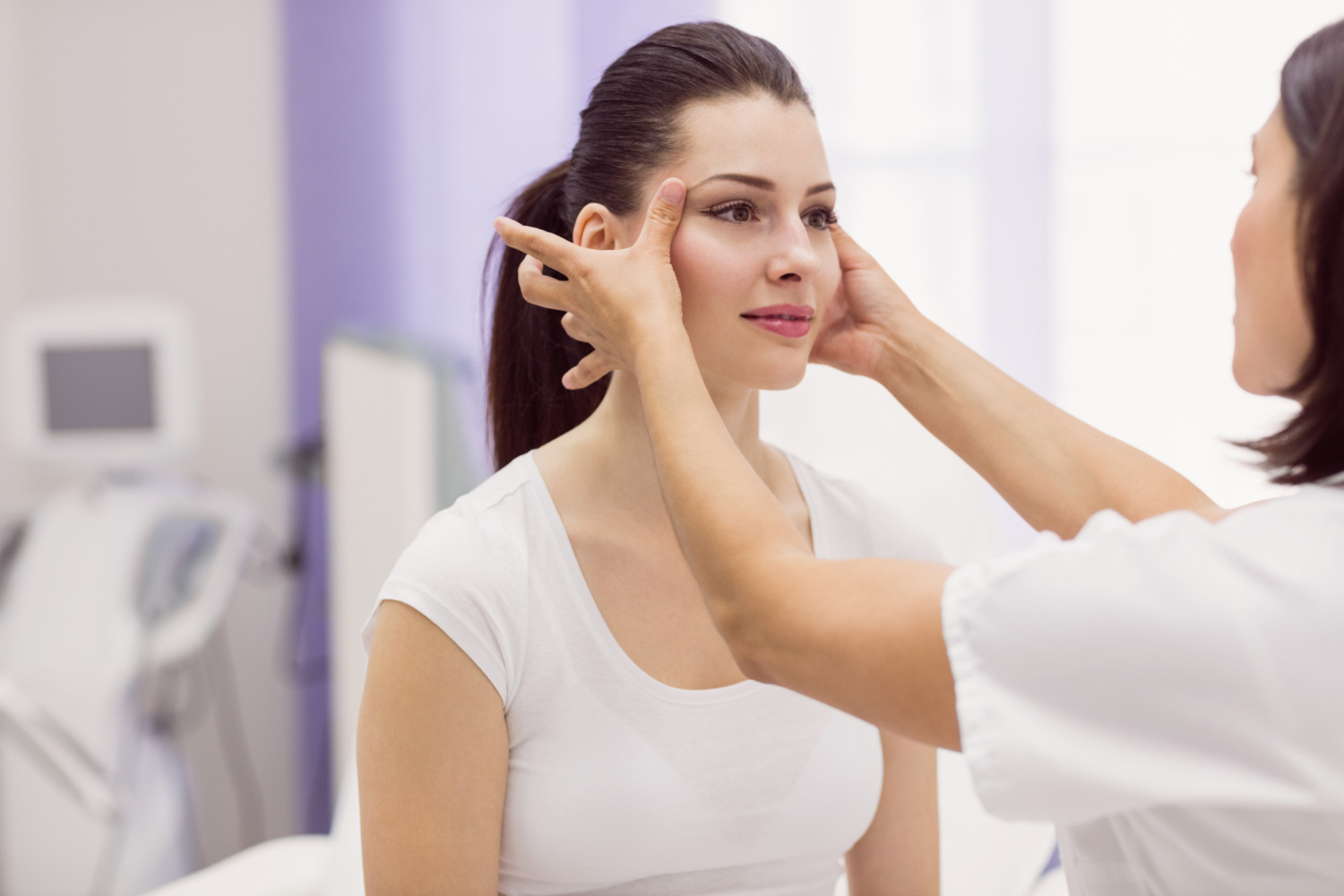
Skin elasticity is analyzed. Facial anatomy is evaluated. Expectations are determined realistically. A personalized plan is prepared.
The doctor examines the skin manually. Skin quality is assessed. An elasticity test is conducted. How much does the skin bounce back? What is the degree of sagging? What is the amount of fat tissue? These factors determine the outcome.
Skin thickness is important. Energy is transmitted more easily in thin skin. Thicker skin requires more energy. The effect may decrease in areas with excess fat tissue.
Every face has a different structure. The bone structure varies. Muscle thickness changes. Fat distribution is unique to each individual. These factors affect the treatment plan.
Cheek width, jawline shape, and neck length are important. These measurements determine energy distribution. Different planning is done for asymmetrical faces.
Ulthera is not a miraculous solution. It does not provide results as pronounced as surgery. The doctor explains this to the patient. A photo is shown. The results of similar cases are examined.
The patient expresses what they expect. The doctor indicates what can be achieved. This communication determines the success of the treatment. Excessive expectations lead to dissatisfaction.
The energy level is determined for each area. The number of shots is planned. Depth is selected. More energy is required in some areas. In others, less is sufficient.
The duration of treatment is planned. Is one session sufficient? Or is an additional session necessary? These decisions are made after evaluation.
The skin is cleaned. Ultrasound gel is applied. Imaging is performed. Energy is transmitted. The procedure lasts 30-90 minutes. One can return to daily life immediately.
The skin is cleansed of makeup. It is cleaned. Ultrasound gel is applied. This gel facilitates energy transmission. The cooling system is activated. A regional anesthesia cream may be applied for pain control.
The patient is placed in a comfortable position. The facial area is illuminated. The practitioner prepares the device. The imaging system is calibrated.
It varies depending on the treated area. Full facial treatment takes 60-90 minutes. Half face takes 45-60 minutes. If the neck is included, the duration extends. If the décolleté is included, it can approach a total of 2 hours.
The duration per shot is measured in seconds. However, planning and imaging take time. A quality application should not be rushed.
A sensation of heat occurs during energy transmission. This feeling may be followed by tingling or prickling. Pain tolerance varies from person to person. Most patients can tolerate the discomfort.
Some areas are more sensitive. The sensation may intensify near the bone. The practitioner can adjust the energy level. The cooling system reduces discomfort.
The practitioner can see inside the skin on the screen. They check where the energy is going. They adjust the depth. They identify safe areas. They avoid nerve and vascular structures.
This imaging also provides reassurance for the patient. The application is performed consciously. Energy is not sent randomly. Each shot is controlled.
Once the procedure is completed, the gel is cleaned off. The skin may be slightly red. This redness subsides within 1-2 hours. The patient can return to work immediately. They can wear makeup. They can go out in the sun.
There are no activity restrictions. Exercise can be done. They can touch their face. They can continue their skincare routine. This comfort is one of the biggest advantages.
There may be temporary redness and swelling. Makeup can be applied immediately. One can return to sports and social life instantly. Sun protection is important.
Mild redness may be observed on the skin. This redness is an indication of the energy effect. It disappears within 2-4 hours. Rarely, small bruises may occur. These bruises resolve within 2-3 days.
Some patients may feel a slight firmness in the skin. This sensation is caused by healing in the deeper layers of the skin. It resolves within 1-2 weeks. Temporary swelling is rarely seen.
Makeup can be applied immediately. The skin is clean after the procedure. Foundation, blush, and lipstick can be used. However, the skin may be sensitive. Gentle products should be preferred.
Makeup removal should be done with soft motions. Rubbing and dragging the skin should be avoided. Light cleaning is sufficient for the first 24 hours.
Exercise can start immediately. Sweating is not a problem. Swimming is allowed. Sauna and bath can be postponed. Very hot environments may prolong redness.
There are no restrictions on social life. You can attend meetings. You can participate in invitations. Photos can be taken. No one will realize that a procedure has been done.
Sun protection is very important. SPF 50 sunscreen should be used. Sun damage negatively affects healing. The skincare routine should continue. Moisturizer should be used.
Heavy massages should not be done in the first week. Facial yoga and similar applications can be postponed. The skin's own healing process should be respected.
The initial tightening is felt immediately. Collagen renewal becomes noticeable in 2-3 months. Maximum effect is seen at 6 months. Results last for 1-2 years.
A slight tightness is felt in the skin after the procedure. This sensation is due to the shortening of existing collagen fibers. The skin appears tighter. This effect is temporary. It will soften within a few weeks.
Real collagen renewal starts immediately. However, time is needed for visible changes. Patience is important.
Fibroblast cells are activated. Type 1 and Type 3 collagen is produced. New fibers support the skin. The skin thickens. Elastin fibers are renewed. Skin elasticity increases.
During this period, patients notice the changes. The skin looks more vibrant. Smoothness increases. Facial contours become clearer. Photo comparisons show the difference.
At the end of 6 months, collagen production peaks. The skin reaches maximum tightness. The lifting effect is at its most pronounced. Facial contours are defined. Skin texture is renewed.
During this period, a doctor's check-up is done. Photos are compared. Results are evaluated. It is decided whether additional sessions are necessary.
Collagen fibers last a long time. However, aging continues. New sagging may begin within 1-2 years. This duration depends on lifestyle. Smoking shortens the duration. Sun protection extends it.
Annual maintenance sessions preserve the results. Repeated applications continuously renew the collagen pool. The skin remains youthful for a long time.
It does not require surgical incisions or anesthesia. It provides a natural appearance. You can return to daily life immediately. It is applied in a single session. It can be applied to all skin types.
Surgical incisions leave scars. Scar tissue forms. There is a risk of infection. There may be bleeding. Ulthera works without penetrating the skin. It sends energy from the outside. It creates an effect from within.
This feature is ideal for individuals with a fear of cuts. Concerns about scarring are eliminated. Skin integrity is preserved.
General anesthesia is risky. There is a waking process. Nausea and dizziness may occur. Ulthera is performed with local anesthesia. In fact, just a pain cream is sufficient. The patient is awake during the procedure.
Being awake is an advantage for the patient. If there is any discomfort, they can inform the practitioner. The energy level can be adjusted instantly.
Ulthera utilizes the skin's own repair mechanisms. It does not add anything from the outside. It does not use fillers. The skin produces its own collagen. Results develop gradually. There are no sudden changes.
No one says, "I had an operation." They say, "Something has changed, but what?" This naturalness is the most desired feature.
Modern life is fast-paced. People cannot be away from work for long periods. Surgery requires 2-4 weeks of leave. Ulthera allows for immediate return after the procedure. You can attend meetings. You can travel. You can continue your social life.
This comfort is critical for those with active professional lives. Celebrities and business people prefer this feature.
Some treatments require 3-5 sessions. This takes time. Costs increase. Ulthera can be effective in a single session. The patient comes once. They wait for the results. It saves time.
However, in some cases, a second session may be recommended. Skin structure, age, and area affect this decision. A doctor's evaluation is necessary.
Laser systems are generally applied to lighter skin types. The risk of complications increases in darker skin. Ulthera uses ultrasound. It does not interact with color pigments. Therefore, it can be safely applied to all skin types.
This feature is a significant advantage in societies with ethnic diversity. Every skin color can benefit from the treatment.
It does not provide results as pronounced as surgery. Its effect is limited in advanced sagging. Individual factors affect the outcome. Repeated applications may be necessary.
No, it cannot completely replace it. Surgery cuts the skin. It lifts the SMAS layer. It removes excess skin. This mechanical correction is very pronounced. Ulthera tightens with energy. It does not remove skin.
Surgery is more effective in older ages. Surgery should be considered for patients aged 60-70. Ulthera provides limited results in this age group.
If the skin is very loose, the collagen potential has decreased. Even if energy is sent, the skin may not tighten sufficiently. In this case, surgery is recommended. Or combined treatments are considered.
Thread lifting and filler methods can be combined with Ulthera. However, Ulthera alone may be insufficient.
Genetic structure is important. Some individuals produce collagen quickly. In others, it is slower. Age is a factor. Younger skin responds better. Older skin responds more slowly.
Lifestyle is influential. Results are poor in smokers. The effect decreases in sun-damaged skin. Nutrition is important. Protein intake supports collagen production.
Yes, it may be necessary for some patients. The results of the first session may not be sufficient. A second session can be planned after 6 months. Annual maintenance sessions preserve the results.
The number of repetitions is individualized. A doctor's assessment is made. Excessive repetition is not harmful. However, unnecessary repetition increases costs.
The mechanism of action is different. The recovery time is very short. The results are not as pronounced as surgical ones. The risk profile is low. It is suitable for those with mild sagging.
Feature | Ulthera | Surgical Facelift |
Mechanism of action | Ultrasound energy | Surgical incision and stitches |
Anesthesia | Local / Pain cream | General anesthesia |
Recovery time | Immediate | 2-4 weeks |
Result clarity | Mild-moderate | Prominent |
Risk profile | Low | Medium-high |
Scarring | None | May leave a scar |
Cost | Lower | Higher |
Naturalness | Very natural | May vary |
Suitable age range | 30-55 | 50+ |
Ulthera sends energy. The skin heals itself. Surgery cuts the skin. It mechanically tightens. It removes excess skin. This fundamental difference determines the results.
Ulthera is a biological process. Surgery is a physical correction. Both approaches have their place.
There is immediate recovery after Ulthera. After surgery, there is swelling, bruising, and bandaging. Staying at home for 1 week is recommended. Return to social life may be possible after 2 weeks. Full recovery takes 1-2 months.
This difference determines preferences. A person in a hurry chooses Ulthera. Someone with time may consider surgery.
Surgical results are visible immediately. The skin tightens. Sagging is eliminated. There are significant changes. Ulthera results develop over time. There are slight changes. The natural appearance is preserved.
A person who undergoes surgery at age 40 may appear to have "had an operation." A person who has Ulthera may be said to "look good." That is the difference.
There is a risk of infection, bleeding, and nerve damage in surgery. There may be anesthesia complications. These risks are minimal with Ulthera. Rarely, there may be temporary numbness of the nerve. Skin burns are very rare.
The safety profile makes Ulthera advantageous. It is ideal for those who do not want to take risks.
Ulthera is suitable for young and middle-aged individuals. It is for those with mild sagging. Surgery is for older age and advanced sagging. The target audience for both methods is different.
Some patients try Ulthera first. If the results are insufficient, they turn to surgery. This stepwise approach is correct.
There are HIFU, Thermage, radiofrequency, and thread lifting methods. Each has a different mechanism. Ulthera reaches deep tissues. It has an imaging system. It has FDA approval.
Method | Technology | Depth | Imaging | FDA Approval | Collagen Effect |
Ulthera | MFU | 1.5-4.5 mm | Yes | Yes | High |
HIFU | High-intensity ultrasound | Variable | No | Limited | Medium |
Thermage | Monopolar radiofrequency | 3.0 mm | No | Yes | Medium |
Radiofrequency | Multipolar RF | 2-4 mm | No | Variable | Medium |
Thread Lift | Mechanical threads | Subcutaneous | No | No | Low |
HIFU and Ulthera use ultrasound. However, HIFU is generally of Chinese origin. It does not have an imaging system. Energy control is limited. FDA approval is not complete.
Ulthera is original American technology. It has an imaging system. Energy control is precise. Clinical studies have been published. The safety profile is proven.
Thermage uses radiofrequency energy. It is a monopolar system. It heats from the skin surface. Ulthera uses ultrasound. It focuses on deeper layers.
Thermage affects the skin surface. Ulthera focuses on deeper layers. Thermage heats large areas. Ulthera focuses on specific points. Both methods stimulate collagen production. However, the mechanisms are different.
Radiofrequency uses electrical energy. It emits heat. It progresses from the skin surface to deeper layers. Ultrasound uses sound waves. It focuses from deep to the surface.
Radiofrequency generally requires multiple sessions. Ulthera is more effective in a single session. The pain from radiofrequency is different. Ultrasound pain is a deep stabbing sensation.
Thread lifting uses mechanical threads. The threads are placed under the skin. The skin is physically pulled upwards. Results are visible immediately. However, the threads dissolve. The effect diminishes within 6-12 months.
Ulthera does not use threads. The skin produces its own collagen. Results are more permanent. However, they are not visible immediately. Thread lifting provides instant lifting. Ulthera offers long-term tightening.
Its clinical efficacy has been proven. Patient satisfaction is high. The safety profile is good. Long-term results are positive.
In a study conducted by Glatt and colleagues in 2012, they evaluated the effectiveness of Ulthera in facial tightening. The study results showed a significant increase in collagen renewal (Glatt et al., 2012).
In a paper published in 2011, Suh and colleagues examined the effects of micro-focused ultrasound on skin biomechanics. They found a significant improvement in skin elasticity (Suh et al., 2011).
In a histological study conducted by Oni and colleagues in 2013, they observed an increase in collagen density post-treatment under the microscope. They identified that new collagen fibers were regularly arranged (Oni et al., 2013).
In 2015, Fabi and colleagues assessed patient satisfaction. More than 80% of the patients participating in the study reported being satisfied with the results. The satisfaction rate peaked at 6 months (Fabi et al., 2015).
Patients particularly preferred natural results. The comment "No one noticed, but everyone said I looked good" was common. This natural satisfaction is the most important indicator.
In 2013, Goldberg and colleagues published a safety study. The rate of serious side effects was found to be below 1%. Temporary redness and edema were the most common side effects. Permanent complications were rarely observed (Goldberg et al., 2013).
In 2008, Laubach and colleagues shared early safety data. They determined that the controlled use of ultrasound energy is safe. The risk of skin damage was minimal (Laubach et al., 2008).
Alam and colleagues published a long-term follow-up study in 2018. They showed that the 12-month results were comparable to the 6-month results. They determined that the collagen effect is permanent (Alam et al., 2018).
Lee and colleagues shared the 2-year follow-up results in 2019. They demonstrated that the results are sustainable with annual maintenance sessions. Skin quality can be maintained for a long time (Lee et al., 2019).
Ulthera provides non-surgical lifting. Pain is at a tolerable level. Generally, a single session is sufficient. Results last for 1-2 years. It can be applied to anyone over 30 years of age. It doesn't matter if it's summer or winter. Men can also have it done. It can be used in conjunction with fillers and Botox. It does not thin the face. It corrects neck sagging.
Yes, it does. However, it is not as pronounced as surgery. The skin tightens. A lifting effect occurs. However, the skin is not removed. It is only tightened. It is effective for mild to moderate sagging. For advanced sagging, surgery may be more appropriate.
Pain varies from person to person. Most patients can tolerate it. There is a sensation of prickling and heat. Pain cream reduces discomfort. The cooling system helps. Energy can be adjusted in very sensitive areas.
For most patients, a single session is sufficient. However, a second session may be recommended depending on skin structure. The second session is usually planned 6 months later. Annual maintenance sessions preserve the results.
Results last for 1-2 years. As aging continues, the effect diminishes. Sun protection extends the duration. Smoking shortens the duration. Annual repetitions increase permanence.
It can be applied to anyone over 30 years of age. However, the effect may be limited in older ages. It is done for preventive purposes at a young age. It is done for treatment purposes in middle age. It is done for maintenance purposes in older age.
Yes, it can be done. Ultrasound is not sensitive to sunlight. However, sun protection is important. The skin may be sensitive after the procedure. SPF 50 sunscreen should be used. Direct sunlight should be avoided.
Yes, it can be applied. Men's facial features are different. The beard area should be evaluated carefully. Men's skin is thicker than women's skin. The energy level is adjusted accordingly. Results are effective in men as well.
Yes, it can be used together. However, it should not be done on the same day. Ulthera is done first. Fillers and Botox can be planned 2-4 weeks later. This order gives the best results.
No, it does not slim down. The skin thickens. Collagen production supports the skin. The volume of the face is preserved. There may even be slight plumping. There is no slimming effect.
Yes, it does. The neck is treated with special heads. The skin tightens. Sagging decreases. However, the effect is limited in advanced neck sagging. It is recommended to be done together with the face.
Ulthera has an important place in non-surgical facial rejuvenation. Correct patient selection is critical. Realistic expectations are necessary. A personalized assessment provides optimal results.
Ulthera is a bridge between surgery and cosmetics. It is not as pronounced as surgery. However, it is much more effective than creams and massages. Micro-focused ultrasound technology has been scientifically proven. FDA approval provides reassurance.
This technology has revolutionized the field of facial rejuvenation. People are looking for non-surgical solutions. Ulthera meets this need. It offers natural results. It presents a safe profile.
Not every method is suitable for every patient. Ulthera is ideal for mild to moderate sagging. Surgical options should be considered for advanced sagging. A doctor's assessment makes this decision.
Incorrect patient selection leads to dissatisfaction. The patient may say, "I want it to be like surgery." However, Ulthera cannot provide that. Therefore, prior assessment is essential.
Ulthera is not surgical. It does not provide results like surgery. However, it does not carry the risks of surgery either. It offers natural rejuvenation. It does not disrupt daily life.
The patient should understand this. The term "non-surgical facelift" is correct. However, the phrase "achieving surgical results non-surgically" is incorrect. The difference is important.
Every face is different. Every skin is different. A standard protocol may not be sufficient. The energy level should be adjusted according to the individual. The number of shots should be planned according to the area.
Doctor experience is important. They must understand the skin structure. They should direct the energy to the right place. The imaging system helps at this point. Correct assessment, correct planning, and correct application lead to success.
Alam, Murad, et al. "Ultrasound Tightening of Facial and Neck Skin: A Rater-Blinded Prospective Cohort Study." Journal of the American Academy of , vol. 78, no. 3, 2018, pp. 478-484.
Fabi, Sabrina Guillen, et al. "Objective and Subjective Results of Microfocused Ultrasound with Visualization for the Treatment of Facial and Neck Laxity." Surgery, vol. 41, no. 3, 2015, pp. 327-335.
Glatt, Peter, et al. "Microfocused Ultrasound for Noninvasive Skin Tightening: Clinical and Histologic Analysis." Aesthetic Surgery Journal, vol. 32, no. 5, 2012, pp. 578-582.
Goldberg, David J., et al. "Safety and Efficacy of Microfocused Ultrasound for the Treatment of Facial Laxity." Journal of Cosmetic and Laser Therapy, vol. 15, no. 4, 2013, pp. 198-204.
Laubach, Hans-Joachim, et al. "Intense Focused Ultrasound: Evaluation of a New Treatment Modality for Precise Microcoagulation within the Skin." Surgery, vol. 34, no. 5, 2008, pp. 727-734.
Lee, Hyo-Hyun, et al. "Long-Term Efficacy and Safety of Microfocused Ultrasound for Facial Laxity: A Two-Year Follow-Up Study." Journal of Treatment, vol. 30, no. 2, 2019, pp. 145-150.
Oni, Georgette, et al. "Histologic Evaluation of Skin Treated with Microfocused Ultrasound for Skin Laxity." Aesthetic Surgery Journal, vol. 33, no. 8, 2013, pp. 1108-1115.
Suh, Dong Hye, et al. "Intense Focused Ultrasound Tightening in Asian Skin: Clinical and Histopathologic Results." Journal of Cosmetic and Laser Therapy, vol. 13, no. 4, 2011, pp. 159-166.