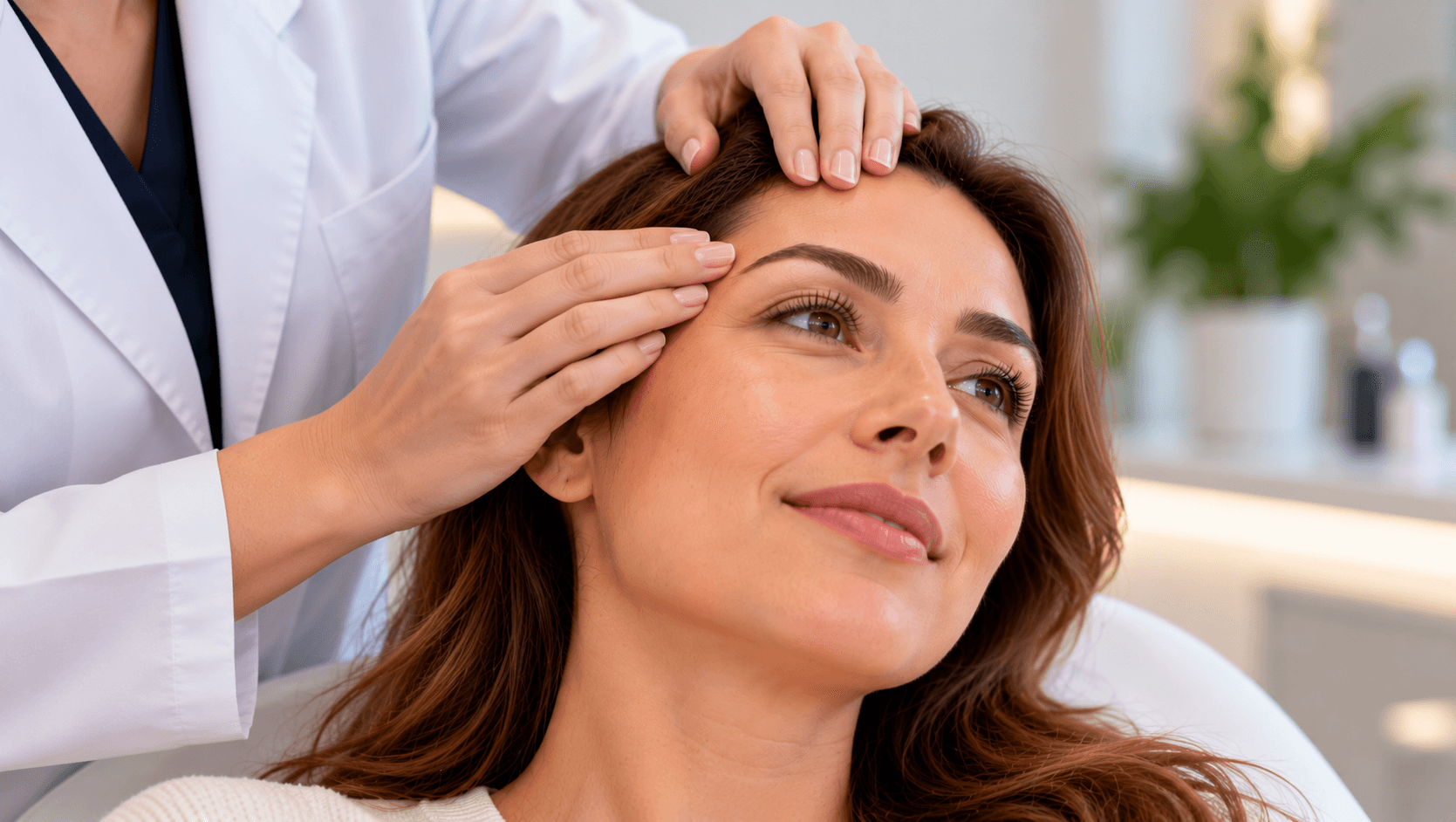
Yükleniyor…
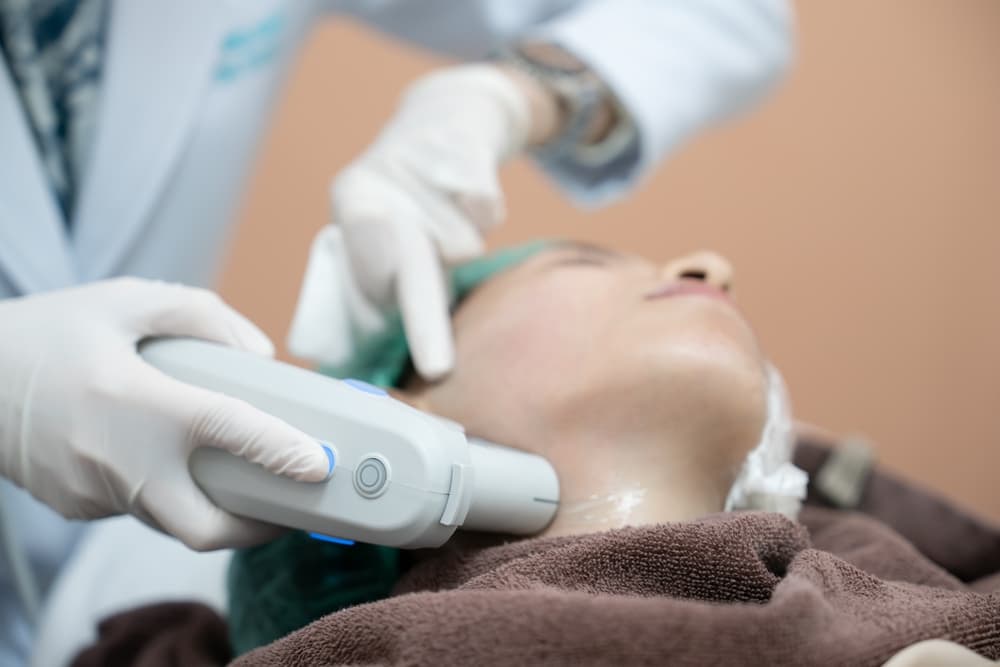
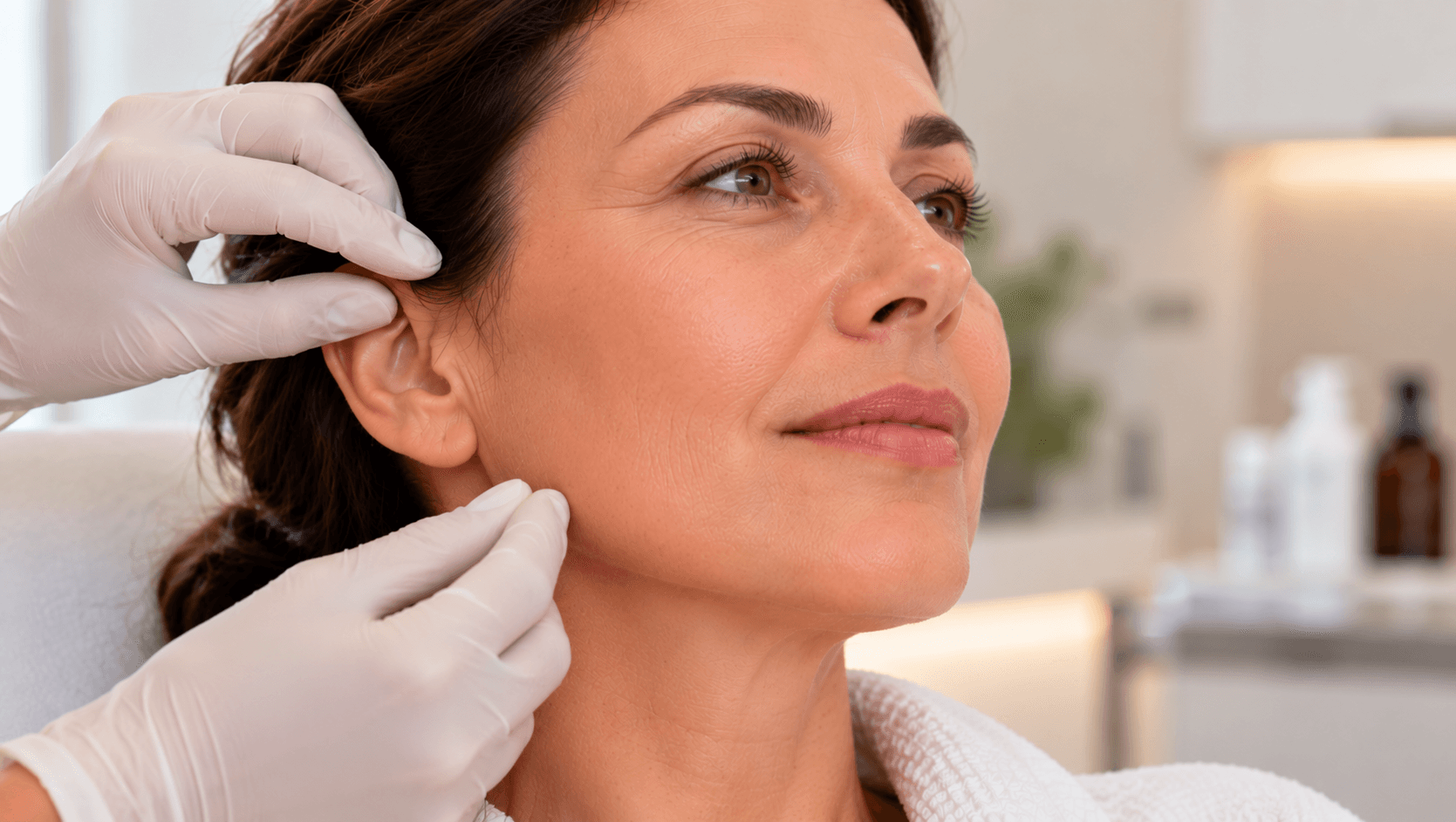
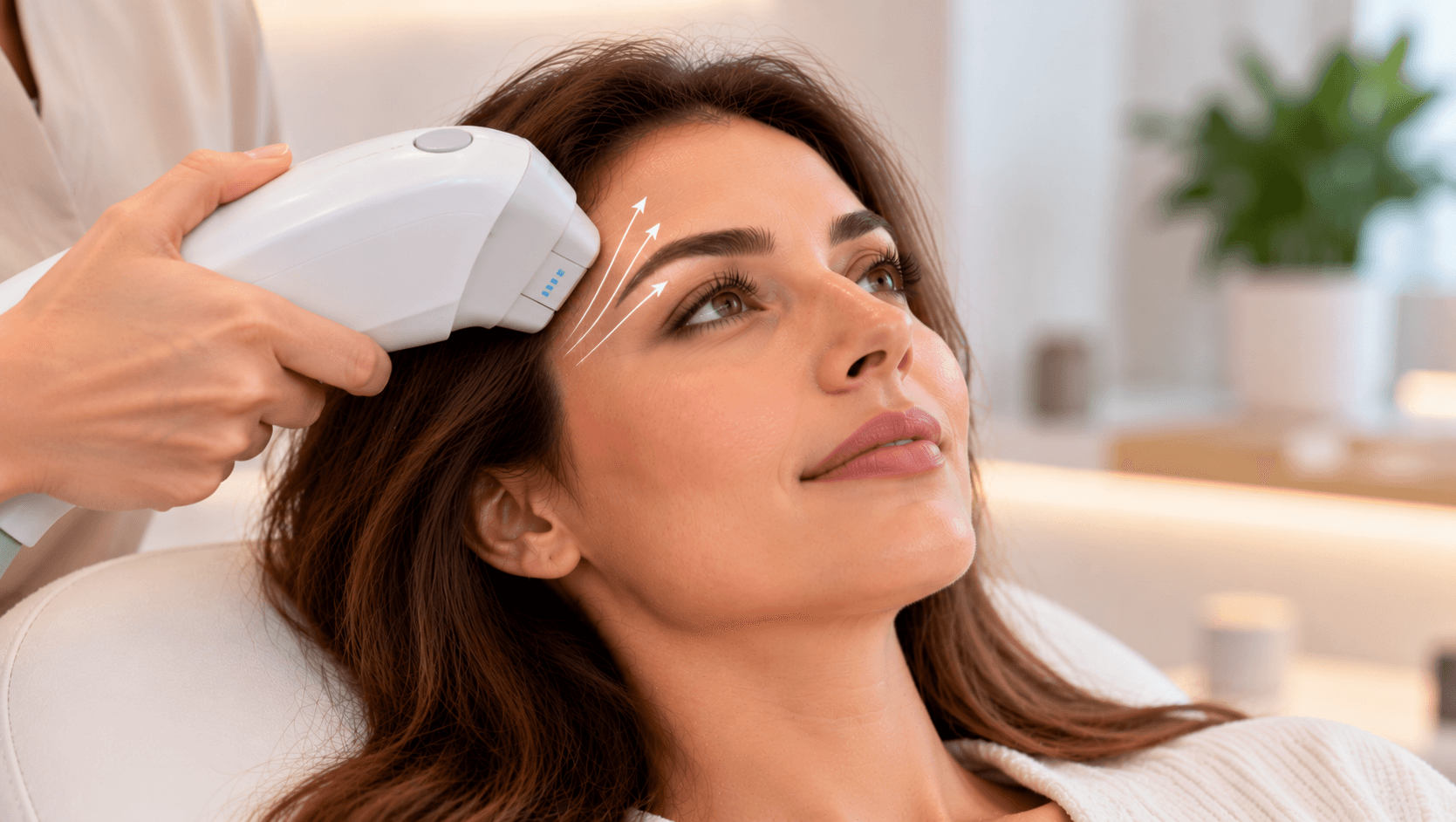
Ulthera is a non-surgical skin tightening method that uses micro-focused ultrasound technology. This system sends ultrasound energy that focuses on the deep layers of the skin. The energy reaches and heats the supporting tissues beneath the skin. The heat triggers collagen production. The new collagen tightens the skin from within. This process preserves the skin's natural structure. Results gradually appear. Patients achieve a rejuvenated appearance without surgery.
Micro-focused ultrasound technology delivers energy to different depths of the skin. The system reaches depths of 1.5 millimeters, 3 millimeters, and 4.5 millimeters. The 4.5 millimeter depth is close to the muscle layer. This depth provides results similar to surgical tightening. The technology repairs the skin from the inside without cutting from the outside. Ultrasound waves focus on target tissues. It does not damage surrounding tissues. This feature makes the procedure safe.
Ulthera holds a significant place in the field of non-surgical skin tightening. Many people avoid surgical methods due to fear of surgery. For these individuals, Ulthera offers a reliable option. The procedure is performed by doctors in a clinical setting. Anesthesia is not required. The patient can return to normal activities during the procedure. These advantages make the method popular.
This treatment is suitable for individuals with mild to moderate skin laxity. Those showing early signs of aging can also benefit. Patients who want to maintain their results after surgery use Ulthera as a supportive treatment. It can also be applied preventively at a young age. This way, the skin remains youthful for a longer time.
Ulthera can be applied to the face, neck, décolletage, and specific areas of the body. Each area is treated at different depths and energy levels. The doctor prepares a special plan for each area. The facial area is the most commonly preferred area. The neck, under the chin, and the eyebrows are also among the popular areas. New generation devices can treat the arms and abdominal area as well. However, not every area yields the same results. The degree of sagging, skin thickness, and age factors affect the results.
Yes, the facial area is the most comprehensive application area for Ulthera. The face is divided into multiple sub-areas. Each sub-area targets a different issue. The cheeks, cheekbones, jawline, and nasolabial area can be treated. The most common expectation in this area is to define the facial contour.
Cheeks: Mild laxity in the cheeks is tightened with Ulthera. Ultrasound energy reaches the deep layers of the cheek tissue. Heat rearranges the collagen fibers. Over time, the cheeks gain a more lifted appearance. This effect changes the overall expression of the face.
Cheekbones: The cheekbones support the middle part of the face. When the skin in this area becomes lax, the face looks tired. Ulthera tightens the skin over the cheekbones. The bone structure becomes more pronounced. The face gains a more dynamic expression.
Jawline (Jaw Contour): The jawline forms the lower boundary of the face. Looseness in this area blurs the boundaries of the face. Ulthera supports the skin of the jawline from within. Over time, the jaw contour becomes clearer. The face appears younger and more defined.
Indirect Contribution to the Nasolabial Area: The nasolabial area is the line extending from the sides of the nose to the corners of the mouth. Dents in this area are a prominent sign of aging. Ulthera is not applied directly to this area. However, tightening in the cheeks indirectly supports the nasolabial area. As the cheeks lift, the depth of these lines decreases.
Defining the Face Oval: The face oval consists of lines extending from the forehead to the chin. In a young face, these lines are clear and symmetrical. As one ages, the oval becomes distorted. Ulthera reshapes the oval. As the skin tightens, the facial features become more pronounced. This effect is achieved without surgery.
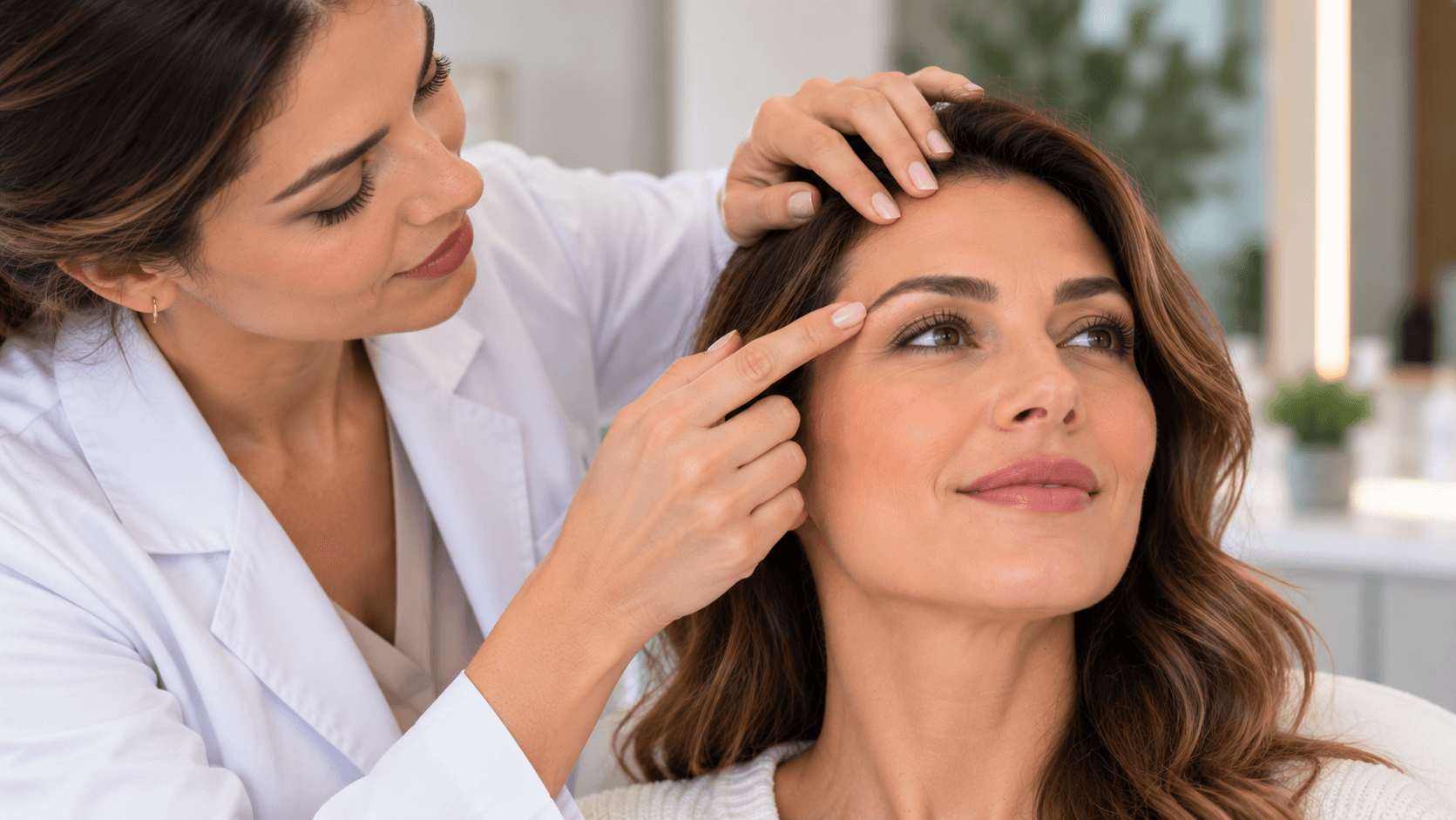
Yes, brow lifting with Ulthera is an effective option. A low brow appearance makes the face look tired and aged. The drooping of the brow tail obscures the eye area. Ulthera tightens the skin and underlying tissue in the brow area. This tightening naturally lifts the brows.
Improving the Low Brow Appearance: Brows are an important part of facial expression. Low brows make the eyes appear smaller. Ulthera sends energy to the area above the brow. Heat stimulates collagen in this area. The brows will take a higher position within a few months.
Lifting the Brow Tail: The brow tail is the outer end of the brow. Drooping in this area makes the eye area look saggy. Ulthera focuses just above the brow tail. Ultrasound energy supports the tissue in this area from within. The brow tail moves upward over time.
Achieving a More Lively Gaze: The position of the brows determines the expression of the gaze. High brows create a brighter and more lively look. When the brows are lifted with Ulthera, the eyes become more pronounced. The face appears more energetic and youthful.
Yes, the forehead area can be treated with Ulthera. The forehead forms the upper part of the face. Mild skin looseness in this area causes the brows to droop. The contour of the forehead affects the overall symmetry of the face. Ulthera targets the tissues beneath the forehead skin.
Mild Skin Looseness: The skin on the forehead loses its elasticity over time. This looseness accentuates forehead lines. Ulthera sends ultrasound energy focused on the forehead area. The energy heats the deeper layers of the skin. New collagen production begins. The forehead skin becomes tighter over time.
Supporting the Forehead Contour: The forehead contour defines the upper boundary of the face. A strong forehead contour makes the face appear more balanced. Ulthera tightens the tissue over the forehead bones. This support reduces the appearance of forehead lines. The upper part of the face looks smoother.
Yes, the eye area is a safe application area for Ulthera. However, this region is treated with special heads and low energy levels. The eye area is one of the most sensitive parts of the face. The doctor carefully plans this area.
Tightening Around the Eyes: The skin around the eyes is the thinnest skin in the body. This delicate structure is prone to sagging. Ulthera is applied to the eye area with special heads. The energy reaches the safe depths of the skin. Slight looseness in the lower eye bags is reduced. The eye area appears tighter and younger.
Slight Looseness of the Upper Eyelid: Excess skin on the upper eyelid makes the eyes look closed. This condition can also affect vision. Ulthera is carefully applied to the upper eyelid. Ultrasound energy targets the deeper tissues of the eyelid. The skin of the eyelid tightens over time. The eyes become more open and defined.
Contribution to Reducing Crow's Feet Appearance: Crow's feet are the lines at the outer corners of the eyes. These lines deepen with facial movements. Ulthera indirectly affects the skin in this area. Overall tightening around the eyes softens the crow's feet lines. However, direct treatment for deep lines in this area should not be expected.
Yes, the submental area can be tightened with Ulthera. A double chin is a slight accumulation of fat and loose skin under the chin. This area is one of the most obvious signs of aging. Ulthera sends energy to the tissues under the chin.
Slight Sagging: Slight sagging under the chin disrupts the lower contour of the face. This sagging is noticeable from the side. Ulthera targets the supporting tissues beneath the skin under the chin. Heat tightens these tissues. Sagging decreases over time.
Defining the Chin Contour: The chin contour forms the lower profile of the face. A defined chin contour gives a younger and fitter appearance. Ulthera is applied along the jawline. The transition between the chin and neck becomes more pronounced. The facial profile appears more sculpted.
Improving the Transition Between the Neck and Chin: The angle between the chin and neck widens with aging. This widening is a sign of looseness. Ulthera tightens the tissues in this transition area. The skin achieves a tighter structure. The chin-neck angle gains a younger appearance.
Yes, the neck area can receive Ulthera treatment. The neck is one of the areas where aging is most noticeable. People who care for their faces often neglect the neck. This creates a difference between the face and neck. Ulthera brings the neck to the same level as the face.
Tightening the Neck Skin: The skin of the neck loses its elasticity over time. Sun damage accelerates this process. Ulthera reaches the deep layers of the neck skin. Ultrasound energy repairs the neck tissues from within. The skin becomes tighter and smoother.
Reducing the Appearance of Horizontal Neck Lines: Horizontal neck lines are ring-like wrinkles on the neck. These lines are a sign of skin looseness. Ulthera targets the tissues beneath these lines. As collagen production increases, the depth of the lines decreases. The neck appears flatter and younger.
Elimination of Mild Sagging: Mild sagging in the neck causes a "chicken skin" appearance. This appearance is particularly noticeable when looking up. Ulthera targets the thin muscle layer beneath the neck skin. Tightening this layer supports the skin from the outside. The neck becomes smoother and firmer.
Yes, the décolleté area is suitable for Ulthera. The décolleté is the area that extends from the neck to the sternum. This area is one of the most sun-exposed places. Sun damage prematurely ages the skin of the décolleté. Ulthera repairs the damage in this area.
Fine Lines: The fine lines in the décolleté area are a result of sun damage. These lines become more pronounced around the sternum as they deepen. Ulthera sends energy to the décolleté area. The energy initiates collagen production in the deep layers of the skin. The lines soften over time.
Skin Appearance After Sun Damage: Sun damage makes the skin of the décolleté dry and spotted. The skin texture loses its smoothness. Ulthera repairs the damaged tissues from the inside. New collagen strengthens the structure of the skin. The skin appears healthier and more radiant.
Improvement of Skin Texture: The texture of the décolleté skin loses its smoothness over time. This condition causes makeup to not sit properly. Ulthera enhances the quality of the décolleté skin. The skin gains a smoother and more homogeneous structure. The décolleté area looks younger and more cared for.
The arms and abdomen can be treated with next-generation devices. However, these areas are not as common as the face and neck. The skin on the body is thicker than that on the face. Therefore, body applications require different heads and energy levels.
Arms: Loose skin on the upper arms is a common sign of aging. Especially sagging on the inner arms makes it difficult to wear short-sleeved clothing. Ulthera can be applied to the inner part of the upper arm. Ultrasound energy reaches the deep layers of the arm tissue. Collagen production tightens the skin of the arms. Over time, the arms become smoother and firmer.
Abdomen: The abdominal area can become loose after childbirth and weight changes. This looseness is due to the loss of skin elasticity. Next-generation Ultherapy PRIME systems can also treat the abdominal area. However, this application is limited to specific indications. The doctor evaluates the abdominal area and selects suitable patients. Ultrasound energy targets the tissues beneath the abdominal skin. Over time, the skin becomes tighter and flatter.
The most commonly preferred areas for Ulthera are the facial contour, jawline, double chin, neck, and eyebrows. These areas show the most pronounced effects of aging. Patients notice changes in these areas immediately. Therefore, the demand for these areas is at its highest level.
The oval face is the most popular Ulthera area because this region determines the overall shape of the face. An oval face is associated with youth and health. As we age, the oval shape deteriorates and the face becomes more square. Ulthera reshapes the oval. The cheeks lift, and the jawline becomes more defined. This change alters the entire expression of the face. Patients appreciate the results in this area the most.
The jawline is a frequently preferred area because it forms the lower boundary of the face. A defined jawline gives a fitter and younger appearance. Loose skin in the jawline is referred to as "jowl." This looseness pulls the face downward. Ulthera tightens the tissues in the jawline from the inside. Over time, the jawline becomes more pronounced and shaped. This effect is particularly noticeable from the profile.
The double chin area is an important treatment area because it is one of the most noticeable signs of aging. A double chin is the accumulation of fat and loose skin beneath the chin. This accumulation distorts the lower profile of the face. Ulthera targets the supportive tissues in the double chin area. Heat tightens and lifts these tissues. Over time, the double chin becomes less noticeable. The transition between the chin and neck becomes clearer.
The neck is often treated along with the face because the neck is a continuation of the face. If the face rejuvenates while the neck remains aged, the result does not look natural. This condition is referred to as "turkey neck." Ulthera brings the neck to the same level as the face. The neck skin tightens, and horizontal lines decrease. Together, the face and neck provide a harmonious rejuvenation.
Brow lifting provides quick results because the skin in this area is thin and the tissues respond easily. The brows are at the center of facial expression. A slight brow lift completely changes the gaze. Ulthera sends energy focused on the brow area. Collagen production naturally lifts the brows. This effect becomes noticeable within a few weeks. Patients immediately notice the change in this area.
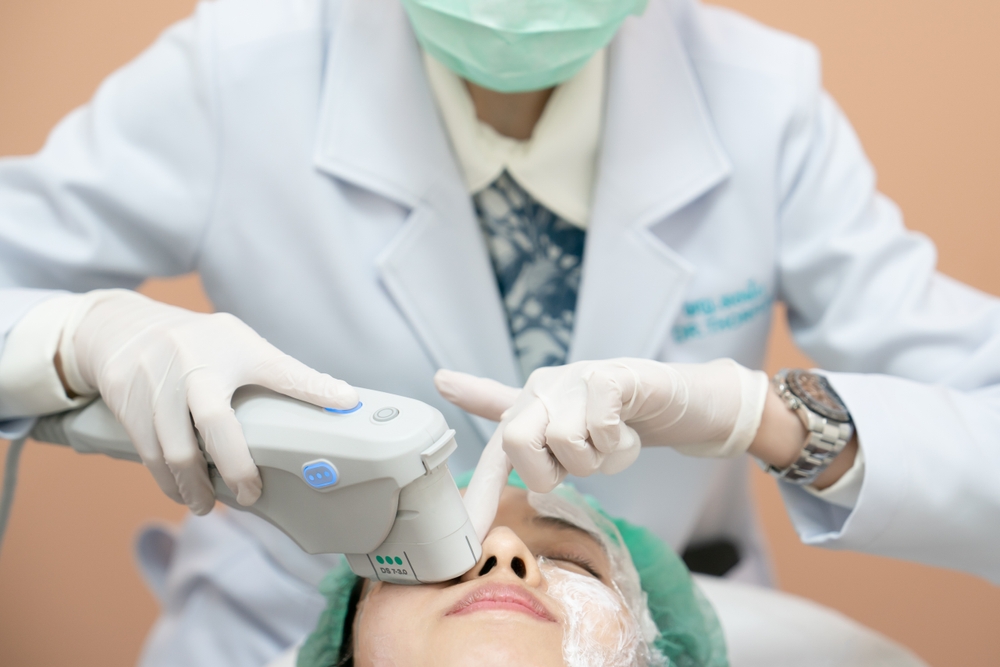
The expected results for each area are skin tightness, increased collagen production, defined facial features, a youthful appearance, and natural results. However, each area shows these results at different levels and speeds. The doctor sets realistic expectations for each patient.
Skin tightness does not increase at the same rate in every area. The facial area generally provides the best results. This is because facial skin is thinner than neck and body skin. Thin skin responds to ultrasound energy more quickly. The neck area can yield results as pronounced as the face. However, neck skin is thicker, and results appear more slowly. Body areas may not provide as dramatic results as the face and neck. However, noticeable improvement can be seen in individuals with slight looseness.
Collagen production increases the most in the face and neck areas. These areas are where the skin loses the most collagen. Ultrasound energy stimulates the fibroblasts in these areas. Fibroblasts produce new collagen fibers. These fibers support the skin from within. The increase in collagen in the face enhances the smoothness and firmness of the skin. The increase in collagen in the neck strengthens the skin texture. Collagen production also increases in body areas, but this increase occurs more slowly.
More defined facial features are most commonly seen in the facial oval and jawline. These areas form the structural lines of the face. Ulthera supports these lines from within. The cheeks lift, and the jawline becomes clearer. The cheekbones become more pronounced. These changes strengthen the three-dimensional structure of the face. The face appears more contoured and youthful.
A more youthful appearance is most pronounced in the face and neck areas. These areas bear the most noticeable signs of aging. As the skin tightens, the face loses its tired expression. As the neck flattens, signs of youth increase. As the eyebrows lift, the gaze becomes more vibrant. As the area around the eyes tightens, the face looks brighter. When these changes come together, an overall rejuvenation effect emerges.
Natural results are not the same in every area. However, the general feature of Ulthera is to provide natural results. This system utilizes the skin's own repair mechanism. There is no cutting or pulling of tissue like in surgery. The skin renews itself at its own pace from within. Therefore, the results appear gradually and naturally. The naturalness of the face is the most appreciated feature. Because the face is the most noticeable area.
Some areas and conditions are not suitable for Ulthera. Advanced sagging, excessive skin accumulation, open wounds, active infections, and skin diseases prevent this treatment. The doctor carefully evaluates each patient. Alternative treatments are recommended for unsuitable patients.
Advanced sagging cannot be treated with Ulthera because this system tightens the skin from within. However, it does not cut or remove excessively sagging skin from the outside. In cases of advanced sagging, surgical methods are more effective. A facelift surgery removes excess skin and tightens the tissues. Ulthera falls short in these situations. The patient is provided with realistic expectations.
Yes, excess skin accumulation poses an obstacle for Ulthera. Because ultrasound energy reaches the tissues beneath the skin. However, very thick and excessive skin reduces the effectiveness of the energy. Additionally, even if the excess skin tightens, it distorts the appearance. In this case, surgical skin removal procedures may be more appropriate. The doctor evaluates the skin thickness and recommends the correct treatment.
No, Ulthera cannot be applied if there are open wounds. Open wounds carry a risk of infection. Ultrasound energy can irritate the wound area. This situation delays healing and increases the risk of complications. Treatment is postponed until the wound is completely healed. The doctor checks the integrity of the skin and ensures safety.
No, Ulthera cannot be performed on areas with active infections. Active infections contain bacteria or viruses. Ultrasound energy can spread these microorganisms. The infection can also jump to other areas. Additionally, infected skin cannot respond properly to treatment. The procedure is not planned until the infection has completely resolved.
Yes, skin diseases in the treatment area affect the treatment. Diseases such as eczema, psoriasis, or active acne disrupt the integrity of the skin. These diseases make healing after treatment more difficult. Furthermore, skin diseases increase the risk of complications. The doctor controls the skin disease and then plans the treatment.
Yes, multiple areas can be treated in the same session with Ulthera. In fact, combined applications yield more harmonious results. Treating the face and neck together is the most common combination. The décolleté and face can also be planned together. Body areas yield better results in separate sessions because body applications take longer.
Combined facial applications are planned to cover all areas of the face. The doctor evaluates the upper, middle, and lower sections of the face. The forehead, eyebrows, eye area, cheeks, nasolabial area, jawline, and double chin can be treated in a single session. Each area is treated with the appropriate depth and energy level. This planning preserves the overall symmetry of the face. The entire face rejuvenates at the same rate.
Yes, the face and neck can be treated together. This combination is the most common and recommended planning. If the face rejuvenates while the neck remains aged, the result does not look natural. When the face and neck are treated together, the transition area also becomes smooth. The doctor gradually adjusts the energy from the face to the neck. This way, both areas rejuvenate harmoniously.
Combined treatments with the décolleté can be added to the face and neck session. However, the décolleté area is large and may not be fully treated in a single session. The doctor identifies the most problematic areas of the décolleté. These areas are treated after the face and neck procedure. The décolleté application is completed faster than the face and neck because this area has less sensitive tissue.
It is possible to plan body areas together. However, this planning is not as common as for the face and neck. Arms and abdomen can be treated in the same session. However, body skin is thicker, and the procedure takes longer. The doctor may prefer to plan body applications in a separate session. This way, sufficient energy and time can be allocated to each area.
The treatment duration varies by area. Small areas take a short time, while larger areas take longer. The procedure duration also affects the number of heads used and the energy level. The doctor creates a specific time plan for each area.
Area | Estimated Time | Number of Heads Used |
Eyebrow | 10-15 minutes | 30-50 lines |
Face (full) | 60-90 minutes | 500-800 lines |
Neck | 30-45 minutes | 200-300 lines |
Décolleté | 30-45 minutes | 200-300 lines |
Arms (each) | 45-60 minutes | 300-400 lines |
Abdomen | 45-60 minutes | 300-400 lines |
The procedure for the eyebrow area takes 10 to 15 minutes. This area is one of the smallest treatment areas on the face. The doctor evaluates each eyebrow separately. Energy focuses on and around the eyebrow. The patient feels a slight warmth in this area. After the procedure, the patient can immediately return to normal activities.
The procedure for the face area takes 60 to 90 minutes. A full face application includes the forehead, eyebrows, around the eyes, cheeks, jawline, and double chin. The doctor treats each sub-area in turn. The energy level is adjusted according to the area. In sensitive areas like around the eyes, lower energy is used. Higher energy may be applied to the cheeks and jawline.
The procedure for the neck area takes 30 to 45 minutes. The neck is a larger area than the face. However, the skin on the neck is thicker than that of the face. Therefore, the procedure can be completed more quickly. The doctor treats the front and sides of the neck. Areas with horizontal lines are planned more carefully.
The procedure for the décolleté area takes 30 to 45 minutes. The décolleté extends from the neck to the sternum. This area has a wide but flat surface. The doctor treats the entire décolleté or the problematic areas. Areas with significant sun damage may receive more energy.
The procedure for the arms takes 45 to 60 minutes for each arm. The upper arm, especially the inner arm, is the most frequently treated area. The skin on the arm is thick, and the procedure takes longer. The doctor evaluates the inner and back surfaces of the arm. Areas with significant sagging receive more treatment.
The procedure for the abdomen area takes 45 to 60 minutes. The abdomen has a wide surface. However, looseness usually concentrates in specific areas. The doctor evaluates the upper and lower parts of the abdomen separately. Post-pregnancy looseness may require different planning.
Results are seen at different times by areas. However, there is a general timeline. Initial changes begin within a few weeks. Collagen production continues for months. Maximum effect appears after 3 to 6 months. The permanence of results depends on the area and lifestyle.
Initial changes begin within 2 to 4 weeks after treatment. During this period, a slight tightening sensation is felt in the skin. The eyebrow area typically responds the earliest. This is because the skin in this area is thin and reacts quickly. The face and neck start to show changes a few weeks later. Body areas are the slowest to respond.
Collagen production continues for 3 to 6 months after treatment. Ultrasound energy stimulates fibroblasts, and these cells remain active for months. Collagen production accelerates in the first month. In the second and third months, production reaches its peak. In the fourth to sixth months, new collagen fibers mature and strengthen the skin. This process applies to all areas.
Maximum effect is observed 3 to 6 months after the treatment. During this period, new collagen fibers fully mature. The skin reaches its tightest and smoothest state. The facial contour takes its most defined shape. The jawline shows its clearest contour. The neck gains its flattest and tightest appearance. This period is when patients are the most satisfied.
The permanence of results is influenced by age, skin type, lifestyle, and care habits. Younger patients achieve longer-lasting results because youthful skin produces collagen more rapidly. Patients who use sun protection maintain their results longer. Smoking reduces collagen production and shortens results. Regular skincare extends the effect. Overall, results last for 12 to 18 months.
The healing process by areas is generally quick and easy. Ultherapy is a non-surgical method. Therefore, it does not require a long healing time. The patient can return to daily life immediately after the procedure. However, there may be slight redness and sensitivity in each area. Exercise and skincare recommendations support healing.
Returning to daily life after the procedure happens immediately. The patient can continue normal activities after leaving the clinic. Makeup can be applied after facial procedures. The normal dressing process continues after neck and décolletage procedures. Showers can be taken after body area procedures. However, for the first 24 hours, the skin should be protected from very hot water and excessive sun exposure.
Mild redness and sensitivity can last from a few hours to a few days. Redness in the facial area typically disappears within 2 to 4 hours. The neck and décolletage heal within the same time frame. Sensitivity in body areas may last a bit longer because the skin in these areas is thicker. Redness can be easily covered with makeup. Sensitivity does not require pain relief.
Recommendations for exercise and skincare support the post-procedure period. For the first 24 hours, heavy exercise should be avoided. Excessive sweating can cause irritation to the skin. After facial procedures, peeling and heavy creams should be avoided for the first week. Sun protection should be used regularly every day. Moisturizers support the skin's barrier. Drinking plenty of water maintains the skin's moisture balance.
The Ultherapy application area is determined by a careful evaluation by the doctor. Skin analysis, degree of sagging, age factor, skin thickness, and the patient's expectations influence this decision. Each patient receives a customized plan. There is no standard application.
Skin analysis is performed by the doctor through visual inspection and skin analysis devices. The doctor evaluates the skin's elasticity, moisture, thickness, and damage condition. Skin analysis devices visualize the underlying layers of the skin. These images show the degree of collagen loss. The doctor uses this data to create a treatment plan.
The degree of sagging is assessed by the doctor through manual tests. The doctor gently pulls and releases the skin. The skin's return speed indicates its elasticity. Additionally, the degree of sagging is documented with photographs. Mild sagging is ideal for Ulthera. Moderate sagging can still be treated. Advanced sagging may require surgical methods.
The age factor significantly affects planning. In younger patients, less energy may be used for preventive purposes. In middle-aged patients, standard energy levels are applied. In older patients, higher energy and more lines may be required. However, older skin may be more sensitive. The doctor establishes a balance between age and skin condition.
Skin thickness directly affects treatment. Thin skin responds more quickly to ultrasound energy. However, thin skin is also more sensitive to excessive energy. Thick skin may require more energy. However, thick skin shows results more slowly. The doctor measures the skin thickness in each area and adjusts the energy accordingly.
Patient expectations play a central role in planning. Some patients only want brow lifting. Some patients desire full facial and neck rejuvenation. Expectations must be realistic. The doctor clearly explains to the patient what is possible and what is not. This communication forms the basis of the treatment plan.
Those with mild to moderate skin laxity, individuals who do not want surgery, those considering preventive anti-aging treatment, and patients who wish to maintain their results after surgery are suitable for treatment with Ulthera. However, each candidate must be evaluated by the doctor. General health status, skin type, and expectations determine the suitability criteria.
Those with Mild to Moderate Skin Laxity: These individuals are ideal candidates for Ulthera. This system tightens the skin from within. Mild laxity can be easily addressed with this tightening. Moderate laxity can also be treated with a few sessions or higher energy.
Individuals Who Do Not Want Surgery: Many people do not want surgery due to fear of surgery or long recovery times. For these individuals, Ulthera is a safe and effective alternative. The procedure does not require anesthesia. The recovery time is virtually nonexistent.
Those Considering Preventive Anti-Aging Treatment: Ulthera can be applied at a young age before the skin becomes too lax. This preventive approach slows down collagen loss in the skin. The skin remains youthful and firm for a longer time. This strategy is becoming widespread in the field of "preventive medicine."
Patients Who Want to Preserve Surgical Results: Patients who undergo facelift surgery want to maintain their results for a long time. Ulthera supports and extends these results. Any slight looseness that occurs after surgery can be addressed with Ulthera. This way, the surgical results last longer.
This section answers the questions that patients are most curious about. Each question contains area-specific information. The answers are based on scientific data.
Yes, Ulthera can be applied to the entire face. All facial areas from the forehead to the chin can be treated. However, each area is treated with different energy levels and different applicators. Sensitive areas like around the eyes require special applicators. The area around the lips and the nostrils are generally not treated because the skin in these areas is very thin and has dense nerve structures.
Yes, Ulthera can be done on the eyelids. However, this application must be planned very carefully. The upper eyelid is a suitable treatment area. The lower eyelid is a more sensitive area. The doctor applies low energy and special applicators to the eyelid. This way, any slight looseness in the eyelid is addressed. The eyes appear more open and youthful.
Yes, Ulthera is effective for the double chin area. However, this effect is valid for mild to moderate double chin. Advanced double chin and excessive fat accumulation may require liposuction or surgery. Ulthera tightens the skin and supporting tissues in the double chin area. The transition between the chin and neck becomes more pronounced. Results appear within 3 to 6 months.
Yes, Ulthera can be applied for neck sagging. Mild to moderate neck sagging can be addressed with this treatment. Ultrasound energy targets the tissues beneath the neck skin. Horizontal neck lines decrease over time. The neck skin becomes tighter and smoother. However, advanced neck sagging may require surgical methods.
Yes, it reduces wrinkles in the décolleté area. Décolleté wrinkles are the result of sun damage and aging. Ulthera stimulates collagen production in this area. New collagen fills the skin from within. Fine lines soften over time. The skin texture becomes smoother and more even.
Yes, Ulthera can be used in the abdomen area. However, this application is limited to next-generation devices and specific indications. Skin looseness that occurs after childbirth and due to weight changes can be treated. However, excessive skin accumulation and advanced sagging are not suitable for this treatment. The doctor evaluates the abdomen area and determines suitability.
Yes, Ulthera is effective for arm sagging. Especially mild sagging in the inner part of the upper arm can be addressed with this treatment. Ultrasound energy reaches the tissues beneath the arm skin. Collagen production tightens the skin from within. Over time, the arms become smoother and firmer. However, advanced arm sagging may require surgical skin removal procedures.
Yes, the face and neck can be treated together in the same session. In fact, this combination is the most recommended plan. Because when the face and neck rejuvenate together, the results appear more natural and harmonious. The procedure takes approximately 90 to 120 minutes. The patient will have treated both areas in a single session. This approach is also advantageous in terms of time and cost.
One session is generally sufficient for each area. However, this depends on the degree of sagging and the condition of the skin. For individuals with mild looseness, a single session yields good results. For those with moderate looseness, a second session may be beneficial. The second session can be scheduled 6 to 12 months after the first session. The doctor determines the optimal number of sessions for each patient.
Ulthera can be preferred instead of surgery for the face, neck, under the chin, brow, and décolletage areas with mild to moderate looseness. Early signs of aging in these areas are successfully treated with Ulthera. Patients rejuvenate without the risks and scars of surgery. However, in areas with advanced sagging and excess skin accumulation, surgical methods may be more appropriate.
Area | Application Depth | Average Duration | Result Duration | Longevity | Best Candidate |
Brow | 1.5 mm - 3 mm | 10-15 min | 4-8 weeks | 12-18 months | Low eyebrows |
Face (full) | 1.5 mm - 4.5 mm | 60-90 min | 3-6 months | 12-18 months | Mild-moderate looseness |
Jawline | 3 mm - 4.5 mm | 15-20 min | 3-6 months | 12-18 months | Undefined jaw contour |
Double chin | 3 mm - 4.5 mm | 15-20 min | 3-6 months | 12-18 months | Mild submental sagging |
Neck | 1.5 mm - 3 mm | 30-45 min | 3-6 months | 12-18 months | Mild neck sagging |
Décolleté | 1.5 mm - 3 mm | 30-45 min | 3-6 months | 12-18 months | Sun-damaged décolleté |
Arms | 3 mm - 4.5 mm | 45-60 min | 4-6 months | 12-18 months | Mild arm sagging |
Abdomen | 3 mm - 4.5 mm | 45-60 min | 4-6 months | 12-18 months | Postpartum looseness |
Fabi, Sabrina, et al. "Noninvasive Skin Tightening: Focus on New Ultrasound Techniques." Clinical, Cosmetic and Investigational , vol. 8, 2015, pp. 47-52.
Glatt, Peter, et al. "Ultrasound Tightening of Facial and Neck Skin: A Rater-Blinded Prospective Cohort Study." Surgery, vol. 42, no. 7, 2016, pp. 842-848.
Gold, Michael. "Ultrasound Skin Tightening: A Noninvasive Modality for Skin Lifting and Tightening." Journal of Cosmetic , vol. 14, no. 3, 2015, pp. 189-194.
Laubach, Hans Joachim, et al. "Intense Focused Ultrasound: Evaluation of a New Treatment Modality for Precise Microcoagulation Within the Skin." Surgery, vol. 34, no. 5, 2008, pp. 727-734.
Suh, Dong Hun, et al. "Intense Focused Ultrasound Tightening in Asian Skin: Clinical and Pathologic Results." Surgery, vol. 37, no. 12, 2011, pp. 1595-1602.