Yükleniyor…

Laser brow lifting is not safe for pregnant and breastfeeding women, individuals with active skin infections, uncontrolled diabetes patients, individuals with serious autoimmune diseases, patients prone to keloid formation, and those who have recently used isotretinoin. Each patient should undergo a detailed evaluation before the procedure.
Laser brow lifting is one of the most preferred non-surgical methods in facial rejuvenation in recent years. Many individuals turn to this method as an alternative to surgical brow lifting for treating brow sagging. However, like any aesthetic procedure, laser brow lifting is not suitable for everyone. Proper patient selection is the fundamental condition for successful results and a safe recovery process. This article explains in detail, based on scientific data, who is not suitable for laser brow lifting, the working principle of the procedure, its risks, and alternative treatments. Physician evaluation, pre-procedure examination, and patient expectations are integral parts of this process.
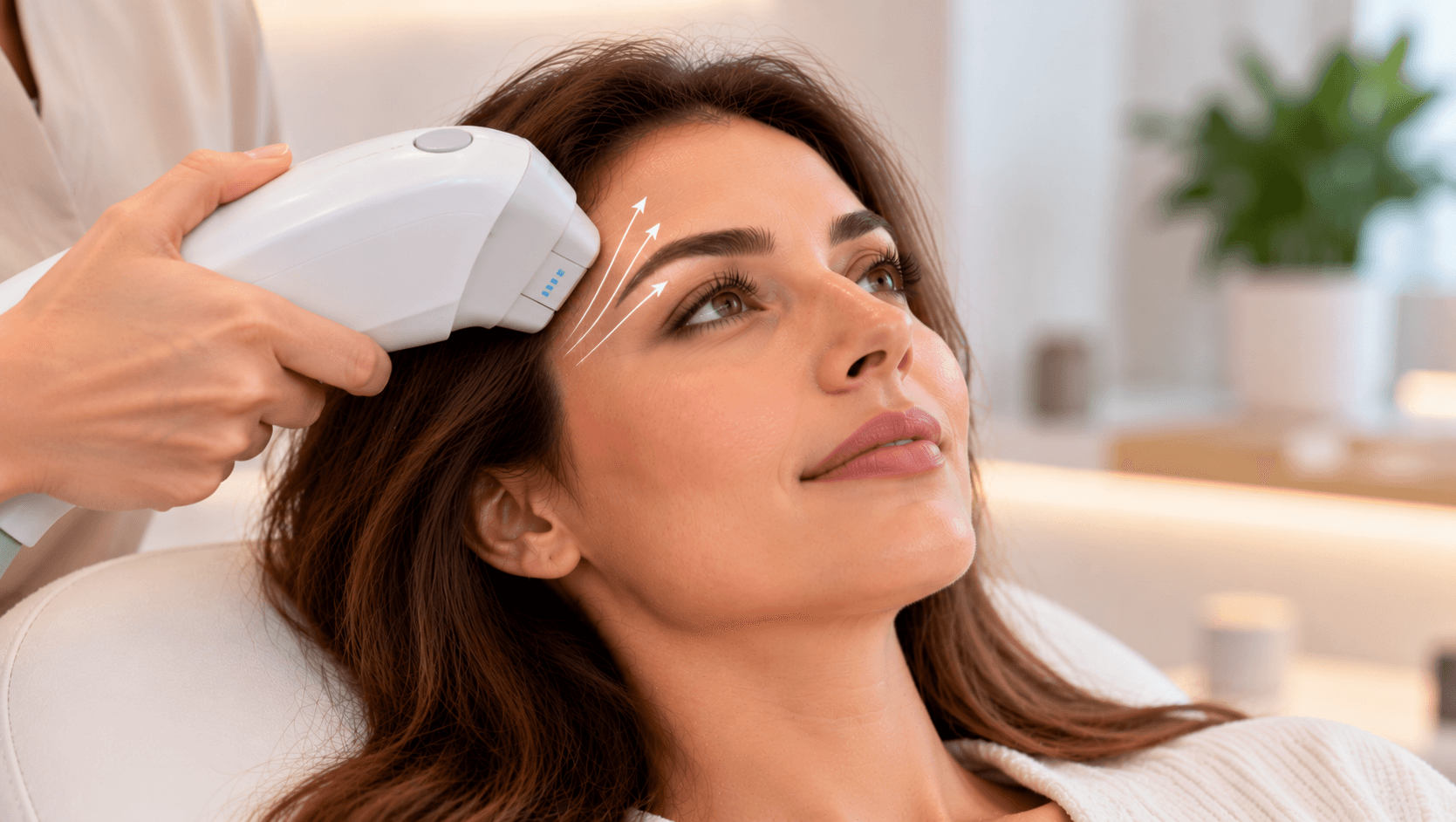
Laser brow lifting stimulates the deeper layers of the skin with thermal energy. This stimulation triggers skin tightening and increases collagen production. As a result, the brow area is lifted, and the skin gains a more youthful appearance.
Laser brow lifting is based on the principle of selective photothermolysis. The laser device produces light energy at a specific wavelength. This energy reaches the dermis, the deeper layer of the skin, without damaging the epidermis, the outer layer of the skin. Water molecules and target tissues in the dermis absorb the laser light and convert it into heat. This heat creates controlled thermal damage. The body activates its natural healing mechanisms to repair this thermal damage. During the healing process, fibroblast cells are activated and synthesize new collagen fibers. Collagen is the essential protein that forms the structural skeleton of the skin. New collagen fibers support the skin from within and lift the brow area upwards. This mechanism occurs with laser systems that do not damage the surface. Unlike ablative lasers, this method does not create open wounds on the skin. The patient quickly returns to daily activities after the procedure. However, laser brow lifting does not have the same effect on every skin type and age. Skin color, thickness, age, and the degree of brow sagging directly affect the outcome.
Laser light heats the collagen fibers in the dermis. The heated collagen fibers contract, and the skin tightens instantly. This effect is felt immediately during the procedure.
When laser energy reaches the dermis, it transfers thermal energy to the collagen fibers. When exposed to heat, collagen fibers undergo a temporary change in their molecular structure. This change causes the fibers to contract. The contracted collagen fibers begin to stretch the skin instantly. This initial tightening effect is felt by patients during the procedure. However, the actual and lasting results emerge in the weeks following the procedure. Thermal damage triggers the body's natural repair process. During the repair process, old collagen fibers break down, and more organized, stronger new collagen fibers are formed. This process increases the proliferation and activity of fibroblast cells. Alexiades-Armenakas, Dover, and Arndt demonstrated in their review study in 2008 that mid-infrared lasers target the dermis to provide collagen contraction and new collagen formation (Alexiades-Armenakas, Dover, and Arndt 2008). This scientific finding forms the basis of laser skin tightening.
Laser stimulates fibroblast cells. The stimulated cells synthesize type one and type three collagen. This synthesis reaches its highest level three to six months after the procedure.
Fibroblasts are the most important cells in the dermis. These cells produce collagen, elastin, and hyaluronic acid. Laser energy activates fibroblasts and increases the metabolic activity of these cells. Activated fibroblasts begin to synthesize new collagen intensively. Paasch and Said demonstrated in their 2020 study that the erbium-glass laser at a wavelength of 1540 nanometers increases collagen and elastin production in the skin (Paasch and Said 2020). Fournier and colleagues found an increase in skin thickness and a reduction in wrinkles after 1540 nanometer laser treatment in their clinical study conducted in 2002 (Fournier et al. 2002). Manstein and colleagues introduced regional photothermolysis technology in 2004, proving that this method creates microthermal damage areas that are quickly repaired by surrounding tissues (Manstein et al. 2004). This repair process accelerates new collagen formation. Collagen production begins in the first weeks after the procedure and peaks within three to six months. Therefore, it is necessary to wait a few months to see the full effect of laser brow lifting.
Laser brow lifting does not cut the skin and does not require stitches. Surgical brow lifting, on the other hand, is performed with an incision and permanently fixes the brow. Laser is less invasive but provides milder results.
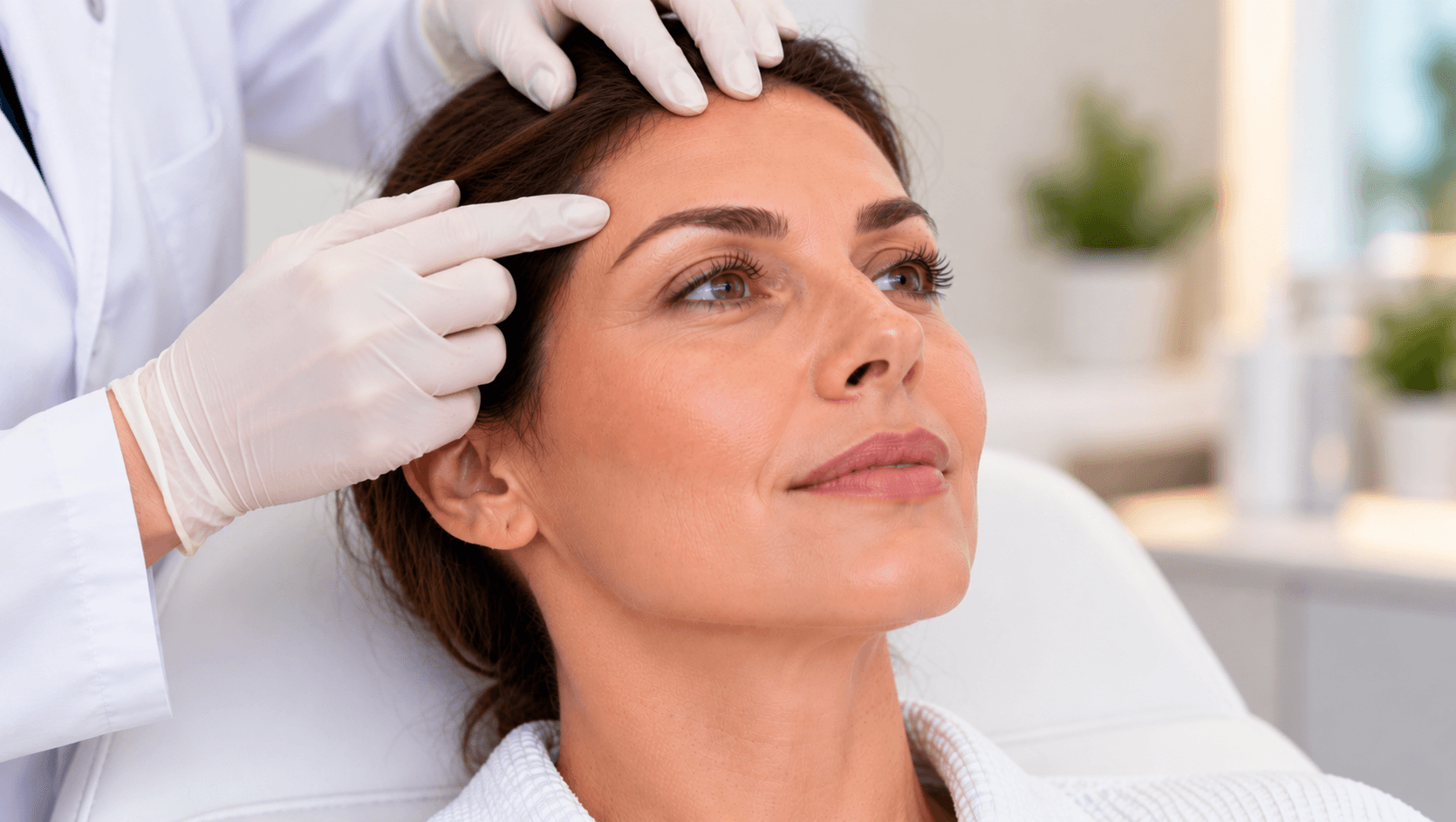
There are fundamental differences between laser brow lifting and surgical brow lifting. The laser method preserves the integrity of the skin. The physician applies the laser head to the brow area. There is no incision, stitches, or open wound on the skin. The procedure usually lasts between thirty to sixty minutes. The patient returns to their normal life on the same day after the procedure. Surgical brow lifting requires an incision either within the scalp or just above the brow. The surgeon removes excess skin and fixes the brow upwards. This procedure is performed under general anesthesia or deep sedation. The recovery period varies between two to four weeks. The surgical method provides more effective results in patients with advanced brow ptosis. The laser method is ideal for patients with mild to moderate brow ptosis. Laser brow lifting also improves skin quality. The surgical method only changes the position of the brow and has no direct effect on skin quality.
Comparison Item | Laser Brow Lifting | Surgical Brow Lifting |
Procedure Type | Non-surgical | Surgical intervention |
Anesthesia | Cream or local anesthesia | General anesthesia or sedation |
Recovery Time | Immediately the same day | Two to four weeks |
Result Intensity | Mild to moderate lifting | Significant and permanent lifting |
Skin Quality | Improves | Does not directly affect |
Scar Risk | None | May leave a cut scar |
Procedure Duration | 30-60 minutes | 1-3 hours |
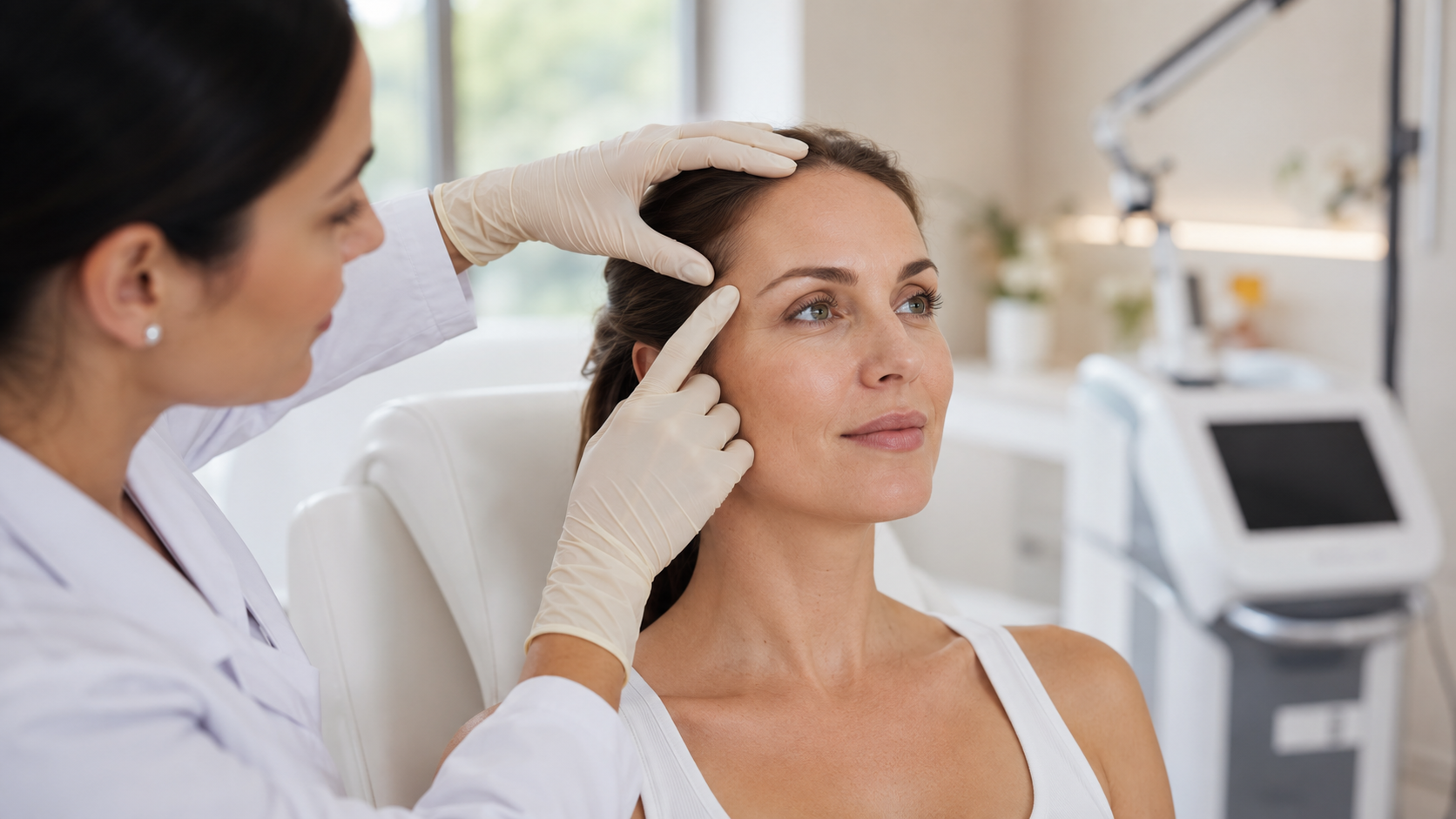
Pregnant women, nursing mothers, those with active skin infections, uncontrolled diabetics, individuals with serious autoimmune diseases, those prone to keloids, photosensitive individuals, those who have recently used isotretinoin, patients with active herpes, and those with a history of skin cancer should avoid this procedure.
Laser brow lifting is considered a safe procedure. However, certain health conditions and medication use can make this procedure risky. The physician should thoroughly evaluate each patient before the procedure. Medical history, medications used, skin type, and existing diseases form the basis of this evaluation. Performing the procedure on an unsuitable candidate can lead to serious complications. This section examines the absolute and temporary contraindications of laser brow lifting in detail.
No. Laser eyebrow lifting should not be performed on pregnant and breastfeeding women. There is insufficient safety data.
During pregnancy and breastfeeding, women experience hormonal and physiological changes in their bodies. These changes can alter the skin's response to laser energy. Wilkerson, Van Acker, Bloom, and Goldberg noted in their systematic review published in 2019 that cutaneous laser treatments appear theoretically safe during pregnancy, but there is insufficient evidence (Wilkerson et al. 2019). Trivedi, Kroumpouzos, and Murase emphasized in their 2017 study that cosmetic laser procedures are not recommended during pregnancy (Trivedi, Kroumpouzos, and Murase 2017). The likelihood of laser light causing direct harm to the fetus is low. However, the anesthesia creams used during the procedure, pain, and stress can negatively affect the health of both the mother and the baby. Therefore, doctors postpone cosmetic laser procedures during pregnancy and breastfeeding. The procedure should be planned after childbirth and the breastfeeding process.
No. Laser should not be applied to the area with an active infection. The procedure is planned after the infection has completely healed.
Active bacterial, viral, or fungal skin infections are a definite contraindication for laser procedures. Laser energy can spread microorganisms from the infected area into the deeper layers of the skin. This can lead to the spread of the infection and the development of a deeper infection. Additionally, infected skin absorbs laser energy differently than normal. This increases the risk of burns, scabbing, and pigment changes. The doctor carefully examines the skin before the procedure. If any redness, acne, inflammation, or fungal infection is detected, the procedure is postponed. The patient receives appropriate treatment for the infection. Once the skin is completely healthy, a laser eyebrow lifting session is planned.
Patients with open wounds or burns cannot undergo the procedure until the area has completely healed. Applying laser to a wound delays healing and triggers scar formation.
When laser energy is applied to an open wound or fresh burn, it deepens tissue damage. The cells in the wound area are already in the repair process. Additional thermal energy can harm these sensitive cells. As a result, the healing process is prolonged, and the risk of abnormal scar formation increases. Applying laser to a wound also raises the risk of infection. The doctor thoroughly examines the patient's skin before the procedure. If a wound or burn is detected, the procedure is absolutely not performed. The patient waits for the area to heal completely. Generally, at least one month is waited after the wound has healed. This time is necessary for the skin to regain its normal functions.
Uncontrolled diabetics should not undergo laser procedures. High blood sugar impairs wound healing and increases the risk of infection.
Diabetes mellitus severely affects the body's wound healing capacity. High blood sugar damages blood vessel walls and reduces oxygen delivery to tissues. This condition slows down collagen synthesis and delays wound healing. Additionally, diabetic patients have a weakened immune system. This weakness increases the risk of developing infections. Laser treatment creates microscopic thermal damage to the skin. In a healthy individual, this damage is quickly repaired. However, in uncontrolled diabetic patients, even these micro-damages can lead to infections, and healing may take months. The physician examines the blood sugar levels of diabetic patients. Procedures are not recommended for patients with an HbA1c value above seven percent or poor blood sugar control. The procedure can be planned after the patient's blood sugar is brought under control by the physician.
No. Laser brow lifting should not be performed on individuals with serious autoimmune diseases. The immune system response can lead to unexpected complications.
Autoimmune diseases cause the body to attack its own tissues. Diseases such as lupus, scleroderma, dermatomyositis, and rheumatoid arthritis alter the skin's structure and healing capacity. Laser energy can further stimulate the immune system. This stimulation may trigger a flare-up of the autoimmune disease. Additionally, individuals with autoimmune diseases experience skin thinning and collagen structure deterioration. This condition increases the risk of abnormal healing and pigment changes after laser procedures. The physician carefully evaluates every patient with a history of autoimmune disease. If the disease is in an active phase or if immunosuppressive medications are being used, the procedure is definitely not recommended. The procedure may be considered after the patient receives approval from a rheumatology or specialist.
Individuals prone to keloid or hypertrophic scar formation should have a detailed discussion with the physician before undergoing laser treatment. The risk of abnormal scar formation is high in these individuals.
Keloids and hypertrophic scars are conditions where wound healing proceeds abnormally. In these individuals, even a small skin trauma can lead to excessive collagen production and raised scar formation. Bapna and colleagues examined the effects of laser treatment on keloid and hypertrophic scars in a Cochrane review published in 2021 (Bapna et al. 2021). This study showed that while lasers can soften scar tissue, there is insufficient evidence. Bürger and colleagues found in their 2020 study that a laser with a wavelength of 1470 nanometers reduced keloid scar thickness (Bürger et al. 2020). However, these findings do not mean that lasers are safe for individuals with keloid predisposition. In these individuals, the micro-trauma caused by lasers can trigger the formation of new keloids. The physician reviews the family history and previous scars before performing procedures on these patients. In high-risk patients, the procedure is avoided or a test area is applied with very low energy levels.
Individuals with light sensitivity must inform their physician before undergoing laser treatment. Photosensitive medications can cause unexpected reactions in the skin due to the laser.
Photosensitivity is a condition where the skin shows an excessive sensitivity to light energy. Certain medications can make the skin more sensitive to sunlight and laser light. Tetracycline antibiotics, sulfonamides, some antifungal medications, nonsteroidal anti-inflammatory drugs, and certain psychiatric medications can cause photosensitivity. Additionally, some herbal supplements and skincare products can also sensitize the skin. When a laser is applied to a photosensitive person, severe redness, burns, crusting, and pigment changes may occur. The physician thoroughly inquires about all medications and supplements the patient is using before the procedure. Patients using photosensitive medications are advised to wait at least two weeks after stopping the medication. This period is necessary for the effects of the medication on the skin to diminish.
Patients who have used isotretinoin in the last six months cannot undergo laser treatment. This medication disrupts the skin's healing capacity and increases the risk of scarring.
Isotretinoin is a powerful medication used to treat severe acne. This medication reduces sebum production and alters the skin's renewal rate. In a review article published in 2025, Pile noted that isotretinoin is absolutely contraindicated during pregnancy and has profound effects on the skin (Pile 2025). In patients using isotretinoin, the skin thins and the capacity for wound healing decreases. In the past, abnormal scar formation has been reported in patients who underwent laser treatment after using isotretinoin. Therefore, specialists recommend waiting at least six months after isotretinoin treatment. The patient must allow the skin to regain its normal functions after completely stopping the medication. The physician carefully reviews the patient's medication history before the procedure. No procedures are performed on patients who have used isotretinoin in the last six months.
No. Laser treatment is not applied to individuals with active herpes simplex infection. The laser can trigger the spread of the virus.
The herpes simplex virus causes cold sores in the facial area. This virus can remain latent in nerve cells and can be activated by stress, illness, or trauma. Laser energy creates thermal trauma in the skin. This trauma can activate latent herpes virus and lead to cold sore formation. Additionally, applying laser to an active cold sore area can cause the virus to spread to other areas of the skin. The physician inquires about the patient's herpes history before the procedure. Patients who have previously experienced frequent cold sores are recommended prophylactic antiviral medication before the procedure. In patients with active cold sore lesions, the procedure is postponed. At least one week is waited after the lesion has completely healed.
Patients with a history of skin cancer must obtain approval from a specialist before the procedure. Laser treatment is not applied to areas with active lesions.
A history of skin cancer is an important evaluation criterion for laser procedures. Patients with a history of basal cell carcinoma, squamous cell carcinoma, or malignant melanoma should be carefully examined. Laser energy can stimulate abnormal cells in the skin and cause uncontrolled growth. Laser should never be applied to an area with an active skin cancer lesion. The patient must first complete skin cancer treatment. After treatment, the physician and will evaluate together. In patients with a history of cancer, the risk of new lesion development in the area to be treated is taken into consideration. The physician examines the entire skin with a dermatoscope before the procedure. If a suspicious lesion is detected, a biopsy is performed and the results are evaluated.
Individuals who have recently undergone intense sun exposure, tanning beds, chemical peels, laser hair removal, Botox, or filler treatments should wait for a certain period. These situations are temporary, and the procedure can be planned after recovery.
Some conditions are not permanent contraindications for laser brow lifting. However, the skin must return to a completely normal state before the procedure. These temporary conditions directly affect the safety and effectiveness of the procedure. The physician inquires about all recent skin treatments the patient has undergone. Appropriate waiting periods are determined based on the skin's healing rate.
After intense sun exposure, one should wait at least two to four weeks. Tanned skin absorbs laser energy differently.
Sunlight increases melanin production in the skin. Tanned skin contains more melanin. Melanin is a pigment that absorbs laser light. Laser energy can be absorbed by melanin in the epidermis instead of the targeted dermis. This situation increases the risk of burns, scabbing, and hyperpigmentation. Additionally, sunburned skin has already been exposed to inflammation. The laser procedure may exacerbate this inflammation. The physician assesses the patient's skin color before the procedure. In patients with skin types four and above and in tanned skin, the procedure is planned more carefully. The patient should use sunscreen and wait until the skin returns to its natural color.
After using a tanning bed, one should wait at least four to six weeks. Tanning beds artificially tan the skin and increase laser risks.
Tanning bed devices tan the skin with ultraviolet rays. This tanning is deeper and longer-lasting than natural sun tanning. The skin becomes excessively sensitive to laser energy after using a tanning bed. Melanin cells are in an activated state. The laser beam can damage these cells and create permanent spots on the skin. The physician postpones the procedure for patients with a history of tanning bed use. It is expected that the skin returns to its completely natural tone and melanin activity normalizes. This process usually takes four to six weeks. The patient should continue to use sunscreen during this period.
After chemical peeling or surface-damaging laser treatments, a waiting period of at least six to eight weeks is required. The skin should not undergo new procedures until it is completely renewed.
Chemical peeling allows the skin to renew itself by exfoliating the upper layer. After this procedure, the skin is covered with a sensitive and thin layer. Surface-damaging lasers similarly exfoliate the upper layer of the skin. Performing a laser brow lift immediately after these procedures puts excessive strain on the skin. Dual trauma increases the risk of infection, burns, and abnormal healing. The physician examines the patient's last procedure date and the current condition of the skin. The skin must be completely exfoliated, redness should have subsided, and normal barrier function should be restored. This process varies according to the depth of the chemical peeling and the type of laser used. It is recommended to wait four weeks after superficial peels and eight to twelve weeks after deep peels.
At least two weeks should be waited after botulinum toxin injection and at least four weeks after filler application.
Botulinum toxin reduces wrinkles by relaxing the muscles. This medication takes about ten to fourteen days to show its effect at the injection site. If a laser procedure is performed immediately afterward, it may alter the distribution and effect of the botulinum toxin. This situation can lead to unwanted muscle weakness or asymmetrical results. Fillers are volumizing substances injected under the skin. Laser energy can disrupt the structure of the filler and cause early absorption. Additionally, performing laser treatment on the area where filler has been applied increases the risk of inflammation. The physician considers these timeframes when planning the procedure date for patients who have received Botox or filler treatments. The patient should show the injection sites to the physician and adhere to the appropriate waiting period.
Individuals with severe brow drooping, patients with significant eyelid sagging, those with very loose skin structure, and individuals expecting dramatic results in a single session may not be satisfied with the laser treatment.
Laser brow lifting is effective for patients with mild to moderate brow drooping. However, not every patient can achieve the same result from this procedure. Skin structure, age, the degree of brow drooping, and expectations are the key factors that determine the outcome. The physician should present realistic expectations to the patient. Inappropriate candidate selection can lead to both patient dissatisfaction and unnecessary procedures.
Laser treatment is insufficient for individuals with severe brow drooping. For these patients, surgical brow lifting is a more suitable option.
Brow drooping is classified as mild, moderate, and severe. In mild drooping, the brow is only slightly lowered. In moderate drooping, the brow overlaps the eyelid. In severe drooping, the brow covers a significant portion of the eyelid and narrows the field of vision. Laser brow lifting tightens the skin and lifts the brow. However, this lifting effect is limited. It generally provides a lift of one to three millimeters. For a patient with severe brow drooping, this amount is insufficient. The patient still feels that their brow is low after the procedure. In this case, surgical brow lifting is a more effective solution. The surgical method fixes the brow in the desired position and provides permanent results.
No. In patients with pronounced eyelid drooping, laser brow lifting does not resolve the eyelid issue. These patients should be evaluated for eyelid surgery.
Eyelid drooping is caused by excess skin on the upper eyelid. This condition develops with aging. Laser brow lifting tightens the brow area but does not reduce eyelid skin. In fact, when the brow is lifted, the upper eyelid skin may become more pronounced. This situation can increase the patient's complaints. The physician carefully examines the patient's eyelid before the procedure. If there is significant excess skin on the eyelid, the patient is referred to a plastic surgeon for eyelid surgery. Eyelid surgery removes excess skin and expands the field of vision. In some patients, laser brow lifting and eyelid surgery can be planned together.
Very loose and elastic skin struggles to respond to laser treatment. Surgical or thread lifting may be more appropriate for these individuals.
Skin elasticity directly affects laser results. Young skin contains a large amount of collagen and elastin. These substances allow the skin to stretch and return to its original shape. With aging, the amount of collagen and elastin decreases. The skin thins and sags. Excessively loose skin may resist the tightening effect of the laser. Even if laser energy creates new collagen, very loose skin cannot effectively utilize this collagen. This situation is particularly observed in patients over seventy years old and in skin with excessive sun damage. The physician evaluates the skin's elasticity. If the skin slowly twists and wrinkles when pulled between the fingers, it indicates significant loss of elasticity. In these patients, surgical brow lifting or thread lifting methods yield better results.
Laser brow lifting does not provide dramatic results in a single session. Three to five sessions are required for lasting and noticeable results. The patient should be aware of this process and be patient.
Laser brow lifting is a gradual improvement process. With each session, the skin tightens a little more. However, there is no significant change in the position of the brow in a single session. The patient may want to see an immediate difference in the mirror after the procedure. This expectation is unrealistic. The physician provides detailed consultation to the patient before the procedure. The patient should know that three to five sessions may be needed, that there will be a three to four week interval between sessions, and that full results will appear three to six months later. Patients with unrealistic expectations may experience disappointment after the procedure. Therefore, the physician determines the patient's expectations and presents a realistic treatment plan.
Surgical brow lifting, endoscopic brow lifting, focused ultrasound, radiofrequency, thread lifting, and botulinum toxin are alternative treatments to laser brow lifting. Each method has its advantages and disadvantages.
Laser brow lifting may not be suitable for every patient. In some cases, other methods provide more effective and safer results. The physician recommends the most appropriate method by evaluating the patient's anatomy, expectations, and lifestyle. Alternative treatments work through different mechanisms and yield different results.
Surgical brow lifting is more suitable for patients with advanced brow drooping, excessively loose skin, and those seeking permanent results.
Surgical brow lifting is the most effective and permanent brow lifting method. The surgeon makes an incision in the scalp or just above the brow. Excess skin and muscle tissue are removed. The brow is fixed upward. This procedure is performed under general anesthesia. The recovery period lasts from two to four weeks. The surgical method is the only solution for patients with advanced brow drooping. Additionally, for patients with brow drooping accompanied by eyelid sagging, surgical brow lifting can be planned together with eyelid surgery. Surgical results last for ten to fifteen years. However, this method carries a risk of scarring and has a long recovery time.
Endoscopic brow lifting is a surgical procedure performed with the aid of a camera through a small incision. The risk of scarring is low and recovery is quick.
Endoscopic brow lifting is a minimally invasive surgical technique. The surgeon makes three to five small incisions in the scalp. A thin camera called an endoscope is inserted through these incisions. The surgeon manipulates the muscles and tissues in the brow area while watching the camera's image. Excess tissue is removed and the brow is lifted. This method leaves less scarring compared to traditional surgery. The incisions are hidden within the scalp, making them invisible. The recovery period is one to two weeks. The endoscopic method is ideal for patients with moderate brow drooping. However, this method is also a surgical procedure and requires anesthesia.
Focused ultrasound heats deep tissues with sound waves. This heat triggers collagen production and tightens the skin. It reaches deeper layers than laser.
High-intensity focused ultrasound uses sound waves that focus on the deep layers of the skin. These sound waves generate thermal energy in the target tissue. The heat contracts collagen fibers and stimulates new collagen synthesis. Laser light reaches the middle layers of the skin. Focused ultrasound, on the other hand, reaches deeper layers of the skin and areas close to the muscle layer. This deep effect can provide a more pronounced lifting. Dayan and colleagues demonstrated in their multicenter study in 2020 that the combination of radiofrequency and focused ultrasound is effective in facial aging (Dayan et al. 2020). Focused ultrasound can yield noticeable results in a single session. However, its effect increases gradually like laser. Post-procedure redness and swelling are minimal. The patient returns to daily activities on the same day.
Radiofrequency converts electrical energy into heat. This heat tightens the dermis and increases collagen production. Unlike laser, it can be safely applied to all skin types.
Radiofrequency devices send an electric current to the skin. This current is converted to heat due to the resistance in the dermis. The heat contracts collagen fibers and activates fibroblasts. Unlike lasers, radiofrequency does not target melanin pigment. Therefore, it can be safely used even on patients with dark skin. The radiofrequency procedure typically lasts between thirty to forty-five minutes. The patient feels warmth and a slight tingling sensation during the procedure. Redness after the procedure subsides within a few hours. Radiofrequency is a safe alternative to laser brow lifting. It is particularly preferred for patients with dark skin who are not suitable for laser.
Thread lifting physically lifts the brow by placing special threads under the skin. The results are visible immediately but are temporary.
Thread lifting is a non-surgical brow lifting method. The physician places special threads under the skin using fine needles. These threads hold and stabilize the brow upwards. The threads are made from materials that dissolve over time. The procedure duration varies between thirty to sixty minutes. The results are visible immediately. However, the threads dissolve within six to twelve months. After this period, the brow returns to its original position. Thread lifting is effective for patients with mild to moderate brow droop. The procedure is performed under local anesthesia. Mild bruising and swelling resolve within a few days. This method is suitable for patients who are not ready for surgery but want noticeable results.
Botulinum toxin lifts the brow by relaxing the muscles around it. Its effect is temporary and lasts three to four months.
Botulinum toxin is a medication that temporarily blocks muscle movements. In the brow area, there are muscles that pull the brow down. The physician injects small doses of botulinum toxin into these muscles. When the muscles relax, the muscles that lift the brow become more dominant. As a result, the brow is slightly lifted. This effect fully develops within ten to fourteen days. The duration of the effect is three to four months. Botulinum toxin is a quick and safe alternative to laser brow lifting. However, its effect is temporary and needs to be repeated. This method is ideal for patients with mild brow droop who do not want surgery. Botulinum toxin also reduces forehead wrinkles. Therefore, it can be planned alongside overall facial rejuvenation.
Medical history, medication use, skin type analysis, brow position, and facial anatomy assessment should be conducted to determine realistic expectations.
A successful laser brow lifting procedure is based on a detailed preliminary assessment. The physician should evaluate the patient not only physically but also psychologically. This assessment ensures both the safety of the procedure and patient satisfaction. Every step is carried out according to scientific criteria.
Medical history reveals hidden risks. Previous illnesses, surgeries, and family history directly affect the procedure plan.
The physician takes a detailed medical history from the patient. Questions are asked about heart disease, blood pressure, diabetes, thyroid disorders, blood clotting disorders, and previous surgeries. Family history is examined, especially concerning keloids and skin cancer. Previous aesthetic procedures, medications, and supplements are recorded. This information helps anticipate complications that may arise during and after the procedure. For example, in patients using blood thinners, the risk of bruising after the procedure is high. The physician assesses these risks and takes necessary precautions. Incomplete medical history can lead to serious safety issues.
The physician reviews all prescription medications, over-the-counter drugs, and herbal products used by the patient. Some medications pose a threat to the safety of the procedure.
Medication evaluation is a critical part of the pre-procedure examination. Blood thinners, anticoagulants, anti-inflammatory medications, photosensitive drugs, and isotretinoin can pose risks for laser procedures. The physician requests a list of all medications the patient is taking. This list identifies medications that need to be stopped or adjusted in dosage before the procedure. For example, in patients taking aspirin, the medication is stopped one week before the procedure. In patients using photosensitive drugs, the procedure is planned at least two weeks after discontinuation of the medication. The physician is aware of drug interactions and provides the patient with appropriate instructions.
The physician examines the patient's skin color, thickness, oiliness, and elasticity. Skin type determines the laser parameters.
Skin type analysis is essential for laser safety. The Fitzpatrick scale classifies skin color from one to six. One represents very light skin. Six represents very dark skin. Darker skin contains more melanin and has a higher risk of laser burns. The physician adjusts the laser wavelength, energy level, and cooling system according to skin type. Additionally, skin thickness, pore size, wrinkle depth, and subcutaneous fat tissue are examined. Older and thinner skin is treated with lower energy. Oily and thick skin can tolerate higher energy. This analysis forms the basis of a personalized treatment plan.
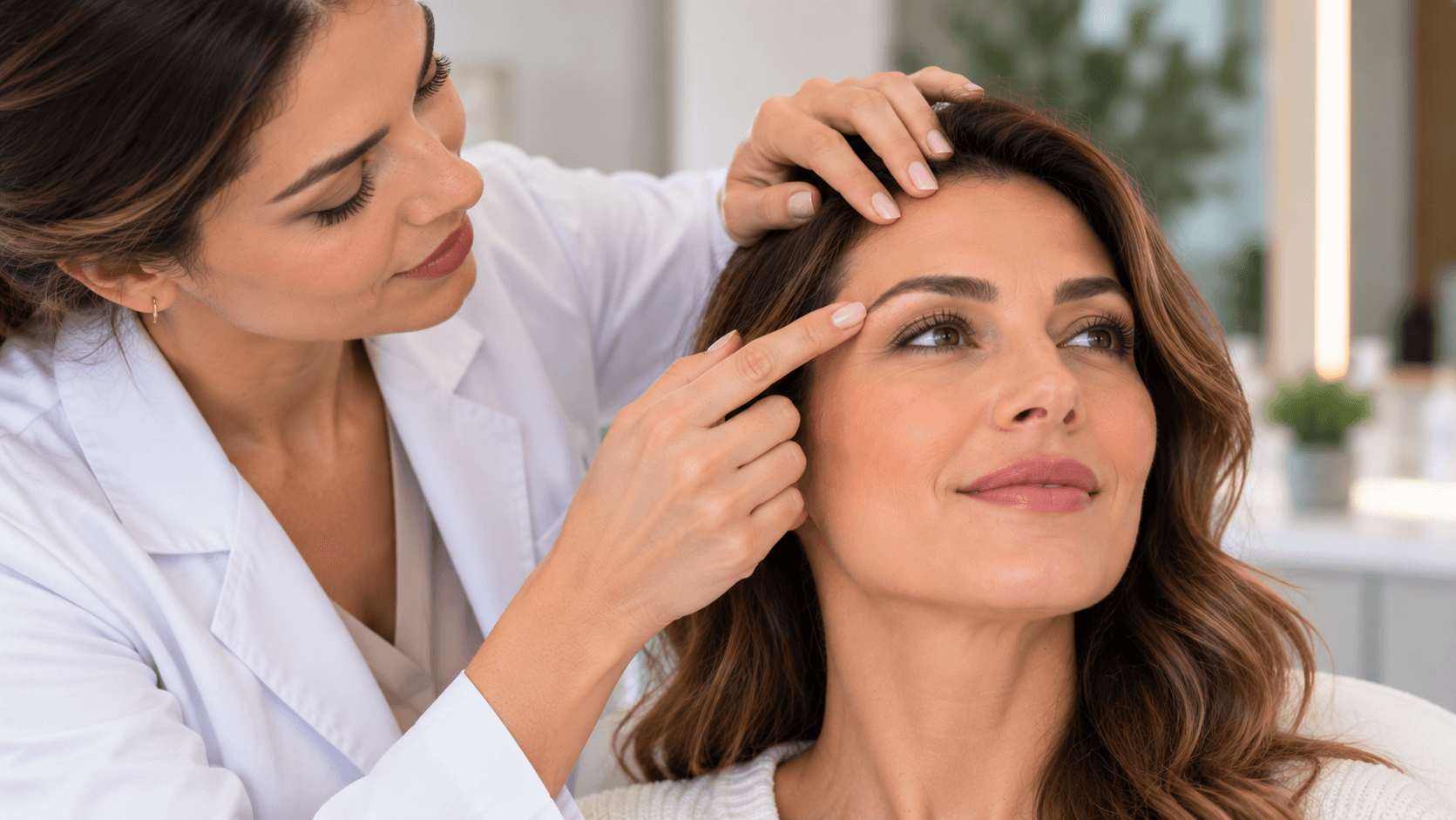
The physician examines the starting position of the brow, degree of droop, symmetry, and facial proportions. These measurements determine the treatment plan.
Facial anatomy directly affects brow lifting results. The brow is located in the upper third of the face. The ideal brow position differs between men and women. In women, it is ideal for the brow arch to be just above the brow line and slightly arched upwards. In men, it is appropriate for the brow arch to be on the brow line and flatter. The physician evaluates the inner, middle, and outer sections of the brow separately. In most patients, the outer part of the brow is lower. The physician applies more intense laser energy to this area. Symmetry measurements are made using digital photographs and special rulers. Facial proportions are assessed according to the principles of the golden ratio. This detailed analysis provides natural and aesthetic results.
The patient must clearly understand what to expect from the procedure. The physician explains the possible outcomes and limitations. This communication enhances satisfaction.
Managing realistic expectations is one of the most important principles of aesthetic medicine. A patient may expect to look like a Hollywood star when they look in the mirror. However, laser brow lifting is a natural healing process. The physician shows the patient example photos from previous cases. The patient learns how many millimeters their brow will lift after the procedure, how the skin quality will change, and how many sessions will be required. The physician also explains the risks and side effects of the procedure. After the patient has absorbed all this information, they sign the informed consent form. This process serves as a legal and ethical assurance for both the physician and the patient.
Temporary redness, mild swelling, sensitivity, crusting, and pigment changes are common side effects. Rare complications include burns, infection, and scarring.
Laser brow lifting is considered a safe procedure. However, like any medical procedure, it has some side effects and risks. Most of these side effects are mild and temporary. Proper patient selection, appropriate laser parameters, and careful technique minimize the risks. The physician informs the patient about possible side effects before the procedure.
Yes. Redness after the procedure is a normal and expected response. It usually subsides within a few hours to a day.
Laser energy creates controlled thermal damage in the skin. This heat dilates the skin's blood vessels and increases blood flow. As a result, redness develops in the skin. This redness appears immediately after the procedure. In most patients, the redness diminishes within a few hours. In patients with sensitive skin, redness may last for up to a day. The patient can reduce redness by applying a cold compress after the procedure. The physician explains the normal duration of redness and when it should be a cause for concern. Prolonged or severe redness may indicate a rare reaction.
Mild swelling is observed within the first twenty-four hours after the procedure. Cold compresses and keeping the head elevated reduce swelling.
Laser energy triggers mild inflammation in the subcutaneous tissues. This inflammation leads to fluid accumulation and swelling. Swelling is typically most pronounced in the first few hours after the procedure. The patient should keep their head elevated and apply a cold compress. These measures increase lymph drainage and quickly reduce swelling. In most patients, swelling completely resolves within twenty-four hours. Rarely, swelling may last two to three days. Excessive and prolonged swelling may indicate an infection or allergic reaction.
Yes. A slight tingling, warmth, or sensitivity in the skin after the procedure is normal. This sensation typically disappears within a few days.
Laser can temporarily stimulate the skin's nerve endings. This stimulation creates a sensation of sensitivity after the procedure. The patient may feel a slight sting or warmth when touching their skin. This sensation usually decreases within the first few days after the procedure. In patients with sensitive skin, this sensation may last up to a week. The patient should use sunscreen after the procedure and avoid irritating products on the skin. The physician will explain the normal limits of sensitivity. Severe pain or numbness may be a sign of a rare complication.
Crusting is a normal part of the skin's repair process. Pigment changes can be prevented with sun protection. Both conditions are temporary.
After the laser procedure, microscopic damage occurs in the skin. This damage may cause a slight peeling of the skin's outer layer. This peeling is seen as crusting. The patient should not peel off the crusts. The peeled crusts expose the new and sensitive layer underneath the skin. This condition increases the risk of infection and pigment changes. Hyperpigmentation can develop in skin exposed to the sun after the procedure. Sunlight activates melanin cells, leading to the formation of dark spots on the skin. The patient should avoid sun exposure for at least a month after the procedure and use a high SPF sunscreen. Hypopigmentation is the formation of light spots on the skin. This condition is usually seen in areas where excessive laser energy is used. Correct laser parameters and settings suitable for skin type prevent pigment changes.
Burns, infections, abnormal scars, and eye damage are rare but serious complications. An experienced physician and approved device minimize these risks.
Rare complications usually arise from improper patient selection, inappropriate laser parameters, or inexperienced practitioners. Burns occur as a result of excessive laser energy or prolonged pulse duration. A burn creates blisters and a painful lesion on the skin. Infections develop in non-sterile conditions or when post-procedure care rules are not followed. Abnormal scars can be seen in patients with a predisposition to keloids. Eye damage occurs if the laser beam accidentally hits the eye. Therefore, both the patient and the physician must wear special glasses during the procedure. These complications can be almost entirely prevented with FDA-approved devices and experienced physicians.
Choosing an experienced physician, using approved devices, selecting the right patients, and adhering to pre- and post-procedure care rules enhance safety.
The safety of laser brow lifting depends on a number of factors. The patient should carefully evaluate each of these factors. Choosing the physician is the most critical step. A physician experienced in aesthetic medicine and trained in laser technologies minimizes the risk of complications. The quality of the device directly affects the results and safety. Approved devices have undergone scientific testing and meet safety standards.
An experienced physician selects the right patients, adjusts the appropriate laser parameters, and prevents complications. The physician's experience determines the outcome.
Laser devices are advanced technologies. However, the knowledge and skill of the person using this technology determine the result. An experienced physician understands different skin types, laser wavelengths, and energy levels. The physician instantly analyzes the patient's skin and creates a personalized protocol. An inexperienced practitioner increases the risk of burns, pigment changes, and abnormal scarring with incorrect parameters. The patient should review the physician's training, certifications, and previous cases. The physician must also have the knowledge and equipment to intervene in emergencies.
Approved devices undergo safety tests and provide stable energy output. Unapproved devices lead to burns and irregular results.
Laser devices fall into the category of medical devices. Devices that carry approval from the U.S. Food and Drug Administration or the European Union conformity mark meet international safety standards. These devices are tested for energy output, cooling systems, and safety sensors. Unapproved or unhealthy devices may show fluctuations in energy output. This fluctuation can cause burns and irregular damage to the skin. The patient should inquire about the device used by the center where they will undergo the procedure. The brand, model, and approval documents of the device should be transparently shared by the center.
The physician examines the patient's health status, skin type, degree of brow ptosis, and expectations. Unsuitable patients are excluded from the procedure.
Proper patient selection is fundamental to laser safety. The physician should not perform the procedure on every patient who applies. Patients with contraindications are gently declined, and alternative treatments are suggested. The physician also assesses the patient's psychological state. Patients with body dysmorphic disorder, unrealistic expectations, or who view the procedure as mandatory are referred for additional psychological evaluation. Proper patient selection ensures satisfaction for both the physician and the patient.
Care rules prevent complications and optimize results. The patient must strictly follow all of the physician's instructions.
Pre-procedure care prepares the skin. The patient should avoid intense sun exposure one month prior to the procedure. One week before the procedure, blood-thinning medications and products containing retinol should be discontinued. Post-procedure care accelerates healing. The patient should not wet the skin within the first twenty-four hours. Sunscreen, moisturizer, and soothing creams should be used regularly. The patient should avoid heavy exercise and sauna for the first week. Failure to adhere to these rules increases the risk of infection, pigment changes, and inadequate results.
Laser brow lifting is not safe for every age and condition. It cannot correct every brow droop, results are not permanent, and it does not provide the same outcome as surgery.
There is a lot of misinformation circulating about laser brow lifting. This misinformation distorts patient expectations and leads to disappointment. Scientific facts prove the opposite of these myths. The physician should correct these misunderstandings by providing accurate information to the patient.
No. Laser brow lifting has limited effects in individuals under eighteen and in very elderly patients. Each age group should be evaluated separately.
Individuals under eighteen have not completed their development. Aesthetic procedures are not recommended for this age group, both ethically and medically. In very elderly patients, skin elasticity has decreased and collagen production has diminished. Laser provides limited results in these patients. The optimal age range is between thirty and sixty-five. In this age group, the skin still has the capacity to respond to laser treatment. However, each patient should be evaluated individually.
No. Laser brow lifting corrects mild to moderate brow droop. Surgical intervention is required for advanced drooping.
Laser brow lifting has physical limitations. The laser lifts the brow by tightening the skin. However, this lift is limited to one to three millimeters. If the brow overlaps the eyelid or obstructs vision, the laser will be insufficient. In this case, surgical intervention is inevitable. The patient should receive a realistic assessment from the physician before the procedure.
No. The results of laser brow lifting last between twelve to eighteen months. As the aging process continues, the effect diminishes over time.
Laser brow lifting does not stop the natural aging process of the skin. The procedure renews existing collagen and tightens the skin. However, over time, the new collagen fibers break down again. The skin begins to loosen again due to gravity and facial movements. The permanence of the results depends on the patient's lifestyle. Sun protection, healthy eating, not smoking, and regular skin care help prolong the results. The patient should be aware that the effect is temporary and plan for annual maintenance sessions.
No. Laser brow lifting does not provide the same result as surgery. Laser offers a lighter and more natural effect. Surgery is more pronounced and permanent.
Laser and surgery work through different mechanisms. Laser tightens the skin from the inside. Surgery physically lifts and fixes the brow. Surgical results are more pronounced and permanent. Laser results are more natural and gradual. The patient should understand this difference and adjust their expectations accordingly. Laser is ideal for patients who are not ready for surgery or who want minor corrections. Surgery is suitable for patients seeking significant corrections.
In this section, the most frequently asked questions by patients are answered in light of scientific data.
Laser eyebrow removal is not recommended in cases of active skin infection, uncontrolled diabetes, severe autoimmune diseases, active herpes, and skin cancer.
The definitive contraindications explained above constitute the answer to this question. The physician evaluates each patient individually. Patients with systemic diseases must obtain approval from the relevant specialist.
Patients with controlled diabetes can undergo the procedure after careful evaluation. It is a risky procedure for uncontrolled diabetics.
Diabetic patients are evaluated in two groups. Patients under control are those with an HbA1c value below seven percent and stable blood sugar levels. These patients can undergo the procedure with additional precautions. The physician may recommend prophylactic antibiotics to minimize the risk of infection after the procedure. Uncontrolled diabetics are not suitable for the procedure.
No. Laser eyebrow removal is not safe during pregnancy. The procedure should be planned after childbirth.
Cosmetic laser procedures are not recommended during pregnancy. There is insufficient safety data. Physicians advocate for postponing aesthetic procedures during pregnancy.
No. Laser is insufficient for individuals with pronounced eyelid drooping. These patients should be evaluated for eyelid surgery.
Eyelid drooping is the excess skin of the upper eyelid. Laser cannot reduce this skin. In fact, when the eyebrow is lifted, the eyelid skin may become more pronounced.
No. Results vary depending on skin type, age, degree of eyebrow drooping, and lifestyle.
Each person's skin structure is different. Young and elastic skin responds better to laser. Older and loose skin gives a limited response. The physician conducts an individual assessment for each patient.
Some medications increase the risks of laser treatment. Blood thinners, photosensitive drugs, and isotretinoin threaten the safety of the procedure.
The physician reviews all medications before the procedure. Risky medications are either discontinued or their doses adjusted prior to the procedure. This evaluation prevents complications.
In cases of advanced eyebrow drooping, pronounced eyelid sagging, and very loose skin, surgery is more appropriate.
Surgery is preferred in cases that exceed the physical limits of laser. The physician recommends the most suitable method by evaluating the patient's anatomy.
Patients should be evaluated by or plastic surgery specialists. These experts are the ones who know the skin structure and facial anatomy best.
Aesthetic medical procedures require medical training. are specialists in skin diseases and laser technologies. Plastic surgeons are specialists in facial anatomy and surgical techniques. These experts recommend the most accurate and safe treatment for the patient.
Laser brow lifting is a safe and effective method. However, it is not applicable to every patient. Proper evaluation, correct patient selection, and realistic expectations are the keys to successful outcomes.
Laser brow lifting is an important part of modern aesthetic medicine. This procedure offers an ideal solution for patients seeking non-surgical facial rejuvenation. However, there is no single answer to the question of who should not undergo laser brow lifting. Each patient should be evaluated individually. Pregnant women, nursing mothers, those with active infections, uncontrolled diabetics, individuals with serious autoimmune diseases, those with a predisposition to keloids, photosensitive individuals, those who have recently used isotretinoin, patients with active herpes, and those with a history of skin cancer should avoid this procedure. Selecting suitable candidates is fundamental to achieving successful and safe results. The patient's health status, skin structure, degree of brow ptosis, and expectations should be evaluated together. In some patients, alternative methods such as surgical brow lifting, endoscopic brow lifting, focused ultrasound, radiofrequency, or thread lifting may provide more effective and long-lasting results. Choosing the right physician, ensuring device quality, accurate evaluation, and patient compliance maximize the safety of the procedure. The patient should ask all their questions before the procedure and provide informed consent. When laser brow lifting is performed according to scientific principles and in experienced hands, it offers natural and beautiful results.
Alexiades-Armenakas, Macrene R., Jeffrey S. Dover, and Kenneth A. Arndt. "Nonablative, Fractional, and Ablative Laser Resurfacing." Journal of the American Academy of , vol. 58, no. 3, 2008, pp. 1-17.
Angelo-Khattar, Mary. "Non-ablative Lasers for Photorejuvenation." Reference Work Entry, 2017.
Bapna, et al. "Laser Therapy for Treating Hypertrophic and Keloid Scars." Cochrane Database of Systematic Reviews, 2021.
Bürger, et al. "Treatment of Hypertrophic Scars and Keloids Using an Intralesional 1470 nm Bare-Fibre Diode Laser." Scientific Reports, vol. 10, 2020.
Dayan, et al. "Retrospective Multicentre Study Using a Combination of Bipolar and Fractional Radiofrequency for the Treatment of Facial Aging." Journal of Cosmetic , 2020.
Fournier, N., et al. "Nonablative Remodeling: A 14-Month Clinical Ultrasound Imaging and Profilometric Evaluation of a 1540 nm Er:glass Laser." Surgery, vol. 28, no. 10, 2002, pp. 926-931.
Goldberg, David J. "Lasers for Facial Rejuvenation." American Journal of Clinical , vol. 4, no. 4, 2003, pp. 225-234.
Horovitz, T., M.T. Clementoni and O. Artzi. "Nonablative Laser Skin Resurfacing for Periorbital Wrinkling - A Case Series of 16 Patients." Journal of Cosmetic , vol. 20, no. 1, 2021, pp. 99-104.
Manstein, D., et al. "Fractional Photothermolysis: A New Concept for Cutaneous Remodeling Using Microscopic Patterns of Thermal Injury." Lasers in Surgery and Medicine, vol. 34, 2004, pp. 426-438.
Paasch, U. and T. Said. "Stimulation of Collagen and Elastin Production In-Vivo Using 1,540 nm Er:Glass Laser: Assessment of Safety and Efficacy." Journal of Cosmetic and Laser Therapy, vol. 22, no. 2, 2020, pp. 77-83.
Pile, H.D. "Isotretinoin." StatPearls, NCBI Bookshelf, 2025.
Trivedi, M.K., G. Kroumpouzos and J.E. Murase. "A Review of the Safety of Cosmetic Procedures during Pregnancy and Lactation." International Journal of Women's , vol. 3, no. 1, 2017, pp. 6-10.
Wanner, M., et al. "Fractional Photothermolysis for the Treatment of Facial and Non-Facial Cutaneous Photodamage Using a 1550 nm Er-glass Fiber Laser." Surgery, 2007.
Wilkerson, E.C., M.M. Van Acker, B.S. Bloom and D.J. Goldberg. "Utilization of Laser Therapy During Pregnancy: A Systematic Review of the Maternal and Fetal Effects Reported From 1960 to 2017." Surgery, vol. 45, no. 6, 2019, pp. 818-828.