Yükleniyor…
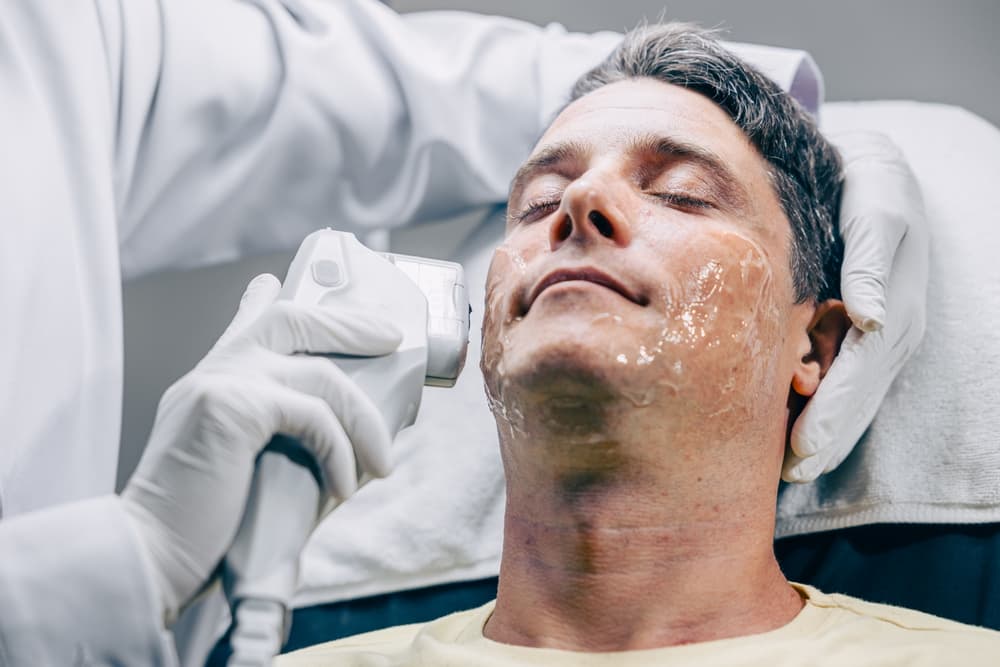
Ulthera is a non-surgical method that tightens the skin using micro-focused ultrasound technology. However, it is not suitable for pregnant women, those with pacemakers, individuals with active skin infections, those with metal implants, and people experiencing advanced skin sagging. Proper patient selection increases treatment success and reduces the risk of complications.
Ulthera is a non-surgical skin tightening system that targets the SMAS layer beneath the skin using micro-focused ultrasound energy. This FDA-approved method initiates the skin's natural renewal process by stimulating collagen and elastin production.
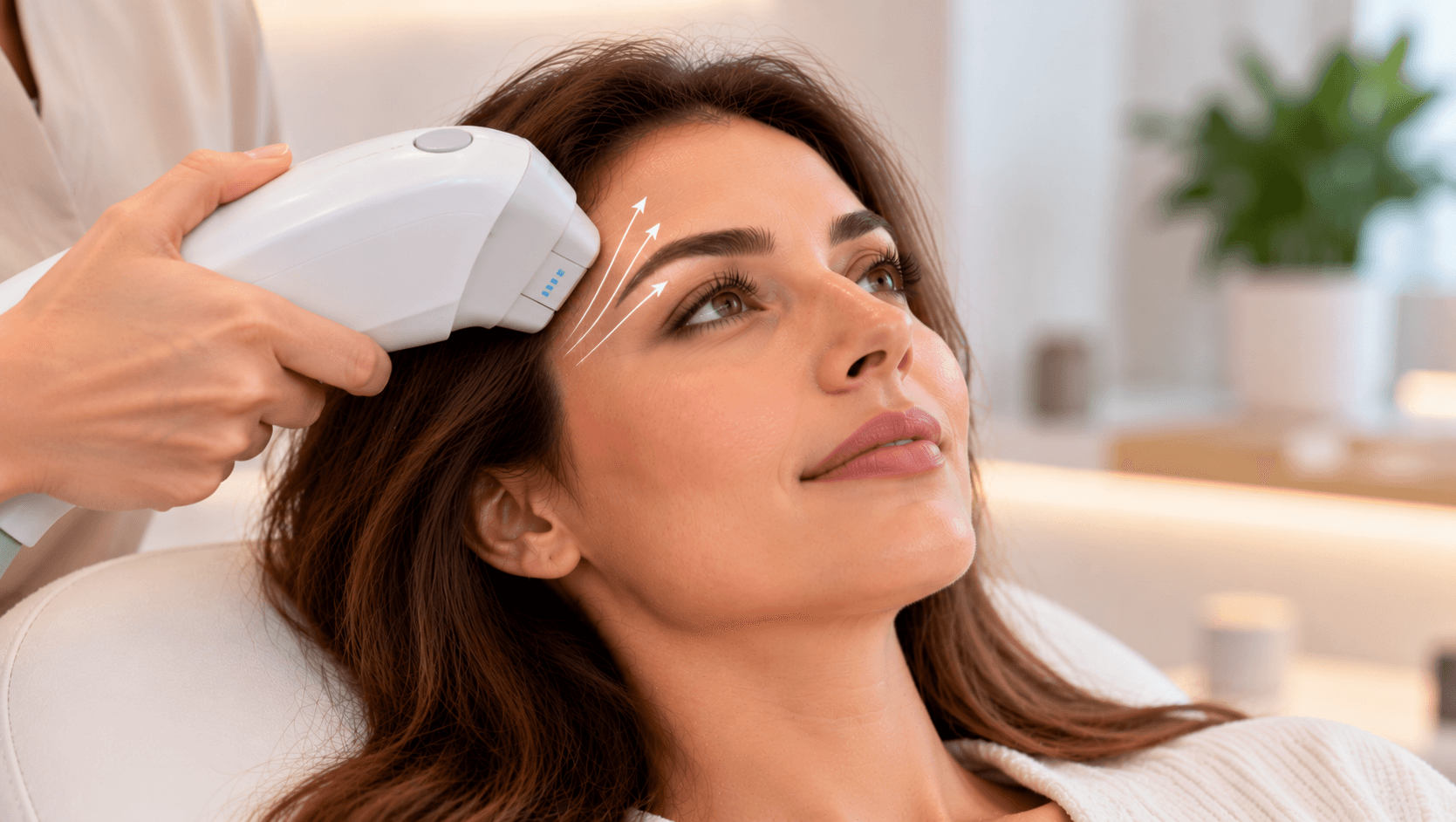
Ulthera is known in the medical world as micro-focused ultrasound technology. This system sends ultrasound waves that focus on the deep layers of the skin. The energy reaches the deep connective tissue layer known as the SMAS layer. This layer is a critical structure targeted in facelift surgeries. Ultrasound energy generates heat in this area. The heat triggers the body's natural healing response. As a result, the skin begins to produce new collagen and elastin fibers. This process increases skin tightness and reduces sagging.
Ulthera can be applied to the face, neck, jawline, brow area, and décolleté. The procedure takes approximately 30 to 90 minutes. Patients can immediately return to their daily activities after the procedure. This feature makes the method appealing for those who do not want surgical intervention. However, not every individual is a suitable candidate for this treatment. Certain health conditions, skin characteristics, and lifestyle factors may make Ulthera unsafe. This article explains, in light of scientific data, which individuals should not undergo Ulthera treatment.
Ulthera stimulates collagen production by heating the SMAS layer with micro-focused ultrasound energy. It can be safely applied to the face, neck, jawline, brow area, and décolleté.
The Ulthera device shows the tissues beneath the skin in real-time thanks to its imaging system. This feature allows the practitioner to direct the energy to the correct depth. The energy focuses at depths of 1.5 mm, 3.0 mm, and 4.5 mm. The deepest level, 4.5 mm, reaches the SMAS layer. The heat generated at this depth reorganizes collagen fibers. It also activates fibroblast cells. Fibroblasts are the cells that synthesize new collagen. This process yields noticeable results within 2 to 3 months after the procedure. Results continue to improve over 6 to 12 months.
Ulthera provides effective results in the following areas:
Area | Target Depth | Expected Effect |
Face | 3.0 mm - 4.5 mm | Skin tightness increases, wrinkles decrease |
Neck | 1.5 mm - 3.0 mm | Laxity decreases, contour becomes more defined |
Jawline | 3.0 mm - 4.5 mm | Jawline tightens |
Eyebrow Area | 1.5 mm - 3.0 mm | Eyebrows lift slightly, eye area opens up |
Décolleté | 1.5 mm - 3.0 mm | Fine lines decrease, skin tone improves |
Ulthera applied in these areas is one of the methods that offers the deepest effect among non-surgical facelift options. However, it is not guaranteed that this effect will occur at the same level in every patient. Skin type, age, lifestyle, and genetic factors influence the results.
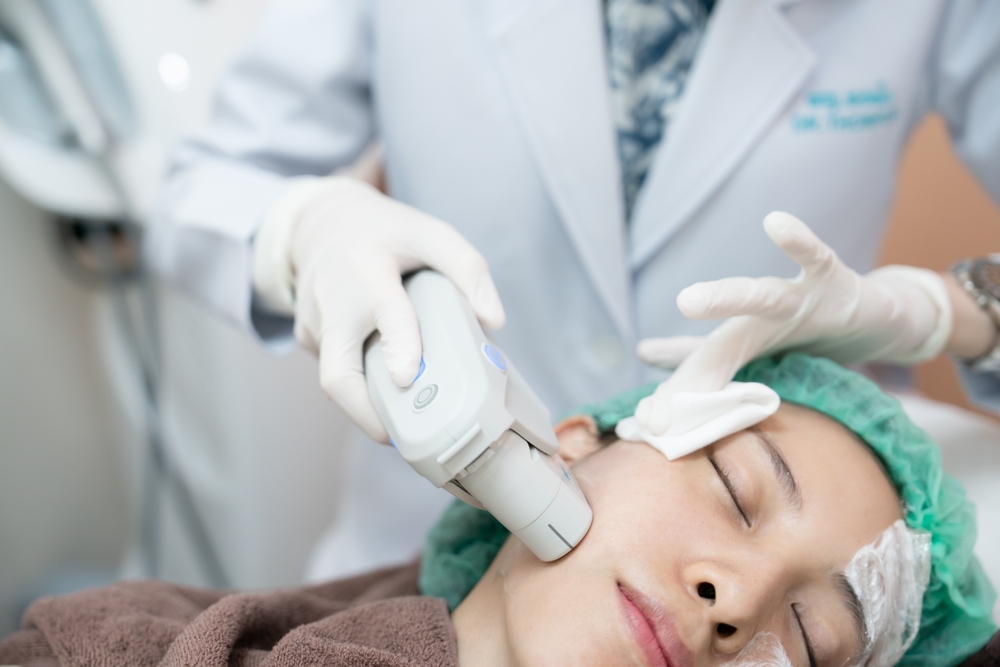
Individuals with mild to moderate skin laxity, who do not want surgery, have realistic expectations, and are in good general health are good candidates.
Ideal Ulthera candidate is someone who experiences mild or moderate laxity in their skin. These individuals are typically between the ages of 30 and 50. Those who do not have significant sagging but notice a decrease in skin tone achieve the best results. Patients who do not want surgical facelift surgery or are not yet ready for this surgery may prefer Ulthera. It is important that the patient has realistic expectations from the treatment. Ulthera is not a surgical intervention. Therefore, it does not promise tightening at the level of surgery. It offers a natural and progressive improvement. Results are better and more lasting in individuals who maintain a healthy lifestyle, do not smoke, and have a habit of sun protection.
Individuals with active skin infections should avoid Ulthera due to the risk of spreading the infection and negatively affecting the healing process. Treatment should be planned after the infection has completely resolved.
Active skin infection is a significant barrier to Ulthera. Individuals with open wounds, cold sores, cellulitis, or bacterial infections in the treatment area should postpone the procedure. When ultrasound energy is applied to infected tissue, it increases the risk of the infection spreading to deeper layers. Additionally, heat can worsen the inflammatory process. Active diseases similarly pose contraindications. Conditions such as eczema, psoriasis, or active rosacea negatively affect the skin's response to the procedure. The skin barrier is already compromised during these diseases. An additional energy application increases sensitivity and raises the risk of complications. The specialist physician carefully evaluates the skin before the procedure. Patients diagnosed with infection or active skin disease are first recommended appropriate medical treatment. Ulthera planning is done once the skin is completely healthy.
Severe and cystic acne carries the risk of active inflammation and infection in the skin. Ulthera energy increases the risk of pain, irritation, and permanent scarring in these areas.
Cystic acne is a serious condition that affects the deeper layers of the skin. Painful, pus-filled cysts form in the skin during this disease. These areas contain active inflammation. When Ulthera's ultrasound energy is applied to these sensitive areas, it can increase pain. Additionally, the energy may cause cysts to rupture or the infection to spread. The risk of bruising, burning, or permanent hyperpigmentation after the procedure is higher in acne-prone skin. Patients undergoing acne treatment should also be carefully evaluated. In individuals using systemic acne medications such as isotretinoin, the skin thins, and the healing capacity decreases. It is recommended that patients using these medications undergo Ulthera at least 6 months after stopping the medication. The situation is different for individuals with mild and infrequent acne. In these individuals, Ulthera can be safely applied to areas without acne. However, areas with severe acne should definitely be avoided.
An open wound disrupts the integrity of the skin barrier. Ulthera energy can delay wound healing, increase the risk of infection, and leave permanent scars.
Any condition that compromises skin integrity poses risks even for non-invasive procedures. An open wound means the loss of the skin's natural protective layer. In this case, bacteria and other microorganisms can easily reach beneath the skin. The probe of the Ulthera device can cause mechanical irritation when passing over the wound. Ultrasound energy irritates the sensitive tissue at the edges of the wound. This situation slows down the wound healing process. Additionally, the formation of new tissue in the wound area may be disrupted. As a result, the likelihood of developing permanent scars, hypertrophic scars, or hyperpigmentation increases. The wound must be completely closed, covered with healthy epidermis, and there should be no remaining sensitivity in the area. This process varies depending on the depth and location of the wound. A superficial wound may heal within a few days, while a deep cut may take longer. The physician plans the procedure once it is ensured that the wound has completely healed.
Metal implants can reflect or absorb ultrasound energy. This can cause burns, tissue damage, or pain around the implant. Ulthera should not be applied in areas with metal.
Metal plates, screws, and surgical implants interact with ultrasound energy. Ultrasound waves can reflect off metal surfaces. This reflection can lead to unexpected energy concentrations. As a result, burns, blister formation, or tissue damage may occur on the skin. Metal also conducts heat. Ultrasound energy can heat the metal implant. This heat can harm the surrounding tissue. The patient may experience severe pain during and after the procedure. Titanium plates or orthodontic screws placed in the facial bones pose a particular risk. The practitioner should thoroughly inquire about the patient's surgical history before the procedure. X-ray images show the location and size of metal implants. Areas containing metal are excluded from the treatment plan. Ulthera can be safely applied to other facial areas without metal implants. However, it is critical to avoid sending energy to the area containing metal.
The ultrasound energy of Ulthera can disrupt the function of pacemakers or other electronic implants. This poses serious health risks, and Ulthera should not be applied to these patients.
Pacemakers, implanted cardioverter defibrillators, or other active electronic devices generate sensitive electrical signals within the body. Ultrasound energy can affect the functioning of these devices. Energy applied close to the area where the device is located can cause electromagnetic interference. This can lead to irregular functioning of the pacemaker, changes in its speed, or temporary cessation. Similarly, individuals with hearing aids, insulin pumps, or nerve stimulators are also at risk. These devices can be adversely affected by ultrasound waves. This situation is clearly stated in the product information from manufacturers and FDA approval documents. For patients with pacemakers, facial applications near the chest and neck area are even risky. Energy can spread within the body and reach the device. Therefore, all individuals with pacemakers or similar devices should not be considered suitable candidates for Ulthera. Patient safety always comes before aesthetic results.
The safety of Ulthera during pregnancy has not been proven. The effects of ultrasound energy on the fetus are unknown. Therefore, Ulthera is absolutely not recommended for pregnant women.
Pregnancy causes significant hormonal, immunological, and physiological changes in the body. The skin becomes more sensitive during this period. Changes in pigmentation, increased vascularity, and edema are common. There is insufficient scientific research on the safety of Ulthera during pregnancy. The effects of ultrasound energy on the placenta and fetus have not been tested. Although cosmetic ultrasound energy operates at a much higher frequency than prenatal ultrasound, no risks should be taken. Any medical procedure performed during pregnancy carries potential risks for both the mother and the baby. Cosmetic procedures are categorized as those that should be postponed during pregnancy. Additionally, the skin structure continuously changes during pregnancy. The results of a procedure performed during this period may vary according to the changing skin condition after childbirth. Women planning pregnancy are also advised to postpone treatment until before pregnancy or after childbirth. A similar approach is required during the breastfeeding period. For breastfeeding mothers, the possibility of the gel or creams used during the procedure passing into breast milk is not fully known. Therefore, Ulthera should not be performed during breastfeeding without a doctor's approval.
The skin structure in children and adolescents has not yet completed its development. Collagen production is already high. The long-term effects of Ulthera in this age group are unknown.
During childhood and adolescence, the skin naturally contains high levels of collagen and elastin. Skin cells regenerate quickly. In this age group, skin laxity and sagging are not observed in the same way as in adults. Signs of aging generally begin to appear gradually after the age of 25. Therefore, Ulthera treatment is not medically necessary for children and adolescents. Additionally, the long-term effects of ultrasound energy on developing tissue are unknown. Bone development, fat distribution, and skin thickness change during this period. Externally applied energy can affect these natural developmental processes. A general age limit of 18 years is applied for cosmetic procedures. This age is both an ethical and medical standard. In adults, the skin structure has stabilized. Therefore, treatment planning is more predictable. Ulthera should never be considered for children and adolescents unless there is a medical indication.
Severe skin laxity involves the relaxation of deep connective tissue and muscle structure. Ulthera cannot correct sagging at this level. Surgical facelift is a more suitable option for these patients.
Ulthera provides the best results for individuals with mild to moderate skin laxity. Severe sagging indicates a significant loss of skin elasticity. In this case, not only the skin but also the underlying SMAS layer and muscles have relaxed. Non-surgical methods do not have the capacity to correct these deep structural changes. Surgical facelift surgery removes excess skin and tightens the SMAS layer. This is the only effective solution for severe sagging. Expecting such a level of improvement with Ulthera will disappoint the patient. Proper patient selection is critical for both patient satisfaction and treatment success. The specialist physician evaluates the degree of skin laxity during the examination. It is clearly communicated to the patient that limited improvement can be achieved with non-surgical methods. If the patient does not want surgery, alternative combination treatments may be considered. However, Ulthera alone will be insufficient in cases of severe sagging.
Degree of Sagging | Ulthera Effectiveness | Recommended Approach |
Mild laxity | Very effective | Ulthera alone |
Moderate laxity | Effective | Ulthera or combination |
Advanced sagging | Limited effect | Surgical facelift is recommended |
Autoimmune diseases cause the immune system to target the skin and deep tissues. When Ulthera applies energy to this sensitive tissue, the risk of flare-ups may increase. A doctor's evaluation is mandatory.
Autoimmune diseases such as lupus erythematosus, scleroderma, dermatomyositis, and rheumatoid arthritis threaten skin integrity. During active phases of these diseases, skin inflammation, ulceration, or atrophy may occur. When ultrasound energy is applied to this sensitive tissue, it can trigger an autoimmune response. It may cause a flare-up of the disease. Additionally, immunosuppressive drugs used in autoimmune diseases reduce the skin's healing capacity. Corticosteroids suppress collagen synthesis. This situation decreases the effectiveness of Ulthera. The patient should consult a rheumatology or specialist before treatment. The activity of the disease, the medications used, and the overall condition will be assessed. If the disease is in remission and the doctor approves, a careful application with low energy levels can be planned. However, even in this case, the risk of complications is high. Each autoimmune disease has a different course. Therefore, individual assessment is essential.
Diabetes slows down wound healing and increases the risk of infection. In patients with uncontrolled diabetes, the risk of Ulthera complications is high. HbA1c levels and overall metabolic control should be evaluated.
Diabetes mellitus disrupts microcirculation in the body. High blood sugar damages the walls of blood vessels. This situation prevents the transport of oxygen and nutrients to tissues. As a result, wound healing is delayed. Ulthera creates micro-damage in the tissues beneath the skin. The repair of these damages depends on healthy blood circulation. In diabetic patients, this repair process slows down. Additionally, high blood sugar creates a suitable environment for bacterial growth. This also increases the risk of infection. In patients with uncontrolled diabetes, post-procedure burns, infections, or delayed healing may occur. The physician reviews the patient's latest HbA1c value. HbA1c indicates blood sugar control over the last 3 months. If the value is below 7 and the patient is under regular follow-up, Ulthera can be considered more safely. However, if the value is high, diabetes must be controlled first. In patients using insulin, blood sugar monitoring should be done on the day of the procedure. Fasting blood sugar levels should be known, and preparations for emergency intervention should be made.
Bleeding disorders and the use of anticoagulant medications increase the risk of bruising and bleeding after procedures. The physician should evaluate the medications and blood coagulation parameters.
Bleeding disorders such as hemophilia, von Willebrand disease, or thrombocytopenia reduce the blood's ability to clot. Ulthera creates micro-damage beneath the skin. These damages are repaired by a healthy coagulation mechanism. In individuals with bleeding disorders, this repair may be insufficient. As a result, excessive bruising, hematoma, or internal bleeding may occur after the procedure. Similarly, patients using anticoagulant medications such as warfarin, rivaroxaban, apixaban, or aspirin are also at risk. These medications prolong the blood clotting time. Minor vascular damage caused by Ulthera may bleed longer than normal. However, this does not mean that the medications should be discontinued without a doctor's recommendation. Anticoagulant medications are used to prevent heart attacks, strokes, or thrombosis. Abrupt discontinuation of these medications can lead to much more serious health issues. The physician will learn about all medications the patient is taking. Blood coagulation tests may be requested. INR, PT, and aPTT values will be evaluated. If the values are within normal limits, the procedure can be planned with low energy levels and less frequent pulses. The patient will be informed about bruising and swelling after the procedure.
Keloid is an abnormal tissue growth resulting from excessive wound healing. The micro-damage created by Ulthera beneath the skin can trigger keloid formation. Careful evaluation is required before the procedure in these patients.
Keloids and hypertrophic scars are disorders of wound healing. The predisposition to this condition is associated with genetic factors. The risk of keloid formation is higher in individuals with darker skin tones. Those who have previously developed keloids from surgeries, piercings, burns, or acne scars are sensitive to any future trauma. Ulthera creates controlled thermal damage beneath the skin. These damages normally lead to collagen remodeling. However, in individuals predisposed to keloids, this process can get out of control. Excessive collagen production can lead to the formation of unwanted hard tissues. Before the procedure, the physician will thoroughly inquire about the patient's wound healing history. Previous surgical scars will be examined. In patients with a history of keloids, the procedure can be initiated with low energy levels and test pulses. A reaction will be observed in a small area of the treatment zone first. If no abnormal scar development is observed, the full procedure will continue. However, the risk in these patients can never be completely eliminated. The patient must sign a written consent regarding these risks.
Neurological disorders can affect skin sensation and muscle functions. Temporary nerve irritation following Ulthera can have more serious consequences in these patients. A neurology specialist's evaluation is recommended.
Conditions such as trigeminal neuralgia, history of facial paralysis, multiple sclerosis, or peripheral neuropathy affect the facial nerves. Ulthera has a rare side effect of temporary nerve irritation. In healthy individuals, this condition resolves quickly. However, in individuals with neurological disorders, the nerves are already sensitive. Additional energy application can cause pain, numbness, or muscle weakness. In patients who have experienced facial paralysis, the nerve healing process may not be complete. In this case, ultrasound energy may negatively affect nerve regeneration. In cases of temporary paralysis like Bell's palsy, it is recommended to wait at least 6 months to 1 year. The procedure can be evaluated after nerve functions have completely returned to normal. In patients with multiple sclerosis, an increase in body temperature can worsen symptoms. Ulthera causes an increase in temperature in the treatment area. This carries the risk of exacerbating neurological disorders. Each neurological condition is different. Therefore, it is essential to consult a neurology specialist before the procedure.
Diseases such as Ehlers-Danlos syndrome, Marfan syndrome, and osteogenesis imperfecta disrupt collagen structure. Ulthera relies on collagen production. In these diseases, the skin is excessively elastic, and the results of the procedure may be unpredictable.
Connective tissue diseases alter the structure of collagen and elastin fibers due to genetic mutations. In Ehlers-Danlos syndrome, the skin is excessively flexible. Wound healing is impaired. In Marfan syndrome, the cardiovascular system is also affected. In these patients, the skin is much thinner and more fragile than normal. Ultrasound energy can damage this sensitive tissue. Additionally, collagen synthesis is already abnormal in these diseases. The mechanism by which Ulthera stimulates collagen production may not yield the expected results in these patients. The skin may respond abnormally to energy. The risk of hyperpigmentation, atrophy, or abnormal scarring increases. These patients should also be evaluated for heart and vascular issues. There is a risk of aortic aneurysm in Marfan syndrome. A cardiological assessment should be conducted before any procedure. For individuals with connective tissue diseases, obtaining genetic counseling and expert medical opinion before cosmetic procedures is the most appropriate approach.
Individuals with hyaluronic acid fillers can generally undergo Ulthera. However, permanent fillers and biostimulants should be evaluated on a case-by-case basis. The order of application and area selection are critical.
Dermal filler applications are commonly used to correct facial volume loss. Hyaluronic acid-based fillers are the most preferred type. These fillers exist in a gel consistency beneath the skin. Ultrasound energy does not affect hyaluronic acid molecules. However, applying high energy directly to the area with filler may cause the filler to disperse prematurely. Therefore, the order between filler and Ulthera is important. The general rule is: Ulthera is performed first, followed by filler application 2 to 4 weeks later. If the patient has previously had filler, it is recommended to wait at least 1 month. This period is sufficient for the filler to settle. Permanent fillers may contain silicone, polymethyl methacrylate, or calcium hydroxyapatite. These substances can interact with ultrasound energy. Especially in areas with permanent fillers, energy density should be reduced or these areas should be skipped. The practitioner should learn the patient's filler history before the procedure. The type, brand, amount, and area of the filler should be recorded. A facial map should be created, marking the areas with filler. Careful and low-energy progress should be made in these areas.
Type of Filler | Compatibility with Ulthera | Recommendation |
Hyaluronic Acid | Generally compatible | Apply 1 month after filler |
Calcium hydroxyapatite | Careful evaluation | Low energy, avoid the filler area |
Polymethylmethacrylate | Risky | Application to the filler area |
Silicone | Risky | Application to the filler area |
All previous aesthetic operations, implants, botox and filler history, regular medications, and chronic diseases should be reported in detail to the physician before the procedure. This information forms the basis for a safe treatment plan.
The patient must share their medical history completely during the initial consultation. Previous facelift surgery, blepharoplasty, rhinoplasty, or other surgical procedures are important. These operations alter the anatomical structure beneath the skin. Scar tissue may exhibit different ultrasound reflection characteristics than normal tissue. Surgical implants, metal plates, or suture materials should also be reported. Dates and areas of botox and filler applications should be recorded. Regular medications, especially blood thinners, hormones, acne medications, and immunosuppressants are critical. Chronic diseases, allergies, and responses to previous procedures should also be evaluated. The physician collects this information on a form and shapes the procedure plan accordingly. Missing information can lead to unexpected complications. The patient should not withhold information due to embarrassment or forgetfulness. Every detail enhances safety.
Irritating procedures, chemical peels, laser applications, sunburn, and alcohol consumption should be avoided before the procedure. Blood-thinning medications should not be stopped without a doctor's recommendation.
The skin should be in its healthiest state before Ultherapy. Chemical peels should not be performed at least 2 weeks prior to the procedure. Peeling thins the upper layer of the skin. In this case, ultrasound energy may penetrate deeper than normal, increasing the risk of burns. Laser applications similarly sensitize the skin. Fractional laser should not be applied while the skin is in the healing process from Ultherapy. Skin with sunburn contains inflammation. Applying energy to the burned area increases pain and damage. Alcohol consumption is also not recommended 48 hours before the procedure. Alcohol dilates blood vessels and increases the risk of bruising. It can also lead to fluid retention in the body. Products containing irritating retinol, alpha hydroxy acid, or benzoyl peroxide should be discontinued 1 week before the procedure. Blood-thinning medications should never be stopped without a doctor's recommendation. If deemed appropriate by the physician, a temporary pause may be taken a few days before the procedure. However, this decision is made considering the patient's underlying condition.
It is important to protect from the sun for the first 24-48 hours, practice gentle skin care, avoid intense exercise, stay away from saunas and hot baths, and drink plenty of water.
Post-Ultherapy care affects the quality of results and the speed of recovery. The first 24 to 48 hours is a critical period when the skin's healing process begins. During this time, direct exposure to the sun should be avoided. The skin is more sensitive to harmful rays of the sun after the procedure. The use of sunscreen is mandatory. Skin care products should be chosen from gentle and non-irritating ingredients. Products containing perfume, alcohol, or aggressive chemicals should be avoided. Intense exercise can increase body temperature and worsen swelling. Light activities should be preferred for the first 48 hours. Sauna, steam baths, and hot showers can dilate skin vessels. This can increase redness and swelling. These practices should be avoided for the first week. Drinking plenty of water supports skin hydration and helps eliminate toxins. It is recommended to drink at least 2 liters of water daily. Mild redness, swelling, or tingling in the skin is normal. These symptoms usually resolve within a few hours to a few days. However, if severe pain, bruising, or numbness persists, a doctor should be consulted.
Mild redness, swelling, and tingling are normal side effects. Temporary nerve irritation, bruising, burns, or numbness are rare. In cases of severe pain, widespread bruising, blister formation, or persistent numbness, you should see a doctor immediately.
Ultherapy is generally considered a safe procedure. However, as with any medical procedure, side effects are possible. Commonly accepted side effects include: mild redness, sensitivity in the treatment area, slight swelling, tingling, or a feeling of warmth. These symptoms usually resolve on their own within a few hours to 2 days. Applying a cold compress can help reduce swelling. Less common complications include: temporary nerve irritation, which may cause a slight feeling of numbness or weakness in the face. Bruising is more common, especially in those taking blood thinners. Burns or blister formation may result from incorrect energy levels or device settings. Temporary numbness occurs due to temporary effects on nerve endings.
Side Effect | Frequency | Duration | What to Do |
Redness | Very frequent | A few hours - 2 days | Cold compress |
Swelling | Frequent | 1-3 days | Lying with head elevated |
Tingling | Frequent | A few hours | Observation |
Bruising | Rare | 3-7 days | Arnica cream |
Temporary numbness | Very rare | 1-6 weeks | Report to the doctor |
Burn | Very rare | Variable | Consult a doctor immediately |
You should consult a doctor immediately in the following situations: Severe and increasing pain, widespread bruising, blistering or fluid accumulation, persistent numbness or muscle weakness, changes in vision, fever, and signs of infection. These symptoms may indicate a serious complication. Early intervention minimizes potential damage.
Ulthera provides the best results for individuals aged 30 to 50. It offers a protective effect in the 30s. Noticeable tightening occurs in the 40-50 age group. The effect may be limited for those over 60. Skin quality and degree of laxity are more important than age.
Age is not an absolute criterion for Ulthera. However, skin structure changes with age. Therefore, expectations vary by age group. In the 30s, the skin still has a high collagen production capacity. Ulthera performed during this period provides a protective effect. Supporting collagen production at a young age can delay future signs of aging. The 40 to 50 age group is the most ideal period for Ulthera. At this age, mild to moderate skin laxity begins. The skin still has sufficient healing capacity. The results are noticeable and satisfying. The situation is different for patients aged 60 and above. Collagen production in the skin has significantly decreased. Loss of elasticity has progressed. In this case, Ulthera may provide limited improvement. It may not be sufficient on its own. Combination treatments or surgical options may be more appropriate. However, good results can also be achieved in individuals over 60 with well-maintained skin, non-smokers, and those who live healthily. Therefore, skin quality, degree of laxity, and overall health status should be evaluated rather than age.
Age Group | Skin Condition | Ulthera Effectiveness |
30s | Protective period | Preventive effect, high |
40-50 years | Mild-moderate laxity | Very effective, ideal period |
60+ years | Advanced laxity | Limited, combination recommended |
Radiofrequency applications, fractional laser, thread lifting, botulinum toxin, dermal filler applications, and surgical facelift can be considered as alternatives to Ulthera. The choice is made according to the skin condition and patient expectations.
The best treatment varies for each patient. Ulthera is not the only option. Radiofrequency applications stimulate collagen production by heating the skin. Systems like Thermage use a different type of energy. Radiofrequency has a more superficial effect compared to ultrasound. However, it may be more comfortable for some patients. Fractional laser creates micro-damage on the upper layer of the skin. These damages trigger skin renewal. The laser also improves skin texture and tone. However, the recovery time may be longer compared to Ulthera. Thread lifting is a non-surgical lifting method. Absorbable threads physically lift the skin. The effect is seen more immediately than Ulthera. However, its duration is shorter. Botulinum toxin reduces wrinkles by blocking muscle movements. This method is suitable for dynamic wrinkles. However, it does not increase skin firmness. Dermal filler applications restore volume loss. This method fills hollows and reshapes the facial contour. Surgical facelift offers the most effective and permanent result. However, it carries surgical risks and has a longer recovery time.
Treatment | Mechanism | Target | Recovery Time | Duration |
Ulthera | Micro-focused ultrasound | Tightening | None | 12-18 months |
Radiofrequency | Radiofrequency energy | Tightening | None | 6-12 months |
Fractional laser | Laser energy | Renewal | 3-7 days | 6-12 months |
Thread lift | Mechanical lifting | Tightening | 2-5 days | 12-18 months |
Botulinum toxin | Muscle relaxation | Wrinkles | None | 3-6 months |
Dermal filler | Volume enhancement | Contour | Mild swelling | 6-18 months |
Surgical facelift | Surgical lifting | Sagging | 2-4 weeks | 5-10 years |
The eligibility assessment includes a detailed patient history, physical examination, skin laxity analysis, determination of treatment goals, and the establishment of realistic expectations. This process is fundamental to a safe and successful treatment.
The initial consultation is the most important stage of the treatment process. The physician listens to the patient's complaints. A detailed medical history is taken. Chronic diseases, medications used, allergies, and previous surgeries are recorded. During the physical examination, skin type, thickness, elasticity, and degree of laxity are evaluated. The physician gently pulls the skin to test its elasticity. Photographs are taken for pre- and post-treatment comparison. The skin laxity analysis can be supported by the Pinch test or skin firmness measurement devices. Treatment goals are discussed with the patient. What does the patient want? Brow lifting, jawline definition, neck tightening, or overall skin tone improvement? Each goal requires a different application plan. Most importantly, realistic expectations must be established. The physician clearly explains what Ulthera can and cannot do. It is emphasized that surgical-level results should not be expected. The patient is informed about the recovery process, possible side effects, and care instructions. After all these steps are completed, a personalized treatment plan is created for the patient.
No. Ulthera should not be applied during pregnancy. The effects on the fetus are unknown. The procedure should be postponed during pregnancy and breastfeeding.
No. Individuals with a pacemaker or any implanted electronic device cannot undergo Ulthera due to the risk of device malfunction.
Yes. In individuals with a metal implant in the treatment area, there is a risk of burns due to energy reflection and heat increase. Areas containing metal should be excluded from the procedure.
Yes, but it should be done at least 1 month after the filler. Hyaluronic acid fillers generally do not cause issues. Caution should be exercised in areas with permanent fillers.
No. Ulthera should not be applied in areas with active and cystic acne. There is a high risk of infection and permanent scarring. The procedure can be planned after the acne treatment is completed.
Yes, but a doctor's evaluation is required. Medications should not be discontinued without a doctor's recommendation. Blood coagulation tests should be performed, and the risk of bruising should be shared with the patient.
Individuals with thyroid disease should consult an endocrinology specialist before applying to the neck area. Controlled thyroid disease generally does not pose a barrier. However, caution should be exercised in areas with goiter or nodules.
No. Ulthera alone is insufficient for individuals with advanced skin sagging. Surgical facelift or combination treatments are more suitable options for these patients.
No. Results vary based on age, skin type, genetic factors, lifestyle, and skincare habits. Smoking, sun damage, and poor nutrition negatively affect outcomes.
Ulthera is an FDA-approved and generally safe skin tightening method. However, it is not suitable for pregnant individuals, those with pacemakers, those with active infections, individuals with metal implants, those with advanced sagging, and people with certain chronic diseases. Proper patient selection enhances treatment success and reduces the risk of complications.
Ulthera is a non-surgical effective method for facial and neck tightening that affects the deep layers of the skin using micro-focused ultrasound technology. FDA approval supports the safety and efficacy profile of the method. However, this approval does not mean that everyone can undergo this procedure. Like any medical procedure, Ulthera has contraindications and risks.
Active skin infections, open wounds, severe acne, and diseases require postponement of the procedure. Metal implants, pacemakers, and other electronic devices pose serious risks by interacting with ultrasound energy. Pregnancy and breastfeeding are absolute contraindications due to the safety of the fetus and baby. Advanced skin sagging involves structural changes that cannot be corrected with non-surgical methods. In this case, surgical options should be considered.
Autoimmune diseases, diabetes, bleeding disorders, neurological diseases, and connective tissue diseases require evaluation by a specialist before the procedure. Each patient should be examined individually. Previous aesthetic surgeries, filler, and Botox applications affect the treatment plan. Rules to be followed before and after the procedure help minimize side effects.
Proper patient selection is the most critical component of Ulthera treatment. In suitable candidates, with realistic expectations and performed by a specialist, Ulthera offers safe and satisfying results. A detailed medical evaluation before the procedure lays the foundation for safe application. The patient must fully share their entire medical history and strictly adhere to the physician's recommendations. This way, both safety and aesthetic success are maximized.
Alam, Murad, et al. "Ultrasound Tightening of Facial and Neck Skin: A Rater-Blinded Prospective Cohort Study." Journal of the American Academy of , vol. 62, no. 2, 2010, pp. 262-269.
Fabi, Sabrina G., et al. "Noninvasive Skin Tightening: Focus on New Ultrasound Techniques." Clinical, Cosmetic and Investigational , vol. 8, 2015, pp. 47-52.
Gold, Michael H. "Ultrasound Skin Tightening: Noninvasive Lifting and Tightening of the Face and Neck." Journal of Drugs in , vol. 14, no. 11, 2015, pp. 1267-1272.
Glatt, Peter, et al. "Safety of Microfocused Ultrasound in Patients with Facial Fillers." Surgery, vol. 45, no. 4, 2019, pp. 563-568.
Kennedy, James, et al. "Microfocused Ultrasound for Noninvasive Skin Tightening: A Review of the Literature." Aesthetic Surgery Journal, vol. 41, no. 5, 2021, pp. 583-592.
Suh, David H., et al. "Intense Focused Ultrasound Tightening in Asian Skin: Clinical and Pathologic Results." Surgery, vol. 37, no. 11, 2011, pp. 1595-1602.