Yükleniyor…
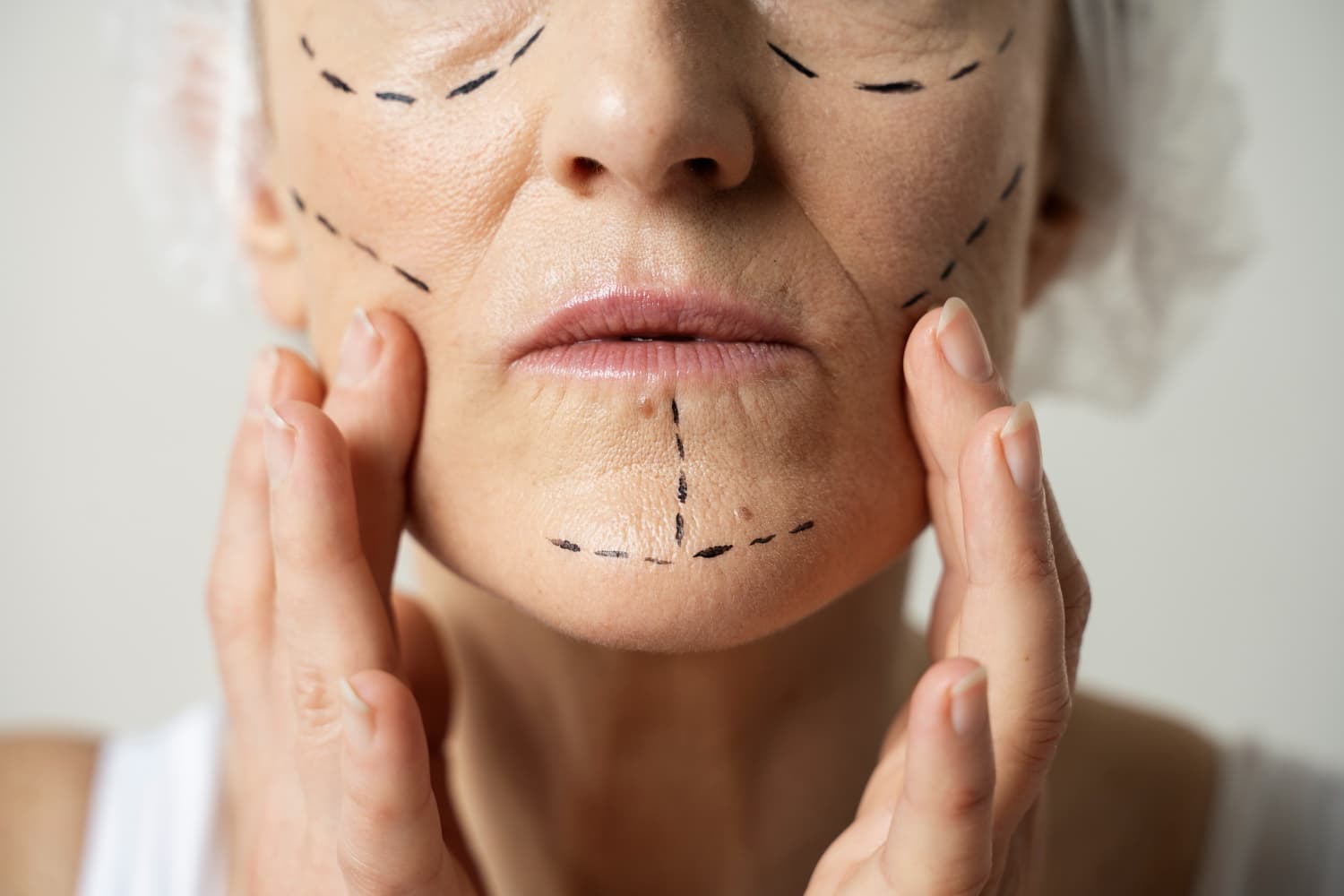
Yes, French thread lift improves the appearance of mild to moderate looseness in the neck area in suitable patients. However, surgical neck lifting provides more comprehensive results for individuals with advanced skin laxity and significant muscle looseness.
The neck area is one of the regions that shows the earliest signs of aging. Skin laxity, horizontal wrinkles, and sagging under the chin become aesthetic concerns for many people. In recent years, minimally invasive treatment methods have rapidly gained popularity. Among these methods, the French thread lift stands out. Many people are curious about the French thread lift in search of a non-surgical solution. This article examines the effectiveness of the French thread lift for neck sagging in light of scientific data. It explains in detail how the treatment works, who it is suitable for, its risks, and how it compares to other methods.
The French thread lift is a minimally invasive aesthetic procedure that mechanically supports the skin by placing special threads under the skin and stimulates collagen production.
The French thread lift is performed using polydioxanone threads, which have been used as medical sutures for many years. These threads are biocompatible and are gradually absorbed by the body. In aesthetic applications, the physician places these threads under the skin. The threads support the skin from within and stimulate fibroblast cells to increase collagen formation. Thus, the skin becomes firmer immediately and improves its quality in the long term.
The physician places the polydioxanone threads under the skin using fine needles or cannulas. The procedure takes about thirty to sixty minutes under local anesthesia.
Before the application, the physician evaluates the neck area. The quality of the skin, the degree of sagging, and the condition of the fat tissue are examined. Then, an anesthetic cream is applied to the treatment area. The threads prepared under sterile conditions are placed under the skin. Different techniques are used. The cross-hatching technique is preferred to cover a larger surface area. The hammock technique is used to tighten the skin in cases of significant sagging. Linear placement is effective in correcting fine wrinkles.
The threads mechanically lift the skin and trigger the body's healing response, increasing collagen and elastin production.
The skin on the neck is thin and sensitive. Aging manifests quickly in this area. The placed threads act as a scaffold under the skin. This scaffold stimulates fibroblasts. Fibroblasts produce collagen fibers. At the same time, new blood vessel formation is supported. Thus, the skin tissue is renewed. Laxity decreases. Skin tone improves. The neck contour becomes clearer.
Threads create a network under the skin. This network holds the skin from the inside and facilitates tissue renewal.
Polydioxanone threads not only tighten the skin but also activate the skin's own repair mechanisms. New connective tissue forms around the threads. This connective tissue supports the skin from within. The skin thickens. Elasticity increases. Thus, the skin appears younger and more vibrant from the outside.
The French lift works in a minimally invasive way by placing threads under the skin. In contrast, surgical neck lift provides more comprehensive results by removing excess skin and tightening the muscles.
The French lift offers advantages in terms of recovery time after the procedure. The patient can return to daily activities on the same day. Surgical neck lift, however, requires general anesthesia. A few weeks of rest are necessary after the surgery. However, surgical procedures yield more effective results in individuals with significant excess skin compared to the French lift.
Neck sagging occurs as a result of a combination of aging, genetic structure, sun damage, weight changes, and lifestyle factors.
The neck area does not receive as much care as the face. The skin here is thinner. There is less fat tissue underneath. Muscles loosen over time. Therefore, signs of aging appear quickly in this area. Neck sagging is not just an aesthetic problem. It also prevents a person from feeling young and dynamic.
Aging leads to thinning, dryness, and looseness of the neck skin.
Over time, skin cells lose their renewal speed. The neck skin thins. Its moisture retention capacity decreases. External factors affect the skin more. Sun rays break down elastin fibers. As a result, the skin loses its elasticity and begins to sag.
Collagen forms the skeleton of the skin. Elastin allows the skin to stretch and return to its original state. When these two proteins decrease, the skin sags.
After the age of twenty-five, the body reduces collagen production each year. Elastin fibers also weaken. This loss is felt more significantly in the neck area. The skin cannot support its own weight. The effect of gravity increases. As a result, horizontal wrinkles and looseness occur.
When the platysma muscle relaxes, bands form on the front surface of the neck, and the skin appears more saggy.
The platysma muscle in the front of the neck supports the skin from within. These muscles weaken over time. Muscle bands become more pronounced. The skin sags over the muscles. This situation disrupts the neck contour. The person appears more tired and older.
The increase in fat tissue in the neck area raises the weight beneath the skin and stretches loose skin further.
As fat cells gain volume, the support beneath the skin decreases. Heavy fat tissue pulls down loose skin. This accelerates sagging. This accumulation of fat, especially in the area under the chin, leads to a double chin appearance.
Excess fat tissue under the chin causes the loss of the angle between the chin and neck, blurring facial features.
A youthful face has a clear angle between the chin and neck. This angle is an important part of aesthetic appearance. Fat accumulation under the chin fills this angle. The neck merges with the face. The contour is lost. This also brings about a sagging appearance known as jowls.
The French Lift is effective for mild to moderate neck sagging. In advanced sagging, it may be limited, and surgical options may be more appropriate.
Many scientific studies show that the French Lift can be used for neck rejuvenation. However, not every patient achieves the same result. The success of the treatment depends on skin structure, degree of sagging, and lifestyle. Proper patient selection directly affects the success of the treatment.
Yes, the French Lift provides skin tightening and contour improvement in mild sagging.
In mild looseness, the skin has not yet shown too much excess. The threads easily support the skin. Collagen production also works more efficiently in this early stage. Patient satisfaction is highest in this group. The results are natural and noticeable.
In moderate looseness, the French Lift provides significant improvement. However, multiple sessions and combined treatments may be considered.
For individuals with moderate sagging, a single session may not be sufficient. In this case, the physician may prefer thicker and serrated threads. At the same time, combinations with fat-dissolving injections or botulinum toxin may be planned. Arora and colleagues noted in their 2019 study that the threads were effective in patients with moderate looseness but that repeat sessions might be necessary (Arora 2019).
No, in cases of advanced sagging and excess skin, the French Lift is insufficient. In this case, surgical neck lifting is required.
In advanced sagging, there is a significant amount of excess skin. The threads cannot lift this excess skin. Additionally, muscle looseness is at a significant level. The surgical procedure removes the excess skin and tightens the platysma muscle. Thus, a more permanent and comprehensive result is achieved.
Yes, especially in fine and medium-depth horizontal wrinkles, thread support and collagen increase smooth out wrinkles.
Horizontal neck lines are typical signs of aging. Yi and colleagues demonstrated in their 2024 study examining braided polydioxanone threads that these threads provide significant improvement in horizontal neck lines (Yi 2024). The threads support the skin and reduce the depth of the lines.
Yes, in cases of mild sagging under the chin, but it should be combined with fat-dissolving procedures if there is significant fat accumulation.
Sagging under the chin occurs due to both skin laxity and fat accumulation. The French thread lift tightens the skin portion. However, it does not reduce fat tissue. Therefore, the physician may first reduce fat with deoxycholate injections. Subsequently, placing the threads to tighten the skin becomes more effective.
The treatment outcome depends on factors such as skin elasticity, degree of sagging, skin quality, amount of fat, muscle condition, age, and genetic characteristics.
Each person's skin structure is different. These differences directly determine the treatment outcome. The physician creates a personalized plan by evaluating these factors. There is no general treatment protocol.
Skin with high elasticity holds the threads better. The result is more pronounced and longer-lasting.
Elastic skin easily tightens around the threads. New collagen fibers form regularly. The skin rejuvenates itself. However, in very loose and thin skin, the threads may not provide sufficient grip. The result may be limited.
As sagging increases, the load that the threads must carry increases. The threads have physical limits.
In mild sagging, the threads easily lift the skin upwards. In moderate sagging, the threads remain tense. In advanced sagging, the threads risk breaking. Additionally, excess skin may bunch up on the threads. This situation leads to an irregular appearance.
Thick, well-hydrated skin with minimal sun damage responds better to treatment.
In sun-damaged skin, elastin fibers have broken down. Collagen production has also slowed. This skin may not show sufficient renewal around the threads. Smoking also deteriorates skin quality. Results may be less pronounced in smokers.
Excess fat tissue pulls the skin down and weakens the lifting effect of the threads.
In a fatty neck area, the threads not only lift the skin but also have to carry fat tissue. This shortens the lifespan of the threads. The result may fade more quickly. The French thread lift is more effective after fat reduction procedures.
Relaxed platysma muscles do not support the skin from within. The threads only suffice to tighten the skin.
In individuals with strong platysma muscles, the threads receive extra support. The muscles hold the skin from within. The threads also provide external support. This synergy yields better results. However, in individuals with completely relaxed muscles, the threads alone may not be sufficient.
Yes, younger patients have a stronger collagen response. Individuals with genetically tight skin structure have longer-lasting results.
Younger bodies accelerate the healing process. Collagen production is more efficient in individuals under forty. This process slows down after fifty. However, older individuals who maintain good skin care and live healthily can also achieve successful results.
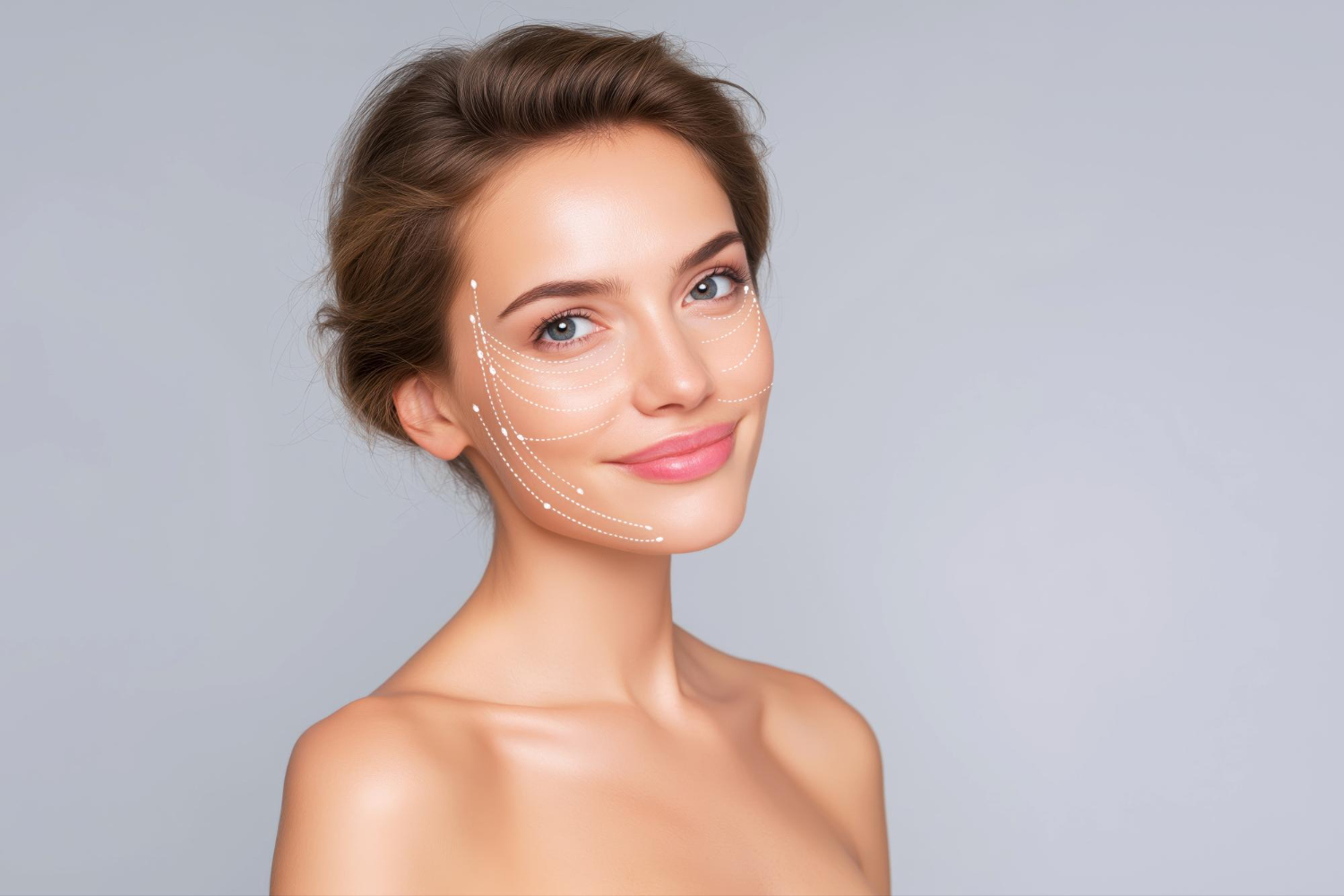
French lifting is a minimally invasive, quick recovery method but has limited effectiveness. Surgical neck lift is a comprehensive, permanent but more invasive procedure.
Patients should be aware of the advantages and limitations of these two methods when making a treatment choice. The right choice increases patient satisfaction. A wrong choice can lead to disappointment.
Comparison Criteria | French Lifting | Surgical Neck Lift |
Procedure Duration | 30-60 minutes | 2-4 hours |
Anesthesia | Local / light sedation | General anesthesia |
Recovery Time | 3-7 days | 2-4 weeks |
Result duration | 12-18 months | 5-10 years |
Excess skin | Does not remove | Removes |
Muscle correction | Limited | Comprehensive |
Scar | No scar | Hidden incision scars |
Cost | Lower | Higher |
Individuals with mild to moderate looseness, who do not want surgery and are looking for a quick transformation may prefer the French lift.
Those showing early signs of aging are not yet ready for surgery. These individuals wish to achieve results with minimally invasive methods. The French lift is ideal for this transitional period. It allows for a quick return to social life after work.
In individuals with advanced excess skin, prominent platysma bands, and muscle looseness, surgical procedures yield more comprehensive results.
Rohrich and colleagues noted in their 2006 study on neck rejuvenation that surgical methods provide more permanent anatomical correction by reaching deep tissue layers (Rohrich 2006). The surgical procedure tightens the platysma muscle and removes excess skin.
Only surgical neck lifting can physically remove excess skin.
The French lift does not remove skin. The threads tighten the skin. However, excess skin may not contract. Especially in older ages, skin elasticity prevents the skin from contracting. In this case, surgical intervention is the only solution.
The prominent platysma band and muscle looseness are corrected with surgical platysmaplasty.
The French lift does not tighten the muscles. It only supports the skin. Botulinum toxin temporarily relaxes the muscle bands. However, surgical intervention is required for permanent muscle tightening. The doctor tightens the muscles by bringing them together at the midline.
The recovery time for the French lift is much shorter. The patient returns to their normal life within a few days.
Swelling and bruising after the surgical procedure last for a few weeks. Movements are restricted until the stitches are removed. After the French lift, however, mild swelling and bruising subside within a few days. The patient can return to work a few days later.
The results of surgical neck lifting last for years. The results of the French lift last on average one to two years.
Surgical procedures permanently alter the anatomical structure. Skin is removed. Muscles are tightened. This correction is permanent. In the French lift, the threads dissolve. Collagen support also decreases over time. However, regular maintenance and follow-up sessions can extend the results.
Individuals with mild to moderate neck sagging, good skin elasticity, who do not want surgery, and have realistic expectations are suitable for this treatment.
Choosing the right patient is the most important factor in the success of the treatment. The doctor determines suitability through a detailed examination. Not everyone is a candidate for this procedure.
Yes, this group experiences the highest satisfaction rates. The results are natural and noticeable.
Individuals with mild sagging have not yet lost much skin elasticity. The threads easily lift the skin. The collagen response is also strong. The patient sees themselves looking younger in the mirror. There is a significant difference in before and after photos.
Yes, those seeking non-surgical options due to fear of surgery or health issues may prefer the French lift.
Some individuals do not want to undergo general anesthesia. For others, surgical risks are high. The French lift is performed under local anesthesia. It does not strain the heart and lungs. Therefore, it is a safe alternative for those who are not suitable for surgery.
Yes, elastic skin wraps the threads better. The results last longer.
Elastic skin has the ability to recover. Even after the threads dissolve, the skin can remain tight. However, in loose and thin skin, the effect of the threads may quickly diminish. The doctor provides realistic information to the patient by assessing skin quality.
In these individuals, surgical neck lift, platysmaplasty, and liposuction should be evaluated.
Advanced sagging cannot be resolved solely with a French lift. However, combined treatments can be planned. First, fat-dissolving procedures are performed. Subsequently, a surgical procedure is planned. In some cases, liposuction and skin tightening are applied together.
Individuals with excessive skin, prominent muscle bands, excess submental fat, very loose skin structure, and unrealistic expectations may not be suitable for this treatment.
The physician examines each patient individually. It is important both ethically and medically not to perform procedures on unsuitable individuals. Incorrect patient selection increases the risk of complications.
Excess skin covers the threads. The result is irregular and insufficient.
In individuals with skin excess, the threads settle under the skin. However, the skin that remains on top continues to sag. The ends of the threads may even be visible. This situation creates both aesthetic and technical problems.
Muscle bands create visible lines under the skin. Threads do not solve this structural issue.
In individuals with a platysma band, the skin folds over the muscles. The French lift does not correct the muscles. Botulinum toxin or surgical intervention is required. In this case, the threads only suffice to tighten the skin. The bands continue to be visible.
Fat tissue weakens the effect of the threads. The submental area does not become defined.
Threads may get lost within the fat tissue. The lifting effect is absorbed by the fat layer. As a result, even if the skin tightens, the fatty appearance persists. A fat reduction procedure should be performed first.
Loose skin cannot hold the threads. The threads may shift or dissolve early.
In skin that has completely lost its elasticity, the formation of new collagen is also insufficient. Threads cannot find stability within the skin. Patient satisfaction is low. Alternative methods are recommended for these individuals.
The French lift is a limited procedure. Those expecting surgical results will be disappointed.
The patient discusses in detail with the physician before the procedure. The physician clearly explains what can and cannot be done. Expectation management is a psychological part of treatment success. Unrealistic expectations are the most common reason for dissatisfaction.
The doctor first evaluates the neck. Then, under sterile conditions and local anesthesia, special threads are placed under the skin. The procedure takes about an hour.
The application requires technical details. The doctor's knowledge of anatomy and experience directly affect the outcome. Each stage is carefully planned.
The doctor examines the skin quality, degree of sagging, fat distribution, and muscle condition.
During the examination, the patient is evaluated while standing and sitting. The skin is stretched and relaxed. The degree of sagging is documented with photographs. Tools such as the neck volume assessment scale developed by Sattler and colleagues in 2012 may be used (Sattler 2012). Thus, the pre-treatment condition is documented.
The entry and exit points of the threads are planned according to the direction of sagging and skin quality.
The doctor considers the anatomy of the neck. The threads are placed in a way that does not damage the muscles and vessels. Generally, entry is made from the mastoid area. Vectors are created towards the chin or according to the anterior surface of the neck.
Threads are placed into the supporting tissue under the skin using fine needles or special cannulas.
Straight threads are used for fine wrinkles. Serrated or braided threads are preferred for sagging. The threads are placed into the fascia or fat tissue under the skin. Deeper placement provides stronger hold. However, since the neck skin is thin, very deep placement carries the risk of vessels and nerves.
Usually, local anesthesia or mild sedation is sufficient. General anesthesia is not required.
An anesthetic cream is applied before the procedure. Lidocaine injection is administered at the entry points. The patient remains awake. However, they do not feel pain. Discomfort is minimal.
The French lifting applied to the neck area lasts between thirty to sixty minutes.
The number of threads used affects the duration of the procedure. It is not a technical procedure. However, it requires attention and planning. The doctor does not rush. The correct placement of each thread is important.
In the first days, mild swelling, bruising, and tenderness are observed. Daily activities can be resumed within a week. The final result appears after two to three months.
The recovery process varies from patient to patient. General health status, smoking habits, and skincare routines affect this process. The doctor provides personalized recommendations.
Swelling, bruising, mild pain, a feeling of tightness, and rarely a temporary tingling sensation may be observed.
These symptoms are normal healing responses. The body reacts to foreign substances. This reaction is actually the beginning of collagen production. The patient should not be worried. However, if there is excessive pain or swelling, they should consult a doctor.
Swelling usually lasts for two to three days. Bruising begins to fade within a week. Sensitivity continues for a few days.
Ice compresses reduce swelling. Sleeping with the head elevated prevents edema. Pain relief medications provide comfort. However, blood-thinning medications should be avoided. These medications increase the risk of bruising.
Excessive neck movements can displace the threads until they settle.
The patient should avoid wide mouth opening movements for a few days. Chewing hard foods can be challenging. Excessive head movements and rotations should be restricted. The threads hold onto the skin for the first few weeks. This period requires caution.
Most patients can return to work and social life after two to three days.
Heavy sports and fitness should be postponed for a week. Swimming and sauna are not recommended for two weeks. Makeup can be applied a few days later. However, harsh massage on the treatment area should be avoided.
An immediate lifting effect is observed. However, the final result becomes apparent two to three months later when the collagen matures.
The dissolution period of the threads is six to nine months. During this time, collagen production continues. Results peak in the third month. After that, a gradual decrease begins. However, the improvement in skin quality may be permanent.
The French lift is generally safe. However, there are risks such as swelling, bruising, infection, visibility of the threads, asymmetry, displacement, and unexpected results.
In a meta-analysis conducted by Zhang and colleagues in 2025, the complication rates of thread lifting procedures were systematically examined. In this study, the swelling rate was reported to be thirty-four percent, and the bruising rate was reported to be twenty-six percent (Zhang 2025). These findings indicate that the procedure is low risk but not risk-free.
Yes, these are the most common and self-limiting side effects.
Swelling and bruising result from needle entry points. Blood vessels are minimally damaged. This condition resolves within a few days. Cold compresses and sleeping with the head elevated reduce swelling.
The risk of infection is low. However, it can occur in non-sterile conditions or when care rules are not followed.
The physician adheres to strict sterilization rules during the procedure. The patient keeps the area clean afterward. Antibiotic creams may be recommended. Deep infections are rare. However, if swelling, redness, and pain increase, it is necessary to consult the physician.
Yes, especially in individuals with thin skin or when placed close to the surface, the threads may be felt or seen.
In the meta-analysis by Zhang and colleagues, the rate of visible or palpable threads was reported to be ten percent (Zhang 2025). This situation usually arises from technical errors or incorrect patient selection. The physician accurately adjusts the depth of thread placement.
Yes, incorrect technique or asymmetric placement can lead to indentations or irregularities in the skin.
This condition, referred to as dimpling, has been observed at a rate of seven percent in the meta-analysis (Zhang 2025). It can be corrected with massage in the early period. However, additional procedures may be necessary for permanent irregularities.
Rarely, the threads may shift. Breakage is very rare but can occur with excessive movements.
The threads provide retention under the skin. However, excessive movement in the early period can cause shifting. Breakage usually occurs due to the use of low-quality threads or excessive tension. Proper technique and good materials reduce this risk.
Yes, patient dissatisfaction may arise due to incorrect patient selection or unrealistic expectations.
In some studies, patient dissatisfaction is evaluated as a separate complication. The difference between expectation and outcome creates a psychological issue. Therefore, pre-procedure consultation is critical.
The effect of the French thread lasts on average twelve to eighteen months. Skin quality, lifestyle, and care habits affect this duration.
The result is not permanent. However, it can be repeated. Regular care and preventive procedures extend the duration of the effect.
No, polydioxanone threads are absorbed by the body. However, some of the collagen increase may be permanent.
The threads dissolve within six to nine months. However, the collagen tissue they leave behind may remain. This tissue continues to support the skin. However, over time, new collagen also decreases. The result gradually fades away.
The body continues to age. The loss of new collagen can quickly deplete the results.
Aging does not stop after the procedure. Sun damage, smoking, stress, and poor nutrition degrade skin quality. These factors shorten the lifespan of the results. Results last longer in individuals who take good care of their skin.
Yes, well-moisturized, protected, and cared-for skin retains results for a longer time.
A skincare routine, the use of sunscreen, and regular moisturizing are important. Products containing antioxidants preserve collagen. Retinol and peptides support skin renewal. Thus, the results of the French lift are prolonged.
Yes, the procedure can be safely repeated when the effect diminishes. In fact, for some individuals, it is planned as regular maintenance sessions.
The repeat procedure is performed after the previous threads have completely dissolved. It is generally planned for twelve to eighteen months later. Repeated procedures increase collagen tissue. Thus, a cumulative effect occurs. The skin becomes slightly thicker and firmer with each session.
Each method has its own strengths. The French lift is ideal for skin tightening and mild lifting. Surgical procedures are for comprehensive correction, botulinum toxin is for muscle bands, fillers are for volume loss, and radiofrequency and ultrasound are used for skin quality.
The right method is chosen according to the patient's needs. In many cases, combined treatments yield the best results.
Treatment Method | Mechanism of Action | Best Indication | Duration of Effect |
French lift | Mechanical lifting + collagen | Mild-moderate sagging | 12-18 months |
Surgical neck lift | Skin removal + muscle tightening | Advanced sagging | 5-10 years |
Botulinum toxin | Muscle relaxation | Muscle bands | 3-6 months |
Filler applications | Volume increase | Depressions and wrinkles | 6-12 months |
Radiofrequency | Collagen tightening with heat | Skin laxity | 6-12 months |
Ultrasound energy | Tightening with deep heating | Subcutaneous laxity | 12-18 months |
The French thread lift shows a minimal invasive effect by placing threads under the skin. The surgical procedure removes excess skin and corrects the muscles.
This topic has been discussed in detail before. In summary, the surgical procedure is a more comprehensive but heavier option. The French thread lift is for those seeking a lighter intervention.
Botulinum toxin reduces bands by relaxing the muscles. The French thread lift tightens the skin and stimulates collagen production.
These two methods complement each other. Arora and colleagues reported in their 2019 study that patients with prominent platysma bands were treated with botulinum toxin first and then underwent thread application (Arora 2019). A combined approach yields more natural results.
Fillers add volume and fill in hollows. The French thread lifts and tightens the skin.
Filler applications contain hyaluronic acid. This substance creates volume by retaining water. The use of fillers in the neck area is limited. The French thread renews the skin tissue. Both methods can be planned together.
Radiofrequency heats the deep layers of the skin, tightening collagen. The French thread mechanically lifts the skin.
Radiofrequency may not provide noticeable results in a single session. Multiple sessions are required. It is painless. However, the lifting effect is limited. The French thread provides immediate lifting. For skin quality, radiofrequency can be preferred, while for sagging, the French thread is preferred.
Ultrasound energy provides tightening by focusing on deep tissue layers. The French thread provides physical support beneath the skin.
Ultrasound devices reach the deep fascia. Heat energy stimulates collagen. However, it does not provide mechanical lifting. The French thread shows both mechanical and biological effects. Therefore, it yields more noticeable results in sagging treatment.
The physician evaluates skin laxity, fat accumulation, muscle condition, jaw structure, and patient expectations together to make a decision.
Treatment planning is like a puzzle. Each piece is brought together. A single factor is not sufficient. A holistic assessment is required.
The physician tests the skin's elasticity by stretching it. The degree of sagging is classified with photographs.
In a study addressing the diagnostic approach to neck aging, Dibernardo emphasized the importance of classifying skin laxity in treatment selection (Dibernardo 2013). Minimal invasive methods are sufficient for mild laxity. Surgical intervention is required for advanced laxity.
The physician examines under the chin and the front of the neck. The amount and distribution of fat accumulation are determined.
Excess fat complicates treatment. Fat-dissolving injections or liposuction can be planned beforehand. The French thread is more successful in individuals who are lean and only have skin laxity.
The patient is asked to smile and move their head. The prominence of the platysma bands and muscle tone are evaluated.
If the muscles are lax, surgical intervention may be more appropriate. If the muscles are firm, the French thread is supported. The condition of the muscles also affects surgical risks.
A defined jawline determines the contour of the neck. A weak jawline negatively affects the appearance of the neck.
In individuals with a weak jawbone structure, the neck appears more pronounced. Fillers can enhance the jawline, which also improves the neck's appearance. Evaluating the jawline is important before the French lift.
The method is chosen based on whether the patient wants a natural and subtle improvement or a dramatic change.
Some patients only want a reduction in wrinkles. Others desire a defined neck angle. If the expectations are achievable, minimally invasive methods are chosen. Otherwise, surgical procedures are recommended.
Scientific studies show that the French lift is effective for mild to moderate skin laxity. However, it is limited in advanced sagging, where surgical procedures yield more comprehensive results.
The scientific literature examines thread lifting methods. However, each study uses different types of threads and techniques. Therefore, it is difficult to generalize the results. Proper patient selection is key to the success of the treatment.
A significant study published by Arora and colleagues in 2019 provides important data on the possible effects of mild to moderate skin laxity. In this research, twenty female patients were treated. Evaluations of neck wrinkles and volume showed statistically significant improvement. Fifteen patients were satisfied with the procedure. However, one patient did not respond due to severe platysma laxity (Arora 2019).
The limitations of thread lifting methods are also discussed in the literature. In a meta-analysis conducted by Zhang and colleagues in 2025, complications such as post-procedure swelling, bruising, visible threads, and skin irregularities were reported. These findings do not indicate that the method is without risks (Zhang 2025).
Compared to surgical neck lifting, the scope of results is more limited. Rohrich and colleagues noted in 2006 that surgical neck lifting corrects deep anatomical structures and provides longer-lasting results (Rohrich 2006). The French lift does not offer this level of scope.
It is important to evaluate the existing scientific evidence. Studies are generally conducted with small sample groups. Long-term follow-up data is limited. Large and controlled studies are needed. However, the existing data shows significant improvement in suitable patients.
It is critical to clarify that different applications should not be evaluated under the same name of "French lift." There are polydioxanone, poly-L-lactic acid, and polycaprolactone threads on the market. Each thread has different characteristics. Some threads are smooth, some are serrated, and some are braided. Yi and colleagues examined braided polydioxanone threads in 2024 and demonstrated that these threads are effective on horizontal neck lines (Yi 2024). However, this result may not apply to smooth threads.
Scientific studies agree on the importance of patient selection in treatment success. Advanced age, loose skin structure, excess fatty tissue, and prominent muscle bands are factors that decrease treatment success. In these patients, surgical options may be more appropriate.
The scientific conclusion is as follows: The French lift can improve the appearance of mild to moderate looseness in the neck area in suitable patients. However, in patients with significant skin excess and pronounced muscle laxity, surgical neck lift may be a more comprehensive option.
Below are the answers to the questions most frequently asked by patients.
No, it does not completely eliminate it. However, it provides a noticeable improvement in mild to moderate sagging.
The procedure is not a magic wand. It rejuvenates and tightens the skin. However, it has anatomical limits. The patient should be aware of this.
Yes, in mild cases, but it should be combined with fat-dissolving procedures in cases of significant fat accumulation.
The appearance of a double chin is caused by both skin and fat. The French lift corrects the skin part. However, it does not affect the fatty tissue. A combined treatment plan is more effective.
Yes, for fine and medium-depth wrinkles, and partially for deep wrinkles.
The study by Yi and colleagues in 2024 showed that braided threads are effective for horizontal neck lines (Yi 2024). However, deep wrinkles that have developed over many years may not completely disappear.
Yes, it is a minimally invasive procedure performed without skin incisions.
Except for the needle holes, the integrity of the skin is not compromised. Operating room conditions are not required. Therefore, it is classified as a non-surgical lift.
There is no pain felt during the procedure. There may be slight tightness and sensitivity afterward.
Local anesthesia prevents pain. The patient experiences a comfortable experience. Pain relievers are sufficient after the procedure.
Most patients can return to work two to three days later.
Fifty percent swelling and bruising will subside within a few days. It can be covered with makeup. However, heavy physical work should be postponed for a week.
The effect lasts from twelve to eighteen months. Skin care and lifestyle can alter this duration.
Repeat procedures extend the effect. Results are more permanent in individuals who perform regular maintenance.
No, it is not suitable for individuals with advanced sagging, excess skin, and significant muscle laxity.
The physician determines suitability after a detailed examination. The same procedure should not be applied to everyone.
Surgical procedures are more comprehensive and permanent. However, the French lift offers minimal invasive advantages.
It varies according to the patient's condition. In advanced sagging, surgical procedures are more effective. In mild sagging, the French lift may be sufficient.
Yes, aging continues over time and the skin may loosen again.
The threads dissolve and the effect decreases. However, this process occurs slowly. Repeat procedures can delay sagging. Skin care is also important.
The French lift is an effective minimal invasive option for neck sagging in suitable patients. However, the success of the treatment depends on skin structure, degree of sagging, and patient expectations.
The effect of the French lift on neck sagging varies from person to person. The scientific data and clinical observations examined in this article show that the best results can be expected in individuals with suitable skin structure and mild to moderate sagging. In these individuals, the skin grips the threads. The collagen response is strong. Results are natural and pronounced.
In cases of advanced skin excess and significant muscle laxity, surgical methods may be more appropriate. Surgical neck lift removes excess skin. It tightens the platysma muscle. It provides a more permanent anatomical correction. The study by Rohrich and colleagues in 2006 demonstrated the superiority of this comprehensive approach (Rohrich 2006).
Treatment selection should not only be based on age but should also consider skin laxity, fat distribution, muscle structure, skin quality, and aesthetic expectations. Age alone is not a decisive factor. A patient with poor skin quality at thirty may not achieve the same results as a fifty-year-old patient with good skin. The physician evaluates these factors holistically.
The final decision should be made after expert evaluation. An aesthetic physician or plastic surgery specialist examines the patient. They analyze the skin type. They examine fat distribution. They test muscle tone. Then, they present a realistic treatment plan. The patient understands and approves this plan. Thus, both safety and satisfaction are maximized.
The French lift is an important tool in modern aesthetic medicine. It can be safely applied in the right hands and on the right patient. However, it is not a magical solution. Knowing its scientific limits, selecting the right patient, and managing expectations are the fundamentals of treatment success.
Arora, Gaurav, et al. "Neck Rejuvenation with Thread Lift." Journal of Cutaneous and Aesthetic Surgery, vol. 12, no. 4, 2019, pp. 222-228. PMCID: PMC6785971.
Dibernardo, Barry E. "The Ageing Neck: A Diagnostic Approach to Surgical and Nonsurgical Options." Journal of Cosmetic and Laser Therapy, vol. 15, no. 2, 2013, pp. 56-64.
Rohrich, Rod J., et al. "Neck Rejuvenation Revisited." Plastic and Reconstructive Surgery, vol. 118, no. 5, 2006, pp. 1251-1263.
Sattler, Gerhard, et al. "Validated Assessment Scale for Neck Volume." Surgery, vol. 38, no. 3, 2012, pp. 343-350.
Yi, KH, et al. "Horizontal Necklines Correction with Absorbable Braided Polydioxanone Threads: Case Series." Skin Research and Technology, vol. 30, no. 3, 2024, e13617.
Zhang, X., et al. "A Meta-Analysis of Complications of Thread Lifting." Frontiers in Surgery, 2025. PMCID: PMC13076318.