Can You Exercise After Ultherapy?
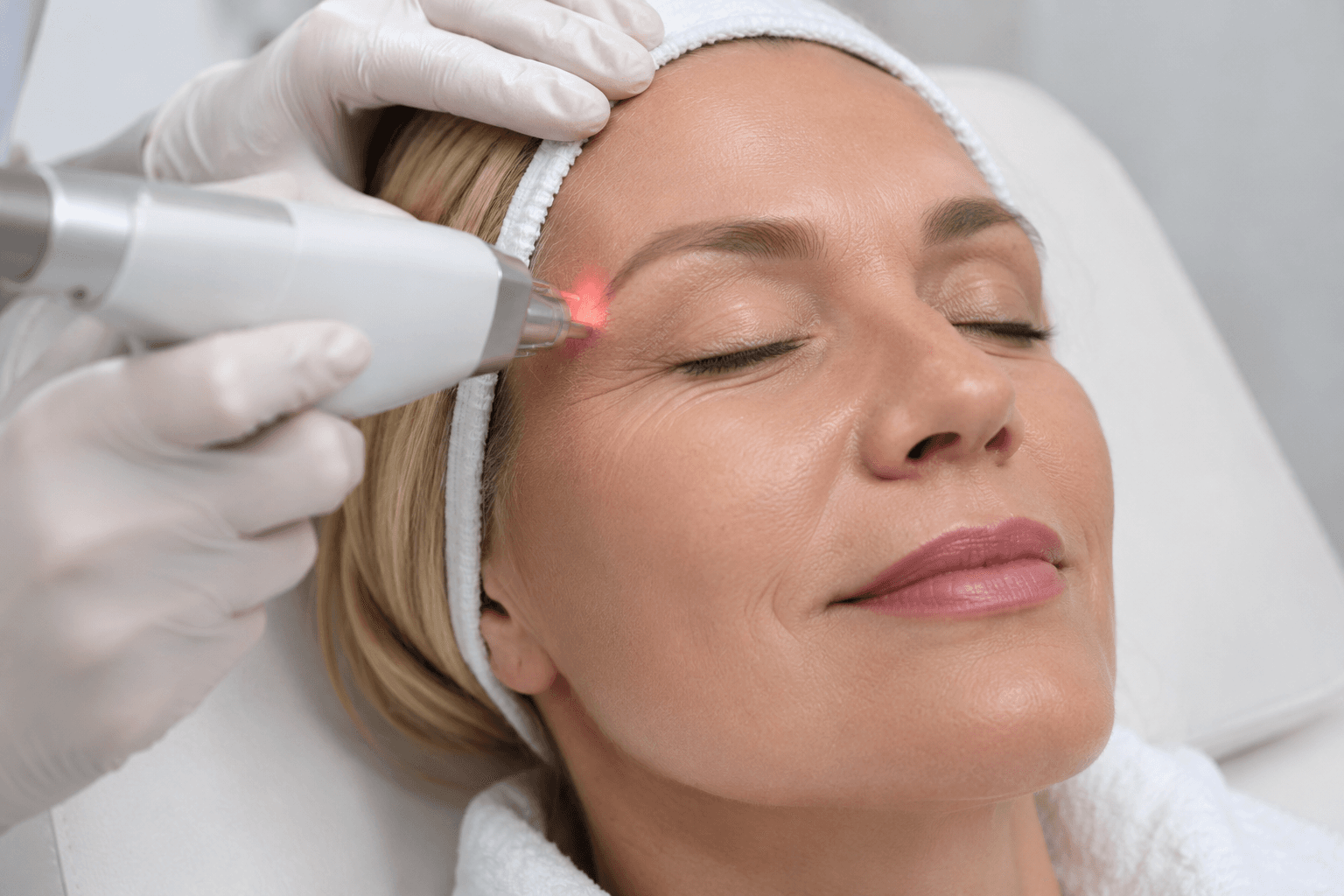
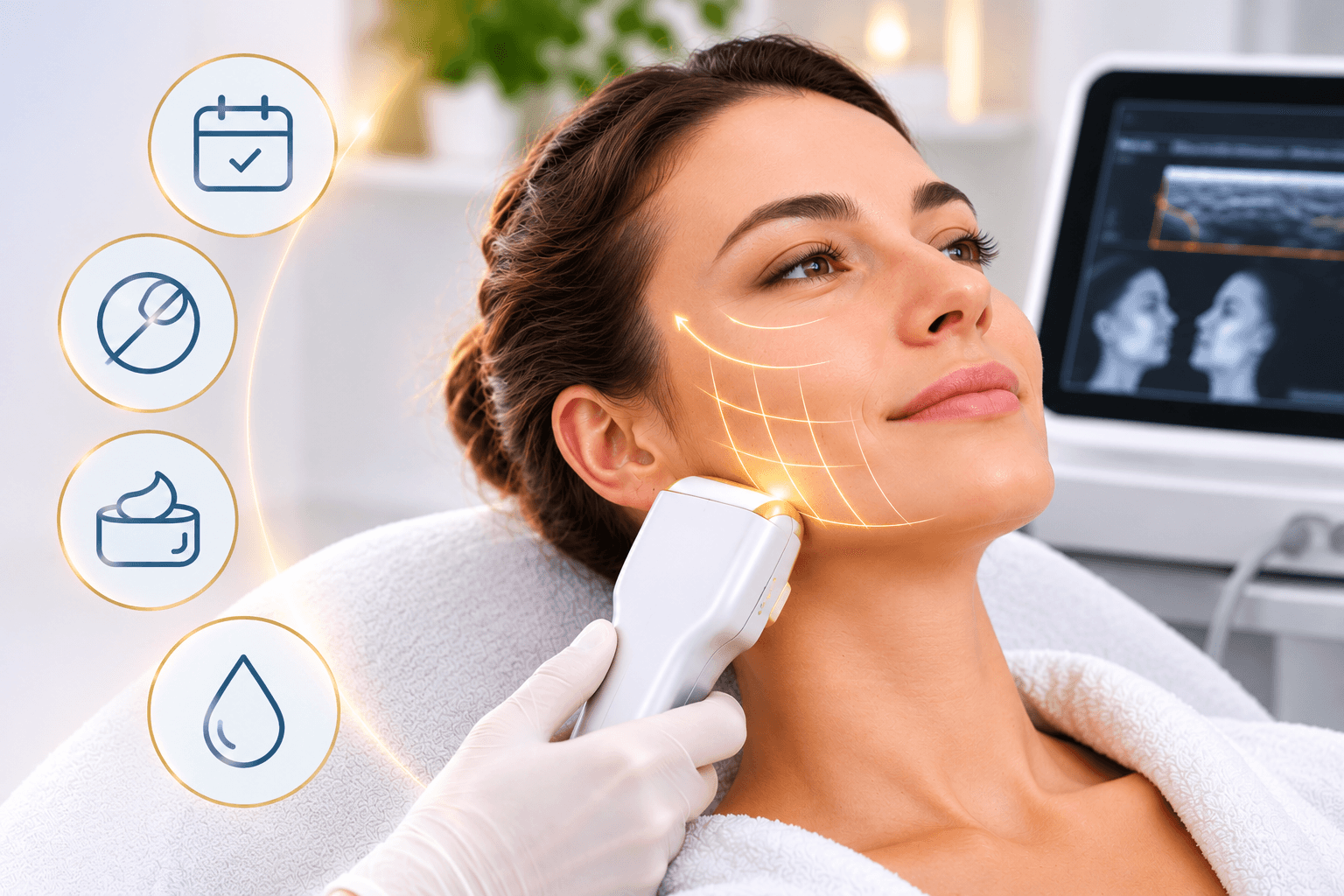
Yes, Ulthera can be followed by exercise; however, the timing of returning to exercise depends on the intensity of the activity and the individual's skin sensitivity. Ulthera is a non-surgical tightening method that creates controlled points of heat in the deeper layers of the skin using focused ultrasound energy (White et al. 2007). Since the procedure does not cut the skin's surface, most people return to their daily lives the same day. Nevertheless, the microcoagulation zones formed within the tissue require a short healing period. For this reason, it is important to distinguish between light activities and intense workouts.
Low-intensity activities such as light walking do not cause problems for most people, even on the first day. High-intensity cardio, weightlifting, and exercising in hot environments require a short waiting period. This article explains, within a scientific framework, when to return to exercise after Ulthera, which types of activities are safe, and the possible effects of physical exertion on swelling and bruising.
When Can Exercise Be Started After Ulthera?
Most people can begin light exercise within 24 hours and resume intense workouts generally between 48 hours and one week later. The exact duration varies according to individual symptoms such as swelling, bruising, and tenderness, and requires assessment by the specialist who performed the treatment.
The first 24 hours are the period when the tissue's early response to heat is most pronounced. Focused ultrasound energy creates millimetric heat foci in the superficial musculoaponeurotic system (SMAS) and deep dermis (Laubach et al. 2008). Temporary edema and tenderness may develop around these foci. Intense physical activity increases heart rate and blood flow. Increased blood flow may make swelling that has not yet subsided more pronounced. Therefore, postponing strenuous workouts on the first day is a sensible approach.
Low-intensity activities are generally safe during this period. Walking at a relaxed pace supports circulation without excessively heating the body. For people experiencing swelling or bruising, however, the waiting period is longer. These individuals may need to wait up to one week before returning to intense exercise. Since the individual's healing rate varies according to age, skin structure, and the energy level applied, the final decision should be made by the treating specialist.
Which Exercises Can Be Done After Ulthera?
During the early period after Ulthera, walking, gentle yoga, light stretching exercises, and low-intensity cycling can be performed safely. These activities support blood circulation while keeping body temperature and pressure on the facial area limited.
Walking is the most suitable activity for the first few days. It keeps the heart rate at a moderate level and does not apply mechanical pressure to the treatment area. Gentle yoga may also be preferred; however, poses in which the face is directed downward or the head remains lowered for an extended period should be avoided. Inverted positions increase blood pressure in the face and may trigger edema. Light stretching reduces muscle tension and allows movement without straining the body. Those who feel well may also try low-intensity cycling within the first few days.
It is important to monitor the signals your body gives during these activities. If facial redness, throbbing, or discomfort increases, you should stop exercising. These symptoms indicate that the tissue has not yet fully healed.
Which Exercises Should Be Avoided for a While After Ultherapy?
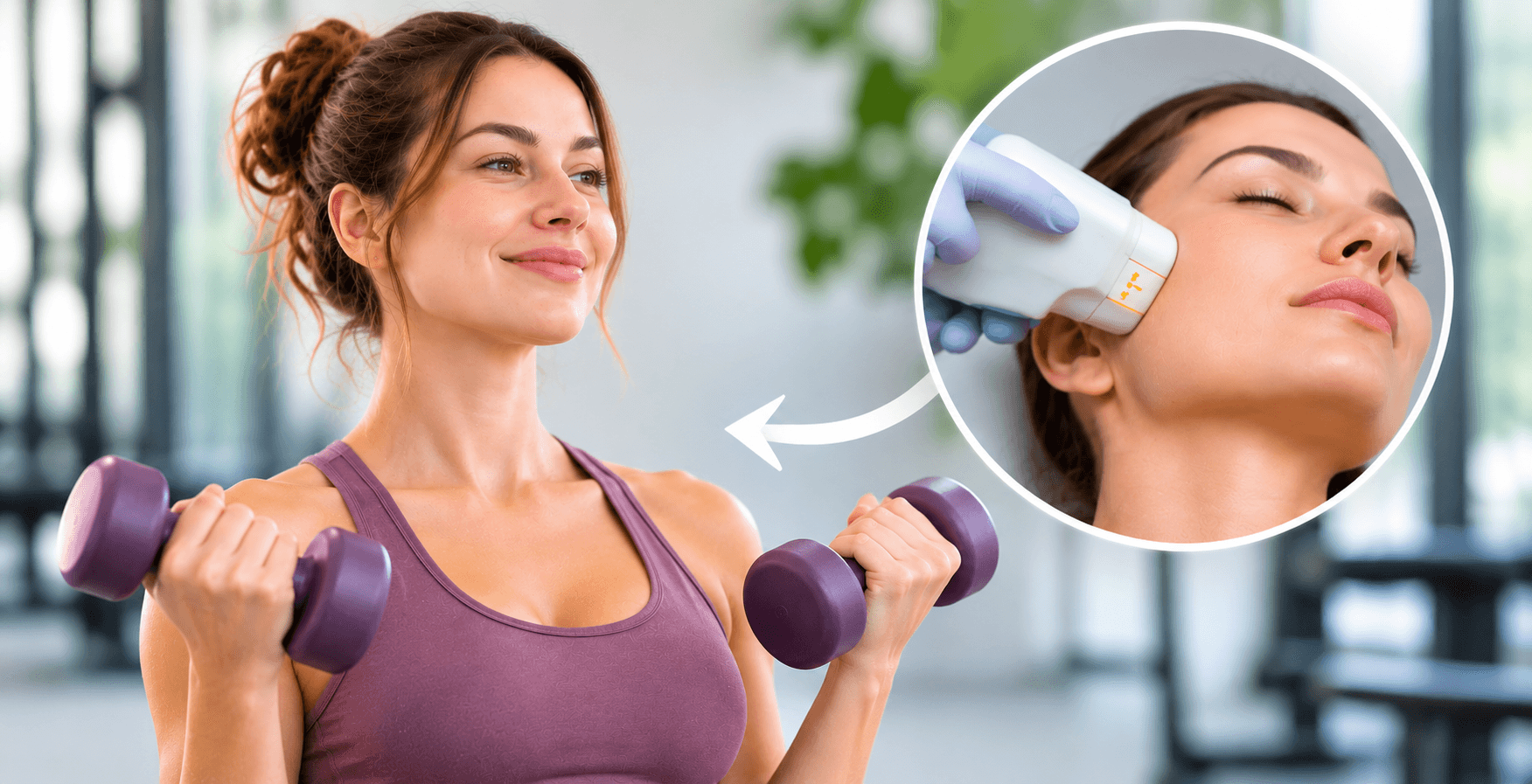
High-intensity cardio, weightlifting, HIIT workouts, brisk running, and hot yoga are the main activities that should be avoided during the early period. These exercises significantly increase body temperature, blood flow, and sweating.
High-intensity cardio rapidly raises the heart rate and dilates the blood vessels in the face. This dilation can make redness and swelling more pronounced in sensitive skin. Weightlifting carries a different risk. During heavy resistance training, the facial muscles tense, breath-holding (the Valsalva maneuver) occurs, and intravascular pressure rises. This can place strain on sensitive tissue in the treatment area. HIIT workouts, meanwhile, generate intense exertion and heavy sweating within a short period. Sweaty, overheated skin is more likely to become irritated during the post-treatment period. Hot yoga combines these effects; because it involves both intense exertion and high ambient temperatures, it is one of the activities that should be postponed the longest during the early period.
The table below summarizes the recommended waiting periods according to exercise type:
Exercise Type | Recommended Waiting Period | Points to Consider |
Light walking | The same day or the following day | Keep the pace slow |
Gentle yoga and stretching | 24 hours | Avoid inverted poses |
Low-intensity cycling | 24–48 hours | Limit sweating |
Running and brisk cardio | 48 hours–1 week | Extend the period if swelling is present |
Lifting weights | 48 hours–1 week | Do not tense your facial muscles |
HIIT training | 1 week | Monitor sweating and heat |
Hot yoga | At least 1 week | The ambient temperature increases the risk |
These time frames are general guidelines. Individual differences in healing may shorten or extend them.
Can Exercise Increase Swelling and Bruising After Ulthera?
Yes, intense exercise may temporarily increase discomfort from swelling, redness, and bruising in some people. This effect is caused by increased blood flow during exercise, which dilates the vessels in the treatment area.
Ulthera treatment creates controlled thermal points beneath the skin. A localized inflammatory response develops around these points, and this response is a natural part of collagen renewal (Alam et al. 2010). During the inflammatory response, the vessels in the area become more permeable. Increased circulation caused by exercise may accelerate the passage of fluid from these vessels into the tissue. As a result, existing edema may temporarily become more pronounced. The same applies to people experiencing bruising; intense exertion may increase sensitivity around the bruise.
It is important to emphasize that these effects do not occur in everyone. Clinical studies show that most side effects after Ulthera are mild and temporary (Suh et al. 2011). Swelling and bruising vary depending on the individual's vascular structure, skin thickness, and the energy level applied. Therefore, personal findings are more valuable than general guidelines when deciding when to resume exercise.
Does Sweating Adversely Affect the Skin After Ulthera?
Sweating alone does not compromise Ulthera results; however, heavy sweating may cause temporary discomfort in skin that has become sensitive after the procedure. There is no definitive scientific evidence that sweating reduces the effectiveness of the treatment.
Ulthera's effects take place in the deeper layers of the skin. Sweat glands are superficial structures, and sweating does not directly affect the collagen renewal process in the SMAS layer. However, due to its salt content, sweat may cause a burning or stinging sensation in sensitive skin. In addition, vigorously wiping sweaty skin may cause mechanical irritation to tissue that is still healing.
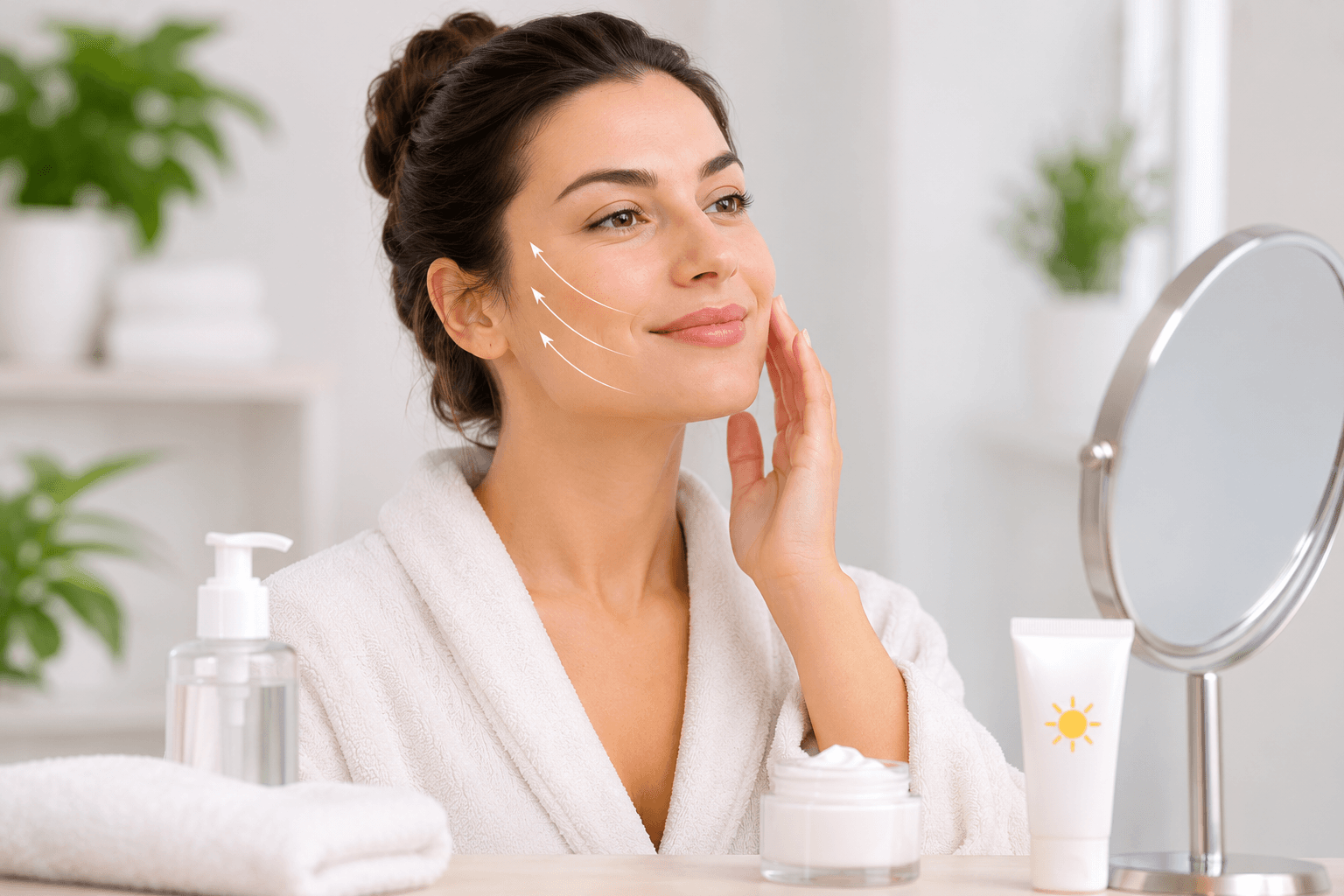
Post-exercise skincare becomes important at this point. Gently patting the face dry with a soft towel and cleansing it gently with lukewarm water is sufficient. During the first few days after the procedure, alcohol-based toners, products containing acids, and granular exfoliating products should be avoided. These products may increase irritation in skin whose barrier function has not yet returned to normal.
What Should Be Considered When Exercising After Ulthera?
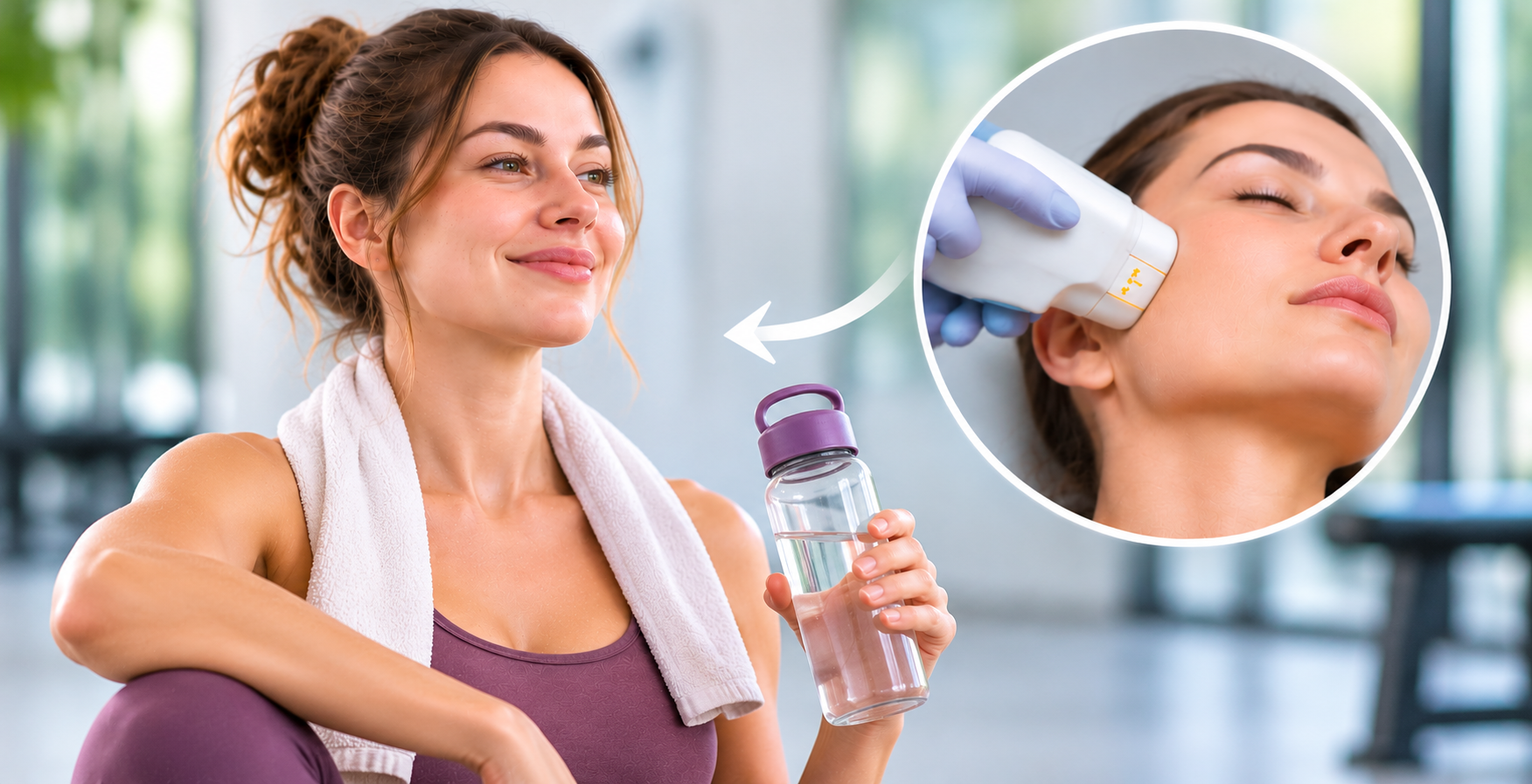
Gradually increasing exercise intensity, drinking plenty of water, avoiding excessively hot environments, and not applying pressure to the treatment area are the basic rules for exercising safely after Ulthera.
A gradual approach allows you to observe how the tissue responds. Keeping the first exercise session short and low-intensity helps identify any unexpected skin reaction at an early stage. Adequate water intake supports balanced circulation and body temperature. Environments that cause overheating and excessive sweating should be avoided during the first few days, as they may increase the risk of swelling.
Movements that apply pressure to the treatment area require particular caution. Face-down positions, equipment that places pressure on the face, such as headbands, and yoga poses that support the face are not appropriate during the early period. Rubbing the face vigorously or massaging it after exercise may also irritate the tissue. People who exercise outdoors should use sunscreen; after the procedure, the skin is more vulnerable to ultraviolet rays. Finally, the personalized aftercare instructions provided by the physician should always take precedence over general recommendations.
Can You Exercise in a Sauna or Hot Environment After Ulthera?
No, sauna use, steam rooms, and exercise in hot environments are not recommended during the early period after Ulthera. These activities should generally be postponed for at least one week.
High ambient temperatures dilate the blood vessels at the skin’s surface and raise body temperature. In skin that has become sensitive after Ulthera, this may increase redness, swelling, and a burning sensation. Environments such as saunas and steam rooms create a similar thermal load even without exercise. Activities such as hot yoga combine heat with intense exertion, creating a compounded effect.
Returning to regular exercise is not the same as returning to exercise in a hot environment. Even after returning to running or weight training, it is sensible to wait an additional period before resuming sauna use or hot yoga. The longer the exposure to heat, the greater the skin’s reaction may be. The safest approach is to avoid returning to these environments without the approval of the specialist who performed the treatment.
When Should You Consult a Doctor About Exercising After Ulthera?
You should consult a doctor before exercising if swelling and redness are progressively increasing, pain is severe or prolonged, numbness is worsening, or unusual reactions such as blisters develop on the skin.
Mild swelling, sensitivity, and temporary tingling after Ulthera are expected findings and generally subside within a few days (Lee et al. 2012). However, if these symptoms worsen rather than improve, they may indicate a condition outside the normal healing process. Severe pain, progressive numbness, blistering, or significant changes in skin color may be signs of rare complications requiring immediate medical evaluation. Continuing to exercise in this situation may worsen the symptoms.
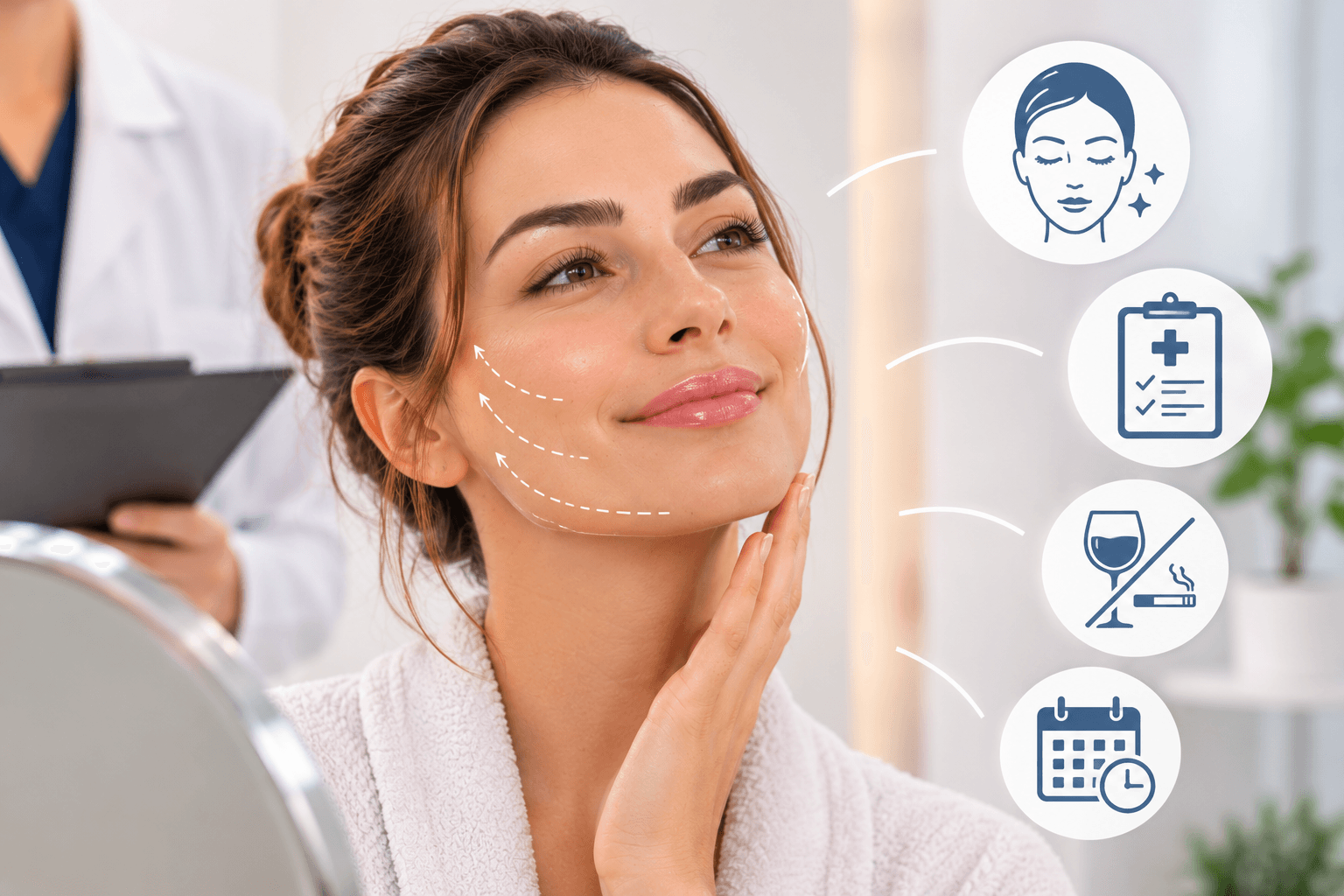
For individuals who are unsure when to resume exercise, the safest approach is to obtain approval from the specialist who performed the treatment. Since the specialist knows the treatment area, the energy level used, and the individual’s skin characteristics, they can determine the most appropriate timing.
Does Exercising Affect Ulthera Results?
No, exercise neither negatively affects the results of Ulthera treatment nor directly increases collagen production. The effectiveness of Ulthera depends primarily on age, skin structure, collagen production capacity, and individual healing rate.
Ulthera uses focused ultrasound energy to create thermal coagulation points in the SMAS layer and deep dermis. These points trigger the wound-healing mechanism over the following weeks and lead to new collagen synthesis (White et al. 2007). Clinical studies have shown that this mechanism provides gradual tightening within 2–3 months after the procedure (Fabi 2015). There is no evidence that exercise accelerates this biological process; it is not appropriate to make such claims without scientific support.
However, the positive effects of regular physical activity on overall circulation, muscle tone, and general health are well known. Good circulation supports the delivery of oxygen and nutrients to the tissues. Therefore, although exercise does not replace the results of Ulthera, it is one of the lifestyle habits that contribute to overall skin health.
Frequently Asked Questions About Exercise and the Recovery Process After Ulthera
The questions below address the most common exercise-related concerns of people who have undergone Ulthera. Each answer provides a brief summary of the principles explained in the sections above.
Can I go to the gym on the same day after having Ulthera?
In most cases, going to the gym on the same day is not recommended. Although a light walk should not cause any problems, weight equipment and intense cardio in a gym environment may increase swelling during the first 24 hours. Waiting at least 48 hours before returning to the gym is a safe rule.
Is walking safe after Ulthera?
Yes, walking at a relaxed pace is safe from the first day. Walking does not excessively raise body temperature or put pressure on the treatment area. If discomfort in the face increases, it is sufficient to stop the activity.
When can I start running after Ulthera?
It is generally recommended to wait between 48 hours and one week before resuming running. Individuals without swelling or bruising may return to brisk running after two days. For those experiencing symptoms, the waiting period should be extended.
Is lifting weights harmful after Ulthera?
Weightlifting is not prohibited; however, postponing it during the early period is recommended. Facial muscle contraction and increased intravascular pressure during heavy lifting may increase sensitivity in the treatment area. After 48 hours, it is appropriate to begin with light weights and gradually increase the intensity.
Does exercising reduce the longevity of Ulthera results?
No, exercise does not reduce the longevity of Ulthera results. The duration of the treatment’s effects depends on the skin’s collagen regeneration capacity and the rate of the aging process. There is no scientific evidence that regular exercise shortens treatment results.
Can you exercise while facial swelling persists after Ulthera?
Intense exercise should be avoided while facial swelling persists. Swelling indicates that the tissue is in the healing process. Light walking is permitted during this period; however, intense workouts should be postponed until the swelling has completely subsided.
References
Alam, Murad, Laura E. White, Nicole Martin, Jennie Witherspoon, Simon Yoo and Dennis P. West. "Ultrasound Tightening of Facial and Neck Skin: A Rater-Blinded Prospective Cohort Study." Journal of the American Academy of , vol. 62, no. 2, 2010, pp. 262-269.
Fabi, Sabrina Guillen. "Microfocused Ultrasound with Visualization for Skin Tightening and Lifting: Clinical Review." Seminars in Cutaneous Medicine and Surgery, vol. 34, no. 4, 2015, pp. 164-166.
Laubach, Hans-Joachim, I. Ryan Makin, Praveen G. Barthe, Marc H. Slayton and Dieter Manstein. "Intense Focused Ultrasound: Evaluation of a New Treatment Modality for Precise Microcoagulation within the Skin." Surgery, vol. 34, no. 5, 2008, pp. 727-734.
Lee, Ho Sup, Won-Serk Kim, Sung Eun Chang, Jae Ho Cho, Jin Ho Chung, Mi Woo Lee and Jeong Hyun Lee. "Multiple-Pass Ultrasound Tightening of Skin Laxity of the Lower Face and Neck." Surgery, vol. 38, no. 1, 2012, pp. 20-27.
Suh, Dong Hye, Kui Young Park, Sun Jin Moon, Hyun Jeong Park, Jung Eun Seo, Chong Hyun Won, Sung Eun Chang and Mi Woo Lee. "Intense Focused Ultrasound Tightening in Asian Skin: Clinical and Pathologic Results." Surgery, vol. 37, no. 11, 2011, pp. 1595-1602.
White, W. Matthew, I. Ryan Makin, Praveen G. Barthe, Marc H. Slayton and Roy E. Gliklich. "Selective Creation of Thermal Injury Zones in the Superficial Musculoaponeurotic System Using Intense Ultrasound Therapy." Archives of Facial Plastic Surgery, vol. 9, no. 1, 2007, pp. 22-29.
Get in touch with our expert team
Related Posts