Yükleniyor…
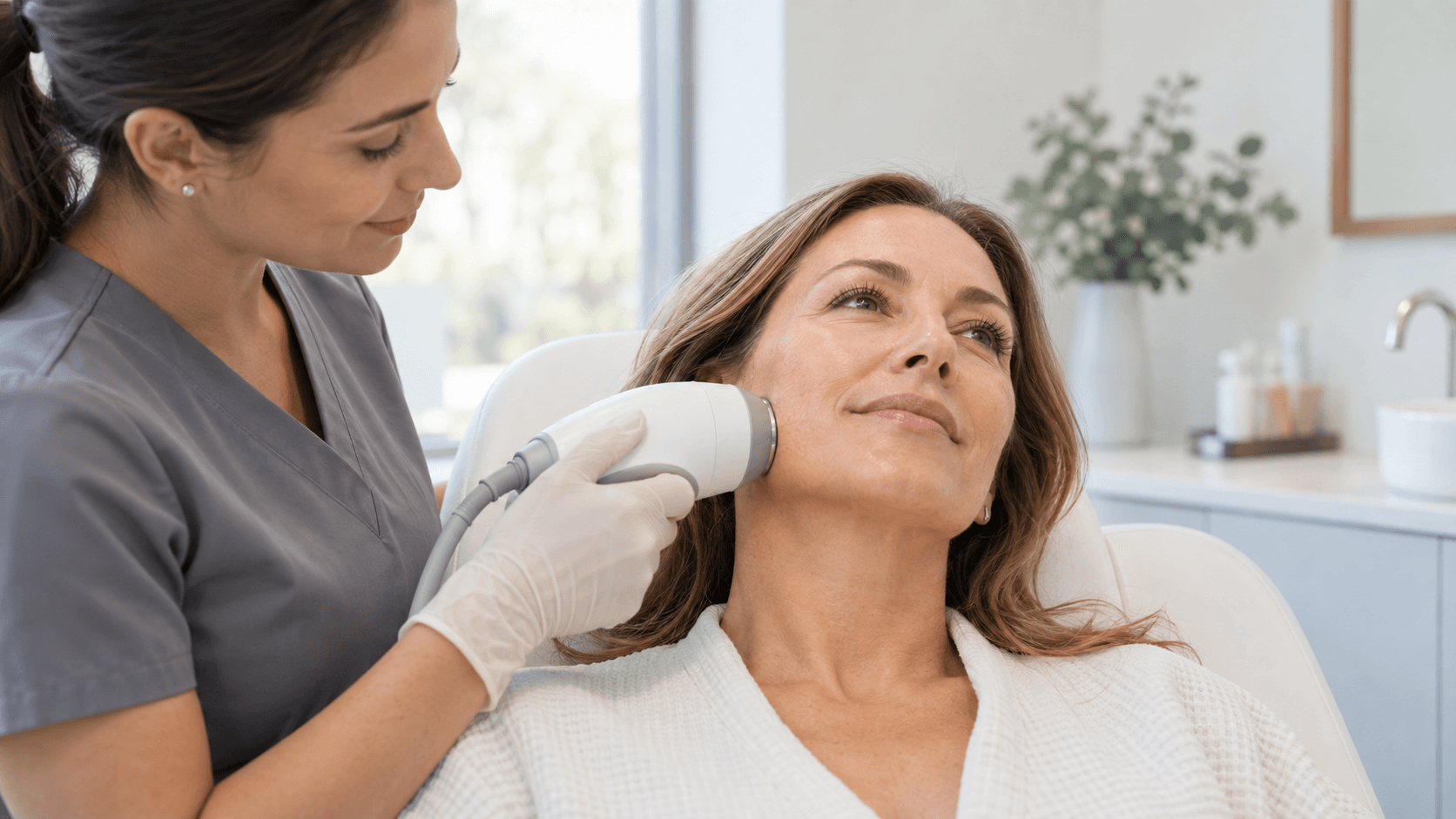
Ulthera is a non-invasive skin tightening method that creates controlled heat in deep tissues using micro-focused ultrasound energy, initiating the skin's self-renewal process. Most patients report a brief sensation of heat, tingling, or deep pressure rather than severe pain during the procedure, and this sensation is at a tolerable level. The level of discomfort varies depending on the treatment area, energy setting, and individual sensitivity.
Yes, most patients may experience some discomfort during Ulthera; however, this sensation is typically not sharp pain but rather a brief sensation characterized by heat and pressure that comes in pulses. Clinical studies have shown that a large majority of patients can complete the procedure without significant discomfort, and the tolerance level does not hinder treatment outcomes (Suh et al., 2011).
The feeling of discomfort is usually short-lived, occurring with each energy pulse from the device, and rapidly decreases once the pulse ends. Patients describe it as a "deep hot spot" or "pressure that reaches the bone." Importantly, this sensation is not continuous and lasts only seconds in each area.
Pain is a protective signal indicating that tissue is damaged. What is felt during Ulthera is largely related to the sensation of heat and pressure. The targeted thermal effect is a controlled increase in temperature that stimulates collagen fibers rather than causing damaging heat to the tissue (Laubach, Makin, and Barthe, 2008). Therefore, the sensation felt is described as discomfort, not pain.
Each individual's pain threshold, nerve ending density, and skin structure vary. One patient may report only a mild warmth at the same energy setting, while another may feel a more pronounced pressure. Age, skin thickness, previous procedure experience, and the treated area also affect the intensity of the sensation. Therefore, it is scientifically inaccurate to create a uniform "definition of pain."
The sensation experienced during Ulthera is characterized by brief waves of heat under the skin and a feeling of pressure in deep tissues. Since energy is applied in pulses, the sensation also comes in pulses and largely dissipates between pulses.
The device concentrates ultrasound energy at the target point beneath the skin, creating a temperature rise in milliseconds. The patient perceives this instantaneous temperature increase as a wave of heat. The temporary nature of the heat is a direct result of the technology that protects the surrounding tissue.
When ultrasound energy reaches the tissue layers near the bone, the energy reflection can create a deep pressure or stabbing sensation. The controlled heat in the deep layers where nerve endings are located can also produce a tingling-like sensation. These sensations are indirect indicators that the energy has reached the targeted depth and remain within the safety limits.
Pulsed operation is a key feature that makes the discomfort felt by the patient manageable. Using short pulses instead of a continuous flow of energy allows the tissue to cool between pulses and gives the patient time to prepare. This structure enables the patient to experience discrete and predictable sensations instead of constant pain.
The loss of sensation between pulses prevents excessive stimulation of the nervous system and extends the patient's tolerance time. This situation also allows the clinician time to fine-tune the energy settings based on patient feedback. As a result, the procedure progresses with a rhythm that includes controlled pauses.
The discomfort caused by Ulthera arises from the principle of how the technology works: energy intentionally generates heat in deep tissues, and this heat is felt by nerve endings. In other words, the sensation felt is a natural part of the treatment's targeted biological effect.
Micro-focused ultrasound focuses energy to reach the layers beneath the dermis and muscle tissue (SMAS) without damaging the skin surface. As the energy deepens, the nerve structures and sensitive tissues along the way are also exposed to this energy. This physical proximity is the primary reason for the felt discomfort (Gliklich et al., 2007).
A temperature reaching approximately 60 to 70 degrees in the target tissue triggers an abrupt contraction of collagen fibers and subsequently initiates the resynthesis process. This heat threshold is perceived as a "healing signal" by the tissue. The same heat threshold also stimulates nerve endings that carry thermal sensitivity.
The deep layers of the skin have a different nerve distribution than the surface. Nerves near bone and connective tissue may respond more to temperature changes than superficial nerves. This effect is felt more distinctly in areas close to bone structures, such as the jawline and brow edge.
Controlled thermal effect is central to the effectiveness of the treatment. The collagen remodeling that continues for months after the procedure is dependent on this one-time heat application. In other words, there is a direct connection between the short-term discomfort felt and the long-term skin tightening (Sasaki, 2011).

There are three main factors that determine pain levels: the treatment area, the depth of energy penetration, and individual pain threshold. When these three elements are evaluated together, it is possible to create a realistic comfort expectation for each patient.
Yes, the treatment area significantly changes the level of discomfort. Areas close to bone structure and with high nerve density experience more pronounced sensations, while areas with more soft tissue tend to feel milder.
Area | Tissue Characteristics | Expected Sensation |
Forehead and cheeks | Soft tissue, thick skin | Mild warmth and pressure |
Around the eyebrows | Close to bony protrusions | Pronounced stabbing sensation |
Jawline | Proximity to bone and nerves | Moderate pressure |
Neck | Thin skin, high nerve density | Predominantly tingling |
Décolleté area | Thick tissue, large area | Mild, common warmth |
The table above shows the general trend; individual experiences may deviate from this ranking. For example, a patient with thicker skin on the jawline may feel sensations that are lighter than those around the brow area. Therefore, regional assessment should always be personalized.
In deeper targeted applications, sensations are generally more pronounced. Cartridges directed at the SMAS layer at 4.5 mm may cause a deeper pressure sensation compared to 1.5 mm superficial cartridges.
Application Depth | Target Tissue | Typical Sensation |
1.5 mm | Upper dermis layer | Mild warmth, quickly passing |
3.0 mm | Deep dermis layer | Moderate pressure sensation |
4.5 mm | SMAS and deep tissue | Deep, bony stabbing sensation |
As depth increases, the journey of energy lengthens and more sensitive structures are stimulated. However, the choice of depth is entirely determined by the treatment goal; comfort cannot take precedence over the target. The clinician balances effect and comfort by using the minimum depth required for each area.
Yes, personal pain threshold is the most significant factor that alters the experience. The same energy setting and the same area can produce sensations of completely different intensities in different patients.
Individual sensitivity differences stem from genetic, psychological, and physiological origins. In patients with high anxiety levels before the procedure, pain perception may be heightened. Previous experience with Ulthera or similar procedures increases tolerance; knowing what to expect reduces the perceived intensity of sensations.
The most effective way to reduce discomfort is through individual assessment before the procedure, the use of topical anesthetic cream, and real-time adjustments of energy settings based on patient feedback. Systemic medications like pain relievers should only be considered under a physician's recommendation.
Topical anesthetic creams enhance comfort during the procedure by suppressing sensation on the skin's surface. However, these creams do not completely eliminate the feeling of heat in deeper tissues, as the sensations felt are largely derived from deeper tissues. Cooling applications and a calm procedure environment are also among the comfort supports.
Assessing the patient's sensitivity before the application is the most critical step. The physician creates a personalized plan based on the patient's previous experiences, pain tolerance, and the treatment area. During the procedure, if the patient reports any discomfort at any point, the energy settings can be revised.
The use of pain relievers or similar medications before the procedure should always be evaluated under physician supervision due to the risk of bleeding or potential interactions. Patients are not advised to take medications on their own initiative.
Yes, the procedure can be paused at any moment when the patient reports their feelings; energy settings can be lowered, or a break can be taken for that area. Patient feedback is a fundamental part of a safe and comfortable application.
Clearly expressing what the patient feels during the procedure allows the clinician to intervene correctly. Remaining silent can lead to unnecessary discomfort and low energy efficiency. Evaluating energy settings according to individual tolerance is particularly important in areas with bony protrusions.
Short breaks help calm the nervous system and allow the patient’s tolerance capacity to recover. The balance between comfort and treatment goals is maintained in every case: the aim is to deliver sufficient energy to the targeted tissue while eliminating the need for the patient to interrupt the procedure.
Generally no; what is felt in the post-procedure period is not pain but temporary sensitivity and mild tissue signs, which decrease shortly.
In the post-procedure period, the patient may experience mild sensitivity, redness, and swelling in the treated area that can last from a few hours to a few days. Some patients also report temporary tingling or numbness. These symptoms are a natural reflection of the controlled thermal response created by the energy in deeper tissues and typically resolve without external intervention (Alam et al., 2010).
The reduction of these effects over time is a sign that the healing process is progressing regularly. Significant pain is rarely experienced; in such a case, the physician should be consulted.
Yes, the sensation created by Ulthera is characteristically different from that of laser and radiofrequency applications; because the type of energy, the depth it reaches, and the way heat is distributed are different.
Feature | Ulthera | Laser | Radiofrequency |
Energy Type | Focused ultrasound | Light energy | Electromagnetic wave |
Target Depth | Up to 4.5 mm | Generally more superficial | Heat spreading throughout the tissue |
Typical Sensation | Deep sinking and pressure | Superficial heat, burning sensation | Wide area warmth |
Pulse Structure | Clear pulses | Continuous or scanned | Continuous |
The sensory characteristic of Ulthera comes from the concentration of energy at a single point. The sensation in laser is generally more on the surface; radiofrequency creates a more diffused warmth. Pain comparison varies from person to person; some patients find clear pulses more tolerable, while others prefer the continuous warmth sensation.
Individuals with a low pain threshold, those receiving treatment in thin and sensitive skin areas, and those who have had negative experiences with painful cosmetic procedures may experience increased sensitivity during the procedure.
For patients in this group, pre-procedure planning is more important. Energy levels can be initiated at a lower setting, and progress can be made based on the area. In patients undergoing treatment in areas near the jawline, neck, and bony protrusions, the clinician targets the tissue near the bone more carefully and obtains patient feedback more frequently.
Patients who have previously experienced painful procedures may have high anxiety. In this case, clear information and expectation management before the procedure provide even more comfort than the actual discomfort that may be experienced.
Before the procedure, the patient should definitely ask about the device to be used, the depths of application, the expected sensations, and the methods that can be applied to ensure comfort.
The key topics to be asked include which cartridges will be used in which areas, what type of sensation is expected in each area, what precautions will be taken for comfort, and how the plan will be adapted according to personal sensitivities. It should also be clarified which temporary symptoms will be considered normal after the procedure.
The answers to these questions help the patient mentally prepare for the procedure. A well-informed patient feels more secure during the procedure and is more comfortable providing feedback.
The six questions below are the most frequently asked by patients before the procedure, along with their brief answers.
No. Ultherapy is not described as completely painless; most patients experience a brief sensation of heat and pressure. However, this sensation is generally tolerable, and severe pain is not expected.
Yes, especially in areas near the bone, a brief stinging and warming sensation may be observed. This sensation is an indication that the energy has reached the targeted depth and quickly subsides at the end of the pulse.
Yes. Mild sensitivity, redness, or swelling lasting a few days after the procedure is normal and expected. Severe or prolonged pain is unusual and should be reported to the physician.
Yes, topical anesthetic cream is used in many applications to increase comfort. However, this cream does not completely eliminate sensation in deeper tissues; it only reduces superficial discomfort. The usage and dosage are determined by the physician.
Yes, the level of pain varies significantly depending on the treatment area, energy depth, and individual pain threshold. Therefore, another patient's experience does not provide a definitive measure for your own experience.
In conclusion, Ulthera is not a completely painless procedure; however, the sensations experienced by most patients are short-lived, pulsating, and at a tolerable level. The comfort level depends on the treatment area, energy settings, and individual sensitivity.
Being aware of this fact is the most protective approach for the patient. Individual assessment prior to the procedure, open communication, and adjustment of energy settings when necessary keep discomfort at a manageable level. This way, the patient can focus on the primary goals of the treatment, such as collagen renewal and skin tightening.
Alam, Murad, et al. "Ultrasound Tightening of Facial and Neck Skin: A Rater-Blinded Prospective Cohort Study." Journal of the American Academy of , vol. 62, no. 2, 2010, pp. 262-269.
Gliklich, Richard E., et al. "Technical and Patient-Reported Outcomes of Microfocused Ultrasound Treatment of the Face and Neck." Journal of Clinical and Aesthetic , vol. 11, no. 6, 2018, pp. 24-28.
Laubach, Hans-Joachim, et al. "Intense Focused Ultrasound: Evaluation of a New Treatment Modality for Precise Microcoagulation Within the Skin." Surgery, vol. 34, no. 5, 2008, pp. 727-734.
Sasaki, Gordon H. "Microfocused Ultrasound for Noninvasive Skin Tightening: Current Concepts and Future Directions." Aesthetic Surgery Journal, vol. 31, no. 8, 2011, pp. 901-912.
Suh, Donald H., et al. "Intense Focused Ultrasound Tightening in Asian Skin: Clinical and Pathologic Results." Surgery, vol. 37, no. 11, 2011, pp. 1595-1602.