Yükleniyor…
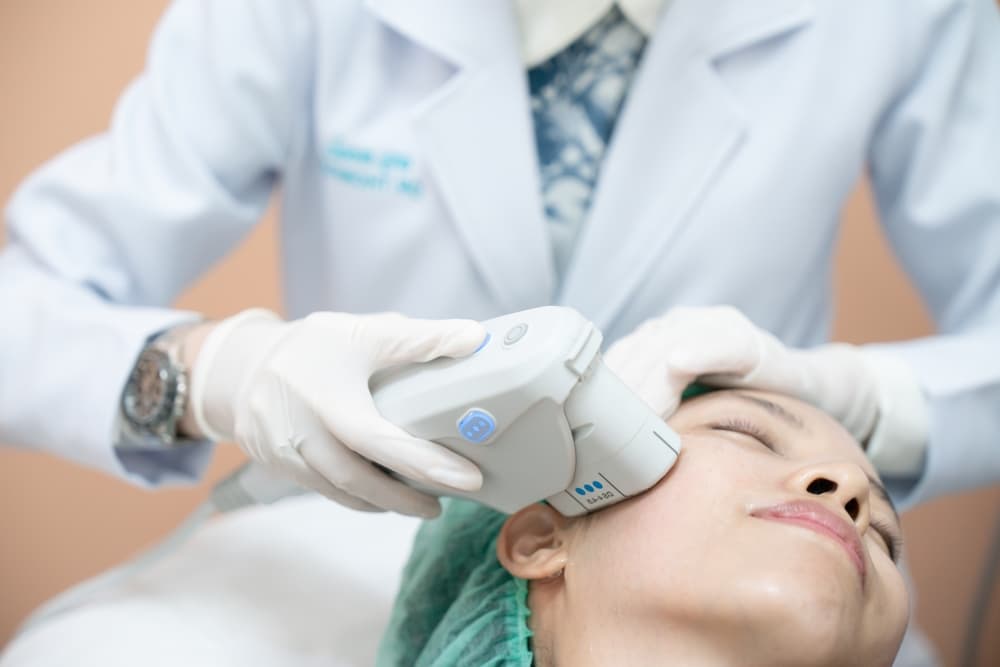
Ulthera is an aesthetic treatment that targets subcutaneous tissues using micro-focused ultrasound technology, providing skin tightening without the need for surgical intervention. This guide explains the scientific foundations, application process, and clinical outcomes of Ulthera treatment in detail. Individuals seeking facial rejuvenation require accurate information about Ulthera due to the increasing interest in non-surgical methods. Micro-focused ultrasound (MFU-V) technology uses energy waves that focus on deep tissue layers. Those who prefer this treatment are typically individuals experiencing mild to moderate skin laxity and seeking a non-surgical solution. This article discusses the working principle of Ulthera, its areas of application, ideal candidate profile, treatment process, scientific mechanism of action, timing of results, advantages, limitations, recovery process, side effects, comparison with other methods, combined treatments, care recommendations, common misconceptions, and frequently asked questions.
Ulthera is a medical device system that transmits high-intensity ultrasound energy to deep tissue layers for the purpose of skin tightening. This system creates heat coagulation points in deep layers without damaging the skin surface.
Ulthera is defined as a medical device that utilizes micro-focused ultrasound technology. The system sends focused ultrasound energy to the target tissues beneath the skin. This energy provides a controlled increase in temperature and initiates the tissue healing process. Ulthera skin tightening treatment is widely applied for facial rejuvenation purposes.
Ultherapy and Ulthera refer to the same technology. Ultherapy is the commercial name of the treatment method used by the Ulthera device. Both terms describe the same micro-focused ultrasound (MFU-V) technology. Therefore, in this article, both terms can be used interchangeably.
This technology has been approved by the U.S. Food and Drug Administration (FDA). FDA approval indicates that the device has passed clinical evaluations for safety and efficacy. Ulthera falls under the category of non-invasive aesthetic treatments and stands out among non-surgical facelift options.
Micro-focused ultrasound (MFU-V) is a technology that focuses sound waves at a specific point beneath the skin. This focusing generates high heat in deep tissue layers. MFU-V technology provides energy transfer that can be controlled in depth and intensity. Thanks to this technology, the target tissue is selectively heated while surrounding tissues are preserved.
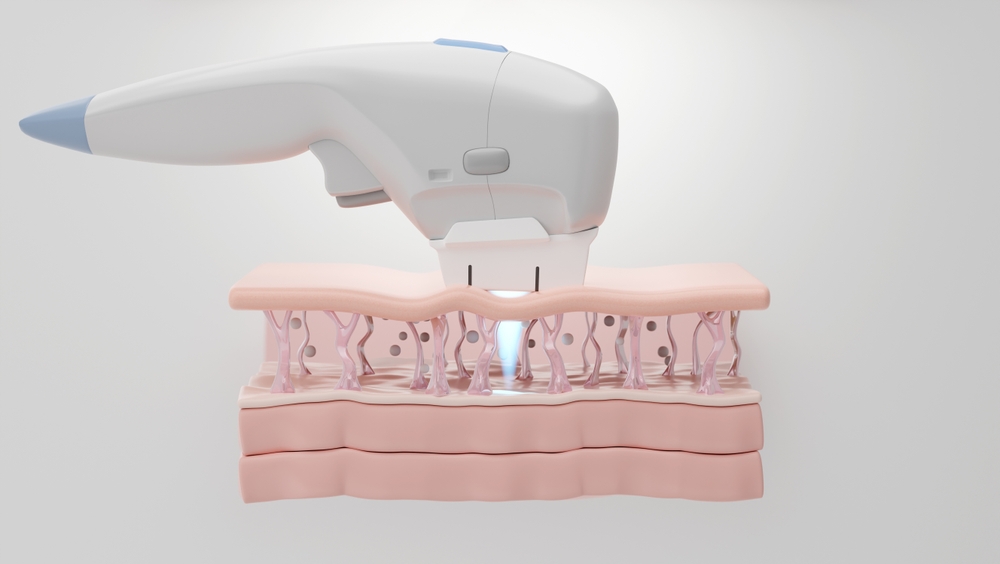
Ulthera creates controlled thermal damage with micro-focused ultrasound energy targeting the SMAS layer and deep dermis beneath the skin, triggering the body's natural healing process. This process increases collagen production.
Micro-focused ultrasound energy passes through the skin surface and accumulates in deep layers. The energy provides heat accumulation at the target points beneath the skin. This heat creates controlled damage at the cellular level. The skin activates its natural mechanisms to repair this damage. Fibroblast cells are activated, and new collagen synthesis begins.
Thermal coagulation points are microscopic heat lesions that occur in areas where ultrasound energy is focused. These points create thousands of microscopic heat regions in the deep tissue layers. Each point tightens the surrounding tissue and collectively creates a skin lifting effect. These coagulation points trigger a targeted healing response without disrupting tissue integrity.
Collagen production is stimulated as a natural response of the body to heat damage. Fibroblast cells begin to produce new collagen fibers as a result of heat stimulation. This new collagen strengthens the structural support of the skin. Over time, skin elasticity increases and signs of sagging decrease. Collagen stimulation forms the fundamental scientific principle of the treatment.
There is also a positive effect on elastin production. Elastin is a protein that provides skin elasticity. Ultrasound energy supports the rearrangement of elastin fibers. This rearrangement improves the skin's capacity for tension and stretching. As a result, the skin gains a tighter and more resilient structure.
The SMAS layer is targeted because it forms the deep support layer of the skin. Surgical facelift procedures also target this layer. The SMAS layer is a critical structure that determines the sagging and drooping characteristics of the skin. Ulthera provides a non-surgical lifting effect with energy that reaches this layer. Heating the SMAS layer strengthens the supportive tissue beneath the skin and enhances facial contours.
Ulthera treatment can be safely applied to the face, neck, décolletage, and certain body areas. The depth and energy settings vary for each area.
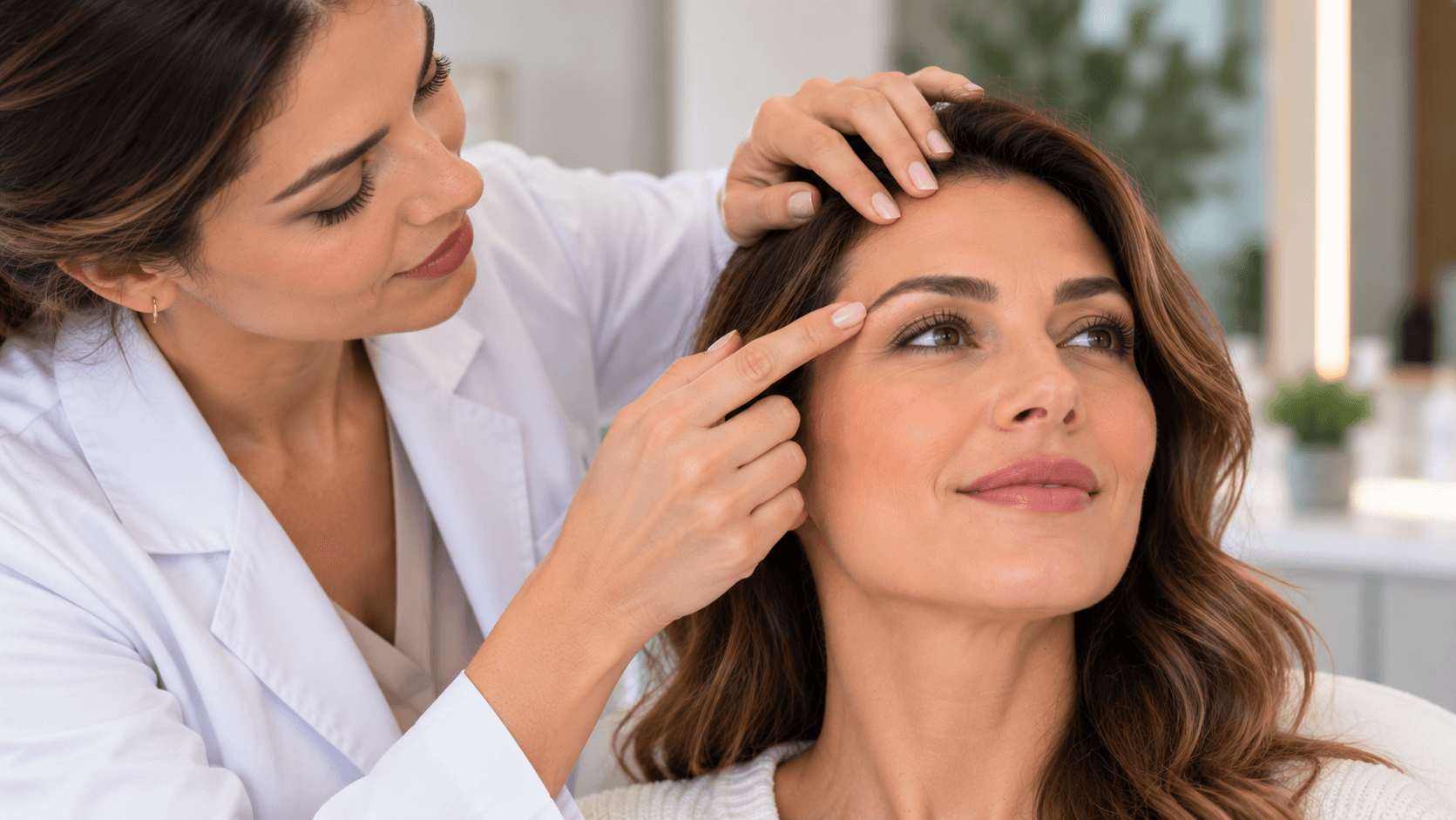
Many areas of the face are treated. Eyebrow lifting, forehead wrinkles, cheek sagging, jawline definition, and double chin tightening are the main application areas. Each area is treated with customized parameters according to skin thickness and tissue structure.
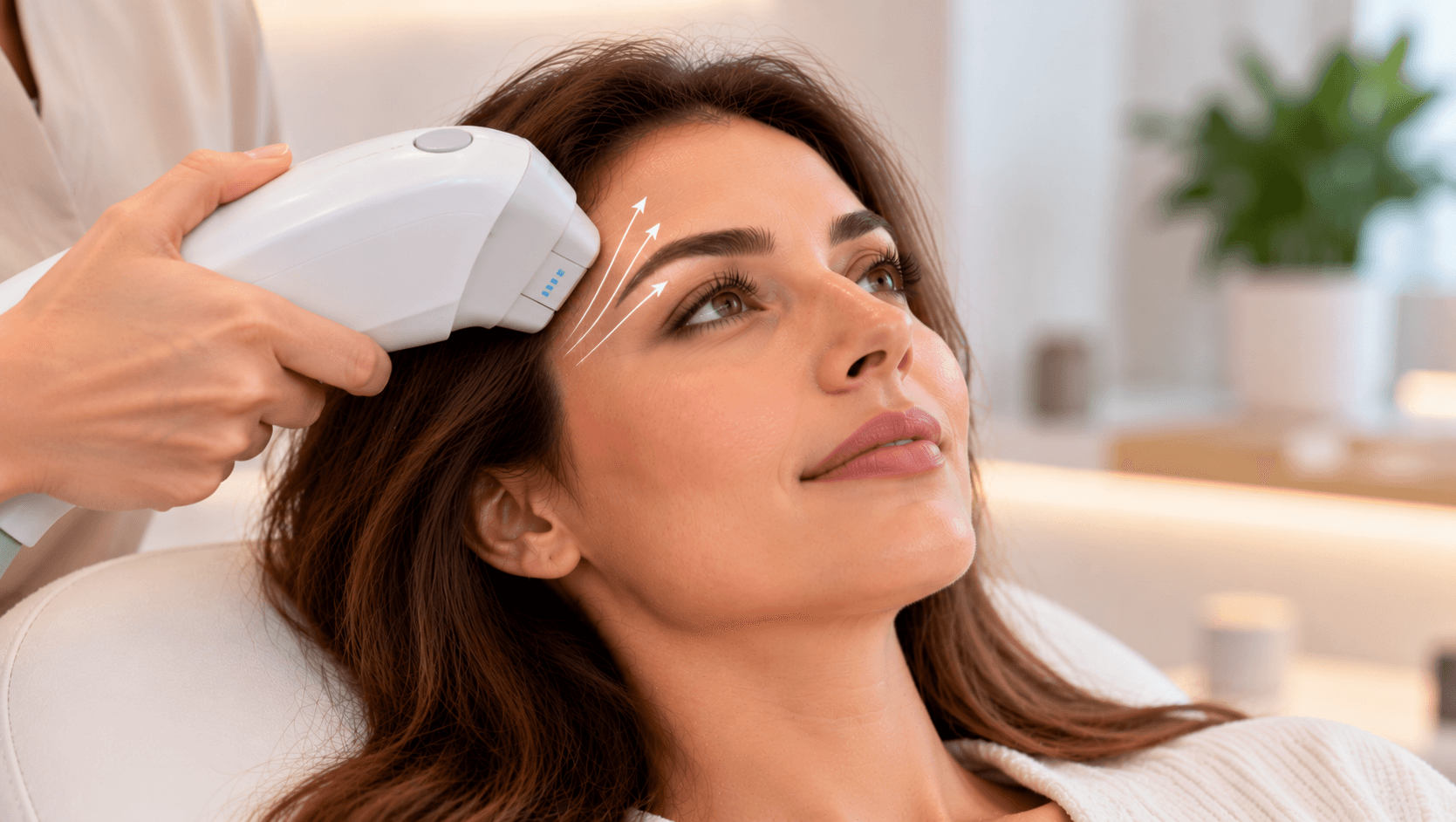
The eyebrow lifting application targets the tissues around the eyebrows. Ultrasound energy tightens the supporting tissue of the eyebrows. This tightening helps the eyebrows to lift slightly. The result is a more open and youthful expression.
In the forehead area, forehead wrinkles and lines are targeted. Micro-focused ultrasound energy tightens the skin over the forehead muscles. This process reduces the visibility of forehead lines. The skin surface gains a smoother appearance.
Cheeks are one of the most important areas for facial rejuvenation treatments. Slight sagging in the cheeks is lifted with ultrasound energy. Cheek contours become more defined. The mid-face area achieves a younger and more vibrant appearance.
The jawline is a critical area that defines the lower contour of the face. Sagging in the jawline is tightened with Ulthera. The jawline becomes clearer and sharper. This positively affects the overall symmetry of the face.
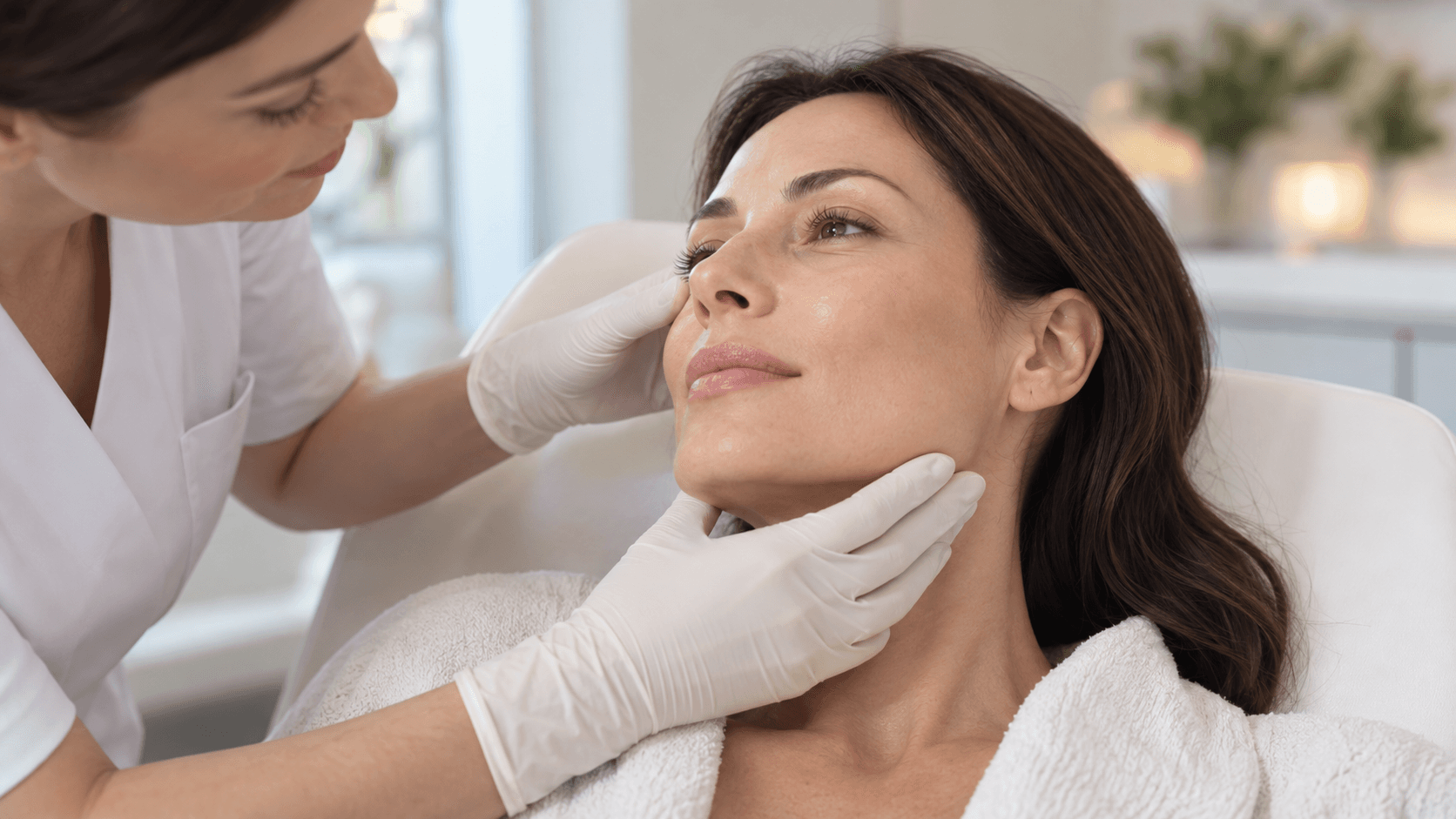
The double chin area is treated for the fatty tissue and loose skin under the lower jaw. Double chin tightening improves the tissue integrity in this area. The appearance of a double chin decreases. The transition between the neck and face becomes smoother.
Neck tightening is effectively performed with Ulthera. The skin on the neck is thinner and more sensitive than the facial skin. Therefore, energy levels are set lower. As a result of neck tightening, neck lines are reduced and the skin appears firmer.
In the décolleté area, wrinkles above the breasts and sun damage are targeted. Décolleté rejuvenation improves the skin quality in this area. Ultrasound energy promotes collagen renewal in the décolleté skin. As a result, the skin appears smoother and more evenly toned.
Application is also possible in other areas of the body. It can be used for skin tightening in areas such as the upper arms, abdomen, thighs, and hips. However, it is not as common as on the face and neck. Special heads and parameters are available for each body area.
Ulthera is ideal for individuals with mild to moderate skin laxity, who do not want surgery and are seeking preventive anti-aging treatment. However, not everyone is a candidate for this treatment.
The ideal candidate is someone who experiences mild to moderate sagging in their skin. These individuals notice a loss of elasticity in their skin but do not wish to undergo surgical intervention. Their skin structure still has sufficient collagen production capacity. This ensures a strong response to the treatment.
Patients who do not want surgery represent a significant group that prefers Ulthera. These individuals explore non-surgical facelift options. The short duration of pre- and post-procedural processes is attractive to them. They want to achieve skin tightening without the risk of anesthesia.
Individuals seeking preventive anti-aging treatment are also among the ideal candidates. These individuals wish to stop the signs of skin aging before they reach an advanced stage. Starting treatment at an early age slows down skin aging. This approach is considered a preventive strategy among anti-aging treatments.
Who may not be suitable? Individuals with advanced skin sagging should consider surgical facelift. Ulthera may be insufficient to treat sagging at this level. Surgical intervention provides more effective results in this case.
Application is not performed in areas with active skin infections. Conditions such as herpes, acute dermatitis, or bacterial infections require postponing the treatment. The procedure can be planned after the infection has completely healed.
The procedure is not applied in areas with open wounds. Scar tissue can cause inconsistent dispersion of ultrasound energy. Additionally, the wound healing process may be negatively affected.
Certain medical conditions contraindicate the treatment. Active skin diseases, a history of skin cancer, severe diabetes, blood clotting disorders, and some autoimmune diseases are among these conditions. Application is also not recommended during pregnancy and breastfeeding. Each patient must undergo a detailed medical evaluation before treatment.
Ulthera treatment begins with a skin assessment, followed by the application of energy at different depths under ultrasound imaging, and the procedure lasts approximately 30 to 90 minutes. After the procedure, the patient returns to their normal daily life.
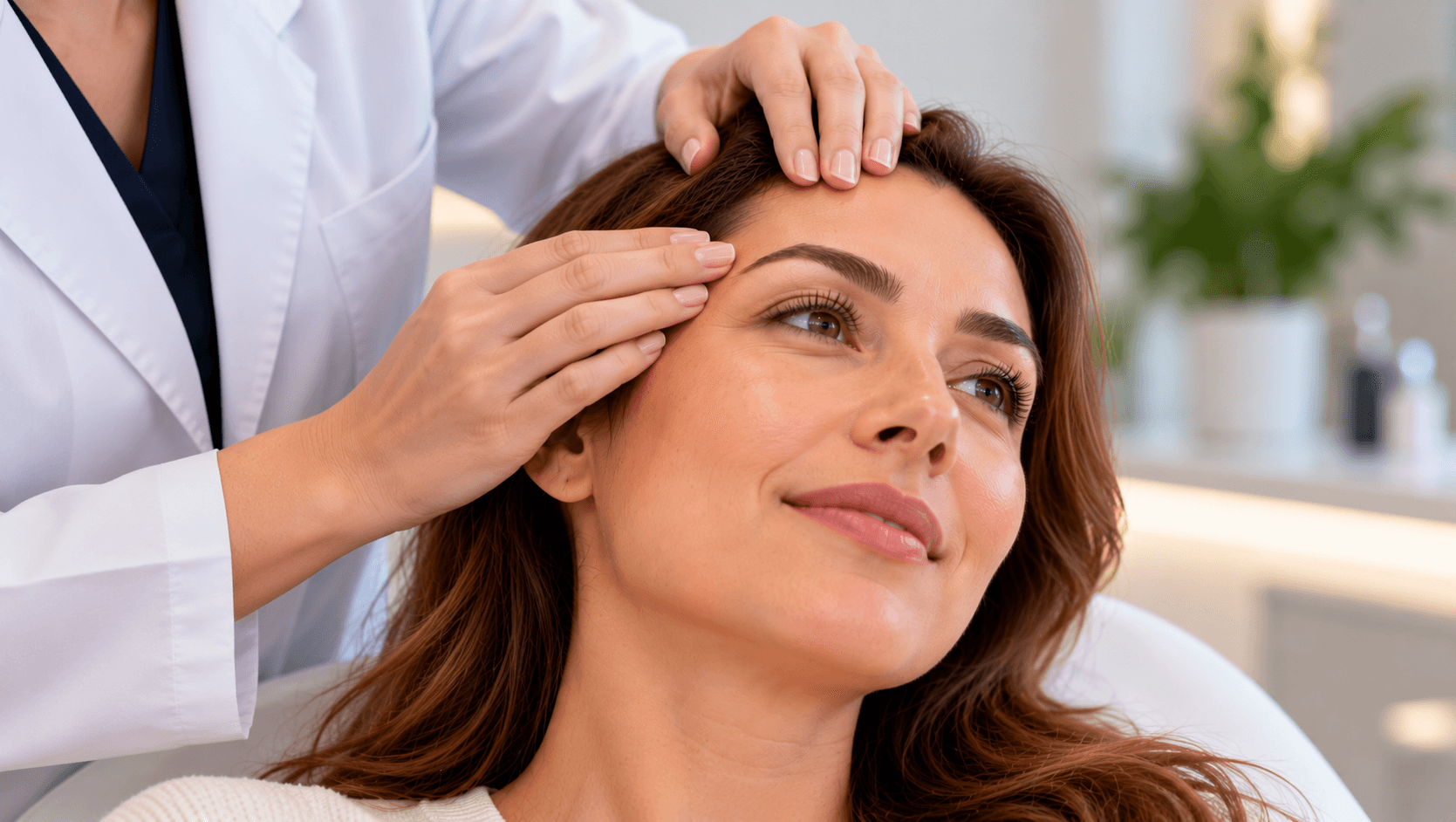
Before the procedure, the physician evaluates the skin type and the degree of sagging. The patient's medical history is taken. The treatment area is cleaned, and pre-procedure photographs are taken. The physician identifies the target areas and creates a treatment plan. This plan includes the necessary depth and energy levels for each area.
During the treatment, a special gel is first applied to the skin surface. This gel ensures efficient transmission of ultrasound energy. Then, the device head is placed on the skin. The physician visualizes the skin layers using an ultrasound imaging system. This imaging guarantees that the energy reaches the correct depth.
The ultrasound imaging system shows the internal structure of the skin in real-time. Thanks to these images, the physician can clearly see the SMAS layer and the dermis. The imaging enhances the safety and accuracy of the treatment. The physician directs the energy precisely to the layer that needs it.
Applying energy at different depths provides a multi-layered effect of the treatment. The device transmits energy at depths of 1.5 mm, 3.0 mm, and 4.5 mm. Each depth targets a different tissue layer. This multi-layered approach ensures both superficial and deep tightening.
The duration of the procedure varies depending on the treated area. A full face treatment takes approximately 60 to 90 minutes. If the neck and décolleté are included, the time may extend. For small areas, 30 minutes may be sufficient.
After the procedure, the patient can immediately return to their normal activities. There may be slight redness or sensitivity. However, these symptoms resolve quickly. No special care is required after the procedure. The patient can continue their social life on the same day after treatment.
Ulthera triggers fibroblast activation through controlled thermal damage in deep tissues, initiating the synthesis of new collagen and elastin, with results becoming apparent within 2 to 3 months. This process relies on the body's natural tissue regeneration ability.
Collagen remodeling begins after thermal damage. Fibroblast cells migrate to the damaged area. These cells start producing new collagen types I and III. The new collagen fibers replace the old loose structure. Over time, the tissue gains a tighter and more organized structure.
The tissue healing process consists of three stages. The first stage is the inflammatory phase. After thermal damage, the body sends healing cells to the area. The second stage is the proliferation phase. In this phase, fibroblasts become activated, and new tissue formation begins. The third stage is the remodeling phase. In this final stage, new collagen matures, and the tissue takes its final shape.
Results appear over time because collagen synthesis is not a rapid process. New collagen production continues over weeks. The skin rejuvenates from the inside out. This gradual healing provides a natural appearance. Instead of sudden changes, a progressive rejuvenation is achieved over time.
The first changes are slightly noticeable immediately after the treatment, but the final results fully develop after 2 to 3 months and can last for 12 to 18 months. One session is sufficient for most patients.
The first changes are felt in the first weeks after the procedure. There is a slight tightening and tension. However, this early effect is a temporary condition due to edema and tissue reaction. Real and permanent results become apparent as collagen production increases.
Final results are fully visible 2 to 3 months after treatment. During this period, new collagen matures and the tissue is completely renewed. Results peak at the 6th month. The skin shows its tightest and firmest state during this period.
The results obtained are permanent for about 12 to 18 months, although they may vary from person to person. As skin aging continues, the effect may gradually diminish. However, the newly formed collagen supports the skin's structure for a long time. Annual maintenance sessions ensure the continuity of results.
One session is sufficient for most patients. However, a second session may be recommended depending on skin structure, age, and degree of sagging. The second session is usually planned 3 to 6 months after the first session. The physician determines the optimal number of sessions for each patient.
Ulthera is a technology that can reach deep tissues among non-surgical lifting options, does not require incisions, allows for a quick return to daily life, and produces natural results. These advantages highlight the treatment.
Non-surgical lifting has become increasingly popular in recent years. People do not want the risks of surgery and long recovery times. Ulthera offers an effective option that meets this need. Non-surgical facelift provides a superior profile in terms of patient safety.
The lack of need for incisions is one of the most important advantages of the treatment. The integrity of the skin is preserved. There is no risk of scar formation. The risk of infection is much lower compared to surgical procedures. The patient does not have to deal with any stitches or wound care after the procedure.
A quick return to daily life is crucial for individuals with a busy pace. No rest is required after the procedure. The patient can return to work or social activities on the same day. This is the fundamental appeal of minimally invasive aesthetic applications.
Natural appearance is the most distinctive feature of Ulthera results. Results gradually develop over weeks and months. This gradual change provides rejuvenation without being noticed by those around. There is no "I had it done" look. The skin simply appears more refreshed and vibrant.
Supporting collagen production creates the long-term benefit of the treatment. Ulthera activates the skin's self-repair ability. This offers a sustainable approach among skin aging treatments. The skin continues to strengthen its structure even after the treatment.
The personalized treatment plan is adjusted according to each patient's needs. The physician determines the energy and depth parameters based on skin type, degree of aging, and regional needs. This personalization enhances the effectiveness and safety of the treatment.
Ulthera does not provide the same results for every patient, does not achieve the same effect as surgical facelift, and results vary depending on factors such as age, skin type, and lifestyle. It is important to set realistic expectations.
It does not provide the same results for every patient. Skin structure, thickness, collagen density, and aging rate vary from person to person. Young skin responds more strongly. Older skin may show a slower and more limited response.
It does not achieve the same effect as surgical facelift. Surgical intervention involves the removal of excess skin and the tightening of the SMAS layer. This results in dramatic and immediate outcomes. Ulthera does not offer changes at this level. However, it provides a natural alternative without the risks associated with surgery.
Factors affecting the results include:
Factor | Effect |
Age | Younger skin responds more strongly |
Skin type | Thicker skin can absorb more energy |
Genetics | Hereditary collagen production capacity is determinative |
Sun damage | Excessive sun damage can weaken the skin's response |
Smoking | Smoking reduces collagen production |
Nutrition | Protein and vitamin intake supports healing |
Skin care | Regular care prolongs the results |
Mild redness, sensitivity, swelling, and a tingling sensation after Ulthera are considered normal and usually resolve within a few hours to a few days. Patients can return to their daily lives immediately.
The symptoms that are considered normal after the procedure are mild. Mild redness may be observed in the areas where energy was applied. This redness typically begins to fade within a few hours. It may rarely last for 1 to 2 days.
Sensitivity is a slight sensitivity felt by touch on the skin. This sensation disappears within a few days. Swelling may appear as a slight puffiness. Swelling is a natural response of the body and resolves quickly.
The tingling sensation may be temporarily felt by some patients. This sensation is related to the energy response of nerve endings. It usually completely disappears within a few days.
You can return to daily life immediately. There are no special restrictions after the procedure. However, the physician may recommend avoiding excessively hot environments (sauna, steam room, intense exercise) for the first 24 hours.
Sun protection is very important in skincare. The skin may be temporarily more sensitive to the sun after the procedure. The use of high-factor sunscreen is mandatory. Moisturizing care supports the skin's healing process.
The most common side effects of Ulthera are mild redness, swelling, and temporary sensitivity; serious complications are rare and risks are minimized when performed by a specialist physician with the correct parameters.
The most common side effects are mild and temporary. Redness is observed within a few hours after the procedure. Swelling appears as slight puffiness. Sensitivity is felt by touch. These symptoms generally completely disappear within 1 to 3 days.
Rare complications include temporary nerve irritation, mild bruising, and very rarely increased local sensitivity. Very deep applications on the skin can, although rarely, lead to temporary facial nerve interaction. However, these situations are usually self-limiting and heal completely.
Risks can be minimized in the following ways: the treatment should be performed by an experienced and certified physician. The patient must fully share their medical history before treatment. The physician should select the correct depth and energy levels. An ultrasound imaging system is an important safety feature that minimizes risks.
Ulthera is the only non-invasive technology that can reach the deep SMAS layer, unlike radiofrequency and laser; it shares similar principles with HIFU but is distinguished by FDA approval and an imaging system; its difference from surgical facelifts is that it offers seamless and natural results.
The main difference between Ulthera and radiofrequency (RF) is the type of energy and the depth reached. Radiofrequency uses electromagnetic energy and targets more superficial layers. Ulthera, on the other hand, reaches deeper layers with ultrasound energy. RF triggers collagen production close to the skin surface. Ulthera provides a stronger lifting effect by reaching down to the SMAS layer.
Ulthera and HIFU (High-Intensity Focused Ultrasound) share the same principle. Both use focused ultrasound energy. However, Ulthera (Ultherapy) is a specialized system that is FDA-approved and integrates an ultrasound imaging system. HIFU devices are produced under different brands with varying quality standards. Ultherapy offers a standardized protocol supported by clinical studies.
Ulthera and laser treatments use different types of energy. Laser uses light energy and typically targets the skin surface. Laser treatments are effective for skin rejuvenation and pigmentation correction. However, Ulthera is superior for deep tissue tightening. Laser and Ulthera can be combined as complementary treatments.
The fundamental differences between Ulthera and surgical facelift are as follows:
Feature | Ulthera | Surgical Facelift |
Invasiveness | Non-invasive | Surgical intervention |
Anesthesia | Not required or local | General or sedation |
Recovery time | Immediate return | 2 to 4 weeks |
Onset of results | 2 to 3 months | Immediate |
Scar | None | Available |
Risk profile | Low | Higher |
Effect severity | Mild to moderate | Moderate to advanced |
Result longevity | 12 to 18 months | 5 to 10 years |
Ultherapy can be safely combined with botulinum toxin, dermal fillers, and skin rejuvenation treatments; these combinations provide multi-layered rejuvenation and each treatment targets a different issue.
It can be used alongside botulinum toxin applications. Botulinum toxin corrects dynamic wrinkles by reducing muscle movements. Ultherapy provides skin tightening and lifting. These two treatments complement each other. Botulinum toxin focuses on superficial wrinkles. Ultherapy strengthens deep structural support. They can generally be applied in the same session or at short intervals.
It can be combined with dermal filler applications. Fillers restore volume loss and fill in hollows. Ultherapy tightens the skin and enhances contour. This combination is used in an approach known as "liquid facelift." Volume and tightening are achieved together.
It can be planned alongside skin rejuvenation treatments. Treatments such as chemical peels, lasers, or microneedling improve the skin surface. Ultherapy targets deep layers. When both surface and deep layers are treated together, overall skin quality improves.
Combined treatments offer the following advantages: each treatment targets a different sign of aging. Results are more comprehensive compared to a single treatment. The patient achieves more results in a shorter time. However, the combination should be planned by an experienced physician.
Before Ultherapy, blood-thinning medications should be avoided, the skin should be kept clean, and sun protection should be applied; afterwards, a high-factor sunscreen should be used, moisturizing care should be maintained, and follow-up appointments should be attended.
The preparation before the procedure is simple. The patient should avoid blood-thinning medications such as aspirin a few days prior to the treatment. There should be no active infection or open wounds on the skin. The skin should be cleansed and makeup removed before the treatment. Procedures should be postponed for skin with sunburn.
Post-procedure care recommendations are as follows: avoid excessively hot environments (sauna, steam room, hot shower) for the first 24 hours. Intense exercise may be limited on the first day. The skin should be gently cleansed, and irritating products should be avoided.
Sun protection is critical to maintain the quality of the results. Newly formed collagen is sensitive to UV rays. The use of sunscreen helps prevent skin aging. A high-factor (SPF 50+) sunscreen should be added to the daily care routine.
Follow-up appointments are necessary for evaluating results and adjusting the care plan. The physician evaluates the results at the 3rd month. If a second session is needed, this decision is made during this period. Annual maintenance sessions ensure the continuity of the effect.
Ultherapy is not just for older individuals, it is not excessively painful, results do not appear immediately, one session is not enough for a lifetime, and it does not thin the skin. These misconceptions hinder the formation of realistic expectations regarding the treatment.
Ultherapy is not only for older individuals. It can be applied as a preventive anti-aging treatment starting from the 30s. Starting treatment at an early age slows down skin aging. This treatment may be suitable for patients of all age groups.
The procedure is not very painful. The patient may feel heat and pressure during the procedure. However, this sensation is tolerable for most patients. There may be slight discomfort. Local anesthesia or pain relief options are available for patients with a low pain threshold.
Results do not appear immediately. The initial effect is felt, but the real results are seen after 2 to 3 months. It is a treatment that requires patience. Patients expecting quick results should be aware of this fact.
One session is not sufficient for a lifetime. Skin aging continues. Annual maintenance sessions are recommended to preserve the results. A single session provides a long-lasting effect but is not permanent.
Ultherapy does not thin the skin. The treatment strengthens the structural support of the skin. The skin becomes thicker and healthier. Thinning is not a feature of this technology.
Ultherapy may cause mild discomfort, lasts 30 to 90 minutes, makeup can be applied afterward, is generally applicable from the age of 30, can be performed in the summer with sun protection, sports can be done 24 hours after, can be repeated every 12 to 18 months, can be safely applied to men, does not cause weight loss, and does not thin the face.
Does Ultherapy hurt? A feeling of heat and mild tingling may be felt during the procedure. However, this sensation is tolerable for most patients. There are pain relief or anesthetic cream options for patients with a low pain threshold. Post-procedure pain is rare.
How long does Ulthera take? The treatment duration varies by area. A full face treatment takes approximately 60 to 90 minutes. If the neck is included, the duration extends. For small areas, 30 minutes is sufficient.
Can makeup be applied after Ulthera? Yes, makeup can be applied immediately after the procedure. However, heavy products that may irritate the skin should be avoided. Mineral makeup products may be preferred.
From what age can Ulthera be applied? It is generally recommended for individuals aged 30 and above. However, it can also be started at younger ages depending on skin structure. The physician assesses suitability for each patient.
Can Ulthera be applied in the summer? Yes, it can be applied. However, sun protection is very important. The use of high-factor sunscreen is mandatory. The procedure should be postponed for skin with sunburn.
Can exercise be done after Ulthera? Light exercise can be started 24 hours later. However, excessive sweating exercises should be limited in the first 24 hours. Excessive heat and sweat may increase mild swelling.
How often should Ulthera be repeated? Generally, maintenance sessions are recommended every 12 to 18 months. This period may vary depending on skin structure and aging rate. The physician determines the personal care plan.
Can Ulthera be applied to men? Yes, it can be safely applied to men. Male skin has a different structure than female skin. The physician adjusts the energy levels accordingly. The beard area in men requires special attention.
Does Ulthera cause weight loss? No, Ulthera does not cause weight loss. The treatment is applied for skin tightening purposes. It does not target fat tissue. Weight loss is achieved through nutrition and exercise.
Does Ulthera slim the face? No, it does not slim the face. The treatment strengthens the structural support of the skin. The skin becomes tighter and firmer. There is no slimming effect.
Scientific studies show that Ulthera is an effective and safe technology for skin tightening and non-invasive lifting; it is one of the most suitable options for individuals with mild to moderate skin laxity who do not want surgery and seek natural results; setting realistic expectations is the key to treatment success.
Scientific studies provide positive data about Ulthera. A clinical study published by Gliklich and colleagues in 2017 shows that micro-focused ultrasound technology yields objective results in skin tightening (Gliklich). Research by Fabi and colleagues in 2014 histologically confirms that the treatment triggers collagen remodeling (Fabi). A meta-analysis by Suh and colleagues in 2021 reveals that the treatment provides statistically significant improvement in facial rejuvenation (Suh). A study by Ono and colleagues in 2019 shows that ultrasound energy initiates new collagen formation in the dermis and SMAS layer (Ono). A review study by Goldberg and colleagues in 2018 emphasizes that Ulthera's capacity to reach deep tissues is unique among non-invasive aesthetic treatments (Goldberg).
Who is it most suitable for? It is ideal for individuals experiencing mild to moderate skin laxity, seeking non-surgical facelift options, desiring natural results, and wanting to return to their daily life immediately. Patients in this profile achieve the highest satisfaction from the treatment.
The importance of setting realistic expectations is significant. Ulthera is not a magic wand. Results develop over time and are limited. The patient should not expect a surgical level change. The physician must clearly explain to the patient what to expect before the treatment. Correct expectations lead to high patient satisfaction.
Fabi, Sabrina G. "Microfocused Ultrasound with Visualization for Skin Tightening and Lifting." Journal of Drugs in , vol. 13, no. 11, 2014, pp. 1352-1357.
Gliklich, Richard E., et al. "Clinical Assessment of a Non-Invasive Microfocused Ultrasound Device for Lifting the Eyebrow and Neck." Lasers in Surgery and Medicine, vol. 49, no. 5, 2017, pp. 452-458.
Goldberg, David J., et al. "Non-Invasive Skin Tightening: A Review of the Literature." Journal of Cosmetic and Laser Therapy, vol. 20, no. 3, 2018, pp. 145-152.
Ono, S., et al. "Histological Changes in the Skin After Microfocused Ultrasound Treatment." Surgery, vol. 45, no. 8, 2019, pp. 1032-1038.
Suh, D. H., et al. "Intense Focused Ultrasound for Facial Rejuvenation: A Meta-Analysis." Journal of Cosmetic , vol. 20, no. 4, 2021, pp. 1120-1128.