Yükleniyor…

For most patients, a single Ulthera session is sufficient. For individuals experiencing mild to moderate skin laxity, a single treatment provides tightening that becomes increasingly noticeable over months. However, in cases of advanced age, significant laxity, or expectations for more pronounced tightening, the physician may plan a second session. There is no definitive number; the decision is made following a skin analysis.
Skin laxity is an issue that many people notice when they look in the mirror, but often do not fully understand. Ulthera is one of the most researched treatments by those seeking solutions to this problem without surgical intervention. The most frequently asked question online cannot be answered with a single number: "How many sessions of Ulthera are needed?" This article explains the answer to the question within a scientific framework and the logic of personalized planning.
Ulthera is a non-surgical skin tightening method that delivers focused ultrasound energy to the targeted tissue beneath the skin. The energy reaches the same tissue targeted in surgical facelifts and initiates the body's natural healing response.
Ulthera utilizes micro-focused ultrasound technology. During the procedure, the energy reaches the designated depth without damaging the skin surface. Researchers have shown that this energy precisely heats the subcutaneous tissue by creating thermal coagulation areas (Laubach et al. 2008). This controlled heating sends a signal to the body to "start repair here."
The body responds to this signal with two main proteins: collagen and elastin. Collagen forms the structural framework of the skin. Elastin allows the skin to stretch and return. Ulthera tightens existing collagen fibers and stimulates new collagen production. This dual effect leads to skin tightening both immediately and in the long term (Gold et al. 2011).
The most distinctive feature of the method is its ability to reach the supportive tissue targeted in direct facelift surgery. Scientists note that creating heating areas in this tissue establishes a new target for non-surgical facelifts (White et al. 2007). Therefore, Ulthera works not only on the skin surface but also on the actual support of the skin.
The standard approach is a single session. Clinical experiences show that a single application is sufficient for most patients. Additional sessions are only considered under specific conditions.
An Ulthera session delivers energy to a wide area of the target tissue in a single application. Therefore, each session is designed as a complete treatment in itself. Most individuals with mild to moderate skin laxity observe the desired tightening within 2–6 months after a single session. This approach is also widely accepted in the international clinical literature (Fabi 2015).
In some individuals, additional sessions may be considered. Advanced age, significant laxity, or expectations for a more pronounced tightening are the main reasons for this. However, even in this case, a second session is not planned immediately. The physician first evaluates the results of the first session. If the skin's response is sufficient, no additional treatment is necessary.
The difference between a single session and a series of applications is not just the number. A series of applications is a gradual approach where the dose of each session is kept lower. This approach can increase comfort for some skin types. However, the standard single-session plan is an effective and practical option for most patients.
There are four main factors that determine the number of sessions: the degree of skin laxity, the area being treated, age, and expectations. These factors are evaluated together.
The session plan is not a standard prescription. The physician analyzes each patient individually. The five headings below form the basis of this analysis.
One session is sufficient for mild laxity. In cases of moderate laxity, one session is usually adequate for most patients. In cases of advanced laxity, treatment goals are reviewed.
When skin laxity is mild, the structure of the tissue is still strong. The goal is to reorganize the existing structure. This task is achieved in a single session. The situation is similar in moderate laxity; since the skin retains sufficient collagen production capacity, one session is often sufficient. In advanced laxity, the physician interprets the results more cautiously and sometimes discusses different treatment options.
Yes. Delicate areas such as the neck and décolletage may respond differently than the cheeks and jawline.
The skin thickness, collagen density, and supportive tissue vary for each area. The cheek area covers a wide space and usually yields good results with a single session. The neck area is more delicate; the physician carefully determines the energy settings. The décolletage area may respond more slowly due to sun exposure. These differences necessitate area-specific session planning.
Yes. As age increases, the skin's rate of new collagen production decreases. This affects the timing and visibility of the results.
Skin aging is a result of both sun exposure and chronological age. In this process, collagen fibers become fragile and production slows down (Rittie and Fisher 2015). Young skin responds quickly to the signals given by Ulthera. Older skin shows the same response but takes longer. Therefore, the follow-up period becomes important for older patients, and additional evaluations are made as needed.
The clearer the goal, the more detailed the session plan becomes. Realistic expectations are the foundation for determining the correct number of sessions.
Some patients desire a slight rejuvenation. Others expect an effect close to surgery. In the first group, one session is usually sufficient. In the second group, the physician clearly discusses the limits of treatment with the expectations. Non-surgical methods cannot replicate the results of surgery exactly. This honesty is the most critical step for patient satisfaction.
Yes, they can. Recent filler or other energy-based procedures can affect the timing of the treatment.
If there is a new energy-based procedure on the skin, the healing status of the tissue is evaluated. The physician examines how the previous treatment has affected the skin and adjusts the Ulthera energy level accordingly. This assessment ensures both safety and quality of results.

The initial tightening effect is noticeable immediately. The main results become apparent within 2–3 months and continue to improve for up to 6 months.
Some patients feel a slight tightening sensation in the skin right after the procedure. This sensation is due to the immediate response of the warming collagen fibers. However, this effect is temporary; the actual results come from the body's production of new collagen.
Collagen production is a construction process. The foundation is laid quickly; the structure takes time to rise. In the first weeks after the procedure, new collagen synthesis begins. During the 2–3 month period, this production becomes noticeable, and skin firmness visibly increases. Results continue to develop for up to 6 months. Therefore, making a hasty assessment can lead to incorrect conclusions.
Period | Expected Change |
Day of Procedure | Slight tightening sensation, fullness in the skin |
1st–4th Week | New collagen production begins, change is still limited |
2nd–3rd Month | Tightening becomes noticeable, jawline becomes clearer |
4th–6th Month | Results reach their peak |
This table is an average timeline. Individual differences may extend or shorten this duration.
If an additional session is considered, a wait of at least 3–6 months is required. This waiting period is to fully observe the skin's response.
The evaluation after the first session is done at the earliest in the 3rd month. The physician examines the course of collagen production and skin firmness. If the result is sufficient, an additional session is not scheduled. If the result is partially sufficient and the patient desires more tightening, a second session is planned.
Maintenance treatments are evaluated at longer intervals. In most patients, maintenance sessions are considered after 12–18 months. A fixed session interval is not suitable for everyone. This is because the aging rate and lifestyle of each skin type are different. Therefore, the schedule is based more on personal assessment than a common rule.
Ulthera is used for mild to moderate looseness in the brow, cheek, jawline, double chin, neck, and décolletage areas. Each area has its own energy setting and evaluation criteria.
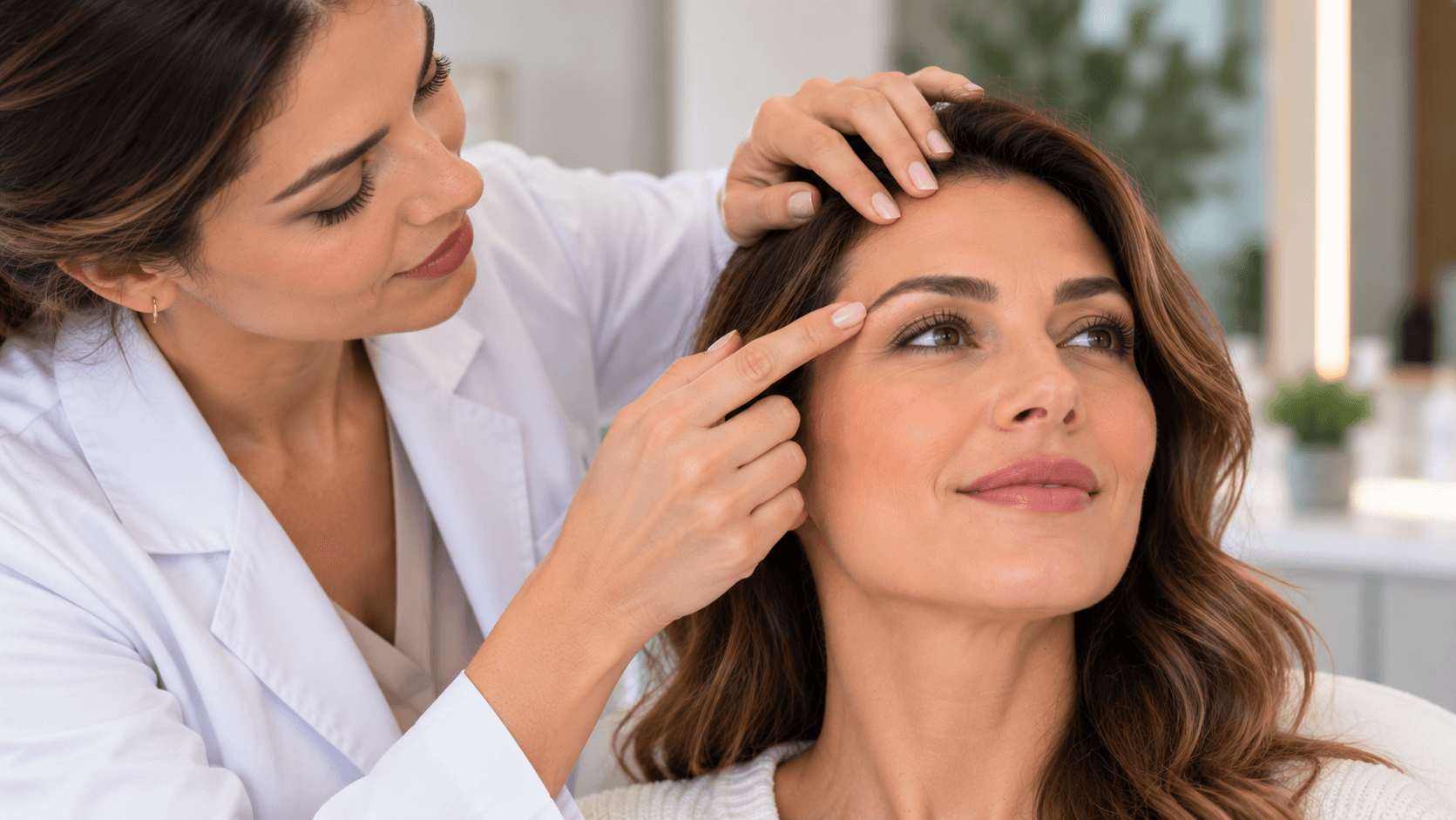
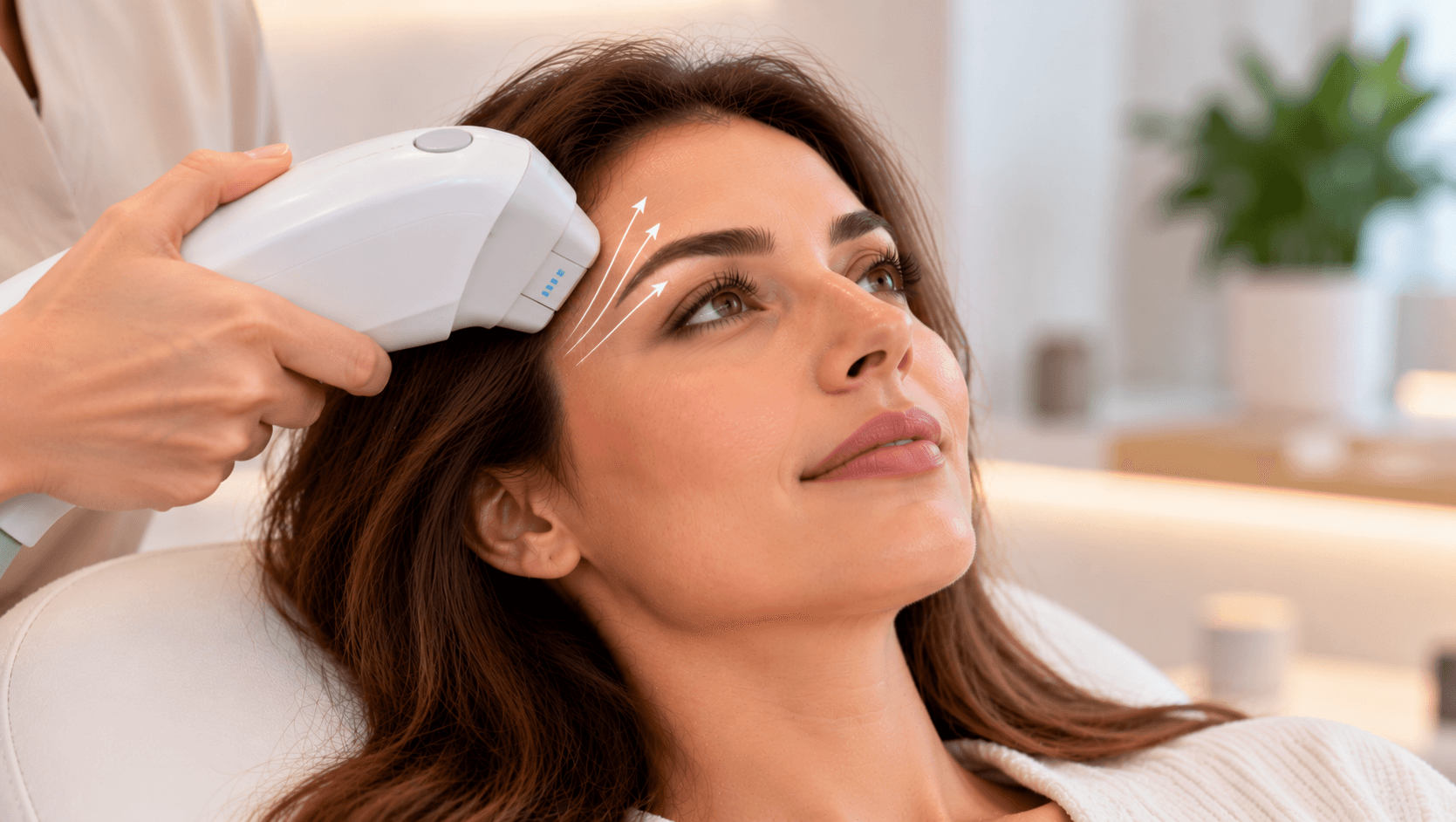
The aim in this area is to lift the brows naturally and to provide openness in the upper eyelid area.
The brow area is sensitive due to the thinness of the skin. The physician proceeds with controlled low energy levels. With the correct application, a visible lift is achieved along the brow line. The result is particularly valuable for patients seeking non-surgical brow lifting.
The midface is the area where Ulthera provides the strongest results. This area responds well to energy due to the thickness of the supporting tissue.
Sagging in the cheeks is the earliest visible sign of aging. Ulthera tightens the skin in this area and also redefines the facial contours upwards. The most noticeable effects of a single session are usually observed in the midface.
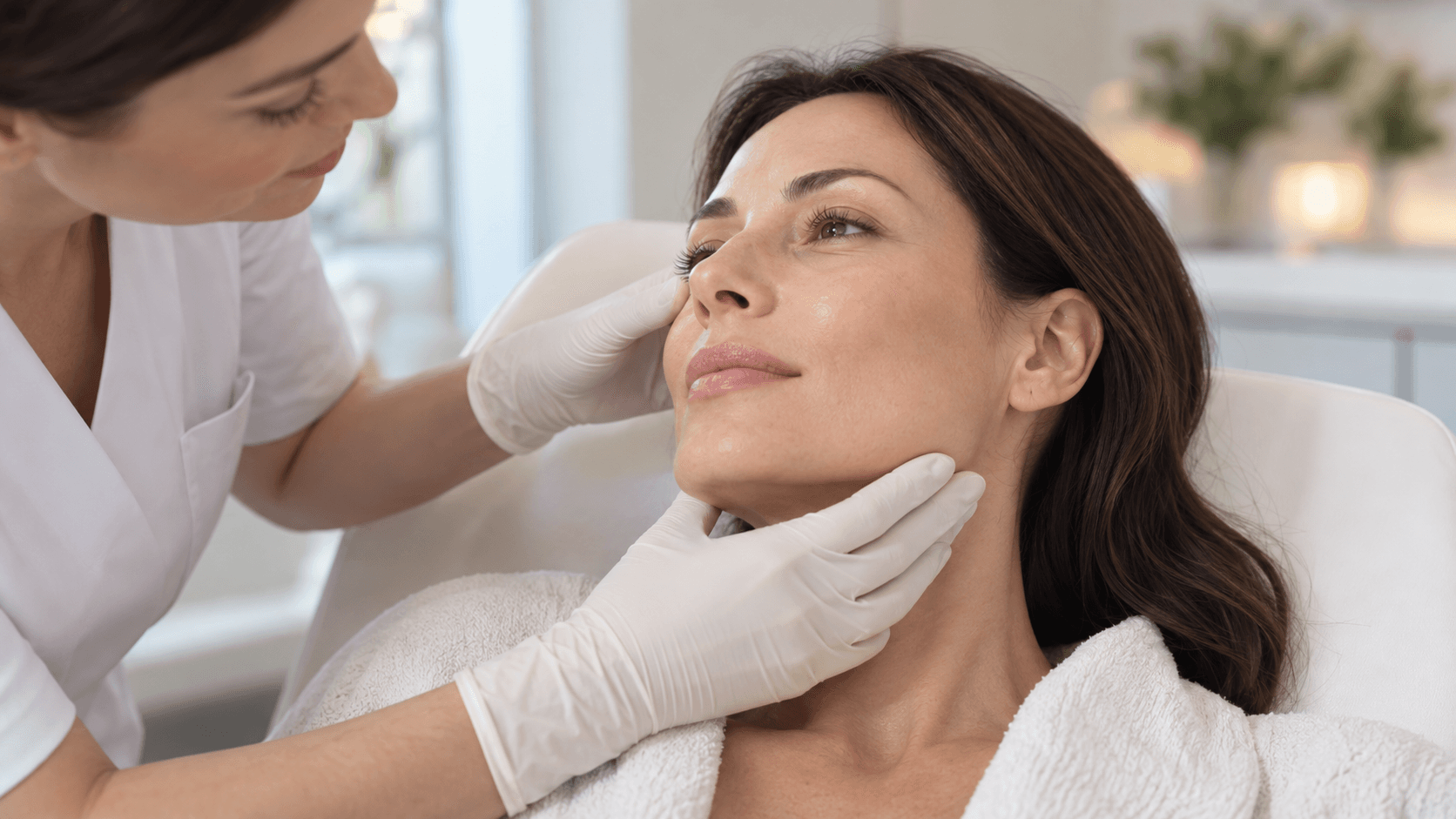
Defining the jawline and tightening the double chin are among the most requested results of the treatment.
Looseness in this area directly affects the overall appearance of the face. Ulthera defines the jawline and clarifies the boundary between the neck and face. In the double chin area, the supporting tissue tightens, making the lower jawline sharper.
The neck requires special attention due to its delicate tissue. With the correct energy setting, the neck line improves significantly.
The skin on the neck is thinner than that of the face and contains less fat tissue. The physician performs the treatment considering this difference. As a result, a noticeable tightening can be achieved in neck sagging. In advanced sagging cases, however, the results may be more limited.
The décolletage area is suitable for repairing tissue weakened by sun exposure over the years.
The skin on the décolletage has more UV damage compared to the face. Therefore, collagen loss here is more pronounced. Ulthera restores the skin tissue in this area. However, the use of sunscreen is essential for the permanence of the results.
Results typically last 12–18 months. The duration varies from person to person, and lifestyle directly affects this period.
The new collagen produced by Ulthera creates a lasting structural improvement in the skin. However, this improvement does not stop the aging process. The duration of the results depends on the balance of these two forces.
Lifestyle determines this balance. Regular use of sunscreen significantly extends the duration of results. Individuals who do not smoke and keep their skin moisturized experience more lasting effects. Poor habits accelerate collagen breakdown.
When the effects of the results begin to diminish, a maintenance session can be considered. Most patients refresh the effect with a single maintenance application after 12–18 months. This approach is a more accurate strategy than having regular sessions every year.
No, not always. Unnecessary repetitions do not provide additional benefits; the correct dose is the one that remains within the safe limits of the treatment.
Ulthera relies on controlled energy application. The physician delivers a safe and effective dose in a single session for each patient. When this dose is increased, additional tightening is not expected; conversely, the risk of side effects increases. Therefore, the logic of "more is better" does not apply to this treatment.
There is no direct link between the treatment goal and the number of sessions. The goal is the skin's actual need. If the skin responds well to a single session, a second session is unnecessary. Personalized planning is precisely to prevent this unnecessary treatment. An experienced physician applies the principle of "the more accurate, the better" instead of "the more, the better."
Anyone with mild to moderate skin laxity who prefers non-surgical methods is a suitable candidate. Having realistic expectations is the most important condition.
The profile of suitable candidates is clear. Individuals with mild or moderate laxity in their skin, who do not want surgical operations but expect noticeable tightening, achieve the best results. These individuals have maintained sufficient collagen production capacity in their skin.
The situation is different for individuals with significant sagging. In this group, the loss of skin support tissue is advanced. The physician openly discusses surgical options with these patients. Honest guidance creates the best patient experience.
There is no long recovery period with Ulthera. Patients return to their daily lives immediately. Temporary redness and sensitivity improve within a few hours to a few days.
After the procedure, patients immediately return to their normal lives. Makeup can be applied, they can go to the gym, and return to work. This comfort is one of the greatest advantages of the method.
Redness and mild sensitivity are the most common temporary effects. These symptoms usually disappear within the same day or the next day. Rarely, minor bruising may occur; this also resolves completely within a few days. All these effects are temporary and do not leave permanent marks on the skin.
Ulthera reaches the deepest support layer of the skin using ultrasound energy. Other technologies target different layers and mechanisms.
While Ulthera targets deep support tissue, radiofrequency primarily heats tissue at a medium depth.
Radiofrequency technology generates heat in the skin and reorganizes collagen. However, its energy generally cannot reach the depth achieved by Ulthera. Therefore, radiofrequency is preferred for mild looseness and improving skin quality. For deeper tightening goals, Ulthera stands out.
Lasers work on layers close to the skin surface. Ulthera, on the other hand, skips the surface and directly reaches the support tissue.
Laser technologies use light energy and primarily affect areas beneath the skin surface. Some types of lasers improve skin quality, pores, and fine lines. However, they do not reach the support tissue. Ulthera serves a different function in this regard.
HIFU is a general category of ultrasound. Ulthera is a regulated system within this category that has imaging capabilities.
HIFU (High-Intensity Focused Ultrasound) is a general technology name. There are many devices on the market that operate on this principle. Ulthera, however, offers ultrasound imaging capability during the application. The physician works by seeing the layer that the energy reaches on the screen. This imaging feature enhances the precision and safety of the procedure.
Ulthera for deep tightening, laser for surface quality, and radiofrequency for mild looseness can be considered.
Feature | Ulthera | Radiofrequency | Laser |
Energy type | Focused ultrasound | Radio wave | Light |
Target layer | Deep support tissue | Medium depth | Layers close to the surface |
Imaging | Available | Not available | Not available |
Number of sessions | Usually one | Can be multiple | In a course |
Recovery | Immediate | Immediate | Varies by area |
This comparison provides a general framework. The final decision depends on the physician's assessment after the skin analysis.
The number of sessions is determined based on skin analysis and physical evaluation. The physician assesses the degree of laxity, the area, previous procedures, and expectations together.
The process progresses step by step. The first step is skin analysis. The physician examines the thickness, elasticity, and collagen density of the skin. The second step is to classify the degree of skin laxity. The third step is to identify the treatment areas.
In the fourth step, the patient's expectations and previous aesthetic procedures are recorded. The fifth and final step is follow-up. The physician monitors the response obtained after treatment and evaluates the need for additional treatment based on this response. This systematic approach ensures that each patient receives a plan tailored to their individual needs.
The seven most frequently asked questions and their answers are summarized below.
Yes, it is effective in a single session for most patients. Clinical experience shows that a single application provides sufficient results for mild to moderate laxity (Fabi 2015).
In a standard treatment plan, multiple sessions in a year are not required. Maintenance sessions are typically evaluated after 12–18 months.
A second session is considered 3–6 months after the first session if the results are insufficient. Rushed planning is not advisable.
Results become noticeable within 2–3 months and continue to improve up to 6 months. A full evaluation is conducted no earlier than the 6th month.
At least 3–6 months should be waited before an additional session. This period allows the skin to complete its natural healing response.
Yes. When the effect diminishes, a single maintenance session refreshes the effect. This application can be safely repeated.
No. Increasing the dose does not speed up the results; it only raises the risk of side effects. The correct dose is the planned dose (Laubach et al. 2008).
The ideal plan does not impose a standard number of sessions. The initial treatment is determined according to the skin condition, results are monitored, and maintenance is planned if necessary.
Initially, the physician creates a single session plan after skin analysis. This plan includes which areas will be approached with which energy levels. Application areas and goals are clearly defined.
Afterwards, a sufficient waiting period is observed. The skin's response is monitored, and results are documented. If necessary, additional or maintenance applications are evaluated. The principle of this approach is that personal needs take precedence over the standard number of sessions. Each skin carries a different story, and every skin deserves its own plan.
Fabi, Sabrina G. "Noninvasive Skin Tightening: Focus on New Ultrasound Techniques." Clinical, Cosmetic and Investigational , vol. 8, 2015, pp. 47–52.
Gold, Michael H., et al. "Ultrasound Imaging of Deep Dermal and Subdermal Structure for Guiding Noninvasive Facial Rejuvenation." Surgery, vol. 37, no. 12, 2011, pp. 1695–1703.
Laubach, Hans-Joachim, et al. "Intense Focused Ultrasound: Evaluation of a New Treatment Modality for Precise Microcoagulation within the Skin." Surgery, vol. 34, no. 5, 2008, pp. 727–734.
Rittie, Laure, and Gary J. Fisher. "Natural and Sun-Induced Aging of Human Skin." Cold Spring Harbor Perspectives in Medicine, vol. 5, no. 1, 2015, a015370.
White, William M., et al. "Selective Creation of Thermal Injury Zones in the Superficial Musculoaponeurotic System Using Intense Ultrasound Therapy." Archives of Facial Plastic Surgery, vol. 9, no. 1, 2007, pp. 22–29.