Yükleniyor…
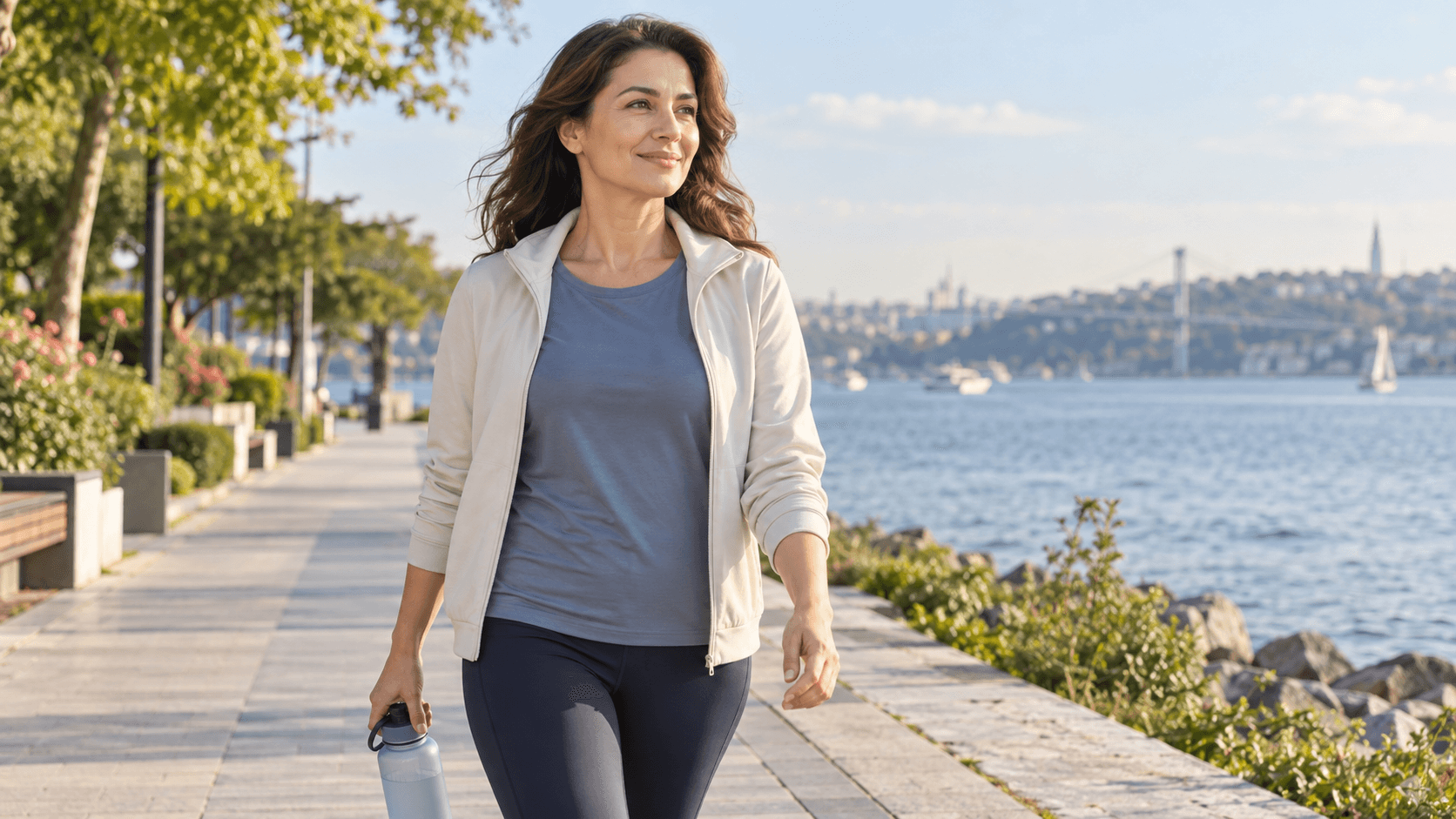
After laser brow lifting, exercise should generally be avoided for the first 24 to 72 hours post-procedure. Light walking can typically begin within a few days for most patients, while more intense activities such as weight training and running should start gradually about two weeks later, with physician approval. There is no single fixed number of days; the healing rate, the laser technique used, and the extent of the procedure determine this duration.
Laser brow lifting is an aesthetic procedure that corrects sagging and wrinkles around the brow with light energy that minimally damages the tissue. Although it is less invasive than surgical brow lifting, a controlled healing process still begins in the tissue. Physical activities during this process directly affect blood flow, swelling, and the healing pattern of the tissues. This article comprehensively explains the scientific foundations of returning to sports, exercise, and physical activity after laser brow lifting, a safe timeline, and warning signs that should prompt you to consult your physician.
Exercise should be gradual because it raises heart rate and blood pressure. This increases swelling in the treatment area, applies unnecessary pressure to the healing tissue, and elevates the risk of swelling and bruising. Any strain that the tissues are exposed to before the new connections are strengthened can negatively affect the outcome.
The laser application delivers controlled heat to the target tissue beneath the skin. This heat triggers collagen production and initiates tissue renewal. However, the same heat also creates a temporary inflammation or inflammatory response. The body sends blood and fluid to this area. This is called swelling. During the initial stages of healing, the tissues are still fragile. As physical activity increases cardiac output, blood flow to the treatment area also accelerates. Scientifically, increased blood circulation supports healing in the long term. However, in the early stages, this increase exacerbates swelling. As swelling increases, the tissue stretches, and the patient feels pain and pressure. Therefore, it is essential to protect the healing tissue from unnecessary pressure and strain in the early stages. Literature on wound healing shows that controlling the inflammatory phase is fundamental for regular tissue repair (Singer and Clark 738).
In the first weeks after the procedure, managing swelling determines the quality of healing. A gradual exercise program is a natural part of this management. Increasing intensity day by day allows the tissue to strengthen at its own pace.
In the first days, swelling, redness, and slight sensitivity are observed in the treatment area. These symptoms are a normal healing response of the body and significantly decrease within a few days for most patients.
The post-procedure period progresses in three phases. The first phase is inflammation, the second phase is tissue repair, and the third phase is remodeling. Since laser brow lifting is less traumatic than surgical brow lifting, the inflammation phase typically lasts shorter. However, every patient experiences a period of swelling and sensitivity. Proper management of these symptoms directly affects the timeline for returning to sports.
Cold application, keeping the head elevated, and physical rest control swelling in the first 24 hours. Sports should be completely avoided during this period.
Cold compress helps to constrict blood vessels and reduce fluid accumulation. The ice pack applied at intervals recommended by your doctor is the most effective method. No planned exercise, including walking, should be done during this period. The body should rest except for daily necessary movements. Redness is a natural response to the laser and usually subsides within a few hours to a few days.
Keeping the head elevated prevents gravity from causing fluid accumulation in the forehead area. This simple precaution shortens the duration of swelling and accelerates healing.
If the head is lower than the torso while lying down, fluid accumulates in the facial area. This situation increases the risk of waking up with noticeable swelling in the mornings and bruising around the eyes. It is recommended to keep the head elevated above the heart for the first few nights. The head position also affects the return to sports. Bending and upside-down movements create the same physical effect during exercise. Therefore, such movements should be avoided during the recovery period.
Exercising while swollen increases swelling and raises tension on the tissue. Starting exercise while sensitivity persists triggers pain and depletes the energy the body allocates for healing.
Swollen tissue is less flexible. Running or weight training during this period raises vascular pressure and can make swelling permanent. The reduction of swelling is the most important indicator for returning to sports. Patients often think they can move without pain while still being swollen. Therefore, both the perceived comfort and the visible reduction in swelling should be evaluated together.
Light walking is generally possible 2 to 3 days after the procedure, low-intensity activities can start at the end of the first week, and weight training and running can begin approximately two weeks later with physician approval. This timeline varies from person to person.
The timeline for returning to sports cannot be tied to a single fixed rule. The laser technique, the scope of the procedure, accompanying applications, and your doctor's clinical assessment determine the process. The table below provides a general framework.
Period | Suitable Activities | What to Avoid |
0-3 days | Complete rest, light movements at home | All planned exercises |
3-7 days | Slow walking, light stretching | Running, weights, bending |
2nd week | Brisk walking, light cycling | Heavy weights, intense cardio |
3rd week and beyond | Gradual weights, running | Full pace without doctor's approval |
4th week and beyond | Return to normal routine | Obtain approval for contact sports |
In the first week, slow-paced walking and light indoor movements are appropriate. Any activities that do not significantly raise the heart rate and do not keep the head down can be performed during this period.
Walking helps maintain circulation at a level that supports recovery and does not dangerously increase vascular pressure. During this period, the duration of activity should be kept short, and the body's response should be monitored. If there is a feeling of warmth or swelling in the face, the activity should be stopped. Disciplines like yoga and pilates should be avoided this week as they involve inverted positions.
In the second week, brisk walking, light cycling, and low-intensity cardio can be performed. Weight training can begin with very light weights in short sets.
During this period, swelling should have significantly decreased. However, movements that raise the pulse too high should still be avoided. Yoga and pilates may be allowed, limited to classes that do not include inverted positions. Sports that require contact are still inappropriate. Each new activity should be added only if the previous day's activity was tolerated.
Running, high-intensity cardio, and heavy weight training generally begin in the second or third week, after your doctor’s approval. For contact sports, most protocols recommend a longer waiting period.
Intense exercise significantly raises systolic blood pressure. This increase directly reflects on the facial vessels. If the vessels in the treatment area have not yet fully strengthened, this pressure can bring back swelling and bruising. In surgical brow lift protocols, it is recommended to wait a few weeks for more intense activities, and the same cautious approach is adopted in laser applications. The final decision is always made under the control of the physician performing the procedure.
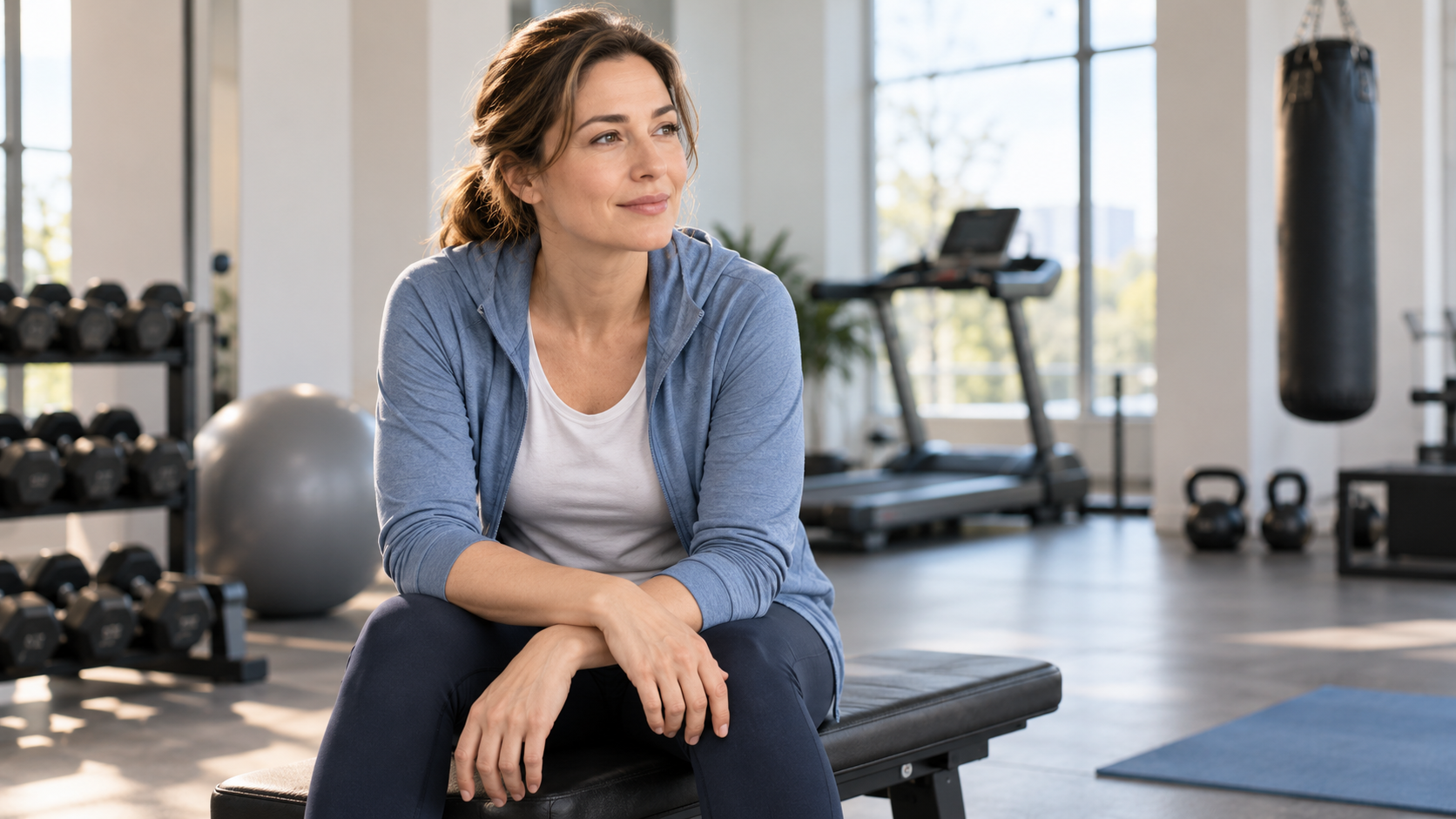
Heavy weight lifting, running, high-intensity cardio, inverted movements, and contact sports are risky in the early period. These activities increase vascular pressure, exacerbate swelling, and can damage the healing tissue.
The risk of each type of sport arises from different mechanisms. Weight lifting directly raises blood pressure. Running creates a prolonged high heart rate. Inverted movements reverse gravity. Contact sports carry a direct risk of trauma. Therefore, limitations should be evaluated individually.
Yes, heavy weight lifting can increase swelling. The increased intrathoracic pressure at the moment of lifting loads the facial vessels and leads to fluid accumulation in the treatment area.
The maneuver known as the Valsalva maneuver, which involves holding the breath while lifting, suddenly raises venous pressure. When this pressure reflects on the face, swelling rapidly increases. In the early period, swelling recurrence and bruising are reported in patients who lift weights. Working with light weights, breathing regularly, and taking long breaks reduces this risk. Still, transitioning to a full weight program is subject to physician approval.
Running and high-intensity cardio can generally be started two to three weeks later, when swelling has completely subsided and physician approval has been obtained.
Prolonged high heart rate creates continuous pressure on the vessel walls. In the early period, this pressure causes temporary leakage in microvessels. The result is the recurrence of bruising and swelling. Initially, short distances and low paces should be preferred. If there are no changes on the face after the first run, it indicates that the pace can be increased the following week.
These movements cause gravity to accumulate swelling on the face. Additionally, the amount of blood flowing to the head area increases during bending, raising the tension on the tissue.
Many movements in yoga, pilates, and weight training require the head to be below heart level. These positions increase venous pressure on the face. Exposure of the healing tissue to this pressure before its connections have fully strengthened leads to prolonged swelling. During the first two weeks, such movements should be avoided, and then they should be gradually added.
Contact sports carry a direct risk of impact and friction. A punch, ball impact, or falling can damage the healing tissue and permanently alter the outcome.
The skin surface after laser eyebrow lifting is sensitive for a period. Sports such as boxing, judo, and basketball continuously expose the forehead area to risk. Therefore, returning to contact sports is postponed for a longer duration than all other sports. Most protocols recommend waiting at least three to four weeks and using protective equipment. The final decision is made based on your doctor's assessment.
During exercise, the facial and forehead muscles should be kept relaxed, breathing should not be held, sweat should be cleaned, sun protection should be used, and one should wait until headbands are allowed.
Even after returning to sports, some rules remain valid. These rules aim to manage the reflexes the body exhibits during exercise rather than the exercise itself. Proper technique significantly reduces early-stage risks.
Consciously relaxing the facial muscles reduces tension in the forehead area. Patients who have a habit of raising their eyebrows or frowning during exercise should control this.
Some athletes tense their face or furrow their brows during moments of strain. This reflex engages the muscles and skin around the eyebrows. During the healing period, this tension adds extra load to the tissue. Practicing the correct facial position in front of mirrors makes it easier to overcome the habit. Maintaining facial comfort during light activities is a good indicator of the quality of the return to sports.
Holding the breath suddenly increases intrathoracic pressure, and this pressure reflects on the facial veins. Regular breathing keeps vascular pressure balanced and reduces the risk of edema.
Breath-holding during lifting is a common mistake in weight training. This maneuver rapidly elevates venous pressure. The fine veins in the face respond sensitively to this pressure increase. Controlled exhalation with each repetition supports performance and protects the healing tissue. This rule applies to all types of sports.
After sweating, the face should be cleaned with gentle movements, and the care product recommended by your doctor should be applied to the treatment area. Rubbing and harsh wiping should absolutely be avoided.
Sweat creates a suitable environment for bacterial growth on the skin surface. The skin that becomes sensitive after the procedure is more susceptible to this risk. After sports, the face should be washed with warm water and a gentle cleanser. Instead of pressing with a towel, lightly dabbing is the correct method. Heavy cosmetic products should be avoided until the skin barrier is fully healed.
Outdoor sports during the recovery period should be done with a wide-brimmed hat and high-factor sunscreen. Skin that has undergone laser treatment is temporarily more sensitive to ultraviolet light.
Sun exposure increases the risk of post-procedure pigmentation, meaning color changes. This risk is particularly pronounced in patients with fair skin. Activities should be preferred in the early morning hours or in the shade. Physical protectors are safer than chemical ones because they require less contact with the skin.
Headbands, slippers, and helmets should not be used until the date approved by your doctor. These items apply pressure to the treatment area and create friction.
Tight headbands apply direct pressure to the tissue around the eyebrows. This pressure increases swelling and can affect the position of the healing tissue. Your doctor usually performs a tissue check before allowing the use of equipment. Even after approval, care should be taken to ensure that the bands are not too tight.
Mild and temporary swelling is normal and decreases with cold application and rest. If there is persistent, increasing, or painful swelling, activity should be stopped and the physician who performed the procedure should be consulted.
A slight warming and fullness sensation in the face after exercise is common. This results from the temporary dilation of blood vessels and usually subsides within an hour. However, some symptoms require differentiation. The table below shows this differentiation.
Symptom | Assessment | What to Do |
Mild swelling decreases within an hour | Normal | Rest, cold application |
Swelling lasts a few hours but is painless | Monitoring required | Postpone activity |
Increased swelling, throbbing, pressure | Warning sign | Take a break from sports, consult a doctor |
Pain, bleeding, discharge | Emergency evaluation | Consult a doctor immediately |
Swelling that occurs after exercise, is painless, and decreases within an hour is considered normal. This is a temporary response of the vessels to exercise.
The body dilates the facial vessels during exercise to regulate heat. This dilation creates a slight fullness. If the swelling completely disappears after cold application and a short rest, there is no need for concern. However, if the swelling lasts longer each time or becomes larger, the intensity of the activity should be reduced.
Throbbing and pressure sensations indicate that vascular pressure has increased on the tissue. If this sensation is temporary and goes away with rest, monitoring is sufficient. If it becomes persistent, a doctor should be consulted.
Throbbing is the feeling of the pulse in the tissue. During the healing period, this sensation is perceived more distinctly due to tissue sensitivity. The pressure sensation indicates that the edema is stretching the tissue. Both sensations indicate that the intensity of exercise has exceeded the limit that the tissue can tolerate. In this case, activity should be stopped, and a few more days should be waited.
Yes, if there is a significant increase in swelling after activity, a break from sports should be taken. If the swelling does not decrease after rest and cold application, a doctor should be consulted.
Taking a break allows the tissue to recover. Being persistent during this period prolongs recovery. Post-operative care resources recommend contacting the healthcare team for symptoms such as increased redness, swelling, discharge, worsening pain, or noticeable bleeding (American Society of Plastic Surgeons).
The return to sports is determined by the laser technique, the extent of the procedure, concurrent applications, and individual healing speed. These factors are evaluated together, and the timeline is personalized by the physician.
Even if two patients undergo the same procedure, their healing times may differ. This difference is not random. It results from a combination of specific and measurable factors. Understanding these factors explains why a fixed timeline is not applicable.
Different types of lasers create varying depths of heat. Techniques that work more superficially heal faster, while those that penetrate deeper require longer recovery times.
Fractional and non-ablation techniques leave minimal damage on the skin surface. This accelerates the return to sports. More aggressive settings prolong the tissue repair time. Therefore, it is important to discuss the technical details with your physician before the procedure. Knowing the name of the device used and its settings allows you to plan your return to sports more accurately.
Yes, the scope of the procedure directly affects recovery time. Procedures that are limited to the brow area heal faster, while broader procedures that involve the brow, forehead, and eye area require longer rest.
As the treated area increases, the inflammatory response also grows. The volume of swelling increases, and it takes longer for the body to resolve this. Additionally, the sensitivity period is extended in larger area procedures. This can change the timeline for returning to sports by several days to a week.
Fillers, botulinum toxin, or skin rejuvenation procedures performed in the same session can extend the timeline for returning to sports. Each procedure has its own restrictions, and their combination applies.
Combined procedures are becoming increasingly common. For example, if filler is done on the same day as laser brow lifting, the restrictions of both procedures overlap. The longest restriction is taken into account. Therefore, discuss your treatment plan in detail with your physician and ask about the impact of each procedure on your sports schedule.
Age, skin type, overall health status, and lifestyle determine the speed of recovery. Smoking, diabetes, and poor nutrition slow down recovery and delay the return to sports.
The science of wound healing well documents that tissue repair shows individual variability (Gurtner et al. 326). In young and healthy individuals, blood vessels regenerate faster. Collagen synthesis is more efficient. This biological fact explains why two patients undergoing the same procedure may return to sports on different timelines. Rather than comparing your recovery speed to others, it is the right approach to monitor your own symptoms.
Being ready to return to sports is indicated by the complete reduction of swelling, the absence of pain and pressure during movement, and the ability to comfortably perform daily activities. The final decision is always made under the supervision of a doctor.
Most patients tend to act early regarding their return to sports. Therefore, it is necessary to rely on objective criteria. When self-assessing, look for these four indicators.
Swelling indicates that the tissue is still in the inflammatory phase. Engaging in intense activity before the edema has completely resolved can cause the swelling to return.
When there is swelling, the connections of the tissues are not fully strong. Strain during this period disrupts the healing process. A noticeable decrease in swelling in the mornings and evenings is the most reliable indicator for returning to sports. This assessment can be made in the mirror and by touch.
The absence of pain and pressure during movement indicates that the tissue is ready for mechanical strain. This is the second important condition for returning to sports.
There should be no pulling sensation in the eyebrow area during bending, coughing, or light bouncing. If this sensation is present, it means the tissue has not fully healed yet. Pain-free movement indicates that the tissue's elasticity has largely returned. You can test this condition with light exercise. If any sensation occurs, continue to wait.
Comfortably returning to daily activities is a necessary condition for returning to sports, but it is not sufficient on its own. There is a physiological load difference between daily life and planned exercise.
Activities like grocery shopping and house cleaning raise the heart rate to a limited extent. Running and weight training, on the other hand, elevate the heart rate to maximum levels. A patient who experiences no issues in daily activities may develop swelling during intense sports. Therefore, daily comfort is a starting point, not a definitive approval mark.
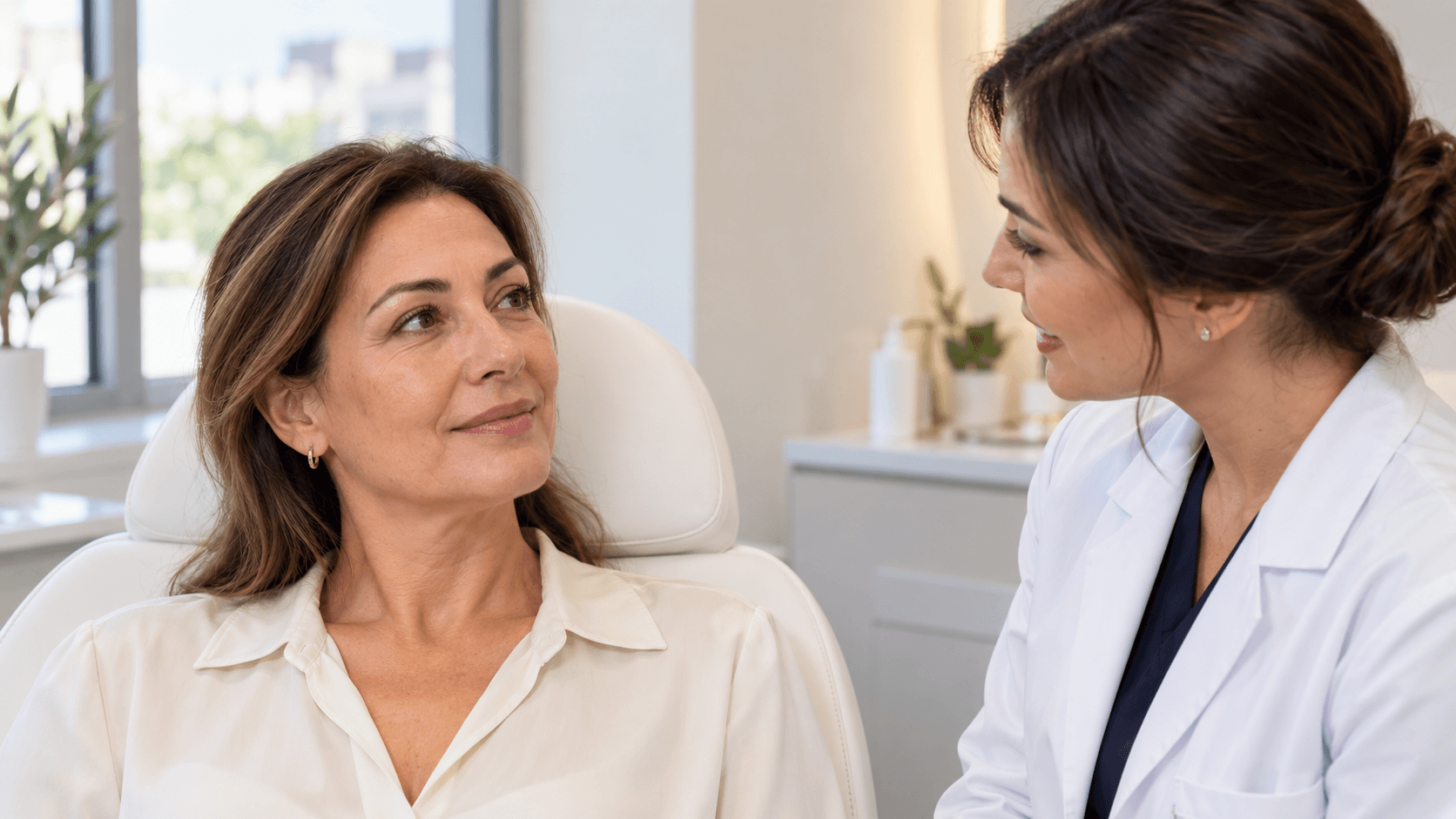
A doctor's control evaluates the condition of the tissue that is not visible from the outside. Healing at the micro level can only be accurately assessed through clinical examination.
Even if everything appears normal from the patient's perspective, complete healing may still be ongoing beneath the tissue. Your physician assesses the depth of laser effect, skin reaction, and swelling status together. This evaluation is the only reliable decision regarding whether returning to sports is safe. The content of Cinik Polyclinic's laser eyebrow lifting also emphasizes that healing can vary depending on the technique of the procedure, individual characteristics, and accompanying applications. It is clearly stated in this content that initial healing may take about one to two weeks, while final tissue healing may take longer.
If sudden or continuously increasing swelling, unusual pain, sensitivity, bleeding, and signs of infection are observed, a physician should be consulted immediately. These symptoms may have transitioned from a temporary reaction to a sign of complications.
Most patients heal without issues. However, as with any medical procedure, there is a risk of complications with laser eyebrow lifting. An early detected problem is usually easily managed. A late detected problem, however, can lead to permanent results. Therefore, take your body's warnings seriously.
Swelling that significantly increases, is painful, or unilateral within a few hours is concerning. This may indicate a hematoma, or blood accumulation, and requires physician evaluation.
Normal swelling is seen symmetrically on both sides and gradually increases. Sudden unilateral swelling indicates a different mechanism. Vascular leakage or subcutaneous bleeding can lead to this condition. Cold application and a high head position are the first steps. If the swelling does not decrease, contact your doctor without delay.
Pain that is expected to decrease during recovery should be evaluated if it starts to increase again or if it is unexpectedly severe. Persistent throbbing and pain that wakes you at night should also be reported to a doctor.
Mild burning and tightness after laser treatment is normal. This sensation should gradually decrease over the days. If it is increasing instead, inflammation may be out of control. An early sign of infection is often a change in the character of the pain. Body temperature and general fatigue should also be evaluated together.
Yellow or green discharge, foul odor, increased redness, and fever are signs of infection. Active bleeding and sudden enlargement of bruising should also be evaluated immediately.
Signs of infection usually appear a few days after the procedure. The area becomes increasingly red, warmer, and more sensitive. If body temperature rises above 38 degrees, urgent evaluation is needed. Bleeding is rare but may be more common in patients taking blood-thinning medications. If you notice any of these symptoms, do not wait and reach out to your doctor.
A safe roadmap consists of six steps: complete rest, starting with light movement, gradually increasing duration, controlled increase in intensity, monitoring body responses, and returning to normal routine with doctor approval.
This framework is based on signs of recovery rather than fixed numbers of days. Each step confirms that the previous one has been successfully completed. Patients who do not rush return to sports in a safer and more comfortable manner.
Step | Process | Success Criteria |
1. Rest | 0-3 days, minimal physical movement | Swelling under control |
2. Light Start | 3-7 days, slow walking | Swelling does not increase |
3. Duration increase | 2nd week, walking duration increases | No pain or pressure |
4. Intensity increase | 3rd week, light weights and moderate cardio | No reaction after exercise |
5. Reaction monitoring | Facial check at every step | Swelling does not return |
6. Doctor approval | Final check-up | Clinical approval obtained |
In the first step, the body energy is completely dedicated to healing. In the second step, circulation is supported. In the third and fourth steps, the tissue is gradually challenged. In the fifth step, self-awareness comes into play. In the sixth step, the professional evaluation process seals it. This sequence is compatible with the principles of scientific healing.
The answers below provide a general framework. Consult your physician for your personal situation.
In this section, we answer the most frequently asked questions by patients one by one. Each answer is the practical application of the scientific framework from previous sections.
Slow-paced walking can generally be done 2 to 3 days after the procedure. Short walks that do not elevate the heart rate are safe during this period.
The first walking attempt should be brief. Ten to fifteen minutes is sufficient. If there is no increase in facial swelling after walking, the duration can be extended within a few days. If walking outdoors, sunscreen should be used.
Running can generally be done two to three weeks later, after the swelling has completely decreased and with the doctor's approval.
Running is an activity that keeps the heart rate elevated for a long time. Therefore, it is placed in the intermediate stage of returning to sports. The first run should be done at a short distance and low pace. The absence of bruising or significant swelling on the face after running indicates that the pace can be increased.
Light weight training can start from the second week, while a full weight program can begin after the third week with the doctor's approval.
The main risk of weight training is the habit of holding one's breath. Regularly exhaling with each repetition reduces this risk. In the initial stage, movements that keep the torso upright and the head straight should be preferred. Heavy movements like squats and deadlifts should be left for last.
Yoga movements that do not involve an upside-down position can be done from the end of the second week. Inverted poses and deep forward bends should be waited for three to four weeks.
Although yoga is generally considered low intensity, it carries positional risks. Movements like downward facing dog lower the head below heart level. This increases venous pressure in the face. Inform your instructor about your condition and ask them not to include inverted positions.
Pilates movements performed in supine and side-lying positions can begin at the end of the second week. Movements requiring an upside-down position on the reformer machine should be postponed further.
Pilates is a controlled and low-paced discipline. This feature is advantageous for the early period. However, some exercises keep the head down. These positions should be avoided until recovery is complete. Mat Pilates can start earlier than machine Pilates.
Swimming can generally be done three to four weeks later, when the skin has completely healed and with the doctor's approval.
Pool water contains chlorine, which can irritate healing skin. Sea water, on the other hand, dries the tissue with its high salt content. Additionally, keeping the face submerged in water during swimming poses a risk until the skin barrier is fully repaired. The first swimming attempt should be brief, and the face should be cleaned afterward.
Sauna and steam room should be postponed for at least three to four weeks. High heat dilates blood vessels and increases swelling.
Heat causes the walls of blood vessels to relax. This can bring back swelling in the early period. Excessive sweating also increases the risk of infection. Although the steam room does not have as high a temperature as the sauna, the humid environment creates a similar effect. Obtain your doctor's approval for both activities.
Yes, starting sports too early can prolong swelling, increase the risk of bruising, and decrease the quality of the final aesthetic result.
The effect of laser eyebrow lifting depends on collagen remodeling. This process should progress uninterrupted. Early strain can prolong inflammation and disrupt collagen arrangement. As a result, unexpected changes in eyebrow position and irregular healing of the skin may occur. Waiting a few days is far more valuable than a regret that lasts for months.
Activity should be stopped immediately, the head should be elevated, and a cold application should be made. If swelling does not subside within an hour, a doctor should be contacted.
This scenario often results from excessive strain and resolves quickly. A cold compress reduces swelling by constricting the blood vessels. That activity should be postponed until the swelling subsides. Trying again should be planned for a few days later, and the intensity should be reduced.
The most important point is to plan the return to sports according to your own healing signs rather than a fixed schedule. Starting with low intensity, postponing heavy activities, monitoring reactions, and obtaining physician approval are the four fundamental pillars of this process.
Returning to sports after laser eyebrow lifting requires a planned and patient approach. Instead of fabricating a fixed number of days, read the signals your body gives. Increase activity as swelling decreases, pain disappears, and movement becomes more comfortable. Save strenuous activities like weight lifting and high-intensity cardio for last. Avoid movements where the head is kept down for long periods until healing is complete. Reduce activity at any sign of swelling, pain, or increased pressure. Always let your surgeon or the physician performing the procedure make the final decision. This disciplined approach preserves both your safety and the quality of your aesthetic result.
American Society of Plastic Surgeons. "Postoperative Instructions and Patient Safety Guidelines." ASPS Patient Education Resources, American Society of Aesthetic Plastic Surgeons, www.plasticsurgery.org.
Gurtner, Geoffrey C., et al. "Wound Repair and Regeneration." Nature, vol. 453, no. 7193, 2008, pp. 314-321.
Singer, Adam J., and Richard A. F. Clark. "Cutaneous Wound Healing." New England Journal of Medicine, vol. 341, no. 10, 1999, pp. 738-746.
Wilhelmi, Bradon J., et al. "Brow Lift Techniques: A Review of Literature." Annals of Plastic Surgery, vol. 52, no. 1, 2004, pp. 1-9.