Yükleniyor…
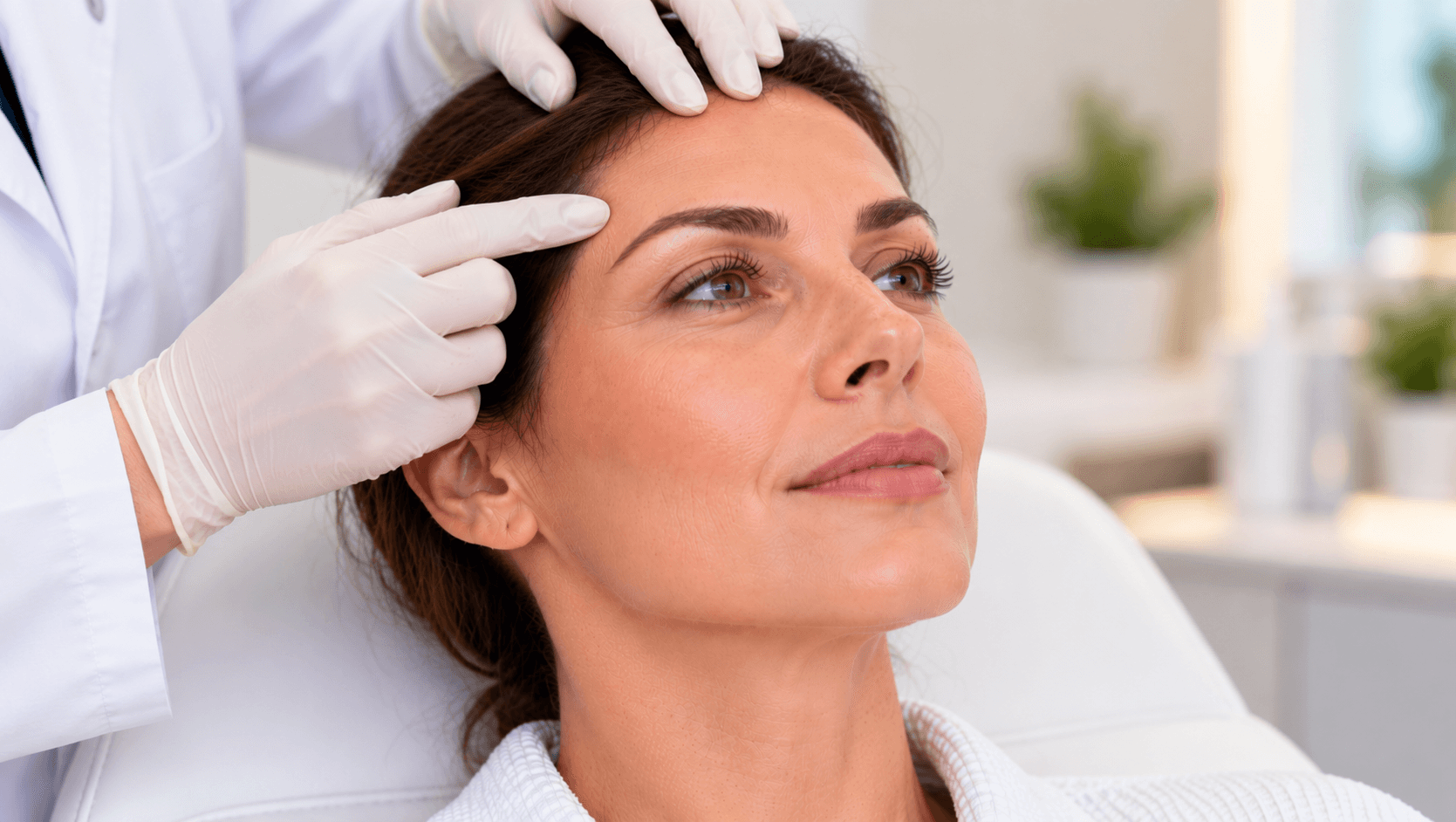
Proper patient selection and personalized planning make it possible to aim for a natural-looking result with French thread lift. Facial anatomy, skin elasticity, the degree of sagging, thread structure, and the application technique collectively determine the outcome. Therefore, no physician can guarantee a result regardless of the individual.
A French thread lift does not aim to completely reshape the facial contours. Using specialized threads placed beneath the skin, the physician supports tissues that have shifted downward. This approach aims to define the facial oval and give the individual a more rested expression. The method is a limited procedure that does not fall within the scope of surgical facelift surgery. Nevertheless, like any procedure performed beneath the skin, it requires medical evaluation and experience.
A natural appearance does not simply mean moving tissue upward. The physician must preserve facial proportions, facial expressions, tissue thickness, and subtle differences between the two halves of the face. Bones, ligaments, muscles, fat compartments, and skin age at different rates. The combined changes in these layers create a different pattern of aging in every face (Cotofana et al., 2016). Effective planning is also based on this pattern.
There is a clear distinction between a French thread lift and a surgical facelift. Thread lifting supports the tissues. A surgical facelift, on the other hand, allows for more extensive tissue adjustments and the removal of excess skin. In individuals with advanced sagging or significant excess skin, threads cannot provide a change on the same scale. A realistic goal begins with acknowledging the limitations of the method from the outset.
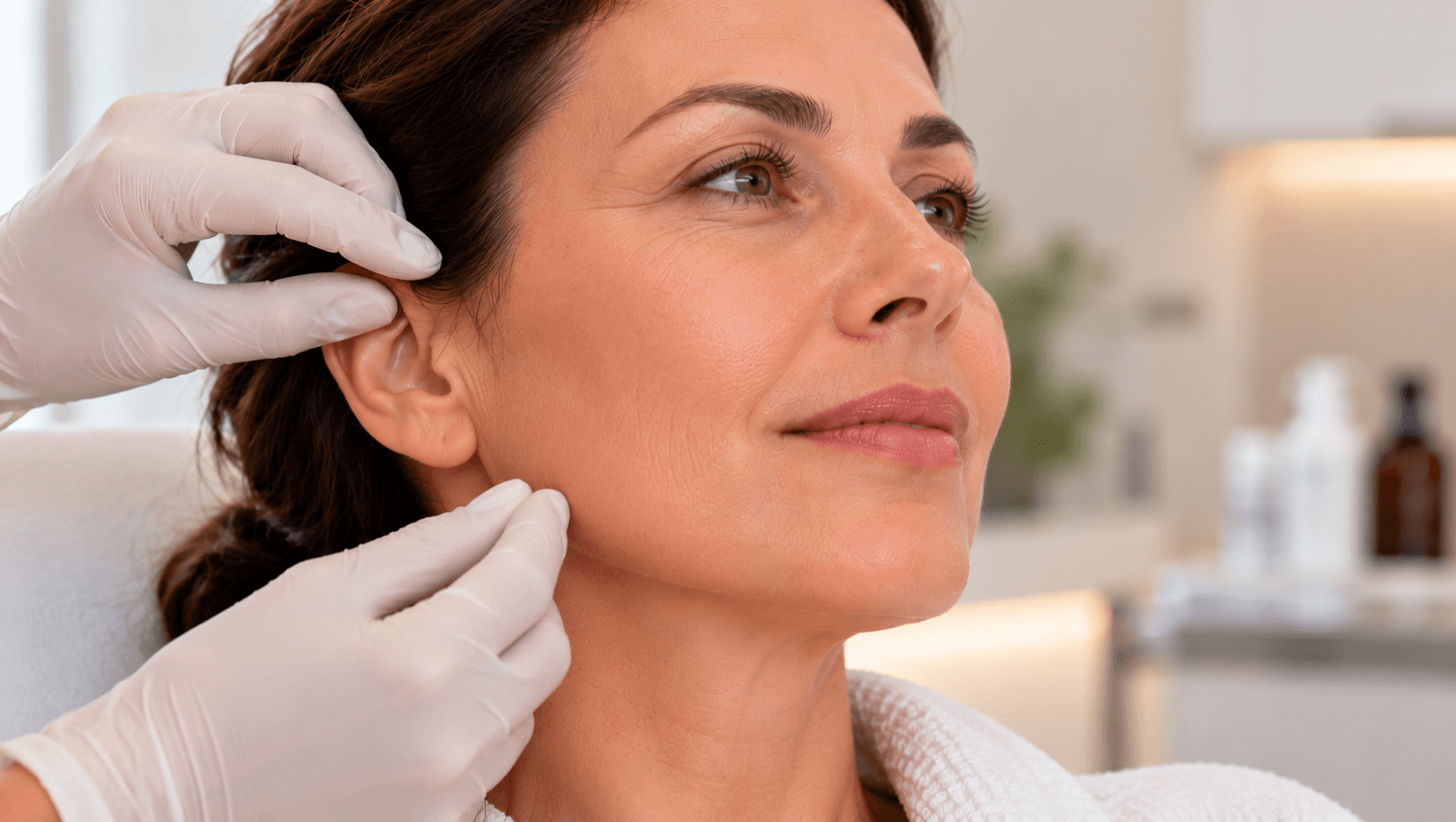
A French thread lift supports soft tissues prone to sagging upward and in appropriate lateral directions. This support aims to create a more balanced appearance in the cheeks, jawline, and facial oval. In suitable patients, the area around the eyebrows may also be included in the treatment plan.
The physician advances the threads at the predetermined depth and in the planned direction. The supporting structure of the threads helps the tissue remain supported in its new position. The lifting direction is not exclusively upward. The regional anatomy of the face may require different outward or lateral directions of support. Therefore, the procedure is not based on the concept of pulling the skin along a single line.
Facial area | Primary change assessed | Realistic goal | Limitation of the method |
Cheeks | Downward displacement of the midface tissue | Improve the cheek transition and midface support | Does not address significant volume loss on its own |
Jawline | The boundary becoming less defined due to lax tissues in the lower face | Make the jawline appear more defined | Does not correct advanced jowling or excess skin |
Facial oval | A change in the proportion between the lower and midface | Create a more balanced contour | Does not change the bone structure |
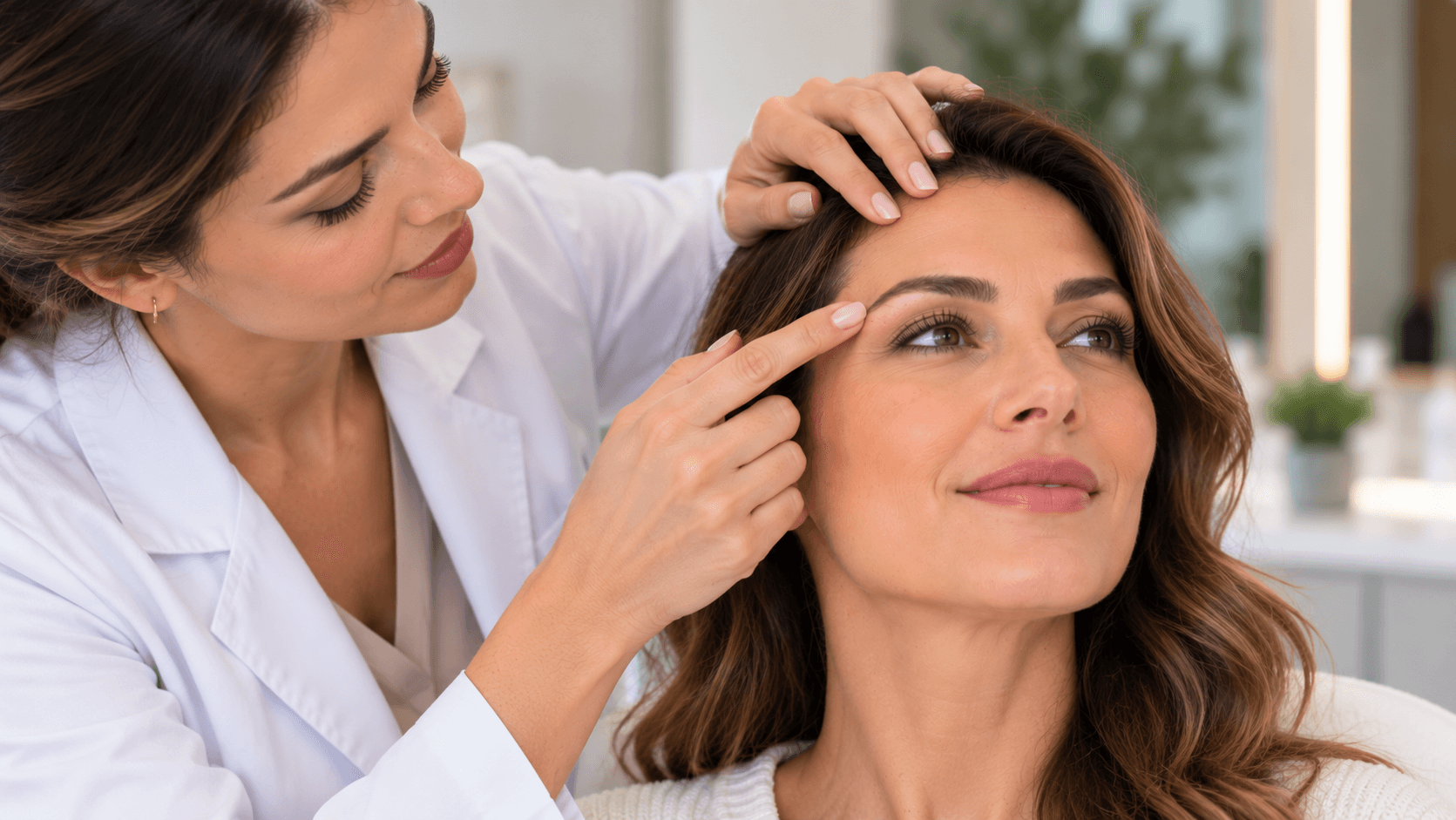
Brow area | A tendency for the brow tail to droop | Aim for a more open, refreshed gaze in suitable patients | Does not remove excess skin from the eyelid |
These changes are intended to support the existing contours, not to make the face look tight or expressionless. Thread lifting does not renew the skin surface. It does not erase deep wrinkles. Nor does it replace lost volume like a tissue filler. If the person's main concern is skin quality, deep wrinkles, or reduced volume, the physician evaluates different options. This ensures that the treatment goal and the function of the method are aligned.
Three key factors determine a natural result: the lifting direction matching the facial anatomy, the suitability of the skin and degree of sagging for the technique, and preserving natural expression and symmetry. The number of threads or lifting strength alone is not a measure of success.
These factors complement one another. The correct direction cannot compensate for unsuitable skin quality. Good skin elasticity cannot correct an unbalanced lifting plan either. For this reason, before the procedure, the physician does not rely solely on static photographs. They also examine how the face moves while smiling, speaking, and raising the eyebrows.
The physician determines the direction of suspension by examining the direction of sagging and tissue distribution in each area separately. The aim is not to pull the tissue to the highest point, but to create balanced support within the facial oval.
The fatty tissue in the cheek does not behave in the same way as the laxity along the jawline. While vertical support may be more important in one area, lateral support may be needed in another. The physician plans the fixation point and the path of the thread according to these differences. Tissue thickness is also important in terms of the thread’s visibility and the pressure around it.
Applying the same template to every patient overlooks these distinctions. A standard direction map may place unequal loads on weak or heavy tissue. Personalized planning evaluates the needs of each area separately. This approach helps the facial oval appear balanced as a whole.
Skin that retains its elasticity and mild to moderate sagging provide a more suitable foundation for thread support. Advanced tissue laxity and significant excess skin may create a need that cannot be addressed with suspension alone.
Skin elasticity refers to the skin’s ability to return to its previous state after being stretched. Tissue thickness affects the load carried by the thread and its appearance on the skin’s surface. While aging alters the supporting structures of the skin, it also changes the position and volume of the fat compartments. Therefore, the physician cannot make a decision based solely on chronological age (Cotofana et al., 2016).
In cases of mild sagging, limited support can provide a noticeable improvement in facial contours. With moderate sagging, the outcome depends more heavily on the weight of the tissue and the fixation conditions. In cases of advanced laxity, lifting loose skin upward does not eliminate excess skin. In this situation, the physician should explain alternative options, including surgical procedures.
The physician preserves the patient’s expression by incorporating their existing facial proportions, expressions, and natural asymmetries into the treatment plan. The goal is not to mechanically equalize the two sides of the face, but to preserve the individual’s recognizable features.
Small differences between the right and left sides of the human face are naturally present. Eyebrow height, eye opening, and the way a person smiles may not be identical on both sides. Pre-procedure records make these differences visible. This allows the physician to avoid attempting to correct a natural difference as though it were a problem caused by the procedure.
Excessive lifting can create tension in the tissue during facial expressions. Pulling that is incompatible with the tissue distribution may also cause puckering or a rigid line in certain areas. Balanced planning considers the appearance both at rest and during movement. A natural result means looking more refreshed without changing the person’s face.
The thread’s flexibility, supporting structure, and behavior within the tissue influence its compatibility with facial expressions and the way it provides support. Nevertheless, the type of thread alone does not guarantee a natural result. The placement technique and the patient’s tissue characteristics are equally important.
Some systems offered under the name French thread lift contain a flexible silicone-based structure and an external supporting component. This design aims to support the tissue while adapting to facial movements. However, product names and structural features may vary by manufacturer. The physician should explain the composition of the thread to be used, whether it is absorbable, and how it will be anchored.
Scientific reviews evaluate flexible silicone-containing threads separately from traditional suture-like threads. Flexibility offers a design feature in terms of adapting to movement. On the other hand, excessive tension may create unwanted pressure on the tissue. Non-absorbable materials also carry a risk of inflammation or a foreign-body reaction over the long term (Hong et al., 2024). Therefore, flexibility alone does not mean superiority.
Feature | Flexible, non-absorbable thread systems | Polydioxanone threads |
Basic structure | A silicone-containing core and external supporting structure, depending on the product | Absorbable synthetic suture material |
Behavior in the body | Retains its structure and remains in the tissue | Biodegrades and is absorbed over time |
Movement objective | Adapt to facial expressions through a flexible design | Support the tissue through the product’s shape and barb structure |
Evaluation criteria | Tension, anchoring, long-term tissue response | Thread thickness, barb structure, absorption, and tissue response |
Evidence limitation | Comparative data specific to the name French thread lift are limited | The study results cannot be directly applied to the French thread lift |
Research on polydioxanone threads helps clarify the differences between materials. However, these studies examine different thread designs and techniques. Therefore, it would not be scientifically accurate to equate the outcome of one product with that of another. For a natural appearance, the characteristics of the thread, the correct depth, the appropriate direction, and moderate tension must be evaluated together.

People with mild to moderate sagging along the facial oval, skin quality suitable for thread support, and expectations of a limited change may be suitable candidates for evaluation. Overall health and realistic expectations are also part of the decision.
This method may offer an option for people who do not want surgical facelift surgery. It may also be considered for tissue laxity that does not yet require extensive surgical intervention. The determining factor is not the person’s desire to avoid surgery, but whether their anatomical needs can be addressed with thread lifting. Otherwise, a less extensive procedure does not necessarily mean an adequate result.
When selecting patients, the physician evaluates four areas together:
Skin elasticity and tissue thickness
The location and degree of sagging
Overall health status in terms of bleeding, infection, and healing
The extent and duration of the change expected by the individual
A study involving 31 procedures performed with polydioxanone threads reported that the most suitable results were observed in selected patients with limited sagging (Suh et al., 2015). This study does not directly evaluate the French thread lift. Nevertheless, it demonstrates the importance of patient selection in thread-lifting procedures. If there is significant excess skin or advanced tissue sagging, the physician should also assess whether a surgical facelift or another approach would be appropriate.
A French thread lift provides limited tissue support with threads. A surgical facelift, on the other hand, can restructure a wider area of tissue and remove excess skin. This difference affects the objectives, recovery process, and expectations regarding longevity of the two methods.
Comparison criterion | French thread lift | Surgical facelift |
Scope of the intervention | Placement of threads beneath the skin to support the tissue | Comprehensive surgical reshaping of the skin and deeper tissues |
Excess skin | Does not remove excess skin | Can remove excess skin using an appropriate technique |
Intended change | A more balanced and refreshed appearance in cases of mild sagging | Comprehensive correction of more advanced signs of aging |
Recovery process | Generally more limited, although the process varies from person to person | A more extensive surgical recovery and follow-up process |
Longevity of the result | Varies depending on the thread, technique, and aging process | Although aging continues, the effects of tissue reshaping last longer |
Main limitation | May not provide sufficient correction for advanced sagging | Requires a greater level of surgical risk management and aftercare |
Comparing the two methods solely in terms of recovery time is incomplete. A shorter recovery does not necessarily mean a more appropriate treatment. Similarly, more extensive surgery is not necessary for every patient. The physician makes the choice by matching the patient’s facial anatomy with their goals.
Evidence-based reviews contain cautious assessments regarding the effectiveness and long-term durability of thread lifting (Atiyeh et al., 2021). Therefore, surgical facelift may be a more comprehensive option for advanced signs of aging. The final decision should be made in consideration of the individual’s health status and expectations.
A natural appearance becomes more apparent as swelling and tenderness subside and the tissues adapt to their new support structure. This period varies from person to person. The appearance during the first few days does not represent the final result.
Swelling, bruising, tenderness, and a feeling of tightness may occur after the procedure. Temporary indentations or irregularities may also develop on the skin’s surface. The severity of these symptoms depends on the treatment area, tissue structure, and the individual’s healing response. Early asymmetry does not always indicate a permanent planning issue.
As healing progresses, swelling decreases and the facial contours take on a calmer appearance. During follow-up, the physician distinguishes between normal signs of healing and findings that require intervention. In cases of increasing pain, marked redness, fever, or worsening swelling, the patient should contact the physician without waiting for the scheduled check-up.
The patient should follow the physician’s aftercare recommendations and attend all follow-up appointments. Attempting to correct the results independently during the early recovery period is not advisable. Follow-up helps both the natural appearance develop and any potential problems be addressed in a timely manner.
Planning that does not suit the facial anatomy, excessive lifting, and uneven elevation of the tissues can lead to an artificial appearance. Incorrect depth or technical issues may also cause depressions, irregularities, and asymmetry in the skin.
Excessive tension can pull the facial contours beyond their natural boundaries. Uneven traction may create excessive support in one area and insufficient support in another. If the thread is positioned too close to the surface, the risk of skin indentations or visible lines may increase. Therefore, stronger pulling does not necessarily mean a better aesthetic result.
Aiming for a natural appearance does not eliminate the risk of complications. Infection, thread palpability, visibility, extrusion, or a prolonged tissue response may occur. In a review of 26 studies involving different thread systems, swelling was the most frequently reported problem. The review also reported skin depressions, changes in sensation, thread visibility or palpability, infection, and thread extrusion (Niu et al., 2021). These rates include different techniques and should not be interpreted as risk rates specific to the French thread lift.
This distinction helps ensure that patients receive realistic information. Before the procedure, the physician should explain the possible symptoms and when intervention may be necessary. If an unexpected problem occurs after the procedure, the patient should seek an evaluation.
It is not possible to provide a definitive timeframe that applies to everyone. The thread structure, application technique, skin characteristics, and ongoing aging process all affect longevity. A French thread lift does not stop aging.
The thread remaining in the tissue and the aesthetic result lasting at the same level are not the same concept. A non-absorbable thread may physically remain in place. Nevertheless, the skin, fat compartments, and supporting ligaments continue to change over time. The appearance of the face is also affected by these changes.
In a study involving 160 patients treated with polydioxanone threads, the improvement observed in the first month had decreased significantly by the sixth month, and the effect had disappeared after one year (Bertossi et al., 2019). This result applies only to the absorbable threads and technique used in that study. It cannot be presented as a duration guarantee for the French thread lift. Reviews involving different thread systems also indicate that long-term satisfaction may decline compared with the early post-procedure period (Niu et al., 2021).
The physician should explain the product information and individual factors rather than stating a definitive duration. Follow-up examinations provide an opportunity to objectively assess changes over time. Realistic long-term expectations also acknowledge that a new evaluation may be needed when appropriate.
Patients should expect the physician to perform a facial analysis, explain the characteristics of the threads, and clearly discuss the expected changes and risks. Pre-procedure information is the first step toward a natural result.
The physician should assess facial anatomy, the degree of sagging, skin quality, and aesthetic goals together. The examination does not only determine which area will be lifted. It also evaluates whether the method is suitable for the individual. The physician’s experience with similar anatomical concerns is important for planning and complication management.
The following questions should be answered clearly during the consultation:
What materials are the threads made of, and are they absorbed by the body?
What anatomical need is the planned lifting direction based on?
Within what limits can the expected changes be achieved?
What are the potential risks, and what steps should be taken if a significant problem develops?
How will the recovery and follow-up process be planned?
What alternative methods may be considered instead of thread lifting?
Before-and-after photographs should also be interpreted carefully. Lighting, angle, facial expression, and the timing of the photographs can change the appearance. Patients should focus on examples with a facial structure and initial degree of sagging similar to their own. Another patient’s result does not guarantee an individual outcome.
People are most curious about preserving facial expressions, the sensation of tightness, combining the procedure with fillers, the effects of age, and what steps to take in the event of unwanted results. The answer to each question depends on an individual assessment.
These questions show that a natural appearance does not depend solely on the procedure itself. Planning, recovery, and, when necessary, the correction process also affect the result. The answers below provide general information and do not replace an individual examination.
The method aims to preserve natural facial expressions. Nevertheless, its effect on facial expression depends on the application technique, thread tension, and the individual’s tissue characteristics.
The physician evaluates movement not only at rest but also while smiling and speaking. Moderate support aims to refine facial contours without altering facial expression. Excessive tension or placement that does not accommodate moving tissue may cause discomfort during facial expressions and create an unnatural appearance.
The sensation of tightness during the initial period is often associated with the healing process. A persistently overly tight appearance is more commonly linked to excessive lifting or unbalanced tissue support.
Swelling and tissue sensitivity may cause the face to feel firmer in the early period. During follow-up, the physician evaluates how this sensation progresses and examines the skin surface. If the tightness does not decrease, the appearance worsens, or other symptoms develop, the patient should request a reassessment.
In some patients, the two methods may be planned together to address different needs. A thread lift supports the tissue, while fillers aim to correct volume loss. A combination is not necessary for every patient.
Sagging and volume loss are not the same condition. In a person with significant hollowing in the cheeks, providing only upward support will not restore the missing volume. Conversely, additional filler may create unnecessary fullness in a face with sufficient volume. The physician determines the treatment sequence, areas, and product selection based on an individual assessment.
Age alone does not determine a natural result. Skin quality, the degree of sagging, overall health, and expectations should be evaluated together.
Tissue thickness and elasticity may differ significantly between two people of the same age. A younger person may have pronounced volume loss, while an older person may have excess skin as the primary concern. Therefore, the physician focuses on anatomical suitability rather than an age range. Age is only one part of the risk and recovery assessment.
The patient should first consult the physician who performed the procedure. Options for correction or thread removal depend on the thread’s structure, placement, the nature of the issue, and the time elapsed.
Early-stage swelling or temporary asymmetry must be distinguished from a lasting problem. The physician first determines the source of the issue. They then explain the appropriate option among observation, correction, or removal. Removing non-absorbable threads around which a tissue response has developed may not always be simple. Therefore, the patient should undergo a detailed assessment before having another procedure.
Abraham, Rima F., et al. “Thread-Lift for Facial Rejuvenation: Assessment of Long-Term Results.” Archives of Facial Plastic Surgery, vol. 11, no. 3, 2009, pp. 178–183.
Atiyeh, Bishara S., et al. “Percutaneous Thread Lift Facial Rejuvenation: Literature Review and Evidence-Based Analysis.” Aesthetic Plastic Surgery, vol. 45, no. 4, 2021, pp. 1540–1550. https://doi.org/10.1007/s00266-020-02095-1.
Bertossi, Dario, et al. “Effectiveness, Longevity, and Complications of Facelift by Barbed Suture Insertion.” Aesthetic Surgery Journal, vol. 39, no. 3, 2019, pp. 241–247. https://doi.org/10.1093/asj/sjy042.
Cotofana, Sebastian, et al. “The Anatomy of the Aging Face: A Review.” Facial Plastic Surgery, volume 32, issue 3, 2016, pages 253–260. https://doi.org/10.1055/s-0036-1582234.
Hong, Gi-Woong, et al. “Thread-Lifting Materials: A Review of Their Technical and Mechanical Differences.” Clinical, Cosmetic and Investigational , volume 17, 2024, pages 999–1006. https://doi.org/10.2147/CCID.S457352.
Niu, Zehao, et al. “A Meta-Analysis and Systematic Review of the Incidence of Complications Following Facial Thread-Lifting.” Aesthetic Plastic Surgery, volume 45, issue 5, 2021, pages 2148–2158. https://doi.org/10.1007/s00266-021-02256-w.
Suh, Dong Hye, et al. “Outcomes of Knotless Polydioxanone Thread Lifting for Facial Rejuvenation.” Surgery, volume 41, issue 6, 2015, pages 720–725.