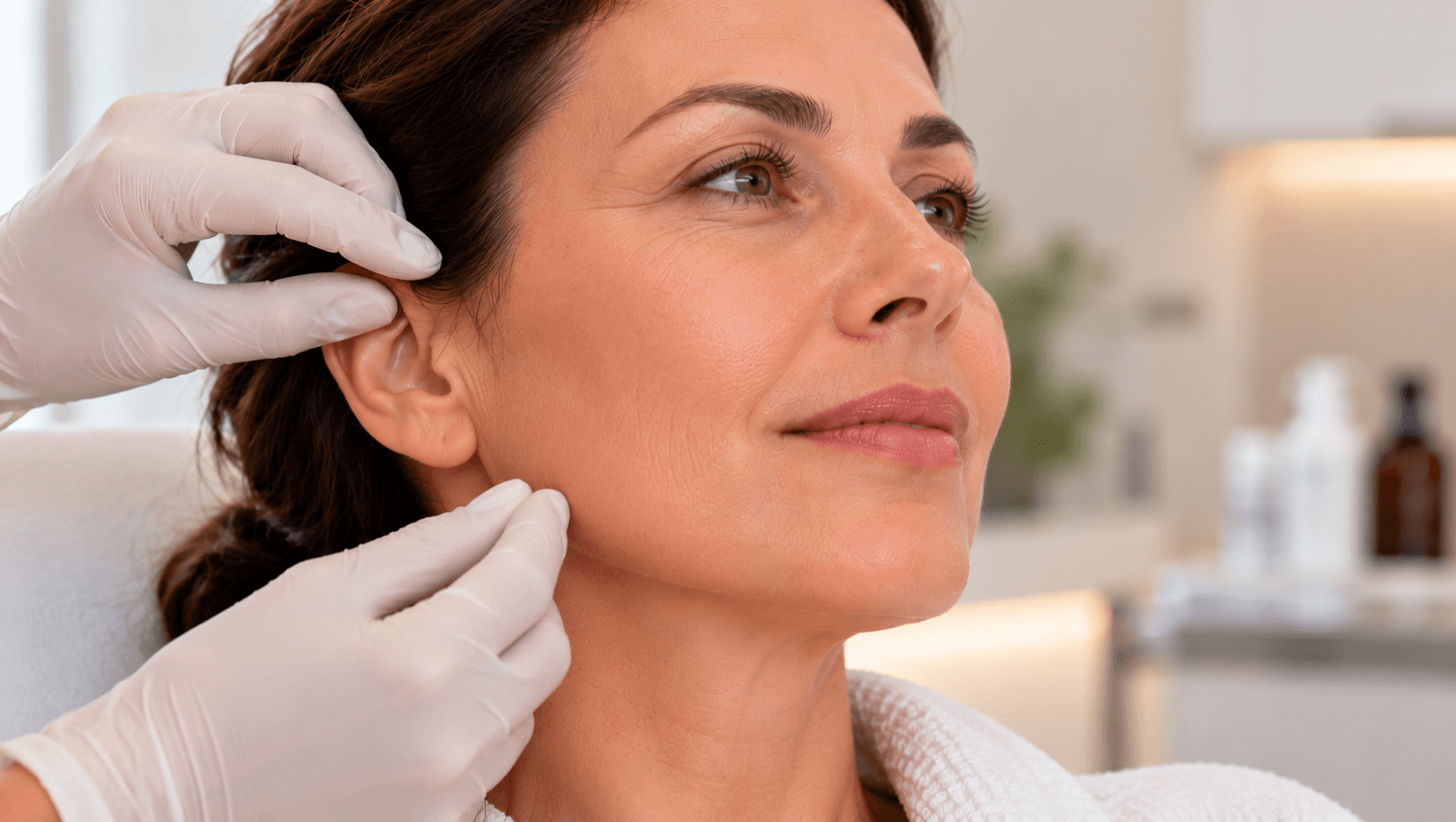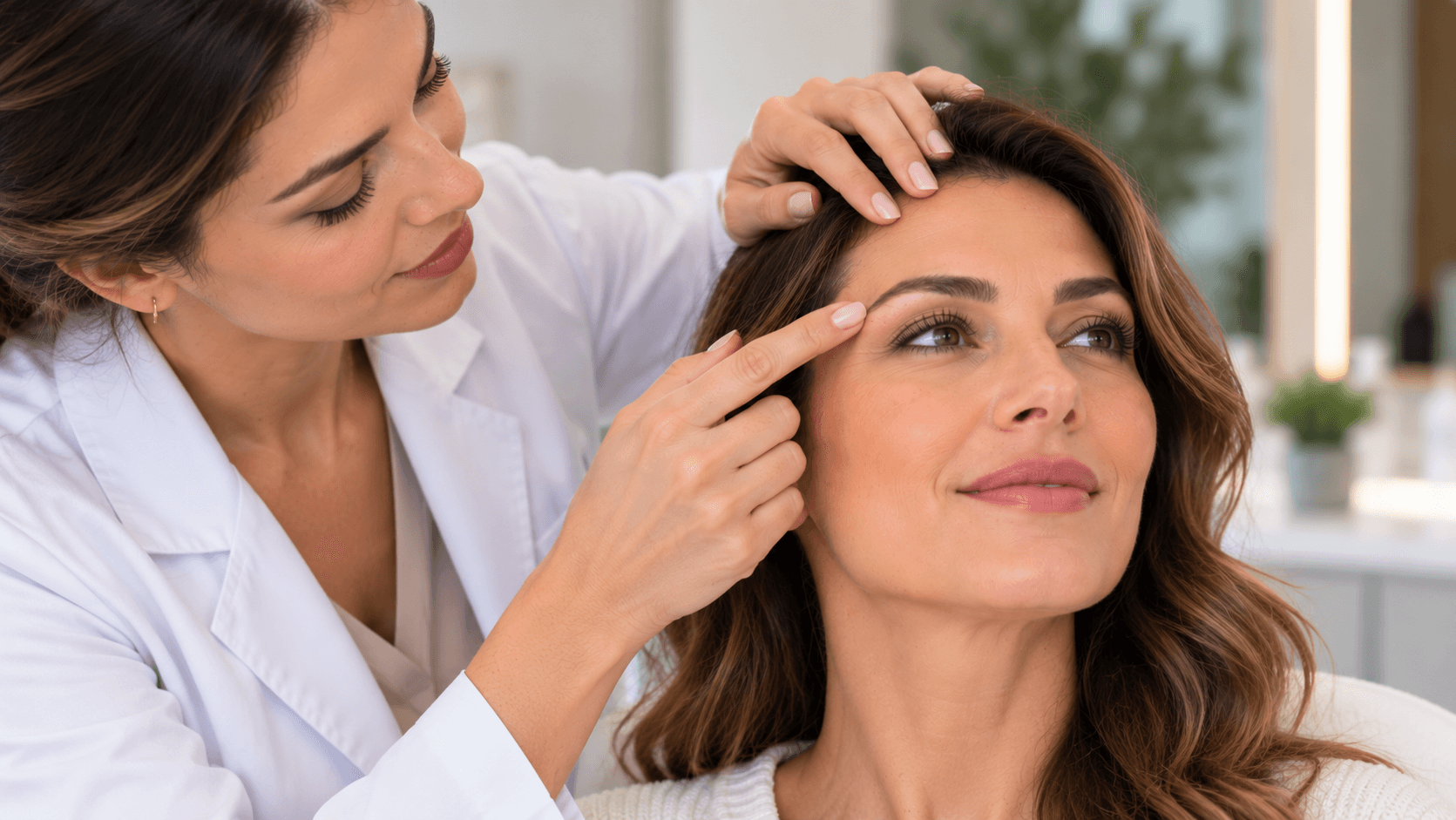
Yükleniyor…

There is no fixed age suitable for everyone for Ulthera. The decision is based on skin laxity, loss of elasticity, overall health, and the individual’s expectations. Many people consider this option in their 30s and 40s. However, chronological age alone does not indicate the need for treatment.
In some people, laxity becomes noticeable at an early age. Others may have good tissue support even at an advanced age. For this reason, the specialist evaluates age information together with a skin examination. The goal is not to reach a specific age, but to address a meaningful concern in the right candidate.
Ulthera is a microfocused ultrasound treatment, also known as Ultherapy. Research shows that it may provide limited but measurable tightening in cases of mild to moderate facial laxity. However, results vary from person to person. The method is not a substitute for surgical facelift procedures in cases of advanced skin sagging (Contini et al., 2023).
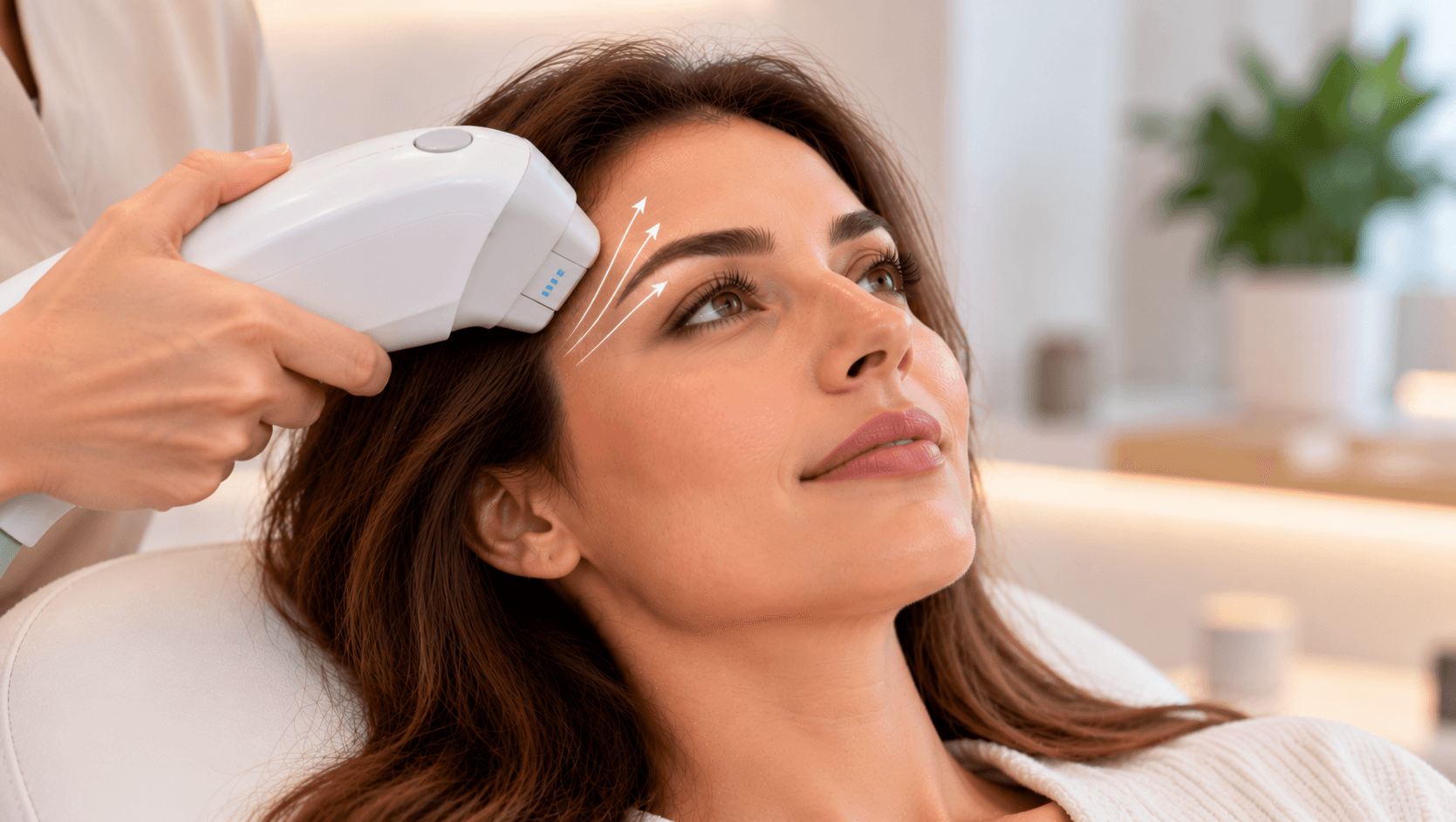
Ulthera focuses ultrasound energy on small points at selected tissue depths. The controlled heat generated initiates biological processes that support tissue repair and new collagen production. It does not create an incision on the skin’s surface.
Microfocused ultrasound concentrates sound waves at a specific depth. The temperature rises at these focal points, creating microscopic areas of thermal effect. As the body repairs these areas, it stimulates the renewal of proteins involved in tissue support. Systems with imaging capabilities help the practitioner assess the skin layers during the procedure.
Collagen is one of the primary proteins that forms the skin’s supporting structure. Elastin fibers contribute to the tissue stretching and returning to its original shape. Aging progresses alongside reduced fibroblast activity and changes in supporting tissue. Ultraviolet rays and smoking can also accelerate the breakdown of collagen and elastin (Ganceviciene et al., 2012).
This biological relationship explains why Ulthera does not work like a treatment that provides immediate fullness. Instead of adding volume, the method targets the firmness of existing tissue. Therefore, even though the term non-surgical facelift is used, the expected change is not the same as surgical removal of tissue.
Feature | Target of microfocused ultrasound | Not an expected effect |
Primary goal | Skin laxity and tissue support | Directly increasing facial volume |
Process of action | Controlled heat and tissue regeneration | Immediate, permanent change |
Clinical purpose | Tightening mild or moderate laxity | Removing significant excess skin |
Nature of results | Individualized, generally moderate improvement | The same degree of lifting in everyone |
The most suitable time is determined when treatable skin laxity develops and the expected benefits are balanced against the risks. Biological age and apparent skin age do not always coincide.
The specialist first assesses the location and degree of laxity. The brow area, cheeks, jawline, submental area, and neck are evaluated separately. Fine lines alone do not require ultrasound treatment. Surface skin texture concerns are also distinguished from deeper structural support loss.
Genetic characteristics affect the rate of aging. Prolonged sun exposure, smoking, and environmental factors contribute to this process. Therefore, different decisions may be made for two people of the same age. Sun protection and avoiding smoking do not erase existing damage. However, they reduce preventable external aging stress.
The following three questions help guide the assessment:
Is laxity the primary concern troubling the person?
Is the degree of laxity within the limits of a non-surgical method?
Is the expected improvement aligned with the person’s goals?
The answers to these questions provide a more useful decision-making framework than age alone.
For people without significant skin laxity, especially those in their early 20s, Ulthera is generally not necessary. There is insufficient evidence to support routine treatment solely for the purpose of preventing future aging.
During this period, a tired appearance in the face may not always be caused by tissue sagging. Sleep patterns, weight changes, dry skin, expression lines, or facial structure may also affect one’s appearance. If the wrong target is selected, the procedure will not address the person’s actual concern.
People who notice early laxity in their late 20s may seek an individual examination. The specialist distinguishes whether the finding reflects a true loss of elasticity or an appearance resulting from facial anatomy. If treatment is indicated, its scope and potential benefits are considered separately.
There is an important difference between preventive treatment and addressing an existing concern. A preventive approach involves treatment before a clear problem has developed. A problem-oriented approach targets a measurable finding. From a scientific evaluation standpoint, the latter provides a clearer assessment of benefit.
In your 30s, Ulthera may be considered for individuals who develop mild to moderate laxity and are seeking a non-surgical option. Reduced definition along the jawline, softening beneath the chin, and early laxity in the neck may be among the reasons for seeking treatment.
In this age group, the concern often begins in a limited area. A person may notice that the jawline no longer looks as defined in photographs as it once did. However, the source of this change may not be the skin alone. Fat distribution, weight gain, and skeletal support can also alter the appearance. Treatment should not be selected without first identifying the underlying cause.
The goal of supporting collagen production requires realistic expectations regarding timing. The appearance immediately after the procedure does not represent the final biological response. The specialist develops a plan based on skin thickness, tissue mobility, the degree of laxity, and the target area.
Age 30 is not an automatic starting point. What distinguishes this period is that early tissue changes may become noticeable in some individuals. If there are no examination findings, planning treatment based solely on age is not an appropriate approach.
In your 40s, Ulthera may reduce the appearance of mild to moderate laxity in suitable candidates. The extent of the benefit depends on the initial condition of the tissue, the treatment area, and the individual’s biological response.
During this period, the loss of supportive tissue may become more pronounced. Downward movement of the cheek tissue, irregularity along the jawline, and neck laxity may occur together. Ulthera targets only the skin-tightening component of this situation. Different options may be needed for volume loss or significant excess tissue.
A 2023 systematic review by Contini and colleagues brought together studies reporting tightening in cases of mild to moderate facial laxity. While researcher assessments in the review showed high improvement rates, the changes reported by patients were more modest. In addition, all the studies included female participants. This indicates that the results cannot be applied to everyone with the same degree of certainty (Contini et al., 2023).
Therefore, the primary benefit in your 40s is not the expectation of a dramatic transformation. For suitable candidates, the goal is a limited, gradual improvement that preserves a natural appearance. If a person desires a more noticeable change, alternatives should also be discussed.
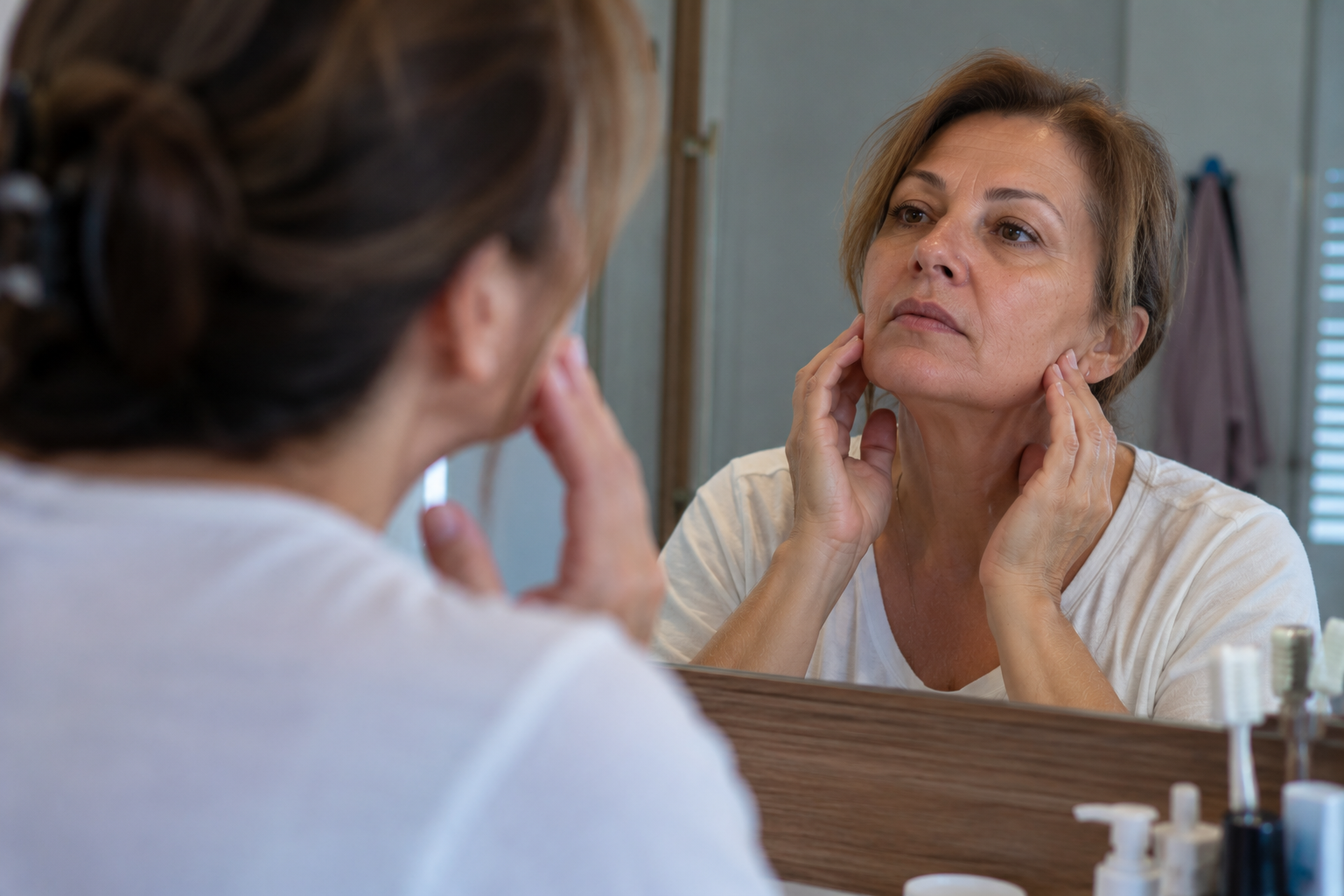
Yes, advanced age alone is not a contraindication to Ulthera. Suitability is determined by the condition of the skin, medical history, and the benefit that can reasonably be expected from treatment. Some older individuals with mild to moderate laxity may be suitable candidates.
As we age, the extent of changes in the skin may increase. Laxity may be accompanied by skin thinning, loss of elasticity, volume loss, and deeper wrinkles. Therefore, the examination should determine not only whether sagging is present, but also which component is predominant.
When there is significant excess skin, the improvement that ultrasound energy can provide may be limited. Review findings suggest that the likelihood of a favorable outcome may decrease as excessive laxity increases (Contini et al., 2023). In such cases, a surgical facelift or a different approach may be more appropriate.
When making decisions at an advanced age, the goal should be clarified rather than reduced. If the individual wants mild tightening, Ulthera may be considered. If they expect excess skin to be removed and a noticeable lift, the limitations of a non-surgical procedure should be explained clearly.
Degree of laxity | General approach regarding Ulthera | Key consideration in the decision |
No significant laxity | The procedure may not be necessary | No genuine treatment goal |
Mild laxity | May be considered | The expected change should be modest |
Moderate laxity | May be planned according to the individual | Tissue quality and treatment area |
Advanced laxity | Benefits may be limited | Consideration of surgical or alternative options |
A suitable candidate is someone with treatable laxity, an overall health status that permits the procedure, and realistic expectations regarding the results. These factors are assessed together.
Skin laxity: The specialist evaluates how the tissue responds to gravity and movement. Mild to moderate laxity represents the most suitable target group in research studies. Advanced excess tissue may require a different solution.
Skin quality: Elasticity, thickness, and existing signs of aging affect the treatment plan. Surface-level pigmentation or texture concerns are not the same clinical condition as deep laxity.
Overall health status: Medical history, active skin problems, and specific conditions affecting the treatment area are reviewed. Any medications being used and previous procedures should also be disclosed.
Realistic expectations: Patients should understand that Ulthera does not involve surgical incisions or tissue removal. This feature may facilitate the recovery process. However, it does not make the magnitude of the effect equivalent to surgery.
Personal treatment history: Previous energy-based treatments, surgeries, fillers, and implants in the area are evaluated by the specialist. This information helps ensure the treatment area and technique are planned safely.
Expert opinions on safety emphasize the importance of proper patient selection and planning based on imaging of the tissue layers (Pavicic et al., 2022).
Ulthera may be considered for tissue lifting or tightening in areas such as the eyebrows, under the chin, and the neck, and for improving the appearance of lines in the décolleté area. Its use varies according to the device’s approved indications and technical specifications.
In the eyebrow area, the goal is to achieve a measured elevation in the position of the tissue. Under the chin and on the neck, the appearance of laxity is addressed. In the lower face, enhancing the definition of the jawline may be targeted. Décolleté treatment focuses primarily on the appearance of superficial lines rather than tissue lifting.
The anatomy of each area is different. Skin thickness, fatty tissue, and underlying structures vary. Therefore, the same settings are not applied to every area. Imaging helps determine the appropriate tissue depth.
The fact that an area is technically suitable for treatment does not mean it will be beneficial for that individual. Indication and individual need are separate concepts. The specialist should evaluate both together.
Changes generally develop over the course of weeks and months. The duration varies from person to person, and results are not considered permanent because the aging process continues. The timing of follow-up appointments and the need for repeat treatment are determined through individual monitoring.
The early appearance after treatment may be influenced by a temporary tissue response. New collagen formation and tissue remodeling, however, require time. For this reason, evaluation is generally based on follow-up over several months.
Kerscher and colleagues examined skin physiology and elasticity measurements for 24 weeks after microfocused ultrasound treatment. The study showed that the tissue response changed over time (Kerscher et al., 2019). A small-scale pilot study by Werschler and colleagues reported that some improvements could persist for up to one year. However, small study groups and different measurement methods make it difficult to establish a definitive duration (Werschler et al., 2016).
Age, the degree of laxity at baseline, skin quality, and lifestyle habits may affect the outcome. Follow-up using standardized photographs helps enable an objective comparison of changes. The decision to schedule a new session should be based not only on the calendar, but also on the current findings and the individual’s goals.
Before the procedure, an examination should be performed by a qualified healthcare professional; the benefits, risks, limitations, and alternatives should be discussed clearly. The device name alone does not guarantee safe or appropriate treatment planning.
During the consultation, the skin is examined, and the patient’s medical history, medications, and previous aesthetic procedures are reviewed. The area of concern identified by the patient is compared with the findings measured by the specialist. Expectations are aligned with the change that is clinically achievable.
If there is an open wound, active lesion, or severe or cystic acne in the treatment area, the procedure may be postponed or not performed. Certain implants and localized health conditions are also assessed according to the device’s instructions for use. Patients should provide complete information about their medical history.
Pain, redness, edema, bruising, and temporary sensory changes have been reported in studies. Less common adverse effects may also occur. While a systematic review reported that most adverse effects were temporary, it noted that different device settings and treatment methods make comparisons difficult (Contini et al., 2023).
An informed decision involves more than simply consenting to the procedure. Patients should also understand the expected benefits, potential discomforts, follow-up process, and the option of not undergoing the procedure.
The common answer to these questions is that age or skin type alone should not determine the decision. The explanations below provide general information and do not replace an individual examination.
No, age 30 is not a definitive or ideal starting point. Treatment may not be necessary at this age. In another person, however, early laxity that may be considered for treatment could be present. The decision is based on examination findings and the expected benefit.
Technically, age alone is not a deciding factor; however, if there is no significant laxity at age 25, the procedure is often unnecessary. The source of the concern should be identified first. The need for treatment should be confirmed through specialist evaluation.
Age 29 is neither generally too late nor automatically too early. Existing skin laxity, the desired change, and alternative options are the determining factors. If there is no treatment goal, choosing not to undergo the procedure may also be an appropriate decision.
It may provide benefits for some individuals, but the extent of the effect depends on skin quality and the degree of laxity. Results may be limited in cases of significant excess skin. Therefore, different approaches, including surgical options, should also be considered.
It cannot be said to be suitable for everyone. In addition to skin type and tone, overall health, the treatment area, active skin conditions, and the device’s instructions are important considerations. Suitability is determined through an individualized safety assessment.
No, Ulthera is not equivalent to a surgical facelift. The non-surgical method aims for more moderate tightening in suitable candidates. Surgery may be a more appropriate option in cases of significant excess skin and advanced sagging.
Contini, M., M. H. J. Hollander, A. Vissink, R. H. Schepers, J. Jansma and J. Schortinghuis. “A Systematic Review of the Efficacy of Microfocused Ultrasound for Facial Skin Tightening.” International Journal of Environmental Research and Public Health, vol. 20, no. 2, 2023, p. 1522.
Ganceviciene, Ruta, Aikaterini I. Liakou, Athanasios Theodoridis, Evgenia Makrantonaki and Christos C. Zouboulis. “Skin Anti-Aging Strategies.” Dermato-Endocrinology, vol. 4, no. 3, 2012, pp. 308–319.
Kerscher, Martina, Ayu T. Nurrisyanti, Claudia Eiben-Nielson, Susanne Hartmann and Jasmin Lambert-Baumann. “Skin Physiology and Safety of Microfocused Ultrasound with Visualization for Improving Skin Laxity.” Clinical, Cosmetic and Investigational , vol. 12, 2019, pp. 71–79.
Pavicic, Tatjana, Jeremy R. Ballard, Tatiana Bykovskaya, Nicholas Corduff, Chytra Hirano, JY Park and colleagues. “Microfocused Ultrasound with Visualization: Consensus on Safety and Review of Energy-Based Devices.” Journal of Cosmetic , vol. 21, no. 2, 2022, pp. 636–647.
Werschler, W. Philip and P. S. Werschler. “Long-Term Efficacy of Micro-Focused Ultrasound with Visualization for Lifting and Tightening Lax Facial and Neck Skin Using a Customized Vectoring Treatment Method.” The Journal of Clinical and Aesthetic , vol. 9, no. 2, 2016, pp. 27–33.