Yükleniyor…
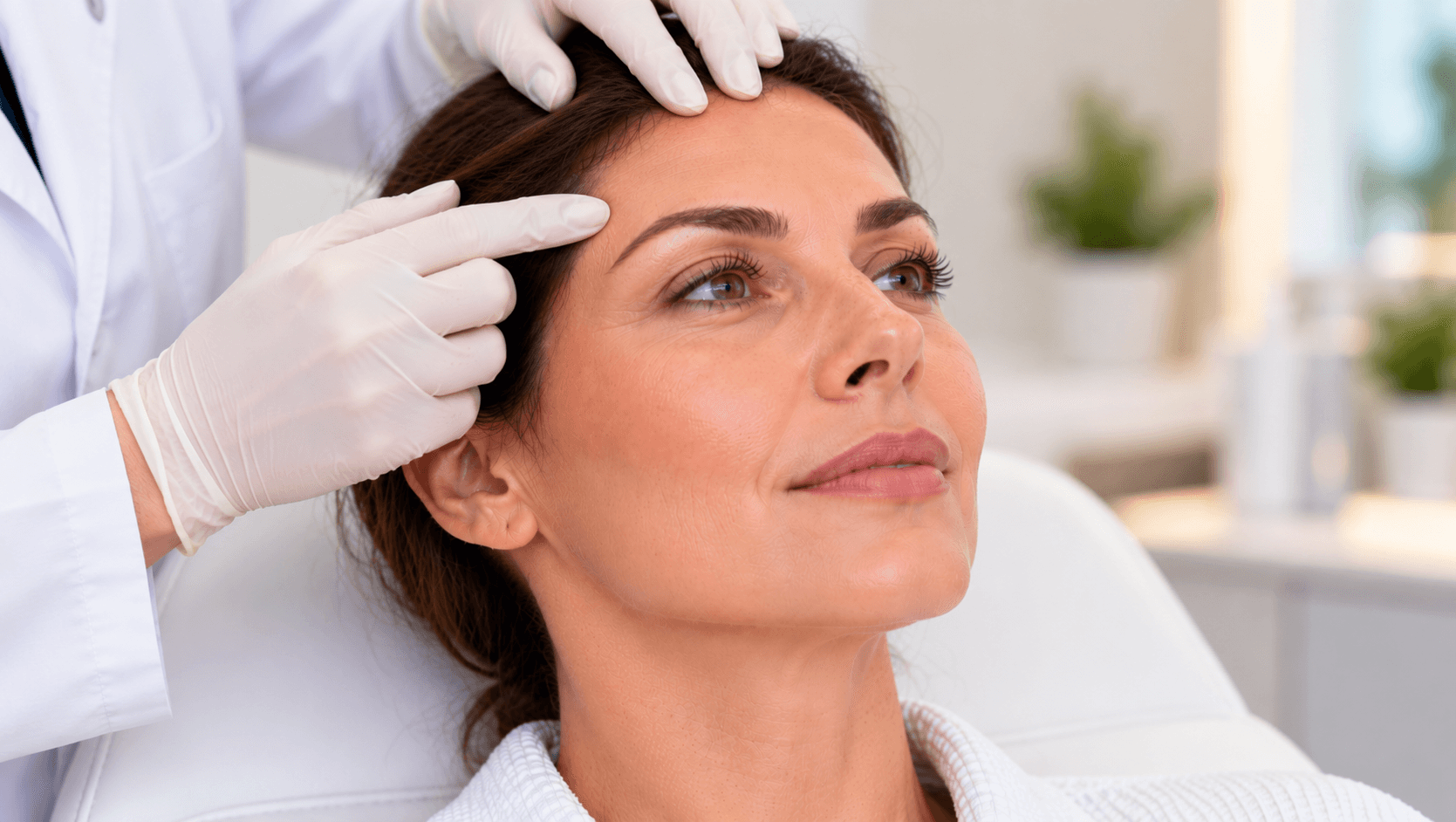
Laser brow lift preparation is a personalized process that includes expert evaluation, adjustment of the skincare routine, sun protection, medication guidance, and establishing realistic expectations. These steps support skin safety, reduce potential side effects, and clarify the results achieved from the procedure.
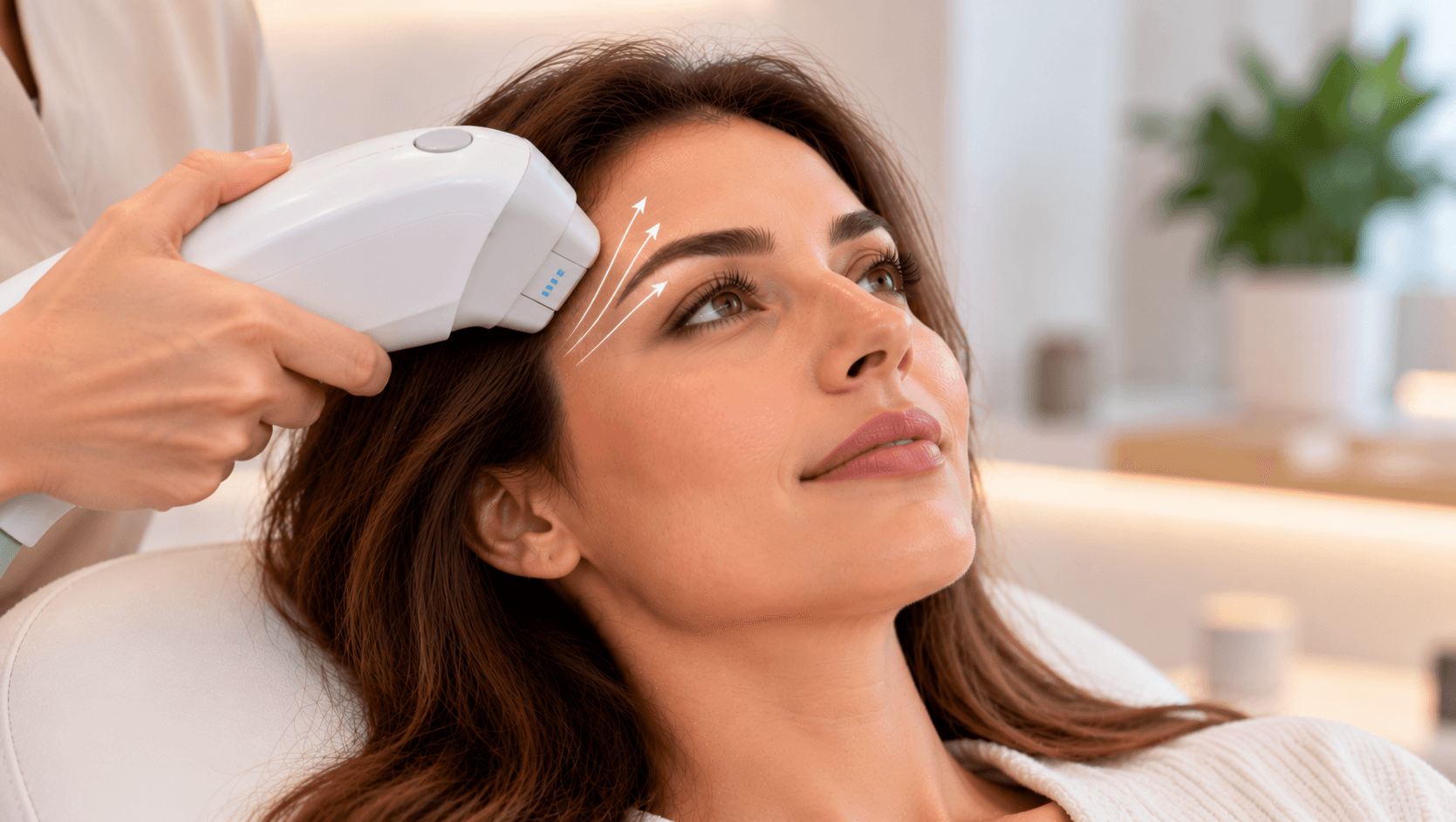
Laser brow lifting is a non-surgical method that supports collagen renewal by applying controlled energy to the skin. Its aim is to naturally correct brow drooping and give the eye area a more youthful, dynamic appearance. However, achieving this result safely largely depends on proper pre-procedure preparation. The surgical preparation recommendations of the American Society of Plastic Surgeons differ from clinical information specific to laser treatments. In this guide, instructions specific to surgical procedures are not directly applied to laser treatments; instead, each section provides information suited to laser applications and based on expert evaluation.
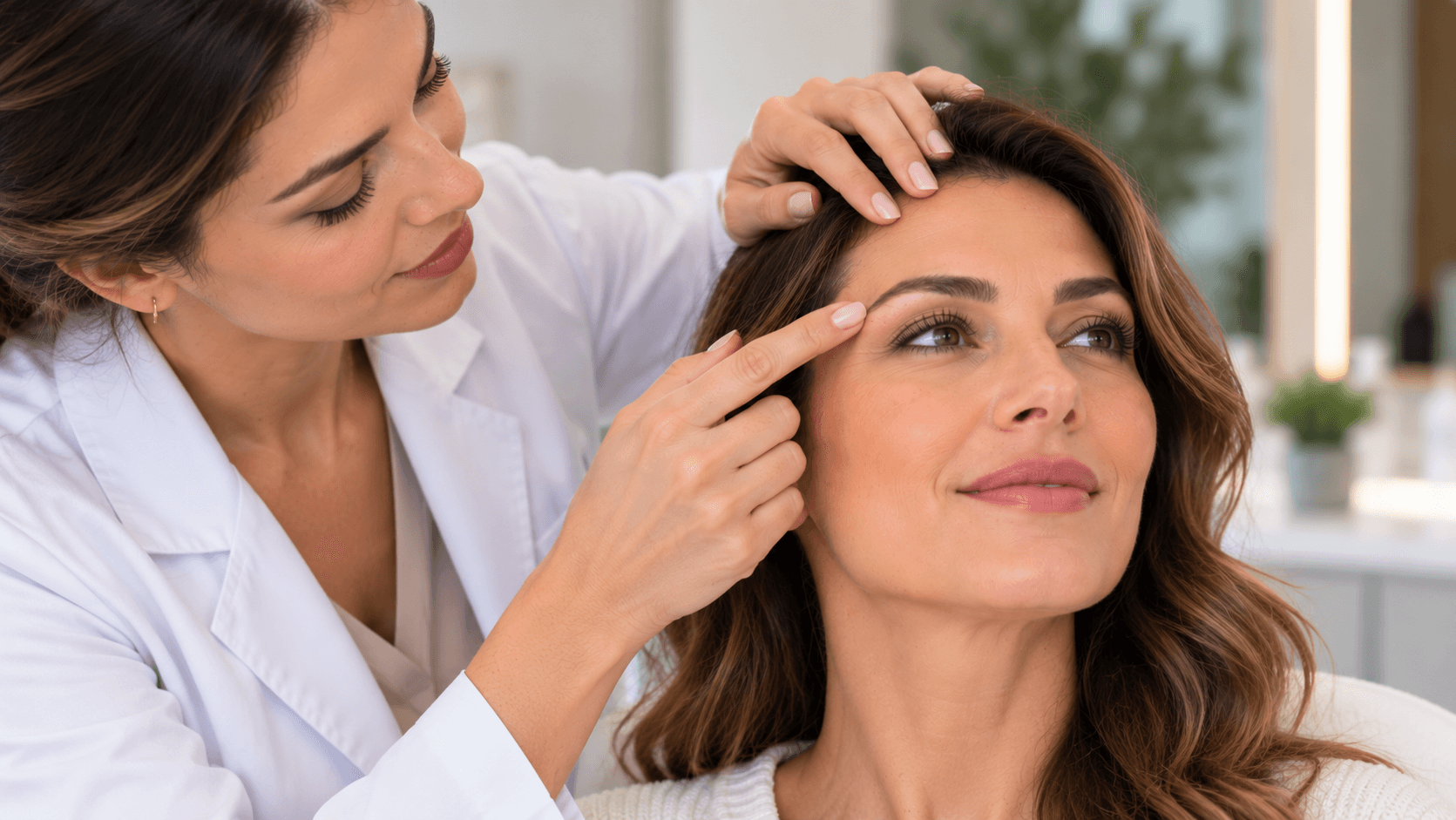
Expert evaluation analyzes your brow structure, skin type, and medical history in relation to laser technology to create a personalized preparation plan. Without this plan, every step taken may compromise skin safety.
Expert evaluation is the foundation of the preparation process. Its purpose is to identify risks in advance and increase the likelihood of success. The evaluation includes:
Assessment of the current position of the eyebrows, the degree of drooping, and asymmetry between the two brows
Evaluation of skin type, skin elasticity, and sensitivity around the eyes
Documentation of previous laser treatments, aesthetic procedures, and skincare products used
Comparison of expectations with the results that can realistically be achieved
Alexiades-Armenakas (2008) demonstrated that the success of tension-based skin-tightening technologies depends on appropriate patient selection. The same principle applies to laser brow lifting. If the energy cannot be adjusted to suit the skin structure, there is a risk of hyperpigmentation or insufficient results. Therefore, a doctor’s evaluation ranks first among the factors to consider before a laser brow lift. The evaluation also determines which laser device is appropriate; this information forms the basis for the subsequent preparation steps.
Wash your skin with gentle cleansers before the procedure, ask your specialist whether you should pause products containing retinol and acids, and have your doctor assess the timing if you have any wounds or irritation on your skin.
The skin barrier is the first line of contact with laser energy. When the barrier is strong, the skin responds to laser energy more evenly. When the barrier is weakened, the risk of irritation and discoloration increases. Therefore, protecting the skin barrier during the preparation period is essential.
The steps to follow are as follows:
Choose gentle, non-irritating cleansers. Avoid harsh exfoliating or fragranced products.
Ask your specialist whether you need to pause the use of retinol, AHA/BHA acids, and exfoliating products. These products thin the skin and are among the items requiring the greatest attention in the skincare plan before laser treatment.
If there is irritation, a wound, or an active infection on the skin, have your doctor assess the timing of the procedure. Active lesions may require the treatment to be postponed.
Do not try new cosmetic products during the period before the procedure. New products may cause unexpected sensitivity in the skin.
Belin (2004) stated that the condition of the skin before treatment directly affects the frequency of side effects in non-ablative laser procedures. In light of this finding, skin preparation should be regarded as essential. Once the skin has been prepared, the next critical consideration is sun exposure.

Avoid sunburn and intense sun exposure before the procedure. Tanned skin responds differently to laser energy and increases the risk of pigment changes. Use the sunscreen recommended by your specialist regularly.
Ultraviolet exposure increases melanin production. Increased melanin absorbs laser energy more intensely. This may lead to unwanted reactions such as hyperpigmentation and blistering. Fisher et al. (2002) demonstrated that chronic photodamage alters the skin’s response to laser treatment. Sun protection is therefore not merely a recommendation but a safety measure.
The practical rules are as follows:
Avoid intense sun exposure and sunburn before the procedure.
Use the broad-spectrum sunscreen recommended by your specialist. Take advantage of physical protection methods such as hats and sunglasses.
Clarify the duration of sun protection with your specialist. This period varies according to the wavelength of the device used.
If you have tanned skin, ask your doctor whether the procedure should be postponed.
Once sun protection preparations are complete, the next step is to transparently share your medication and health history.
Inform your specialist fully about all prescription medications, vitamins, herbal supplements, and chronic conditions before the procedure. However, do not stop taking any medication, especially blood thinners, without your doctor’s advice.
Evaluating your medication and health history is the second pillar of safety. Some medications interact with laser treatments. In particular, medications that increase photosensitivity raise the risk of phototoxicity. Previous acne treatments, such as isotretinoin, may also affect skin sensitivity.
The information that should be shared includes:
Information to Share | Why It Matters |
Prescription and over-the-counter medications | Determines the risk of interactions |
Vitamins and herbal supplements | May affect the tendency to bleed |
Photosensitizing medications | Increases the risk of pigment reactions |
Diabetes, autoimmune disease, clotting disorder | May alter the healing process |
Previous acne treatments | Affects skin sensitivity |
An important limitation to note is that the American Society of Plastic Surgeons has recommendations regarding discontinuing aspirin and certain anti-inflammatory medications when preparing for surgical brow lift procedures. These recommendations should not be automatically considered applicable to laser treatments. Every medication decision should be made individually by a physician as part of the pre-laser medication evaluation.
Once medication information has been clarified, dietary and lifestyle adjustments can be addressed.
Clarify in advance whether the procedure requires sedation or anesthesia. Follow fasting and fluid instructions according to the method being used. Discuss the effects of smoking and alcohol on skin health with your specialist.
Dietary and lifestyle preparation is often an area surrounded by misconceptions. Preoperative fasting rules required for surgical procedures should not be directly applied to laser treatments. Laser procedures that do not require anesthesia generally do not require special fasting. However, if sedation will be used during the procedure, the clinic will provide different instructions.
The principles to follow are as follows:
Before the procedure, ask whether the method to be used requires anesthesia.
Obtain fasting and meal schedule instructions only from the clinic.
Discuss smoking with your specialist. Smoking impairs skin microcirculation and reduces collagen quality (Morita et al., 2007).
Reduce alcohol consumption before the procedure or follow your specialist’s recommendations.
Pay attention to adequate fluid intake and a balanced diet. Healthy skin responds better to the procedure.
Supporting the skin from within is the final part of the preparation. You can now move on to the practical steps for the day of the procedure.
On the day of the procedure, remove makeup, cream, and oily products from the eyebrow and forehead area. Inform the healthcare team if you have a cold sore or a new skin problem in the area. Make sure that protective eyewear will be used.
Preparation on the day of the procedure helps ensure that the treatment proceeds safely. If residue from oily products remains in the treatment area, the distribution of laser energy may change. This can lead to inconsistent results.
The checklist for the day of the procedure is as follows:
Completely remove makeup and cream from the eyebrow and forehead area.
Be sure to report any cold sore, irritation, or new skin problem in the area.
Allow the specialist to determine the energy settings appropriate for your skin type.
Wear protective equipment that protects the eyes from laser energy. This equipment is mandatory for treatments around the eyes.
Ask for information about the treatment steps, any discomfort you may feel, and temporary skin reactions.
Once the specialist evaluation, skin preparation, sun protection, and medication briefing have been completed, the procedure can be performed safely. The remaining consideration is to establish realistic expectations.
Laser treatment supports collagen renewal by creating controlled heat in the skin. Results vary depending on skin structure, age, and the degree of sagging. Results do not appear immediately; improvement develops over the course of several weeks.
Expectation management is the psychological aspect of preparation. The primary mechanism of action of laser treatment is to trigger new collagen synthesis through controlled thermal injury. Huzaira et al. (2003) experimentally demonstrated that controlled heat increases collagen remodeling. This process is not instantaneous, and results are expected to develop gradually over time.
Realistic expectations should be shaped within the following framework:
The mechanisms of action of surgical brow lifting and laser treatment are different. Surgical methods cut and suspend the tissue, whereas laser treatment activates the skin’s own repair capacity.
The degree of brow elevation varies depending on the skin structure, age, degree of sagging, and technology used.
Results may not become clear after a single session. Collagen remodeling develops over the course of several weeks.
The number of sessions required, session intervals, and aftercare procedures are planned individually.
Bellew et al. (2005) reported that results in skin tightening with infrared laser treatment generally develop gradually and that patient satisfaction increases with appropriate information. This scientific finding demonstrates the value of pre-treatment counseling.
Surgical brow lift surgery requires surgery and involves general preparation guidelines. Laser brow lifting is a non-surgical procedure, and its preparation is different. The two should not be confused.
The preparation requirements for the two methods are summarized in the table below:
Preparation Element | Surgical Brow Lift | Laser Brow Lifting |
Fasting requirement | Generally required due to general anesthesia | Depends on the anesthesia plan; generally not required |
Need for an accompanying person | Common | Generally not required |
Sun protection period | Standard recommendations | Varies according to the device wavelength |
Medication adjustments | Surgical guidelines apply | Doctor's decision regarding the laser |
Recovery expectations | Sutures and the post-operative period | May be limited to temporary redness |
Speed of results | More pronounced and faster | Gradual, developing over several weeks |
This comparison shows that each method has a different preparation approach. Scientifically, it is incorrect to reduce preparation for laser eyebrow lifting to surgical instructions.
Ask your doctor which laser technology is suitable for your skin type, which products you should discontinue, potential medication interactions, the treatment schedule, and post-procedure care instructions. These questions will help you complete your preparation thoroughly.
Proper preparation is possible when the right questions are asked. During your pre-procedure consultation, ask the following questions:
Which laser technology is suitable for my skin type and eyebrow structure?
Are there any skin care products I should discontinue or change before the procedure?
Could my medications and existing health conditions affect the safety of the treatment?
What degree of change can I expect in my eyebrows, and how many sessions may be required?
Which instructions should I follow for sun protection and skin care after the procedure?
Are there surgical or non-surgical alternatives that may be more suitable for me?
The answers to these questions will form your personalized preparation plan. Once the plan is clarified, the answers to frequently asked questions also become more predictable.
There is no single standard timeframe for retinol, acid, and peeling products. The expert's recommendation should be followed based on the product's ingredients, your skin sensitivity, and the type of laser used.
Although some sources mention general periods such as two weeks, this is not a universal rule. The same plan cannot be applied to someone using a strong retinoid and someone using a mild cosmetic acid. Therefore, provide your product list to the specialist and obtain the exact timeframe from them.
Yes, sunburn and intense tanning affect the safety of laser treatment. Expert evaluation is required regarding sun protection before the procedure and whether the treatment should be postponed.
Melanin density increases in tanned skin. This raises energy absorption and increases the risk of burns. Beaches, tanning beds, and self-tanning creams are among the things to avoid during the pre-treatment period. Since the required sun protection period depends on the device used, follow the schedule provided by your specialist.
The treatment area must be thoroughly cleansed before the procedure. Arriving at your appointment without makeup makes preparation at the clinic easier and shortens the treatment time.
Makeup residue and primer products can cause the laser energy to be distributed inconsistently across the skin’s surface. This can affect both the quality and safety of the results. Arriving with clean skin on the day of your appointment is the most practical solution.
No, medications should only be changed under a doctor’s guidance. In particular, be sure to inform your specialist before the procedure about any medications that may increase photosensitivity.
Stopping medication on your own is risky. The rules that apply to surgical preparation do not automatically apply to laser treatments. Share your complete medication list and leave the decision to your specialist.
An active infection or irritation in the treatment area may require the procedure to be postponed. The appropriate timing for treatment should be determined by a healthcare professional.
Applying a laser to an active cold sore or wound can cause the infection to spread and impair healing. Severe irritation is similarly a reason to delay treatment. If you notice a new issue with your skin, be sure to inform the team before the day of your procedure.
Fasting requirements depend on the treatment method and anesthesia plan. Follow the clinic’s instructions and avoid unnecessary dietary restrictions.
Fasting is generally not required for laser treatments performed with topical anesthesia. However, the clinic may provide different instructions if sedation is planned. It is not appropriate to apply the prolonged fasting rules specific to surgical procedures to a laser treatment. If you have any doubts, call the clinic the day before your procedure and request clear instructions.
Preparation for laser brow lifting is a multifaceted process that begins with an expert evaluation and is completed with the steps taken on the day of the procedure. Adjusting your skincare routine, protecting your skin from the sun, transparently sharing your medication and medical history, and establishing realistic expectations are the key components of this process. Every step is personalized and should not be generalized without expert guidance. Rules specific to surgical brow lift preparation should not be applied to laser treatments. Proper preparation supports skin safety, reduces the risk of side effects, and enhances the quality of the results achieved.
Alexiades-Armenakas, Macrene. "Assessment of the Mobile Modifications and Efficacy of the Tissue Tightening Device." Lasers in Surgery and Medicine, vol. 40, no. 4, 2008, pp. 296-303.
Alster, Tina S., and Elizabeth L. Tanzi. "Improvement of Neck and Chest Laxity with a Nonablative Radiofrequency Device." Surgery, vol. 31, no. 12, 2005, pp. 1642-1646.
Belin, Michael T. "Preoperative Preparation and Anesthesia." International Ophthalmology Clinics, vol. 44, no. 2, 2004, pp. 1-10.
Bellew, Steven G., et al. "Infrared Skin Tightening: A Multicenter Study." Surgery, vol. 31, no. 12, 2005, pp. 1647-1653.
Fisher, Gary J., et al. "Mechanisms of Photoaging and Chronological Skin Aging." Archives of , vol. 138, no. 11, 2002, pp. 1462-1470.
Huzaira, Musarrat, et al. "Intradermal Focusing of Near-Infrared Optical Radiation: A Novel Approach for Non-Thermal, Non-Ablative Fractional Photothermolysis." Lasers in Surgery and Medicine, vol. 32, no. 5, 2003, pp. 426-438.
Morita, Akimichi, et al. "Tobacco Smoke Causes Premature Skin Aging." Journal of Science, vol. 48, no. 3, 2007, pp. 169-175.