Yükleniyor…
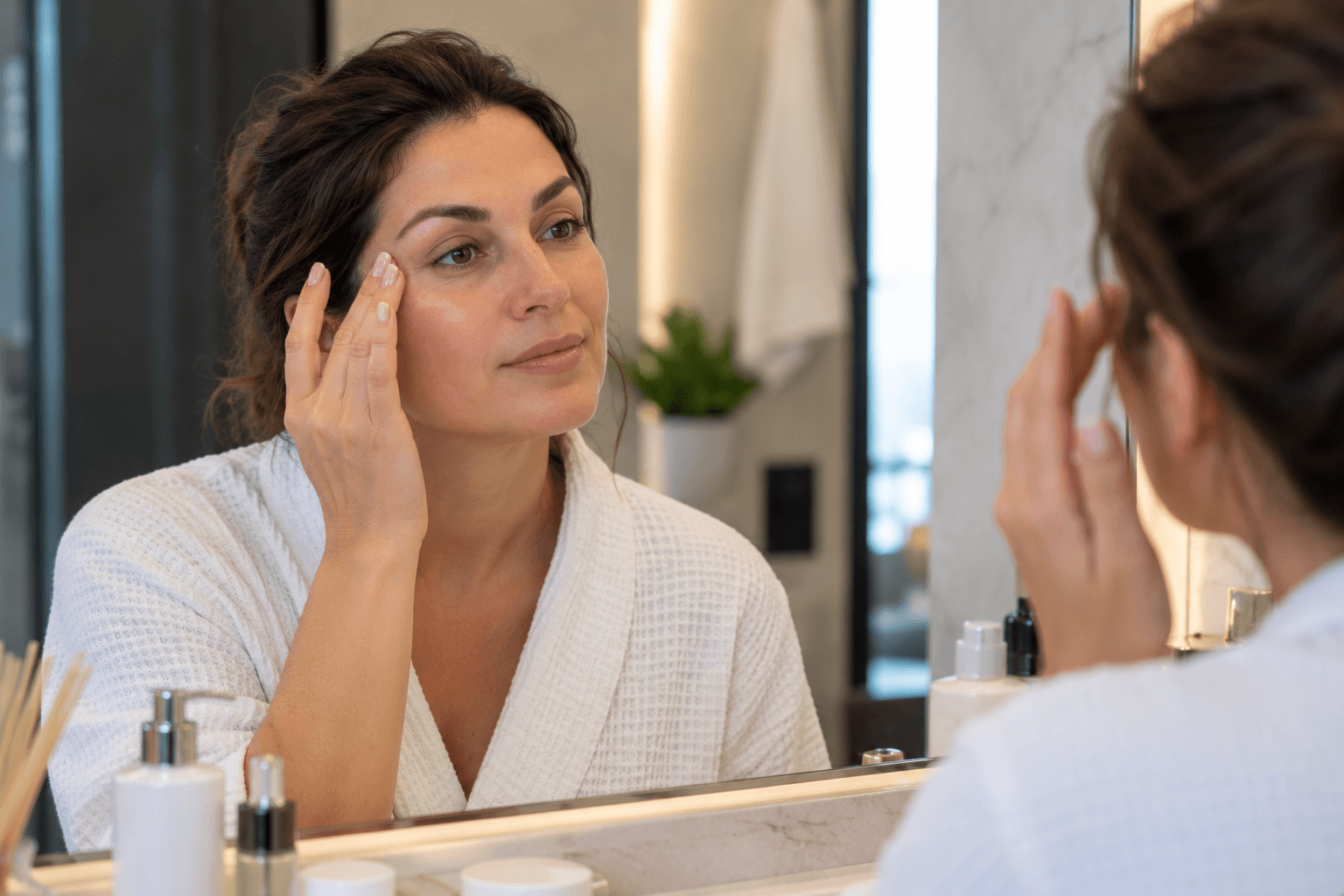
Laser brow lift skincare after the procedure should focus on gentle cleansing, appropriate moisturization, sun protection, and following the practitioner’s instructions. Do not rub the skin. Avoid using irritating products during the early stage. Monitor signs of healing regularly.
Laser brow lifting creates a controlled thermal effect in the skin. This effect may cause temporary sensitivity, dryness, redness, or swelling in the treatment area. Proper care protects the skin barrier and supports the healing process. However, the care plan will not be the same for everyone. The laser technology used, energy level, treatment depth, and skin structure determine this plan.
Lasers that preserve the tissue surface require different care from lasers that create controlled damage in the upper layer of the skin. If there is an open wound, scabbing, or discharge, general cosmetic recommendations may not be sufficient. In this case, follow the practitioner’s wound-care plan. Do not change prescribed products on your own.
The basic approach is simple. Keep the skin clean. Limit moisture loss. Reduce external factors such as sun exposure and friction. Monitor any new symptoms. These steps cannot guarantee the aesthetic outcome of the procedure on their own. Nevertheless, they can make the healing environment safer.
Proper care protects sensitized skin from external factors and helps reduce the risk of dryness, irritation, and prolonged redness. Protecting the skin barrier is the primary goal of skincare after laser brow lifting.
The skin barrier limits water loss and provides protection against environmental factors. The controlled tissue effect created by the laser may temporarily weaken this defense. During this period, the skin may react more noticeably to fragrances, strong cleansers, hot water, and mechanical friction.
Wound healing includes the stages of inflammation, new tissue formation, and tissue remodeling. Cell migration, blood vessel formation, and collagen organization are parts of this process. Skincare does not provide a shortcut that accelerates these biological stages. However, it may reduce irritation and unnecessary tissue damage (Gonzalez et al., 2016).
A review of products used after laser treatments reports that aftercare aims to maintain moisture balance and support the developing skin barrier. Rather than declaring one specific product superior for everyone, the same review emphasizes an individualized care plan (Angra et al., 2021).
There is also a significant difference between laser treatment and surgical brow lifting:
Feature | Laser brow lifting | Surgical brow lift |
Primary tissue effect | Controlled heat-induced tissue response | Incisions and tissue repositioning |
Primary focus of aftercare | Skin surface, moisture balance, and irritation control | Incision line, sutures, and surgical wound care |
Expected surface symptoms | Redness, dryness, or procedure-related crusting | Bruising, swelling, and healing around the incision line |
Aftercare decision | Laser type and skin response | Surgical technique and the surgeon’s plan |
Product selection | Varies according to skin integrity | Depends on surgical instructions specific to the incision area |
This distinction shows why you should not copy aftercare recommendations from another procedure. Surgical wound care and post-laser skincare do not follow the same rules.
When your practitioner permits, use lukewarm water and a fragrance-free, gentle cleanser. Do not rub the skin. Pat it dry gently with a clean towel, without friction.
The procedure’s surface effects determine when you can first cleanse the skin. If the skin’s integrity has been preserved, your practitioner may allow early cleansing. If there is an open wound or heavy crusting, a different cleansing plan may be necessary. Therefore, it is not safe to provide a general time frame for the first wash.
Wash your hands before cleansing. Apply a small amount of cleanser with your fingertips. Do not apply pressure around the eyebrows. Do not use cleansing brushes, exfoliating gloves, washcloths, or grainy products. Rinse the skin with lukewarm water. Hot water may increase the sensation of burning and dryness.
When drying, do not move the towel across the skin. Simply pat the surface gently. Do not pull the eyebrow hairs or scratch the skin around the eyebrows. Do not try to soften and remove crusts with moisturizer. The crust protects the new tissue underneath. Removing it forcibly can make the surface sensitive again.
If you notice an open wound, yellow crust, discharge, or noticeable leakage, do not resume your standard facial cleansing routine. Follow your practitioner’s recommended cleansing frequency and use the suggested products. Do not apply antiseptics, vinegar, alcohol, or herbal mixtures on your own initiative.
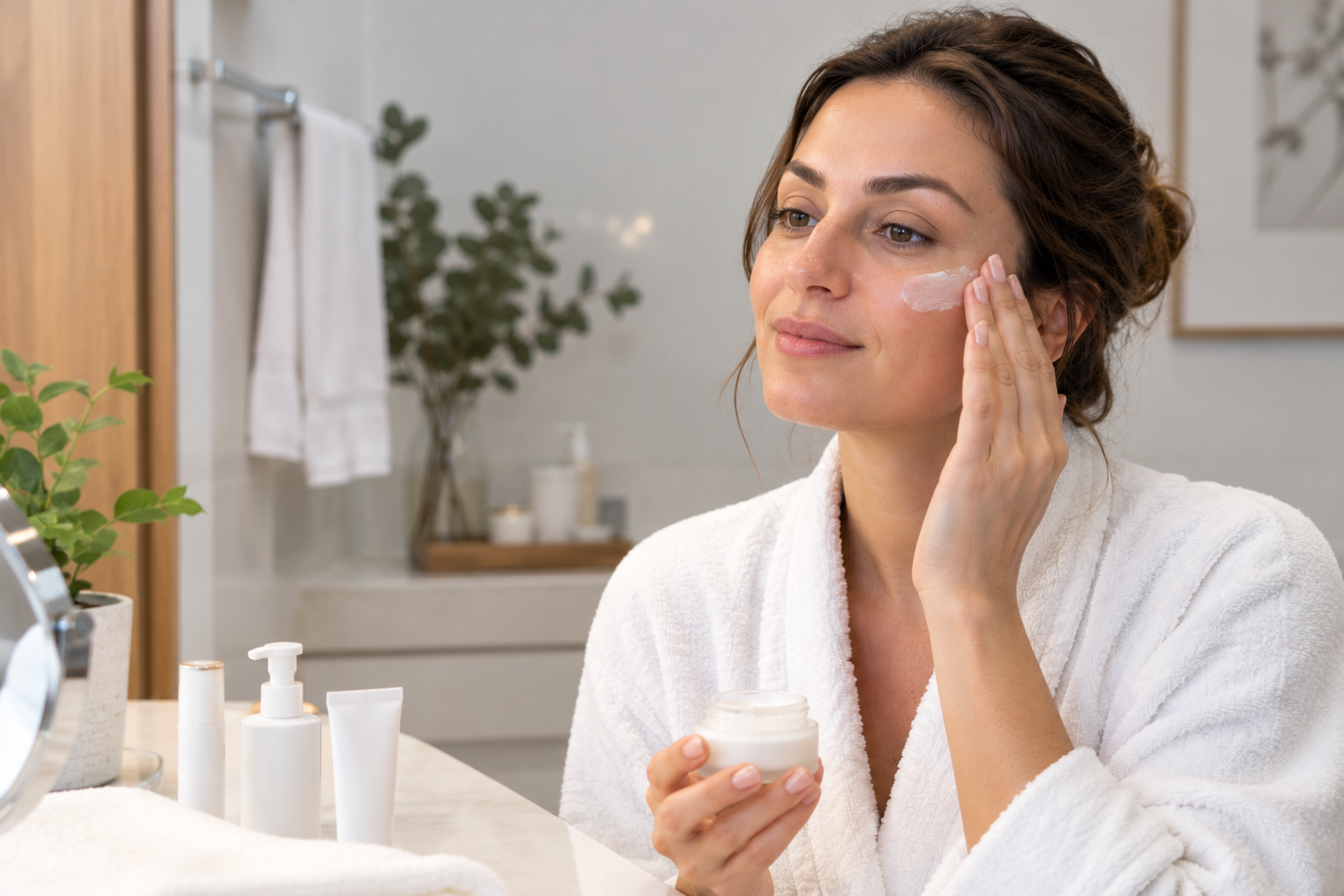
Choose a fragrance-free moisturizer formulated for sensitive skin that supports the skin barrier. Products containing hyaluronic acid, glycerin, ceramides, or petrolatum serve different purposes. Do not add potent active ingredients without your provider’s approval.
When choosing a moisturizer, focus on its ingredients rather than its marketing name. Humectants help the skin retain water. Emollients reduce the rough feeling on the skin’s surface. Occlusive ingredients limit water evaporation from the skin. A product may provide one or several of these functions at the same time.
Hyaluronic acid is a water-binding moisturizing ingredient. In a suitable formula, it helps the skin feel hydrated. Glycerin also has humectant properties. Ceramides support the skin barrier’s natural lipid structure. Ingredients such as petrolatum and dimethicone create a protective layer on the surface.
These differences make product selection easier:
Ingredient group | Primary function | Post-procedure selection criterion |
Hyaluronic acid and glycerin | Supports water retention | Choose simple, non-irritating formulas |
Ceramides | Supports barrier lipids | Prefer products without fragrance or potent active ingredients |
Petrolatum | Strongly limits water loss | Use only at the recommended frequency and amount |
Dimethicone | Creates a protective layer on the surface | Monitor whether it causes excessive oiliness or congestion |
Apply the moisturizer gently to clean skin. Applying a thick layer does not always produce better results. Very rich products may increase acne-like lesions in some people. If burning, stinging, or itching develops, discontinue the product and consult your provider.
Although scientific studies show that certain specialized products may reduce signs of healing, the evidence is not equally strong for every product. Angra and colleagues state that studies on topical products after laser treatment are limited in number and quality (2021). Therefore, choosing a simple, well-tolerated formula is often a more reliable approach than selecting a new and expensive product.
Sun protection helps reduce the risk of discoloration and prolonged redness after the procedure. Use a broad-spectrum sunscreen only when the skin’s surface is suitable for application and when your provider recommends it.
Ultraviolet rays can affect the inflammatory response and pigment production in healing skin. This is particularly important for people who are prone to post-procedure darkening. Sun protection is not limited to the summer months or beach settings. Time spent outdoors, proximity to windows, and reflected rays also determine exposure.
Use several methods together as part of your protection plan. Choose shade during the hours when the sun is strongest. Wear a wide-brimmed hat that shades your forehead and the area around your eyebrows. Make sure your glasses do not put pressure on your eyebrows or the area around your eyes. Do not use rigid tape or tight accessories to cover the skin.
Look for broad-spectrum protection in your sunscreen. Use the amount and reapplication frequency recommended by your provider. If there is an open wound, blister, or significant irritation, do not apply the product directly to the area. In this situation, rely more heavily on physical protection methods and obtain new instructions from your provider.
In a small clinical study conducted by Wanitphakdeedecha and colleagues, early use of a specific broad-spectrum product provided benefits in melanin measurements. However, this result does not mean that every sunscreen can be used from the first day for every skin condition (2014). The product’s ingredients, skin integrity, and treatment depth collectively determine the decision.
Do not use retinol, other retinoids, strong acids, or exfoliating products until the skin has recovered and your provider has approved their use. Also limit products containing fragrance, alcohol, or irritating ingredients during the early recovery period.
Retinol and prescription retinoids affect cellular renewal. This property can be beneficial in routine skincare. However, on recently treated skin, they may cause dryness, burning, and sensitivity. The timing for restarting them should be determined by the skin’s appearance and tolerance rather than by a fixed calendar date.
Alpha hydroxy acids and beta hydroxy acids support the removal of dead surface cells. During the healing period, this effect may cause unnecessary irritation. Chemical peeling products, granular cleansers, and peel-off masks carry similar risks. The same caution applies to homemade mixtures containing lemon, vinegar, or baking soda.
Fragrances and essential oils can trigger contact reactions in sensitive skin. Toners containing high concentrations of alcohol may increase the sensation of dryness. The term “natural” does not guarantee safety. St. John’s wort, tea tree oil, and concentrated plant extracts can also cause irritation.
If you develop significant burning, stinging, or increasing redness after using a product, stop applying it. Do not try to soothe the skin with additional products. Inform your provider of the product’s name, ingredient list, and when the symptom began. This information makes it easier to distinguish irritation from an infection or contact dermatitis.
Do not apply makeup around the eyebrows until the skin surface has healed and your practitioner has given approval. When you resume, use clean products and remove makeup without rubbing.
Foundation, concealer, and eyebrow pencils create an additional layer on the skin. These products may cause a burning sensation on irritated surfaces. Brushes and sponges also subject the skin to repeated contact. On a surface that has not yet closed, this contact increases the risk of mechanical irritation and contamination.
Do not use only a reduction in redness as the criterion for returning to makeup. Open wounds, discharge, scabbing, and pronounced sensitivity should also be evaluated. Once your practitioner gives approval, start with a simple product. Do not use several new products on the same day. This will make it easier to identify the source of any potential reaction.
Avoid intensive, multi-step makeup removal routines. Use the gentle cleanser recommended for you. Do not brush the eyebrow hairs in the opposite direction. Obtain separate professional approval for permanent makeup, eyebrow tinting, or brow lamination. These procedures create different chemical and mechanical effects from daily makeup.
Clean your brushes regularly. Do not share products with others. Do not use products that have expired or changed consistency. If any product gets into the eyes or along the lash line, clean the area appropriately and consult a healthcare professional if symptoms persist.
Mild redness and swelling may occur as a result of the procedure. If recommended by your practitioner, use a cold compress without allowing ice to come into direct contact with the skin. Do not massage the area or scratch the skin.
Redness is associated with blood flow within the tissue and the inflammatory response. Swelling results from the temporary accumulation of fluid in the tissue. After fractional laser treatments, these two symptoms are among the expected early responses. Their severity and duration vary depending on the device settings, treatment area, and individual tissue response (Metelitsa and Alster, 2010).
Use a clean, soft cloth for a cold compress. Wrap the cold pack in the cloth. Do not press the pack against the skin. Limit the application time according to your practitioner's recommendation. Remove the compress immediately if numbness, whitening, or increasing pain develops.
Do not apply lymphatic drainage, facial massage, or pressure-based devices around the eyebrows. Do not pluck the eyebrows. Do not pick at scabs. When sleeping on your stomach, reduce continuous friction between the area and the pillow. Use painkillers or anti-inflammatory medications only as recommended by your healthcare professional.
It is important to monitor how your symptoms progress. A mild, gradually decreasing response is not the same as one that is progressively worsening. If worsening, new blisters, or other unexpected symptoms develop, seek medical evaluation rather than intensifying home care.
Adequate sleep, a balanced diet, and appropriate fluid intake support overall tissue repair. Follow your practitioner's restrictions regarding strenuous exercise, excessive heat, smoking, and alcohol.
Sleep is important for immune function and metabolic regulation. Establish regular sleep hours. During the recovery period, make time for rest rather than getting insufficient sleep. Avoid sleeping positions that place pressure on the face.
Do not look for a single “miracle food” in your diet. Create balanced meals containing protein, vegetables, fruit, grains, and appropriate sources of healthy fats. Protein provides the building blocks used for tissue repair. Fruits and vegetables contribute to vitamin and mineral intake. If you use supplements, do not increase the dosages. Some supplements may interact with medications or affect the tendency to bleed.
Meet your fluid needs according to your age, health status, physical activity, and ambient temperature. If you have heart or kidney disease, do not increase your fluid intake on your own. In this case, follow the limits set by your physician.
Intense exercise, saunas, Turkish baths, and hot yoga may increase body temperature and facial redness. Sweating may also cause discomfort in sensitive areas. Obtain approval appropriate to the type of procedure before resuming exercise. During the initial period, limit the use of helmets, bands, or tight-fitting glasses that irritate the skin.
Smoking may negatively affect tissue oxygenation and various stages of wound healing. Sørensen’s systematic review reported that surgical healing complications were more common in smokers (2012). These data do not directly concern laser brow lift procedures. Nevertheless, the treatment period offers a meaningful opportunity to reduce or quit tobacco use. Regarding alcohol, also consider medication interactions and the restrictions set by your practitioner.
Once the skin surface has healed, sensitivity has decreased, and your practitioner has given approval, gradually return to your routine. Start with basic products. Add active ingredients one at a time and at intervals.
Follow a simple plan during the initial period. A gentle cleanser, an appropriate moisturizer, and sun protection suitable for your skin’s condition form the essential steps. This plan makes it easier to assess how your skin responds. Using numerous products makes it difficult to determine which ingredient is causing irritation.
Evaluate the process of resuming your routine according to three criteria. First, check the integrity of the skin surface. Then observe whether there is any burning during daily cleansing and moisturizing. Finally, obtain your practitioner’s procedure-specific recommendation. Do not use retinoids or acids until these conditions have been met.
When starting an active product, choose a low frequency of use. Monitor tolerance before applying the new product to a larger area. If increased burning, flaking, or redness develops within a few days, discontinue the product. Before adding another active ingredient, wait until your skin tolerates the current product without problems.
The gradual plan follows this approach:
Stage | Skin condition | Care approach |
Early protection | Sensitivity or surface damage persists | Use only the recommended basic care |
Transition | The surface has closed and basic products are tolerated | Establish a simple daily routine consistently |
Restarting | The practitioner approves an active product | Introduce one active ingredient at a low frequency |
Maintenance | The skin tolerates the product without problems | Increase the frequency only when necessary and in a controlled manner |
This sequence does not recommend the same number of days for everyone. Procedures that affect the skin’s surface may require a longer protection period. Skin type and tolerance of previous products also alter the plan.
Seek medical attention if symptoms worsen or if severe pain, blisters, purulent discharge, or suspected infection develops. Seek emergency medical care in the event of eye pain or sudden changes in vision.
Knowing the expected healing course can reduce unnecessary anxiety. However, do not assess symptoms based on duration alone. Severity, spread, and accompanying findings are also important. Increasing pain, spreading redness, or progressively worsening swelling may indicate something different from a routine aftercare concern.
Blistering, foul-smelling or purulent discharge, and fever may require urgent evaluation. Painful clusters of vesicles around the eyebrows may also raise suspicion of a viral infection. In this situation, do not apply antibiotic cream at random. Consult the practitioner for an accurate diagnosis.
Severe pain around the eyes, blurred vision, newly developed sensitivity to light, or sudden changes in vision are not symptoms that can be resolved with skincare. In such a case, seek emergency medical evaluation without delay. Do not apply pressure while attempting to remove products from inside the eyes.
Keep attending your follow-up appointments. Your practitioner will assess the skin’s response, changes in pigmentation, and wound healing together. If necessary, they may adjust the plan for moisturizer, sunscreen, or prescription products. Photographs and notes about symptoms can also provide useful information during remote consultations.
The most frequently asked questions concern washing the face, retinol, sunscreen, and the duration of aftercare. The answer to each question depends on the integrity of the skin and the practitioner’s approval.
These answers provide general information. They do not replace your individual treatment plan. If the device name and aftercare instructions are included in your treatment record, bring this document with you during your check-up.
Yes, but wash it only at the time and in the manner specified by your practitioner. Do not apply pressure around the eyebrows.
Permission to wash the rest of your face does not mean that you may apply cleanser directly to the eyebrow area. Your practitioner may provide different instructions for the two areas. Also control the water pressure and temperature while showering.
Resume retinol only after your skin has healed and your practitioner has approved it. Do not rely on a fixed number of days.
Having used retinol without problems in the past does not guarantee the same tolerance after the treatment. When restarting, do not immediately return to your previous frequency of intensive use. If burning or peeling develops, pause use.
Sun protection is necessary, but when to start using sunscreen depends on the condition of the skin’s surface. Consult your practitioner before applying it to areas that are open or irritated.
Limit sun exposure during the period when you cannot use sunscreen. Choose methods such as wearing a hat and staying in the shade. Take care not to get the product into your eyes.
The period of intensive protection varies depending on the healing process. Continue gentle skincare and sun protection over the long term.
At the end of the initial period, you do not need to increase the number of products quickly. Once your skin is calm and comfortable, you can maintain a simple routine. Before subsequent laser sessions, also inform your practitioner about the active products you use. This information helps ensure that pre-treatment preparation is planned safely.
Angra, Kunal, et al. “Review of Post-Laser-Resurfacing Topical Agents for Improved Healing and Cosmesis.” Journal of Clinical and Aesthetic , vol. 14, no. 8, 2021, pp. 24–32.
Gonzalez, Ana Carolina de Oliveira, et al. “Wound Healing: A Literature Review.” Anais Brasileiros de , vol. 91, no. 5, 2016, pp. 614–620. https://doi.org/10.1590/abd1806-4841.20164741.
Metelitsa, Andrei I., and Tina S. Alster. “Fractionated Laser Skin Resurfacing Treatment Complications: A Review.” Surgery, vol. 36, no. 3, 2010, pp. 299–306. https://doi.org/10.1111/j.1524-4725.2009.01434.x.
Sørensen, Lars Tue. “Wound Healing and Infection in Surgery: The Clinical Impact of Smoking and Smoking Cessation: A Systematic Review and Meta-Analysis.” Archives of Surgery, vol. 147, no. 4, 2012, pp. 373–383. https://doi.org/10.1001/archsurg.2012.5.
Wanitphakdeedecha, Rungsima, et al. “The Use of Sunscreen Starting on the First Day after Ablative Fractional Skin Resurfacing.” Journal of the European Academy of and Venereology, vol. 28, no. 11, 2014, pp. 1522–1528. https://doi.org/10.1111/jdv.12332.