Yükleniyor…
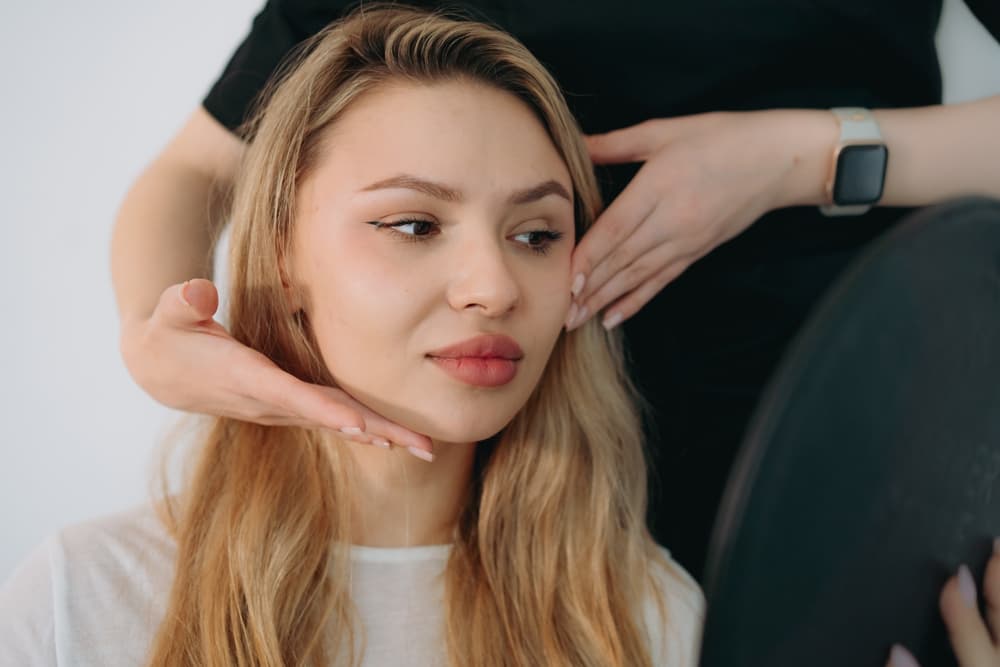
Istanbul is one of the leading cities in the world in the field of aesthetic medicine. This city serves thousands of patients with its modern clinics, experienced physicians, and advanced technological infrastructure. Filler treatments are among the most preferred methods for restoring skin volume and reducing wrinkles. However, achieving successful results requires choosing the right clinic, selecting a specialist physician, and using quality products. This article provides a comprehensive guide for individuals considering filler treatment in Istanbul. Based on scientific data, this content explains the processes before, during, and after treatment in detail. Patient safety, natural results, and long-term satisfaction are the main focus points of this article.
Filler treatment is a procedure that involves injecting special substances under the skin to correct facial contours and eliminate volume loss. In Istanbul, this treatment is performed in a clinical setting by aesthetic medicine specialists. The treatment does not require surgical intervention. The patient returns to their normal life on the same day. The results provide a natural appearance. Istanbul is an important center that serves both local and foreign patients in this field.
Filler substances create volume in the areas where they are placed under the skin. These substances provide support to the deeper layers of the skin. The skin appears smoother due to the effect of the filler. Fillers containing hyaluronic acid have the ability to retain moisture in the skin. This substance is also found in the natural structure of the skin. The filler supports collagen production in the area where it is injected. Over time, the skin becomes firmer. Funt and Pavicic (2013) state that fillers correct wrinkles by creating volume under the skin. This effect is observed immediately after treatment. However, complete results become clear within a few days.
Hyaluronic acid is a sugar molecule that is naturally produced by the skin. This substance has the capacity to bind water molecules. The hyaluronic acid in the filler retains water in the area where it is injected. This condition ensures that the skin looks plump and hydrated. Gold (2009) shows that hyaluronic acid-based fillers provide effective volume increase in aging faces. These fillers stand out with their safe profiles. The body gradually breaks down this substance. Therefore, the effect is temporary. However, this feature reduces the risk of complications. The patient can dissolve the filler if they are dissatisfied with the results.
Biocompatible materials are substances accepted by the body. These materials do not cause allergic reactions in the skin. The body does not perceive these substances as foreign objects. Hyaluronic acid, calcium hydroxyapatite, and poly-L-lactic acid exhibit biocompatible properties. These substances have been safely used in aesthetic medicine for years. Clinical studies support the safety profiles of these materials. However, each substance has different properties. The physician selects the one that is suitable for the patient's needs. Original and approved products should always be preferred.
Aging causes a decrease in subcutaneous fat tissue. This condition leads to depressions in the face. Fillers fill these depressions. The physician carefully determines the area to be injected. The right amount of filler restores the skin's natural curves. Cheeks, temples, and the jawline are supported in this way. The skin appears younger thanks to the underlying support. The volumizing procedure also corrects facial proportions. This way, facial symmetry is supported.
Filler treatment addresses multiple aesthetic issues simultaneously. The primary goal of the treatment is to restore lost volume. The second goal is to define facial features. The third goal is to reduce fine lines and wrinkles. The fourth goal is to shape the lips. The fifth goal is to support facial symmetry. These goals are achieved through personalized planning. Each patient's facial structure is different. Therefore, the treatment plan is prepared individually.
The aging process leads to a decrease in facial fat tissue. This condition becomes particularly pronounced in the cheeks and temples. Fillers are injected into these areas. The physician performs the application at the correct depth and in the right amount. This procedure fills the sunken areas. The skin lifts thanks to the support underneath. Volume loss is successfully addressed with this method. The results appear natural. The face does not lose its expression.
Facial contours are defined by the jawline, cheekbones, and chin tip. These lines appear sharp in youth. Aging causes these lines to soften. Filler treatment provides support to these areas. The physician injects in a way that emphasizes the contours. The jawline becomes sharper. The cheekbones appear more pronounced. This way, the face gains a three-dimensional appearance. Contour definition is one of the non-surgical facial rejuvenation methods.
Fine lines occur due to loss of skin elasticity. Wrinkles become particularly pronounced around the eyes and at the corners of the mouth. Fillers fill in these lines from underneath. The skin appears smooth from above. Hyaluronic acid also moisturizes the skin. This moisture reduces the visibility of the lines. The physician uses special fillers for very fine lines. These fillers spread under the skin, creating a smooth surface. The results maintain the natural smile.
Lip filler is the process of increasing lip volume and correcting their shape. The physician injects filler into the lip border and inner part. This procedure makes the lips appear fuller. At the same time, the lip lines are corrected. Funt and Pavicic (2013) emphasize that lip filler plays an important role in facial aesthetics. The physician pays attention to symmetry. A natural appearance is preserved by avoiding excessive filling. Lip volume is adjusted according to facial proportions.
Facial symmetry is an important aesthetic factor. However, perfect symmetry is rarely present. Filler treatment can correct symmetry differences. The physician applies more filler to the side that appears smaller. This procedure is performed on the cheeks, chin, and chin tip. Symmetry correction should not disrupt the natural appearance. The physician detects inequalities through photo analysis. The results preserve facial expression. The patient achieves a more balanced appearance.
Filler treatment in Istanbul is applied to many areas of the face. The most preferred areas are lips, cheeks, jawline, chin, nose, under-eye, nasolabial folds, marionette lines, and temples. Each area's anatomical structure is different. Therefore, a specific type of filler and technique is used for each area. The physician evaluates the patient's desires and anatomical limitations. Natural results are possible with the correct area selection.
Lip filler is the enhancement of lip volume and the correction of shape. This procedure is suitable for individuals with thin lips. It also addresses wrinkles around the lips. The physician applies filler to the lip border, corners, and inner part. The procedure is performed painlessly with local anesthesia. Results are visible immediately. However, initial swelling subsides within a few days. Lip filler is an important procedure that complements facial aesthetics.
Cheek filler enhances the cheekbones and addresses cheek hollows. This procedure gives a youthful appearance to the face. The physician injects filler into the upper and middle parts of the cheeks. Busso and Karlsberg (2017) demonstrate that cheek filler is effective in facial rejuvenation. The correct technique preserves a natural smile. Cheeks are shaped without excessive fullness. This procedure also reduces the depth of nasolabial folds. When the cheeks are lifted, these lines soften.
Chin filler defines the jawline. This procedure is particularly suitable for individuals with a soft jawline. The physician injects filler into the edges of the chin. This way, the face achieves a more oval shape with sharper contours. Chin filler corrects the transition between the face and neck. This procedure provides a more masculine appearance in men. In women, it balances facial proportions. Results are natural and long-lasting.
Chin tip filler enhances and shapes the chin tip. This procedure addresses the issue of a recessed chin tip. The physician injects filler into the center of the chin tip. This improves the profile appearance. The chin tip becomes more harmonious with the lips and nose. This procedure provides chin tip aesthetics without surgery. Results are visible immediately. The patient achieves a more balanced profile.
Nose filler is a non-surgical nose shaping procedure. The doctor applies filler to the depressions on the bridge of the nose and the tip of the nose. This procedure is suitable for minor corrections. Sykes and colleagues (2015) state that nose filler is effective in selected cases. However, surgical intervention is required for major nose corrections. Nose filler reduces the risk of bruising and swelling after the procedure. The patient returns to normal life on the same day. The results are temporary.
Under-eye light filler is used to eliminate hollows and dark circles under the eyes. This procedure is performed by injecting special fine fillers under the eyes. The doctor applies it in a very thin layer. This way, the under-eye area appears brighter. Dark circles diminish thanks to the light reflection of the filler. This procedure eliminates the tired appearance. However, this area is very sensitive. An experienced doctor is essential.
Nasolabial folds are lines that extend from the sides of the nose to the corners of the mouth. These lines deepen with aging. The doctor applies filler to reduce the depth of these folds. The filler is injected at the base of the folds. This softens the lines. The skin appears smoother. Hirsch and Cohen (2016) state that nasolabial fold filler is a commonly used method in facial rejuvenation. The procedure is quick. The results appear natural.
Marionette lines are lines that descend from the corners of the mouth to the jawline. These lines create an unhappy expression on the face. The doctor injects filler into these lines. This procedure reduces the depth of the lines. At the same time, the corners of the mouth lift. The face appears more vibrant. Marionette lines are usually treated together with cheek fillers because volume loss in the cheeks causes these lines to deepen.
Temple filler is used to eliminate hollows in the temple area. Volume loss in the temples creates an aged appearance on the face. The doctor injects filler into the temple area. This procedure rejuvenates the upper face. When the temples are filled, the eyebrows also lift slightly. This makes the eye area appear more open. Temple filler is usually planned together with other facial fillers.
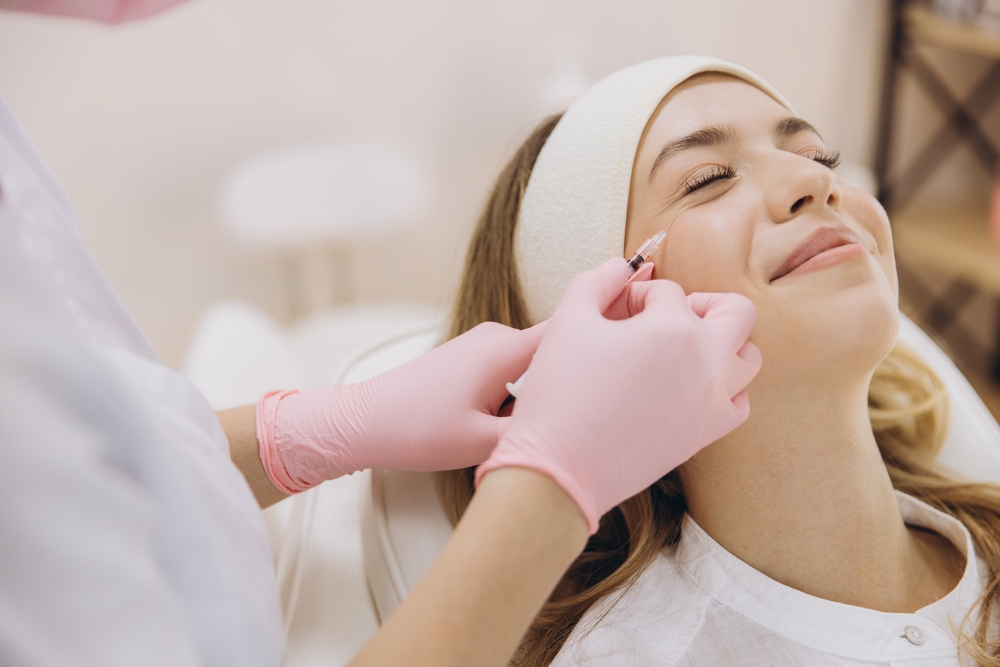
Many factors should be evaluated before filler treatment. The patient should research the expertise of the doctor who will perform the treatment. It should be ensured that the products used are approved and original. Clinical hygiene standards should be observed. The patient's medical history should be taken in detail. Realistic expectations should be discussed before the treatment. This preparation phase directly affects the success of the treatment and the safety of the patient.
Filler treatment is a medical procedure. This procedure should only be performed by specialists in aesthetic medicine, , or plastic surgery. The physician must have a good knowledge of facial anatomy. This is essential because there are vascular and nerve structures in the face. Inexperienced practitioners can cause serious complications. The physician must accurately determine the depth, amount, and location of the filler. This knowledge and skill are acquired through years of education and practice. The patient should check the physician's diplomas and certificates.
Approved filler brands have been tested by international health authorities. These products are examined for safety and efficacy. Unapproved products may contain unknown substances. This situation increases the risk of infection, allergy, and tissue damage. The patient should ask about the brand of the product to be used before treatment. The physician should show the product box to the patient. Transparency is the foundation of trust.
The European conformity certificate indicates that the product meets the health standards of the European Union. This certificate proves that the product has passed safety tests. Certified fillers can be legally sold in Europe. These products undergo quality control. The patient should avoid products that do not have this certificate. Because the content and production conditions of these products are unknown.
Approval by the American drug authority proves that the product has passed clinical trials and is considered safe. This approval ensures that the product is recognized as the gold standard worldwide. Approved fillers have long-term safety data. The patient may prefer these approved products. However, the European conformity certificate is also a sufficient guarantee.
Original filler products carry a barcode and serial number. The patient should see the product packaging before treatment. The hologram and security marks on the product should be checked. The physician should open the product in front of the patient. This practice guarantees the use of original products. Counterfeit products can lead to serious health issues. The patient has the right to question the product if they have doubts.
Filler treatment should be performed under sterile conditions. The clinic must have a license from the Ministry of Health. The treatment room should be regularly disinfected. The physician should use disposable materials. Protective equipment such as gloves, masks, and caps is essential. Instruments should be sterilized using sterilization devices. Hygiene minimizes the risk of infection. The patient should observe the clinical environment.
The medical history is fundamental for treatment safety. The physician asks about the patient's past illnesses, surgeries, and medications. This information determines the risk of complications. Certain diseases make filler treatment risky. In such cases, the physician may postpone or cancel the treatment. A detailed history prevents unexpected reactions. The patient should provide their history completely and accurately.
Patients with a history of allergies should be carefully evaluated. Allergies to hyaluronic acid are rare. However, other substances in the filler may cause allergies. The physician may recommend an allergy test for the patient. Patients who have had serious allergic reactions in the past should seek specialist advice before treatment. An allergic reaction manifests as redness and swelling at the injection site. Systemic reactions are rarely observed.
Autoimmune diseases are conditions where the body attacks its own tissues. Lupus, rheumatoid arthritis, and scleroderma fall into this category. For individuals with these diseases, filler treatment should be planned in a controlled manner. If the disease is in an active phase, treatment is postponed. Patients using immunosuppressive medications are evaluated for infection risk. The physician should specifically monitor these patients.
Blood thinners like aspirin increase the risk of bruising. The physician may request that these medications be temporarily discontinued before treatment. However, this decision is made in consultation with the patient's cardiologist or internist. Heart patients should not stop their medications without consulting their doctors. Bruising can be aesthetically bothersome but is generally not serious. The physician explains this risk to the patient in advance.
Filler treatment is not recommended during pregnancy and breastfeeding. Hormonal changes during these periods affect the skin. Additionally, the effects of filler materials on the baby have not been sufficiently studied. The physician will postpone treatment for patients in this situation. After the breastfeeding period ends, treatment can be safely administered. If the patient is planning a pregnancy, they should share this with the physician.
The patient should understand the limits of filler treatment. Fillers correct facial features but do not change the face. The physician shows the patient which areas can be corrected by holding up a mirror. Photo analysis clarifies expectations. The patient should prefer natural results. Excessive filler can lead to an artificial appearance. The physician and patient set a common goal. This communication enhances satisfaction.
Filler treatment is suitable for many people. However, each patient should be evaluated beforehand. Suitable candidates are individuals in good general health. The treatment alleviates signs of aging. Facial asymmetry can be corrected. Lip volume can be increased. Patients who do not want surgery can achieve successful results with fillers. However, treatment is not recommended for some individuals.
Volume loss in the face begins in the thirties. This condition manifests as hollowness in the cheeks and lines around the nose. Filler treatment compensates for this loss. The patient appears younger and more vibrant. Treatment can begin at an early age to delay signs of aging. However, treatment is not necessary for very young patients. The physician evaluates each patient's needs separately.
Facial asymmetry can be congenital or acquired. Filler corrects mild to moderate asymmetries. The physician applies filler to the smaller side. This procedure creates noticeable differences in photos and daily life. However, surgical intervention is required for serious bone structure differences. Filler is ideal for soft tissue asymmetries.
Thin lips negatively affect facial aesthetics. Filler safely increases lip volume. The physician maintains lip proportions. The balance between the upper and lower lips is considered. Lip filler also corrects lip lines. This procedure can be applied to all age groups. However, it is not performed on those under 18 years old.
Filler treatment is a non-surgical method. Therefore, it is ideal for patients who have a fear of surgery. The procedure is performed under local anesthesia. The patient returns home the same day. Results are visible immediately. However, filler is not as permanent as surgery. The patient should understand this difference. Regular touch-ups maintain the results.
Treatment is not performed on individuals with active skin infections. Patients with an unclear allergy history should be tested first. Those with active autoimmune diseases should wait. Individuals with blood clotting disorders are at risk. It is not recommended for pregnant or breastfeeding women. Those with a tendency for keloid formation should be carefully evaluated. The physician identifies these conditions before treatment.
Filler treatment is performed using standard medical procedures. First, a detailed examination takes place. A facial analysis is conducted. A treatment plan is created. Local anesthetic is applied. Injection techniques are used. The procedure duration is short. A follow-up examination is scheduled afterward. Each stage is carried out with patient safety and comfort in mind.
When the patient arrives at the clinic, they are greeted by the physician. The physician listens to the patient's complaints and expectations. The face is examined from different angles. Photos are taken. The medical history is taken in detail. The physician explains the treatment options to the patient. This consultation lasts about 20-30 minutes. The patient can ask all their questions at this stage.
Facial analysis forms the basis of the treatment plan. The physician examines facial proportions, symmetry, and signs of aging. Photos are taken in different lighting and angles. This analysis determines how much filler is needed in which areas. The physician considers the golden ratios. This scientific approach provides natural results. The analysis also clarifies expectations.
After the facial analysis, the physician prepares a personalized plan. This plan indicates which areas will receive filler. The type and amount of filler to be used are determined. The physician explains the plan to the patient. If the patient approves, an appointment is made. The plan includes a holistic approach. That is, instead of focusing on a single area, the entire face is evaluated. This planning leads to natural and balanced results.
Filler treatment is not a painful procedure. However, local anesthesia is applied for comfort. The doctor applies anesthetic cream to the treatment area. This cream is left on for 15-20 minutes. Some fillers contain anesthetic substances. This minimizes the feeling of injection. The patient only feels a slight pressure. Pain is almost nonexistent.
There are two main techniques in filler injection. These are needle and cannula techniques. Both techniques have their advantages. The doctor chooses the technique based on the area to be treated and the type of filler. The correct technique reduces the risk of complications. The naturalness of the results is also directly related to the technique.
The needle technique is performed with thin and short needles. The doctor punctures the skin at specific points. The filler is administered to the lower layers of the skin. This technique is suitable for small areas and fine lines. The needle offers precise dosage options. However, the risk of vascular injury is higher compared to the cannula. The doctor carefully directs the needle.
A cannula is a rounded and flexible injector tip. The doctor punctures the skin at a single point. The cannula advances under the skin to distribute the filler. This technique reduces the risk of vascular and nerve injury. The cannula provides smoother filler distribution over larger areas. It is especially preferred in sensitive areas like under the eyes and lips. Beleznay and colleagues (2015) demonstrate that the cannula technique reduces vascular complications.
Comparison Criteria | Needle Technique | Cannula Technique |
Risk of Vascular Injury | Higher | Lower |
Application Area | Small areas | Large areas |
Number of Skin Punctures | Multiple points | Single Point |
Naturalness | Precise Dosage | Even Distribution |
Recovery Time | Short | Very Short |
Filler treatment usually takes 15 to 45 minutes. The duration depends on the number of areas being treated. A single area procedure is completed in 15 minutes. Multi-area procedures can extend up to 45 minutes. The examination and planning time should also be accounted for. The patient can be treated in a short time, such as during a lunch break. This practicality is one of the significant advantages of filler treatment.
The physician evaluates the immediate results after the procedure. Photos are taken. The patient sees the initial results in the mirror. The physician explains what should and shouldn't be done afterward. A follow-up appointment is scheduled for a week later. During this check-up, the reduction of swelling and the naturalness of the results are assessed. If necessary, minor touch-ups are made.
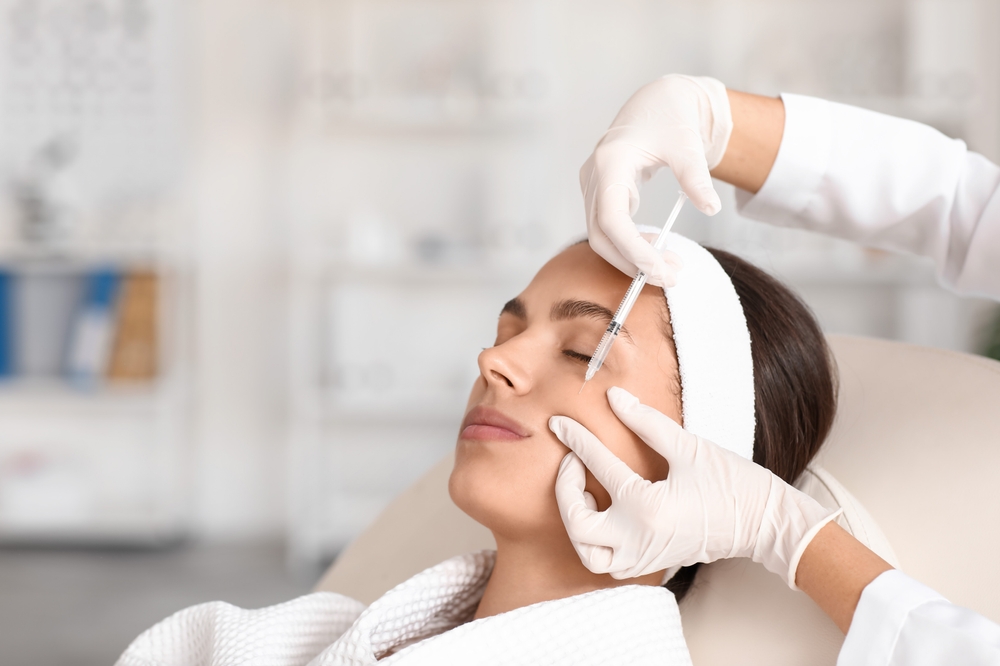
Different substances are used in filler treatment. Each substance has different properties. Hyaluronic acid is the most common. Calcium hydroxyapatite and poly-L-lactic acid are also preferred. Permanent fillers are rarely used. The physician selects the material based on the patient's needs and the characteristics of the area.
Hyaluronic acid is a natural component of the skin. This substance has a high water retention capacity. When injected in filler form, it creates volume under the skin. It also enhances the quality of the skin by retaining moisture. The body gradually breaks down this substance over time. The duration of effect ranges from 6 to 18 months. Hyaluronic acid fillers stand out with their safe profiles. If desired, the patient can dissolve this filler with a special enzyme.
Calcium hydroxyapatite is a mineral found in bones and teeth. This substance is injected under the skin in filler form. In addition to creating volume, it stimulates collagen production. Its effect lasts longer than that of hyaluronic acid. It generally provides durability for 12 to 18 months. Busso and Karlsberg (2017) note that this substance is effective in the cheek and chin areas. However, it is not applied to fine areas and lips.
Poly-L-lactic acid is a biocompatible and biodegradable substance. This filler stimulates collagen production instead of providing volume directly. Its effects develop over weeks rather than immediately after treatment. Results can last up to 2 years. This substance is commonly used for volume loss across the face. It requires multiple sessions, with each session performed a month apart.
Permanent fillers contain substances that are not broken down by the body. These substances can include components like silicone or polymethyl methacrylate. Their effects last a lifetime. However, the risk of complications is higher. Allergic reactions, infections, and tissue hardness can occur. If the patient is not satisfied with the results, removal can be difficult. Therefore, most experts do not recommend permanent fillers. Temporary fillers are much safer.
Feature | Hyaluronic Acid | Calcium Hydroxylapatite | Poly-L-Lactic Acid | Permanent Fillers |
Mechanism of Action | Volume + Hydration | Volume + Collagen | Collagen Stimulation | Permanent Volume |
Longevity | 6-18 months | 12-18 months | 2 years | Lifetime |
Resorbability | Yes | No | No | No |
Safety Profile | Very High | High | High | Medium |
Application Area | Entire face | Cheek, chin | Overall face | Limited |
Istanbul is a global center for filler treatment. The city offers many advantages. Experienced physicians, modern clinics, and up-to-date techniques are among these advantages. International patients find both treatment and tourism opportunities. Same-day discharge provides convenience. The health tourism infrastructure offers ease for foreign patients.
Many aesthetic physicians in Istanbul have years of experience. These physicians have seen thousands of cases. Experience ensures a deep understanding of facial anatomy. The physician anticipates and prevents complications. They also produce natural results. An experienced physician instills confidence in the patient. This confidence positively affects the treatment process.
Modern clinics are equipped with state-of-the-art devices. These devices facilitate diagnosis and planning. Digital facial analysis ensures accurate planning. Sterilization equipment reduces the risk of infection to zero. Emergency intervention capabilities enhance patient safety. Comfortable waiting and treatment rooms ensure patient comfort.
The field of medicine is constantly evolving. New injection techniques provide safer and more natural results. Micro-cannula techniques reduce the risk of vascular injury. Layered injection ensures smoother distribution. Physicians learn these techniques at international congresses. Clinics in Istanbul quickly keep up with these developments.
Istanbul hosts thousands of foreign patients every year. This situation brings clinics to international standards. Multilingual staff resolves communication issues. Clinics gain experience in serving patients from different cultures. This experience enhances the quality of service. Patients feel at home.
Filler treatment is performed on an outpatient basis. The patient can get up immediately after the procedure. No rest period is required. The patient can return to work the same day. This feature is ideal for those with a busy schedule. However, caution should be exercised in the first few hours. Nevertheless, normal life resumes immediately.
Istanbul is a tourism city with its historical and cultural riches. Foreign patients can explore these riches after treatment. Transportation and accommodation options are diverse. Treatment costs are reasonable compared to Europe and America. This price advantage is achieved without compromising quality. Patients benefit from both health and a pleasant experience.
Filler treatment is a safe procedure. However, like any medical procedure, there are some risks. These risks include temporary side effects and rare complications. The physician explains these risks to the patient before treatment. The correct technique and the right product minimize risks. The patient should be aware of the signs of complications.
Some temporary reactions after injection are normal. These include swelling, bruising, sensitivity, and redness. These symptoms are the skin's natural responses to the injection. They usually resolve within a few days. The patient should not worry during this process. However, if symptoms persist, the physician should be consulted.
Swelling refers to slight puffiness at the injection site. This condition begins immediately after the procedure. It lasts a maximum of 2-3 days. A cold compress reduces swelling. The patient should keep their head elevated. They should avoid excessive salt intake. Swelling is generally painless.
Bruising occurs due to the damage of small vessels during injection. This situation depends on the skin structure and the use of blood thinners. Bruising usually fades within 5-7 days, turning yellow. Arnica cream speeds up the healing of bruises. Makeup can cover the bruise. The patient should be aware that bruising is expected.
Mild touch sensitivity at the injection site is normal. This condition lasts for 2-3 days. If pain relief is needed, paracetamol can be used. Aspirin is not recommended as it increases the risk of bruising. Sensitivity should not escalate to severe pain. Severe pain may be a sign of infection.
Redness is immediately visible after injection. This condition is the skin's reaction. It usually disappears within 24-48 hours. In sensitive skin, it may last a few more days. The patient should protect themselves from the sun during this period. If redness is accompanied by itching or warmth, the physician should be consulted.
In rare cases, serious complications can occur. These include infection, nodule formation, vascular occlusion, and tissue loss. These complications are typically associated with inexperienced application or the use of low-quality products. DeLorenzi (2014) emphasizes that these complications are preventable. The patient should recognize these symptoms. Early intervention prevents negative outcomes.
Infection occurs in non-sterile conditions. Symptoms include swelling, redness, pain, and fever. The physician prevents this risk by working with sterile techniques. The patient should keep the area clean after the procedure. Makeup should not be applied in the first 24 hours. If infection symptoms are observed, antibiotics should be started immediately.
A nodule is a small hardness felt under the skin. This condition occurs due to uneven distribution of the filler or excessive application. The risk of nodules is higher with permanent fillers. The physician reduces this risk with the correct technique. Formed nodules are treated with massage or medication. Surgical removal is rarely necessary.
Vascular occlusion occurs when the filler is injected into a blood vessel. This condition is a serious complication. The physician prevents this risk by having a good knowledge of facial anatomy. The cannula technique reduces this risk. Symptoms include sudden pain, bruising, and changes in skin color. Beleznay and colleagues (2015) state that this complication requires immediate intervention. In this case, the physician immediately applies hyaluronidase enzyme.
Tissue loss occurs when vascular occlusion is not treated. This condition can lead to permanent scars on the skin. Early diagnosis and treatment prevent tissue loss. The physician remains extra cautious in risky areas even if they cannot see the vessels completely during the procedure. The patient should call immediately if they feel sudden pain and bruising after the procedure.
Certain steps are taken to reduce the risk of complications. First, selecting an experienced physician is essential. Second, approved and original products should be used. Third, clinical hygiene standards should be high. Fourth, the patient must provide a complete medical history. Fifth, post-procedure instructions must be followed thoroughly. These precautions significantly reduce risks.
Post-filler treatment care affects the quality and duration of results. The patient should be careful in the first 24 hours and the first week. There are rules regarding sports, sauna, alcohol, and makeup. Massage can be harmful in some cases. The physician provides these instructions both in writing and verbally.
The first 24 hours is the most critical period. The patient should not touch the injection area. A cold compress should be applied every 10 minutes. This reduces swelling and bruising. The head should be elevated with a high pillow while sleeping. Hot showers and warm environments should be avoided. Plenty of water should be consumed. If there is pain, paracetamol can be taken.
The first week is the period in which the skin adapts. The patient should be gentle when washing their face. The use of sunscreen should be increased. Harsh facial movements should be avoided. Direct sun exposure should be limited. If redness or swelling persists, the patient should consult a doctor. The first week is the period when the results settle.
Intense sports and exercise should not be done in the first 48 hours. This is because increased blood pressure can lead to bruising and swelling. Light walking can begin after 24 hours. Fitness and weight training can be resumed after 48-72 hours. Movements that cause the face to sag should be reduced in the first week. The patient should observe their body's reactions.
Saunas, baths, and hot showers are not recommended in the first week. Heat increases swelling and raises the risk of filler displacement. Sunbathing and tanning beds should also be avoided during this period. The patient should prefer cool environments. After one week, normal routines can be resumed.
Alcohol thins the blood and increases the risk of bruising. Alcohol consumption should be avoided in the first 48 hours. Additionally, alcohol can increase swelling. The patient should limit alcohol intake even before treatment. After 48 hours, light alcohol consumption is allowed. However, excessive consumption should be avoided.
Makeup should not be applied in the first 24 hours. This is because makeup products carry a risk of infection. After 24 hours, light makeup can be applied with clean makeup products. Foundation can cover bruises. However, pressure should not be applied to the area. Makeup brushes should be clean.
Massage is recommended for some types of fillers. However, it can be harmful in certain situations. If the filler is properly settled, there is a risk of massage causing displacement. The doctor determines whether massage is necessary. The patient should not perform self-massage. Especially with fillers applied using a cannula, massage is risky. No intervention should be made without the doctor's instructions.
Time Frame | What to Do | What to Avoid |
First 24 Hours | Cold compress, plenty of water, keeping the head elevated | Hot shower, makeup, touching |
24-48 Hours | Light walking, clean makeup | Heavy exercise, alcohol, sauna |
3-7 Days | Sunscreen, gentle face wash | Intense facial movements, sun |
1 Week Later | Normal routine | Extreme heat environments |
The duration of filler treatment depends on many factors. Generally, the effect varies between 6 months and 2 years. Longevity differs based on the area treated, the type of filler used, and metabolism. Touch-up applications help prolong the results. The patient should learn about the duration of effect before the treatment.
In mobile areas, the filler dissolves more quickly. The lips are constantly in motion due to speaking and eating. Therefore, lip fillers last 6-9 months. Cheeks and temples last 12-18 months as they are less mobile. Under-eye fillers last between 9-12 months. The jawline shows longevity of 12-18 months.
Hyaluronic acid fillers last between 6-18 months. Calcium hydroxyapatite lasts 12-18 months. Poly-L-lactic acid can last up to 2 years. Permanent fillers last a lifetime. However, temporary fillers are preferred for their safety. The physician selects the type based on the patient's expectations.
A fast metabolism breaks down the filler more quickly. In young and active individuals, the filler may dissolve faster. Smoking accelerates skin aging and filler dissolution. Sun damage reduces skin quality and shortens the lifespan of the filler. The patient can extend the filler lifespan with a healthy lifestyle.
Touch-ups are a complement to the filler. Small adjustments are made 2-4 weeks after the initial treatment. This way, the results are perfected. Touch-ups also extend the filler lifespan, as regular touch-ups support the skin's structure. The patient should not miss touch-up appointments.
Filler prices vary based on many factors. In Istanbul, prices are reasonable compared to Europe and America. However, there are differences between clinics. These differences can be explained by the amount of filler used, brand, number of areas treated, physician experience, and clinic infrastructure. Patients should also consider quality when researching prices.
Filler is sold in ampoules or syringes. Each ampoule contains a specific volume. When multiple ampoules are needed, the price increases. Larger surfaces and deep depressions require more filler. The physician determines the necessary amount during the examination. Patients should not expect significant results with a small amount of filler. The correct amount is key to natural results.
Different brands have different prices. Globally recognized brands are more expensive due to research investments. These brands are superior in terms of safety and quality. Local and unknown brands may be cheaper. However, these products carry risks. Patients should trust their physician when choosing a brand.
Treating a single area is less costly. Lip fillers can be done alone. However, many patients choose to treat multiple areas at the same time. Cheeks, chin, and lips can be planned together. Multi-area treatments offer bulk pricing advantages. The physician can create package plans.
Experienced and well-known physicians may charge higher fees. This price difference can be explained by the physician's expertise and success rate. Patients pay this fee in exchange for safety and natural results. Cheap treatments carry the risk of inexperienced practitioners or low-quality products. Choosing a physician comes before considering the price.
Clinics with high technology have made more investments. This investment is reflected in the prices. Digital analysis devices, sterilization equipment, and emergency intervention units incur costs. However, this infrastructure increases patient safety. Patients should observe the technological equipment.
Choosing the right clinic is half of the treatment success. Patients should evaluate many factors when selecting a clinic. The Ministry of Health license is the first requirement. Specialist doctors, case examples, patient reviews, transparent planning, and the use of original products are also important. These criteria ensure a safe and satisfactory treatment.
The Ministry of Health license indicates that the clinic has been officially inspected. Places without this license cannot provide health services. The license proves that the clinic's physical conditions, personnel, and equipment have been examined. Patients may want to see this license before treatment. Receiving treatment from unlicensed places carries serious risks.
The patient should check the doctor's diploma and area of expertise. Plastic surgeons, , or aesthetic medicine specialists can perform this procedure. It is important how many years the doctor has been working in this field. The doctor should provide open and clear answers to questions. The patient should be able to establish a trust bond with the doctor.
Case examples demonstrate the doctor's competence. The patient can review before and after photos. These photos reflect the doctor's aesthetic understanding. A doctor who provides natural results does not make excessive changes. The patient should look for cases similar to their own facial structure. This review clarifies expectations.
Reviews on the internet provide insight about the clinic. However, not every review may be objective. The patient should read both positive and negative reviews. In the reviews, the doctor's interest, clinic cleanliness, and satisfaction with results should be sought. Recurring complaints should be taken into account. However, there may also be misleading reviews.
Transparency means the doctor explains everything clearly to the patient. Price, products used, expected results, and potential risks should be shared. The patient should receive the treatment plan in writing. Surprise additional charges undermine trust. Transparent clinics take care to inform the patient.
The patient should see the product packaging before treatment. The doctor should open the product in front of the patient. The barcode and serial number should be checked. Original products carry holograms and security seals. The patient should not hesitate to ask questions about the product. In cases of doubt, treatment may be postponed.
Many misconceptions circulate about filler treatment. This misinformation can discourage patients from treatment. Accurate information enables informed decision-making. Filler does not make the face look artificial. Not all fillers are the same. Filler is not permanent. Not every filler can be applied to every area. These facts are supported by scientific data.
When applied correctly, filler does not make the face look artificial. Excessive filler can cause a swollen and uneven appearance. However, an experienced doctor preserves natural boundaries. The patient should have realistic expectations. Natural results should be the goal. Filler enhances the face, it does not change it.
The content, density, and permanence of each filler differ. Hyaluronic acid fillers are the most common and safe. Calcium hydroxyapatite is for deeper areas. Poly-L-lactic acid stimulates collagen production. Permanent fillers carry different risks. The doctor selects the most suitable one for the patient.
Most fillers are temporary. Hyaluronic acid fillers last between 6-18 months. The body breaks down these substances over time. This temporariness is actually an advantage. Because if the patient is not satisfied with the result, they can wait or dissolve it. Permanent fillers are rarely used. Sundaram and Rohrich (2019) state that the safety profile of temporary fillers is higher.
Not every filler is suitable for every area. Lips require soft and fine fillers. The jawline requires firmer and denser fillers. Under the eyes, specially formulated fine fillers are needed. The physician selects the product based on the anatomical structure of the area. The wrong product can lead to complications and unnatural results.
Filler treatment typically lasts between 15 to 45 minutes. The duration depends on the number of areas treated. A single area can be completed in 15 minutes. The procedure is performed on an outpatient basis. The patient returns home the same day. Additional time should be planned for booking an appointment and follow-up.
Filler treatment is not a painful procedure. Thanks to local anesthetic creams and anesthetic substances in the filler, the patient feels comfortable. The patient only experiences a slight sting and pressure sensation. Mild sensitivity after the procedure is normal and will pass within a few days.
Filler results are visible immediately. However, initial swelling may conceal the true result. Swelling subsides within 2-3 days. If there is bruising, it will disappear within 5-7 days. Complete and natural results become clear within 1-2 weeks. The patient should be patient during this time.
Yes, one can return to work on the same day after filler treatment. However, caution should be exercised during the first 24 hours. Makeup should not be applied on the first day. If there is mild bruising, it can be covered with foundation. The patient should rest on the first day for physically demanding jobs. Office work can continue immediately.
Lip filler lasts for 6 to 9 months due to the area's mobility. Activities such as talking, eating, and drinking accelerate the filler absorption. However, this duration varies from person to person. Metabolism rate affects the filler lifespan. Regular touch-ups help maintain lip volume.
Hyaluronic acid fillers can be dissolved with a special enzyme. This enzyme is called hyaluronidase. The physician applies this enzyme in cases of dissatisfaction or complications. The dissolving process is quick and safe. However, calcium hydroxylapatite and poly-L-lactic acid cannot be dissolved. Therefore, hyaluronic acid is preferred more.
Filler restores volume loss and fills the skin. Botox temporarily halts muscle movements. Filler corrects fine lines and depressions. Botox reduces dynamic wrinkles. These two methods complement each other. Many patients receive both treatments together.
Yes, multiple areas can be filled in the same session. The physician evaluates the overall aesthetics of the face. Lips, cheeks, and chin can be planned simultaneously. This approach balances facial proportions. It also provides practicality for the patient, as multiple results can be achieved in a single session.
Traveling by plane after filler is generally safe. However, long flights may slightly increase swelling. The doctor may recommend waiting 24-48 hours. Changes in cabin pressure can cause discomfort for newly injected filler. However, there is no serious risk. The patient should share their travel plans with their doctor.
Istanbul is one of the leading cities in the world for health tourism. Foreign patients find both quality treatment and affordable prices. Many clinics offer services in languages such as English, French, Arabic, and Russian. Accommodation and transportation options are well-developed. Patients can explore Istanbul after treatment. However, foreign patients should also apply the same selection criteria.
Filler treatment in Istanbul provides safe and effective results with proper planning and expert selection. The success of the treatment depends on the doctor's experience, the quality of the product used, and clinical standards. The patient should demonstrate an informed approach. Medical history, realistic expectations, and post-procedure care enhance satisfaction. Natural results are possible with personalized planning and the right technique. Luebberding and colleagues (2013) show that personalized filler planning provides long-term satisfaction. The aesthetic medical opportunities offered by Istanbul create an attractive option for both local and foreign patients. However, it should be noted that aesthetic procedures are medical procedures. Therefore, seriousness, care, and a scientific approach are essential. The patient should consider the information in this guide when choosing a clinic and doctor. This way, a safe and natural rejuvenation experience is achieved.
Alijotas-Reig, Juan, and Maria Teresa Fernández-Figueras. "Late-Onset Adverse Reactions Related to Dermal Filler Procedures." Surgery, vol. 40, no. 12, 2014, pp. 1335-1349.
Beleznay, Katie, et al. "Vascular Compromise from Dermal Fillers: A Systematic Review of Case Reports." Surgery, vol. 41, no. 8, 2015, pp. 1-10.
Busso, Mariano, and Paul Karlsberg. "Cheek Augmentation and Rejuvenation Using Injectable Calcium Hydroxylapatite (Radiesse)." Surgery, vol. 43, no. 1, 2017, pp. 128-133.
DeLorenzi, Claudio. "Complications of Injectable Fillers: Prevention and Management." Aesthetic Surgery Journal, vol. 34, no. 4, 2014, pp. 631-643.
Funt, David, and Tatjana Pavicic. "Dermal Fillers in Aesthetics: An Overview of Adverse Events and Treatment Approaches." Clinical, Cosmetic and Investigational , vol. 6, 2013, pp. 295-316.
Gold, Michael H. "Use of Hyaluronic Acid Fillers for Treatment of the Aging Face." Clinical Interventions in Aging, vol. 4, 2009, pp. 161-167.
Hirsch, Robert J., and Joel L. Cohen. "Soft Tissue Augmentation with Hyaluronic Acid Fillers: A Practical Guide." Journal of Drugs in , vol. 15, no. 9, 2016, pp. 1078-1082.
Luebberding, Stefanie, et al. "Quantification of Hyaluronic Acid in Human Skin: A Methodological Study." Skin Research and Technology, vol. 19, no. 4, 2013, pp. 422-427.
Sundaram, Hema, and Rod J. Rohrich. "Facial Fillers: Assessing the Safety and Efficacy of Contemporary Products." Plastic and Reconstructive Surgery, vol. 143, no. 4, 2019, pp. 717e-724e.
Sykes, Jonathan M., et al. "Nonsurgical Rhinoplasty: A Systematic Review of Filler Techniques and Outcomes." Aesthetic Surgery Journal, vol. 35, no. 6, 2015, pp. 678-682.