What Are the Differences Between a French Facelift Thread Lift and Ulthera?
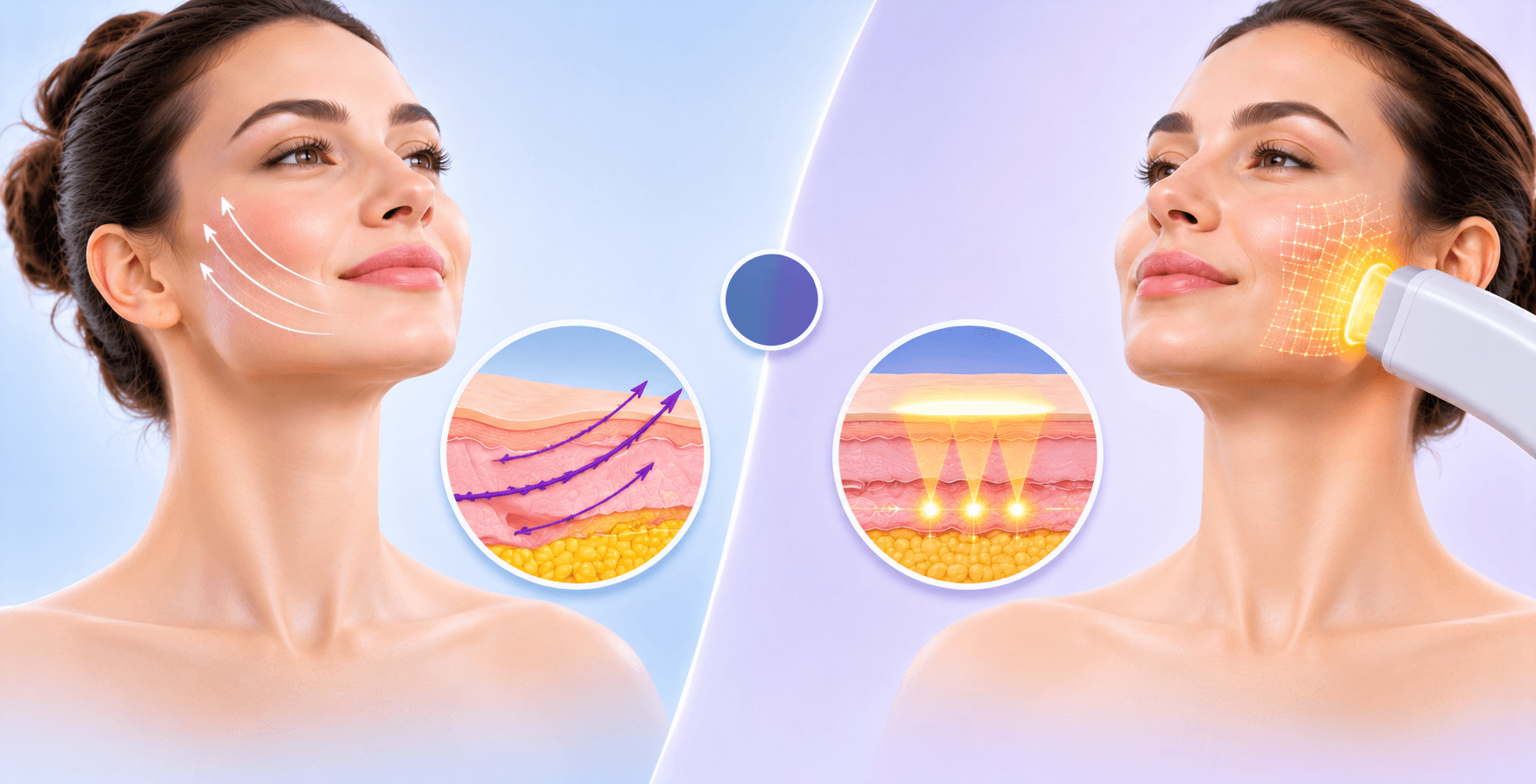
French Thread Lift and Ulthera differ primarily in their mechanism of action. The French Thread Lift mechanically lifts the tissues upward using specialized medical threads placed beneath the skin. Ulthera, on the other hand, creates controlled points of heat within the tissue using microfocused ultrasound energy and gradually tightens the skin by stimulating collagen production.
Both methods are used in nonsurgical facial rejuvenation. Both aim to define the facial contour, reduce skin laxity, and create a more youthful appearance. However, they achieve these goals in different ways. While the French Thread Lift creates a physical lifting effect, Ulthera initiates a biological rejuvenation process. This difference directly affects the treatment technique, the time it takes for results to appear, the recovery process, and the duration of the results.
In this article, we will compare the technical features of both methods, the degrees of sagging they are suitable for, treatment areas, recovery processes, risks, and cost factors. This will provide you with a scientific framework to help you understand which method is more suitable for your individual needs.
What Is the French Thread Lift and How Is It Performed?
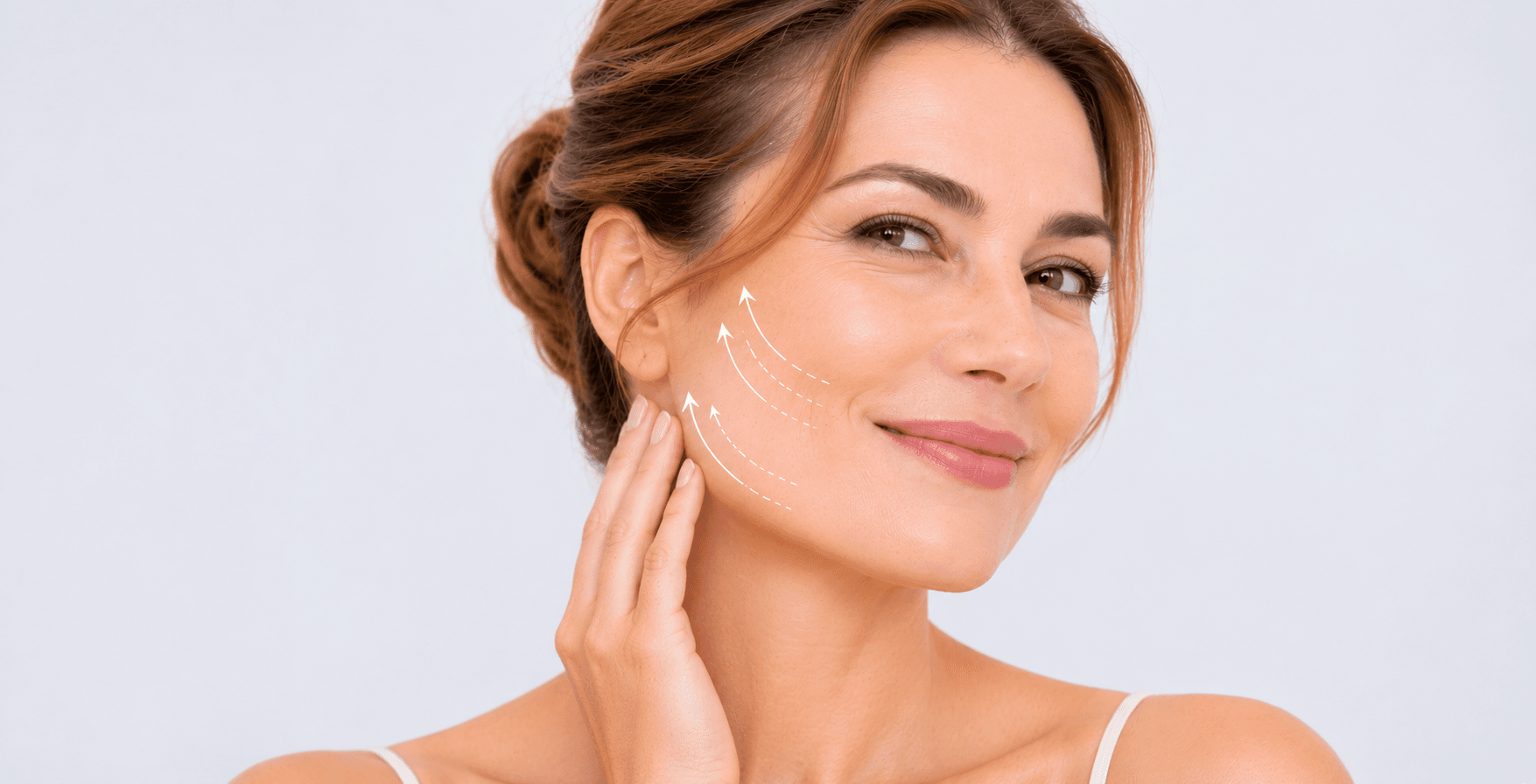
The French Thread Lift is a nonsurgical facelift performed using specialized medical threads placed beneath the skin. The threads grip the loose tissue beneath the skin, lift it upward, and support it in its new position. This allows sagging facial tissue to be repositioned without surgery.
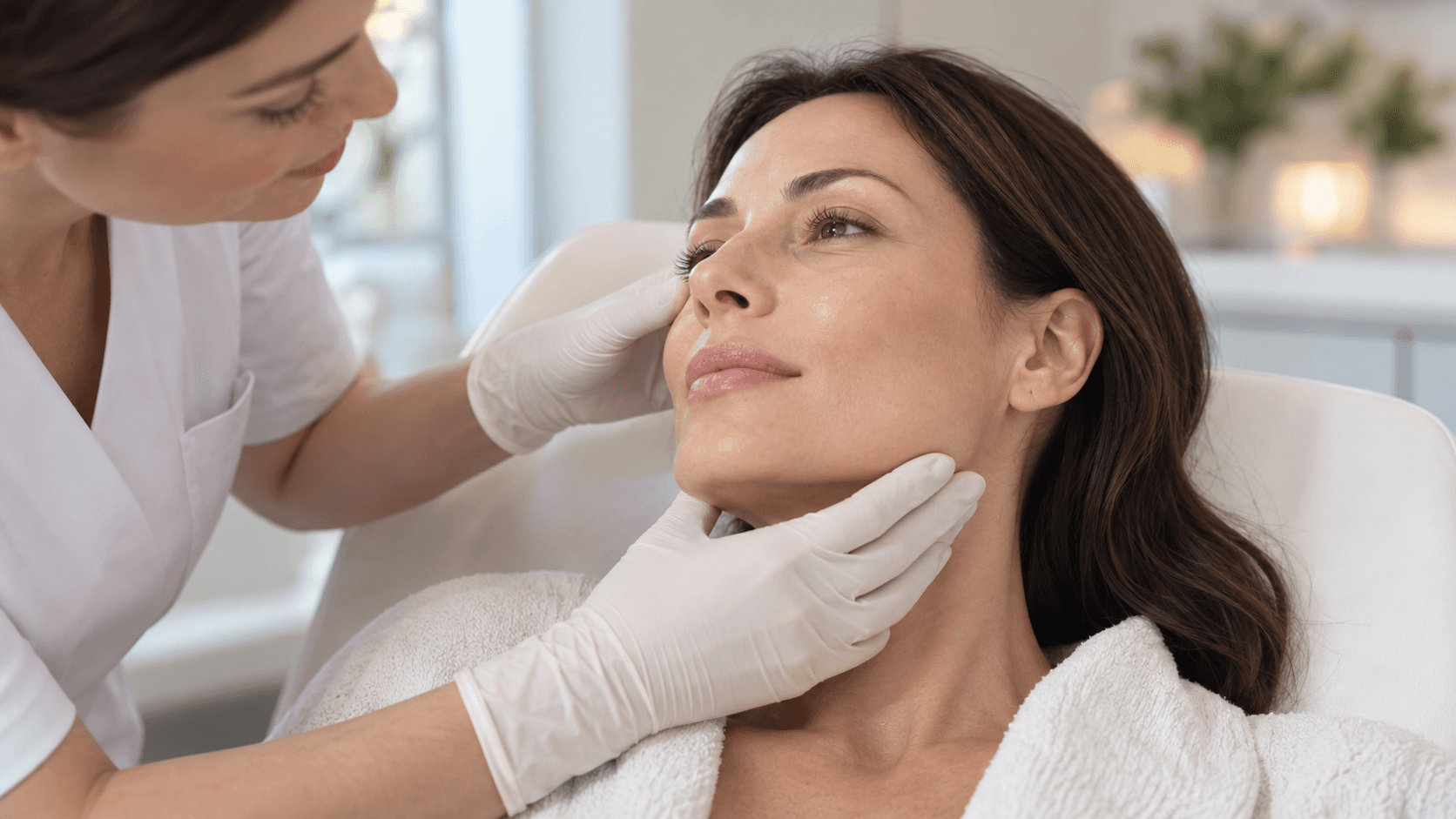
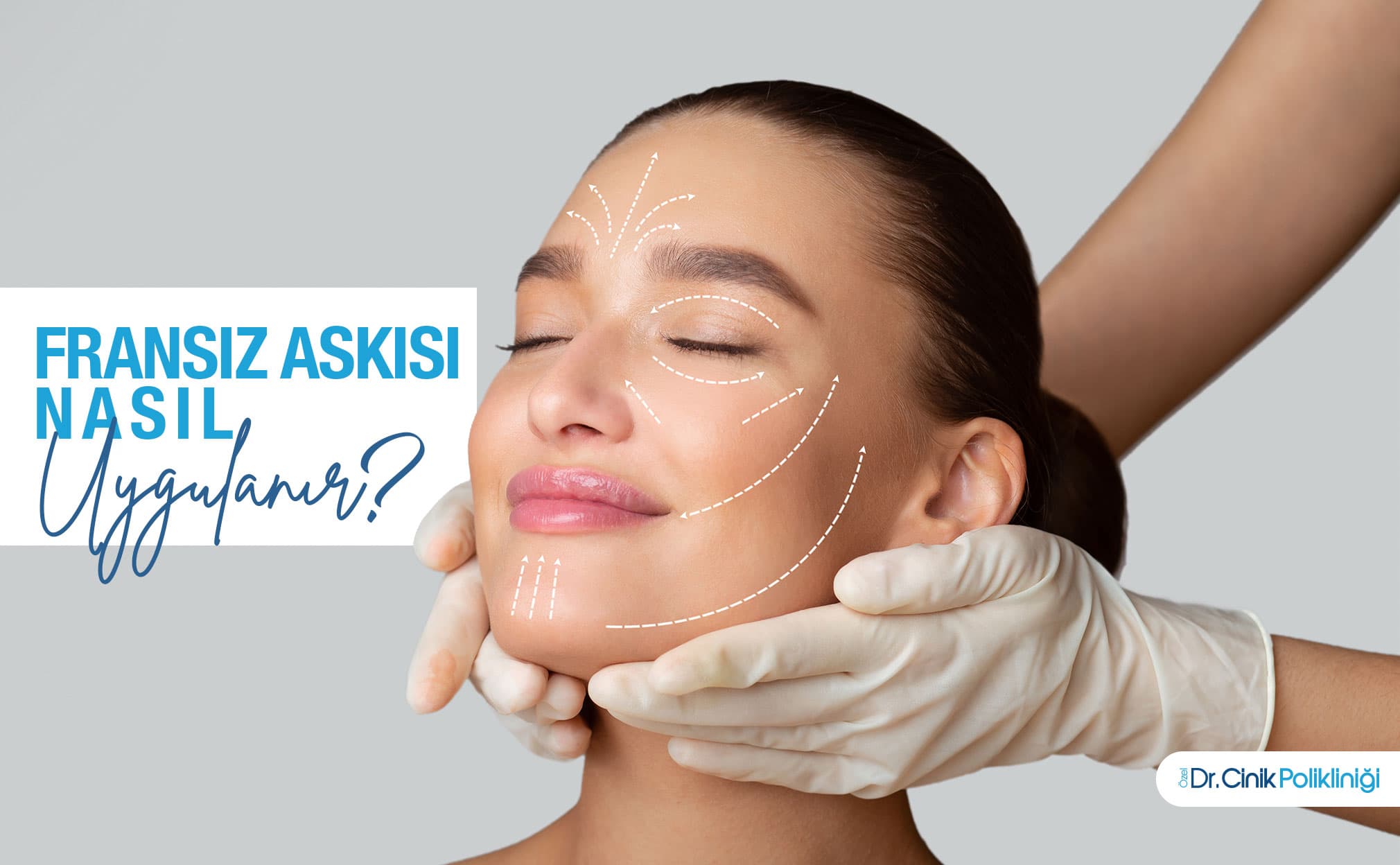
The procedure is performed under local anesthesia. First, the physician marks the direction of sagging and the support points on the face. The threads are then inserted beneath the skin along the planned path using a fine needle or cannula. The small barbs or cones on the threads anchor them to the tissue. When the physician tightens the thread, the tissue is lifted upward and secured in this new position. The clinical use of thread-lifting techniques dates back to the early 2000s, and thread designs have been continuously improved since then (Sulamanidze et al. 2002).
The thread material used varies according to the treatment protocol. PDO (polydioxanone) threads are generally absorbed by the body within 6 to 8 months, PLLA (poly-L-lactic acid) threads within 12 to 18 months, and PCL (polycaprolactone) threads in approximately 24 months. The longer the absorption period, the longer the duration of tissue support. Over time, fibroblasts multiply around the threads and new collagen fibers form (Suh et al. 2015). This means that even after the thread dissolves, this collagen structure provides additional support alongside the mechanical lifting effect. The combination of mechanical lifting and biological regeneration makes the French Thread Lift significant in comparative evaluations. However, ultrasound-based methods work in an entirely different way, and understanding this requires examining how Ulthera works.
What Is Ulthera and How Does It Affect the Skin?
Ulthera is a non-surgical skin-tightening method that targets the deeper layers of the skin using microfocused ultrasound technology. The device focuses ultrasound energy at specific depths without disrupting the skin surface and creates controlled thermal points at approximately 60 to 70 degrees Celsius in those areas. These thermal points contract collagen fibers and stimulate new collagen production.
The anatomical target of the method is usually the SMAS layer. SMAS is a fibrous network composed of collagen and elastin fibers that connects the facial muscles to the skin (Ghassemi et al. 2003). This layer, which is also targeted in surgical facelifts, functions as the supporting framework of the face. Cadaver studies have shown that focused ultrasound energy creates selective thermal injury zones within the SMAS while protecting the surrounding tissues (White et al. 2007). Histological examinations have also confirmed that millimeter-precise microcoagulation points can form within the skin (Laubach et al. 2008).
A distinctive feature of Ulthera is real-time ultrasound imaging. The physician monitors the tissue layers on the imaging screen of the applicator and delivers the energy to the correct depth. The device offers applicators focused at depths of 1.5, 3.0, and 4.5 millimeters. This allows both the superficial dermis and the deep supporting tissue to be targeted. The procedure does not require an incision or thread placement on the skin surface. This non-invasive structure provides a starting point for technically comparing the two methods.
What Technical Features Distinguish the French Thread Lift from Ulthera?
The most distinctive technical difference between the two methods is the source of their effect. The French Thread Lift physically repositions the tissue, whereas Ulthera enables the tissue to renew itself through controlled energy. In the first method, the threads create the result; in the second, the result is produced by the body’s own collagen response.
This fundamental difference is reflected in every stage of the application. In the French Thread Lift, the target tissue is the sagging soft tissue itself, and the thread attaches directly to this tissue. In Ulthera, the target tissue is the dermis and SMAS layers targeted by the ultrasound applicator; the skin surface is not affected during the procedure. Because the French Thread Lift requires small needle entry points, it is considered minimally invasive. Ulthera, on the other hand, is non-invasive because it does not require any entry point. The table below summarizes these technical distinctions.
Technical feature | French Thread Lift | Ulthera |
Mechanism of action | Mechanical lifting with threads | Thermal stimulation with focused ultrasound |
Target tissue | Sagging soft tissue | Dermis and SMAS layer |
Device used | Absorbable medical threads | Microfocused ultrasound device |
Level of invasiveness | Minimally invasive (needle insertion) | Noninvasive (no incision) |
Anesthesia | Local anesthesia | Usually an anesthetic cream |
Additional effect | Collagen formation around the threads | Collagen and elastin regeneration |
The distinctions in the table have important practical implications. The mechanical lifting effect is a powerful option when significant tissue repositioning against gravity is required. Thermal stimulation, on the other hand, is effective for improving skin quality and firmness from the inside out. Therefore, the question of which method is more effective depends above all on the degree of sagging.
Which Method Is More Effective for Facial Sagging?
Ulthera generally produces stronger results for mild to moderate skin laxity, while the French Thread Lift is usually more effective for more pronounced tissue sagging. The degree of sagging is the most critical variable in treatment selection because each method has a different lifting capacity.
Ulthera is a good option for people with mild to moderate skin laxity. Clinical studies have shown that focused ultrasound provides measurable improvement in brow lifting and lower-face tightening (Alam et al. 2010). In people whose skin elasticity is still preserved, the collagen response develops strongly and produces gradual tightening.
The mechanical effect of the French Thread Lift offers an advantage in cases of more pronounced cheek sagging, an indistinct jawline, and deep nasolabial folds. Because the threads lift the tissue directly upward, the lifting effect is visible during the procedure. Both methods can be used in the submental area; however, in cases of a double chin with excess fatty tissue, thread lifting or ultrasound alone may not be sufficient. Clinical data have shown that thread procedures provide the best results in patients with moderate sagging, good skin quality, and low tissue fullness (Suh et al. 2015).
In cases of advanced sagging and significant excess skin, non-surgical methods have their limitations. In such cases, neither French Thread Lift nor Ulthera can provide the correction achieved with a surgical facelift. Evaluating each facial area individually helps clarify these limitations.
Which Facial Areas Can French Thread Lift and Ulthera Be Applied To?
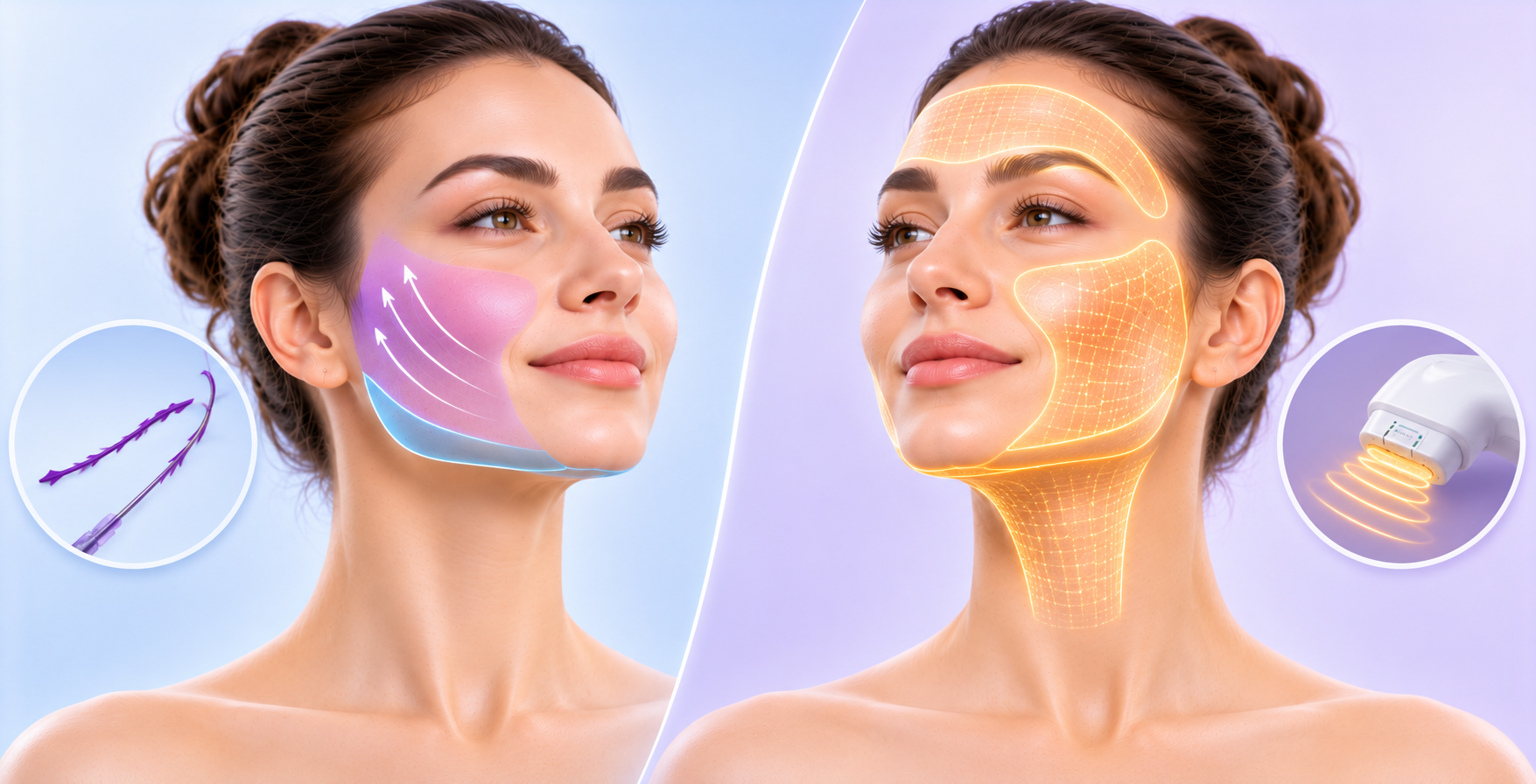
While French Thread Lift is most commonly used on the cheeks, mid-face, jawline, and facial oval, Ulthera can be applied to a broader range of areas, including the forehead, brow area, cheeks, submental area, and neck. Neither method produces the same results in all facial areas; the area selected depends on the individual’s facial anatomy and needs.
French Thread Lift stands out in the mid- and lower face, where its lifting effect is strongest. Volume displacement in the cheeks, irregularities along the jawline, and changes in the facial oval can benefit from the mechanical support provided by the threads. Since the threads require a specific traction line, their use is limited in thin, mobile areas such as the forehead.
Ulthera, on the other hand, can also be applied to areas such as the brow area and neck, thanks to its range of transducer depths. Shallow-focused transducers are preferred for sagging in the forehead and brow area, while deeper-focused transducers are used for laxity under the chin and in the neck. The table below summarizes general usage trends by area.
Facial area | French Thread Lift | Ulthera |
Forehead and brows | Limited use | Suitable |
Cheeks and mid-face | Highly suitable | Suitable |
Jawline | Highly suitable | Suitable |
Double chin and submental area | Suitable | Very suitable |
Neck | Limited use | Very suitable |
Area planning alone is not sufficient. The next critical question for patients is when the results will become visible, and the answer to this question differs significantly between the two methods.
When Do French Thread Lift and Ulthera Results Become Visible?
The lifting effect of the French Thread Lift is visible as soon as the procedure is completed; the effect of Ulthera, however, develops gradually over weeks and months because it depends on collagen production. This difference in timing is a decisive criterion for patients who want to see results quickly.
With the French Thread Lift, the threads lift the tissue upward as they are positioned. However, swelling during the first few days can make it difficult to assess the final appearance. As the swelling subsides, the true degree of lifting becomes apparent, and the result generally settles within the first few weeks.
With Ulthera, the thermal effect contracts collagen during the procedure, but the primary tightening effect comes from the formation of new collagen. Biopsy studies have detected a significant increase in dermal thickness and collagen density two months after treatment (Suh et al. 2011). Clinical evaluations are generally performed 90 days after the procedure, and improvement has been shown to become more pronounced during this period (Alam et al. 2010). The final assessment may extend to three to six months, depending on the individual’s healing rate. With both methods, comparative photographs taken under standardized lighting, angles, and distances are important for objectively monitoring the result. In addition to how quickly the result becomes visible, patients also wonder how long it will last.
How Long Do the Effects of the French Thread Lift and Ulthera Last?
The effects of both methods are temporary; results generally last between one and two years, although this period varies from person to person. Since the aging process continues, no non-surgical method can completely stop the effects of time.
The threads used in the French Thread Lift are gradually absorbed by the body. As the thread dissolves, mechanical support decreases, but the collagen sheath formed around the thread continues to maintain the result for some time. Literature reviews emphasize that the duration of the effect of thread-lifting methods varies depending on the type of thread, technique, and patient, and that long-term data are limited (Villa et al. 2008). A significant portion of the correction provided by absorbable threads may diminish within the first year; therefore, repeat treatments are planned for some patients (Tong and Rieder 2019).
With Ulthera, the collagen response that develops produces a long-term effect on skin tightness. Studies conducted on the lower face and neck have reported that tightening intensifies in the months following the procedure and is maintained for nearly a year in most patients (Lee et al. 2012). Age, skin structure, smoking, sun exposure, and the scope of treatment may shorten or extend this period. The time required to return to daily life also plays a role in the decision-making process, alongside the question of longevity.
How Do the Recovery Processes Differ Between French Thread Lift and Ulthera Treatments?
After Ulthera, patients can generally return to their daily routines on the same day, whereas swelling, bruising, and a feeling of tightness lasting several days may occur after a French Thread Lift. The difference in recovery is due to the level of invasiveness of each method.
With a French Thread Lift, tissue trauma occurs due to needle entry points and the paths through which the threads are placed. In one clinical study, bruising was observed in 93.5% of patients and mild swelling in 90.3%; however, these effects subsided within a maximum of two weeks without requiring treatment (Suh et al. 2015). During the period recommended by the physician, facial expressions that strain the face, intense exercise, and high-temperature environments such as Turkish baths and saunas should be avoided. In the early period, it is also recommended not to sleep face down or apply pressure to the face.
After Ulthera, recovery is milder because the integrity of the skin surface is preserved. Temporary redness, sensitivity, mild edema, and a sensation of pain in the deeper tissues lasting for a few days may occur. Care and follow-up recommendations vary according to the treatment protocol. The table below compares the recovery profiles of the two methods.
Recovery factor | French Thread Lift | Ulthera |
Return to daily life | Usually 2–5 days | Usually the same day |
Swelling | May be noticeable, 1–2 weeks | Mild, a few days |
Bruising | Common | Rare |
Feeling of tightness | First 1–2 weeks | Usually absent |
Restrictions | Facial expressions, exercise, high heat | Minimal restrictions |
Another factor closely associated with the recovery process is the perception of pain during the procedure.
Which Is More Painful: French Thread Lift or Ulthera?
Both procedures are generally well tolerated by most patients. Since a French Thread Lift is performed under local anesthesia, procedural pain is largely prevented; with Ulthera, an anesthetic cream is used, and a sensation of heat and pinching may be felt during the procedure. Which one is more painful varies depending on individual sensitivity and the treatment area.
During a French Thread Lift, the anesthesia injection causes a brief burning sensation. As the threads are placed, patients generally describe pressure and a pulling sensation rather than pain. Tightness and sensitivity to touch lasting for several days after the procedure are to be expected.
With Ulthera, focused energy may produce brief heat, pinching, and an electric-like discomfort in the deeper tissues. Safety studies have reported that this discomfort generally remains limited to the procedure and does not develop into persistent pain (Chan et al. 2011). The sensation is more pronounced in areas close to bony structures, such as the jawline and forehead. Discussing pain management options with your physician before the procedure can improve comfort with both methods. Knowing the potential side effects, as well as the level of pain, is essential for making an informed decision.
What Are the Side Effects and Risks of a French Thread Lift and Ulthera?
The side effects of both methods are generally mild and temporary; serious complications are rare and are most often associated with improper application or inappropriate patient selection. The frequency and severity of side effects vary from person to person.
Bruising, edema, and temporary asymmetry are the most common effects after a French Thread Lift. More rarely, patients may experience the thread being palpable under the skin, depressions on the skin surface, thread displacement, and infection. Comprehensive literature reviews have shown that most complications associated with lifting threads resolve spontaneously; however, threads placed at an incorrect depth may cause skin dimpling or rippling (Tong and Rieder 2019).
Redness, swelling, sensitivity, and temporary numbness may occur after Ulthera. Temporary nerve involvement has rarely been reported when energy is applied at high doses in areas close to nerve branches; this effect generally resolves within several weeks (Laubach et al. 2008). For both methods, the foundation of risk reduction is a careful assessment of the patient’s medical history and facial anatomy before treatment, along with performance of the procedure by experienced healthcare professionals. Proper patient selection not only reduces risks but also increases satisfaction.
Who Are Suitable Candidates for a French Thread Lift and Ulthera?
The suitable candidate profile differs for the two methods: a French Thread Lift is more suitable for individuals with noticeable facial sagging who want a mechanical lifting effect, whereas Ulthera is more suitable for those with early to moderate skin laxity who desire non-surgical tightening. The decision requires a comprehensive assessment of skin quality, fat distribution, facial anatomy, and expectations.
Ideal candidates for the French Thread Lift are individuals with mobile tissue sagging along the cheeks and jawline, reasonably good skin quality, and a willingness to accept several days of swelling during the recovery period. Clinical observations have shown that results are more successful in patients with a low body mass index, good skin quality, and pronounced bone support (Suh et al. 2015).
Ideal candidates for Ulthera are individuals with mild to moderate laxity in the eyebrows, cheeks, under-chin area, and neck who do not want needles or threads and are willing to accept gradual results. Both methods may be insufficient in cases of advanced sagging or significant excess skin; surgical options should be considered for this group. In some patients, planning a combination of both methods rather than using a single method may be appropriate.
Can the French Thread Lift and Ulthera Be Performed Together in the Same Session?
Yes, because the two methods have different mechanisms of action, they can be planned together in selected patients to complement one another. However, combined treatment is not necessary or suitable for every patient; the decision should be based on a physician’s evaluation.
The rationale behind the combination is as follows: while Ulthera supports skin firmness and quality from the inside out, the French Thread Lift mechanically lifts the tissue. One strengthens the structure, while the other repositions it. This synergy may provide comprehensive results for patients who need both tightening and lifting.
Nevertheless, the treatment sequence, interval between the two procedures, and overall treatment plan should be determined by the physician. Multiple procedures may increase the total cost, recovery burden, and risk of complications. Cost is also a decisive consideration in its own right for many patients.
What Factors Determine French Thread Lift and Ulthera Prices?
The price of both methods is not fixed; for the French Thread Lift, the number and material of the threads, and for Ulthera, the number of pulses and treatment area are the main factors determining the cost. The physician’s experience and the clinic’s treatment standards also directly affect the price.
For the French Thread Lift, costs increase as the number of threads used rises, longer-lasting absorbable materials are selected, and the treatment area becomes broader. The scope of the procedure—whether only the mid-face or the entire lower face is planned—also changes the total fee.
For Ulthera, the price is calculated according to the number of areas treated, the depths of the transducers used, and the total number of pulses. A session covering the entire face and neck costs more than a session targeting a single area. When comparing prices, it is important to consider not only the total fee but also the treatment plan, scope of treatment, and physician’s experience. The right question is not “which one is cheaper?” but “which one is suitable for my needs?”
Should You Choose the French Thread Lift or Ulthera?
The choice should be based on the degree of skin laxity, anatomical needs, expectations regarding recovery time, and long-term goals; making a decision based solely on price or popularity is misguided. Each method addresses a different need.
For those seeking a faster and more mechanical lifting effect, with moderate to pronounced sagging and who are willing to accept a recovery period of several days, the French Thread Lift is a strong option. For individuals seeking a needle-free and incision-free method, with early to moderate laxity and a preference for gradual tightening, Ulthera offers advantages. Scientific literature shows that both methods are safe and effective in the right patient, although neither fully replaces a surgical facelift (Villa et al. 2008; Lee et al. 2012).
The most suitable method can only be determined through a personalized facial analysis and evaluation by a specialist physician. During the examination, skin thickness, elasticity, fat distribution, and the direction of sagging are assessed; these findings shape the treatment plan. Below, you can find the questions patients ask most frequently, along with brief answers.
Frequently Asked Questions About the French Thread Lift and Ulthera
This section brings together the questions most frequently raised by people comparing the two methods. Each question is answered briefly and clearly, based on the scientific evidence detailed in the article.
Does the French Thread Lift or Ulthera Provide Better Results?
No single method can be considered better for everyone. The mechanical lift provided by the French Thread Lift may deliver better results for pronounced sagging, while Ulthera’s gradual tightening may be more effective for mild to moderate laxity. The better method is the one that best addresses your needs.
Does Ulthera Lift the Face Upward Like the French Thread Lift?
No, it does not lift the face in the same way. Ulthera does not provide mechanical thread support; instead, it creates gradual tightening through the collagen response. This tightening may produce a subtle lifting appearance, but it is not equivalent to the physical lifting strength of a thread.
Can Ulthera Be Performed After a French Thread Lift?
Yes, both methods can be performed on the same person at different times or together with appropriate planning. The timing and order should be determined by the physician, taking thread placement and tissue healing into consideration.
Are the French Thread Lift and Ulthera Effective in the Double-Chin Area?
Both methods can be used in the double-chin and submental areas. Suitability depends on the amount of fatty tissue and the degree of skin laxity. In cases of significant fat accumulation, thread lifting or ultrasound treatment alone may not be sufficient.
Do the French Thread Lift and Ulthera Replace a Surgical Facelift?
No. Both methods provide non-surgical correction and do not remove excess tissue to the extent achieved by a surgical facelift. Surgical options should be considered for individuals with advanced sagging.
Are Ulthera Results Seen as Quickly as Those of the French Thread Lift?
No. The mechanical effect of the French Thread Lift is visible immediately after the procedure, while the effects of Ulthera develop over weeks and months as collagen production increases. This difference is decisive for patients seeking rapid results.
Can French Thread Lift and Ulthera Results Be Achieved in a Single Session?
A single treatment is sufficient for most patients; however, the number of sessions varies according to the individual’s needs and treatment protocol. Patients with a high degree of sagging may require additional sessions or complementary treatments.
References
Alam, Murad, Lauren E. White, Nicole Martin, Jonathan Witherspoon, Simon Yoo, and Dennis P. West. "Ultrasound Tightening of Facial and Neck Skin: A Rater-Blinded Prospective Cohort Study." Journal of the American Academy of , vol. 62, no. 2, 2010, pp. 262-269.
Chan, Natalie P. Y., Samantha Y. N. Shek, Cindy S. Yu, Stephanie G. Y. Ho, Chi K. Yeung, and Henry H. L. Chan. "Safety Study of Transcutaneous Focused Ultrasound for Non-Invasive Skin Tightening in Asians." Lasers in Surgery and Medicine, vol. 43, no. 5, 2011, pp. 366-375.
Ghassemi, Alireza, Axel Prescher, Dieter Riediger, and Hubertus Axer. "Anatomy of the SMAS Revisited." Aesthetic Plastic Surgery, vol. 27, no. 4, 2003, pp. 258-264.
Laubach, Hans-Joachim, Inder Raj S. Makin, Peter G. Barthe, Michael H. Slayton, and Dieter Manstein. "Intense Focused Ultrasound: Evaluation of a New Treatment Modality for Precise Microcoagulation Within the Skin." Surgery, vol. 34, no. 5, 2008, pp. 727-734.
Lee, Hee Sun, Won-Serk Jang, Young-Jun Cha, et al. "Multiple Pass Ultrasound Tightening of Skin Laxity of the Lower Face and Neck." Surgery, vol. 38, no. 1, 2012, pp. 20-27.
Suh, Dong Hye, Min Kyung Shin, Sang Jun Lee, et al. "Intense Focused Ultrasound Tightening in Asian Skin: Clinical and Pathologic Results." Surgery, vol. 37, no. 11, 2011, pp. 1595-1602.
Suh, Dong Hye, Hee Won Jang, Sang Jun Lee, Won Seok Lee, and Hwa Jung Ryu. "Outcomes of Polydioxanone Knotless Thread Lifting for Facial Rejuvenation." Surgery, vol. 41, no. 6, 2015, pp. 720-725.
Sulamanidze, Marlen A., Paul F. Fournier, Tamaz G. Paikidze, and George M. Sulamanidze. "Removal of Facial Soft Tissue Ptosis with Special Threads." Surgery, vol. 28, no. 5, 2002, pp. 367-371.
Tong, Luxi X., and Evan A. Rieder. "Thread-Lifts: A Double-Edged Suture? A Comprehensive Review of the Literature." Surgery, vol. 45, no. 7, 2019, pp. 931-940.
Villa, Mark T., Lauren E. White, Murad Alam, Simon S. Yoo, and R. Lynn Walton. "Barbed Sutures: A Review of the Literature." Plastic and Reconstructive Surgery, vol. 121, no. 3, 2008, pp. 102e-108e.
White, W. Matthew, Inder Raj S. Makin, Peter G. Barthe, Michael H. Slayton, and Richard E. Gliklich. "Selective Creation of Thermal Injury Zones in the Superficial Musculoaponeurotic System Using Intense Ultrasound Therapy: A New Target for Noninvasive Facial Rejuvenation." Archives of Facial Plastic Surgery, vol. 9, no. 1, 2007, pp. 22-29.
Get in touch with our expert team
Related Posts