Yükleniyor…
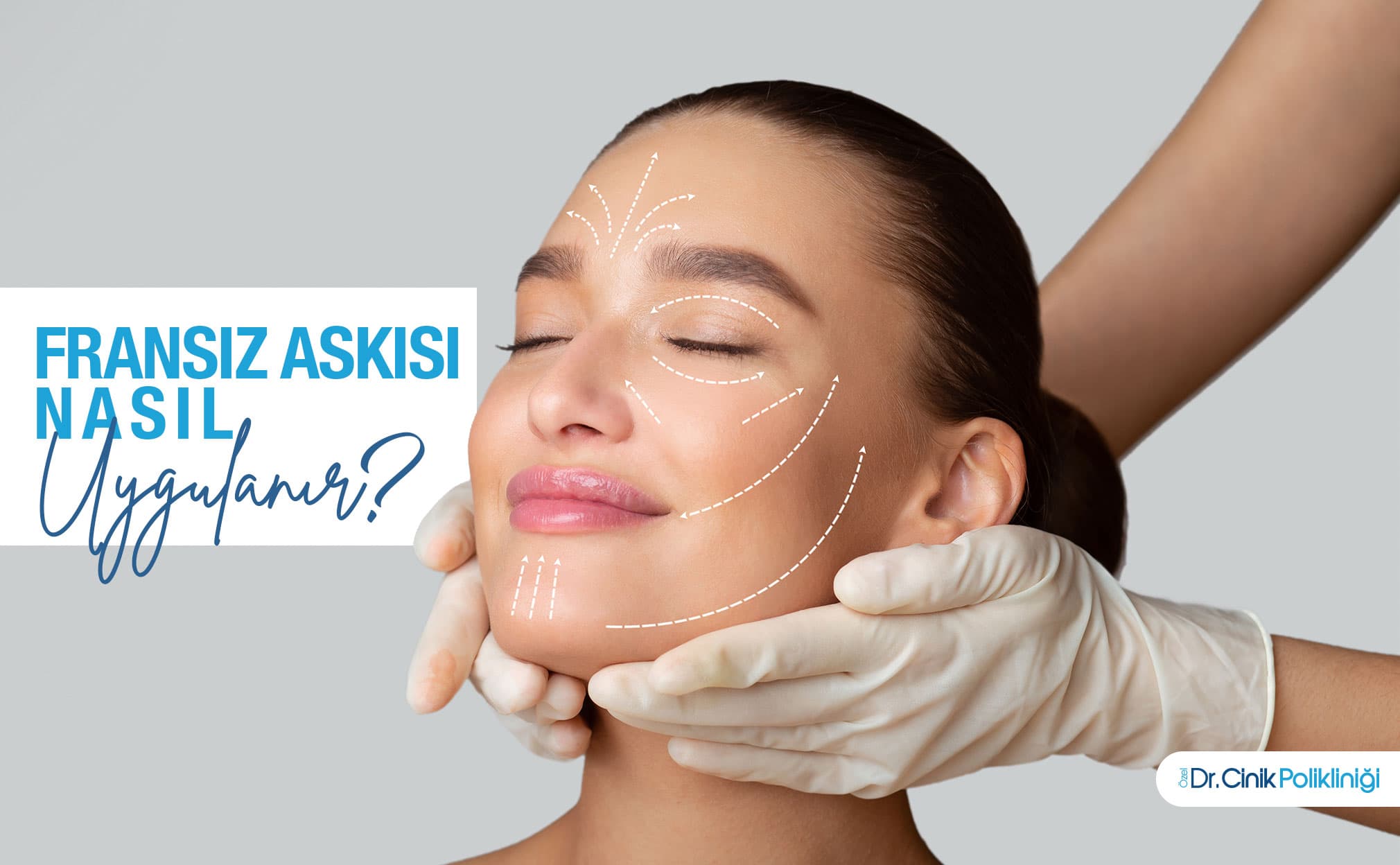
French thread lift is a procedure where a specialist physician places special threads under the skin. These threads rejuvenate the face through mechanical lifting and collagen stimulation. The procedure lasts between 30 to 60 minutes. The patient returns home the same day.
Facial aging begins with the gradual loss of collagen and elastin fibers beneath the skin over time. As age increases, fat tissue shifts downward. The bone structure erodes. The skin becomes loose and saggy.
The aging of the skin is based on biological processes. People lose about one percent of collagen each year starting from their late 20s. Collagen is one of the primary proteins that form the skeleton of the skin. Elastin allows the skin to stretch and return to its original state. Time weakens these fibers.
Fat compartments also descend due to the effects of gravity. The fat tissue over the cheekbone shifts towards the jawline. This movement leads to the sinking of the midface. The lower jawline becomes less defined. The area under the chin becomes fuller.
Bone resorption is also an important factor. The forehead bones, cheekbones, and jaw edges erode over time. This erosion narrows the base on which the skin sits. The skin expands excessively. Sagging becomes more pronounced.
Environmental factors accelerate this process. Ultraviolet rays from the sun produce free radicals. Smoking disrupts tissue oxygenation. Stress hormones like cortisol slow down collagen synthesis. All these factors come together. The facial contour changes. Fine lines deepen.
Minimally invasive aesthetic procedures come into play at this point. People turn to non-surgical methods. The French thread lift is at the forefront of this demand. The method lifts the skin without incisions. Doctors safely apply this technique.
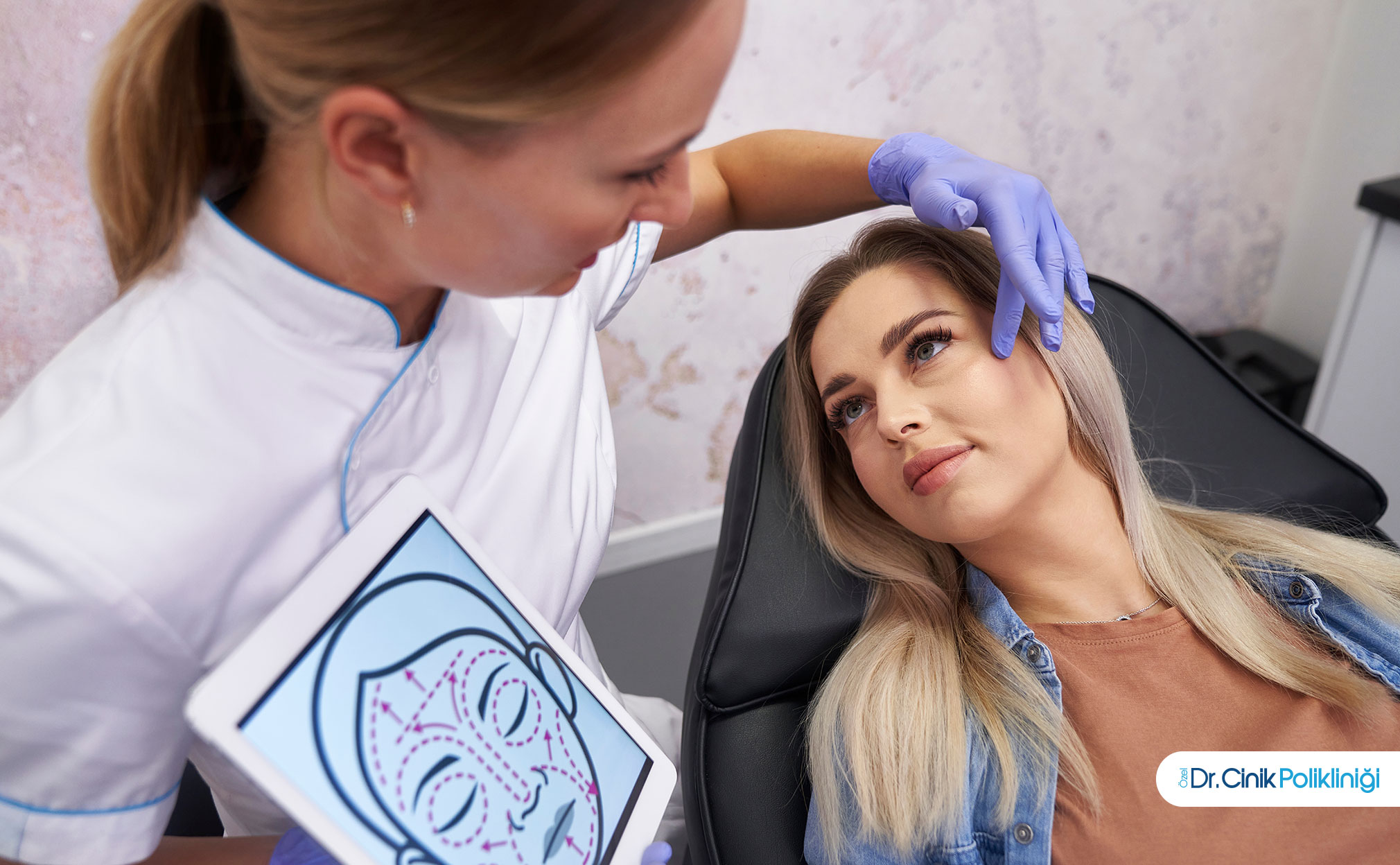
The French thread lift is a minimally invasive procedure where the physician places biocompatible threads under the skin. The threads provide immediate lifting and stimulate collagen production.
The French thread lift is one of the non-surgical facelift options in aesthetic medicine. Experts also refer to this method as "thread lifting" or "suspension with threads." The procedure does not require surgical incisions. The physician inserts special threads under the skin using fine needles or cannulas.
The basic principle of the threads is twofold. The first phase is mechanical lifting. Hooked or braided threads catch the tissue. The physician pulls these threads upward. The facial contour changes instantly. The second phase is biological stimulation. The threads initiate a controlled healing response in the skin. Fibroblasts become active. New collagen and elastin fibers are formed.
The threads used are made from fully absorbable materials. Polydioxanone threads have been used as suture material in surgery for over 50 years. Poly-L-lactic acid and polycaprolactone threads also have similar biocompatibility. The body gradually breaks down these threads. Water and carbon dioxide are the byproducts of degradation. These byproducts are harmless.
The method is classified under the category of minimally invasive procedures in aesthetic medicine. It is not an alternative to surgical facelifts. However, it offers a strong option for patients with mild to moderate sagging. A natural appearance is maintained. Expression does not change.
The French lift works through two mechanisms. The threads physically lift the tissue. At the same time, they stimulate the skin's own repair process.
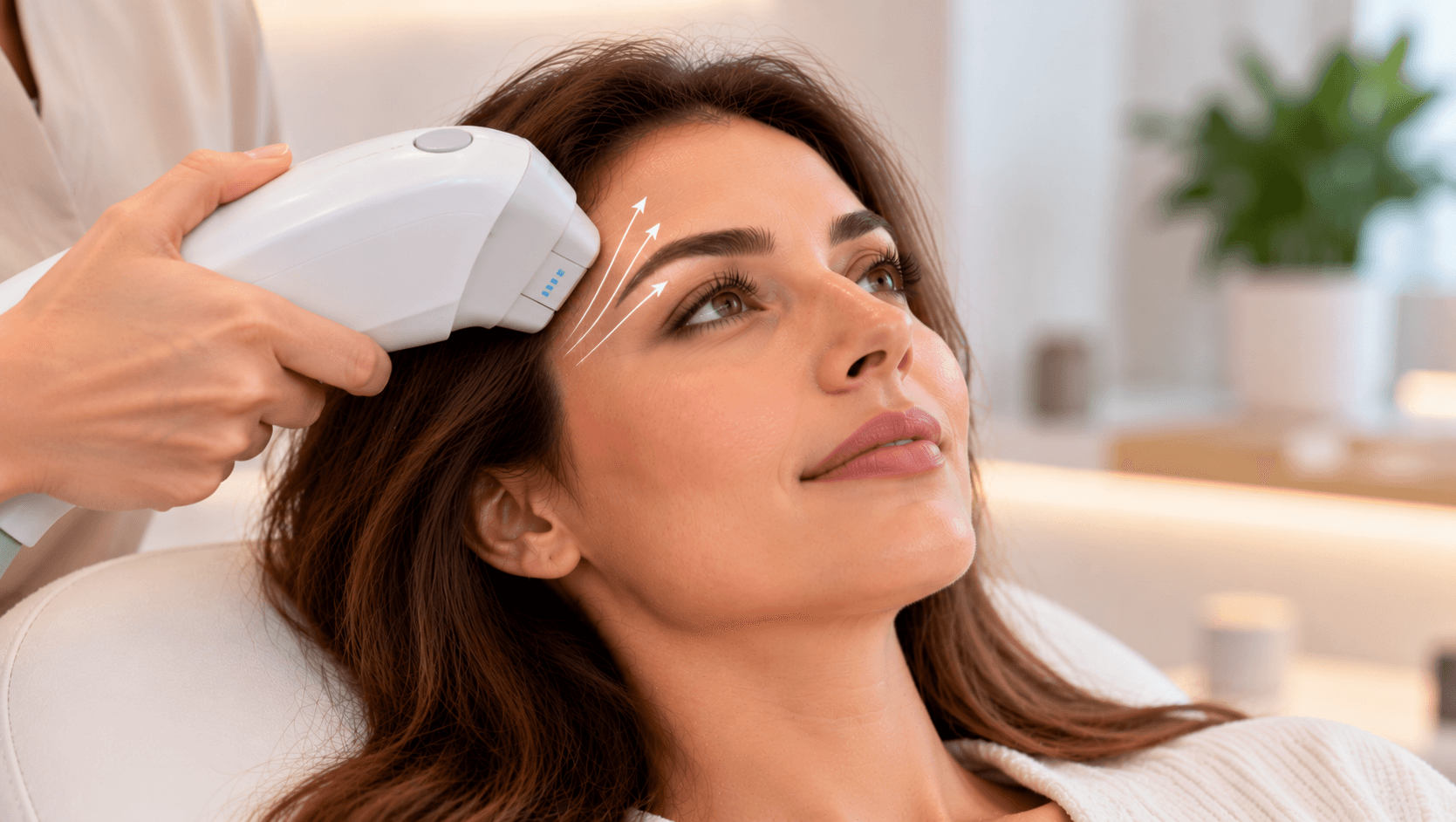
The hooked threads catch the subcutaneous tissue. The physician pulls these threads. The sagging tissue is lifted upwards. The facial contour immediately tightens.
The mechanical effect instantly reveals the visible result of the procedure. The physician pulls the threads placed under the skin upwards at specific angles. The micro-hooks on the threads grip the fat tissue and the subcutaneous fascia. This grip allows the tissue to shift.
The sagging tissue in the midface is lifted to the level of the cheekbones. The jawline becomes more defined. The area under the chin tightens. The eyebrows are slightly lifted. This change is immediately visible at the end of the procedure.
The angle and depth of the thread placement determine the outcome. The physician creates a specific plan for each face. Symmetry is checked. Tension is balanced. Excessive pulling is avoided. Naturalness is preserved.
The threads create micro-trauma in the skin. The body sends blood to these areas. Fibroblasts produce collagen. Skin quality improves over months.
The biological effect ensures the long-term success of the procedure. The threads are perceived as foreign bodies under the skin. The immune system sends macrophages and fibroblasts to these areas. An inflammatory response begins. This response is not harmful. It is a controlled repair process.
Yoon and colleagues (2023) demonstrated in their ultrasonographic analyses. After the threads are placed, the dermis layer thickens. The hypodermis thins. Fat cells shrink. Type I and type III collagen production increases. Myofibroblasts remain active for 12 weeks. Fibroblast proliferation continues for 24 weeks.
Polydioxanone threads dissolve in 4 to 6 months. However, collagen production continues for up to 48 weeks. Polycaprolactone threads dissolve more slowly. This slow dissolution provides long-term support. Poly-L-lactic acid threads also stimulate strong collagen production.
Niu and colleagues (2021) confirmed the findings in their meta-analyses. Absorbable threads carry a lower risk of complications compared to non-absorbable threads. The risk of paresthesia drops to 3.1%. Thread extrusion remains at 1.6%.
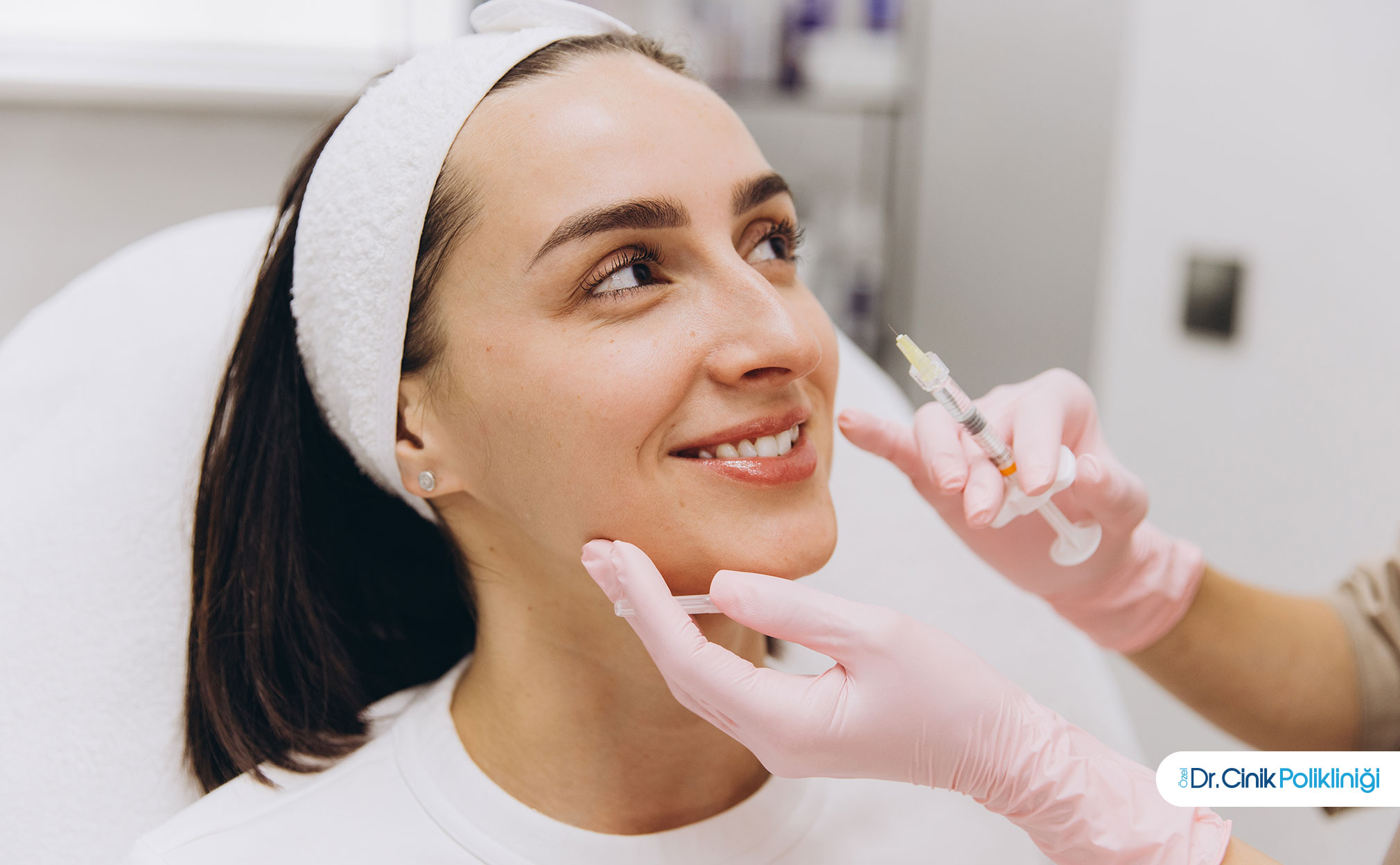
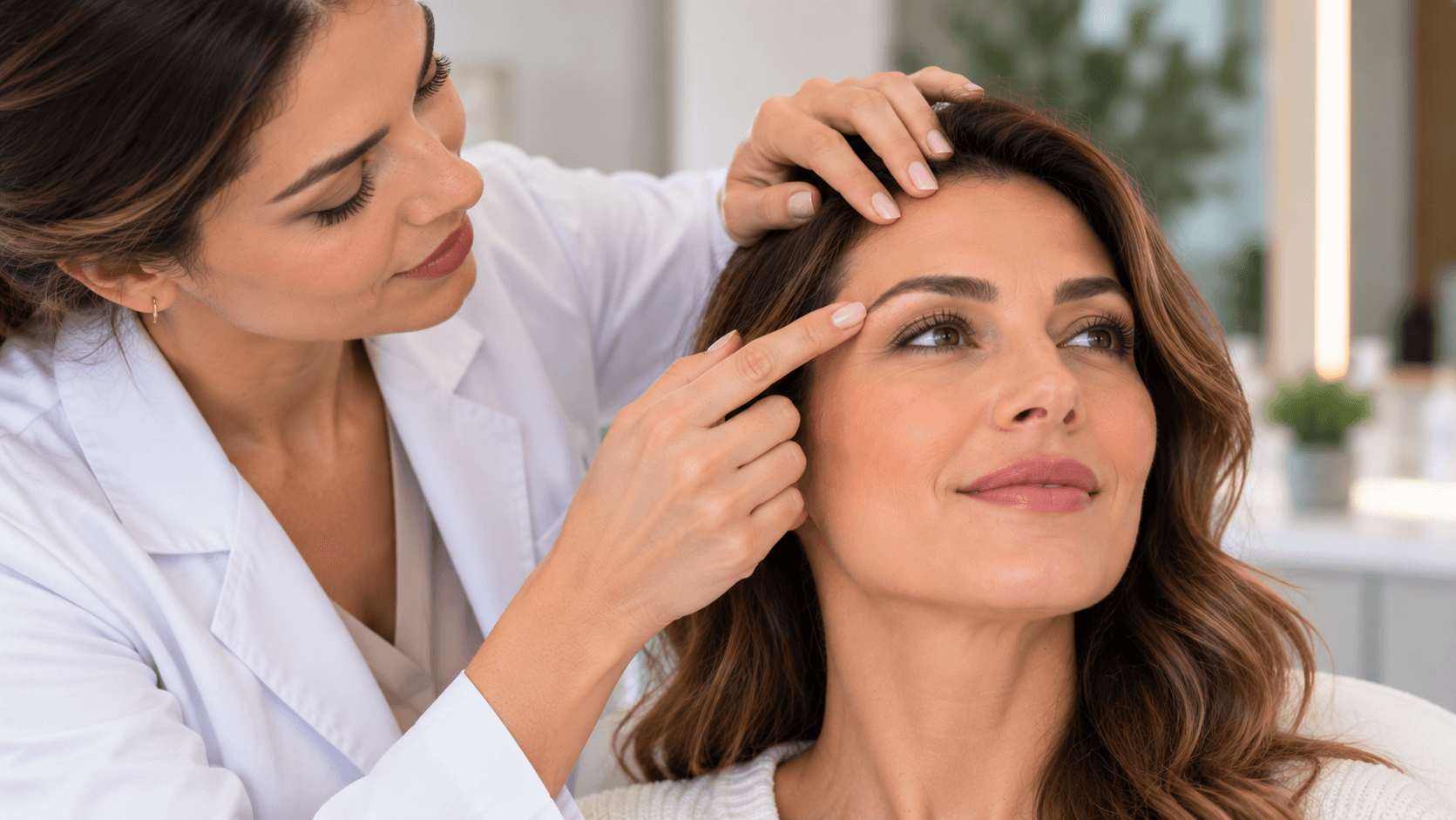
The physician first analyzes the face. Then, local anesthesia is applied. The threads are placed under the skin using fine cannulas. The threads are pulled upwards and secured. The procedure takes 30 to 60 minutes.
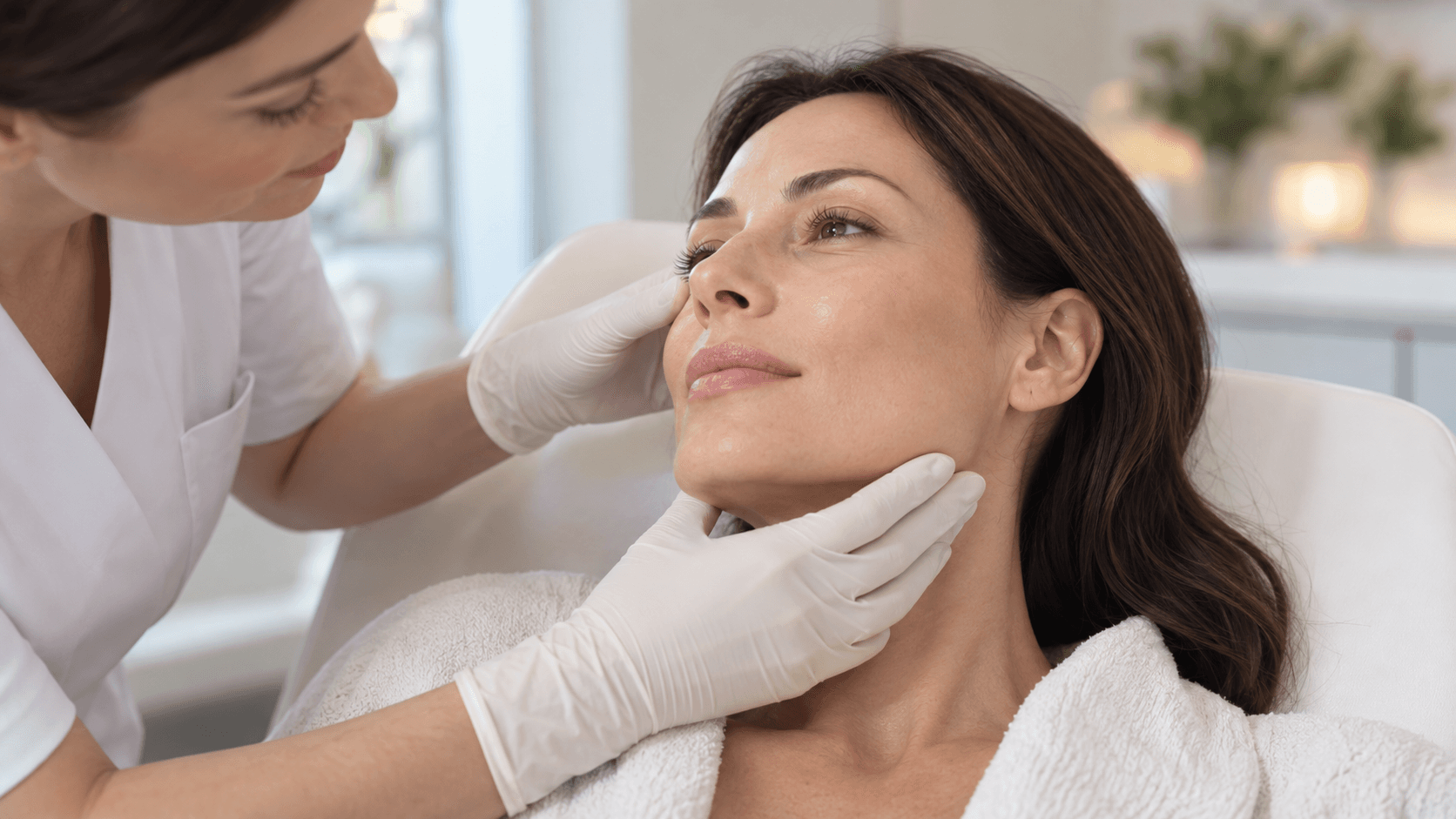
The doctor examines the skin type. Determines the degree of sagging. Listens to the patient's expectations. Makes a suitability decision.
The first step is a detailed consultation. The doctor examines the patient's facial anatomy. Evaluates skin elasticity. Determines the degree of sagging. Frames the patient's expectations realistically.
Ideal candidates are between 30 and 60 years old. Those with mild to moderate sagging achieve the best results. Surgical options are recommended for those with advanced sagging. The doctor makes this distinction clearly.
The patient's history is also questioned. Those using blood thinners are at risk. Individuals with autoimmune diseases are not suitable candidates. If there is an active skin infection, the procedure is postponed.
The patient stops taking blood thinners. Cleans the skin. The doctor prepares a sterile environment. Marks the procedure area.
The preparation phase is fundamental to safety. The patient stops taking aspirin and similar medications a week before the procedure. Alcohol consumption is halted. Smoking slows down healing. The patient reduces or quits smoking.
The clinical team creates a sterile environment. The facial area is cleaned with antiseptic solutions. The doctor marks the areas where the procedure will be performed with a special pen. These markings ensure that the threads enter the correct channels.
Photographs are taken. These photos are used to compare results. The patient signs the consent form. The entire process is transparent.
The doctor applies local anesthesia creams. Numbs the procedure area. The patient does not feel pain. Remains fully conscious.
The French thread lift is performed under local anesthesia. General anesthesia is not required. The doctor applies creams containing lidocaine to the procedure area. Waits for 20 to 30 minutes. The skin becomes numb.
Additional injections may be made at the needle entry points. The patient only feels slight pressure. Does not feel pain. This situation increases post-procedure satisfaction.
Being conscious provides an advantage to the patient. The patient can give immediate feedback to the doctor. Expresses the level of tension. Participates in symmetry checks.
The doctor uses thin cannulas. Pushes the cannulas under the skin. Leaves the threads according to the predetermined plan. The needle entry points are minimal.
The thread placement technique demonstrates the doctor's skill. The doctor uses specially designed cannulas. These cannulas are 18 to 23 gauge in thickness. The cannulas advance under the skin at specific depths.
The depth of thread placement is important. Threads placed deeply provide strong lifting. Superficially placed threads improve skin quality. The doctor adjusts this depth according to the patient's needs.
Hooked threads can be bidirectional or multidirectional. These threads hold tissue in both directions. Straight threads are used for collagen stimulation. Spiral threads create volume. The doctor knows which thread to use and where.
Needle entry points are usually hidden within the scalp or behind the ear. This way, no scars remain. The physician gently removes the cannulas. The threads stay in place.
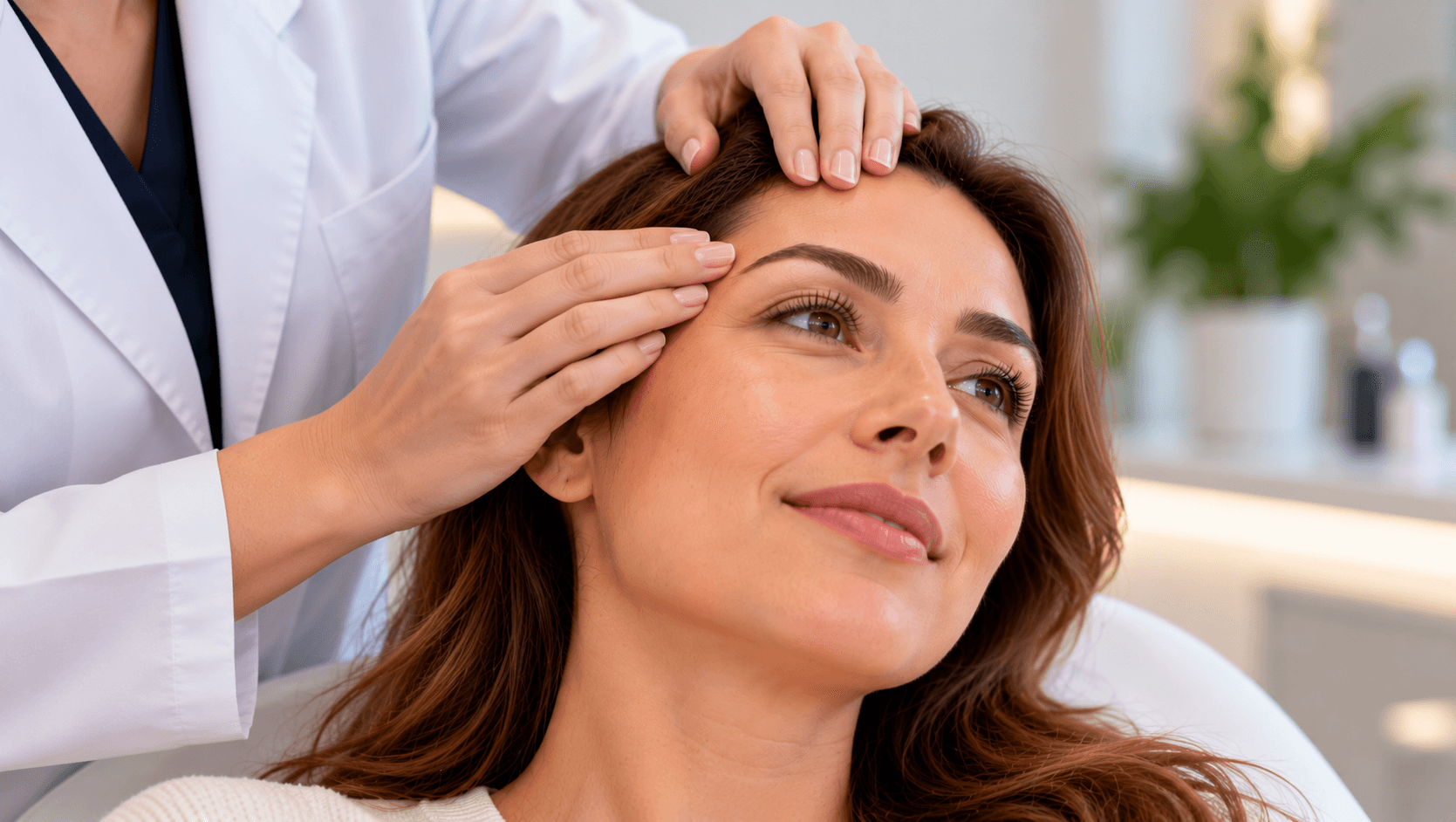
The physician pulls the threads upwards. Adjusts the tension. Checks for symmetry. The threads hold onto the tissue with their own hooks.
During the lifting phase, the physician gently tightens the threads. Each thread is evaluated individually. The right and left sides of the face are compared. Care is taken to avoid asymmetry.
The hooks of the threads penetrate the fat tissue and fascia. This mechanical grip ensures that the tissue stays in place. The physician does not over-tighten. The natural expression is preserved.
After fixation, the physician performs the final checks. The needle entry points are cleaned. Antibiotic creams are applied. A cold compress is used.
The average duration is 30 to 60 minutes. Full face procedures take longer. A single area takes less time. The patient returns home the same day.
The duration of the procedure depends on the number of areas treated. Treating only the jawline takes 30 minutes. Full face and neck can take 60 minutes. The physician does not rush. Quality is prioritized.
When the procedure is completed, the physician shows the result in the mirror. The patient notices the difference immediately. Mild swelling may occur. This swelling is normal. It will subside within a few days.
The patient leaves the clinic the same day. An accompanying person is present. They can drive. However, long journeys are not recommended.
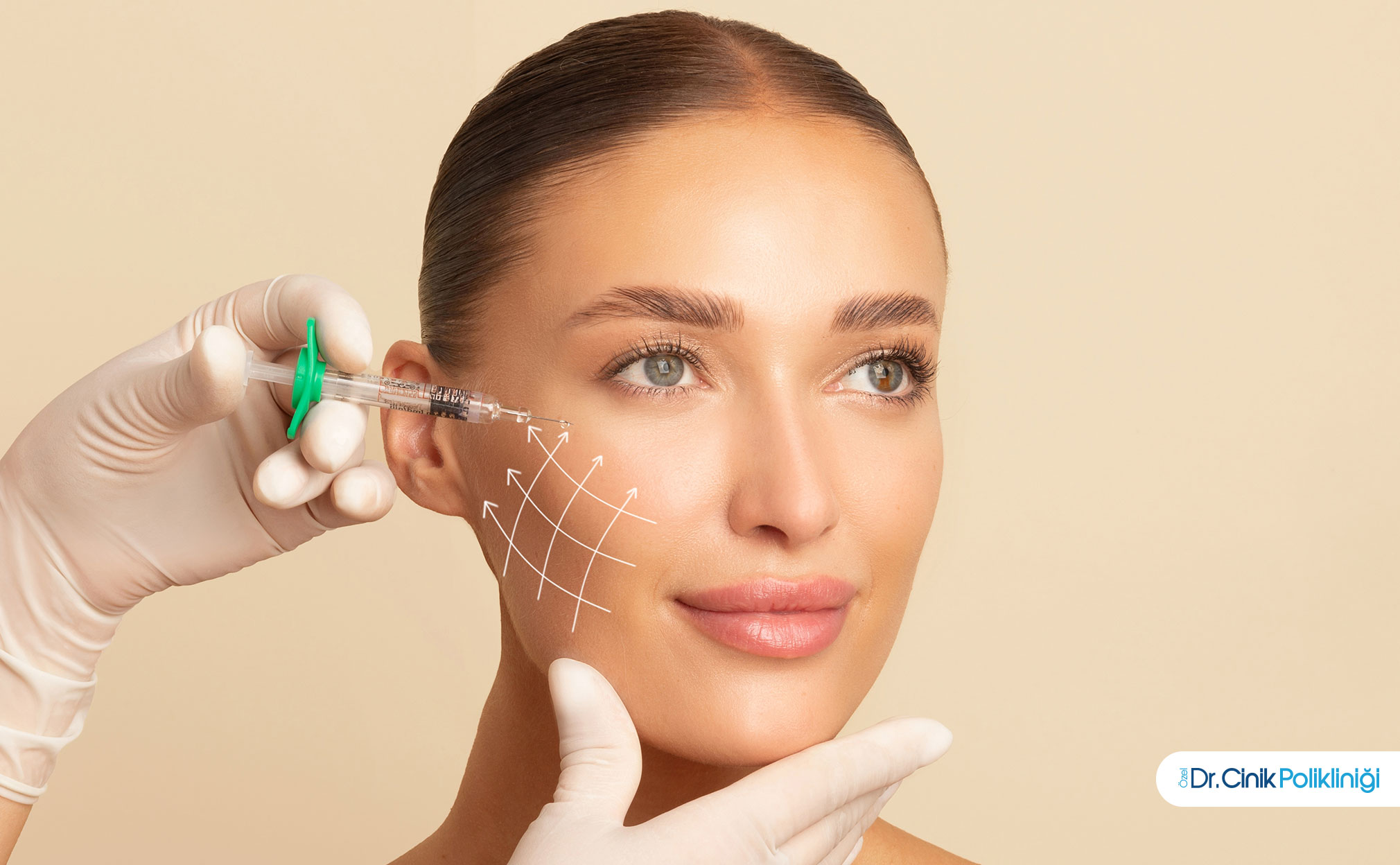
The oval of the face, jawline, cheekbones, eyebrows, around the eyes, neck, and double chin are the most commonly treated areas. In selected cases, body applications are also performed.
The oval of the face and jawline are the most popular application areas. The sagging jawline is lifted with threads. The double chin area tightens. The lower face contour becomes clearer.
Cheekbones and cheeks are ideal for mid-face rejuvenation. Low fat tissue is lifted upwards. The face appears more dynamic. Nasolabial lines soften.
There are special techniques for the eyebrows and around the eyes. The physician slightly lifts the tail of the eyebrows. The eyelid area is opened. The tired expression disappears.
The neck and double chin area require attention due to the thin skin structure. Yi and colleagues (2024) showed that braided polydioxanone threads are effective in the neck area. Horizontal neck lines decrease. Skin elasticity increases.
Body applications are less common. The inner arm, upper chest, and thigh area can be treated. However, they are not as common as the face. The physician plans more carefully in these areas.
Healthy individuals aged between 30 and 60, experiencing mild to moderate sagging, and not desiring surgery are suitable. Those with advanced sagging, active infections, and blood clotting disorders are not suitable.
Healthy adults with realistic expectations, mild sagging, and seeking non-surgical methods are ideal candidates.
The best candidates are those whose skin is still elastic. The age range is typically between 30 and 60. The skin quality in this age group is good. Collagen production is still active. The threads enhance this activity.
Patients do not want surgical incisions. They avoid the risks of general anesthesia. They cannot tolerate a long recovery process after the procedure. The French thread lift offers a solution for these patients.
Expectations must be realistic. The method does not make the face 10 years younger. However, it provides a natural and fresh appearance. The physician clarifies these expectations before the procedure.
Severe sagging, active skin infection, use of blood thinners, autoimmune diseases, and pregnancy are obstacles to the procedure.
Patients with advanced sagging are directed towards surgical options. Threads cannot lift heavy tissue. The result can be disappointing. The physician makes this distinction carefully.
Active infections and skin diseases pose risks. If there is herpes simplex, bacterial infection, or cystic acne, the procedure is postponed. Aseptic rules are necessary.
The risk of bruising increases in those using blood-thinning medications. There may be bleeding in those with clotting disorders. There is insufficient safety data for pregnant and breastfeeding women. These groups do not undergo the procedure.
There are no surgical incisions. Recovery is very short. The results are natural. Collagen production increases. A quick return to daily life is possible.
The French thread lift is one of the most practical solutions in modern aesthetic medicine. The physician does not make large incisions. No scalpel is used. No stitches are placed. This reduces the risk of complications.
The recovery time is minimal. Most patients return to their normal lives within 24 to 48 hours. Makeup can be applied. They can go out in public. This advantage is valuable for busy individuals.
The results appear natural. Facial expression does not change. There is no excessively stretched "windblown" appearance. The patient looks fresh and rested.
Collagen stimulation is the most significant long-term benefit of the procedure. Skin quality improves over months. The tissue self-repairs. This repair continues even after the threads dissolve.
Niu and colleagues (2021) reported an immediate satisfaction rate of 98% after the procedure. Although this rate dropped to 88% after six months, overall satisfaction remained high.
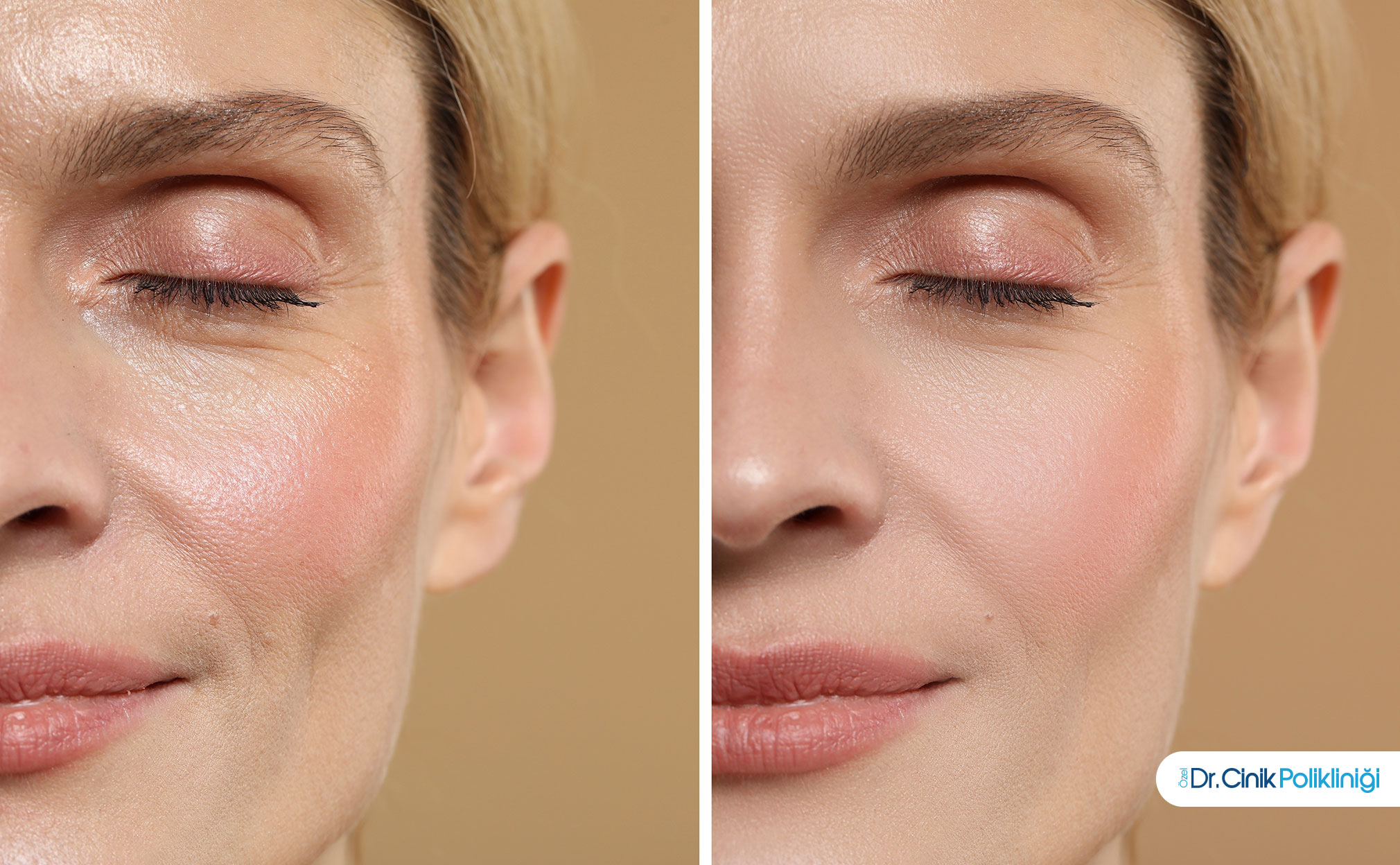
Temporary swelling, bruising, and pain may occur. Asymmetry occurs rarely. The risk of infection is low. The effect is limited in duration.
Like any medical procedure, the French thread lift has its risks. The most common side effects are temporary. Swelling, bruising, and mild pain are experienced in the first few days. Cold compresses and pain relievers provide relief.
The risk of asymmetry arises from technical errors. If the physician is not experienced, symmetry may be disrupted. This situation can generally be corrected. Some threads are loosened. Some are added.
The risk of infection is around two percent (Niu 2021). Sterile technique and antibiotic creams reduce this risk. Visibility or tactile sensation of the thread is rare. It is reported at a rate of four percent.
Thread extrusion means coming out of the skin. This risk is 1.6% for absorbable threads. It is much safer compared to non-absorbable threads.
The limited duration of the effect is a disadvantage. Polydioxanone threads are effective for 12 to 18 months. Polycaprolactone threads last for 24 to 36 months. The patient should be aware of this duration when undergoing the procedure.
There may be slight swelling and bruising in the first few days. The patient should not touch their face. They should avoid heavy exercise. They can return to daily life in 1 to 2 days.
In the early period after the procedure, a slight feeling of stiffness may be felt. This sensation is normal. The threads try to hold onto the tissue. The skin adjusts to the new condition. Swelling decreases within 3 to 5 days. Bruises fade within 7 to 10 days.
The patient should not apply firm pressure to their face for the first week. They should not have facial massages. They should not exert excessive force while brushing their teeth. They should avoid opening their mouth wide.
Sleeping position is important. The patient should not sleep face down for the first two weeks. They should sleep on their back. This position prevents the threads from shifting.
Exercise restrictions are necessary. Heavy sports, running, and weight lifting are prohibited for the first week. An increase in blood pressure raises the risk of bruising. Facial flushing disrupts healing.
It takes 2 to 4 weeks for the results to fully manifest. During this time, collagen production accelerates. The skin tightens. Brightness increases. The patient should patiently wait for this process.
It varies depending on the type of thread used. Polydioxanone threads last for 12 to 18 months. Poly-L-lactic acid threads last for 18 to 24 months. Polycaprolactone threads last for 24 to 36 months.
The duration of permanence depends on the degradation rate of the thread material. Polydioxanone threads dissolve in 6 to 8 months. However, the collagen scaffold they leave behind is preserved for 12 to 18 months. Therefore, the effect extends.
Poly-L-lactic acid threads dissolve in 12 months. Collagen stimulation is strong. The effect lasts for 18 to 24 months. Polycaprolactone threads are the longest-lasting option. They dissolve in 12 to 15 months. Their flexible structure makes them comfortable. The effect continues for 24 to 36 months.
Kim and colleagues (2021) showed that polycaprolactone threads increase transforming growth factor beta and type three collagen production in mouse models. This finding supports long-term tissue regeneration.
The long-term contribution of collagen production is significant. Even after the thread dissolves, the skin maintains its own support. If the patient maintains their lifestyle, the effect extends. Sun protection, healthy eating, and regular skincare increase the duration.
It is less invasive than surgical facelift. HIFU works with different mechanisms compared to fillers and Botox. Each method has its advantages.
Surgical incisions are deep. General anesthesia is required. Recovery takes weeks. However, the effect lasts for 5 to 10 years. The French lift is the exact opposite.
Surgical facelift repositions the SMAS layer. The physician lifts the deep tissues. Excess skin is removed. The result is dramatic and long-lasting.
The French lift cannot reach this depth. However, the risk of complications is very low. No scars form. There is no hair loss. The patient returns home the same day.
Cost comparison is also important. Surgical procedures are expensive. The French lift is more economical. Even repeated sessions are cheaper than surgery.
HIFU works with sound waves. Fillers add volume. Botox relaxes the muscles. PRP and mesotherapy improve skin quality. The French lift combines lifting and collagen.
High-Intensity Focused Ultrasound (HIFU) produces collagen by heating deep tissues. However, it does not have an immediate lifting effect. Results gradually appear over 3 to 6 months.
Dermal fillers restore volume with hyaluronic acid. They fill nasolabial lines. However, they do not lift sagging tissue. The French lift excels in this aspect.
Botulinum toxin blocks muscle movements. It reduces dynamic wrinkles. Eyebrow lifting is also used. However, it does not tighten the skin. When used together with the French lift, it creates synergy.
PRP and mesotherapy enhance skin nourishment. They soften fine lines. However, they do not provide mechanical lifting. When combined with the French lift, the skin is both lifted and nourished.
Feature | French Lift | Surgical Facelift | HIFU | Dermal Filler |
Invasiveness | Minimal | High | Non-invasive | Minimal |
Anesthesia | Local | General | None | Local |
Recovery | 1-2 days | 2-4 weeks | None | 1 day |
Duration of Effect | 12-36 months | 5-10 years | 12-18 months | 6-18 months |
Collagen Effect | High | Medium | High | Low |
Lifting Effect | Medium | High | Low | Low |
Cost | Medium | High | Medium | Low-Medium |
French thread lifting, fillers, PRP, Botox, and mesotherapy are combined. These combinations yield superior results in facial rejuvenation.
The multimodal approach is the gold standard of modern aesthetic medicine. The physician is not limited to a single method. Different techniques are used together. Thus, both structural and superficial issues are addressed.
The combination of French threads and dermal fillers is common. The threads lift sagging. The fillers restore volume loss. Cheekbones become fuller. The jawline becomes more defined. Fukaya and colleagues (2024) reported that this combination provides a 90% patient satisfaction rate.
Adding PRP accelerates healing. Platelet-rich plasma contains growth factors. These factors increase collagen production. Bruising and swelling subside more quickly.
Combining with botulinum toxin is also effective. The threads correct static sagging. Botox prevents dynamic wrinkles. The forehead, between the eyebrows, and around the eyes relax. The facial expression appears younger.
Mesotherapy enhances skin nourishment. Vitamins, minerals, and amino acids are injected. The skin gains radiance. This support complements the effect of the lifting threads.
Next-generation threads are safer and more effective. Microencapsulated hyaluronic acid technologies are advancing. Personalized aesthetic approaches are becoming prominent.
The science of biomaterials is progressing rapidly. Smart materials are replacing traditional threads. Poly-L-lactic acid-co-polymer threads carry hyaluronic acid microcapsules. Lee and colleagues (2025) demonstrated that these threads increase dermal thickness more physiologically. Fibrosis decreases. Vascularization increases. Elastin synthesis rises.
New thread designs are also emerging. 3D and 4D threaded sutures provide stronger hold. Braided threads perform exceptionally well in thin-skinned areas like the neck. Yi and colleagues (2024) proved that braided polydioxanone threads yield better results in the neck area compared to straight threads.
Personalized aesthetic approaches are also evolving. Physicians now create customized plans based on facial analysis rather than standard protocols. AI-assisted imaging simulates results in advance. Patients see the outcome before the procedure.
Cotofana and colleagues (2025) confirmed low complication rates in their multicenter study involving over 110,000 cases. This large data set supports the reliability of the method.
Patients often ask about pain, duration, result timing, suitability, and permanence. The procedure is generally comfortable. Results appear quickly.
The patient does not feel pain. Local anesthesia completely numbs the area. Only a slight tingling and pulling sensation occurs. Mild pain relievers are sufficient after the procedure.
The average duration is 30 to 60 minutes. The number of treated areas determines the duration. A single area takes a short time. Full face takes longer. A patient can even have the procedure during a lunch break.
An immediate lifting effect is visible. However, swelling slightly obscures this effect. The true results become clear within 2 to 4 weeks. Collagen production peaks during this time.
Those with advanced sagging, active skin infections, clotting disorders, pregnant individuals, and those with severe autoimmune diseases should not undergo the procedure.
Polydioxanone threads last for 12 to 18 months. Poly-L-lactic acid threads last for 18 to 24 months. Polycaprolactone threads last for 24 to 36 months. Lifestyle affects this duration.
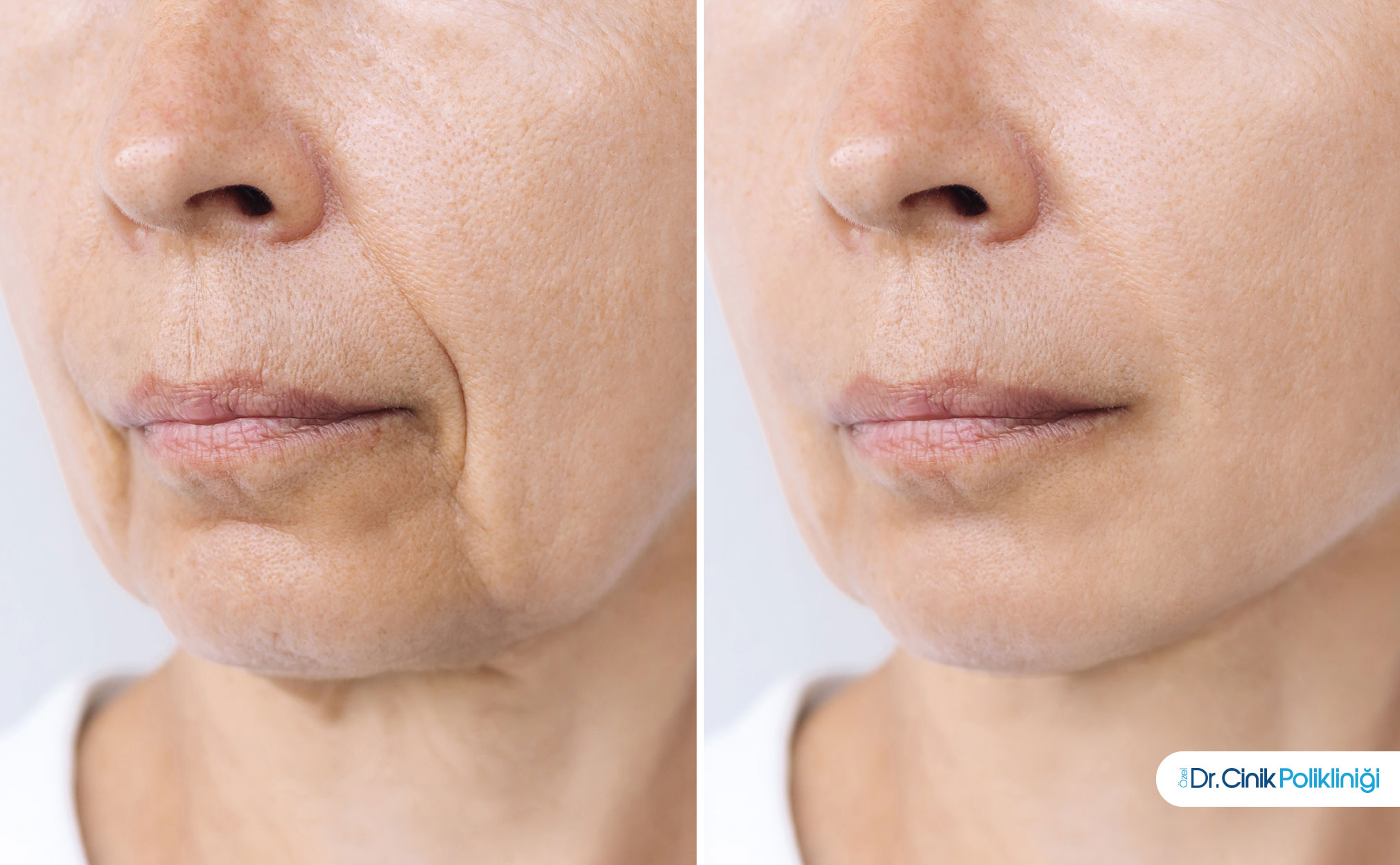
The French lift is a safe and effective minimally invasive procedure when the right patient is selected. Scientific evidence is strong. Choosing an expert physician is critical.
The French lift is one of the important tools in aesthetic medicine. The method offers mechanical lifting and biological stimulation together. Scientific studies support its effectiveness. Niu and colleagues (2021) confirmed its safety profile in large-scale meta-analyses. Yoon and colleagues (2023) demonstrated tissue thickening ultrasonographically. Yi and colleagues (2024) proved the superiority of new thread technologies.
Choosing the right patient is half the success. Physician candidates should be carefully evaluated. It is best to refer those with advanced sagging to surgery. Patients aged between 30 and 60 with mild to moderate sagging are ideal.
Minimally invasive aesthetic procedures are becoming increasingly popular. People desire a natural appearance. They avoid surgical risks. The French thread perfectly meets this need. Results improve even further with combination treatments.
In clinical practice, sterile technique and knowledge of anatomy are essential. The physician must place the threads in the correct plane. They should have a good understanding of the facial nerve and vascular structures. This knowledge minimizes complications.
Patient satisfaction is high. Immediate results, short recovery, and naturalness enhance this satisfaction. In the future, the method will be further strengthened with more advanced threads and personalized protocols.
Niu, Zehao, et al. "A Meta-Analysis and Systematic Review of the Incidences of Complications Following Facial Thread-Lifting." Aesthetic Plastic Surgery, vol. 45, no. 5, 2021, pp. 2148-2158.
Yi, K. H., et al. "Exploring the Efficacy of Braided PDO Threads in Neck Rejuvenation." Journal of Cosmetic , 2024.
Yoon, J. H., et al. "Effect of PDO Facelift Threads on Facial Skin Tissues: An Ultrasonographic Analysis." Journal of Cosmetic , 2023.
Kim, J. Y., et al. "Efficacy Study of the New Polycaprolactone Thread Compared with Other Commercialized Threads in a Murine Model." Journal of Cosmetic , 2021.
Lee, S. H., et al. "Long-Term Efficacy of Poly(L-lactide-co-ε-caprolactone) Copolymer Lifting Threads with Encapsulated Hyaluronic Acid Particles." Cosmetics, vol. 12, no. 1, 2025, pp. 20.
Fukaya, M., et al. "Synergistic Facial Rejuvenation with PDO Threads and Botulinum Toxin." Plastic and Reconstructive Surgery Global Open, 2024.
Cotofana, S., et al. "Multicenter Review of More Than 110,000 Facial Thread Lifting Cases From a Cosmetic Surgery Group." Aesthetic Surgery Journal, 2025.
Park, K. H., et al. "Thread Lifting Materials: A Review of Its Difference in Terms of Technical and Mechanical Perspective." Journal of Cosmetic , 2024.
Wang, L., et al. "A Meta-Analysis of Complications of Thread Lifting." medRxiv, 2025.
Choi, M. S., et al. "Pre- and Post-Procedural Considerations and Thread Types for Thread Lifting." Life, vol. 15, no. 1, 2025, pp. 85.