Yükleniyor…

Yes, French thread lift may potentially support collagen production; however, this effect has not been proven to the same extent in every procedure or for every individual. A French thread lift is a non-surgical lifting method that elevates tissue using threads placed beneath the skin. The threads initially create a mechanical lifting effect. Subsequently, the body's biological tissue response to the threads may trigger positive changes in fibroblast activity and collagen synthesis. However, the extent to which a French thread lift increases collagen depends on the material of the threads used, the depth at which they are placed, and the individual's healing response. Therefore, claiming a specific amount of collagen increase or a guaranteed timeline would be scientifically inaccurate.
This article examines the question of whether a French thread lift increases collagen production by addressing the mechanical effect, biological tissue response, timing of results, safety, and alternative treatments separately. Each section discusses concepts such as collagen synthesis, the dermis, elastin, and tissue healing within a scientific framework.
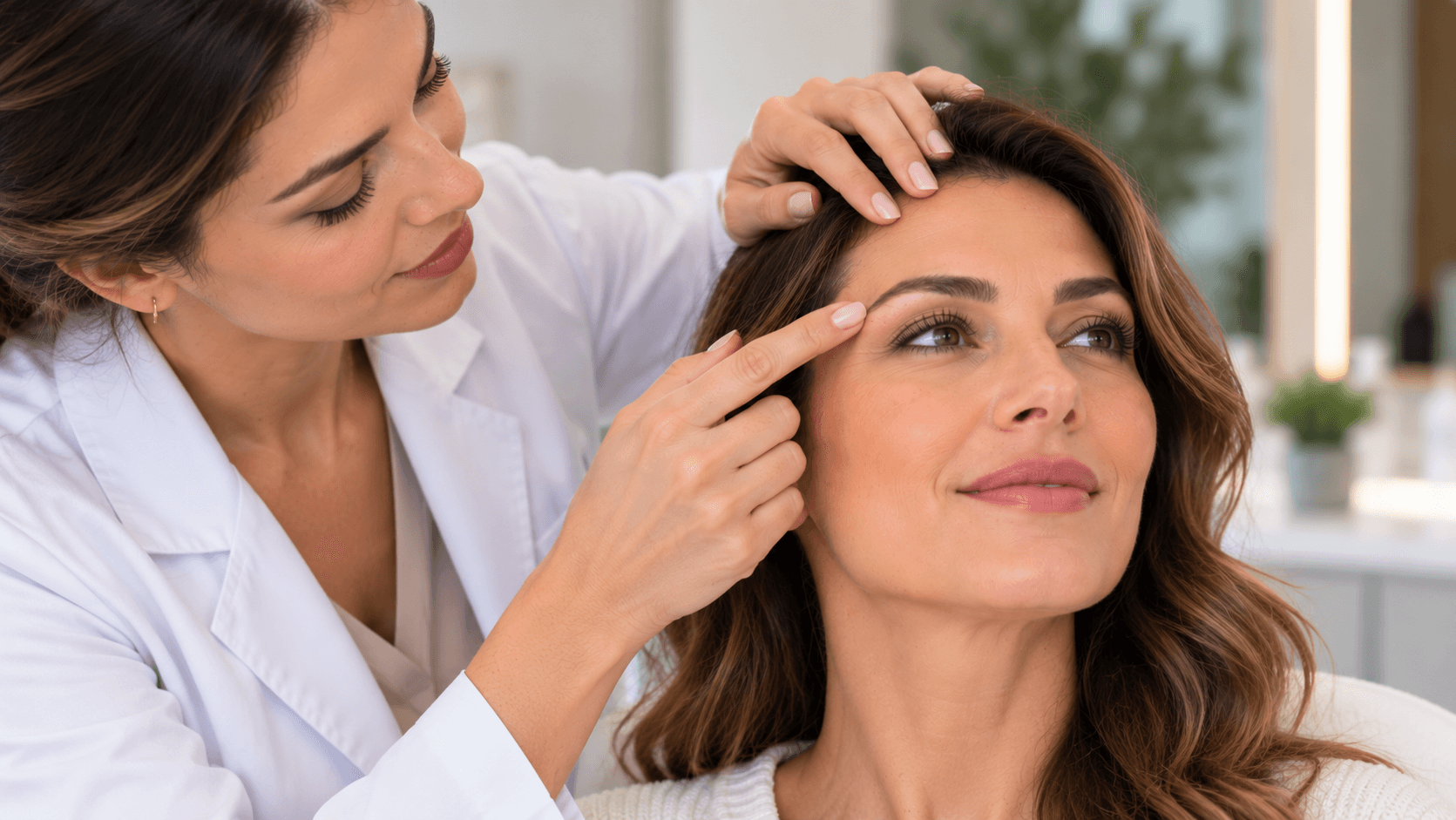
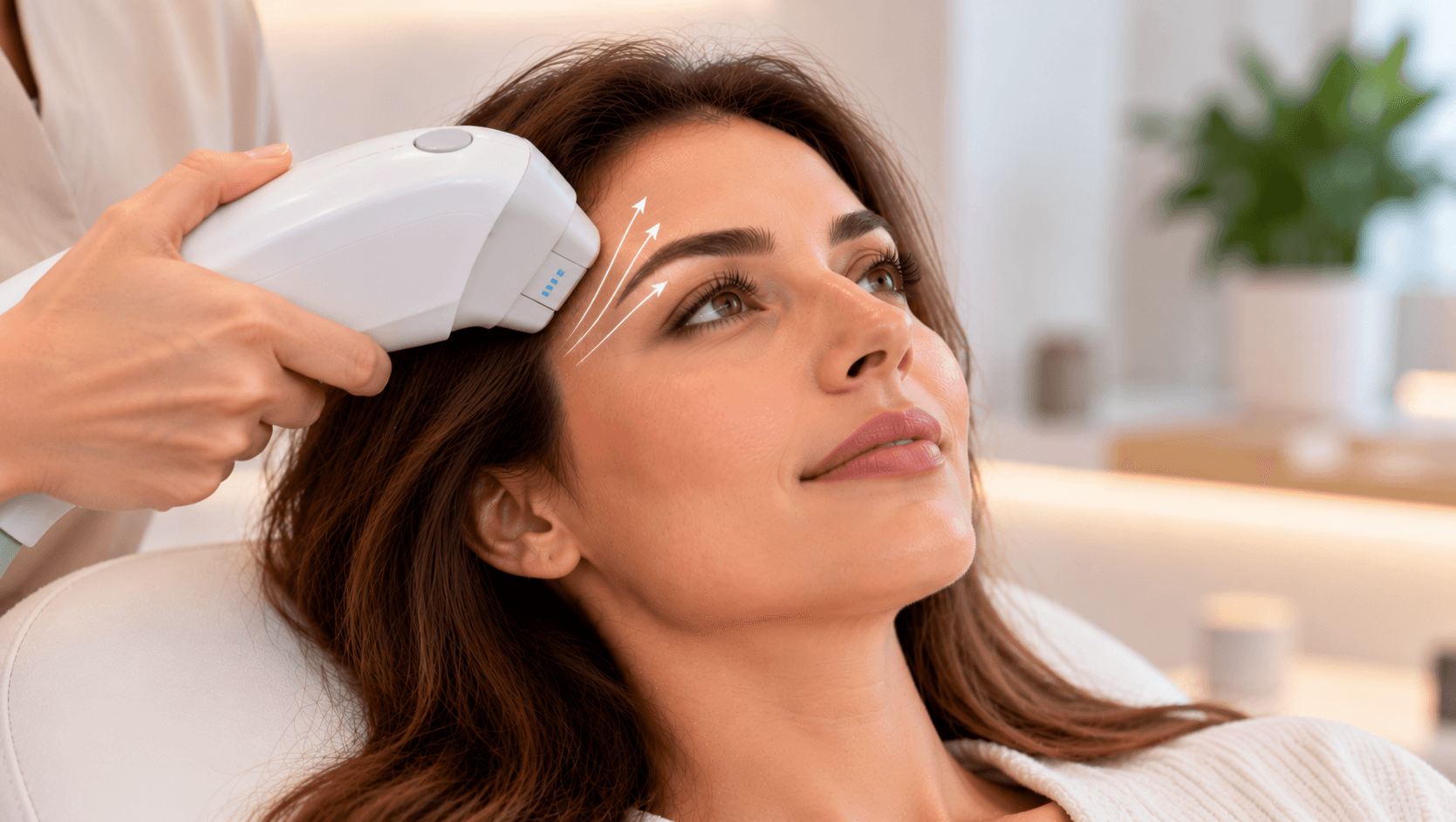
A French thread lift is a non-surgical facial lifting method used to correct mild to moderate sagging in individuals who do not wish to undergo surgical facelift surgery. During the procedure, the physician places special threads beneath the skin, and these threads lift the cheeks, jawline, and facial contour upward. As a result, the appearance of sagging is immediately reduced.
The tissue lifted by the threads makes the facial contours appear more defined and the skin look tighter. Sagging in the cheek area, laxity along the jawline, and downward displacement of the facial contour are the primary aesthetic concerns targeted by this method. The procedure is generally performed under local anesthesia, and the patient can return to daily activities on the same day.
An important point to note is that the materials and application techniques used for French thread lifts may vary between clinics. Some threads are made from permanent materials, while others are gradually absorbed by the body. This difference affects both the duration of the aesthetic result and the potential for collagen stimulation. Wollina and Goldman emphasize that thread-lifting technologies have developed across a broad spectrum and that the tissue response to each technique should be evaluated separately (Wollina and Goldman 2017).
Collagen is the primary protein forming the skin's structural framework in the dermal layer. Skin firmness and fullness largely depend on the density and organization of collagen fibers. Elastin is a separate protein that enables the skin to return to its original state after being stretched. Collagen supports the skin, while elastin helps it stretch and recover. These two proteins work together but perform different functions.
As we age, the amount of collagen in the dermis decreases, and the structure of existing collagen fibers deteriorates. Varani et al. experimentally demonstrated that collagen production declines significantly in chronologically aged skin (Varani et al. 2006). Farage et al. showed that this process is accelerated by both intrinsic aging and extrinsic factors such as sunlight and smoking (Farage et al. 2008).
Collagen loss results in wrinkles, fine lines, and skin laxity. However, increased collagen production alone cannot completely eliminate facial sagging. Sagging is caused not only by skin quality but also by the position of the underlying tissues in relation to gravity. Therefore, although the French thread lift may increase collagen production, its primary effect is achieved through mechanical lifting. Collagen support is a secondary factor that complements this effect.
The French thread lift’s ability to support collagen production depends on the controlled tissue response created by the thread beneath the skin. The body activates fibroblast cells around the thread, which it recognizes as a foreign material. Fibroblasts are the cells responsible for synthesizing new collagen in the dermis. Activation of these cells means that new collagen fibers may form around the thread.
It is important to distinguish between two separate effects. The first is the mechanical lifting effect, which occurs as soon as the thread is placed. The second is the biological response that develops over time and may involve the formation of new collagen. The mechanical effect is visible immediately, whereas the biological effect develops over the course of several weeks. The two are independent of each other and may not be equally strong.
The thread material is a determining factor at this point. Absorbable threads, such as PDO threads, are gradually broken down by the body, and this process may trigger a tissue response. Permanent threads, on the other hand, remain in place for a longer period and may exhibit different biological behavior. Wollina and Goldman note that the interaction of different thread materials with tissue varies and that each material requires separate clinical evaluation (Wollina and Goldman 2017).
Changes in collagen production also depend on the depth at which the thread is placed and the individual’s healing capacity. In a person with good overall health and strong wound-healing capacity, the tissue response may be more pronounced. When all these factors are considered together, collagen stimulation is a possible biological process, but it is not a predictable or guaranteed outcome.
The first aesthetic change is visible immediately after the procedure due to the thread’s mechanical lifting effect. This initial result is caused by the thread itself and is not related to collagen production. Upon leaving the procedure, the patient may notice more lifted cheeks and a more defined jawline.
During the recovery period, swelling, mild bruising, and tenderness to the touch may occur. These temporary effects can obscure the true value of the result. Therefore, it is necessary to wait several weeks before evaluating the final aesthetic outcome. Shin et al. emphasize that complications and temporary reactions following thread lifting should be monitored periodically (Shin et al. 2019).
Over the following weeks and months, tissue healing continues, and possible collagen remodeling may develop around the thread. This biological process may create a gradual sense of improvement in skin quality. However, the timeline of results varies from person to person. Age, skin type, lifestyle, and the thread material used directly affect this timing. Therefore, it is not scientifically possible to guarantee that an increase in collagen will occur during a specific week.

The most noticeable benefit of the French thread lift is a more defined contour in specific areas of the face. The facial oval appears more lifted, and the jawline becomes more defined. This effect results from the thread physically lifting the tissue and is the primary source of aesthetic satisfaction.
In cases of mild to moderate sagging, the skin appears tighter and more refreshed. This appearance may be enhanced not only by mechanical support but also by a possible tissue response. Additional benefits, such as increased skin firmness and slight improvement in fine lines, should be evaluated within the limits of scientific evidence. These observations may not be experienced with the same intensity by every patient.
On the other hand, the mechanical lifting effect alone does not eliminate deep wrinkles or advanced skin laxity. In cases of significant sagging, the thread’s lifting capacity may be insufficient. In such cases, the physician should evaluate surgical options or combined treatment plans. Understanding the limitations of the French thread lift is essential for establishing realistic expectations.
The main difference lies in the thread material and how it is processed by the body. PDO threads are made from an absorbable material called polydioxanone, and some thread-lift applications aim to stimulate collagen synthesis. In the French thread lift, permanent threads may also be used, and their biological behavior differs from that of absorbable threads.
Comparison Criterion | French Thread Lift | PDO Thread Lift |
Thread material | Generally permanent materials | Polydioxanone, an absorbable material |
Duration of mechanical support | Long-term support | Support that decreases as the material is absorbed |
Collagen stimulation | Possible, technique-dependent | Presented as a treatment objective |
Level of scientific evidence | Limited and variable | More studies are available, but the results are mixed |
Suitable candidate | Mild to moderate sagging | Mild sagging and a focus on skin quality |
As the table shows, durability, mechanical support, and collagen stimulation are three separate evaluation criteria. The fact that a method provides mechanical support for a longer period does not automatically mean that it produces more collagen. Similarly, it should not be assumed that the effects of both methods on collagen production are supported by the same level of scientific evidence. Each claim should be based on research conducted on the relevant thread material.
The key difference lies in the treatment’s target mechanism. French thread lift and other thread-lifting methods aim to mechanically lift the tissue. Collagen-focused skin rejuvenation treatments, on the other hand, aim to improve skin quality through tissue stimulation. One method changes the position of the tissue, while the other seeks to improve its biological composition.
Treatment | Primary Mechanism | Goal | Relationship to Collagen |
French thread lift | Mechanical lifting | Correction of sagging | Indirect and potential stimulation |
Microneedling | Controlled micro-injury | Tissue renewal | Direct stimulation target |
Radiofrequency | Tissue stimulation with thermal energy | Tightening and renewal | Heat-mediated stimulation |
PRP | Platelet-rich plasma | Support for healing | Growth factor-mediated |
Microneedling triggers the body’s own healing response by creating controlled microchannels in the skin. El-Domyati et al. demonstrated that microneedling treatment provides objective improvements in skin renewal (El-Domyati et al. 2015). Radiofrequency, on the other hand, aims to reorganize collagen fibers by heating the deeper tissue. PRP treatment uses platelet-rich plasma obtained from the patient’s own blood and represents an entirely different approach. Dhurat and Sukesh emphasize that standardizing PRP preparation methods is a determining factor in clinical outcomes (Dhurat and Sukesh 2014).
Treatment selection should be based on skin quality, the degree of sagging, and the individual’s aesthetic goals. A thread lift is focused on sagging, whereas collagen-focused treatments target skin quality. The physician may combine the two approaches, but this decision should be made following an individual examination.
Sun protection is the most effective way to slow skin aging. Flament et al. demonstrated that ultraviolet radiation accelerates collagen breakdown and is the primary cause of photoaging (Flament et al. 2013). Using a broad-spectrum sunscreen after a French thread lift supports both healing and the longevity of the results.
Using a moisturizer suitable for your skin type and maintaining a regular skincare routine help preserve the barrier function of the dermis. A balanced diet containing adequate protein provides the amino acids required for normal tissue repair. Collagen synthesis depends on the raw materials obtained from protein, and inadequate nutrition can weaken this process.
Smoking has adverse effects on skin health and healing. In an extensive analysis, Sørensen demonstrated that smoking delays wound healing and increases the risk of infection (Sørensen 2012). Quitting smoking improves both post-procedure healing and overall skin health. Finally, the aftercare instructions provided by the physician must be followed fully after the procedure. These instructions reduce the risk of infection and help ensure a healthy tissue response.
The most common effects after the procedure are swelling, bruising, tenderness to touch, and temporary pain. These symptoms usually resolve spontaneously within a few days to a few weeks. They are part of the normal healing process and do not require treatment.
More rarely, complications such as infection, visibility of the thread beneath the skin, thread displacement, and irregularities on the skin surface may occur. Shin and colleagues demonstrated that the risk of complications is associated with the application technique, thread material, and practitioner experience (Shin et al. 2019).
It is important to distinguish normal healing symptoms from conditions requiring medical evaluation. If increasing pain, widespread and pronounced redness, fever, or discharge develops, a healthcare professional should be consulted. These symptoms may indicate an infection or an early complication. Since risks vary according to individual factors, appropriate patient selection and practitioner experience are fundamental conditions for safety.
No, the French thread lift is not suitable for everyone. The degree of skin laxity, tissue quality, and the individual’s overall health are decisive factors in patient selection. In a person with mild sagging, mechanical support may provide sufficient results. However, in a person with advanced skin laxity, the thread’s lifting capacity may be insufficient.
In individuals with an active skin infection, the procedure should be postponed. For those with systemic health conditions that negatively affect healing, an individual assessment is essential. In people with chronic diseases, those taking blood thinners, or those with a suppressed immune system, the physician must carefully weigh the balance between risks and benefits.
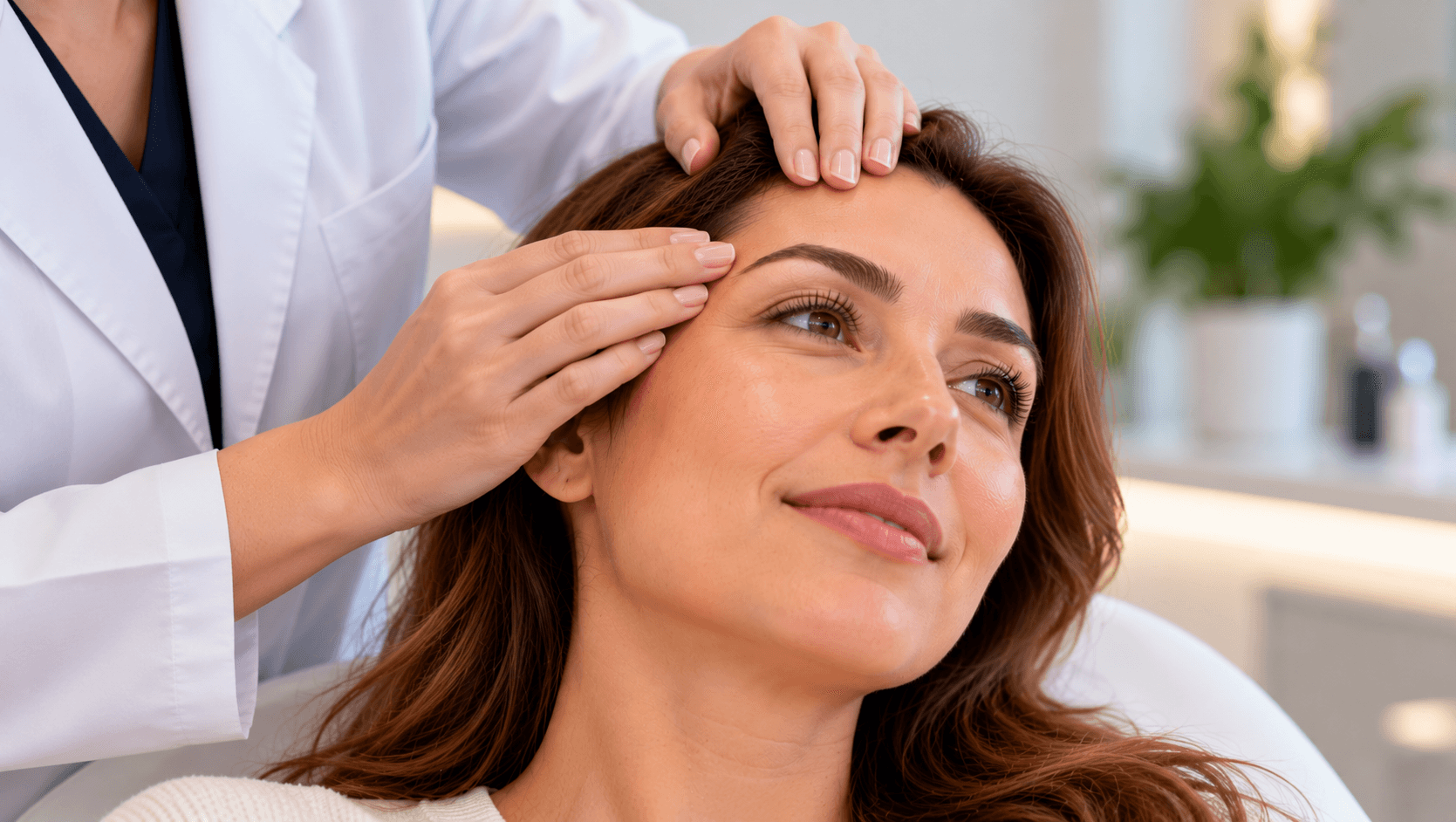
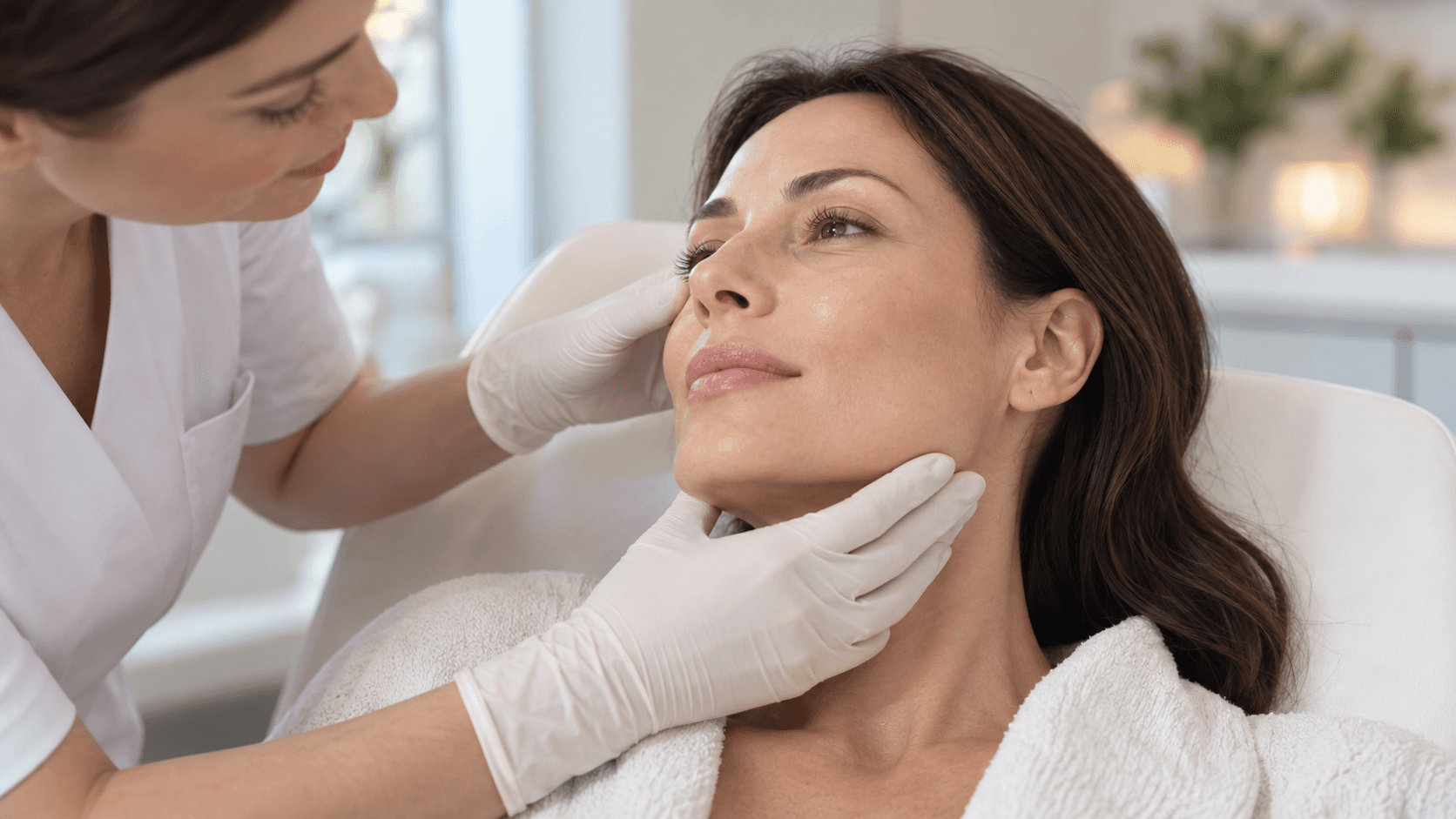
The final decision regarding the suitability of the procedure can only be made after a medical examination. During the examination, skin quality, the degree of sagging, facial anatomy, and medical history are evaluated together. This step is a prerequisite for establishing realistic expectations and ensuring a safe procedure.
Scientific evidence shows that the mechanical lifting effect and possible changes in collagen production are different outcome measures. The mechanical effect can be measured visually and clinically verified. Changes in collagen, however, require biochemical measurements, which are not performed in every study.
When evaluating clinical studies, it should be verified whether the thread material and application technique examined are the same as those used in the French thread lift. The results of a study conducted on absorbable PDO threads cannot be directly applied to a French thread lift performed with permanent threads. If the material differs, the biological response may also differ.
Furthermore, the findings of studies examining surgical facelift techniques cannot be directly generalized to nonsurgical French thread lift procedures. Surgical intervention involves cutting and repositioning tissue. Thread lifting, on the other hand, is a minimally invasive approach. The biological effects of the two methods cannot be evaluated within the same category.
Studies that directly measure collagen synthesis should also be distinguished from studies examining patient satisfaction and changes in facial contours. Increased satisfaction is not evidence of increased collagen. In conclusion, collagen stimulation is biologically possible; however, the precise amount of collagen increase provided by a French thread lift must be demonstrated separately and directly. Ricard-Blum emphasizes that generalizations should be made cautiously due to the complexity of the collagen family and synthesis mechanisms that vary according to tissue type (Ricard-Blum 2011).
It is possible, but not guaranteed. The thread creates a controlled tissue response beneath the skin, which may activate fibroblasts. Its effectiveness varies depending on the material of the thread used, the depth of placement, and the individual’s healing capacity. The same level of new collagen formation cannot be expected in every procedure.
The mechanical lifting effect creates an immediate sensation of tightness, but this is not an increase in elasticity. Any potential biological change in elasticity may develop over time only if new collagen and elastin synthesis occurs. The firm appearance during the first few days results from the thread’s physical support. Therefore, the mechanical effect must be distinguished from biological improvement.
The duration depends on the thread material, the tissue response, and the natural aging process. As absorbable threads are absorbed by the body, their support gradually decreases. Permanent threads remain in place for longer, but because aging continues, the skin may gradually become lax again over time. A specific duration cannot be scientifically guaranteed. Skincare and lifestyle are the main factors affecting the longevity of the result.
There is no single answer to this question. The comparison should take into account the material, application technique, and level of scientific evidence. More studies may be available on PDO threads, but the results vary according to the thread type and study design. The threads used in French thread lifts may be made from different materials, and each material produces a different tissue response. A general claim of superiority cannot be scientifically supported.
No, additional treatment is not mandatory. A French thread lift can be performed as a standalone procedure. However, in some individuals, combination treatment with procedures such as microneedling, radiofrequency, or PRP may be planned to improve skin quality. Such combinations should be planned on an individualized basis and only after a physician’s evaluation.
No. The two methods differ in their scope of effect, duration of results, and suitability for different candidates. A thread lift provides limited correction for mild to moderate sagging. A surgical facelift, on the other hand, delivers comprehensive and long-lasting results for advanced sagging. A thread lift offers the advantage of being minimally invasive, but it cannot replace the results of surgery. The appropriate method should be selected based on the degree of sagging determined by the physician after an examination.
Dhurat, Rachita, and Sukesh M. "Principles and Methods of Preparation of Platelet-Rich Plasma: A Review and Author's Perspective." Journal of Cutaneous and Aesthetic Surgery, vol. 7, no. 4, 2014, pp. 189-197.
El-Domyati, Moetaz, et al. "Microneedling Therapy for Atrophic Acne Scars: An Objective Evaluation." Journal of Clinical and Aesthetic , vol. 8, no. 7, 2015, pp. 36-42.
Farage, Miranda A., et al. "Intrinsic and Extrinsic Factors in Skin Ageing: A Review." International Journal of Cosmetic Science, vol. 30, no. 2, 2008, pp. 87-95.
Flament, Frederic, et al. "The Sun and the Skin: Indoors and Outdoors." Giornale Italiano di e Venereologia, vol. 148, no. 3, 2013, pp. 357-370.
Ricard-Blum, Sylvie. "The Collagen Family." Cold Spring Harbor Perspectives in Biology, vol. 3, no. 1, 2011, a004978.
Shin, Jung Woo, et al. "Risk Factors for Complications After Thread-Lifting." Surgery, vol. 45, no. 1, 2019, pp. 80-83.
Sørensen, Lars T. "Wound Healing and Infection in Surgery: The Clinical Impact of Smoking and Smoking Cessation: A Systematic Review and Meta-Analysis." Archives of Surgery, vol. 147, no. 4, 2012, pp. 373-383.
Varani, James, et al. "Decreased Collagen Production in Chronologically Aged Skin: Roles of Age-Dependent Alteration in Fibroblast Function and Defective Mechanical Stimulation." American Journal of Pathology, vol. 168, no. 6, 2006, pp. 1861-1868.
Wollina, Uwe, and Alberto Goldman. "Thread-Lifting: A Mini Review of Current Technology." Open Access Macedonian Journal of Medical Sciences, vol. 5, no. 4, 2017, pp. 394-398.