What Are the Differences Between Ulthera and the French Thread Lift?
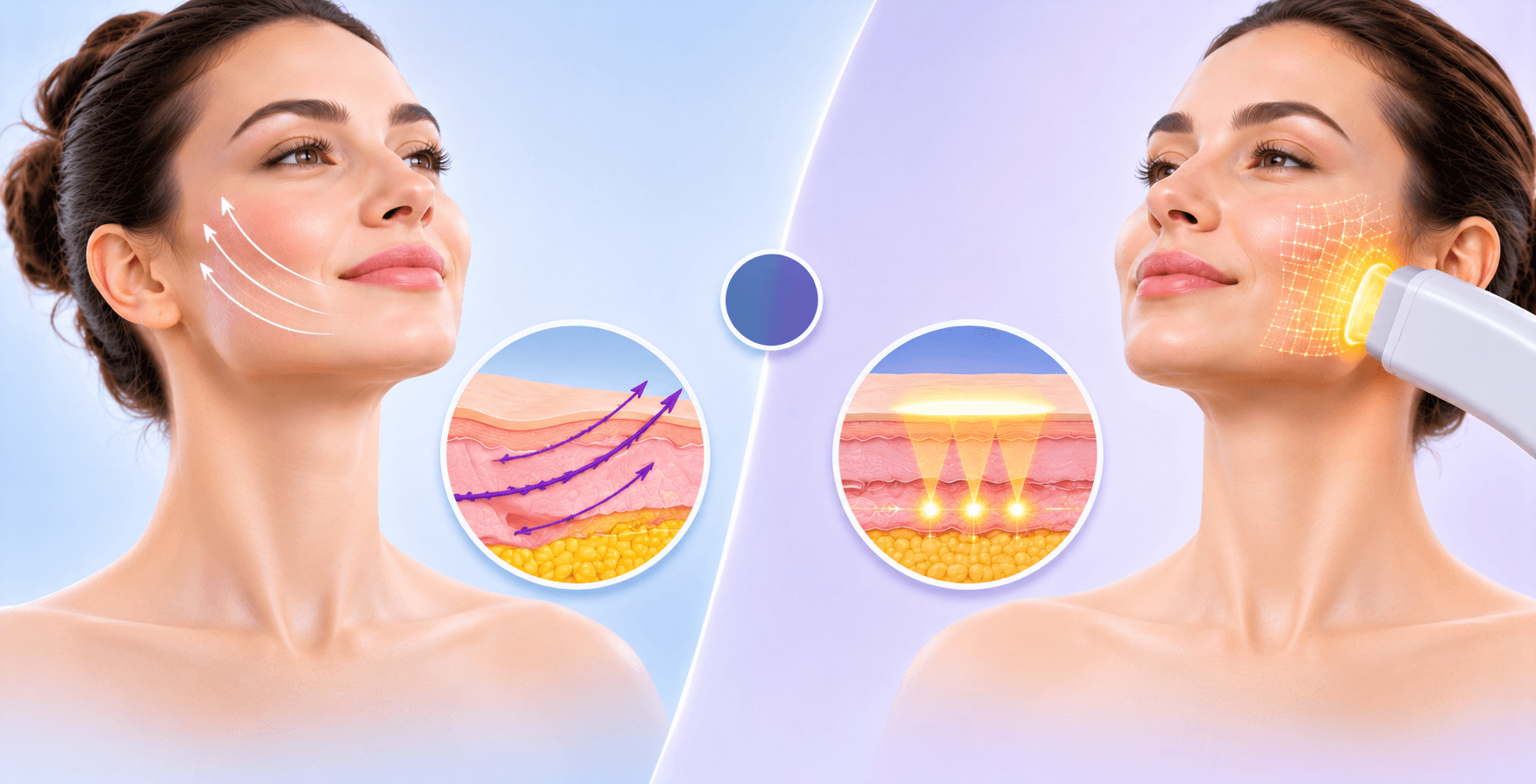
Ulthera and French Thread Lift differ primarily in their mechanism of action. Ulthera creates controlled thermal points in the deeper layers of the skin using microfocused ultrasound energy and stimulates collagen production. The French Thread Lift, on the other hand, mechanically lifts sagging tissues upward using biocompatible medical threads. Both methods are among the nonsurgical facelift options, but they address different aesthetic needs.
These two treatments have a distinct place among facial rejuvenation methods. While surgical facelift procedures require incisions and general anesthesia, these two methods offer minimally invasive or completely noninvasive solutions. People who do not want surgical procedures often explore these options because of their short recovery times and natural-looking results.
This article compares Ulthera treatment and the French Thread Lift method in light of scientific sources. Their mechanisms of action, treatment processes, longevity of results, and suitable patient profiles are examined under separate headings. This allows you to clearly understand which method is more appropriate for each type of skin laxity treatment.
What Is Ulthera and How Does It Work in Skin Rejuvenation?
Ulthera is a skin-tightening technology that uses microfocused ultrasound energy. The device focuses ultrasound waves at specific depths within the skin and creates controlled thermal coagulation zones at these points. Without damaging the skin’s surface, these thermal points initiate a remodeling process in deeper tissues such as the dermis and the SMAS layer.
The scientific basis of Ulthera’s skin-tightening mechanism is neocollagenesis. Thermal energy stimulates fibroblast cells and triggers the production of new collagen and elastin fibers. In a clinical and histological study by Suh et al., a 23.7% increase in dermal collagen content and a 65.9% increase in dermal thickness were observed after a single session (Suh et al. 2011). This biological response produces a visible tightening and lifting effect in the skin over time.
One of Ulthera’s unique features is its real-time imaging technology. During the procedure, the physician monitors the tissue layers on the ultrasound screen and delivers the energy at the correct depth. This precision ensures that the energy reaches the targeted structure, such as the SMAS layer or dermis, while protecting the surrounding tissues.
Treatment areas include the brow area, under the chin, the neck, and the décolleté. A study with blinded evaluators on brow lifting reported a significant increase in brow height in the treated eyes (Alam et al. 2010). This mechanism, which improves skin quality, represents a fundamental distinction from thread treatments, which mechanically alter the position of the tissues.
What Is a French Thread Lift and How Does It Support Facial Contours?
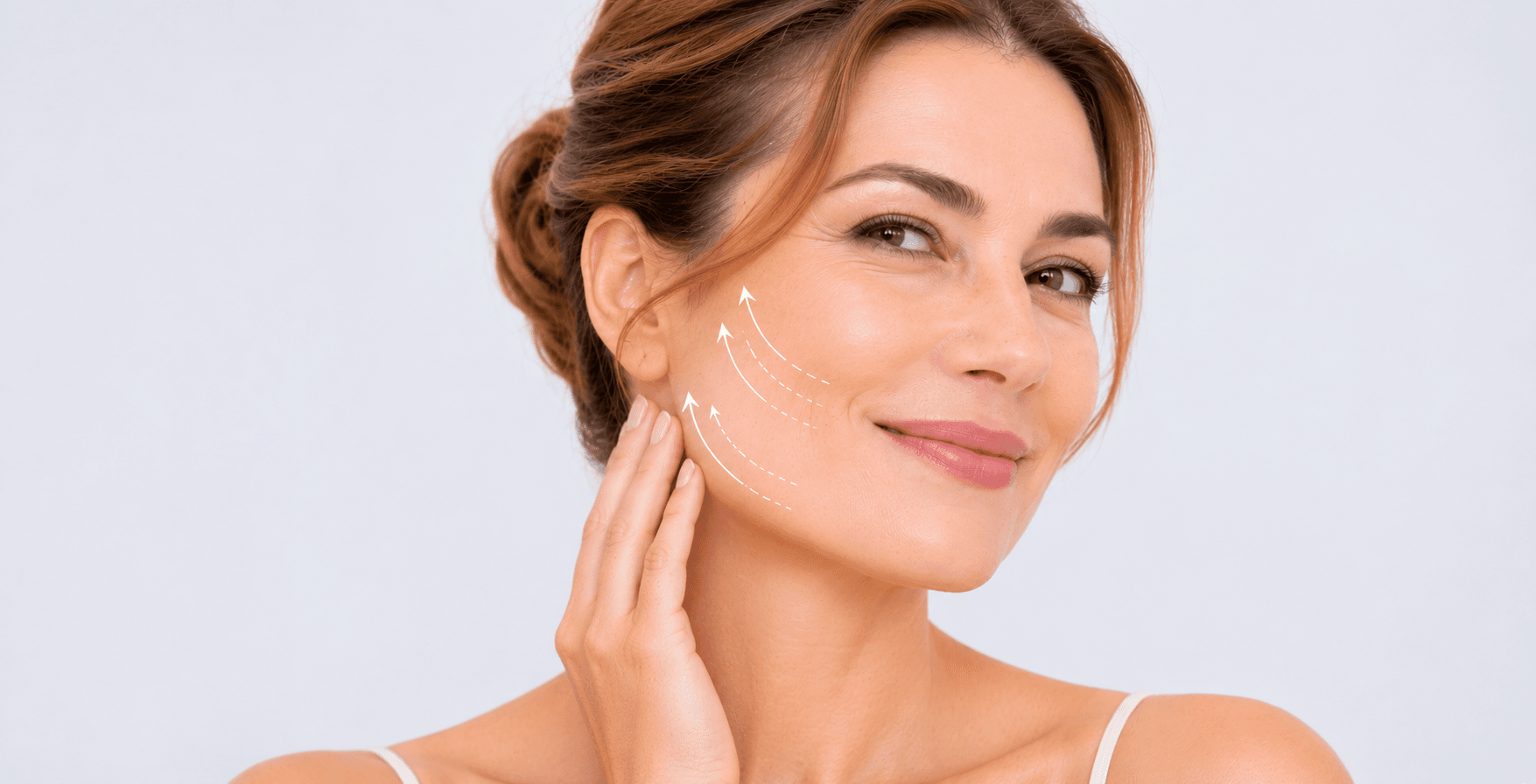
A French Thread Lift is a thread facelift procedure in which sagging facial tissues are mechanically lifted upward by placing specially designed medical threads beneath the skin. Using threads with specialized projections that grip the tissue, the procedure repositions lax facial structures and supports the facial oval.
The design of the threads determines the effectiveness of the procedure. Biocompatible threads with barbed or conical structures anchor within the subcutaneous fatty tissue and create a balanced pulling force on the tissue through multiple points of contact. This mechanical support gives the cheeks and jawline a more defined contour.
The clinical basis of the thread facelift technique is founded on the work of Sulamanidze and colleagues. The researchers demonstrated that soft-tissue ptosis could be corrected with specialized threads and defined the fundamental principles of the technique (Sulamanidze et al. 2002). The same team later advanced the technique with thread designs that provided multidirectional anchoring (Sulamanidze et al. 2005).
Most of the threads used are gradually absorbed by the body over time. The absorption process triggers fibrosis and a collagen response around the threads, and this biological tissue response provides a certain degree of support even after the threads have dissolved. A study conducted with polydioxanone threads reported satisfactory results in facial rejuvenation (Suh et al. 2015). Treatment areas include the facial oval, cheeks, jawline, and neck.
What Technologies Are Used to Perform Ulthera and the French Thread Lift?
Ulthera is an energy-based technology, whereas the French Thread Lift is a mechanical tissue-support technology. Ulthera delivers focused ultrasound waves to different tissue depths ranging from 1.5 millimeters to 4.5 millimeters. The French Thread Lift, on the other hand, places biocompatible threads into the subcutaneous tissues and applies physical force.
Ulthera's microfocused ultrasound technology concentrates sound waves at a single point with millimetric precision. The temperature rises rapidly at these points, creating areas of thermal coagulation within the tissue. Surface tissue remains unaffected because the energy is concentrated only at the targeted depth. The device's integrated ultrasound imaging enables the physician to verify anatomical depths in real time for each patient (Fabi 2015).
With the French Thread Lift, the technology lies in the thread itself. Threads made from absorbable polymers such as polydioxanone, polylactic acid, or caprolactone are available in barbed, conical, or smooth designs. Inserted beneath the skin using fine needles or cannulas, the threads anchor to the tissue through their projections and distribute the pulling force throughout the tissue.
This technological difference also determines the target structures beneath the skin. Ulthera stimulates the dermis and SMAS layer with heat, triggering the tissue's own biological renewal process. The French Thread Lift, by contrast, exerts a direct physical effect on the subcutaneous fatty tissue and superficial fascial layers. The following section discusses the effects of these two different mechanisms on the skin.
How Do the Effects of the Two Methods Differ on the Skin and Facial Tissues?
Ulthera improves the quality and firmness of the skin, whereas the French Thread Lift changes the position of the tissues. The first method strengthens the skin structure by supporting collagen production. The second reshapes the facial contour by physically lifting sagging tissues upward.
The effect of Ulthera occurs at the cellular level. Thermal stimulation initiates the synthesis of new collagen and elastin by fibroblasts. Initially, collagen fibers contract within the tissue; over the following months, newly maturing fibers provide the skin with greater density and elasticity. In a prospective study conducted by Oni and colleagues on the lower face, improvement in skin laxity was observed in 58.1% of patients, while measurable lifting was identified in 71.8% (Oni et al. 2014).
The effect of the French Thread Lift, however, occurs at a structural level. The threads reposition the cheek and jawline tissues that have descended due to gravity upward. This mechanical lifting contributes to reducing the appearance of nasolabial lines and the double chin. The fibrotic tissue response that develops around the threads gradually transforms this mechanical support into biological support over time.
In summary, skin elasticity, facial contour, and tissue position are distinct parameters, and each method focuses on a different parameter. The changes that either method can provide depend on the individual’s existing anatomical structure. Therefore, it is necessary to examine separately which method is more suitable for each facial concern.
For Which Facial Concerns Are Ulthera and the French Thread Lift Preferred?
Ulthera is more prominent for mild to moderate skin laxity, while the French Thread Lift offers a stronger option for pronounced tissue sagging and loss of contour. Changes in skin quality and tissue position should be evaluated separately, as the two concerns are corrected through different mechanisms.
Ulthera treatment is suitable for individuals with thin skin, loss of elasticity, and early signs of laxity. Drooping eyebrows, laxity beneath the chin, and reduced skin quality in the neck are areas where this method is particularly effective. Energy-based stimulation provides a protective and delaying effect in tissues where deep sagging has not yet developed.
The French Thread Lift method is preferred for positional concerns such as pronounced sagging in the facial contour, downward displacement of the cheeks, and loss of definition along the jawline. When tissues need to be physically repositioned, collagen stimulation alone is not sufficient. The threads directly address this need through mechanical lifting.
The table below summarizes the problem-based applications of the two methods:
Facial Concern | Ulthera | French Thread Lift |
Mild skin laxity | Strong option | Limited indication |
Moderate sagging | Supportive | Strong option |
Drooping eyebrows | Strong option | Limited use |
Cheek sagging | Limited | Strong option |
Loss of jawline definition | Supportive | Strong option |
Appearance of a double chin | Strong option | Supportive |
Loss of skin quality in the neck | Strong option | Limited |
This distinction highlights the importance of an accurate diagnosis before treatment. The physician evaluates skin quality and tissue position as separate parameters and develops the treatment plan accordingly.
How Are Ulthera and French Thread Lift Procedures Performed?
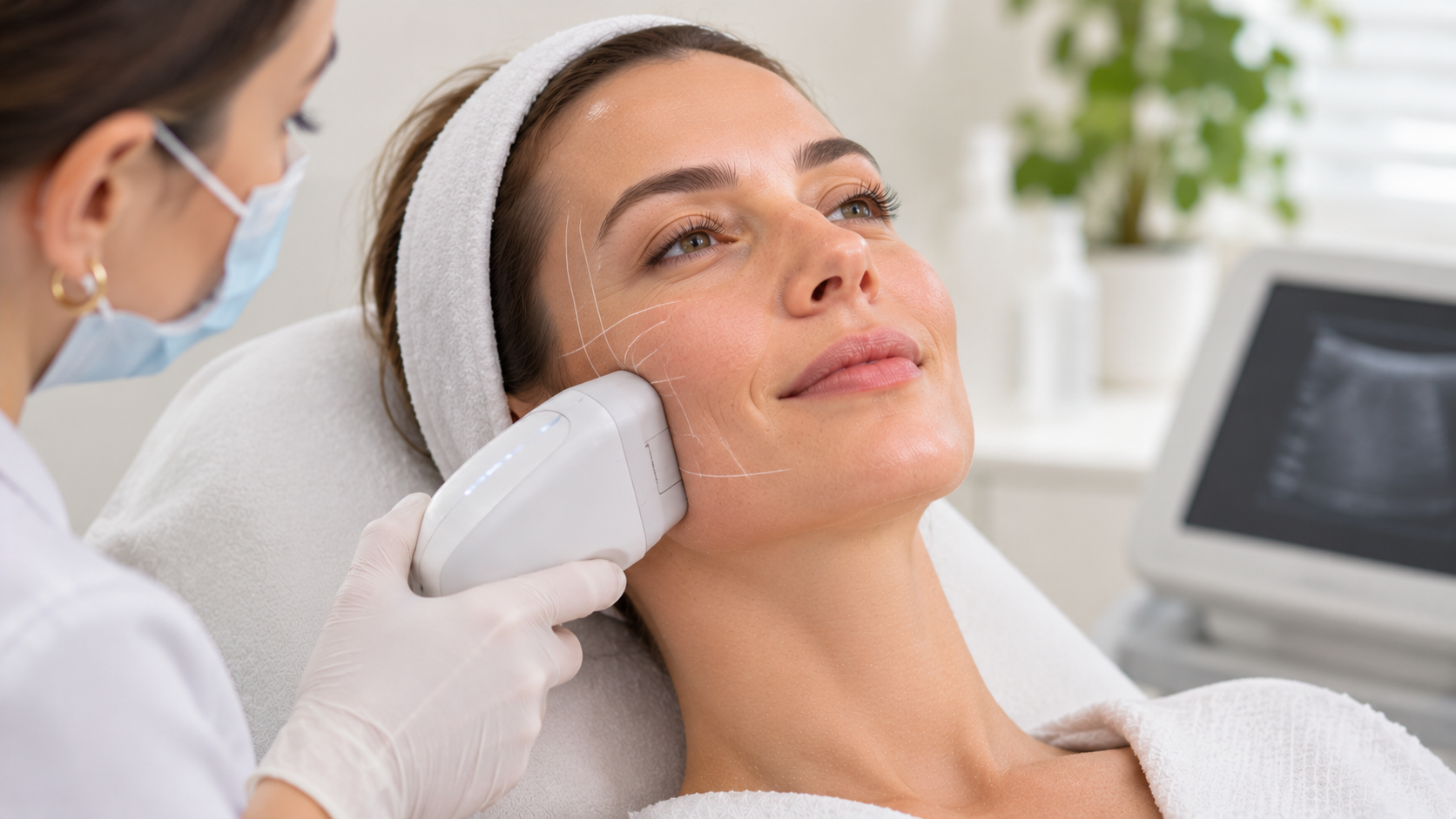
While ultrasound energy is delivered through the skin surface during Ulthera, threads are placed beneath the skin under local anesthesia during a French Thread Lift. Both procedures are performed on an outpatient basis and do not require hospitalization. Treatment times vary depending on the treatment area, the technology used, and the individual plan.
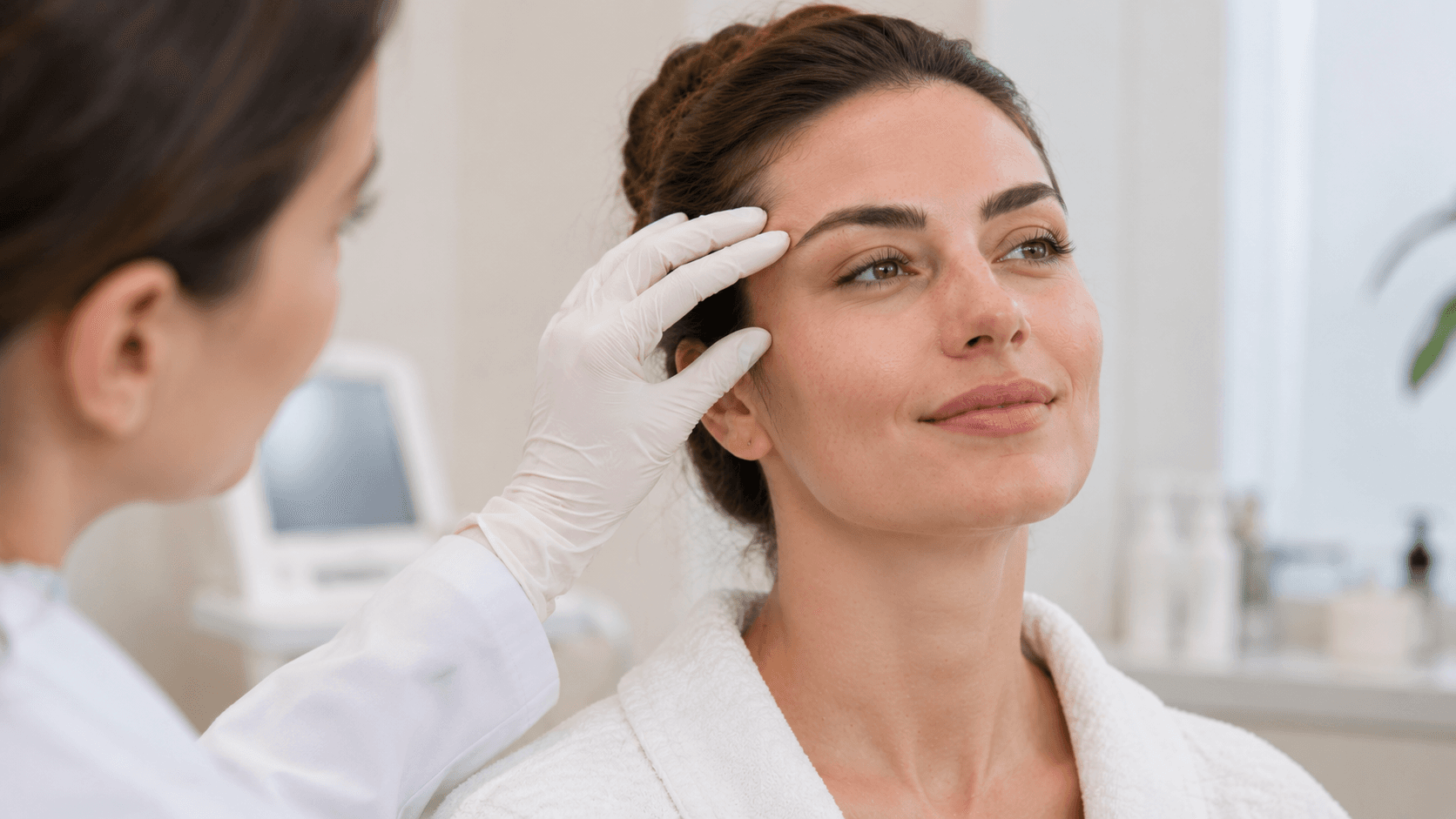
Before Ulthera, the physician performs a detailed skin analysis. Tissue depths are measured using real-time imaging, treatment areas are identified, and the appropriate transducer depth is selected for each area. During the procedure, the device delivers controlled energy pulses along the designated lines. A full-face and neck session typically takes one to one and a half hours.
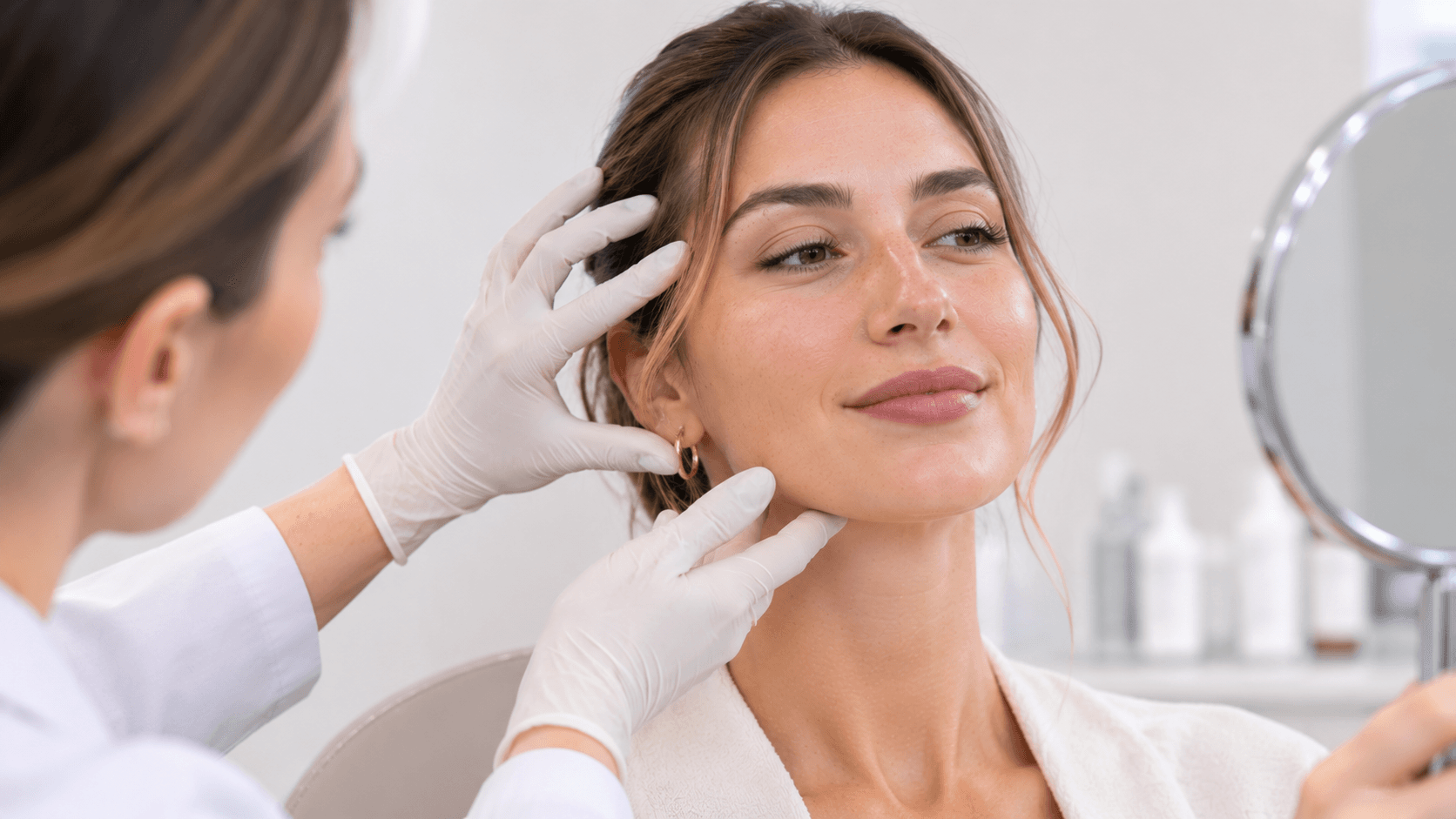
Before a French Thread Lift, the physician evaluates the facial anatomy and prepares the thread placement plan. The entry point, direction vector, and anchoring area are marked for each thread. The procedure is performed under local anesthesia. Fine needles or cannulas guide the threads to the target plane beneath the skin, and the threads are tightened to lift the tissue into the desired position. The procedure generally takes between thirty minutes and one hour.
With both methods, the treatment process is based on a personalized plan. The quality of this planning directly affects the speed at which the results we will discuss in the next section become visible.
When Are the Results of Ulthera and French Thread Lift Visible?
While the results of a French Thread Lift are noticeable immediately after the procedure is completed, the results of Ulthera gradually emerge over several months as a result of collagen production. This difference in timing directly reflects the mechanisms of action of the two methods.
A mild tightening sensation may occur during the first 24 hours after Ulthera, but the primary change becomes more apparent as the biological process progresses. The production and maturation of new collagen fibers takes approximately two to three months. Results generally continue to develop for up to six months. In the retrospective evaluation by Fabi and Goldman, 81.3 percent of patients showed clinical improvement on day 90, and 77.7 percent on day 180 (Fabi and Goldman 2014).
The mechanical lifting effect is immediately visible after a French Thread Lift. Since the tissues are repositioned during the procedure, patients can directly observe the difference when they look in the mirror. Edema during the first few days may temporarily alter this appearance. Once the swelling subsides, the final appearance settles within a few weeks.
With both methods, the final result is affected by swelling, the healing process, and individual tissue characteristics. In addition to when the results become visible, how long they last is also an important consideration when making a decision.
How Long Do the Results of Ulthera and French Thread Lift Last?
Ulthera results generally last one to two years, while French Thread Lift results are also typically maintained for one to two years, depending on the type of thread used and the tissue. Neither method completely stops the aging process, and longevity is strongly influenced by individual factors.
The duration of Ulthera results is associated with the quality of collagen renewal and the ongoing rate of aging. Once newly produced collagen fibers reach a certain level of maturity, they gradually decline as part of the natural aging process. Long-term observations have shown that the effect in the face and neck area can extend beyond one year (Werschler and Werschler 2016).
The structure of the thread is the determining factor in the longevity of a French Thread Lift. Absorbable threads dissolve within approximately six to nine months, but the collagen tissue that forms around the thread allows the effect to last longer. Although non-absorbable threads continue to provide mechanical support, the loosening of tissues over time may limit the effect. The long-term evaluation by Abraham et al. reported that the results of thread lifting gradually decreased during the first year (Abraham et al. 2009).
Age, skin quality, smoking, sun exposure, and genetic factors affect the longevity of both methods. Healthy lifestyle habits extend the duration of the results. Therefore, individual assessment is essential when comparing longevity rather than relying on a single number.
How Does the Recovery Process Progress After Ulthera and French Thread Lift?
There is virtually no recovery period after Ulthera, and most people return to their daily routines the same day, whereas a few days of social downtime is generally required after a French Thread Lift. This difference is due to the level of invasiveness of the procedure.
The effects that may be seen after Ulthera include temporary redness, mild swelling, and tenderness when touched. These symptoms generally resolve on their own within a few hours to a few days. Since the skin surface is protected during the procedure, wound care is not required, and makeup can be applied on the same day.
After a French Thread Lift, bruising, edema, tenderness, and a temporary feeling of tightness may occur. While bruising subsides within one to two weeks, the feeling of tightness decreases over several weeks as the threads adapt to the tissue. During the first few weeks, it is recommended to avoid wide facial movements, strenuous physical activity, and massages of the face.
The reason the recovery process differs between the two methods is clear. While an energy-based treatment does not disrupt the integrity of the skin, threads create a new structural arrangement beneath the skin, and the tissue needs time to adapt to this change. Another issue closely related to the recovery process is the possibility of risks.
What Are the Potential Risks of Ulthera and French Thread Lift Procedures?
While the risks of Ulthera are generally limited to temporary pain and tenderness, a French Thread Lift carries additional risks such as infection, asymmetry, and the threads becoming palpable. In both methods, the physician’s experience and appropriate patient selection are decisive factors for safety.
The most frequently reported effects after Ulthera include pain during the procedure, subsequent tenderness, swelling, and, rarely, temporary numbness. Temporary effects on the superficial branches of the facial nerve have rarely been reported, but this condition generally resolves on its own. Real-time imaging helps ensure that the energy remains within safe tissue planes (Fabi 2015).
Complications observed after a French Thread Lift include infection, hematoma, asymmetry, thread breakage, thread migration, and the threads being palpable beneath the skin. In a meta-analysis conducted by Niu et al. on facial thread-lifting procedures, the most frequently reported complications were pain, bruising, and skin dimpling (Niu et al. 2021). Most of these complications are mild and resolve with conservative treatment.
Both methods require medical evaluation and appropriate treatment conditions. A sterile environment, anatomical knowledge, and an experienced practitioner are the fundamental elements that minimize risks. Once the safety framework has been established, the remaining question is which method the individual is an appropriate candidate for.
Who Are Suitable Candidates for Ulthera and a French Thread Lift?
People whose skin elasticity is beginning to decrease but who do not have significant tissue sagging are more suitable candidates for Ulthera, while those experiencing visible laxity in the facial tissues and loss of contour are better candidates for a French Thread Lift. In cases of advanced sagging, surgical facelift should be considered.
The ideal candidate profile for Ulthera includes individuals who begin noticing the first signs of laxity from their mid-thirties onward and do not want surgery. Thin skin, mild brow drooping, and early laxity beneath the chin are typical features of this profile. For these individuals, a non-surgical facelift approach serves both a preventive and corrective function.
The ideal candidate profile for a French thread lift includes individuals with moderate tissue sagging who need a mechanical lifting effect. Facial oval distortion, downward displacement of the cheeks, and loss of definition along the jawline are the main concerns in this group. If skin quality is reasonably good, the threads provide strong support.
During patient selection, skin thickness, fat distribution, facial anatomy, and overall health are evaluated together. In very thin faces with little fatty tissue, the threads may be palpable, while excessively thick and heavy tissues have limitations in terms of mechanical lifting. This assessment may also lead to planning both methods in combination in some cases.
Can Ulthera and a French Thread Lift Be Performed Together?
Yes, since the two methods have different mechanisms of action, they can be planned in combination for suitable patients. While Ulthera supports skin tightening, a French thread lift mechanically repositions the tissues, allowing the two effects to complement each other.
The rationale behind the combined approach is that each method works at a different layer. Ulthera stimulates collagen production in the dermis and SMAS layer, improving the structural quality of the skin. A French thread lift, on the other hand, elevates the tissues within the subcutaneous layer. Addressing skin quality and tissue position at the same time may result in a more balanced rejuvenated appearance. Clinical observations have reported that the safety profile is maintained when the treatments are performed sequentially (Casabona 2020).
However, combining the treatments is not necessary or appropriate for every patient. Ulthera alone may be sufficient for someone with mild laxity, while a French thread lift alone may provide an adequate response for someone with only contour loss. An unnecessary second treatment both increases the cost and creates an avoidable procedural burden.
The sequence and timing of the treatments should be determined by a specialist physician. The general approach is to wait until the recovery process is complete and plan the second procedure according to the condition of the tissues. When a combined treatment plan is considered, the cost factor should also be evaluated separately.
Which Factors Determine the Cost Difference Between Ulthera and a French Thread Lift?
For Ulthera, the treatment area, number of shots, and device technology determine the cost, while for a French thread lift, pricing is based on the number of threads used, their characteristics, and the scope of the procedure. It is not appropriate to compare the two methods solely on the basis of price, as they address different needs.
In Ulthera treatment, the size of the treatment area and the selected transducer depths determine the total number of shots. A full-face and neck session costs more than a treatment limited to the area beneath the chin. The device’s original technology and maintenance standards are also reflected in the price.
For a French thread lift, the price varies according to the number of threads placed and the material from which they are made. Treating a larger area and performing a more extensive lift require more threads. The threads’ absorption time and design also contribute to cost differences.
With both methods, the physician’s experience, the clinic’s standards, and the personalized treatment plan affect the cost. Since an experienced practitioner’s anatomical knowledge improves both safety and the quality of the results, a purely numerical comparison of costs can be misleading. Within this framework, the true decision criterion is which method will provide the individual with better results.
Which Provides Better Results: Ulthera or French Thread Lift?
There is no single answer to this question because the two methods are not direct alternatives to each other. Ulthera provides better results for individuals seeking skin tightening and collagen support, while the French Thread Lift delivers stronger results for those seeking to reposition tissues upward and enhance contour support.
The advantage of Ulthera is its noninvasive nature, minimal recovery time, and ability to improve skin quality at a biological level. It stands out for early-stage laxity and preventive applications. The advantage of the French Thread Lift is its immediately visible lifting effect and strong mechanical support for pronounced sagging.
The table below compares the key features of the two methods:
Feature | Ulthera | French Thread Lift |
Mechanism of action | Collagen stimulation with thermal energy | Mechanical lifting with threads |
Invasiveness | Noninvasive | Minimally invasive |
Onset of results | 2 to 3 months | Immediately |
Recovery time | Same day | A few days |
Area of greatest strength | Skin quality and firmness | Tissue position and contour |
Number of sessions | Usually one | Usually one |
The most suitable option is determined according to the individual’s facial anatomy, skin condition, and expectations. An accurate diagnosis and realistic expectations are essential for satisfaction with either method.
Frequently Asked Questions About Ulthera and the French Thread Lift
Do Ulthera and the French Thread Lift Produce the Same Effect?
No, the two methods work through different mechanisms. Ulthera tightens the skin by stimulating collagen production with ultrasound energy, while the French Thread Lift physically lifts the tissues using threads. The first method improves skin quality, whereas the second improves tissue position.
Does the French Thread Lift Provide a Stronger Facelift Effect Than Ulthera?
In terms of mechanical lifting, yes, but this comparison is incomplete. Since the French Thread Lift directly supports and lifts the tissues, its lifting effect is more pronounced. Ulthera, on the other hand, supports skin quality over the long term through collagen-based tightening, an effect that cannot be achieved with threads.
Does Ulthera Melt Facial Fat?
No, when performed correctly. Ultrasound energy is focused on the targeted tissue depth, and superficial fatty tissue is not targeted. Selecting the wrong depth or applying excessive energy may cause unwanted effects on the tissues. Therefore, real-time imaging and physician experience are of critical importance.
Does Facial Expression Change After a French Thread Lift?
No, when properly planned. When the threads are placed along vectors that preserve the natural facial anatomy, facial movements are not restricted. Excessive pulling or incorrect positioning may cause temporary tightness and an unnatural appearance. An experienced physician plans the procedure by taking the dynamic structure of the face into account.
From What Age Can Ulthera and the French Thread Lift Be Performed?
There is no specific age limit. The decision is based less on age than on skin condition, anatomical characteristics, and medical suitability. The first signs of laxity may appear in the thirties, and preventive treatments may be recommended during this period. Medical evaluation is essential at any age.
Can Ulthera Be Performed After a French Thread Lift?
Yes, with appropriate timing and physician assessment. The tissues where the threads were placed are allowed to heal, after which energy-based tightening can be planned. The order and timing should be determined by a specialist physician according to the condition of the tissues.
Should Ulthera or Surgical Facelift Be Preferred?
This decision depends on the degree of sagging and the patient’s expectations. A surgical facelift provides the strongest and most lasting results for advanced sagging, but it requires anesthesia, incisions, and a lengthy recovery period. For mild to moderate laxity, non-surgical facelift options such as Ulthera offer satisfactory results with lower risk and a shorter recovery period.
References
Abraham, Rohan F., et al. “Thread Lift for Facial Rejuvenation: Assessment of Long-Term Results.” Archives of Facial Plastic Surgery, volume 11, issue 3, 2009, pp. 178-183.
Alam, Murad, et al. “Ultrasound Tightening of Facial and Neck Skin: A Rater-Blinded Prospective Cohort Study.” Journal of the American Academy of , volume 62, issue 2, 2010, pp. 262-269.
Casabona, Gabriela. “Combined Use of Microfocused Ultrasound and a Poly-L-lactic Acid-Based Thread Lift in Facial Rejuvenation.” Surgery, volume 46, 2020, pp. S31-S36.
Fabi, Sabrina G. “Noninvasive Skin Tightening: Focus on New Ultrasound Techniques.” Clinical, Cosmetic and Investigational , volume 8, 2015, pp. 47-52.
Fabi, Sabrina G. and Mitchel P. Goldman. “Retrospective Evaluation of Micro-Focused Ultrasound for Lifting and Tightening the Face and Neck.” Surgery, volume 40, issue 5, 2014, pp. 569-575.
Niu, Ziyu, et al. “A Meta-Analysis and Systematic Review of the Incidences of Complications Following Facial Thread-Lifting.” Aesthetic Plastic Surgery, volume 45, 2021, pp. 2148-2158.
Oni, Georgette, et al. “Evaluation of a Microfocused Ultrasound System for Improving Skin Laxity and Tightening in the Lower Face.” Aesthetic Surgery Journal, volume 34, issue 7, 2014, pp. 1099-1110.
Suh, Dong Hye, et al. “Intense Focused Ultrasound Tightening in Asian Skin: Clinical and Pathologic Results.” Surgery, volume 37, issue 11, 2011, pp. 1595-1602.
Suh, Dong Hye, et al. “Outcomes of Polydioxanone Knotless Thread Lifting for Facial Rejuvenation.” Surgery, volume 41, issue 6, 2015, pp. 720-725.
Sulamanidze, Marlen A., et al. “Removal of Facial Soft Tissue Ptosis with Special Threads.” Surgery, volume 28, issue 5, 2002, pp. 367-371.
Sulamanidze, Marlen A., et al. “Facial Lifting with ‘APTOS’ Threads: Featherlift.” Otolaryngologic Clinics of North America, volume 38, 2005, pp. 1109-1117.
Werschler, William P. and P. Scott Werschler. “Long-Term Efficacy of Micro-Focused Ultrasound with Visualization for Lifting and Tightening Lax Facial and Neck Skin Using a Customized Vectoring Treatment Method.” Journal of Clinical and Aesthetic , volume 9, issue 2, 2016, pp. 27-33.
Get in touch with our expert team
Related Posts