Yükleniyor…
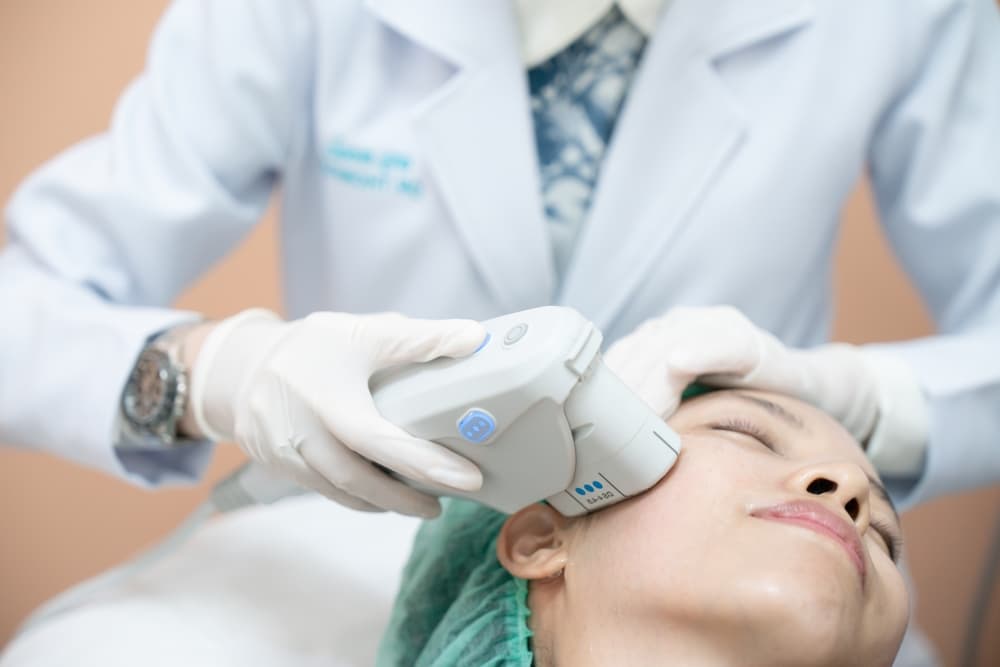
Ulthera treatment may cause slight swelling and sensitivity in the face afterward. These symptoms are among the expected responses to the treatment. Most patients notice this temporary condition within a few days. Swelling and sensitivity are signs of collagen remodeling. Proper patient selection and an experienced practitioner keep these symptoms within safe limits. This article describes the normal healing process based on scientific evidence. It also helps you distinguish unusual findings.
Controlled heat points are created in the skin. These points reach deep layers. It initiates the skin tightening process.
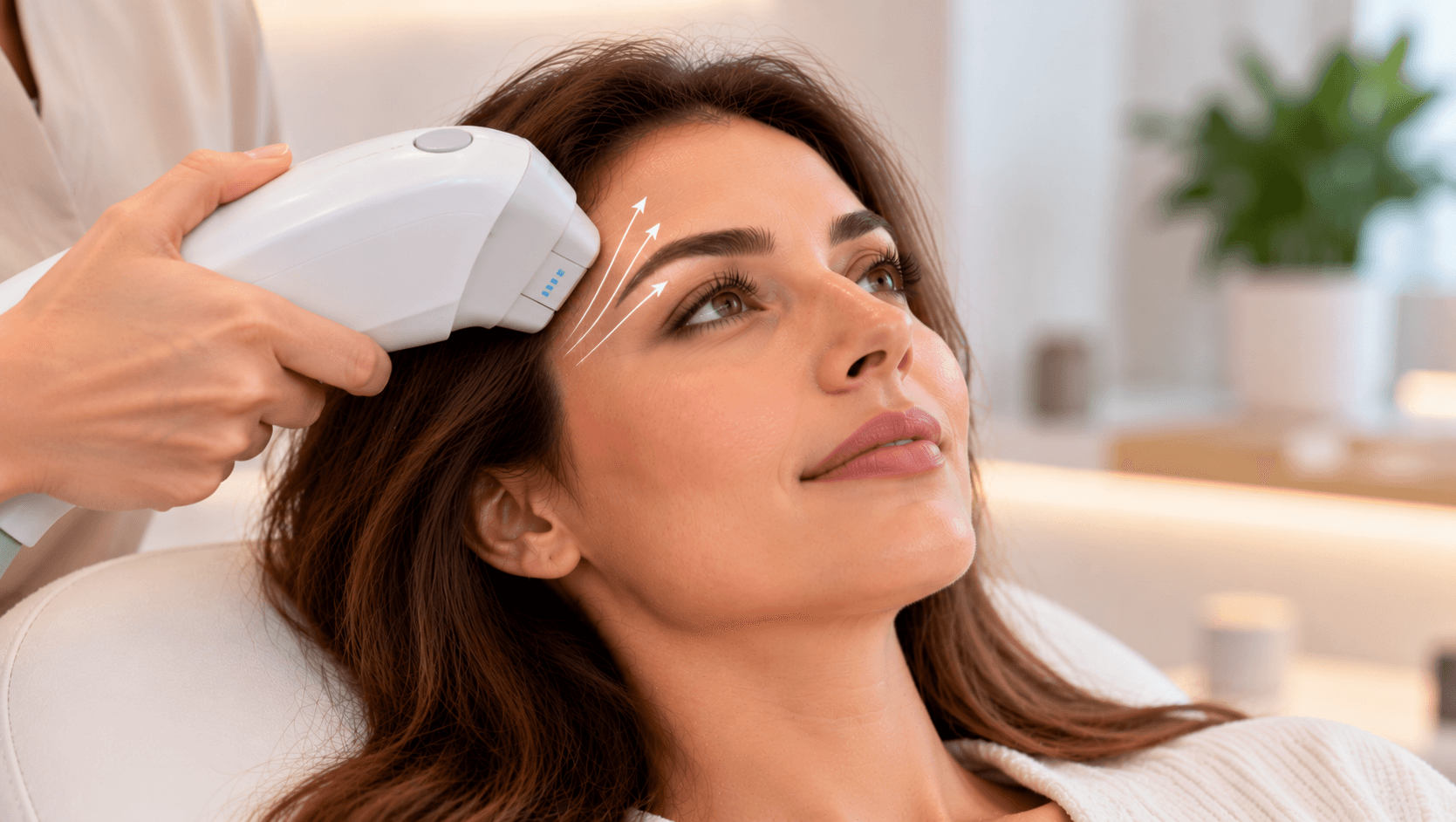
The Ulthera device uses micro-focused ultrasound energy. This technology combines with an imaging system. The physician can see beneath the skin in real-time. Energy is delivered to different depths of the skin in a controlled manner. The target tissue is the supportive layers beneath the skin. The device specifically focuses on the dermis and the superficial muscular aponeurotic layer. Thermal coagulation points form at these depths. Each point affects a very small area. It does not damage surrounding tissues.
Thanks to micro-focused ultrasound technology, energy is concentrated only at the targeted depth. The upper layers of the skin are preserved. This feature is different from lasers. Lasers typically affect from the skin surface. Ultrasound waves penetrate deeper. The device sends energy to depths of 4.5 millimeters, 3.0 millimeters, and 1.5 millimeters. The deepest level reaches the connective tissue that holds the facial muscles. The mid-level is where the collagen network is dense. The shallowest level helps treat fine lines.
Each thermal point activates the body's natural healing mechanism. The tissue responds to these controlled micro-injuries. Fibroblast cells become active. New collagen fibers are synthesized. Old loose collagen is replaced by tight structure. This process ensures the skin tightens from the inside out. Results gradually appear over weeks and months.
Controlled heat creates micro-injuries in the tissue. The body sends blood cells to these injury sites. Temporary inflammation triggers collagen production.
Thermal energy creates coagulation in the target tissue. These coagulations are microscopic injury sites. The body mobilizes to repair these areas. Macrophages and other inflammatory cells come to the region. These cells secrete growth factors. Growth factors stimulate fibroblasts. Fibroblasts produce new collagen.
This inflammatory response is temporary. It causes mild edema lasting a few days. Edema is a temporary increase in tissue fluid. Vascular permeability rises briefly. Fluid moves into the interstitial space. This condition appears as swelling. At the same time, nerve endings become temporarily sensitive. The sense of touch is heightened.
Post-procedure symptoms are directly related to the biological mechanism of the treatment. If there is no swelling, collagen stimulation will also be weak. Therefore, mild swelling and sensitivity are indicators of the desired effect. The skin renews itself during this process. As inflammation decreases, collagen formation accelerates. When healing is complete, the skin looks tighter and younger.
Yes. Mild facial swelling is normal. Swelling indicates that the treatment has reached the deeper tissues. In most patients, this condition is temporary.
Mild facial swelling after Ultherapy is a result of a local inflammatory response. Temporary changes occur in the tissue fluid. Blood vessels in the treated areas temporarily dilate. Fluid fills the intercellular spaces. This condition manifests as edema.
The amount of energy applied affects the swelling. The width of the treatment area is important. The cheek area is large. Swelling may be more pronounced in this area. The submental area is thinner. Swelling there is less noticeable. Individual tissue characteristics also make a difference. In patients with thick skin, swelling may be more pronounced. In patients with thin skin, swelling may be milder.
It is normal for swelling to appear differently in various areas of the face. There is more adipose tissue in the cheeks. This adipose tissue can retain fluid. The muscle tissue in the forehead is thinner. Swelling is less felt there. The subcutaneous tissue in the neck area is loose. Edema can accumulate more easily in this area.
Swelling begins immediately after the procedure. It becomes noticeable within the first few hours. It is felt most on the first day.
Mild edema occurs in the skin immediately after the procedure. The patient may notice this condition when leaving the clinic. In the first hours, swelling gradually increases. Vascular permeability reaches its highest level. Edema continues for the first few days.
In some individuals, swelling may become more pronounced with a delay. This can occur 24 to 48 hours later. Individual metabolism affects this delay. Slow lymph drainage can prolong edema. However, this situation is still within normal limits.
Mild swelling typically lasts a few days. In most patients, it decreases within 2 to 5 days. The healing time varies from person to person.
Mild swelling is temporary. Scientific studies show that edema and swelling are common but mostly mild or moderate in severity. Humphrey and colleagues noted in their systematic review conducted in 2025 that temporary edema is the most frequently reported side effect (Humphrey et al., 2025). A gradual decrease in swelling is an expected sign of healing.
In some patients, swelling may last up to a week. This situation is generally related to the width of the treated area. Patients receiving full face and neck treatment may experience longer-lasting edema. Patients treated only in the forehead or brow area may see swelling resolve more quickly. Bodies with efficient lymph drainage clear edema rapidly.
Yes. Sensitivity to touch is normal. The temporary response in the deeper tissues creates this sensation. Pain is usually mild to moderate.
Sensitivity to touch after Ultherapy arises from the local tissue response to thermal energy. Temporary sensitivity in the deeper tissues indicates stimulation of nerve endings. Some patients may feel discomfort during chewing, speaking, or facial movements. This sensation comes from the micro-coagulation areas in the deeper layers.
Sensitivity typically manifests as a feeling of pressure. It is not superficial pain. It is a deep ache or tension. The patient notices this condition while washing their face or applying makeup. Sensitivity is felt along the treated lines.
The first few days are the typical sensitivity period. The median duration is 6 days. It can vary between 3 to 14 days.
In a recent prospective study, muscle pain in the treated area was reported by 90% of participants. The median duration was 6 days, with a range of 3 to 14 days. Symptoms were mostly mild to moderate in severity. These data are also supported by a comparative study of Prime and Legacy published by Panithaporn in the Journal of Cosmetic in 2025 (Panithaporn, 2025).
Longer-lasting but gradually decreasing sensitivity may be observed. Most patients feel more comfortable in the second week. By the third week, sensitivity almost completely disappears. The pain and sensitivity durations reported in clinical studies generally do not exceed two weeks.
The pain felt during the procedure is instantaneous with energy transmission. The sensitivity and ache felt afterward is a healing response of the deep tissue.
During the procedure, the patient feels sudden waves of heat. This sensation is similar to a deep sting or electric shock. It can be momentary and intense. However, this pain ceases immediately after the procedure ends. There is a different sensation in the post-procedure period.
A feeling of pressure or tension occurs in the deep tissue. This sensation is discomfort rather than pain. As the face moves, the deeper layers shift. This movement stimulates the micro-coagulation areas. The patient perceives this stimulation as an ache.
It is important to know which symptoms are part of the expected healing process. Mild swelling, redness, sensitivity, and deep tension are part of the normal process. Severe and sharp pain is not normal. A burning sensation on the surface is also unusual.
Mild swelling, redness, sensitivity to touch, deep tension, mild bruising, and temporary numbness are considered normal.
Mild swelling is the most common symptom. It gives a feeling of slight fullness in the face. Mild redness is also frequently observed. Redness usually fades within a few hours. Sensitivity upon touch may be present throughout the treated area. Tension or deep aching in the face is a normal healing sensation.
Mild bruising may occur. Bruising results from the temporary effect on small blood vessels. It typically turns yellow and disappears within a few days. Temporary numbness or tingling may also be reported. This sensation comes from the temporary stimulation of nerve endings.
In the MFU-V safety literature, erythema, edema, swelling, bruising, and sensitivity are among the most frequently reported side effects. Biskanaki and colleagues emphasize in their 2025 review that most of these findings are mild to moderate in severity and temporary (Biskanaki et al., 2025). Most cases resolve spontaneously in a short time.
Normal swelling is mild to moderate. It is limited to the treatment area. It gradually decreases over time. Abnormal swelling tends to increase. Severe pain and skin damage may accompany it.
Normal swelling appears as slight fullness in the soft tissue. The skin color remains normal or may slightly redden. There may be accompanying mild sensitivity or redness. The patient continues with normal activities.
Abnormal swelling can progressively increase or be very severe. If accompanied by severe and uncontrolled pain, this situation is unusual. Significant skin damage or blistering may be observed. A severe burning sensation is a concerning sign. Persistent or worsening numbness requires neurological evaluation.
Weakness in muscle movements or facial asymmetry is a serious sign. Among the findings suggesting infection, swelling that is red, warm, and painful is included. If fever accompanies it, a doctor should be consulted.
Rare nerve-related effects, paresthesia, and temporary motor changes have been reported in the literature. These rare events are highlighted in the systematic review by Humphrey and colleagues published in 2025 (Humphrey et al., 2025). Therefore, progressive neurological symptoms should not be evaluated as a routine healing reaction.
Symptom | Normal Swelling | Abnormal Swelling |
Severity | Mild-Moderate | Severe and Increasing |
Skin Color | Normal or Slightly Pink | Dark Redness, Bruising |
Pain | Mild Sensitivity | Severe, Sharp Pain |
Limitation | Limited to the treatment area | Diffuse or asymmetric |
Duration | Decreases within 2-7 days | Longer than 1 week and increases |
Accompanying Findings | Mild aching | Burning, numbness, muscle weakness |
Some patients may experience pronounced swelling in the cheeks. This condition arises from anatomical differences. It is usually temporary.
Why might swelling be more pronounced in certain areas of the face? Anatomical differences in the cheek and chin area explain this situation. There is a thick layer of fat in the cheeks. If the treated area is large, more edema accumulates. Individual tendencies for edema vary from person to person. Some bodies retain more fluid.
The effect of facial fat and skin thickness is significant. Patients with thick skin and full cheeks may exhibit a "hamster cheek" appearance. This appearance typically resolves on its own within 3 to 5 days. Cold compresses and elevated head position can expedite this process.
When does pronounced swelling require professional evaluation? If swelling increases instead of decreasing, it is an important sign. Unilateral and pronounced asymmetry is noteworthy. If accompanied by severe pain or skin changes, a physician should be consulted. Prolonged or newly occurring neurological symptoms should never be ignored.
This section includes anecdotal online resources describing patient experiences. Personal experiences should not be equated with clinical evidence. Every body responds differently. Scientific studies provide average data. Individual experiences may deviate from this average.
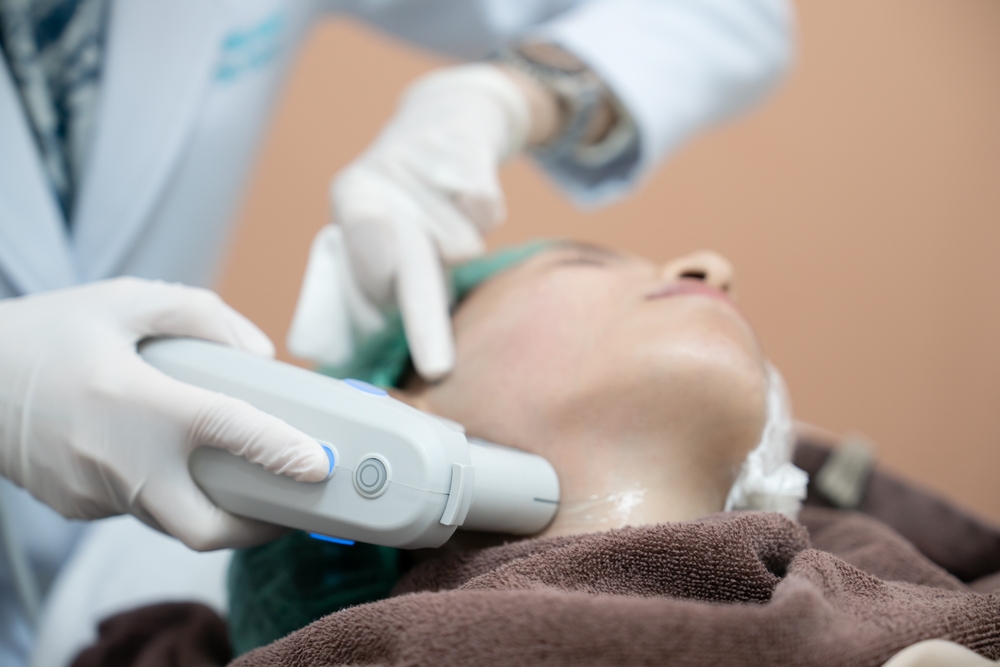
Energy level, treatment area, skin thickness, and practitioner experience affect the symptoms. Each factor alters the healing time.
The applied energy and treatment parameters directly influence the symptoms. Higher energy settings create a stronger tissue response. This means more pronounced swelling and sensitivity. Lower energy settings produce milder symptoms. However, low energy may also reduce collagen stimulation.
The anatomy of the treated area affects the healing time. Larger areas require a longer swelling process. Loose tissue areas like the neck and cheeks retain more fluid. Tight tissue areas like the forehead and temples heal more quickly.
Skin thickness and individual characteristics are important. Swelling may be more pronounced in patients with thick skin. Redness is more prominent in patients with thin skin. In older patients, the collagen response slows down. This can lead to prolonged symptoms.
There may be differences between the first Ulthera application and repeated applications. In the first treatment, the tissue is unfamiliar with the energy. The response may be more pronounced. In repeated treatments, the tissue becomes more tolerant. Swelling and sensitivity are usually milder in the second session.
The experience of the practitioner is critical for safety. Correct technique and appropriate energy application reduce the risk of side effects. The 2025 review by Biskanaki and colleagues emphasizes that incorrect application may be associated with rare thermal or neurological complications (Biskanaki et al., 2025). A physician who uses imaging technology correctly minimizes the risk of complications.
The skin should be protected in the first 24 to 72 hours. Gentle care, sun protection, and cold compresses help. Avoid aggressive treatments.
The skin is sensitive in the first 24 to 72 hours. Avoid treatments that may irritate the skin. Do not use harsh cleansers. Continue the gentle skincare recommended by the physician. Wash the face with a soft cleanser. Apply a fragrance-free moisturizer.
Sun protection is very important. The skin becomes more sensitive to the sun after treatment. Use a broad-spectrum sunscreen. Avoid direct sunlight. Be cautious of intense heat exposure. Sauna, steam baths, and hot showers are not suitable for the first few days.
You can use a cold compress. Cold application reduces swelling. However, avoid excessive cold application. Ice should not be applied directly to the skin. Apply through a clean cloth for 10 to 15 minutes. Always follow the personal care recommendations of the practitioner.
Massage and intensive facial treatments should not be done in the first days. Aggressive massage irritates deep coagulation areas. Take a break from peeling and irritating products. Actives like retinol and alpha hydroxy acids should be postponed for a week. Protecting the skin barrier accelerates healing.
In this section, the physician's personalized recommendations should be prioritized instead of specific medication or dosage suggestions. Each patient's skin structure is different. Do not use products outside of general medical recommendations without physician approval.
In the first days, swelling and sensitivity are prominent. By the end of the first week, symptoms significantly decrease. Collagen formation continues over weeks and months.
Mild redness, swelling, sensitivity, and a feeling of warmth in the deep tissue are expected.
The first 24 hours is the most active healing period. Mild redness may be observed. The redness is usually in pink tones. Swelling is particularly pronounced under the cheeks and chin. Sensitivity is felt upon touch. A feeling of warmth or tightness in the deep tissue is normal. The patient feels as if there is a mask on their face.
Swelling may continue or begin to decrease. Sensitivity gradually lessens. The skin's appearance begins to return to normal.
On the second and third days, swelling may peak. In some patients, swelling is most pronounced during these days. In others, a decrease begins. Sensitivity gradually decreases. Washing the face and applying makeup becomes easier. Skin color returns to normal.
Swelling and sensitivity significantly decrease. Most temporary side effects regress. Collagen remodeling continues.
By the end of the first week, most patients return to their normal appearance. Swelling almost completely disappears. Only mild sensitivity may remain upon touch. Redness and bruising leave no trace. The skin surface completely returns to normal. However, collagen production in the deeper layers accelerates.
The initial feeling of tightness and the actual biological effect are different things. Collagen remodeling occurs over time. The results are evaluated over weeks and months.
The initial feeling of tightness usually disappears with the reduction of swelling. This feeling is a temporary tightness. The actual biological effect is different. New collagen fibers organize. This process takes at least 4 to 12 weeks. The skin gradually tightens from the inside out.
The time-spread nature of collagen remodeling is the most important feature of the treatment. The patient notices small changes each week. The most significant results are seen after 3 to 6 months. The study by Suh and colleagues in 2011 demonstrated clinical and pathological improvements in Asian skin (Suh et al., 2011). This study shows that the increase in collagen has been histopathologically proven.
Day | Expected Condition | What to Do |
0-1 | Mild swelling, redness, sensitivity | Cold compress, gentle cleansing |
2-3 | Beginning of swelling peak or decrease | Sun protection, avoiding heat |
4-7 | Swelling and sensitivity significantly decrease | Normal moisturizer, gentle cleansing |
8-30 | Skin returns to normal, collagen production increases | Return to active skin care |
30-90 | Results gradually appear | Physician check-up, photo comparison |
Yes. Swelling and sensitivity are generally milder after Ulthera Prime. Prime technology offers a more comfortable experience.
Ulthera Prime is the latest device version. It offers an advanced imaging system. It allows for faster treatment. Legacy is the previous version used since 2009. Both devices use the same core technology. However, the user experience has been optimized in Prime.
Why might pain, erythema, and swelling be lower in the Prime application? The updated energy delivery system of the device provides more controlled heat distribution. The advanced head design improves skin contact. There is less energy loss. This results in the skin having a lower inflammatory response.
In a 2025 study with 323 participants, Ulthera Prime was compared with Legacy. Panithaporn published this study in the Journal of Cosmetic . It was found that pain, erythema, and swelling reported by patients were lower after Prime (Panithaporn, 2025). However, since the study was single-centered and based on patient reports, results should be validated in larger populations.
Feature | Ulthera Legacy | Ulthera Prime |
Pain Intensity | Moderate | Low-Moderate |
Swelling Duration | 3-7 days | 2-5 days |
Redness | Moderate | Mild |
Treatment Duration | Longer | Shorter |
Imaging | Standard | Advanced |
Serious complications are rare. Temporary numbness and tingling are the most commonly observed rare effects. Thermal damage and fat loss are very rarely seen.
What can cause temporary numbness and tingling? Nerve endings respond temporarily to the energy. This condition is referred to as paresthesia. Nerve involvement may manifest as temporary changes in facial movements. The marginal mandibular nerve or temporal branches may be temporarily affected. These symptoms usually resolve completely within weeks.
How can thermal skin damage occur? If energy is delivered very close to the skin surface, burns may occur. Incorrect probe selection or double passes can lead to this situation. Blisters or wounds may form on the skin. With the correct technique, this complication is almost never seen.
What does scientific evidence say about fat tissue atrophy? In a systematic review by Humphrey and colleagues in 2025, only one case of subcutaneous atrophy was reported among 506 patients (Humphrey et al., 2025). Reports of lipoatrophy in the MAUDE database are more frequent. However, this database is based on a reporting system. In the scientific literature, fat loss is extremely rare.
Which complications, although rare, require medical evaluation? Permanent numbness, weakness in muscle movements, noticeable asymmetry, and burn lesions require physician assessment. Current systematic evaluations report that serious side effects are rare in the scientific literature. Some databases contain reports of rare events such as lipoatrophy, neurological symptoms, and scarring. Therefore, marketing statements should be separated from the level of evidence.
If swelling lasts longer than a week, evaluation is necessary. Severe pain, skin damage, or neurological symptoms warrant a visit to the doctor.
If swelling does not decrease within how many days should evaluation be sought? Normal swelling should significantly decrease within a week. If there is still noticeable edema after 7 to 10 days, call your doctor. In what situation is severe pain a concerning symptom? If pain increases day by day, this is not normal. Pain that does not respond to alleviating medications should be evaluated.
Why is a change or weakness in facial movements important? These symptoms suggest nerve involvement. Even temporary muscle weakness requires physician oversight. Permanent damage can be prevented with early intervention. If you notice burns, blisters, or significant color changes in the skin, seek help immediately. Unilateral or progressively increasing swelling may indicate infection or bleeding.
Patients most often ask whether swelling is normal, how long it will last, and how to reduce it.
Is swelling after Ultherapy normal? Yes. Mild swelling is an expected response. How many days does sensitivity last after Ultherapy? It typically lasts 3 to 7 days. The median value is 6 days. Why does the face swell after Ultherapy? It is due to a temporary increase in tissue fluid and an inflammatory response.
When does swelling after Ultherapy go away? In most patients, it resolves within 2 to 5 days. Is pain after Ultherapy normal? Mild deep aching is normal. Severe pain is not normal. Can bruising be seen after Ultherapy? Yes. Mild bruising can occur. It fades within a few days.
Is numbness after Ultherapy normal? Temporary numbness and tingling are within normal limits. Permanent numbness should be evaluated. How can I reduce swelling after Ultherapy? Cold compresses, elevating the head, and gentle care help. When can normal skincare routines be resumed after Ultherapy? Generally, normal routines can be resumed after one week.
What symptoms should prompt a visit to the doctor after Ultherapy? Increased swelling, severe pain, burns, numbness, and muscle weakness should be evaluated. Does Ultherapy Prime cause less swelling and sensitivity? Yes. Studies show that Prime has a milder side effect profile.
Mild and temporary swelling and sensitivity are known reactions to microfocused ultrasound treatment. Symptoms decrease over time. Severe or persistent symptoms should not be considered normal.
Mild and temporary swelling along with sensitivity are known reactions of MFU-V treatment. These symptoms indicate that the treatment is having an effect on the deeper tissues. The expected pattern of recovery is a decrease in symptoms over time. The prominence increases in the first 24 hours. It significantly decreases within the first week. By the second week, it almost completely disappears.
Severe, progressive, or persistent symptoms should not be considered normal. Increased swelling, severe pain, skin damage, and neurological changes require medical evaluation. These findings may be signs of rare complications. Early intervention prevents potential issues.
Correct patient selection, appropriate device parameters, and experienced application are essential for safe results. The physician evaluates your skin. They select the correct energy level. They determine safe depths with the imaging system. These three factors minimize the risk of complications.
Patients should refer not only to online patient experiences but also to scientific evidence and the assessment of the healthcare professional performing the treatment when evaluating their own symptoms after the procedure. Individual stories on internet forums are anecdotal. Every body responds differently. Scientific studies present average data from thousands of patients. Evaluate your own situation in light of these averages and your physician's advice.
Amiri, M., et al. "Microfocused Ultrasound With Visualization (MFU-V)." Aesthetic Surgery Journal, 2025.
Biskanaki, F., et al. "Complications and Risks of High-Intensity Focused Ultrasound (HIFU) in Aesthetic Procedures: A Review." Applied Sciences, vol. 15, no. 9, 2025, p. 4958.
Fabi, Sabrina Guillen, et al. "A Prospective Multicenter Pilot Study of the Safety and Efficacy of Microfocused Ultrasound With Visualization for the Treatment of the Neck." Surgery, vol. 41, no. 3, 2015, pp. 327-335.
Humphrey, Victoria S., et al. "Microfocused Ultrasound With Visualization: A Systematic Review of Adverse Events and Risk of Subsequent Facelift Compromise." Surgery, vol. 51, no. 4, 2025, pp. 424-429.
Oni, Georgette, et al. "Systematic Review of Non-Invasive Treatments for Skin Laxity." Journal of Cosmetic , vol. 15, no. 3, 2016, pp. 263-274.
Panithaporn, Dissapong. "Pain, Erythema, and Edema After Facial Lifting With Ultherapy Prime or Ultherapy Legacy-A Survey Study." Journal of Cosmetic , 2025.
Suh, Dong-Hye, et al. "Intense Focused Ultrasound Tightening in Asian Skin: Clinical and Pathologic Results." Surgery, vol. 37, no. 11, 2011, pp. 1595-1602.