Yükleniyor…
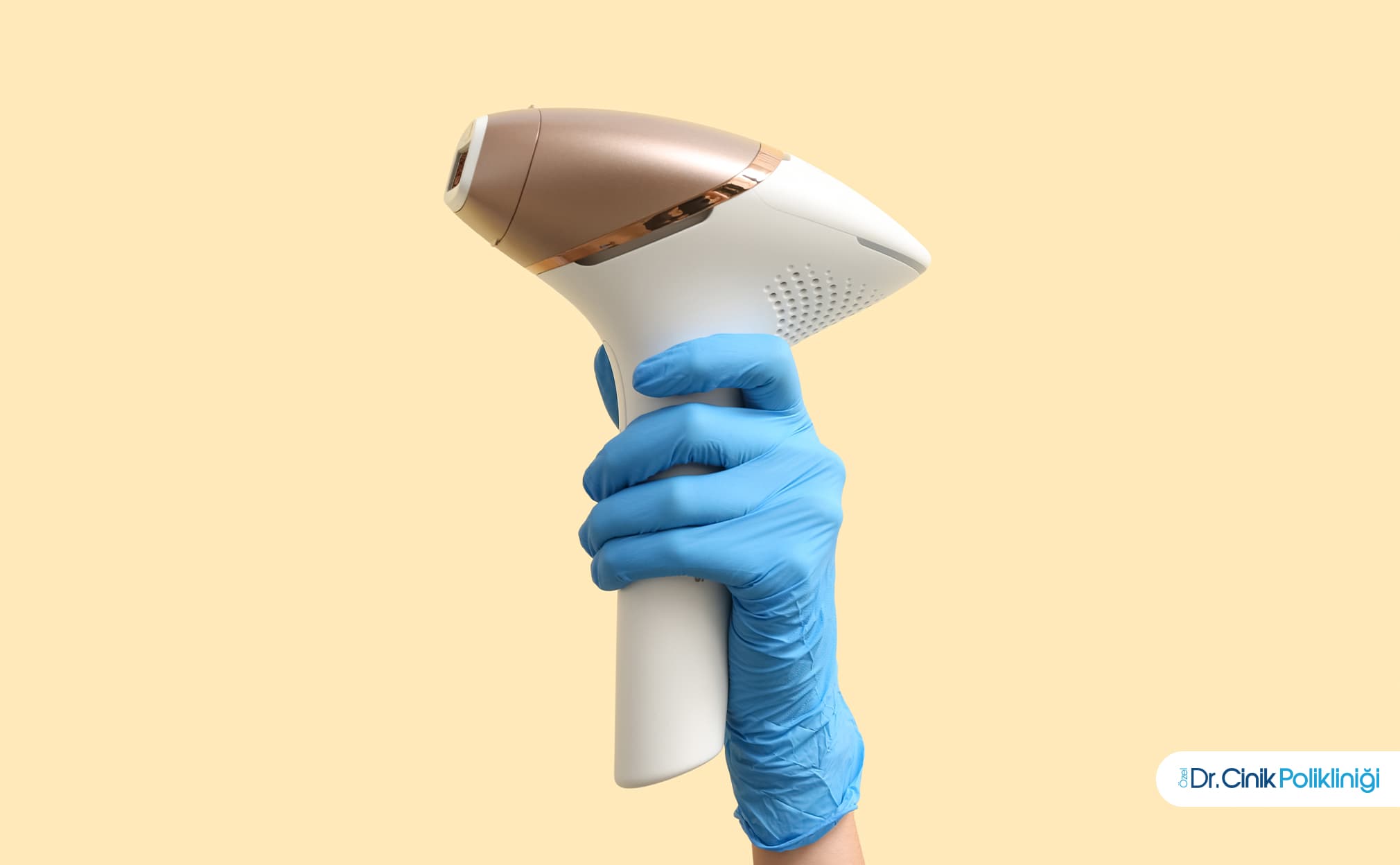
Laser hair removal technologies are among the most effective solutions for reducing unwanted hair in aesthetic . Understanding the differences between various laser devices and techniques is critical for making the right treatment choice. This article explains the working principles of Alexandrite laser, Diode laser, Nd:YAG laser, and broad-spectrum light systems. It provides scientific data on the appropriate device selection for each skin type and hair structure. Expert actively use these technologies in their daily practice. Patient safety and long-term results play a decisive role in the selection of each device.
Laser hair removal is a medical procedure that targets the melanin in the hair root with laser light, causing thermal damage to the follicle. Thanks to the principle of selective photothermolysis, it provides hair reduction without harming surrounding tissues.
Laser hair removal devices produce monochromatic light. This light is absorbed by the melanin in the hair follicle. Melanin converts light energy into heat. The heat destroys the germinative cells in the hair root. This destruction prevents the hair from regrowing. The device focuses only on the target tissue. The surrounding epidermis remains unharmed.
Selective photothermolysis is the principle that the laser beam accumulates heat in the target tissue without damaging surrounding tissues. This principle ensures the safety of hair removal.
The laser beam travels at a specific wavelength. Melanin strongly absorbs this wavelength. The absorbed energy is converted into heat. The heat destroys the matrix cells in the hair follicle. The thermal relaxation time is the cooling period of the target tissue. Long pulse durations reach deep follicles. Short pulse durations target fine hairs. The device automatically adjusts these settings.
Hair goes through three different phases. The laser only affects hairs in the anagen phase. Therefore, multiple sessions are necessary to capture all hairs.
The anagen phase is the active growth period. The hair root contains the most melanin during this phase. Laser energy easily destroys hairs in this phase. The catagen phase is a transitional phase. The telogen phase is a resting period. Hairs in these phases are not affected by the laser. Hairs in the body are in these phases at different times. The specialist plans an average of four to eight sessions. This plan captures all hairs in the anagen phase.
Laser uses a single wavelength and focuses on the target. The broad-spectrum light system emits a wide band and is less selective. Laser systems offer higher efficacy.
Laser devices produce a single wavelength. This wavelength is maximally absorbed by melanin. The energy density is high. Broad-spectrum devices use a wide light spectrum. Filters separate specific wavelengths. However, the energy is dispersed. Laser transmits more energy to the follicle. The broad-spectrum system offers less concentrated energy.
Kanwal and colleagues compared the effectiveness of laser and broad-spectrum light systems in their systematic review conducted in 2024. The study revealed that laser systems provided more predictable results due to their more concentrated energy profile (Kanwal 2024).
Monochromatic light is more effective. The laser beam provides deep penetration and directly destroys the follicle. Broad spectrum has a more superficial effect.
Monochromatic systems have deep penetration capacity. Energy accumulates only in the target tissue. Broad-spectrum systems use various wavelengths together. This causes the energy to disperse. Superficial tissues can absorb excessive heat. This difference allows lasers to produce fewer side effects. For this reason, experts prefer lasers.
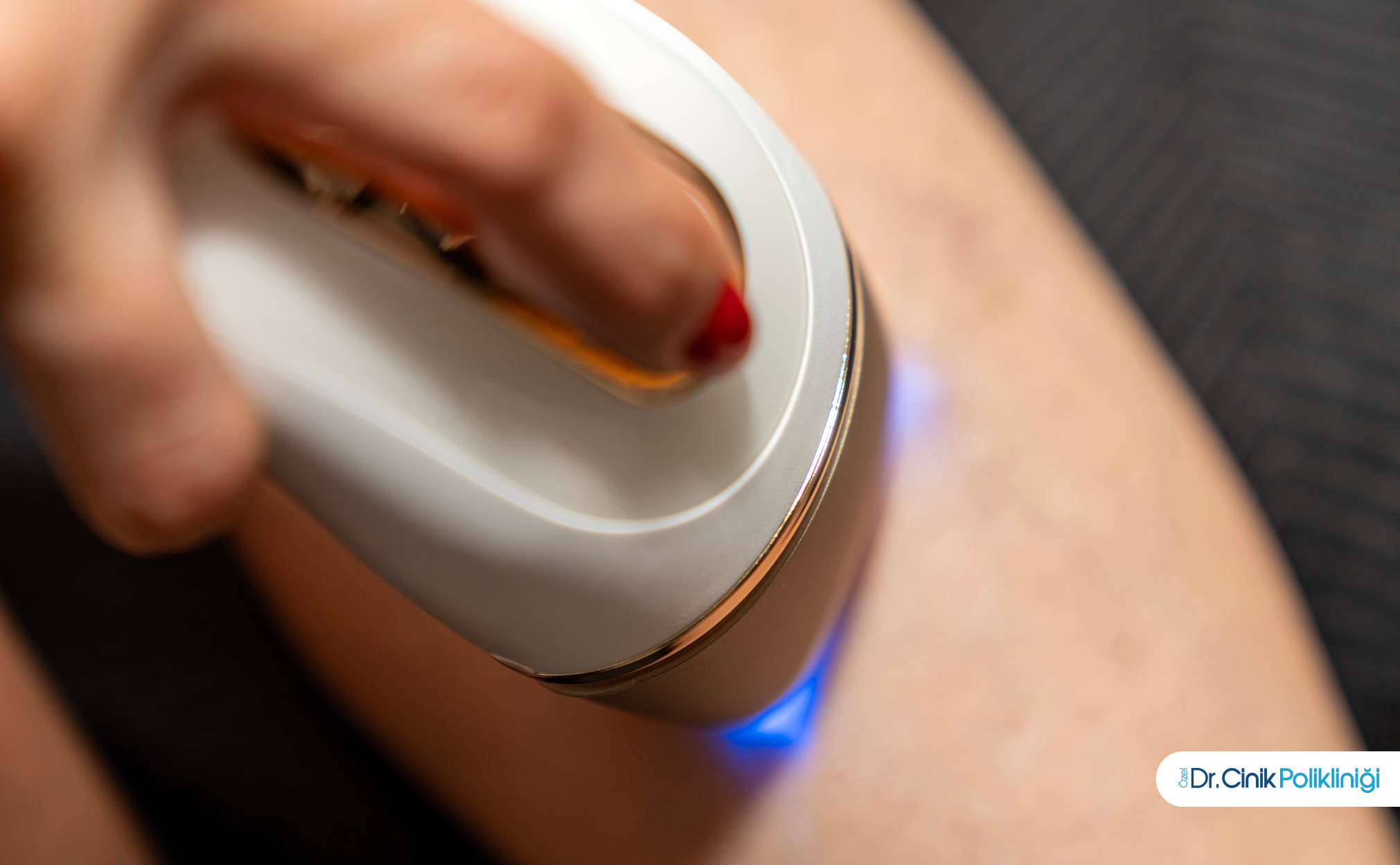
Alexandrite laser provides the most effective results for individuals with fair skin. It quickly targets dark hair due to high melanin absorption.
Alexandrite laser uses a wavelength of 755 nanometers. This wavelength is strongly absorbed by melanin. It reaches follicles close to the epidermis layer of the skin. It offers the possibility of rapid application over large areas. The expert shortens the session duration in areas such as the back and legs.
Russe and colleagues conducted a multicenter study in 2020. A total of 948 patients participated in the study. They evaluated the safety and efficacy of the long-pulse 755 nanometer Alexandrite laser. The results showed that the laser has a high success rate (Russe 2020).
Tatlıdede and colleagues conducted a hair removal study with long-pulse Alexandrite laser in 2005. The study proved that the device is effective in hair reduction (Tatlıdede 2005).
Fair-skinned individuals have low levels of melanin in their skin. Laser energy selectively targets the melanin in the hair follicle. The risk of burns remains at a minimum level.
Individuals with Fitzpatrick skin types I, II, and III have low epidermal melanin. The 755 nanometer wavelength of Alexandrite laser utilizes this melanin difference. Energy concentrates on dark hair. Fair skin is not mistakenly targeted. This selectivity reduces the risk of side effects. Dark-skinned individuals have high epidermal melanin. The same wavelength can cause burning and color changes in the skin. For this reason, experts avoid Alexandrite laser in dark-skinned individuals.
Alexandrite laser provides quick results. It can be applied in a short time over large areas. However, in dark skin, hyperpigmentation and burn risks are present.
The main advantage of the device is its rapid hair reduction. Thanks to its large treatment head size, session times are shorter in areas such as the back and legs. Patient comfort is high. However, in patients with dark skin, the epidermis absorbs too much energy. This increases the risk of burns, hyperpigmentation, and hypopigmentation. For Fitzpatrick skin types IV and above, the Nd:YAG laser provides a safer alternative. The specialist carefully evaluates the skin type.
The diode laser uses a wavelength of 800 to 810 nanometers. It provides medium depth penetration. It can be safely applied to light and medium-dark skin types.
The diode laser is based on semiconductor technology. The device produces wavelengths around 810 nanometers. This wavelength is moderately absorbed by melanin. Energy reaches the follicle at a medium depth. The risk of damaging the epidermis is lower than that of the Alexandrite laser. The specialist uses this system across a wide range of patient profiles.
Grunewald and colleagues studied the long-term effectiveness of the 808 nanometer diode laser in 2014. The scanning diode laser was compared with the Alexandrite laser. The diode laser provided stable hair reduction in the long term (Grunewald 2014).
The diode laser is effective for individuals with Fitzpatrick skin types I to IV. The success rate is high for thick and medium-thick hairs. It yields variable results for fine hairs.
Patients with skin types I, II, III, and IV can safely use this system. Energy provides medium depth penetration. Thick terminal hairs contain abundant melanin. The laser easily targets these hairs. Fine hairs have low melanin content. The diode laser may not achieve complete results on these hairs. Therefore, limitations arise for fine hairs in the facial area. The specialist shares this situation with the patient.
The diode laser may not show complete effectiveness on fine hairs. The quality of the device directly affects session comfort. Low-energy systems require more sessions.
In fine and light-colored hairs, the melanin target is weak. The wavelength of the diode laser may not heat these hairs sufficiently. The cooling system of the device determines patient comfort. Advanced cooling technologies reduce pain. Low-quality devices provide inadequate energy output. This prolongs the treatment duration. Results may vary depending on the device brand. The specialist selects a high-quality device.
The Nd:YAG laser uses a wavelength of 1064 nanometers. This long wavelength shows low affinity for epidermal melanin. It provides deep penetration and offers safe application for dark skin.
The Nd:YAG laser is a solid-state laser type that operates with the neodymium element. The 1064 nanometer wavelength is beyond visible light. This wavelength is weakly absorbed by melanin. However, it provides penetration of four to six millimeters beneath the skin. Energy reaches the hair root. The epidermis does not absorb excessive heat. The specialist actively uses this feature in patients with dark skin.
Modena and colleagues systematically examined the effectiveness and safety of Nd:YAG 1064 nanometer lasers in photoepilation in 2020. The review study confirmed that the device exhibited a safe profile on dark skin (Modena 2020).
Mahmoud and colleagues conducted a study on Sudanese women in 2025. Fifty-five women with Fitzpatrick skin types IV, V, and VI participated. A low-energy 1064 nanometer Nd:YAG laser was applied. The study results showed that the device is effective and safe on dark skin (Mahmoud 2025).
The 1064 nanometer wavelength is minimally scattered in skin tissue. The energy reaches the deep dermis. It causes thermal damage to the hair follicle. The epidermis does not heat up.
Short wavelengths scatter significantly at the skin surface. Long wavelengths penetrate deeper. The Nd:YAG laser beam reaches the dermis. Here, it encounters the hair root. The follicle absorbs the thermal energy. Surrounding tissues remain unharmed. This physical property enhances safety in patients with dark skin. Experts prefer this system to reach deep follicles.
Nd:YAG laser may require more sessions. The sensation of pain may be more pronounced compared to other lasers. Effectiveness may remain low in very light-skinned individuals.
Due to low melanin absorption, energy accumulates in the follicle more slowly. This can prolong the treatment duration. Long wavelengths may stimulate pain receptors while reaching deep tissues. Patients may report higher pain scores compared to Diode and Alexandrite lasers. However, modern cooling systems reduce this discomfort. Short wavelength systems are more effective for very light skin and fine hair. The expert evaluates this situation.
Intense pulsed light uses a broad spectrum. Filters separate the wavelengths. It is not as selective as lasers. However, it offers practical application over large areas.
Intense pulsed light technology operates on the principle of a flash lamp. It emits a wide band of light. Filters block unwanted wavelengths. The remaining light reaches the follicle. However, the energy density is lower than that of lasers. These systems are used in clinical settings for mild hair removal. Experts typically apply this system for maintenance purposes.
Kanwal and colleagues examined the effectiveness of intense pulsed light and laser epilation in the treatment of hidradenitis suppurativa in 2024. The systematic review showed that laser systems provide more significant hair reduction due to their more concentrated energy (Kanwal 2024).
Home-use devices have low energy capacity. They offer maintenance use. They do not replace professional results.
Home-use devices operate at low energy settings for safety reasons. The energy may not sufficiently reach the follicle. This results in temporary hair thinning. Permanent reduction is achievable with professional devices. User errors increase the risk of side effects. Some devices are approved. However, this approval only covers safety. Effectiveness is not the same as with professional systems. Achieving complete results without expert support is difficult.
Contact cooling, vacuum support, moving scanning, and fixed pulse techniques are applied. Each technique is chosen according to the different area and hair type.
Modern laser devices are equipped with cooling systems. The cooling tip protects the epidermis. It reduces the patient's sensation of pain. Vacuum-supported systems pull the skin towards the laser tip. This process brings the follicle closer to the laser tip. Pain decreases, and deep targeting increases. The expert knows the advantages of each technique.
Contact cooling actively cools the epidermis. While laser energy is increased, the skin surface is protected. The risk of burns is minimized.
The cooling tip is in contact with the skin. It uses sapphire or cryogenic cooling. It applies cooling just before, during, and after the laser pulse. This three-phase protection protects the epidermis from heat shock. High energy settings can be used safely. Patient comfort significantly increases. The expert activates cooling in each session.
Moving scanning provides speed over large areas. It makes multiple passes with low energy. Fixed pulse focuses high energy on a single point. The technique varies according to the area.
In the moving scanning technique, the tip continuously moves over the skin. It makes overlapping shots with low energy. The session duration is shorter in large areas like legs and back. In the fixed pulse technique, the tip remains stationary. High energy is delivered to the follicle in one go. It offers a more controlled application in sensitive areas like the face and bikini. The expert chooses the technique according to the area.
The Fitzpatrick classification determines skin type. Light-skinned individuals use Alexandrite laser. Dark-skinned individuals prefer Nd:YAG laser. Medium-skinned individuals are treated with Diode laser.
Skin type forms the basis for the correct device selection. Choosing the wrong device carries the risk of burns and color changes. The expert evaluates the skin type. Accordingly, they adjust energy and wavelength. Each skin type contains different amounts of melanin. This difference determines the treatment protocol.
Fayne and colleagues comprehensively studied laser and light treatments in individuals with Fitzpatrick skin types IV to VI in 2018. The review emphasized that Nd:YAG laser is the gold standard in dark skin (Fayne 2018).
The Fitzpatrick scale classifies the skin's response to the sun. There are six categories. Type I represents very light skin. Type VI represents the darkest skin.
Thomas Fitzpatrick developed this classification in 1975. Skin type I always burns and does not tan. Skin type VI never burns. This scale guides laser selection. The amount of epidermal melanin determines the skin type. High melanin requires long wavelengths. The expert uses this table in every consultation.
Table 1: Fitzpatrick Skin Type Classification and Laser Selection
Table
Skin Type | Skin Color | Sun Response | Recommended Laser |
I | Very Light | Always Burns | Alexandrite |
II | Light | Easily Burns | Alexandrite |
III | Medium Light | Sometimes Burns | Alexandrite/Diode |
IV | Medium Dark | Rarely Burns | Diode/Nd:YAG |
V | Dark | Very Rarely Burns | Nd:YAG |
VI | Very dark | Never burns | Nd:YAG |
Hybrid devices combine multiple wavelengths. The combination of Alexandrite and Nd:YAG adapts to different skin areas. Combined systems offer flexibility.
Combined wavelength platforms use different wavelengths in a single session. Different areas of the skin contain varying amounts of melanin. The hybrid device detects this change. The specialist selects the appropriate wavelength for each area. This technology provides advantages, especially for combination skin types. It safely treats all body areas with a single device.
Each area presents different hair density and depth. The face is dominated by fine hairs. Thick hairs are found in the underarm and bikini areas. The legs and back cover large areas.
The facial area is sensitive to hormones. Fine hairs may respond poorly to laser treatment. Incorrect application can lead to paradoxical hair growth. High energy is required in the underarm and bikini areas where terminal hairs are deeper. In men, back and chest hairs are dense. Wide area scanning systems are effective here. The specialist applies a specific protocol for each area.
Hormonal hair growth is common on the face. The effectiveness of laser treatment is low for fine hairs. Incorrect application can lead to paradoxical hair growth. Low energy and long pulse duration are preferred.
In women, hair growth in the chin and mustache area may be hormone-related. Conditions like polycystic ovary syndrome are investigated. There is little melanin in fine hairs. The laser may not be able to target these hairs effectively. The risk of paradoxical hair growth is higher in the facial area. Therefore, energy settings are kept conservative. The specialist is well-acquainted with facial anatomy. The eye area is protected.
Men have thicker and deeper hair structures. Hair follicles are larger due to testosterone effects. Higher energy and more sessions may be required.
Terminal hairs dominate the male body. The back, chest, and beard areas contain dense hair. Follicles are located deeper. Laser energy must reach this depth. Nd:YAG or powerful Diode systems are preferred. The number of sessions may be higher compared to women. However, the results are in the form of permanent hair thinning and reduction. The specialist increases energy for male patients.
An average of four to eight sessions is required. The intervals between sessions are four to six weeks. Hair growth cycle intervals determine this.
The treatment plan is personalized. The first sessions are performed at short intervals. It targets hairs in the anagen phase. Subsequent sessions capture the remaining hairs. Hormonal status, hair color, and device quality affect the plan. The specialist creates a specific schedule for each patient.
Six to twelve sessions may be needed for the facial area. Four to eight sessions are sufficient for the body. Hair type and area change the number of sessions.
Terminal hairs are deep and thick. These hairs usually respond in four to six sessions. Fine hairs are more resistant. Fine hairs in the facial area may require eight to twelve sessions. Hormonal factors can increase the number of sessions. Post-treatment care sessions are performed once a year. The specialist explains this plan at the beginning.
Hair growth cycle intervals determine this. The duration of the anagen phase varies by area. The scalp area has a short cycle. The leg area has a long cycle.
In the face, the hair growth cycle lasts four to eight weeks. In the body, this period extends to six to twelve weeks. The session interval is adjusted according to this cycle. Early sessions may miss the anagen phase. Late sessions prolong the treatment duration. The specialist calculates the optimal interval. The patient schedules an appointment according to this calendar.
Sun protection is essential before the procedure. Waxing and epilator use should be discontinued. Shaving is recommended. Afterwards, sunscreen and moisturizer should be used.
The preparation phase affects the success of the treatment. Sun exposure increases epidermal melanin. This raises the risk of burning. Waxing removes hair from the root. The laser loses its target. Shaving leaves the hair on the surface. The laser progresses from the hair shaft to the follicle. The specialist teaches the patient these rules.
The sun tans the skin. In tanned skin, epidermal melanin increases. The laser may target the skin. The risk of burns and color changes increases.
Sunlight stimulates melanocytes. The skin darkens. The laser may not distinguish skin color from hair color. This can cause unwanted epidermal damage. Patients should avoid the sun for two to four weeks before treatment. Patients with tanned skin postpone the treatment. The specialist checks the tanned skin.
The laser temporarily weakens the skin barrier. Moisturizer repairs the epidermis. It reduces itching and dryness sensations.
Thermal energy can cause slight dryness on the skin surface. Moisturizer supports the lipid barrier. Products containing aloe vera and hyaluronic acid are preferred. Hot showers increase blood flow. This can trigger inflammation. Patients should avoid hot water for the first twenty-four hours after the procedure. Peeling and abrasive products should be postponed for a week. The specialist provides these recommendations in writing.
Temporary erythema, edema, and sensitivity are common. Improper device use can lead to burns and pigmentation disorders. Expert evaluation minimizes risks.
Laser hair removal is generally a safe procedure. However, every medical procedure carries risks. Side effects depend on the type of device, energy settings, and skin type. Proper patient selection and parameter adjustment prevent complications. The expert applies safety protocols in each session.
Mallat and colleagues reviewed the side effects of light-assisted hair removal in a recent compilation in 2023. The study revealed that serious complications are rarely seen in procedures performed under expert supervision (Mallat 2023).
Al-Niaimi examined complications of laser and energy-based devices in in 2016. He noted that incorrect energy settings can lead to burns and pigmentation issues (Al-Niaimi 2016).
Erythema is the most commonly observed side effect. Edema and perifollicular edema subside within hours. A mild stinging sensation is normal.
Redness appears after the laser pulse. This reaction indicates thermal effect. Edema is the accumulation of fluid around the follicle. Both side effects disappear within twenty-four to forty-eight hours. A cold compress provides quick relief. Sensitivity is similar to sunburn. This sensation lasts one to two days. The expert informs the patient about these effects.
High energy can cause burns. Hyperpigmentation leaves dark spots. Hypopigmentation creates light spots. Scarring is rarely seen.
Choosing the wrong device can lead to serious consequences. Using Alexandrite laser on dark-skinned patients can damage the epidermis. It can lead to burn blisters. After healing, dark spots may remain. Hypopigmentation is due to loss of melanin. These spots can be permanent. Expert experience prevents these risks. Personalized energy settings are essential. The expert performs a test pulse on each patient.
Home-use devices offer low cost. Professional devices provide high energy and quick results. Medical safety standards are higher in professional clinics.
Home-use broad-spectrum devices have become popular in recent years. These devices offer user-friendly designs. However, energy output is limited. Professional devices are produced at a medical grade. Energy settings are extensive. Cooling systems are advanced. Practitioner training directly affects results. The expert uses these devices for years.
Home-use devices provide care for light hair growth. Professional treatment is essential for thick and dense hair. Expectation analysis determines the correct choice.
Home-use devices offer convenience for small areas. They can be used in areas like the mustache and chin. However, results are temporary. Professional treatment is suitable for all body areas. High energy creates permanent follicle damage. The user clarifies their purpose and expectations. Professional support ensures safety. The expert manages expectations realistically.
Table 2: Comparison of Home and Professional Devices
Table
Feature | Home Use Broad Spectrum | Professional Laser |
Energy Capacity | Low | High |
Number of Sessions | 8-12+ | 4-8 |
Result Permanence | Temporary | Permanent |
Safety Control | User | Expert |
Cost | Low initial | High initial |
Skin Type Compatibility | Limited | Wide |
Combined wavelength systems, artificial intelligence support, and advanced cooling technologies define the new generation. These systems enhance patient comfort and effectiveness.
Technology is advancing every day. Combined platforms offer multiple wavelengths together. Artificial intelligence performs skin analysis. Automatic energy optimization prevents incorrect settings. Contactless cooling systems reduce pain. The expert actively follows these technologies.
Artificial intelligence algorithms analyze skin tone. They measure melanin density. They automatically determine energy settings. They minimize human error.
Smart sensors scan the skin surface. The algorithm processes real-time data. It suggests protocols specific to skin type. The expert approves this suggestion. The system has learning capability. The database is updated after each treatment. This technology particularly enhances safety in mixed skin types. The expert uses artificial intelligence support as a safety net.
Different wavelengths target different follicle depths. Alexandrite affects superficial hairs. Nd:YAG reaches deep follicles. The combination offers comprehensive results.
Hybrid devices change multiple wavelengths in a single session. They first target deep follicles with Nd:YAG. Then, they treat superficial hairs with Alexandrite. This approach is supported by rotational treatment protocols. Pall and Mármol studied the effectiveness of triple wavelength Diode laser in 2024. The study showed that combined systems can yield results even on fine hairs (Pall 2024). The expert applies these protocols in mixed cases.
Clinical studies measure long-term hair reduction between 50% and 94%. Comparisons of different technologies show high patient satisfaction.
The scientific literature quantitatively proves the effectiveness of laser hair removal. Multi-center studies involve large patient groups. Long-term follow-ups demonstrate the permanence of results. The expert conveys this data to the patient.
Alexandrite laser provides hair reduction of 70% to 94%. Diode laser shows effectiveness in the range of 50% to 75%. Nd:YAG laser yields results between 40% and 70% on dark skin. Broad-spectrum light varies between 45% and 70%.
In the 2020 study by Russe, it was reported that Alexandrite laser achieved hair reduction between 91% and 94%. In the 2014 study by Grunewald, the long-term effectiveness of Diode laser was found to be similar to that of Alexandrite. The 2020 review by Modena noted that Nd:YAG laser was effective at rates ranging from 30% to 73% on dark skin. The expert explains these rates to the patient.
Table 3: Effectiveness Comparison of Laser Technologies
Table
Laser Type | Wavelength | Skin Type | Hair Reduction Rate | Average Sessions |
Alexandrite | 755 nm | I-III | %70-94 | 4-6 |
Diode | 800-810 nm | I-IV | %50-75 | 6-8 |
Nd:YAG | 1064 nm | IV-VI | %40-70 | 6-10 |
Broad Spectrum | 500-1200 nm | I-III | %45-70 | 8-12 |
Laser hair removal increases patient satisfaction by 80 to 95 percent. Quality of life scales reduce social anxiety. An increase in self-confidence is observed.
Unwanted hair creates psychosocial stress. Quality of life decreases in diseases like hidradenitis suppurativa. Laser treatment reduces inflammatory lesions. In the 2024 study by Kanwal, it was reported that laser hair removal reduced the number of lesions in hidradenitis suppurativa treatment by 50 to 75 percent. Patient satisfaction increases after treatment. Social isolation decreases. Comfort in daily activities is provided. The expert emphasizes these psychosocial benefits.
Patients wonder about the most effective device, permanence, summer application, and the number of sessions. This section provides answers based on scientific data.
The most effective device depends on skin type and hair structure. Alexandrite is prominent for light skin, Nd:YAG for dark skin, and Diode laser for general use.
A single device is not ideal for everyone. Expert consultation determines the right device. Skin type, hair thickness, and area selection affect the choice. Combined systems offer flexibility. The expert selects the most suitable technology for each case.
Laser hair removal provides permanent hair reduction. However, it does not guarantee complete hair removal. Hormonal changes can affect the hair cycle.
The American Food and Drug Administration classifies laser hair removal as permanent hair reduction. This definition means long-term hair thinning and reduction. Some follicles may completely disappear. However, hormonal fluctuations can lead to new hair growth. With aging, fine hairs can turn into thick hairs. Maintenance sessions keep this situation under control. The expert clarifies this fact from the beginning.
Nd:YAG laser can be safely applied on tanned skin. Alexandrite and Diode lasers are risky on tanned skin. The use of sunscreen is essential.
In the summer months, sunlight exposure is high. Epidermal melanin increases. Short wavelength systems pose risks. Nd:YAG laser offers a safe option with a wavelength of 1064 nanometers. However, the use of sunscreen is mandatory for all skin types. Caution increases with tanned skin in all systems. The expert reduces energy during the summer months.
Blonde and fine hairs have low melanin. The effectiveness of the laser is low. Triple wavelength systems or electrolysis provide alternatives.
Melanin is the target of laser energy. In blonde, red, and white hairs, this target is weak. The laser cannot selectively hit these hairs. The 2024 study by Pall revealed that triple wavelength systems have limited effects on fine hairs. However, combinations of electrolysis or photoepilation can be considered for complete results. The expert suggests alternatives in this case.
Significant reduction is seen in four to six sessions for body areas. Six to twelve sessions may be required for facial areas. Hair type and device quality determine the duration.
The anagen phase ratio varies in different areas. In the body, the anagen phase is between 20 to 30 percent. This ratio is lower on the face. Therefore, the face requires more sessions. Hormonal hair growth may show resistance. A patient and regular treatment protocol is essential. The specialist manages this process together with the patient.
Home-use devices help with light hair growth. They do not replace professional results. They require regular maintenance.
Home-use devices operate with low energy. This energy cannot completely destroy the follicle. However, it can thin the hair. Users apply it weekly. Results gradually appear over months. The effectiveness is lower compared to professional treatment. However, they offer cost advantages and privacy. The specialist recommends these devices only for maintenance.
In the future, personalized protocols, artificial intelligence integration, and painless systems will stand out. Combined technologies will become the gold standard.
Laser hair removal technologies are rapidly evolving. AI-supported skin analysis will become standard. Automatic energy adjustment will eliminate human error. Contactless cooling systems will minimize pain. Combined wavelength platforms will offer multiple solutions in a single device. These developments will enhance patient safety and satisfaction. Personalized treatment protocols will become the new norm in medical aesthetics. The specialist closely monitors these advancements.
References
Al-Niaimi, F. "Laser and energy-based devices' complications in ." Journal of Cosmetic and Laser Therapy, vol. 18, no. 1, 2016, pp. 25-30.
Fayne, R. A., et al. "Laser and light treatments for hair reduction in Fitzpatrick skin types IV-VI: a comprehensive review of the literature." American Journal of Clinical , vol. 19, 2018, pp. 237-252.
Grunewald, S., et al. "Long-term efficacy of linear-scanning 808 nm diode laser for hair removal compared to a scanned alexandrite laser." Lasers in Surgery and Medicine, vol. 46, no. 1, 2014, pp. 13-19.
Kanwal, A., et al. "The efficacy of intense pulsed light and laser hair removal in hidradenitis suppurativa treatment." Journal of Drugs in , vol. 23, no. 11, 2024, pp. 926-930.
Mahmoud, E. E. A., et al. "Efficacy and safety of 1064 nm Nd:YAG laser for hair removal in Sudanese women: a study on Fitzpatrick skin types IV-VI." Lasers in Medical Science, 2025.
Mallat, F., et al. "Adverse events of light-assisted hair removal: an updated review." Journal of Cutaneous Medicine and Surgery, vol. 27, no. 4, 2023, pp. 375-387.
Modena, D. A. O., et al. "Efficacy and safety of ND:YAG 1064 nm lasers for photoepilation: a systematic review." Lasers in Medical Science, vol. 35, no. 4, 2020, pp. 797-806.
Pall, A., and G. V. Mármol. "Study on the efficacy and safety of a high-power triple wavelength diode laser (810, 940, 1060 nm) for removing fine and less pigmented facial hair on Asian skin." Journal of Cosmetic , vol. 23, no. 4, 2024, pp. 1282-1290.
Russe, E., et al. "Evaluation of safety and efficacy of laser hair removal with the long-pulsed 755 nm wavelength laser: a two-center study with 948 patients." Lasers in Surgery and Medicine, vol. 52, no. 1, 2020, pp. 77-83.
Tatlıdede, S., et al. "Hair removal with the long-pulse alexandrite laser." Aesthetic Surgery Journal, vol. 25, no. 2, 2005, pp. 138-143.