Yükleniyor…

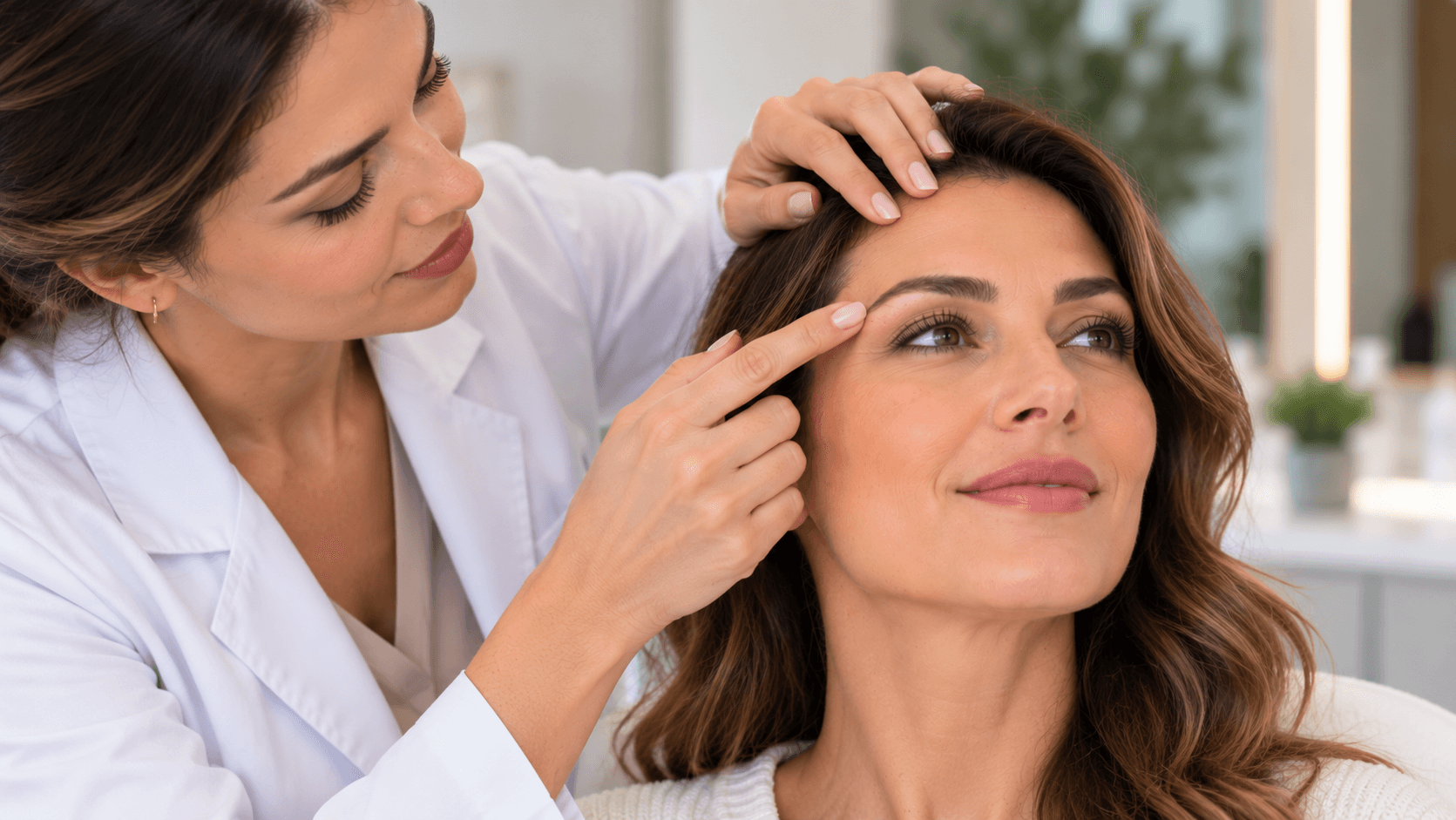
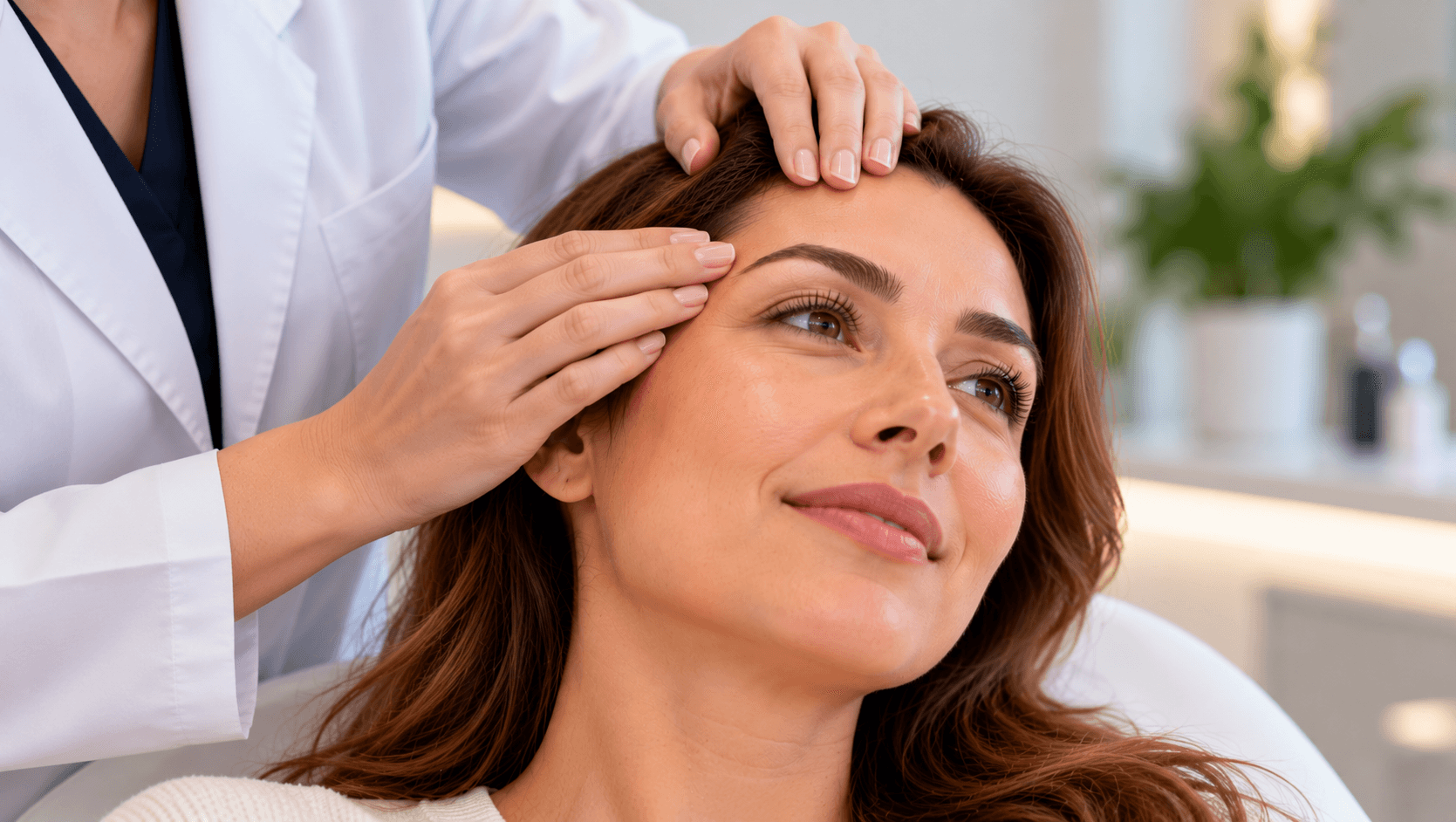
Yes, Ulthera can be used around the eyes, but its use varies depending on the area. The device’s brow lift indication is approved by the U.S. Food and Drug Administration, and clinical studies have shown an average brow elevation of 1.7 mm (Alam 2010). However, applying the same device directly to the upper or lower eyelid is not always appropriate. This point should be clarified: Ulthera is not a universal treatment applied in the same way to every area around the eyes. The brow area, sub-brow region, and temples are suitable for treatment. The eyelid, however, is subject to the device’s instructions for use and the physician’s evaluation.
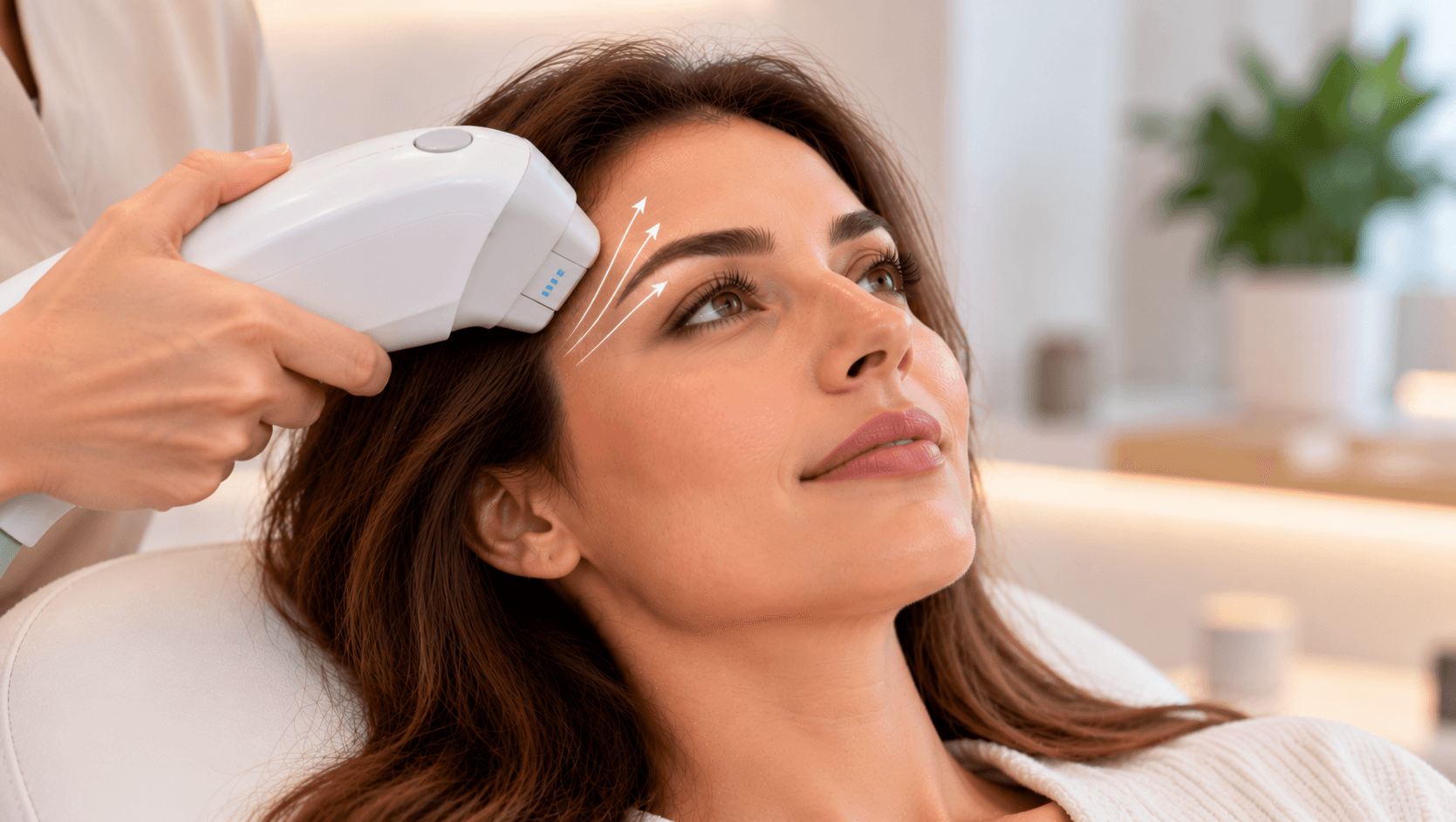
Ulthera delivers microfocused ultrasound energy to targeted depths within the skin and stimulates collagen production through its thermal effect. The device uses energy transducers focused at depths of 1.5, 3.0, and 4.5 millimeters. The energy creates localized heat exceeding 60 degrees Celsius in the target tissue, causing collagen bundles to shorten and thicken (Laubach 2008). This process creates controlled micro-injury zones beneath the skin while protecting the epidermis.
The clinical effect of this mechanism occurs in two stages. In the first stage, collagen fibers tightened by heat provide a short-term sensation of skin firmness. In the second stage, the body synthesizes new collagen and elastin while repairing the affected areas. A biopsy study by Suh and colleagues reported a statistically significant increase in dermal thickness and a 23.7% increase in collagen two months after treatment (Suh 2011). Therefore, Ulthera is a skin-tightening method that works without surgical incisions; it does not cut tissue, require sutures, or involve a recovery period.
This mechanism raises the next question: Can energy be delivered to every area in the same way?
Ulthera can be applied to the brow area, sub-brow region, and temples; direct application to the eyelid is limited and requires specialist evaluation. The anatomy around the eyes is not uniform, and each area differs in tissue thickness, fat pads, and risk profile. These differences determine the treatment plan.
Area | Suitability | Targeted Concern | Point to Consider |
Brow area and brow tail | High | Mild brow ptosis, tired appearance of the upper eyelid | Brow lifting is a proven indication (Alam 2010) |
Area beneath the brow | Moderate | Skin laxity in this area | Tissue thickness should be measured by ultrasound |
Temple and upper face | High | Laxity at the temple, sagging in the lateral view | The appropriate depth tip is selected |
Upper eyelid | Limited | Mild skin laxity | Depends on the device instructions and the physician’s decision |
Lower eyelid | Limited | Mild laxity | A special protocol is required to protect the eyeball |
The limitation shown in the table is not due to insufficient device power, but to the sensitivity of the anatomy. The eyelid skin is the thinnest skin on the face. The fat tissue and eyeball in the lower eyelid pose a risk if energy is distributed incorrectly. A study by Suh and colleagues on lower eyelid laxity showed that treatment with proper patient selection and a single tip achieved a 73.3% improvement rate (Suh 2012). However, the same study also demonstrated that suitable candidates constitute a narrow group.
But does this tightening effect solve every under-eye concern? No. This distinction is the subject of the next section.
No, Ulthera does not resolve every under-eye concern; it only improves a mild appearance related to skin laxity. Under-eye concerns have four distinct causes, and each requires a completely different treatment:
Skin laxity: Thin skin that has lost its elasticity does not reflect light evenly. Ulthera is effective for this group (Suh 2012).
Fat prolapse: Forward herniation of orbital fat causes pronounced bags. Tightening the skin does not push this fat back; surgery may be required (Lelli 2010).
Volume loss: A reduction in bone and fat tissue in the under-eye hollow creates shadowing. This concern is addressed with dermal fillers.
Pigmentation: Changes in skin color and visible blood vessels create dark circles. This condition requires laser treatment or medical skincare.
Trying to address these four causes with a single method is the most common reason for treatment failure. When patients look in the mirror, they see a single “under-eye bag”; however, a clinical examination often reveals a combination of multiple causes. Scientific studies confirm that results can be achieved only in selected cases where laxity is the predominant concern (Pak 2014). In a patient with pronounced fat herniation, Ulthera does not enlarge the bag, but it does not eliminate it either.
Correct classification of the concern is essential for both safety and realistic expectations. So, what are the risks associated with treatment in this sensitive area?
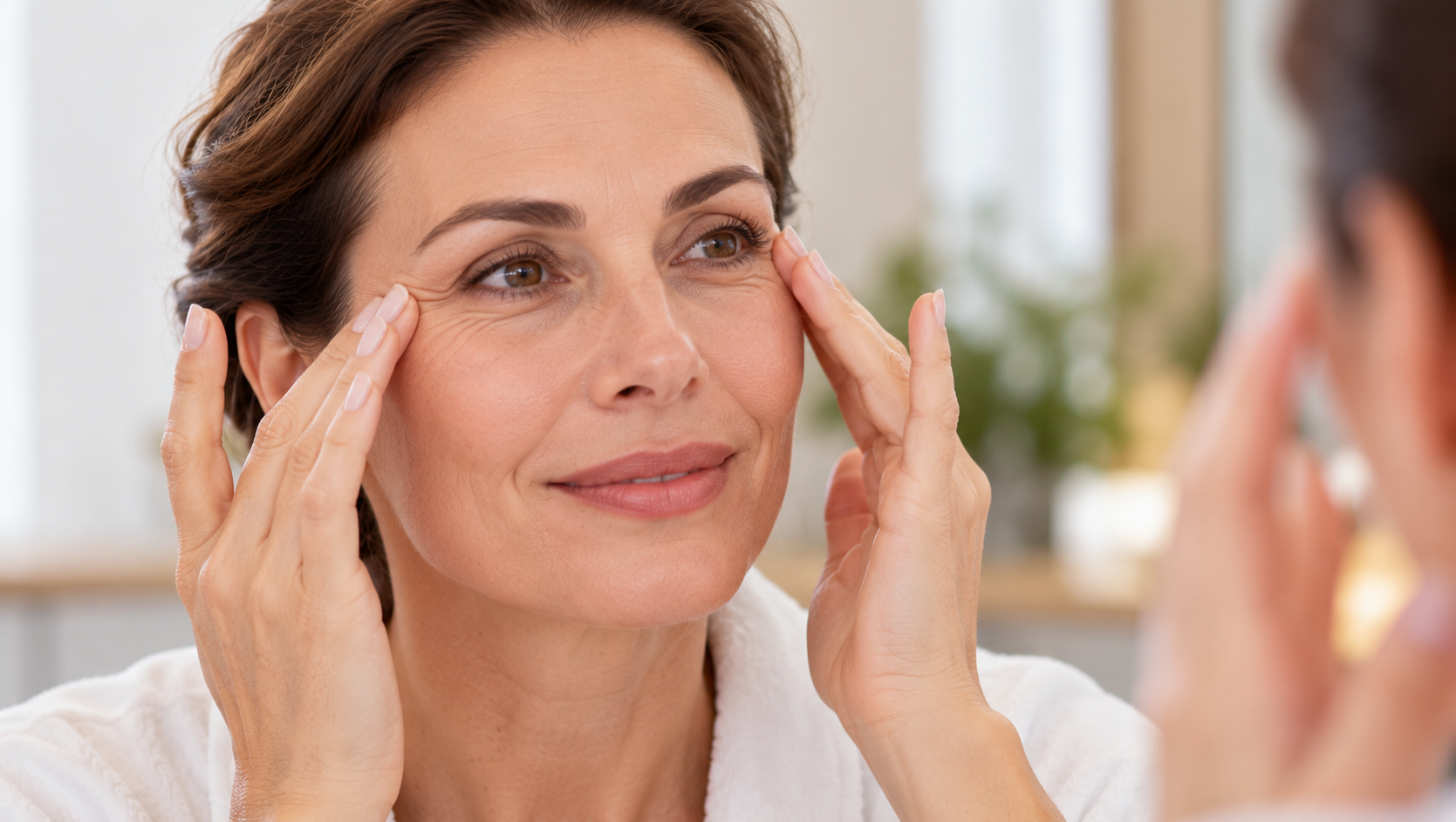
Ulthera is considered safe when performed with proper patient selection and the correct technique; reported side effects are generally temporary. Nevertheless, the area around the eyes is the most high-risk region of the face, and mistakes are not tolerated in this area.
Three factors determine safety. First, the energy level and treatment depth must be adjusted according to skin thickness. Second, the treatment area must be kept at a safe distance from the eyeball. Third, the practitioner must have an in-depth understanding of periorbital anatomy.
The effects most frequently reported in the scientific literature are temporary redness, mild swelling, tenderness to touch, and pain during the procedure (Kaufman 2019). Bruising, temporary numbness, and linear skin marks occur rarely; these marks are generally caused by improper contact between the applicator and the skin. Reports of serious complications around the eyes are rare and are associated with improper application. A review reported a low rate of serious events following evaluation of hundreds of patients (Suh 2015).
A practical conclusion follows from this: the device does not determine the risk; the practitioner does. It is unacceptable for someone without training in the anatomy of the eye area to approach this region.
A patient who understands the safety requirements can move on to the next question: Who is this treatment actually suitable for?
Suitable candidates are individuals with mild to moderate skin laxity who do not want surgery and have realistic expectations. Candidacy is determined more by anatomical structure than by age. A treatment that may be successful in a patient in their thirties may be ineffective in someone with advanced eyelid drooping.
Candidate Profile | Suitability | Reason |
Mild drooping of the tail of the eyebrow | High | Proven indication (Alam 2010) |
Mild laxity of the lower eyelid | Moderate | Results in selected cases (Suh 2012) |
Pronounced fat herniation | Low | Tightening does not reposition the fat |
Advanced upper eyelid drooping | Low | Requires blepharoplasty (Lelli 2010) |
Hollowing due to volume loss | Not suitable | Filler treatment is required |
The table demonstrates that patient selection accounts for half of the treatment. Even the right device will result in failure when used on the wrong candidate.
A suitable candidate should also know when and how they will see the treatment results.
The initial signs begin in the days following the procedure, while the full results become established between two and six months. This timeframe is due to the biological rate of collagen renewal and cannot be accelerated.
Time Period | Expected Change |
First days after the procedure | Mild tightening sensation, temporary swelling |
Weeks 4 to 6 | Beginning of visibly improved skin tightening |
Month 3 | Measurable peak of brow lifting and tightening |
Months 6 to 12 | Period during which the results are maintained |
Systematic reviews have reported improvement in 92 percent of patients assessed on day 90, with effects lasting up to one year (Kaufman 2019). The quality of the outcome depends on the initial degree of laxity, age, and individual collagen response. Results are monitored using photographs taken under standardized lighting and at a standardized angle.
Some patients achieve their goals in a single session; for others, a second session is recommended. The decision to perform an additional session is based on measurements taken during the follow-up examination.
When results are limited, patients turn to other options: Ulthera, Thermage, or surgery?
The three methods are not competitors; they address different concerns. The comparison should be based on the patient's expectations and the goal of each method.
Method | Working Principle | Target | Recovery Time | Who It Is For |
Ulthera | Focused ultrasound energy | Skin tightening, brow lifting | Almost none | Mild to moderate laxity |
Thermage | Radiofrequency energy | Mild laxity, fine lines | Almost none | Very mild concerns |
Blepharoplasty | Surgical tissue removal | Excess skin and fat | One to two weeks | Advanced sagging, fat herniation |
Filler | Injection | Hollowing caused by volume loss | Almost none | Under-eye volume deficiency |
The distinction in the table is critical: if skin laxity around the eyebrows is predominant, Ulthera is a logical choice; if fat tissue protrusion is predominant, surgery is required; if volume loss is predominant, fillers come into play (Lelli 2010). Seeking the right answer to the wrong question is the most costly mistake in aesthetic medicine.
Before making a decision, two final practical topics remain: preparation before the procedure and aftercare.
Before the procedure, the source of the concern should be clarified, and any previous eye surgeries and systemic diseases should be reported to the physician. Information such as glaucoma, dry eye, and previous blepharoplasty directly affects the treatment plan. The treatment area, handpiece selection, and number of sessions should be decided during the examination, not on the day of the procedure.
Aftercare is simple but not insignificant. Sun protection is essential. If the skin is sensitive, irritating products should be discontinued for a few days. Swelling and tenderness to the touch may last for a few days; this is the expected course. However, if symptoms such as changes in vision, severe pain, or progressively increasing swelling occur, medical evaluation should be sought without delay.
Due to the thinness of the eyelid skin and the proximity of the eyeball, direct application is not appropriate in every case. The decision depends on the device's instructions for use and the physician's anatomical assessment.
Reducing laxity around the eyebrows can make the eyes appear more open and refreshed. However, this method does not change the anatomical size of the eyes.
It may reduce a mild appearance caused by skin laxity. It does not eliminate bags caused by fatty tissue (Suh 2012).
The level of discomfort varies from person to person and from one area to another. The eyebrow area is relatively tolerable; areas close to the bone may be more sensitive.
Most patients return to their normal routine on the same day or the following day. Temporary redness can be concealed with makeup.
Ulthera is a safe tightening option with scientific evidence, particularly for the eyebrow area around the eyes. Success depends on three factors: the right patient, the right area, and a qualified practitioner. If there is significant fat herniation or advanced sagging, surgical options remain on the table. Correctly classifying the underlying cause is the first step for both effective results and safety.
Alam, Murad, et al. "Ultrasound Tightening of Facial and Neck Skin: A Rater-Blinded Prospective Cohort Study." Surgery, vol. 36, no. 10, 2010, pp. 1556-1562.
Kaufman, Joely, et al. "A Systematic Review of the Efficacy of Microfocused Ultrasound for Facial Skin Tightening." International Journal of Environmental Research and Public Health, vol. 20, no. 2, 2023, p. 1522.
Laubach, Hans-Joachim, et al. "Intense Focused Ultrasound: Evaluation of a New Treatment Modality for Precise Microcoagulation Within the Skin." Surgery, vol. 34, no. 5, 2008, pp. 727-734.
Lelli, Gary J., and Richard D. Lisman. "Blepharoplasty Complications." Plastic and Reconstructive Surgery, vol. 125, no. 3, 2010, pp. 1007-1017.
Pak, Chol-Sik, et al. "Safety and Efficacy of Ulthera in the Rejuvenation of Aging Lower Eyelids: A Pivotal Clinical Trial." Aesthetic Surgery Journal, vol. 34, no. 6, 2014, pp. 864-874.
Suh, Dong Hye, et al. "Intense Focused Ultrasound Tightening in Asian Skin: Clinical and Pathologic Results." Surgery, vol. 37, no. 11, 2011, pp. 1595-1602.
Suh, Dong Hye, et al. "An Intense-Focused Ultrasound Tightening for the Treatment of Infraorbital Laxity." Journal of Cosmetic and Laser Therapy, vol. 14, no. 6, 2012, pp. 290-295.
Suh, Dong Hye, et al. "Intense Focused Ultrasound for Facial Tightening: Histologic Changes in 11 Patients." Surgery, vol. 41, no. 5, 2015, pp. 569-574.