Yükleniyor…

Light walking can generally begin 2 to 3 days after the procedure. For activities such as running, heavy lifting, and intense cardio, it is necessary to wait at least 2 weeks. Returning to a normal training program is usually possible 4 to 6 weeks later, with your surgeon's approval. This timeline varies from person to person.
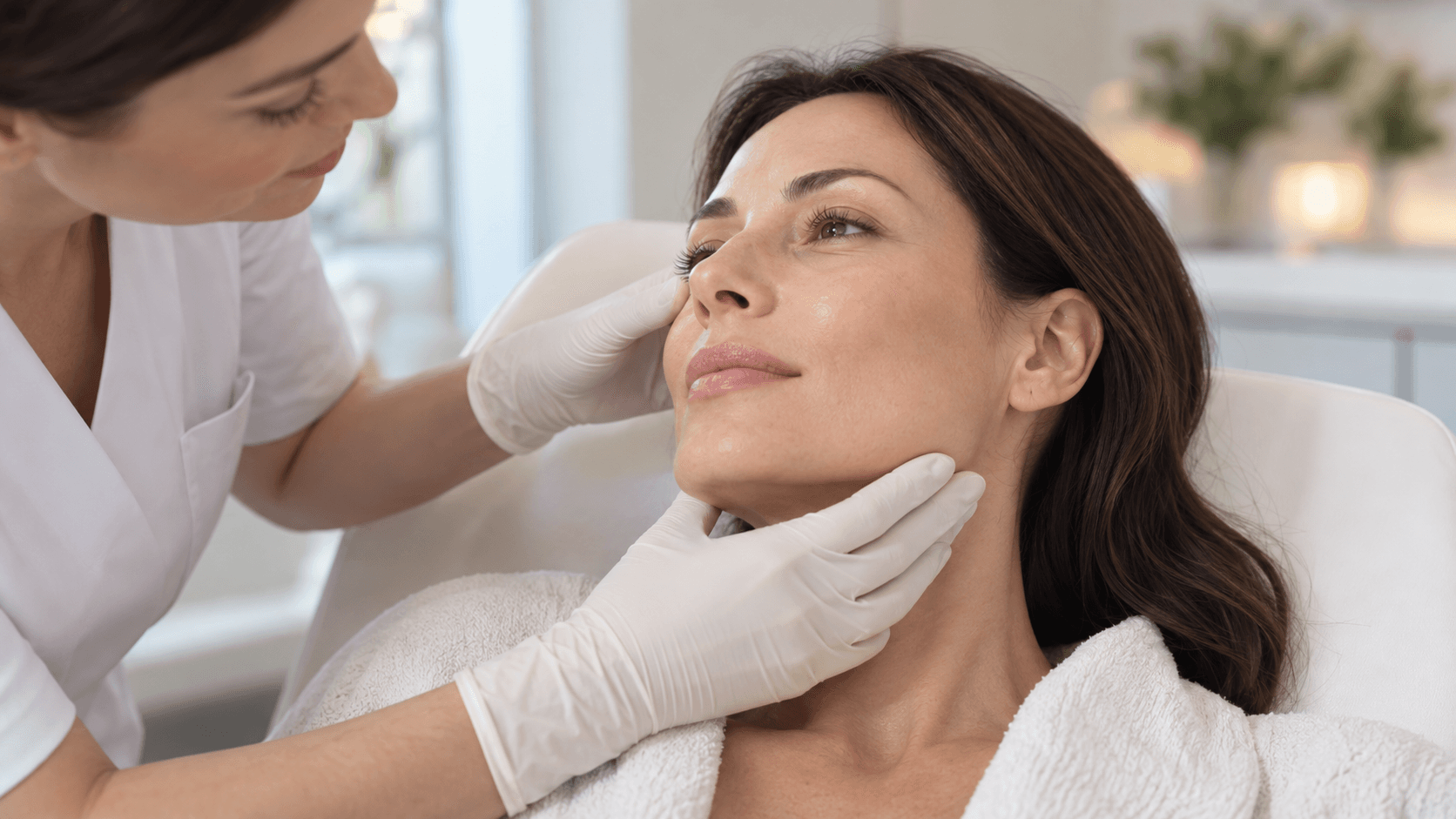
The French thread lift is commonly used as a non-surgical method to correct sagging in the face and neck area. Thin, absorbable threads are placed under the skin to lift the tissues. Systematic reviews show that this method is effective in facial rejuvenation and that the complication rate remains low (Suh et al. 2019). However, the term "non-surgical" does not mean that the tissues are not stressed at all. Micro-wounds, entry points, and reorganized connective tissue can be found in the areas where the threads are placed. Therefore, the decision to exercise after a French thread lift is more a matter of recovery biology than an aesthetic preference.
This article explains the period that healing tissues need, which activities are safe at what times, and which symptoms indicate that you should take a break from sports, based on scientific sources. Our goal is clear: to return to your sports program safely and without risking your results.
Because healing tissues gain strength over time, and intense effort in the early period can disrupt this process. Gradual activity preserves the results and reduces the risk of complications.
The recovery process after a French thread lift progresses in three stages. In the first stage, blood vessels close and inflammation is brought under control. In the second stage, the connective tissue strengthens, and new collagen production begins around the threads. In the final stage, the tissue reshapes. Fundamental research on wound healing reveals that each of these stages requires a specific time window (Enoch and Price 2004).
Physical effort increases heart rate and blood pressure. Elevated blood pressure increases swelling in the healing facial tissues and creates additional stress in the capillaries. Movements such as running, heavy lifting, or straining also engage the facial muscles and can lead to the threads shifting out of place. Long-term follow-up studies show that early strain in thread lift applications is one of the factors that can negatively affect the outcome (Rachel et al. 2016).
Starting sports early prolongs swelling and bruising in the short term. In the long term, it can pave the way for issues such as thread displacement, asymmetry, and unwanted scars. Therefore, there is no single general answer to the question of "when can I exercise"; each stage has its own rules.
In the first 48 to 72 hours, swelling, mild bruising, and sensitivity are at their highest levels. During this period, the goal is not to remain immobile but to stay controlled and light.
In the first days, the body sends blood and repair cells to the areas where the threads are placed. This natural response is felt as swelling and sensitivity. Excessive use of facial muscles on days with significant swelling creates unnecessary tension on the tissues. Therefore, the fundamental principle of the first week is to rest the facial area.
Intense exercise should be postponed as long as swelling and sensitivity persist. These symptoms indicate that the tissues are not yet ready to bear weight.
Swelling indicates increased vascular permeability. In this case, activities that elevate heart rate nourish the swelling and delay healing. Sensitivity indicates that nerve endings are being stimulated. Light walking is generally safe if it does not increase these symptoms; if it does, the pace should be reduced.
Until the threads are anchored under the skin, which is approximately the first 1 to 2 weeks, sudden movements should be avoided. Stabilization is fundamental to the permanence of the result.
Once the threads are placed, they are grasped by surrounding tissues. This grasping is strengthened by new collagen production. Regular movements such as running, sit-ups, or push-ups rhythmically work the facial and neck muscles. This rhythmic tension can strain the threads that have not yet been stabilized. Clinical compilations emphasize that the technical success largely depends on tissue rest in the initial weeks (Villa et al. 2019).
Daily life activities should be carried out at a slow pace during the first week. Bending, straining, and wide mouth opening movements should be limited.
Going up and down stairs, light household chores, and short walks support circulation. This helps the tissues receive oxygen. However, movements such as carrying heavy grocery bags, suddenly getting up from bed, or bending the head forward for long periods should be avoided. Performing movements slowly and in a controlled manner reduces the load on the healing tissues.

Most people can start short and slow walks 2 to 3 days after the procedure. The duration and pace should be gradually increased within the first week.
Light walking is almost always the first recommended activity in sports guides after French thread lifting. The reason is simple: walking raises the heart rate very little, does not apply direct pressure to the facial area, and supports circulation. It has also been shown in experimental studies that regular walking accelerates tissue healing (Emery et al. 2005).
A few slow walks of 5 to 10 minutes several times a day are ideal for the first week. This duration keeps circulation active and reduces the risk of clots in the legs.
Short walks also provide mental well-being. For those leading an active lifestyle, inactivity can cause anxiety. Controlled walking is the safest way to manage this anxiety. What matters is the pace rather than the distance; the right pace is one at which you can comfortably talk while walking.
In the first week, increasing the duration by 5 minutes every 2 to 3 days is a safe method. From the second week onwards, the pace can be slightly increased.
The increase plan should be kept simple. For example, if the first days are 10 minutes, it can be increased to 15 minutes on the fourth day and 20 minutes on the seventh day. If there is no swelling or pulling sensation after each increase, the program continues. If there is, a day of rest and returning to the previous level is necessary.
If there is throbbing in the face, increased swelling, new bruising, or a pulling sensation, the walk should be stopped. If these symptoms do not pass within 24 hours, inform your surgeon.
These symptoms signal that the tissues cannot handle the current load. "Enduring" prolongs recovery. The table below summarizes the general framework of the walking program.
Period | Total Daily Duration | Recommended Pace | Points to Note |
Days 1 to 3 | 10 to 15 minutes | Very slow | Flat surface, short distance |
Days 4 to 7 | 15 to 25 minutes | Slow | No feeling of weight or throbbing in the face |
2nd week | 25 to 40 minutes | Normal walking | Arm swinging may be limited |
Week 3 and beyond | According to personal goals | Brisk walking | Transition to speed with surgeon's approval |
In the first 2 weeks, running, heavy lifting, sports involving sudden turns, and movements that put the face down should be completely postponed. Bending and straining should also be limited in the first week.
The impact of each sport on the tissues is different. The comparison table below shows the risk levels of common activities and the general timeline for starting.
Activity | Load on Tissues | Risk Level | Typical Start |
Walking | Low | Low | After 2 to 3 days |
Light cycling | Low | Low | After 1 to 2 weeks |
Yoga, light stretching | Moderate | Moderate | After 2 to 3 weeks |
Running | High | High | After 3 to 4 weeks |
Weight training | High | High | After 3 to 6 weeks |
Swimming | High and hygiene risk | High | After 4 to 6 weeks |
Running rapidly increases heart rate and creates shock in facial tissues with each step. This dual effect increases the risk of swelling and bleeding in the initial weeks.
High-intensity cardio also increases sweating. Sweat can create a moist environment conducive to bacterial growth at the entry points. Therefore, it is essential to ensure that both swelling has decreased and entry points are closed before starting to run.
The straining reflex during heavy lifting tenses the facial muscles sharply and suddenly raises blood pressure. This situation can force the position of the threads.
Particularly, exercises like sit-ups, push-ups, and overhead movements directly work the neck and facial muscles. These movements should not be performed until the stabilization of the treated tissues is complete.
Inverted positions increase blood flow to the face and promote swelling. Sudden movements place sudden tension on the threads.
Bending by bending the knees in daily movements like tying shoes or picking something up from the floor is much safer than bending from the waist. The same rule applies in the gym. Movements requiring bending should be postponed until after the third week.
Leaning the face against a mat or equipment, tightening the jaw during movements over the chest creates direct pressure on the treatment area. This pressure can shift the threads.
For example, plank, headstands in yoga, or certain defensive positions in martial arts make contact with supportive surfaces on the face. These activities should only be added to the exercise program after recovery is complete following the French lift.
Light stretching exercises can generally begin after 2 weeks, while moderate yoga and Pilates can start after 3 to 4 weeks. Inverted poses should be left for last.
Yoga and Pilates are based on controlled breathing and stretching. This aspect makes them suitable for the recovery period. However, some poses can strain or invert the neck and face. Therefore, the scope of the program is more important than the timing.
In the second week, soft stretches that do not strain the neck and shoulders and do not pull back the face can be performed. Each movement should be kept within pain-free limits.
If there is pulling, tension, or sharp sensations in the face during stretching, the movement should be stopped immediately. The goal is to maintain flexibility, not to push limits.
Positions where the head is below heart level increase blood flow to the face. These positions should be postponed for at least 4 weeks.
Inverted positions also strain the tissues in the neck area. The French lift application often involves the jawline and neck area. Therefore, head and neck positions are the most carefully managed part of the program.
Positions that require strength, strong core work, and face-supported positions should be waited for 4 to 6 weeks. The return should be done with the approval of a technical instructor.
It is important to inform the instructor that you have undergone a procedure. This way, the lesson plan can be tailored to you. Gradually increasing the intensity weekly allows sufficient time for the healing tissues to adapt.
Start with low-intensity cardio. Cycling and brisk walking typically begin after 2 weeks, while running comes into play after 3 to 4 weeks. Duration and intensity should be gradually increased together.
The phased return approach consists of three steps: transitioning from walking to light cardio, then to more intense activities. This model is similarly recommended in rehabilitation guides after facelift surgery. The logic is common: as tissue strength increases, the load increases.
Stationary cycling and flat treadmill walking are the initial cardio options. These activities do not create jolts to the face and their pace can be easily controlled.
The first sessions should be limited to 15 to 20 minutes. The talking test is valid: if you are out of breath, the pace is too high. A rest of at least one day between the first two sessions is sufficient.
First, the duration should be increased, then the intensity. Adding 5 to 10 minutes to the duration each week is a safe progression. Intensity increases should only be made after two lighter weeks.
This order is intentional. Increasing duration allows for tissue adaptation while maintaining endurance. Following with intensity prevents sudden fluctuations in blood pressure. Facial reactions should be observed for 24 hours after each increase.
Heart rate indicates the actual load of effort on the tissues. Increased warmth, throbbing, or swelling in the face is a sign that the intensity is too high.
Simple pulse tracking is sufficient. If the pulse approaches resting levels within 10 minutes after exercise, it indicates that the body is tolerating the load well. The resting heart rate range of 60 to 70 percent is the safe upper limit in the first weeks.
Light weights can generally be started after 3 weeks, while heavy training can begin after 4 to 6 weeks. Lower body workouts should be planned first, followed by upper body workouts.
Weight training is the most critical part of the exercise program after French lifting. The reason is that these workouts naturally involve the straining reflex. This reflex tenses the facial muscles significantly.
Light weights eliminate the need for straining and teach how to work the muscles with clean technique. This is the safest way for tissues to get accustomed to loading.
In the initial sessions, 30 to 40 percent of your normal working weight is sufficient. The number of repetitions should be high, while the number of sets should be low. Starting light is a result of planning according to the needs of the tissues, not the ego.
Heavy lifting can suddenly raise blood pressure. This increases the risk of swelling, bleeding, and slipping of the threads.
Heavy lifting also works the shoulder and neck muscles intensely. Since these are the same muscles targeted by the French lifting, this load is directly transmitted to the treatment area. Systematic evaluations reveal that tissue tension is a major factor affecting early outcomes after thread lifting (Khan et al. 2021).
The return to the program should be done with a 3 to 4 week climb. Each week, the weight should be increased by 10 to 15 percent, and upper body movements should be left for last.
The framework of the plan is as follows: light lower body in the third week, light full body in the fourth week, 75 percent of the normal program by the sixth week, and the full program by the ninth week. This framework should be personalized in conjunction with surgical control.
Sweat, friction, and pressure are the three main enemies of healing tissues. The area should be gently cleaned after sports, and contact with equipment should be minimized.
The sports environment is challenging in terms of sweat and contact. In this section, we discuss practical ways to protect the area. The protective measures are simple; disciplined application ensures safety.
After sports, the face should be gently wiped with a clean, soft cloth. Rubbing motions should be avoided.
Sweat creates a suitable environment for bacteria at entry points and increases the risk of infection. It is sufficient to gently wash the face with cold water or wipe it with a clean tissue immediately after sports. Heavy sweating activities are already prohibited in the first week; this rule becomes particularly important from the second week onwards.
Equipment and accessories that come into contact with the facial area should not be used until the entry points are completely closed. The area behind the ears should be especially protected.
The front and back of the ears are areas where the thread entry points are closely placed. Accessories such as sports bands, glasses straps, or masks can put pressure on these points. This pressure can cause discomfort and delay healing.
Friction irritates the skin and strains the entry points. Pressure can change the position of the threads.
Wiping the face with a towel, keeping the collar of clothing away from the face, and supporting the face with a pillow during mat exercises are simple yet effective measures. Research shows that repetitive micro-trauma around the wound prolongs the healing time (Keylock et al. 2008).
In case of new or increasing pain, swelling, bruising, bleeding, discharge, fever, and noticeable fatigue, sports should be stopped immediately, and the healthcare team should be contacted.
These symptoms may indicate that the healing process is deviating from the expected course. Early intervention allows most issues to be resolved before they escalate. The table below summarizes the symptoms and necessary actions.
Symptom | Possible Meaning | What to Do |
Increasing pain | Tissue tension or stitch reaction | Stop exercising, 24-hour observation, report |
New swelling or bruising | Increased bleeding or edema | Stop activity, cold compress, report |
Bleeding or discharge | Entry point problem or infection | Return to hygiene rules, report immediately |
Fever, chills, dizziness | Systemic infection or blood pressure issue | Emergency medical evaluation |
Sudden pain may indicate a change in the tension of a thread on the tissue or tension at an entry point. It should not be ignored.
Pain is the body's most honest alarm system. New pain occurring during exercise, a significant increase in existing pain, or pain that does not subside at rest are three distinct red flags. The same rule applies to each: activity stops and the situation is reported.
The return of swelling that decreased in the early days of healing may indicate new blood accumulation beneath the tissue. New bruising should be evaluated in the same way.
Swelling and bruising are related to the permeability of capillaries. Occurrence outside the early period indicates that the load the tissues are exposed to is not being tolerated. Complete rest for one to two days with these symptoms generally provides sufficient recovery.
If bleeding or serous discharge comes from the entry point, the area should be lightly covered with sterile gauze, and the health team should be contacted the same day.
These symptoms may be early signs of infection. Mixing, squeezing, or opening the area at home should absolutely not be done. Professional evaluation protects both the outcome and health.
A fever above 38 degrees, chills, widespread weakness, or a feeling of syncope requires immediate medical evaluation. These symptoms exclude participation in sports activities.
This condition may indicate that the infection has spread throughout the body or that there is another issue affecting the general condition. Waiting and observing is not the correct strategy in this situation. Time is the most valuable factor in these cases.
There are four main factors that determine the duration: the technique used, the extent of the procedure, the individual's healing speed, and overall health status. A personalized plan is created by evaluating these four factors together.
General timelines provide reliable frameworks for average progress. However, no average can decide for the individual. In this section, we address the factors one by one.
The type of thread used, the depth of placement, and the fixation method determine how long the tissues need to rest. More comprehensive techniques require longer waiting times.
Some techniques target a single area while others encompass the entire face and neck. As the scope increases, the number of entry points and the amount of subcutaneous correction also increase. This directly extends the healing time. Knowing the technical details of your procedure is the first step in understanding your timeline.
If applications such as fillers, fat injections, or lasers were performed alongside the French lifting, the sports schedule should be planned according to the slowest healing application.
Combined applications improve multiple tissue groups simultaneously. Each application has its own resting needs. The most restrictive rule governs the entire program. Therefore, all previous procedures should be taken into account when deciding on the timeline.
Two individuals undergoing the same technique may heal at different rates. The rate of swelling reduction and the closure rate of entry points are the most reliable indicators of the personal timeline.
Genetic makeup, age, skin type, and previous healing experiences affect this speed. Trust the past signals of your own body. If you recovered quickly from previous minor surgeries, this is a positive sign; however, it is not sufficient alone to shorten the timeline.
Diabetes, immune system diseases, smoking, and irregular nutrition slow down healing. In these cases, the sports schedule should be extended.
Smoking reduces oxygen intake in tissues and disrupts collagen production. Chronic diseases affect vascular health. Lifestyle adjustments directly influence both the quality of the outcome and the speed of return to sports.
The safe program consists of four stages: rest, light activity, moderate intensity, and normal program. Each stage begins with the completion of the previous one and is sealed with the surgeon's approval.
The most common mistake when creating a program is to stick to the schedule while ignoring the body's signals. The correct program derives its framework not from the calendar but from the tissues. The flowchart below summarizes this framework.
The first 1 to 2 days are for complete rest, followed by short walks. The transition is managed by the body's own signals.
The goal in this stage is not immobility but controlled mobility. After the first day spent in bed, a few short walks each day support circulation. The sign of transition is the absence of any changes in the face after walking.
Between the second and third weeks, brisk walking and light cycling come into play. The duration increase is monitored weekly.
The rule for progression is fixed: if the current level is tolerated without any symptoms for a week, the next level is reached. If symptoms occur, the level is maintained. This rule adapts the program to individual realities.
From the fourth week onwards, running and light weights can be planned, and intense training can start from the sixth week. The return should be made with at least two weeks of gradual increase.
The science of gradual return is simple: tissue strength increases with the adaptive response to loading. Incompatible loads cause wear. When the sports program after the French lift is established with this principle, both safety and results are preserved.
Scheduled check-ups should be milestones for sports decisions. Approval for the next activity level should be obtained at each check-up.
Your surgeon is the only person who can assess the internal healing of the tissues. Visible healing is not always an indicator of deep healing. Using control appointments as milestones in the sports program is the safest strategy.
In this section, we provide short and clear answers to the ten most frequently asked questions.
Generally, short and slow walks can begin 2 to 3 days later. It should be ensured that the entry points are clean and closed before walking.
In most cases, 3 to 4 weeks later, after the swelling has completely reduced and with the surgeon's approval. It is recommended to prepare for running with brisk walking first.
For light activity, after 3 weeks; for a normal program, after 4 to 6 weeks. In the initial visits, only cardio and light weights should be preferred.
It is safe when the timing is right. Light weights can be started after 3 weeks, heavy lifting after 4 to 6 weeks. Weights that cause a feeling of straining should be avoided.
Yes, light yoga can generally be done after 2 to 3 weeks. Inversions should be postponed for at least 4 weeks.
Yes, non-reformer light Pilates is suitable after 3 weeks, intense Pilates after 4 to 6 weeks. Movements that strain the neck should be chosen carefully.
Generally after 4 to 6 weeks, once all entry points are completely closed. The risk of chemicals and bacteria in pool water makes swimming risky in the early period.
Yes, especially intense and sudden movements in the first two weeks can strain or displace the threads. This risk is largely prevented with gradual activity.
Sports should be stopped, a cold compress should be applied to the area, and rest for one to two days is recommended. If swelling recurs, the activity level should be reduced and the situation reported.
Yes. A final check before intense sports confirms that healing from the inside is complete. This check is the most valuable step in maintaining long-term results.
Sports after a French lift are managed in the safest way with patience and planning. Rest and walking in the first week, light activity in the second week, and gradual intensification between the third and sixth weeks create the ideal framework.
The main principle that emerges throughout this article is clear: healing tissues reward consistency, not haste. Structuring your sports program scientifically after a French lift, personalizing it with your surgeon, and respecting your body's signals protect both your health and your aesthetic result. Remember; a few weeks of disciplined waiting is a small investment for a result that will last for years.
Enoch, Stuart, and Marcus Price. "Cellular, Molecular and Biochemical Differences in the Pathophysiology of Healing Between Acute Wounds, Chronic Wounds and Wounds in the Aged." World Journal of Surgery, vol. 28, no. 9, 2004, pp. 1212-1220.
Emery, Charles F., et al. "Exercise Accelerates Wound Healing Among Healthy Older Adults: A Preliminary Investigation." Journals of Gerontology Series A: Biological Sciences and Medical Sciences, vol. 60, no. 11, 2005, pp. 1432-1436.
Keylock, K. Todd, et al. "Exercise Accelerates Cutaneous Wound Healing and Decreases Wound Inflammation in Aged Mice." American Journal of Physiology-Regulatory, Integrative and Comparative Physiology, vol. 294, no. 1, 2008, pp. R179-R184.
Khan, Muhammad A., et al. "Barbed Sutures for Face and Neck Lifts: A Systematic Review." Plastic and Reconstructive Surgery. Global Open, vol. 9, no. 7, 2021, e3657.
Rachel, Jeffrey D., et al. "Review of the Long-Term Complications of Barbed Sutures." Aesthetic Surgery Journal, vol. 36, no. 3, 2016, pp. 258-263.
Suh, Dong-Hye, et al. "Outcomes of Polydioxanone Thread Lifting for Facial Rejuvenation: A Systematic Review and Meta-Analysis." Journal of Cosmetic , vol. 18, no. 1, 2019, pp. 35-42.
Villa, Manuel T., et al. "Thread-Lifting: A Mini-Invasive Surgical Technique for Treatment of Facial Ptosis." Seminars in Plastic Surgery, vol. 33, no. 1, 2019, pp. 7-12.