Yükleniyor…
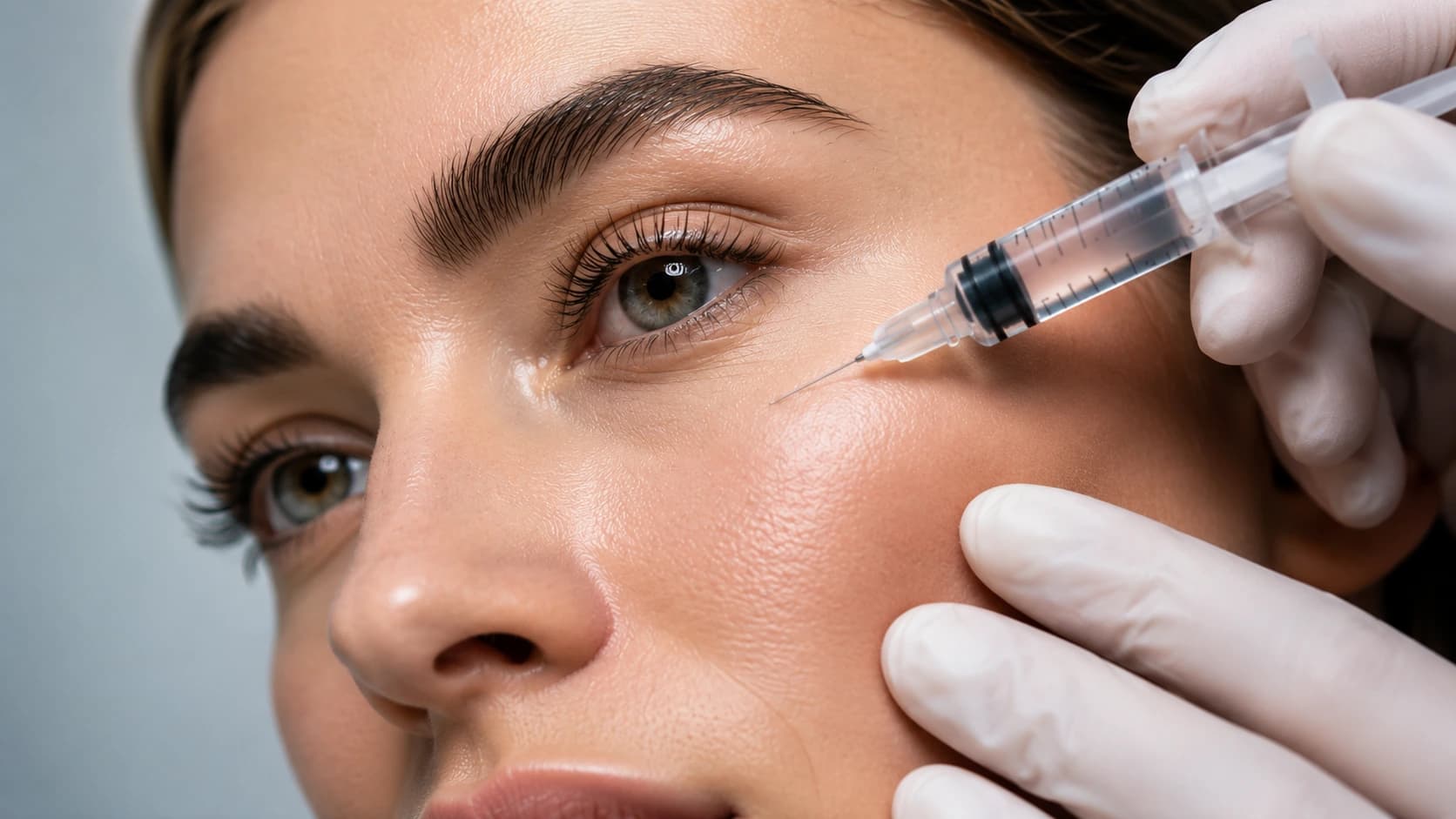
Collagen injection refers to injection methods that activate the skin's own repair power. This method stimulates fibroblast cells with special substances injected under the skin and promotes the formation of new collagen fibers. Thus, the skin undergoes a natural rejuvenation process from the inside out.
The skin loses collagen with aging. Sunlight, stress, smoking, and poor nutrition accelerate this loss. specialists seek non-surgical solutions to this problem. Collagen stimulation comes into play precisely at this point. This technique, which stands out among minimally invasive aesthetic procedures, promises patients quick recovery and long-lasting results.
Collagen is a protein structure that forms the skeleton of the skin. This protein helps the skin remain firm, maintain its elasticity, and exhibit a smooth contour. The human body produces a large amount of collagen at a young age. However, over time, this production slows down and reduces skin support.
Collagen is a three-chain protein molecule. Type I collagen constitutes eighty percent of the skin's durability. Type III collagen, on the other hand, is a structure that is more densely found in baby skin and plays a critical role in wound healing. These two types weave a tight network within the intercellular connective tissue environment.
Fibroblast cells are responsible for the production of this network. Skin elasticity, firmness, and tissue support are maintained precisely thanks to these fibers. The collagen network also works in conjunction with hyaluronic acid and elastin. This collaboration allows the skin to retain moisture and stretch. When the amount of collagen in the skin decreases, fine lines appear. Sagging begins, and the skin takes on a dull appearance.
The human body loses approximately one percent of collagen each year after the age of twenty-five. This loss is not solely due to the internal changes that come with age. UV rays create free radicals in skin cells. These radicals break down collagen fibers.
Smoking reduces the oxygen levels in the skin. This situation slows down the working speed of fibroblasts. Stress hormones and poor nutrition also negatively affect production. In particular, sugar consumption creates a hardening known as glycation in collagen fibers. As a result, the skin loses its elasticity. Wrinkles deepen and sagging becomes more pronounced. Therefore, specialists see collagen stimulation as an indispensable tool in modern aesthetics.
Collagen injection is a treatment method that triggers new collagen production with biocompatible substances injected under the skin. This method is fundamentally different from dermal fillers. Fillers leave a physical material to add volume. Collagen injection, on the other hand, activates the skin's own production mechanism.
This group, referred to as collagen stimulators, contains substances such as polylactic acid, calcium hydroxyapatite, and polycaprolactone. These substances create a micro-level scaffold under the skin. Immune cells perceive these substances as foreign bodies and call fibroblasts to the area.
Fibroblasts begin to produce new type one and type three collagen. This process does not start immediately after the injection. It takes time for the substances to dissolve and for the cells to be stimulated. Therefore, results gradually emerge over weeks. The patient experiences a natural rejuvenation instead of a suddenly changed appearance. This feature makes collagen injection one of the most preferred minimally invasive procedures.
The injected microparticles serve as mechanical support under the skin. This support activates fibroblasts. The cells convert physical pressure into biochemical signals. This phenomenon is called the conversion of mechanical force by cells into a chemical message.
Christen and Vercesi (2020) demonstrated that polycaprolactone microspheres create a three-dimensional scaffold within the skin and that this structure supports collagen production for an extended period. The newly formed collagen fibers wrap around the particles. Over time, the particles dissolve and turn into carbon dioxide and water. However, the collagen matrix remains. This matrix increases the skin's firmness and fills wrinkles. The tissue remodeling process can continue for six months to two years.
Youth injection generally refers to hyaluronic acid-based fillers or vitamin injections. These applications provide direct volume and moisture to the skin. However, they do not directly stimulate collagen production. Their effects typically last between six to twelve months.
On the other hand, collagen injection utilizes the skin's own repair capacity. Its effects start more slowly but last longer. In polycaprolactone-based products, this duration can extend up to twenty-four months. Some experts combine these two methods. Hyaluronic acid provides immediate volume. Collagen stimulators enhance skin quality in the long term. This combination is often preferred in facial contouring procedures.
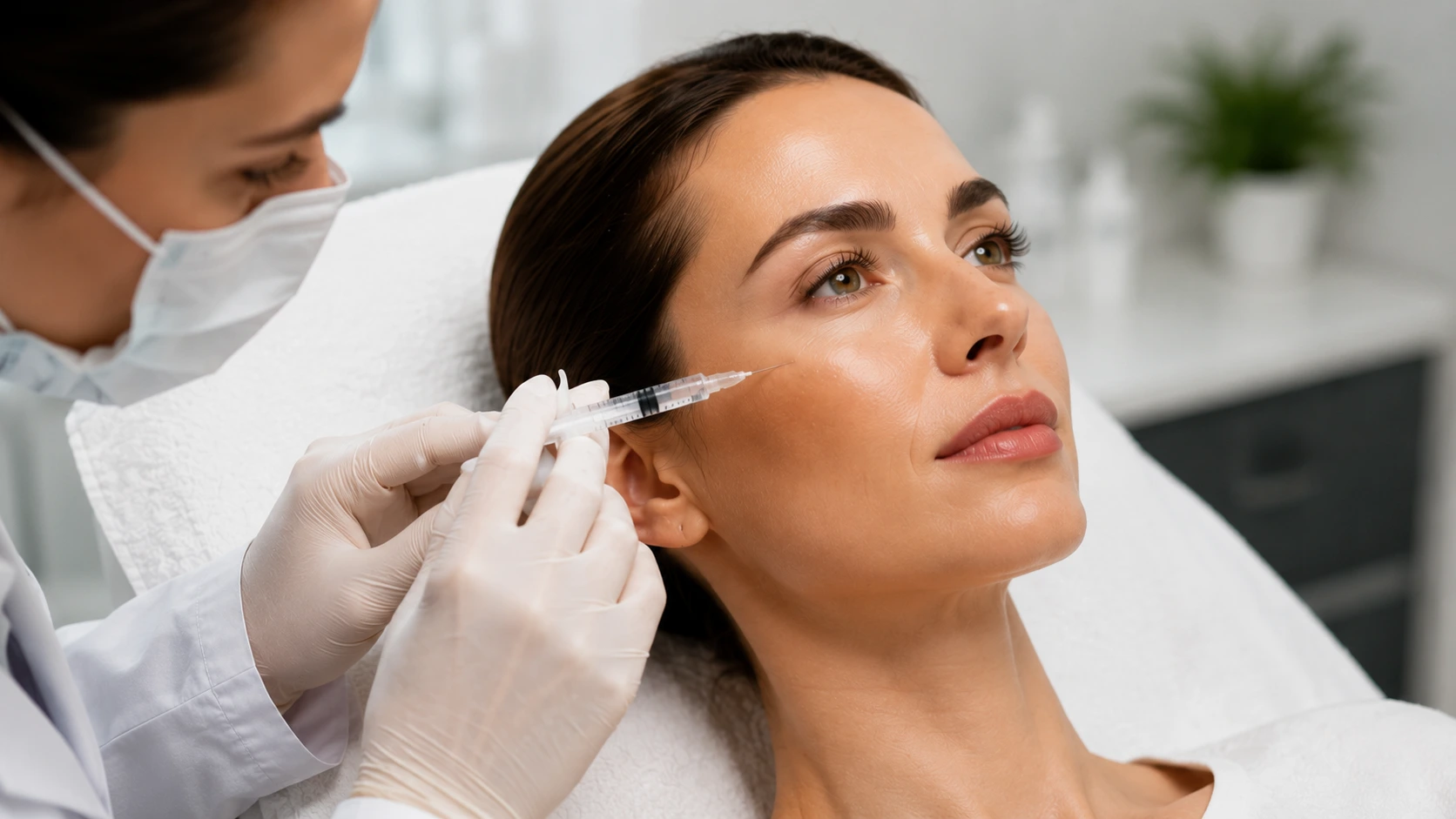
Different collagen stimulators have different mechanisms of action. Each substance has its advantages and limitations. Experts make selections based on the patient's skin type, age, and expectations.
Polylactic acid is a synthetic and biodegradable polymer. This substance remains in microparticle form after being injected under the skin. Macrophage cells surround these particles. This reaction triggers fibroblast activation.
In the initial days, mild swelling occurs at the injection site. This swelling disappears within three to seven days. After one month, the particles are encapsulated by macrophages. Hydrolysis begins after three months. Fibroblast proliferation peaks at six months. During this process, type one collagen is intensely secreted. Type three collagen is also present. This type is the baby collagen that is rarely produced in adult skin. Polylactic acid creates a controlled inflammatory response. This response leads to a regular remodeling process rather than excessive tissue proliferation.
Calcium hydroxylapatite is a synthetic version of bone mineral. This substance consists of thirty percent microspheres and seventy percent gel carrier. The gel carrier provides immediate volume. The microspheres support collagen production in the long term.
Coleman et al. (2008) reported in a study conducted on a dog model that calcium hydroxylapatite injection initiated an increase in collagen four weeks later, and this effect lasted for seventy-eight weeks. Yutskovskaya and Kogan (2017) demonstrated that diluted calcium hydroxylapatite applied to the neck and décolletage improved the mechanical properties of the skin and triggered new collagen formation. This substance provides both volume and enhances skin quality. Its effects are lasting between twelve to eighteen months.
Polycaprolactone is a relatively new biostimulator in aesthetic medicine. This polymer has been used in the medical field for over seventy years. It has a wide range of applications, from sutures to organ supports.
Kim and Van Abel (2015) observed new collagen formation in human tissue injected with a polycaprolactone-based filler. Moers-Carpi and Sherwood (2013) proved that polycaprolactone is effective in correcting nasolabial folds in a twenty-four-month prospective randomized study. de Melo et al. (2017) provided recommendations for the use of next-generation polycaprolactone products in facial and hand rejuvenation. This substance offers immediate volume and long-term collagen stimulation together. The duration of its effects varies between twelve to twenty-four months. Over time, the skin gains a tighter and more radiant appearance.
Older generation fillers contained bovine-derived collagen. These products carried a risk of allergic reactions. Sensitivity was observed in one to three percent of patients. Therefore, a skin test was required before injection.
Today, human-derived collagen products are also available. These products reduce the risk of allergy to nearly zero. However, there are still theoretical concerns about the risk of infectious diseases with animal-derived products. In modern aesthetic practices, synthetic stimulators are much more commonly preferred over animal-derived collagen. This is because synthetic materials stand out with both their safety profile and predictable results.
Table 1: Comparison of Collagen Stimulators
Substance | Onset of Effect | Duration | Advantage | Disadvantage |
Polylactic acid | 4-6 weeks | 18-24 months | Long-lasting type one and type three collagen | Requires multiple sessions |
Calcium hydroxyapatite | Immediate + 4 weeks | 12-18 months | Both volume and tightening | There is a low risk of small hard lumps |
Polycaprolactone | Immediate + 8 weeks | 12-24 months | Strong scaffold effect | Experienced practitioner required |
Human-derived collagen | Immediate | 3-6 months | Natural biocompatibility | Very short-term effect |
Collagen stimulators can be applied to many areas of the body, especially the face. Each area requires a different technique and dosage. Specialists are well aware of the anatomical structure and adjust the depth correctly.
The face is the area where collagen injections are most frequently applied. The main areas are the cheeks, temples, jawline, and the lines extending from the nose to the corners of the mouth. Patients experiencing volume loss in the cheeks are treated with polykaprolactone or calcium hydroxyapatite fillers.
The jawline is critical for the definition of facial contour. Injections in this area reduce the appearance of sagging. Wrinkles that extend from the nose to the corners of the mouth are softened with collagen stimulation. Yutskovskaya and colleagues (2014) have demonstrated through structural tissue analysis that calcium hydroxyapatite-based products create higher levels of type three collagen by the fourth month compared to hyaluronic acid-based fillers. This finding supports the improvement of skin quality in the facial area.
The skin of the neck is thinner and more sensitive than that of the face. Collagen loss in this area is one of the earliest signs of aging. Fine lines and loss of elasticity can be distressing for patients.
Yutskovskaya and Kogan (2017) observed significant improvement in the mechanical properties of the skin in patients who received diluted calcium hydroxyapatite in the neck and décolleté area. The application is done in a very thin layer under the skin. This technique increases skin tightness and smooths out fine wrinkles. Results become noticeable within four to six months. Sun damage in the décolleté area can also be alleviated with this method.
The hands are one of the areas where age is most apparent. The skin thins, and veins and tendons become more prominent. Volume loss creates a bony appearance.
Figueiredo (2013) achieved safe and effective results in a pilot study involving five patients where a polykaprolactone-based filler was used for hand rejuvenation. Collagen stimulators are injected into the back of the hand. This injection thickens the skin and reduces the appearance of veins. At the same time, skin tone improves. The hands appear smoother and younger. The effect can last for up to twelve months.
Collagen injection is not just for the face. It is also used in areas such as the inner arms, thighs, and abdomen. Skin laxity and cellulite marks are common in these areas.
Polylactic acid is preferred to reduce sagging in the inner arms. Fine lines and laxity on the thighs can be treated with calcium hydroxyapatite. Acne scars and other scars can also be flattened with collagen stimulation. These applications rejuvenate the skin's texture. However, body applications require more material than facial applications. Therefore, the cost and recovery time may be slightly longer.
Table 2: Application Areas and Expected Results
Area | Basic Issue | Preferred Substance | Expected Recovery |
Cheek | Volume loss | Polycaprolactone | Plumpness and firmness |
Jawline | Sagging | Calcium hydroxyapatite | Definition of contour |
Neck | Fine lines | Diluted calcium hydroxyapatite | Skin quality |
Hands | Vein visibility | Polycaprolactone | Volume and smoothness |
Inner arm | Sagging | Polylactic acid | Tightening |
Collagen injection is a procedure performed in outpatient settings. Patients do not require an operating room environment. However, strict adherence to hygiene rules is essential.
The specialist first examines the patient's face and skin. Skin type, thickness, and elasticity are evaluated. A detailed medical history is taken. Questions are asked, especially regarding autoimmune diseases, pregnancy, and the use of blood thinners.
A photographic analysis is performed. This analysis is used to compare results. The patient is informed about the expectations of the procedure. The specialist decides which substance to use in which area. An anesthesia plan is created. Generally, a local cream or injection is sufficient. Rarely, general anesthesia is required.
The skin is cleaned with an antiseptic solution. The specialist uses a sterile needle or a fine-tipped injection tube. This tool reduces the risk of vascular and nerve injury. The retractable linear injection technique is the most preferred method.
In this technique, the injection device is advanced under the skin and the substance is delivered while retracting. In products like polylactic acid, deep dermal or subcutaneous layers are targeted. Calcium hydroxyapatite is placed in deeper layers. Diluted forms are suitable for superficial application. During the procedure, the patient feels minimal pressure. Pain is generally at a tolerable level.
A single session lasts between thirty to sixty minutes. The duration depends on the number of areas treated. Polylactic acid usually requires two to three sessions. A wait of four to six weeks is expected between sessions.
Calcium hydroxyapatite and polycaprolactone often provide sufficient results with a single session. However, a second touch-up may be performed depending on the patient's condition. The specialist evaluates the skin before each session and updates the plan. The patient can immediately return to daily activities after the procedure. However, care should be taken during the first twenty-four hours.

Collagen injection not only fills wrinkles. It improves the overall health and quality of the skin. These benefits enhance the quality of life for patients.
New collagen fibers increase the skin's moisture retention capacity. Hyaluronic acid binds to the collagen matrix and retains more water. This situation restores the skin's brightness and vitality.
The increase in elasticity facilitates the skin's ability to stretch and return to its original state. The skin achieves a smoother texture. The appearance of pores diminishes. Skin tone improves. These benefits are not limited to the injection area. The overall metabolism of the skin accelerates.
Collagen injection does not create excessive volume. This feature preserves the expression of the face. Patients appear not as if they have undergone surgery, but rather as if they are well-rested.
Natural rejuvenation is a gradual process. There may be slight fullness in the first weeks. However, the real results emerge within a few months. The skin renews itself with its own tissue. Therefore, the tissue remodeling process does not create an artificial appearance. Experts see collagen stimulators as the cornerstone of natural aesthetics because of this feature.
The effects of collagen injections last longer compared to other fillers. Poly-L-lactic acid shows effects for eighteen to twenty-four months. Polycaprolactone varies between twelve to twenty-four months.
This long duration can be explained by the collagen banking approach. Once the skin is stimulated, it continues to produce new collagen. Over time, this production slows down but does not stop completely. Patients can maintain the results with annual maintenance sessions. This approach is advantageous both economically and practically.
Collagen injections do not require surgical operations. No cuts are made on the skin. Therefore, there is no risk of stitches, scars, or general anesthesia.
After the procedure, the patient can return home immediately. The return to social life takes one to three days. Mild bruising can be covered with makeup. Swelling usually subsides within forty-eight hours. These advantages provide great convenience for busy patients. Therefore, minimally invasive methods are rapidly becoming widespread in modern aesthetics.
Like any medical procedure, collagen injections have side effects. However, these side effects are generally mild and temporary. Serious complications are rare.
The most common side effect is redness at the injection site. This redness may fade within a few hours. Swelling occurs at a mild level in almost every patient.
Bruising may develop due to vascular passage. Sensitivity and increased warmth are also normal. These symptoms usually completely disappear within three to five days. Using a cold compress and sleeping with a high pillow can speed up this process.
The formation of small hard lumps occurs as a result of the substance being injected at the wrong depth or in excessive amounts. Small inflammatory clusters arise from an excessive reaction of the immune system. These conditions can be treated with cortisone injections.
The risk of infection increases in non-sterile conditions. Vascular occlusion can develop if the substance accidentally enters a blood vessel. This serious complication should be managed immediately with a filler-dissolving enzyme and aspirin protocol. However, in the hands of an experienced specialist, this risk is quite low.
The risk of allergy to synthetic collagen stimulators is very low. Poly-L-lactic acid, polycaprolactone, and calcium hydroxyapatite are generally well tolerated by the body.
The situation is different with animal-derived collagen. Sensitivity can be observed between one and three percent in bovine-derived products. Therefore, skin testing was mandatory in the past. Today, with the widespread use of synthetic products, this risk has largely been eliminated. Still, the patient's allergy history should be carefully questioned.
Post-procedure care directly affects the quality of the results. Patients must strictly follow the expert's recommendations.
The first two days lay the foundation for healing. Patients should avoid heavy exercise. Sweating increases the risk of infection at the injection sites.
Sauna, steam baths, and hot showers should be avoided. Heat increases swelling and can accelerate the dispersion of the substance. Alcohol consumption increases the risk of bruising by accelerating blood flow. Therefore, it is necessary to avoid alcohol for the first forty-eight hours. Makeup should be postponed until the injection sites have closed.
In polylactic acid applications, the five-five-five rule is applied. The patient massages the injection sites for five minutes a day for five days. This massage ensures the even distribution of the substance and prevents the formation of small hard lumps.
The massage is performed with gentle circular motions. The pressure should not be too firm. Massage is generally not recommended in calcium hydroxyapatite and polycaprolactone applications because these substances should remain in the areas where they are placed and should not disperse immediately. The expert clearly explains which product should be massaged.
The initial effects can be seen immediately after the injection. However, this effect is due to the volume of the carrier gel. The real increase in collagen begins from the fourth week.
Hong and colleagues (2021) evaluated the safety of particle-free polycaprolactone fillers and new collagen formation in a rat model and observed significant tissue renewal after eight weeks. Final results become apparent between the third and sixth months. The skin reaches its tightest and brightest state during this period. Results are maintained for varying durations between twelve and twenty-four months. Patients can extend the effect with a single maintenance session annually.
Not every patient is a suitable candidate for collagen injection. Proper patient selection is half the success.
Individuals over thirty years old are the group where collagen loss begins to become noticeable. Those with decreased skin elasticity benefit the most from this treatment. Patients with mild to moderate sagging on their faces can try this method before resorting to surgical alternatives.
Patients who do not want surgery and seek natural results prefer collagen stimulators. A healthy immune system and realistic expectations are essential prerequisites for treatment. The expert also evaluates the patient's psychological state.
Collagen injections are not recommended during pregnancy and breastfeeding. This is because studies conducted during these periods are insufficient. Procedures are not performed on areas with active skin infections. Patients with a history of herpes may be given antiviral medication as a precaution.
Autoimmune diseases carry the risk of an excessive response from the immune system. There is a risk of abnormal wound healing in patients with a history of excessive tissue formation. Blood clotting disorders and open wounds also constitute contraindications. The specialist reviews all these factors and recommends alternative treatments if necessary.
Collagen injections can be used alone or combined with other treatments. These combinations create a synergistic effect.
Hyaluronic acid provides instant volume and hydration. The collagen stimulator enhances skin quality in the long term. These two substances can be applied in the same session or in different sessions.
For example, volume is added to the cheeks with hyaluronic acid. Long-term tightening is achieved in the same area or neighboring areas with polycaprolactone. Yatanabe and colleagues (2021) demonstrated that polycaprolactone and calcium hydroxyapatite similarly increase collagen production in a rat model. This finding lays a scientific foundation for planning different stimulators together. Experts refer to this combination as a volume and quality-focused approach.
High-intensity focused ultrasound heats the tissues beneath the skin, causing collagen contraction. Radiofrequency converts electrical energy into heat and stimulates fibroblasts. Fractional laser creates microscopic channels and accelerates skin repair.
These technologies can be applied before or after collagen injections. When applied first, skin stimulation increases. When applied afterward, the newly formed collagen fibers are strengthened. However, a waiting period of at least two to four weeks should be observed between the two procedures. This time allows the skin to rest and prevents reactions.
Mesotherapy injects mixtures of vitamins, minerals, and amino acids into the skin. These mixtures support cellular metabolism. Plasma treatment derived from the patient's own blood enhances fibroblast activation with growth factors.
When these two methods are used together with collagen injections, they create a synergistic rejuvenation effect. Mesotherapy increases the skin's nourishment. Plasma treatment accelerates the healing process. The collagen stimulator provides structural support. This triple combination is particularly effective in patients with advanced signs of aging. A two-week gap is recommended between sessions.
Table 3: Combined Treatments and Mechanisms of Action
Combination | Mechanism of Action | Application Interval | Target |
Hyaluronic acid + Collagen stimulator | Instant volume + long-lasting quality | Same session or 2-4 weeks | Facial rejuvenation |
High-intensity focused ultrasound + Collagen injection | Tightening with heat + new fiber formation | 2-4 weeks | Sagging treatment |
Mesotherapy + Collagen injection | Nutrition + structural support | 2 weeks | Skin quality |
Collagen stimulators have become the focus of scientific research over the last decade. Clinical studies show that these products are safe and effective.
Zhao and colleagues (2023) achieved high patient satisfaction and safety profile through a prospective, multi-center randomized controlled study on the treatment of nasolabial folds with polycaprolactone. Hwang and colleagues (2021) demonstrated through cell experiments that hydroxyapatite composite hydrogels enhance biological efficacy.
Yutskovskaya and colleagues (2014) found higher type I collagen levels in the calcium hydroxyapatite group in a study comparing calcium hydroxyapatite and hyaluronic acid fillers at the ninth month. These findings reveal that the long-term skin remodeling process is more valuable than just temporary volume increase. Patient satisfaction data is generally above eighty percent.
Polylactic acid has been approved by international regulatory bodies for localized facial fat loss and nasolabial folds. Calcium hydroxyapatite is approved for the treatment of nasolabial folds and fat loss associated with immune deficiency. Polycaprolactone is approved for aesthetic use in Europe and many Asian countries.
These approvals are based on clinical studies that thoroughly examine the safety and efficacy profiles of the products. Manufacturers regularly update safety data. Clinics should only use certified products. These regulations are the cornerstone of patient safety.
Regenerative medicine is taking collagen stimulation a step further. Next-generation biostimulants target not only collagen but also elastin and hyaluronic acid production. Nanotechnology allows for more precise applications by optimizing particle size.
Gene therapy and stem cell applications may be combined with collagen injections in the future. These approaches can activate the skin's own rejuvenation mechanisms at a much deeper level. However, the clinical use of these technologies requires longer research processes. Existing products continue to serve patients within the safe boundaries of evidence-based medicine.
No, collagen injections are not permanent. However, their effects last between twelve to twenty-four months. The skin produces new collagen during this time. Over time, the natural aging process continues. Results can be extended with annual maintenance sessions.
The procedure is performed almost painlessly with local anesthesia. The sensation of the needle prick occurs as a slight sting. After the procedure, only mild sensitivity may remain. This condition resolves within a few days.
Thirty years old is generally a suitable time to start. However, skin structure varies from person to person. Some patients may even start preventive measures at twenty-five. The specialist determines the right time after a skin analysis.
The answer to this question depends on the patient's needs. Fillers are more suitable for those seeking immediate volume. For those wanting long-term skin quality and natural rejuvenation, collagen injections stand out. Many specialists combine these two methods.
The initial fullness is visible immediately. However, the real increase in collagen begins after the fourth week. Final results become clear between the third and sixth months. Patience is the most important element of this treatment.
Yes, collagen injections can be safely applied to men as well. Male skin is thicker and oilier than female skin. Therefore, there may be slight differences in dosage and technique. However, the mechanism of action is the same. Male patients often prefer the jawline and temple areas.
Collagen injections have become one of the most important tools in modern aesthetic . This method utilizes the skin's own repair power. It offers natural and long-lasting results without surgical risks.
Substances such as polylactic acid, calcium hydroxylapatite, and polycaprolactone have been proven safe and effective through scientific studies. Proper patient selection, correct substance choice, and the application by an experienced specialist are the three keys to success. Minimal invasive aesthetics will become even more widespread in the future. Collagen stimulation will continue to be one of the cornerstones of this field.
Patients should clarify their expectations with the specialist before the procedure. In light of scientific data, collagen injections are a safe and effective option. However, like any medical procedure, there are risks associated with this treatment. In experienced hands, these risks are minimized. The natural rejuvenation approach adds value to patients both physically and psychologically.
Christen, Marie-Odile, and Franco Vercesi. "Polycaprolactone: How a Well-Known and Futuristic Polymer Has Become an Innovative Collagen-Stimulator in Esthetics." Clinical, Cosmetic and Investigational , vol. 13, 2020, pp. 451-458.
Coleman, Karen M., et al. "Neocollagenesis after Injection of Calcium Hydroxylapatite Composition in a Canine Model." Surgery, vol. 34, suppl. 1, 2008, pp. S53-S55.
de Melo, Flavia, et al. "Recommendations for Volume Augmentation and Rejuvenation of the Face and Hands with the New Generation Polycaprolactone-Based Collagen Stimulator (Ellansé)." Clinical, Cosmetic and Investigational , vol. 10, 2017, pp. 431-440.
Figueiredo, V. M. "A Five-Patient Prospective Pilot Study of a Polycaprolactone Based Dermal Filler for Hand Rejuvenation." Journal of Cosmetic , vol. 12, no. 2, 2013, pp. 73-77.
Hong, J. Y., et al. "In Vivo Evaluation of Novel Particle-Free Polycaprolactone Fillers for Safety, Degradation, and Neocollagenesis in a Rat Model." Therapy, vol. 34, no. 3, 2021, e14770.
Hwang, Y., et al. "Hydroxyapatite-Embedded Levan Composite Hydrogel as an Injectable Dermal Filler for Considerable Enhancement of Biological Efficacy." Journal of Industrial and Engineering Chemistry, vol. 104, 2021, pp. 491-499.
Kim, JA, and D. Van Abel. "Neocollagenesis in Human Tissue Injected with a Polycaprolactone-Based Dermal Filler." Journal of Cosmetic and Laser Therapy, vol. 17, no. 2, 2015, pp. 99-101.
Moers-Carpi, M. M., and S. Sherwood. "Polycaprolactone for the Correction of Nasolabial Folds: A 24-Month, Prospective, Randomized, Controlled Clinical Trial." Surgery, vol. 39, no. 4, 2013, pp. 457-463.
Yanatma, I., et al. "Comparison of Polycaprolactone and Calcium Hydroxylapatite Dermal Fillers in a Rat Model." Therapy, vol. 34, no. 1, 2021, e14716.
Yutskovskaya, Yana, and Evgeny Kogan. "Improved Neocollagenesis and Skin Mechanical Properties after Injection of Diluted Calcium Hydroxylapatite in the Neck and Décolletage: A Pilot Study." Journal of Drugs in , vol. 16, no. 1, 2017, pp. 68-74.
Yutskovskaya, Yana, et al. "A Randomized, Split-Face, Histomorphologic Study Comparing a Volumetric Calcium Hydroxylapatite and a Hyaluronic Acid-Based Dermal Filler." Journal of Drugs in , vol. 13, no. 9, 2014, pp. 1047-1052.
Zhao, H., et al. "Efficacy and Safety of Polycaprolactone in Treating Nasolabial Folds: A Prospective, Multicenter, and Randomized Controlled Trial." Facial Plastic Surgery, vol. 39, no. 3, 2023, pp. 300-306.