
Yükleniyor…
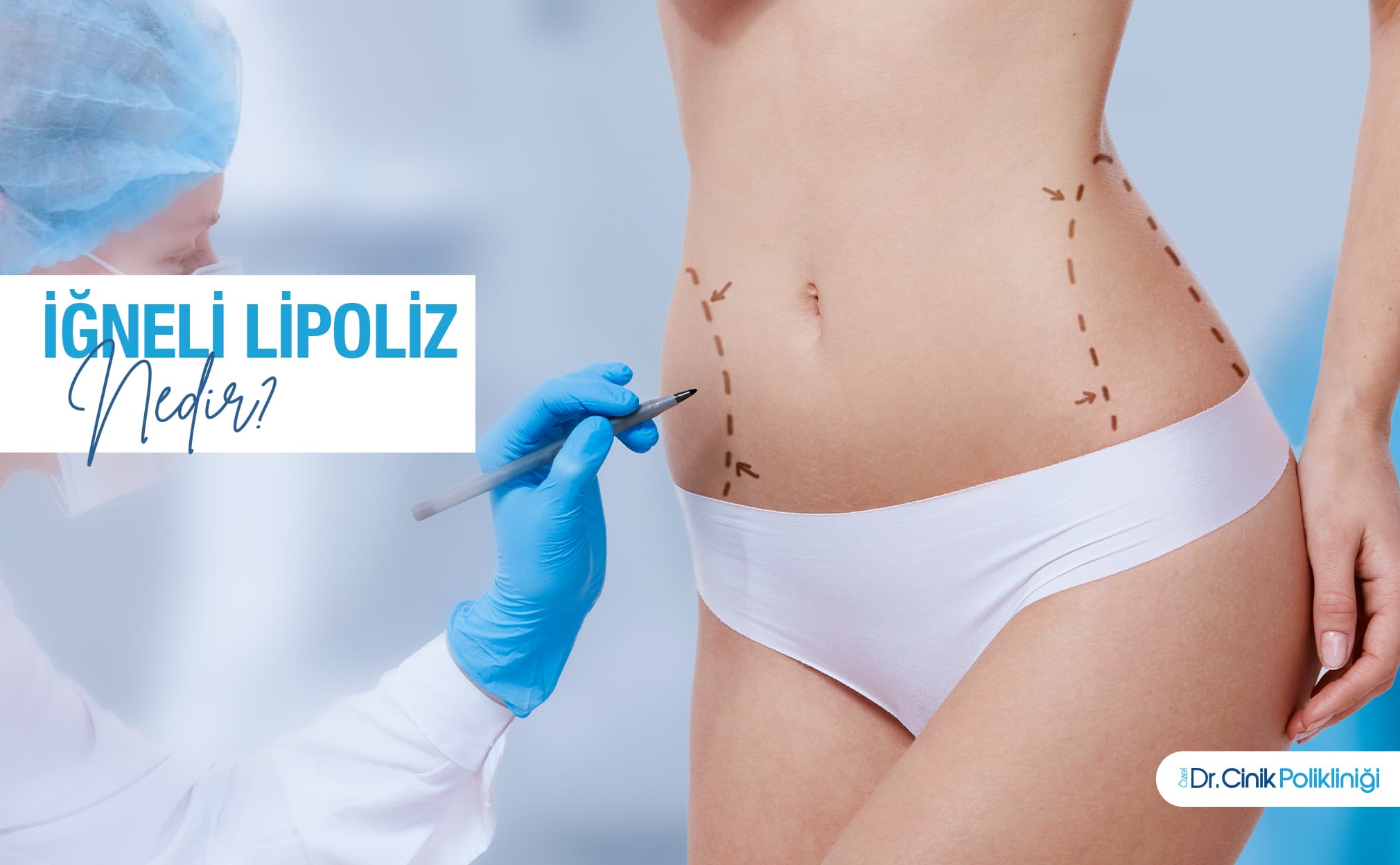
Needle Lipolysis is a non-surgical method that reduces local fat deposits by injecting lipolytic agents specifically designed for adipose tissue. This technique offers a non-surgical alternative, especially for fat deposits that are resistant to diet and exercise. Recent scientific studies have established its safety and effectiveness, securing a significant place in aesthetic medicine. Doctors can now treat small fat deposits without surgery. This advancement shortens the recovery time for patients and allows for a quick return to daily activities. Needle lipolysis has become an ideal option for those seeking fat reduction treatments but wishing to avoid major surgical procedures.
The demand for local fat reduction in the world of aesthetic medicine is increasing every day. People want to improve their body contours but do not want to take the risks and recovery processes associated with invasive procedures like liposuction. This is where injection lipolysis comes into play. This method allows doctors to directly intervene in the problematic area. Additionally, the fact that it does not leave scars post-treatment and provides natural-looking results is a significant advantage. Scientific studies have proven that agents like deoxycholic acid selectively target fat cells, reducing the risk of damage to surrounding tissues. In upcoming sections, we will examine the historical development, mechanism of action, substances used, and clinical applications of this technique in detail.
Needle lipolysis is a minimally invasive fat reduction method that works by injecting lipolytic solutions into the subcutaneous fat layer. In this method, doctors directly target fat cells to shape the body. Known also as injection lipolysis or injection adipolysis, this technique has become one of the fastest-growing areas in aesthetic medicine. Doctors can use this method alone or in conjunction with other body contouring techniques. The procedure takes place in an office setting, and patients can typically return home the same day. This offers great convenience for individuals with a busy work schedule.
The roots of this technique are based on mesotherapy. French physician Michel Pistor developed mesotherapy in the 1950s. Later, researchers discovered that solutions specifically designed for adipose tissue were more effective. Initial applications used combinations of phosphatidylcholine and deoxycholate. However, subsequent research revealed that deoxycholic acid was actually the active component. Today, doctors apply safer and standardized protocols based on this scientific data. Needle lipolysis is not a treatment for obesity but is used to correct localized excess fat. Therefore, patient selection is critically important.
Mesotherapy is a general treatment approach where doctors administer various substances such as vitamins, minerals, amino acids, and herbal extracts under the skin using micro-needles. Needle lipolysis, on the other hand, is a specific fat melting treatment where doctors inject special agents that break down only adipose tissue into the targeted area. Although both methods use similar injection techniques, their purposes and the substances used are entirely different. Mesotherapy is applied across a wide range of areas such as skin rejuvenation, cellulite reduction, and hair loss treatment. Needle lipolysis focuses solely on the destruction of fat cells.
Matarasso and Pfeifer explained the historical development of these two methods in their comprehensive review published in 2009. Mesotherapy was initially developed for chronic pain management. Later, it found application for aesthetic purposes. Needle-assisted lipolysis is based on the direct destruction of adipocytes. The cocktails used in mesotherapy are not standardized. Each physician can prepare a different mixture. This situation complicates the scientific evaluation of mesotherapy. In needle-assisted lipolysis, however, the active substances are defined and their doses are standardized. This difference also affects the safety profiles of the two methods. Serious infections, skin necrosis, and allergic reactions have been reported after mesotherapy. In needle-assisted lipolysis, side effects are more predictable and generally remain localized.
The injected lipolytic agents disrupt the membrane of the fat cell and lead to the release of the cell's contents. The body then cleanses these fat remnants naturally through the lymphatic system and liver. Scientific research shows that the detergent effect of deoxycholic acid causes this membrane to collapse. This mechanism allows for the selective targeting of fat cells.
Lichtenberg, Robson, and Dennis first detailed how detergents dissolve phospholipid layers in 1983. Ionic detergents insert polar hydroxyl groups into the hydrophobic core of the lipid bilayer. This disrupts the integrity of the cell membrane. Over time, the membrane collapses into complex micelles formed from phospholipid and detergent molecules. Thuangtong and colleagues examined the tissue-selective effects of injected deoxycholate in a study conducted in 2010. Following injections into mouse tails, while the skin and muscle layers were preserved, the adipose tissue showed significant necrosis. This finding proved that deoxycholic acid has a specific affinity for adipose tissue.
Janke and the research team demonstrated in a study published in 2009 that the compounds used for lipolysis not only destroyed adipocytes but also other cells in adipose tissue. However, mature adipocytes were found to be more resistant to the detergent effect compared to other cell types. The low concentration of albumin in adipose tissue allows deoxycholic acid to be more effective there. Albumin neutralizes deoxycholic acid by binding to it. Therefore, protein-rich tissues like muscle and skin are preserved. Physicians use this scientific data to adjust the injection depth and dosage.

In needle-assisted lipolysis, physicians primarily use lipolytic substances such as deoxycholic acid and phosphatidylcholine. Deoxycholic acid, a bile acid derivative detergent, disrupts the fat cell membrane. Phosphatidylcholine is a phospholipid component that plays a role in lipid metabolism and facilitates fat emulsion. In the early stages, researchers believed phosphatidylcholine was the active ingredient. However, subsequent laboratory studies revealed that deoxycholic acid is the main destructive force.
Rotunda, Ablon, and Kolodney demonstrated in a study on lipomas in 2005 how subcutaneous deoxycholate injections affect adipose tissue. This study proved that deoxycholic acid alone can destroy fat cells. Duncan and Palmer established standard application protocols for the combination of phosphatidylcholine and sodium deoxycholate in a clinical evaluation published in 2008. Kim and colleagues showed in an experimental study conducted in 2017 that phosphatidylcholine selectively lyses adipocytes. This substance does not harm muscle cells, endothelial cells, and fibroblasts. Jung and the research team discovered in 2018 that phosphatidylcholine triggers lipolysis via the TNF-alpha dependent pathway. This finding indicates that phosphatidylcholine is not merely a mechanical emulsifier but also contributes to fat breakdown at the metabolic level.
The table below compares the properties of two main agents:
Property | Deoxycholic Acid | Phosphatidylcholine |
Source | Bile acid derivative | Soy lecithin derived |
Mechanism of Action | Disrupts cell membrane with a detergent effect | Stimulates lipid emulsion and metabolic pathways |
Standalone Effect | Exhibits strong cytotoxicity | Does not cause lipolysis of fat cells alone |
Side Effect Profile | Significant inflammation and fibrosis | Milder inflammatory response |
Role | Active lipolytic agent | Buffer and supporting component |
Deoxycholic acid enters the phospholipid bilayer of the cell membrane and disrupts its integrity. This acid selectively targets fat cells compared to other tissues. Scientific studies have proven that deoxycholic acid is more effective in adipose tissue with low albumin concentration. Deoxycholic acid mimics the role of bile salts in fat digestion in the body. However, when applied locally via injection, it directly dissolves the adipocyte membrane.
Duncan and colleagues demonstrated in their histological study conducted in 2009 that pure deoxycholic acid injections lead to immediate fat necrosis. Combined solutions slowed this process and provided a more orderly fat breakdown. Deoxycholic acid enters the gastrointestinal system after injection and is excreted through feces. This metabolic pathway is similar to that of endogenous bile acids. Physicians plan dosages considering this pharmacokinetic property.
Phosphatidylcholine is a glycerophospholipid derived from soybean lecithin and is a key component of cell membranes. This substance cannot break down fat cells on its own, but it supports treatment when used in conjunction with deoxycholic acid. Researchers have determined that phosphatidylcholine acts as a pH buffer and reduces inflammation. The pH of deoxycholic acid is approximately eight point zero eight, while the pH of phosphatidylcholine is around seven point zero. This difference allows the solution to have a more neutral profile.
Duncan and Palmer explained in 2008 that phosphatidylcholine serves as a carrier system for deoxycholate. This substance helps deoxycholic acid spread over a wider area. Thus, fat breakdown occurs more homogenously. Histological examinations showed that the fat necrosis caused by combined solutions was in smaller and more regular areas. This situation reduces the risk of irregularities on the skin surface. Phosphatidylcholine also slows down the formation of fibrosis and helps the skin achieve a more natural appearance.
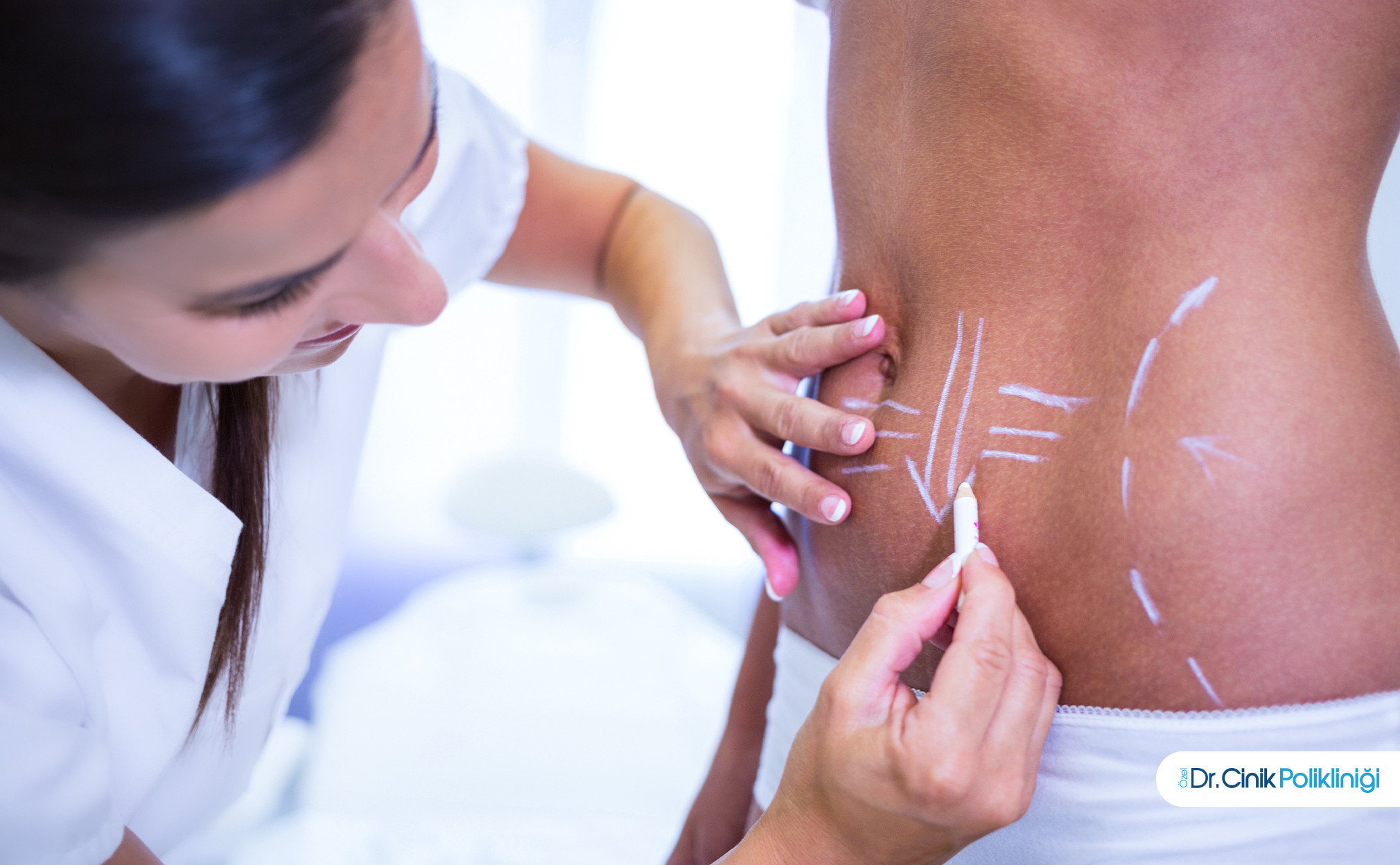
Before the procedure, physicians mark the target area and numb it with local anesthetic creams. They then inject the lipolytic solution into the fat layer using micro-needles. A session lasts approximately thirty to sixty minutes, and the patient returns to daily activities the same day. The procedure should take place under sterile clinical conditions. The physician thoroughly evaluates the anatomy of the area before making injections. Skin thickness, fat layer depth, and underlying structures are mapped.
Physicians typically use a grid marking system. This system ensures that injection points are placed at regular intervals. The amount given at each injection point varies according to the treated area. In the facial area, this amount is kept lower. In body areas, higher volumes can be used. However, too much solution should not be injected into each point. Overdose can lead to skin ulceration and painful nodule formation.
Physicians apply this method to the submental area, abdomen, waist circumference, hips, inner thighs, inner knees, upper arms, and gynecomastia areas. Injection depth and dosage vary for each area. In the facial area, injections are made at a depth of five millimeters, while in the body, injections are made at a depth of ten millimeters. The submental area is particularly the most studied and approved area for deoxycholic acid.
The American Food and Drug Administration has approved synthetic deoxycholic acid only for the treatment of submental fat. However, physicians are treating other areas off-label. The abdomen and waist circumference are areas where diet-resistant fat accumulations are commonly seen. Areas like inner thighs and inner knees can also be used to correct irregularities after liposuction. Fat deposits on the upper arms and bra line can be successfully reduced with this method. Physicians apply different techniques considering the anatomical features of each area.
A single session typically lasts between thirty to sixty minutes. Doctors usually recommend two to four sessions for most patients. There should be at least a four-week interval between sessions. This waiting period is essential for the body to eliminate fat residues and for the tissues to repair. The most noticeable improvement is observed in the first session. Subsequent sessions are performed to achieve contour correction and symmetry.
Rzany and the research team demonstrated a significant reduction in submental fat after four treatment sessions in their phase three study published in 2014. Jones and colleagues supported these findings with a similar phase three study in 2016. In both studies, sessions were scheduled approximately twenty-eight days apart. Patient satisfaction reached its highest level after completing four sessions. However, some patients achieved satisfactory results even after two sessions. Doctors personalize the number of sessions based on the patient's metabolic rate, fat thickness, and the size of the treatment area.
Individuals with a normal or near-normal body mass index, localized excess fat, and who do not wish to undergo surgery are ideal candidates for this treatment. Doctors evaluate each patient's expectations and medical history individually. This method is not a weight loss solution but a contour correction tool. Therefore, obese patients are not suitable candidates.
Doctors also examine the patient's skin elasticity. In patients with loose skin, sagging may occur after fat reduction. This situation negatively affects the aesthetic result. The ideal candidate is someone who has healthy eating and regular exercise habits but complains about stubborn fat deposits in certain areas. Doctors also want patients to realistically assess the post-treatment process. Patients with excessive expectations may not be satisfied with the results.
Doctors do not perform this treatment on individuals who are pregnant, breastfeeding, have active infections, bleeding disorders, or systemic diseases. They also exclude patients with fat metabolism disorders from treatment. These contraindications are critically important for both patient safety and treatment success.
Shridharani and Kennedy emphasized in their systematic review conducted in 2024 that most serious adverse events stem from patient selection errors. Injecting into an area with an active infection can lead to the spread of infection. In patients with bleeding disorders, the risk of excessive bleeding and hematoma at the injection sites increases. Safety data in pregnant and breastfeeding women are insufficient. Therefore, doctors exclude these groups from treatment. Additionally, caution should be exercised in areas where the marginal mandibular nerve passes. Nerve damage can lead to temporary facial asymmetry.
Researchers measure clinical efficacy through the reduction in fat volume, changes in body contour, and patient satisfaction. Imaging methods and caliper measurements provide objective data. Phase three clinical studies have proven that deoxycholic acid shows superior efficacy compared to placebo. Doctors objectively evaluate the results using both clinical scales and imaging techniques.
Rzany and colleagues reported in their multicenter study conducted in 2014 that significant improvement was noted by clinicians in seventy-nine percent of patients receiving deoxycholic acid. Jones and the research team measured a significant average reduction in submental volume using magnetic resonance imaging in their REFINE-1 study published in 2016. These studies demonstrate that the treatment is successful in both objective and subjective parameters.
Doctors measure the thickness of the fat layer using ultrasound, caliper measurements, and magnetic resonance imaging. The Global Aesthetic Improvement Scale and patient satisfaction surveys also provide subjective assessments. Ultrasound is a safe and repeatable method since it does not involve radiation. Caliper measurement is a simple and low-cost assessment tool.
Magnetic resonance imaging offers the most accurate volumetric measurement. However, it is costly and may not be available at every center. Doctors often also take before and after photos. These photos provide a visual comparison for the patient. Additionally, clinician-reported tools such as the submental fat grading scale are used. Patients assess their satisfaction on a scale from zero to six.
The disrupted fat cells are permanently eliminated, but the remaining cells may grow. Therefore, patients should maintain a balanced diet and regular exercise habits. Scientific observations indicate that the most significant improvement is seen in the first session. The human body maintains a stable number of fat cells after puberty. New adipocyte formation is rare in adults.
Duncan and Palmer demonstrated in their long-term follow-up study conducted in 2008 that there is a permanent reduction in fat volume after treatment. However, if patients gain weight, the remaining fat cells may swell. This can even be observed in the treated area. Therefore, doctors advise patients on lifestyle changes. Post-treatment massage and the use of compression garments optimize results by accelerating lymphatic drainage.
Since this method is non-surgical, the recovery time is short and it offers the possibility of local targeting. However, the requirement for multiple sessions, variability in effect duration, and the limited number of scientific evidence are notable disadvantages. The patient should weigh these pros and cons before making a decision.
Among the advantages, the lack of requirement for general anesthesia is significant. The patient remains awake during the procedure and can communicate with the doctor. No incisions are made on the skin, so scarring does not occur. The return to daily activities is typically one to two days. Pain is usually mild to moderate and can be controlled with standard pain relievers.
Among the disadvantages, the limited amount of fat that can be dissolved in each session is included. It is not possible to remove large volumes in a single session like with liposuction. Additionally, swelling and bruising after treatment may lead to social isolation for some patients. The scientific literature indicates a need for more data on long-term results.
The table below summarizes the advantages and disadvantages:
Advantages | Disadvantages |
Does not require surgery or general anesthesia | Requires multiple sessions |
Recovery time is very short | Provides limited fat reduction per session |
Offers localized targeting | Side effects can be bothersome, even if temporary |
Does not leave scars | Long-term data is limited |
Provides natural-looking results | Standardized protocols are still evolving |
Common side effects include swelling, redness, bruising, and pain. Rare complications may include nerve damage, tissue death, and infection. The American Food and Drug Administration has warned consumers about unapproved fat-dissolving injections. This warning highlights the risks of products sold online that lack clinical approval.
Pawitan reported in a systematic review conducted in 2015 that formulations containing phosphatidylcholine and deoxycholate could lead to systemic side effects. Serious adverse events such as liver failure and kidney failure were reported in this study. However, these events were observed in high-dose applications and non-standard techniques. Salti and colleagues demonstrated in their 2008 study that most side effects caused by combined solutions were mild and temporary.
Patients experience swelling, redness, and bruising at the injection site in the first days after the procedure. These symptoms usually resolve on their own within a few days. Researchers have identified these reactions as a natural part of sterile panniculitis. Panniculitis is an inflammatory condition that occurs in the subcutaneous fat tissue. This inflammation is a natural indicator of the breakdown of fat cells.
Patients may also experience temporary numbness at the injection site. This condition arises from the temporary effect on nerve endings. Some patients report nausea, diarrhea, or fatigue within the first twenty-four hours after the procedure. These systemic symptoms occur especially when the total dose exceeds three grams. Pain is usually most intense within the first few hours after injection. Cold compresses and mild pain relievers help control these symptoms.
Although rare, marginal mandibular nerve damage, skin ulceration, and granuloma formation have been reported. Incorrect intramuscular injection can lead to painful myonecrosis. To minimize these risks, physicians should use their knowledge of anatomy to inject at the correct depth. Shridharani and Kennedy reported in their systematic review in 2024 that marginal mandibular nerve damage occurs at a rate of two point one percent. This complication is usually temporary and resolves within a few weeks.
However, permanent nerve damage is theoretically possible. Skin ulceration can result from very superficial or very intense injections. In patients with a history of Koebnerized skin disease, this risk is higher. Atypical mycobacterial infections have been reported in applications performed under non-sterile conditions. Therefore, physicians ensure that injections are performed under strictly sterile conditions. The patient should avoid compressing the area after the procedure. Compression can disrupt lymphatic drainage and increase the risk of complications.
Needle lipolysis is less invasive compared to surgical methods like liposuction. Technological methods such as cryolipolysis and laser lipolysis deliver energy through the skin, while needle lipolysis applies chemical agents directly to the fat tissue. Each method has its unique advantages and limitations. The patient should choose the most suitable method in consultation with the physician.
Saedi and Kaminer examined the diversity of fat reduction technologies in their review in 2013. Garibyan and colleagues measured fat loss after cryolipolysis in three dimensions in 2014. This study showed that cryolipolysis reduces approximately twenty to twenty-five percent of the fat in the treated area per session. In needle lipolysis, this rate varies and is dose-dependent.
In liposuction, physicians physically suction out the fat and can remove large volumes in a single session. In needle lipolysis, the body naturally eliminates the broken-down fat, and the process progresses more slowly. Liposuction is an invasive surgical procedure and may require general anesthesia. Needle lipolysis is performed under local anesthesia, and the patient can return home the same day.
The recovery time after liposuction typically lasts several weeks. The patient should wear special corsets and restrict physical activity. After needle lipolysis, a return to normal life occurs within one to two days. However, liposuction offers more dramatic and immediate visible results. For patients with large volumes of fat deposits, liposuction may be more suitable. Needle lipolysis is a practical alternative for small to medium-sized areas.
Cryolipolysis freezes fat cells with cold energy, while laser lipolysis opens cell membranes with heat energy. Needle lipolysis achieves cell destruction through chemical means. All three methods offer non-surgical options, but their mechanisms of action differ. In cryolipolysis, the skin is drawn in with a suction cup and cooling is applied. This procedure can take up to an hour.
Laser lipolysis delivers heat energy through fiber optic tips. This method also provides skin tightening effects. In needle lipolysis, each fat deposit is injected separately. This situation is advantageous for small areas but can be time-consuming for larger surfaces. Pain and temporary redness are observed after cryolipolysis. Rarely, paradoxical adipose hyperplasia may develop. There is a risk of burns with laser lipolysis. In needle lipolysis, the inflammatory response is more pronounced.
The table below compares the different methods:
Feature | Liposuction | Needle Lipolysis | Cryolipolysis | Laser Lipolysis | Radiofrequency |
Invasiveness | Surgical procedure | Minimally invasive | Non-surgical | Minimally invasive | Non-surgical |
Anesthesia | General or sedation | Local cream | Not required | Local | Not required |
Recovery Time | A few weeks | One to two days | None | A few days | None |
Number of Sessions | Single session | Two to four sessions | One to two sessions | One to three sessions | Multiple sessions |
Amount of Fat Reduction | High | Medium | Medium | Medium | Low-medium |
Risk Profile | High | Medium | Low | Medium | Low |
Standards of practice vary between countries. The American Food and Drug Administration has only approved synthetic deoxycholic acid for submental fat treatment. Physicians must provide detailed information to patients before the procedure and obtain written consent. This consent form confirms that the patient understands the risks, benefits, and alternatives of the treatment.
Dunican and Patel examined the pharmacological properties and regulatory status of deoxycholic acid in their 2016 review. Watchmaker, Callaghan, and Dover discussed the expanding applications of deoxycholic acid in aesthetic medicine in their 2020 article. Some countries in Europe have approved combinations of phosphatidylcholine and deoxycholate for cosmetic purposes. However, the composition and manufacturing standards of these products vary. Physicians should verify the origin and quality certifications of the products they use. During the patient information process, the physician must clearly indicate off-label use situations.
Researchers are working on new lipolytic agents and combined treatment protocols. Personalized aesthetic applications and formulations offering a lower side effect profile hold promise for the future. However, more controlled studies are needed for long-term safety data. In the future, nanotechnology-based delivery systems targeting fat cells may be developed. These systems minimize side effects by ensuring the active substances are released only to adipocytes.
Shome, Khare, and Kapoor demonstrated that deoxycholic acid is also safe for ethnic skin types in their study on Indian patients in 2019. This finding is significant for the global standardization of the treatment. Combined treatment approaches integrate needle lipolysis with radiofrequency or ultrasonic devices. This allows for both fat reduction and skin tightening in the same session. However, physicians should carefully evaluate the safety profiles of combined protocols. Personalized medicine may enable specific dosing and agent selection for each patient through genetic analyses.
Needle lipolysis offers a safe fat reduction method with proper patient selection and expert physician application. Solutions containing deoxycholic acid and phosphatidylcholine target fat cells. Patients should have realistic expectations and maintain a healthy lifestyle. This method is not a treatment for obesity but a contour correction tool. Therefore, it should not be used for weight loss purposes.
Physicians minimize the risk of complications with anatomical knowledge and proper technique. Although scientific studies prove the efficacy of the treatment, more data is needed on long-term results. Patients must have a detailed discussion with the physician before treatment. This discussion should cover medical history, expectations, and possible side effects. Needle lipolysis will continue to be an important option in non-surgical body contouring within aesthetic medicine. However, the widespread adoption of standardized protocols and approvals from regulatory authorities is essential.
Dunican, K. C., and Patel, D. K. "Deoxycholic Acid (ATX-101) for Reduction of Submental Fat." Annals of Pharmacotherapy, 50, no. 10 (2016): 855-861.
Duncan, D. I., and Palmer, M. "Fat Reduction Using Phosphatidylcholine/Sodium Deoxycholate Injections: Standard of Practice." Aesthetic Plastic Surgery, 32, no. 6 (2008): 858-872.
Garibyan, L., Sipprell, W. H., III, Jalian, H. R., Sakamoto, F. H., Avram, M., and Anderson, R. R. "Three-Dimensional Volumetric Quantification of Fat Loss Following Cryolipolysis." Lasers in Surgery and Medicine, 46, no. 2 (2014): 75-80.
Janke, J., Engeli, S., Gorzelniak, K., Luft, F. C., and Jordan, J. "Compounds Used for 'Injection Lipolysis' Destroy Adipocytes and Other Cells Found in Adipose Tissue." Obesity Facts, 2, no. 1 (2009): 36-39.
Jones, D. H., Carruthers, J., Joseph, J. H., and others. "REFINE-1, a Multicenter, Randomized, Double-Blind, Placebo-Controlled, Phase 3 Trial with ATX-101, an Injectable Drug for Submental Fat Reduction." Surgery, 42, no. 1 (2016): 38-49.
Jung, T. W., Kim, S. T., Lee, J. H., Chae, S. I., Hwang, K. W., Chung, Y. H., and others. "Phosphatidylcholine Causes Lipolysis and Apoptosis in Adipocytes Through the Tumor Necrosis Factor Alpha-Dependent Pathway." Pharmacology, 101, no. 3-4 (2018): 111-119.
Kim, J. Y., Kwon, M. S., Son, J., Kang, S. W., and Song, Y. "Selective Effect of Phosphatidylcholine on the Lysis of Adipocytes." PloS One, 12, no. 5 (2017): e0176722.
Lichtenberg, D., Robson, R. J., and Dennis, E. A. "Solubilization of Phospholipids by Detergents. Structural and Kinetic Aspects." Biochimica et Biophysica Acta, 737, no. 2 (1983): 285-304.
Matarasso, A., and Pfeifer, T. M. "Mesotherapy and Injection Lipolysis." Clinics in Plastic Surgery, 36, no. 2 (2009): 181-192.
Pawitan, J. A. "Systemic Side Effect in Lipodissolve Using Phosphatidylcholine and Deoxycholate Containing Formula: A Systematic Review." Journal of Pharmacological Sciences, 2015.
Rotunda, A. M., Ablon, G., and Kolodney, M. S. "Lipomas Treated With Subcutaneous Deoxycholate Injections." Journal of the American Academy of , 53, no. 6 (2005): 973-978.
Rzany, B., Griffiths, T., Walker, P., and others. "Reduction of Unwanted Submental Fat with ATX-101 (Deoxycholic Acid), an Adipocytolytic Injectable Treatment: Results from a Phase III, Randomized, Placebo-Controlled Study." British Journal of , 170, no. 2 (2014): 445-453.
Saedi, N., and Kaminer, M. "New Waves for Fat Reduction: High-Intensity Focused Ultrasound." Seminars in Cutaneous Medicine and Surgery, 32, no. 1 (2013): 26-30.
Salti, G., Ghersetich, I., Tantussi, F., and others. "Phosphatidylcholine and Sodium Deoxycholate in the Treatment of Localized Fat: A Double-Blind, Randomized Study." Surgery, 34, no. 1 (2008): 60-66.
Shome, D., Khare, S., and Kapoor, R. "The Use of Deoxycholic Acid for the Clinical Reduction of Excess Submental Fat in Indian Patients." Journal of Drugs in , 18, no. 3 (2019): 266-272.
Shridharani, S. M., and Kennedy, M. L. "Management of Serious Adverse Events Following Deoxycholic Acid Injection for Submental and Jowl Fat Reduction: A Systematic Review and Management Recommendations." Aesthetic Surgery Journal Open Forum, 6 (2024): 1-9.
Thuangtong, R., Bentow, J. J., Knopp, K., Mahmood, N. A., and others. "Tissue-Selective Effects of Injected Deoxycholate." Surgery, 36, no. 6 (2010): 899-908.
Watchmaker, J., Callaghan, D. J., and Dover, J. S. "Deoxycholic Acid in Aesthetic Medicine." Advances in Cosmetic Surgery, 3 (2020): 77-87.