Yükleniyor…
Aging progresses at different rates on each person's face. The skin becomes loose. The cheeks sag downwards. The jawline becomes less defined. These changes lead many people to seek aesthetic solutions. Surgical facelift surgeries provide strong results. However, many patients do not want to go under the knife. At this point, minimally invasive methods come to the forefront. French lift is one of the most scientific and reliable examples of these methods.
Aesthetic medicine has been making significant investments in non-surgical solutions in recent years. Patient satisfaction is increasing. Recovery times are shortening. Natural appearance is being preserved. The French lift is at the center of this trend. In this article, we will discuss the scientific foundations, working principles, application steps, advantages, risks, and long-term results of the French lift. Each section will include current scientific research. Patient safety and realistic expectations will be our priority.
The French lift is a non-surgical facial rejuvenation method that mechanically lifts facial tissue with special biocompatible threads and stimulates collagen production.
The French lift is also known in aesthetic medicine as the "thread lifting method." This method places specially manufactured threads under the skin. The threads lift the sagging tissue of the face upwards. At the same time, it activates the skin's own repair mechanism. The result is both an immediate lifting effect and a tightening that increases over time.
In medical literature, this method is also referred to as "French Lift." However, in Turkish sources and clinical practice, the term "French lift" is commonly used. The roots of the method date back to the early 2000s. It was first developed by Sulamanidze and colleagues with special barbed threads for facelift techniques (Sulamanidze 367). Over time, this technique evolved. Today, safer and more effective materials are used.
The French lift works on two fundamental principles. The first principle is mechanical lifting. The threads physically push the sagging tissue under the skin upwards. The second principle is bio-stimulation. The threads are perceived as foreign bodies within the skin. This perception triggers the body's natural repair response. Fibroblasts become active. New collagen fibers are formed. Vascularization increases. Over time, the skin becomes thicker and more resilient.
A comprehensive meta-analysis published by Niu and colleagues in 2021 confirms this mechanism. The researchers show that absorbable threads improve skin quality in the long term (Niu 2148). This finding proves that the French lift is not just a temporary cosmetic solution.
Facial aging is not limited to wrinkles in the skin. Aging also affects deeper structures. The fat layers beneath the skin thin out. Muscles relax. Connective tissue weakens. The bone structure begins to dissolve. When these changes come together, the face sags downwards.
The front area of the face is particularly sensitive. The cheeks descend towards the nasolabial folds. The jawline becomes less defined. The area under the chin becomes fuller. This sagging can be corrected by "supporting the anterior column of the face." The French lift repositions this column vertically. The skin receives mechanical support. The facial contour returns to its former shape.
No. The French lift is different from classic thread lift applications. Classic methods generally use simple straight threads. These threads provide only slight support. The French lift, on the other hand, uses more advanced systems. Barbed threads, cone-shaped threads, or braided threads are preferred. These threads provide a stronger grip. Tissue support is more effective.
Tong and Rieder compared all thread lift techniques in their review article published in 2019. The researchers emphasized that different types of threads yield different clinical outcomes (Tong 931). The French lift is at the most advanced end of this spectrum. The current scientific approach requires personalized planning based on patient selection and thread type.
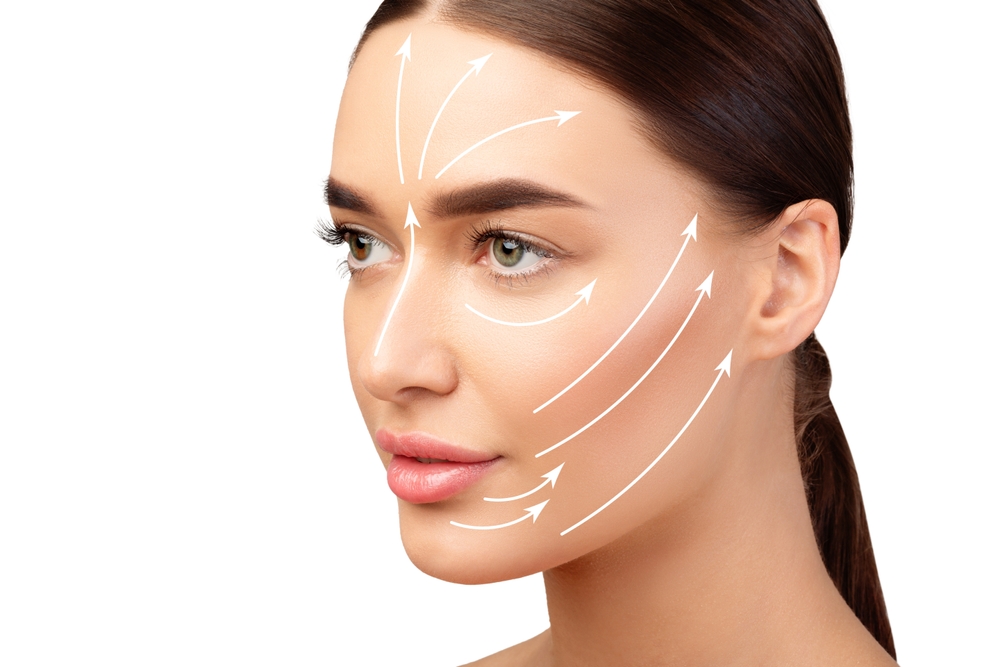
Special threads are placed under the skin. The threads mechanically lift the tissue. At the same time, they stimulate the skin's own collagen production. Over time, the skin appears tighter and younger.
The threads used in the French lift are made from biocompatible materials. The most common type is polydioxanone threads. This material has been safely used in surgery for years. Polydioxanone is completely absorbed by the body. The absorption period lasts on average six to nine months.
Some systems use a mixture of poly-L-lactic acid and polycaprolactone threads. These threads are more long-lasting. Riopelle and colleagues' systematic review in 2025 confirms the safety of absorbable threads. The researchers examined studies conducted on 818 patients. The results showed that absorbable threads have a low risk of serious complications (Riopelle 509).
The structure of the threads is also important. Barbed threads grip the tissue better. Cone-shaped threads provide support over a wider area. Braided threads offer a stronger lifting effect. The specialist physician selects the most suitable thread type according to the patient's anatomy.
Biocompatible materials are accepted by the body. These materials reduce the risk of allergies. They lower the possibility of infection. They do not cause a foreign body reaction within the skin. Polydioxanone is the gold standard in this regard.
Yoon and colleagues studied tissue changes of polydioxanone threads in a 2019 animal study on pigs. The researchers observed that new collagen tissue formed around the threads after they were placed (Yoon 885). This finding proves that biocompatible threads provide not only mechanical support but also biological renewal.
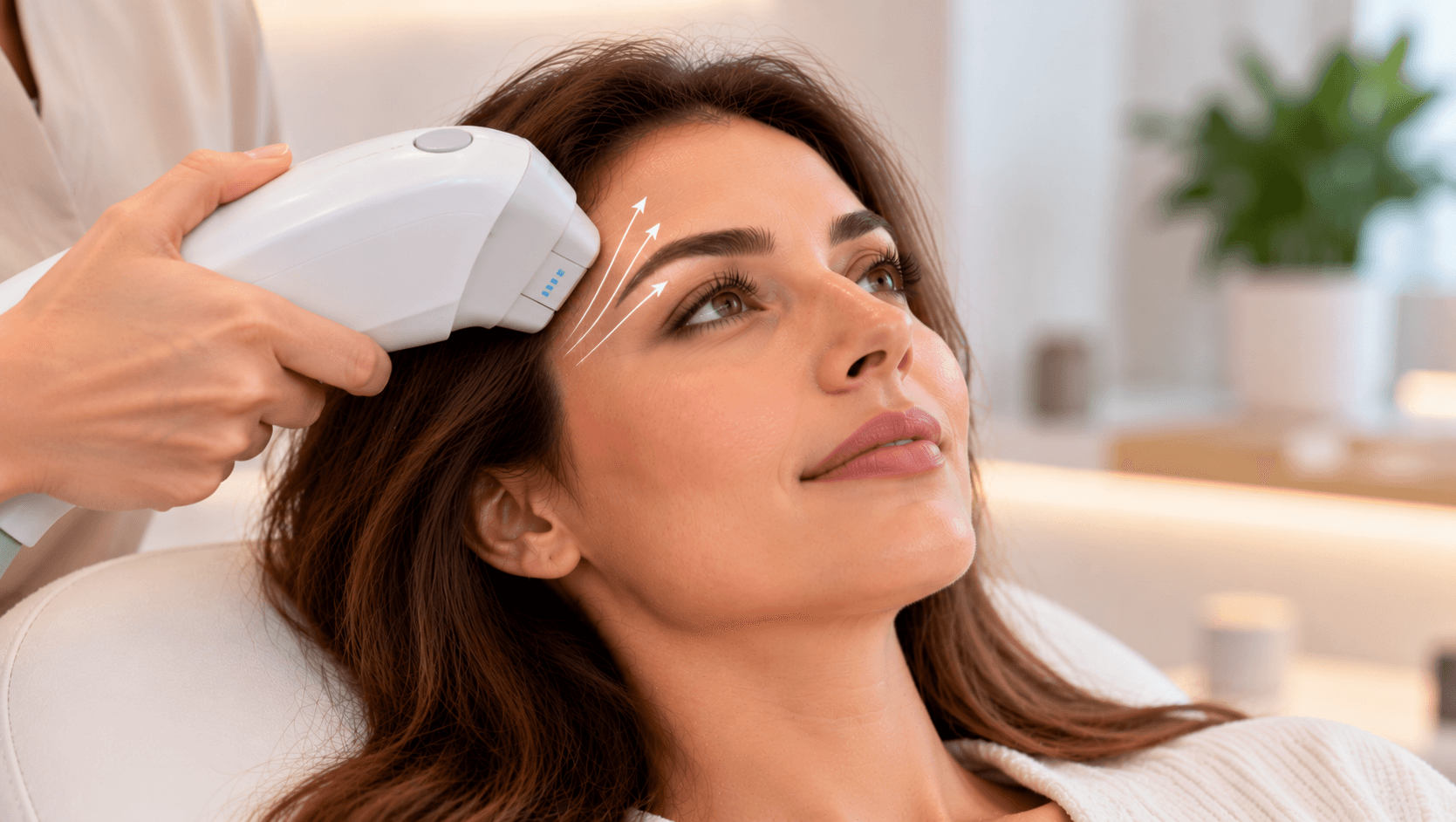
The mechanical lifting effect arises from the physical structure of the thread. The thread is placed under the skin. The thread is pulled vertically. Notches or cones hold the sagging tissue. It pulls the tissue upwards. This movement is visible instantly. The patient can see the difference in the mirror at the end of the procedure.
The mechanical effect depends on the thickness, length, and placement angle of the thread. Thicker threads provide stronger lifting. However, thicker threads may cause more noticeable swelling. Thinner threads give a more natural appearance. However, their effects may be lighter. The specialist doctor establishes this balance.
After the thread is placed in the skin, the body sends repair cells to this area. Macrophages gather around the thread. Fibroblasts are activated. Type 1 and Type 3 collagen production begins. New blood vessels form. The skin thickens. Elasticity increases.
This process becomes noticeable within four to six weeks. Suh and colleagues evaluated the results of facial rejuvenation with polydioxanone threads in their study published in 2015. Researchers observed significant improvement in patients' skin quality (Suh 720). Collagen production is the main driver of this improvement.
The skin tightens because two factors come together. The first factor is mechanical lifting. The thread holds the tissue up. The second factor is the increase in collagen. New collagen fibers support the skin. This dual effect combines over time. The skin remains elevated in position and improves in quality.
In the initial weeks, the mechanical effect is prominent. The collagen effect becomes apparent in the first three months. By the sixth month, the results peak. This staging should be explained to the patient beforehand. Realistic expectations are the key to treatment success.
The specialist doctor first evaluates the patient. Local anesthesia is applied. Special threads are placed from designated anatomical points. The procedure takes an average of 45 to 60 minutes. The patient returns home the same day.
The first step is a detailed consultation. The doctor examines the patient's facial anatomy. Evaluates skin quality. Determines the degree of sagging. Listens to the patient's expectations. Photographs are taken. Past illnesses are inquired about. A check is made for bleeding disorders. Medications used are recorded.
Based on this assessment, the doctor decides whether the patient is a suitable candidate. Patients with mild to moderate sagging are ideal candidates. Surgical options are suggested for patients with advanced sagging. Hong and colleagues emphasized in their review published in 2024 that proper patient selection directly affects complication rates (Hong 2537).
The patient should stop taking blood-thinning medications a week before the procedure. Aspirin, ibuprofen, and similar medications increase the risk of bruising. Alcohol consumption should be reduced. If smoking, it is recommended to quit. Smoking slows down healing. The skin should be cleaned. Makeup must be completely removed.
The physician sterilizes the treatment area. Prepares the necessary materials. Selects the types of threads. Prepares the anesthetic agent. All these preparations are critical for patient safety.
The French lift is usually performed under local anesthesia. The physician injects the anesthetic agent into the treatment area. This substance numbs the skin. The patient does not feel pain. However, there may be a sensation of pressure. This feeling is normal.
Sedation may also be used for some patients. Sedation relaxes the patient. However, it does not induce a deep sleep like general anesthesia. The patient continues to breathe during the procedure. The advantage of local anesthesia is that the patient can be discharged on the same day.
The threads enter from specific anatomical regions of the face. The cheek area is the most frequently targeted area. The threads progress from the middle part of the face towards the jawline. For the jawline, the threads are placed from the edge of the chin. For the neck area, the threads enter from behind the ear.
The physician can check the placement of the threads with ultrasound. This method verifies that the threads are placed in the correct layer. Threads placed in the wrong layer increase the risk of complications. Hong and colleagues stated in their study published in 2025 that anatomical knowledge is essential for procedural safety (Hong 85).
The duration of the procedure varies depending on the number of threads used and the targeted areas. A procedure applied to a single area takes 30 minutes. A full face application may take 60 to 90 minutes. The duration of the procedure also depends on the physician's experience. An experienced physician works faster and more safely.
Yes. The French lift does not require operating room conditions. The patient rests at the end of the procedure. They can go home within an hour. It is not recommended for them to drive. They should have a companion with them. They can continue normal daily activities lightly on the same day.
It can be applied to the cheeks, jawline, double chin, neck, eyebrows, midface, nasolabial folds, and marionette lines.
The cheeks are among the most prominent areas of the face. Sagging cheeks make the face look tired. The French lift lifts the cheek tissue upwards. The threads are placed from inside the cheek. The result is fuller and firmer cheeks. The facial triangle is reformed.
The jawline is a symbol of youth in the face. Sagging destroys this line. The French lift reshapes the jawline with threads placed from the edge of the chin. The threads push excess tissue upwards. The jawline becomes sharper. The facial contour returns to its former shape.
The double chin area is a challenging area where fat accumulation and sagging combine. The French lift targets the skin tissue here, not the fat tissue. The threads are placed from beneath the neck. The skin is pulled upwards. The appearance of the double chin decreases. The neck becomes more harmonious with the face.
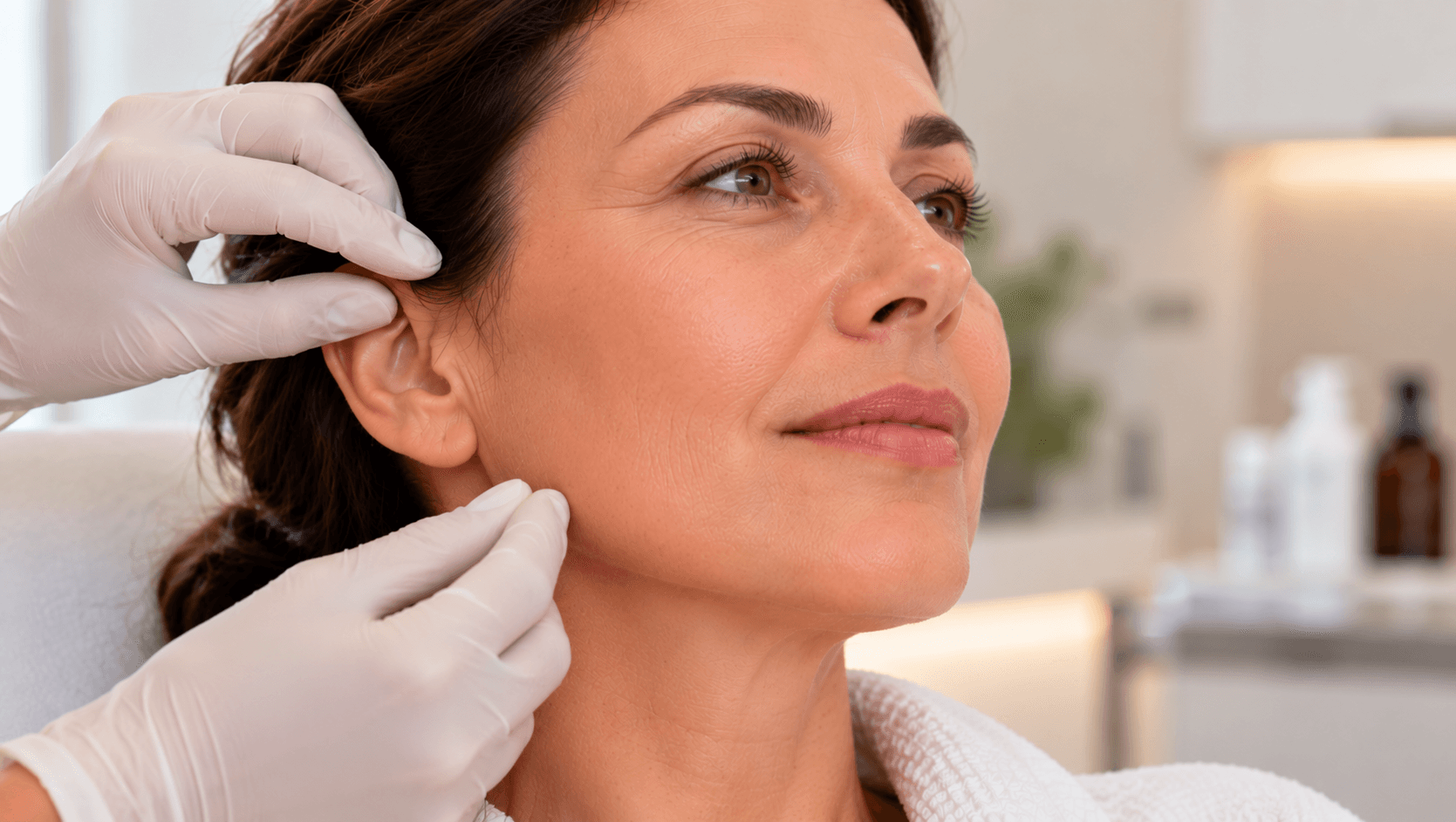
The neck reveals aging just like the face. The French lift vertically tightens the neck skin. The threads enter from behind the ears. The neck skin is pulled upwards. Wrinkles decrease. The neck gains a harmonious appearance with the face.
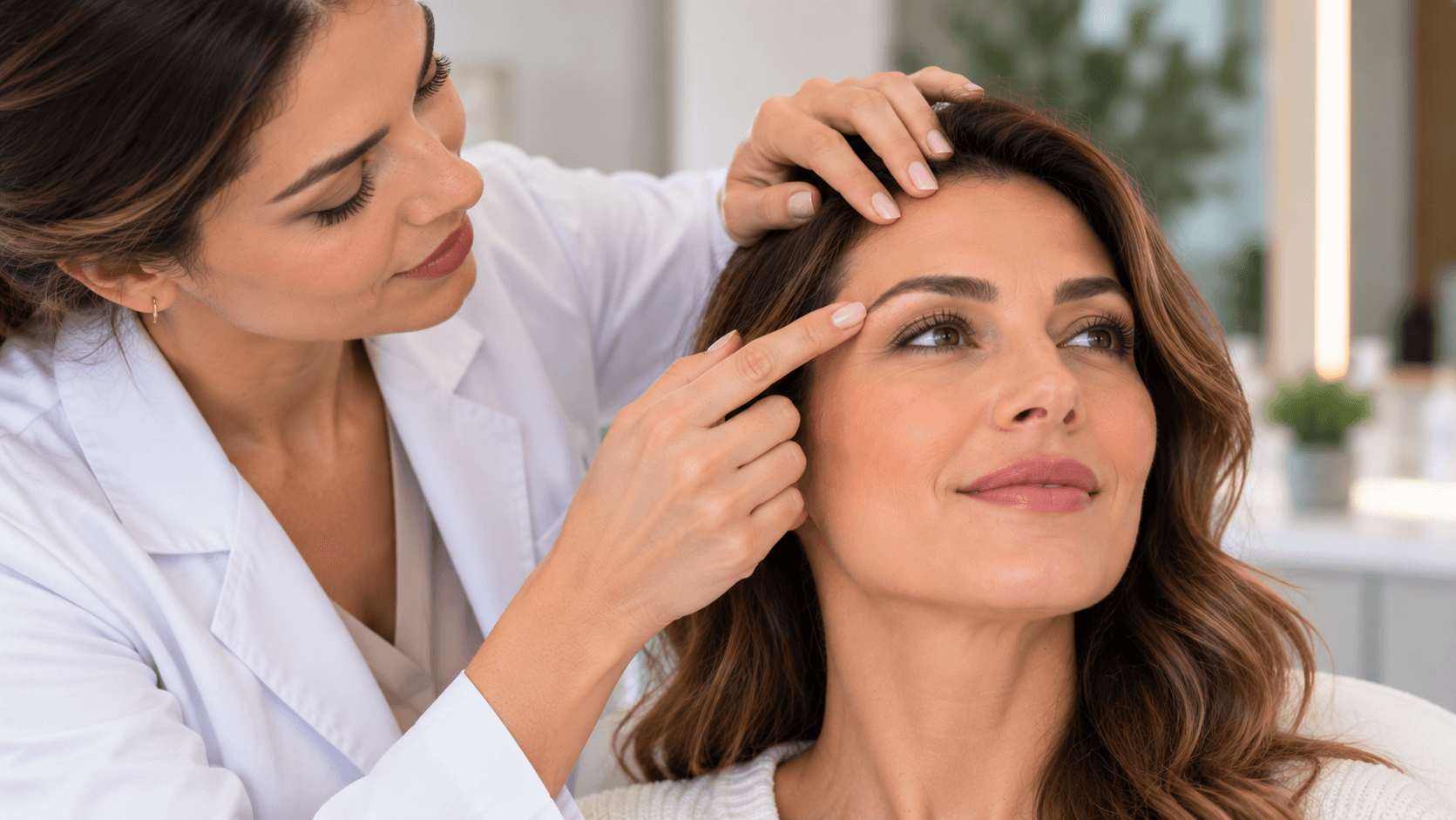
Low eyebrows make the face look sad. The French lift places special threads in the eyebrow area. The eyebrows are lifted upwards. The eye area opens up. The facial expression becomes more vibrant. This procedure should be performed carefully in patients with drooping eyelids.
The midface is the center of the cheeks. Sagging here deepens the nasolabial folds. The French lift pushes the midface tissue upwards. The nasolabial folds become shallower. The midline of the face rejuvenates.
Nasolabial folds are lines that extend from the sides of the nose to the corners of the mouth. These lines are among the most prominent signs of aging. The French lift provides improvement in this area without using fillers. The threads pull the cheek tissue upwards. The folds naturally become shallower.
Marionette lines are lines that descend from the corners of the mouth to the jawline. These lines make the face look unhappy. The French lift places special threads in this area. The corners of the mouth are lifted upwards. The facial expression becomes more positive.
Adults with mild to moderate sagging, who do not want surgery, and have realistic expectations are ideal candidates.
The ideal candidate is a person in good general health. Skin quality is moderate. The skin is neither too thin nor too thick. There is mild to moderate sagging on the face. They do not want to take the risk of surgical operation. They want to return to their daily life quickly. They prefer a natural appearance.
The French lift generally yields the best results in the age range of 35 to 55. In this age group, skin elasticity is still sufficient. Collagen production is active. The degree of sagging does not require surgery. However, it can also be applied to patients over 55. In this age group, results may be milder.
Hügül and colleagues showed in their 2022 study that age affects patient satisfaction. The researchers noted that the risk of complications is slightly higher in patients over 50 (Hügül 1936). Therefore, careful evaluation is required in older patients.
In mild and moderate sagging, the skin tissue is still of sufficient thickness. The threads can easily hold this tissue. The mechanical lifting effect is pronounced. Surgery is unnecessary. The recovery time is short. The risk profile is low. There is a cost advantage.
Absolutely yes. Many patients are hesitant to go under the knife. They do not want to take the risk of general anesthesia. They fear post-operative scars. They cannot afford a long recovery period. The French lift is a perfect alternative for these patients. The patient obtains a non-surgical facelift option.
It is not suitable for those with advanced sagging, active infections, bleeding disorders, pregnant or breastfeeding individuals, and patients with unrealistic expectations.
Severe sagging creates excess skin. The French lift cannot lift this excess. The threads push the skin upward. However, excess skin continues to sag. In this case, surgical facelift is a more accurate choice. Surgery removes the excess skin. The result is stronger and more permanent.
Yes. Threads are not placed in areas with active skin infections. The infection spreads to the treatment area. Healing is delayed. The risk of complications increases. Precautions should be taken for patients with a history of herpes. The doctor may recommend antiviral medication if necessary.
The French lift is risky for patients with connective tissue diseases. Systemic lupus erythematosus, scleroderma, and similar diseases disrupt skin healing. Collagen production is insufficient. The threads cannot hold. The result may be worse than expected.
In patients with bleeding disorders, the risk of bruising and bleeding increases. Conditions like hemophilia and thrombocytopenia should be monitored. Patients taking blood-thinning medications should stop these medications before the procedure. The doctor evaluates the risk of bleeding.
The French lift is not recommended during pregnancy and breastfeeding. Hormonal changes during this period affect skin structure. The tendency for edema increases. Pain threshold changes. The effects of anesthetic agents on the baby are unknown. Therefore, it should be waited until after pregnancy and breastfeeding.
Yes. The French lift is not a magic wand. It does not provide results as strong as surgical facelift. The patient must understand this. Excessive expectations lead to dissatisfaction. The doctor should clearly explain what is possible to the patient before the procedure.
It does not require surgical incisions. It preserves the natural facial expression. The recovery time is short. It allows for a quick return to daily life. It supports collagen production. It leaves no scars. It can be combined with other aesthetic procedures.
No. The French lift is performed with needle holes. No blade is used. No stitches are placed. No incision scars occur. This advantage is critical from an aesthetic perspective. It is a great relief, especially for patients who fear scars.
Yes. The French lift does not affect the facial muscles. It only lifts the skin and subcutaneous tissue. The facial expression remains natural. The patient can smile. They can frown. They can move their lips. There is no "mask face" appearance.
The recovery time is very short. There may be slight swelling in the first 24 hours. Bruising resolves within a week. The face returns to its normal appearance within ten days. In surgical facelifts, this period takes weeks or even months. The French lift minimally affects daily life.
Yes. The patient can return to work one to two days after the procedure. They can wear makeup. They can wash their face. They should only avoid heavy activities for a few days. This advantage is very valuable for patients with active professional lives.
Yes. The French lift provides a biological effect beyond mechanical lifting. The threads activate the skin's own repair mechanism. New collagen forms. Skin quality improves. This effect continues for months after the procedure.
No. The threads are placed with fine needles. The needle holes are very small. They close within a few days. There are no scars. Surgical facelifts leave scars behind the ears and on the scalp. The French lift completely eliminates these scars.
Yes. The French lift can be applied together with botulinum toxin, fillers, mesotherapy, and laser treatments. These combinations create a synergistic effect. The results are more comprehensive. The physician plans the sequence and timing of the procedures.
It is not as powerful as surgical facelift. Results vary from person to person. Its permanence is limited. Repeated applications may be necessary.
No. The French lift cannot reach the strength of surgical facelift. Surgical operations reshape deep tissues. They remove excess skin. The results last for ten years or longer. The French lift provides a milder effect. However, this effect is sufficient for many patients due to its non-surgical nature.
Yes. Each patient's skin structure is different. Their age is different. Their lifestyle is different. These factors affect the outcome. Some patients achieve very good results. Some patients experience a milder recovery. The physician should explain this variability to the patient before the procedure.
Yes. The effect of the French lift is not permanent. After the threads are absorbed, the mechanical support decreases. However, the increase in collagen continues for a while longer. The average duration of effect is 12 to 18 months. It can be repeated afterwards.
Yes. The procedure can be repeated as the effect diminishes. Many patients are satisfied with the results and repeat the procedure at regular intervals. Repeated treatments maintain skin quality in the long term. However, this should be evaluated in terms of cost.
There will be slight swelling in the first 24 hours. Bruising will fade in the first week. The skin will tighten in the first month. Full results will be seen in three to six months.
The first 24 hours is the most critical period. Slight swelling is normal. The face may appear puffy. There may be mild pain. The patient should apply a cold compress. They should keep their face elevated. They should avoid heavy activities. They should drink plenty of water.
Swelling gradually decreases in the first week. Bruising turns yellow. Mild sensitivity may continue. The patient should gently wash their face. They can wear makeup. However, they should avoid heavy exercise. They should refrain from facial massages.
In the first month, the skin begins to noticeably tighten. Collagen production is activated. The facial contour becomes clearer. The patient fully returns to their normal daily activities. They should attend the follow-up appointment. The doctor will evaluate the results.
Full results appear in three to six months. During this time, collagen production peaks. The skin reaches its tightest state. Mechanical and biological effects combine. The patient experiences their best appearance during this period.
Sleep with your face elevated. Do not massage. Avoid heavy exercise. Stay away from exaggerated facial expressions. Moisturize your skin. Do not skip follow-up appointments.
The patient should sleep on their back for the first two weeks. The face should not press against the pillow. The head should remain elevated. This position prevents the threads from shifting. Sleeping on the side can put pressure on the threads. It may increase facial swelling.
Facial massage can displace the threads. The threads have not yet fully anchored in the tissue. Massage movements disrupt mechanical support. No massage should be done in the first month. After that, light massage can be done with the doctor's approval.
Heavy exercise increases blood pressure. It can cause swelling in the face. It may lead to early absorption of the threads. In the first two weeks, running, weight lifting, and similar activities should be avoided. Light walking is permissible.
Excessive facial expressions apply unnecessary tension to the threads. Try not to laugh too much in the first week. Do not chew excessively. Do not open your mouth wide. These precautions help maintain the stabilization of the threads. Normal speaking and eating are not an issue.
Skin care should be kept simple. Use a gentle cleanser. Prefer a toner without alcohol. Do not neglect to apply moisturizer. Use sunscreen. Do not use products containing retinol and acids in the first month.
Follow-up appointments allow the physician to evaluate the results. Early complications are detected. Corrections are made if necessary. Patient satisfaction is measured. Follow-ups at one week, one month, and three months are standard.
Swelling, bruising, sensitivity, asymmetry, thread sensation, infection, thread migration, and rare complications may occur. However, the rate of serious complications is low.
Swelling is the most common side effect. It occurs mildly in almost every patient. It usually decreases within 48 to 72 hours. Ice compresses and keeping the head elevated help control swelling. In the meta-analysis by Niu and colleagues, the swelling rate was reported as 35% (Niu 2148). This rate includes mild and temporary swellings.
Bruising is the second most common side effect. It is more pronounced in patients with thin skin. The risk increases in patients using blood thinners. Bruising usually resolves within a week, turning yellow. It can be covered with makeup.
Yes. Mild sensitivity in the treatment area may last for a few days. This sensation is part of the tissue repair process. It can be managed with pain relief medication. Severe pain is rare. If severe pain occurs, the physician should be consulted.
Mild asymmetry is normal in the first days. The distribution of swelling may not be symmetrical. However, if asymmetry persists after the swelling subsides, correction may be necessary. The rate of asymmetry is low in experienced physicians.
Some patients may feel the threads under the skin. This sensation is normal for the first few weeks. The sensation disappears once the threads are fully integrated into the tissue. In the study by Niu and colleagues, the rate of thread sensation was reported as 4% (Niu 2148). This condition usually resolves spontaneously.
The risk of infection is low. In the meta-analysis by Niu and colleagues, the infection rate was found to be 2% (Niu 2148). Sterile techniques and proper patient selection minimize this risk. Symptoms of infection include redness, increased temperature, and pain. If these symptoms occur, antibiotics should be started immediately.
Thread migration is the displacement of the threads. Threads may shift to a different position under the skin. This can cause asymmetry or indentations in the skin. In the study by Niu and colleagues, the migration rate of absorbable threads was lower than that of non-absorbable threads (Niu 2148). An experienced physician and quality materials reduce the risk of migration.
Rare complications may include nerve damage, vascular damage, skin necrosis, and granuloma formation. These complications are very rare. They can almost be completely prevented with the correct technique and knowledge of anatomy. If a serious complication occurs, emergency intervention is required.
It lasts on average 12 to 18 months. However, age, skin quality, lifestyle, and the materials used can affect this duration.
Many factors affect longevity. Age is important. Younger skin responds better. Skin quality is important. Thick and elastic skin yields results for a longer time. Lifestyle matters. Patients who do not smoke, protect themselves from the sun, and eat healthily have longer-lasting results.
In older skin, collagen production is slow. The skin has thinned. Elasticity has decreased. Therefore, the duration of effect may be shorter in older patients. However, this is not true for every elderly patient. Older patients who take good care of their skin can also achieve long-lasting results.
Skin quality is a determinant of longevity. Thick and oily skin holds threads better. In thin and dry skin, threads may loosen earlier. Patients who maintain their skin, moisturize, and use sunscreen have longer-lasting results.
A healthy lifestyle prolongs results. Drinking plenty of water hydrates the skin. Regular sleep supports the repair process. A smoke-free life preserves vascularity. Healthy eating increases collagen production. Gaining and losing excessive weight loosens the skin. This negatively affects results.
The material directly affects longevity. Polydioxanone threads are absorbed in 6-9 months. Poly-L-lactic acid threads last 12-18 months. Polycaprolactone threads are more long-lasting. The physician selects the most suitable material according to the patient's expectations and skin type.
The average duration of effect is 12 to 18 months. After this period, the effect gradually decreases. However, improvements in skin quality can be permanent. Newly formed collagen fibers support the skin for a long time. Many patients repeat the procedure when the effect diminishes.
A French lift is minimally invasive, performed under local anesthesia, quick, heals rapidly, has limited effects, appears natural, has low risk, is cost-effective, and is for mildly sagging patients. Surgical facelift is invasive, requires general anesthesia, takes longer, has prolonged healing, has strong effects, carries higher risk, is more expensive, and is for severely sagging patients.
Comparison Title | Higher | |
French Lift | Surgical Facelift | |
Invasiveness | Minimally invasive, needle holes | Requires surgical incision |
Anesthesia | Local anesthesia or sedation | General anesthesia |
Procedure Duration | 45-90 minutes | 3-5 hours |
Recovery Time | 3-7 days | 2-4 weeks |
Longevity | 12-18 months | 10-15 years |
Naturalness | Very natural | May have post-operative scars |
Risk Profile | Low | High |
Cost | Lower | Higher |
Ideal Candidate | Mild-moderate sagging | Advanced sagging |
This table summarizes the main differences between the two methods. The choice should be made according to patient expectations and anatomical needs. Some patients may try the French thread lift first. If they are not satisfied with the results, they may opt for the surgical option. Abraham and colleagues confirmed in their 2009 study that the long-term effectiveness of thread lifting methods is limited compared to surgery (Abraham 178).
French thread lifting uses advanced thread systems. Polydioxanone, poly-L-lactic acid, and polycaprolactone threads have different properties. The French thread lift is different from spider web aesthetics and dynamic lifting systems.
Polydioxanone is the most commonly used type of thread. This material is biocompatible. The absorption period is 6-9 months. It improves skin quality. Its price is reasonable. However, its durability is shorter compared to other threads.
Poly-L-lactic acid threads last longer. The absorption period is 12-18 months. Collagen stimulation is strong. However, its price is higher. It may feel more pronounced under the skin.
Polycaprolactone threads are the longest-lasting group. The absorption period can be 18-24 months. The skin tightening effect is strong. However, the application technique is more complex. It requires experience.
French thread lifting goes beyond traditional threads. Some systems use flexible cones. These cones spread over a larger area under the skin. Mechanical support is more homogeneous. Tissue damage is less. The result is more natural.
Spider web aesthetics involves the placement of numerous fine threads in a web-like pattern. This method is suitable for mild sagging. French thread lifting uses stronger threads. It provides a more pronounced lifting effect. Spider web aesthetics focuses more on improving skin quality.
Dynamic lifting systems use permanent materials. In these systems, threads are anchored to fixed points. French thread lifting uses absorbable materials. It is a natural process. Dynamic systems provide stronger lifting. However, the risk of complications is higher. In the study by Niu and colleagues, the complication rate of absorbable threads was significantly lower compared to non-absorbable threads (Niu 2148).
It can be applied together with botulinum toxin, dermal fillers, mesotherapy, PRP, exosomes, laser, and ultrasound-based tightening.
Botulinum toxin reduces muscle movements. The French lift elevates the skin tissue. These two methods complement each other. Botulinum toxin corrects forehead lines, glabellar lines, and crow's feet. The French lift reshapes the facial contour. Moon and colleagues noted in their 2021 review that this combination creates a synergistic effect (Moon 147).
Dermal fillers address volume loss. The French lift corrects sagging. When applied together, both volume and contour improve. Cheekbones and the area around the lips can be shaped with fillers. The cheeks are lifted with the lift.
Mesotherapy injects vitamins, minerals, and amino acids into the skin. It enhances skin quality. When applied with the French lift, the skin becomes both firmer and more radiant. Mesotherapy supports collagen production. The French lift provides mechanical support.
PRP contains growth factors obtained from the patient's own blood. These factors accelerate healing. PRP application after the French lift reduces swelling. It increases collagen production. It can extend the longevity of results.
Exosomes are microvesicles that facilitate intercellular communication. They support skin rejuvenation. When combined with the French lift, skin repair accelerates. New tissue formation increases. This combination has gained popularity in recent years.
Lasers renew the skin surface. They correct pigmentation. They tighten pores. The French lift targets deep tissues. The laser targets the surface. When applied together, both deep and superficial rejuvenation is achieved. However, attention should be paid to the order of procedures.
Ultrasound stimulates collagen production by heating the tissues beneath the skin. The French lift provides mechanical support. Together, these two methods maximize skin tightening. Ultrasound can be applied first, followed by the French lift. The physician determines the most suitable protocol.
Current studies show that the French lift is safe and effective. Complication rates are low. Patient satisfaction is high. However, long-term data is limited.
In recent years, many clinical studies have been published. Riopelle and colleagues systematically reviewed studies conducted on 818 patients in 2025. Researchers observed improvements in the Global Aesthetic Improvement Scale, Wrinkle Severity Scale, and Barton Rating System values across all studies (Riopelle 509). This finding proves that the method is objectively effective.
Complication rates are low. The meta-analysis by Niu and colleagues, covering 26 studies, provides the most comprehensive data. Researchers reported edema at 35%, skin dimpling at 10%, tingling at 6%, visibility of threads at 4%, infection at 2%, and thread extrusion at 2% (Niu 2148). Serious complications are very rare.
Patient satisfaction is generally high. The immediate post-procedure satisfaction rate is around 98%. Six months later, this rate drops to 88%. This decrease is related to changing expectations over time. Still, most patients are satisfied with their results. The study by Hügül and colleagues examined the factors affecting satisfaction in detail (Hügül 1936).
Data on long-term results is limited. Most studies include follow-ups of up to two years. The review by Riopelle and colleagues noted that the longest follow-up duration is two years (Riopelle 509). After two years, the effect significantly decreases. However, improvements in skin quality may be permanent.
There are some limitations in the current literature. Most studies are retrospective. The number of randomized controlled trials is low. Long-term follow-up data is lacking. Objective measurement methods are not standardized. However, the existing evidence shows that the method is safe and effective. Kochhar and colleagues compiled minimal invasive facial rejuvenation techniques in 2022. Researchers emphasized that the evidence level for polydioxanone threads is gradually increasing (Kochhar 375).
The procedure is not painful. It lasts 45-90 minutes. Results are visible immediately. They are not permanent. Threads can be felt in the body, but this is temporary. It can be repeated. You can return to work after 1-3 days. It can be applied to men. The difference from surgery is that it is minimally invasive. It provides a natural appearance.
No. Local anesthesia completely eliminates pain. The patient only feels slight pressure. There may be mild pain after the procedure. This pain is controlled with painkillers. Most patients describe the pain as tolerable.
The duration of the procedure varies depending on the targeted areas. A single area takes 30 minutes. The full face takes 60-90 minutes. The patient lies in a comfortable position during the procedure. They can listen to music. They can chat.
Yes. The mechanical lifting effect is visible instantly. The patient can see the difference in the mirror immediately. However, due to edema, the face may appear slightly swollen. The real results emerge after the swelling subsides. Full results become apparent within three to six months.
No. French thread lifting is not permanent. The threads are absorbed over time. However, the collagen formed may be permanent. As the effect diminishes, the procedure can be repeated. Many patients prefer this method at regular intervals.
There may be a slight sensation in the first few weeks. Especially in patients with thin skin, the threads can be felt when touched. However, this sensation is temporary. Once the threads are fully integrated into the tissue, the sensation disappears. In the study by Niu and colleagues, this occurrence rate was reported as 4% (Niu 2148).
Yes. The French lift can be safely repeated. Many patients repeat the procedure when the effect diminishes. Repeated applications help maintain skin quality in the long term. It is recommended to wait at least six months between procedures.
Patients can usually return to work one to three days later. Patients with swelling may need to wait a few more days. Swelling and bruising can be covered with makeup. Patients who perform heavy physical work should wait a week.
Absolutely yes. Facial sagging is common in men. The French lift can be safely applied to male patients as well. However, male facial anatomy is different. Eyebrow lifting and jawline planning should be tailored to men. A natural and masculine appearance should be preserved.
The most important difference is the degree of invasiveness. The French lift is performed with needle holes. Surgery is done with a scalpel. The French lift is done under local anesthesia. Surgery requires general anesthesia. The French lift allows for same-day discharge. Surgery requires days of recovery.
Yes. The French lift is one of the methods that provides the most natural appearance. It does not affect the facial muscles. It only lifts the skin tissue. The patient continues to use their face with all its naturalness. There is no "surgically altered" appearance. Results develop gradually. People around cannot tell that the patient has had an aesthetic procedure. They only notice that the patient looks more rested and younger.
The French lift has established a strong position among minimally invasive facial rejuvenation methods. It is an ideal solution for patients seeking non-surgical facelifts. Scientific evidence shows that the method is safe and effective. Complication rates are low. Patient satisfaction is high.
Choosing the right patient is the key to treatment success. Patients with mild to moderate sagging achieve the best results. Surgical options should be recommended for patients with advanced sagging. Realistic expectations should always be maintained. The French lift is not a magic wand. However, it is an excellent tool for the right patient.
In light of scientific evidence, the assessment of safety and efficacy is positive. The current literature proves that the method is effective in the short and medium term. Long-term data is still being developed. However, existing findings show that it can be safely applied in clinical practice.
Expert physician evaluation is an indispensable part of treatment planning. Every face is different. Every patient is different. Personalized assessment guarantees the best result. The collaboration between the patient and the physician is the foundation of success. The French lift yields its best results with this collaboration.
Abraham, Richard F., et al. "Thread-Lift for Facial Rejuvenation: Assessment of Long-Term Results." Archives of Facial Plastic Surgery, vol. 11, no. 3, 2009, pp. 178-183.
Cobo, Raúl. "Use of Polydioxanone Threads as an Alternative in Non-Surgical Procedures in Facial Rejuvenation." Facial Plastic Surgery, vol. 36, no. 4, 2020, pp. 447-452.
Hong, Ga-Young, et al. "Revolutionizing Thread Lifting: Evolution and Techniques in Facial Rejuvenation." Journal of Cosmetic , vol. 23, 2024, pp. 2537-2542.
Hong, Ga-Young, et al. "Pre- and Post-Procedural Considerations and Thread Types for Thread Lifting." Life, vol. 15, no. 1, 2025, p. 85.
Hügül, Hande, et al. "Thread Lifting: Does Patient Satisfaction Change According to Age, Type of Threads Used, Number of Threads Used and Treatment Area?" Journal of Cosmetic , vol. 21, 2022, pp. 1936-1939.
Kochhar, Amit, et al. "Minimally Invasive Techniques for Facial Rejuvenation Utilizing Polydioxanone Threads." Facial Plastic Surgery Clinics of North America, vol. 30, no. 3, 2022, pp. 375-387.
Moon, Hyeon-Ju, et al. "A Review on the Combined Use of Soft Tissue Filler, Suspension Threads, and Botulinum Toxin for Facial Rejuvenation." Journal of Cutaneous and Aesthetic Surgery, vol. 14, no. 2, 2021, pp. 147-155.
Niu, Zehao, et al. "A Meta-Analysis and Systematic Review of the Incidences of Complications Following Facial Thread-Lifting." Aesthetic Plastic Surgery, vol. 45, 2021, pp. 2148-2158.
Riopelle, Alexandria M., et al. "Update on Absorbable Facial Thread Lifts." Surgery, vol. 51, no. 5, 2025, pp. 509-514.
Suh, Dong Hye, et al. "Outcomes of Polydioxanone Knotless Thread Lifting for Facial Rejuvenation." Surgery, vol. 41, 2015, pp. 720-725.
Sulamanidze, Marlen A., et al. "Removal of Facial Soft Tissue Ptosis with Special Threads." Surgery, vol. 28, 2002, pp. 367-371.
Tong, Laura X., and Evan A. Rieder. "Thread-Lifts: A Double-Edged Suture? A Comprehensive Review of the Literature." Surgery, vol. 45, 2019, pp. 931-940.
Yoon, Jeong Hee, et al. "Tissue Changes Over Time After Polydioxanone Thread Insertion: An Animal Study with Pigs." Journal of Cosmetic , vol. 18, 2019, pp. 885-891.