Yükleniyor…
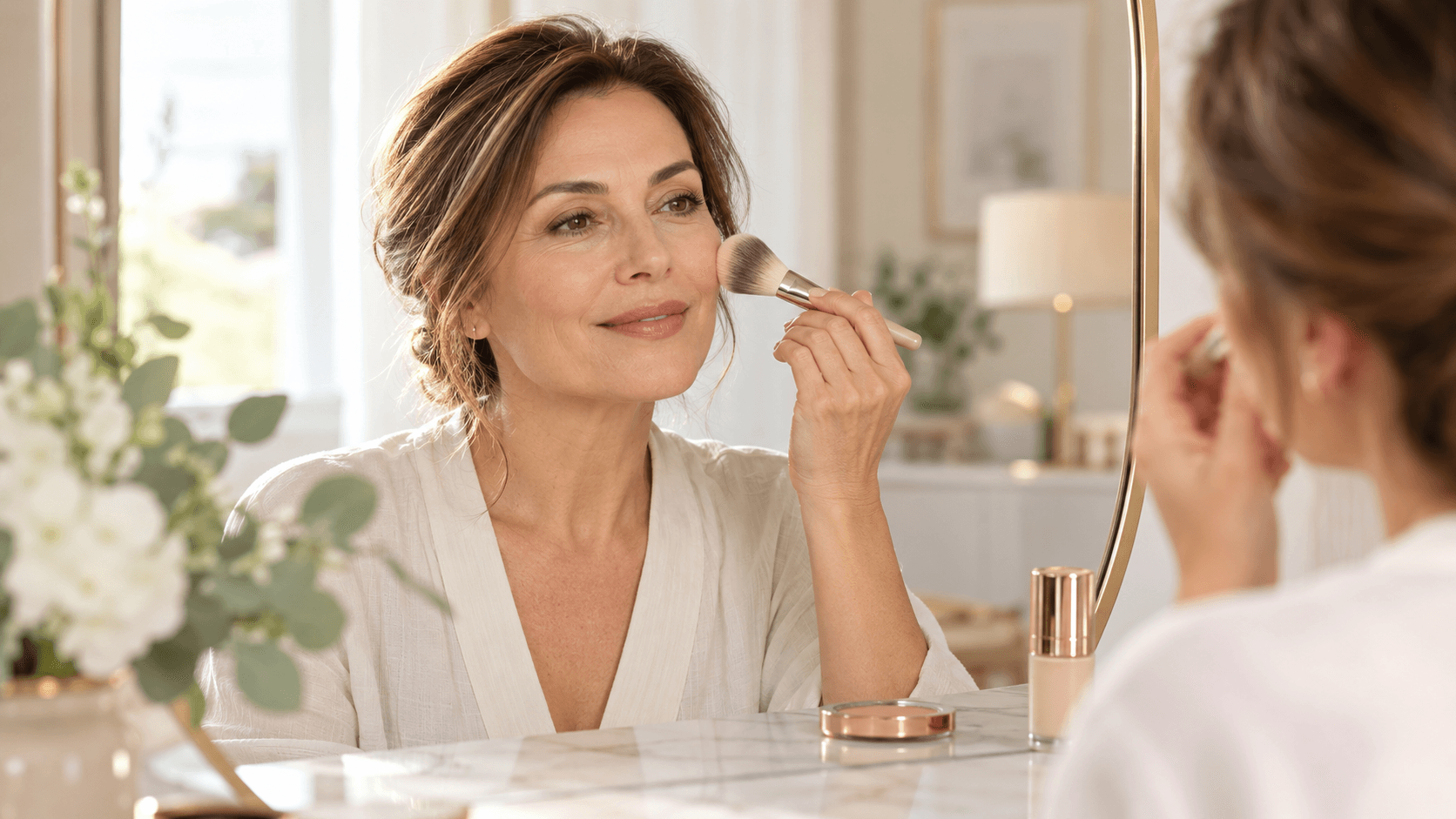
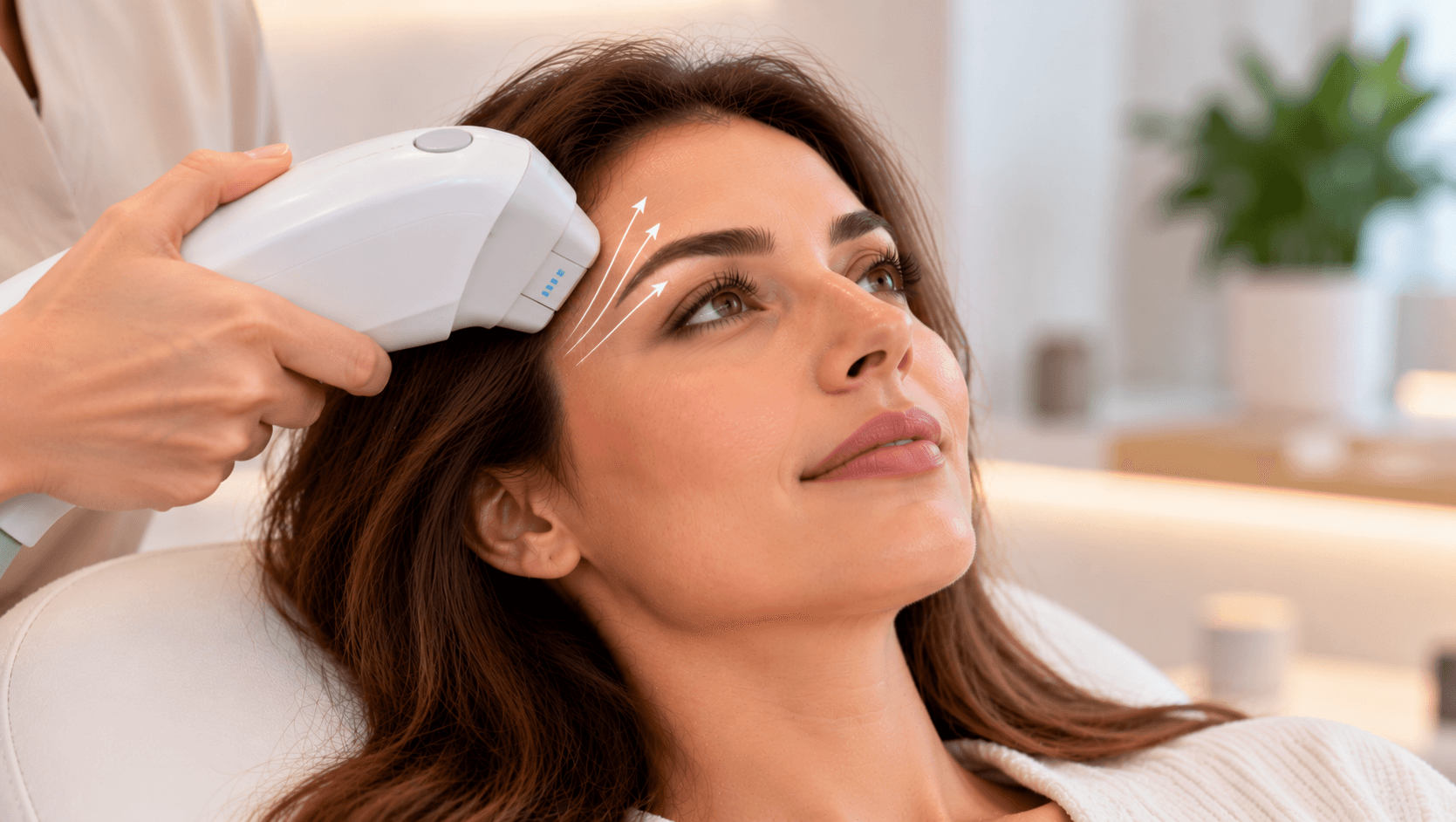
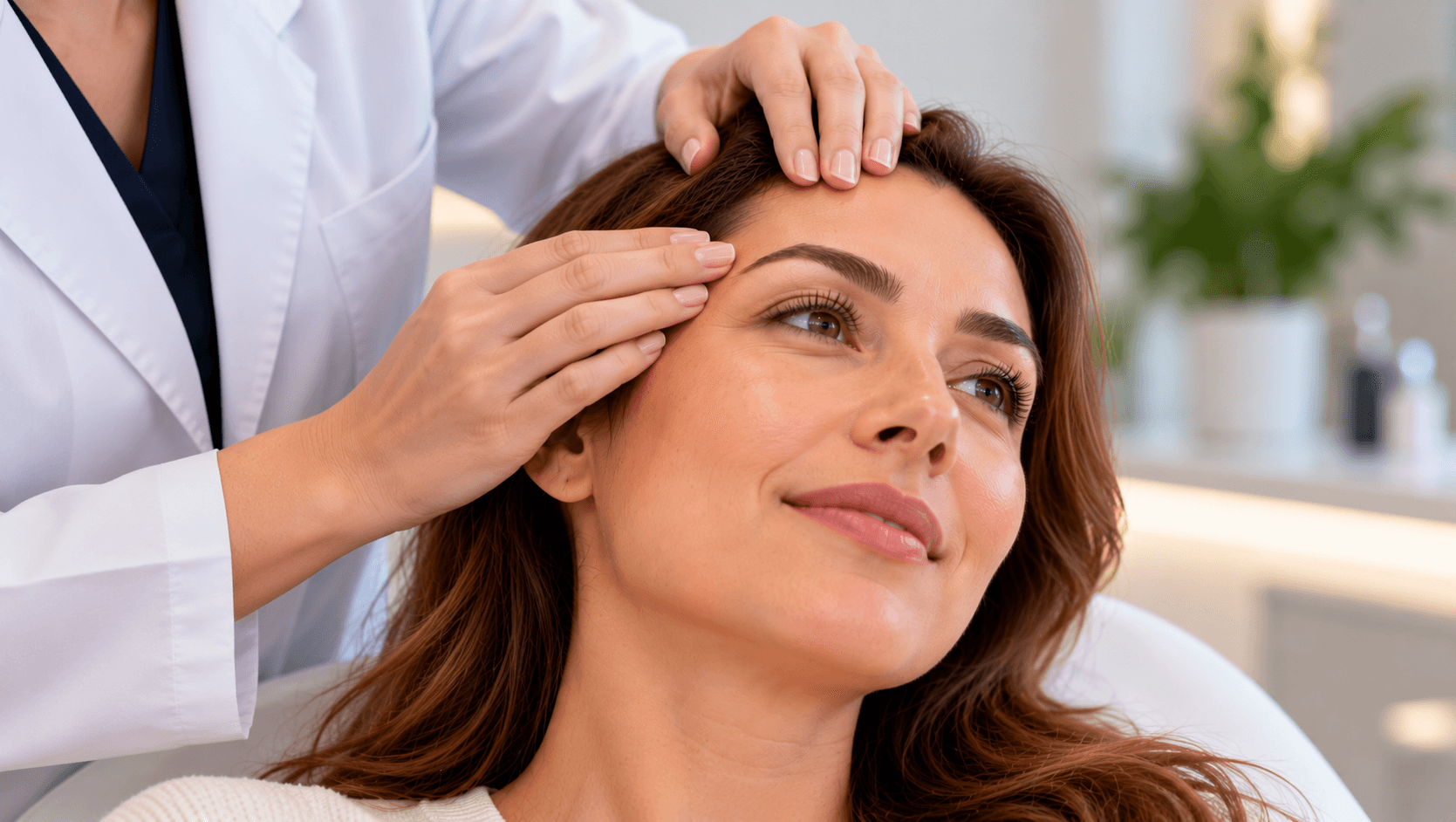
Makeup can generally be applied 24 to 72 hours after the French lift, once the entry points are completely closed and with the doctor's approval. The French lift is a minimally invasive aesthetic procedure in which special threads are placed under the skin to lift facial tissue (Sulamanidze et al., 2002). Since the threads are passed through small entry points in the skin, the healing of these points directly determines the timeline for returning to makeup. Each needle entry in the skin is actually a micro-level wound, and the body repairs these areas through inflammation, tissue formation, and remodeling stages (Gurtner et al., 2008). This article explains the time required for a safe return to makeup, the expected signs of healing, the selection of the right products, and the rules of cleanliness within a scientific framework.
For most people, the safe start for makeup is 48 to 72 hours after the procedure, but the exact decision depends on the closure of the entry points and the doctor's approval.
In the first 24 hours, the entry points are still open micro-wounds, creating a direct pathway for bacteria. Between 24 and 48 hours, most points begin to close at the surface, but the repair process continues beneath the tissue. After 72 hours, makeup can be considered in most cases. This range is an average value; skin type, age, and the technique applied can shorten or lengthen the time (Martin, 1997).
Day | Condition of Entry Points | Makeup Status |
Day 1 | Open micro-wound | Absolutely none |
Day 2 | Surface closure begins | None without doctor's approval |
Day 3 | Most points are closed | May be limited to light products |
Day 4 and beyond | The closure has been completed | Gradual return is possible |
Applying makeup immediately increases the risk of infection, irritates the healing tissue, and risks the position of the threads by unnecessarily stretching the skin during cleansing.
In the initial days, the goal is to protect the infection barrier. Makeup products and applicators can carry bacteria on the surface, and these microorganisms can easily progress through open entry points. Additionally, healing skin is temporarily more sensitive to the coloring and preservatives in makeup. The pressure and friction created by brushes and sponges during application can also strain the still-settling tissue. Rubbing during makeup removal pulls the skin and puts tension on the connective tissue where the threads are anchored.
There should be no open wounds, leakage, increased redness, or signs of infection; entry points should be closed, and swelling and bruising should have noticeably decreased.
Check the skin before starting makeup. Crusting at the needle entry points should be complete, and the surface should be closed. There should be no pain or warmth when touched. Redness is a natural part of the initial days, but it should decrease over time; an increase raises suspicion of infection (Gurtner et al., 2008). Swelling and bruising vary from person to person, and it is not necessary to wait for them to completely resolve, but they should stabilize and start to diminish.
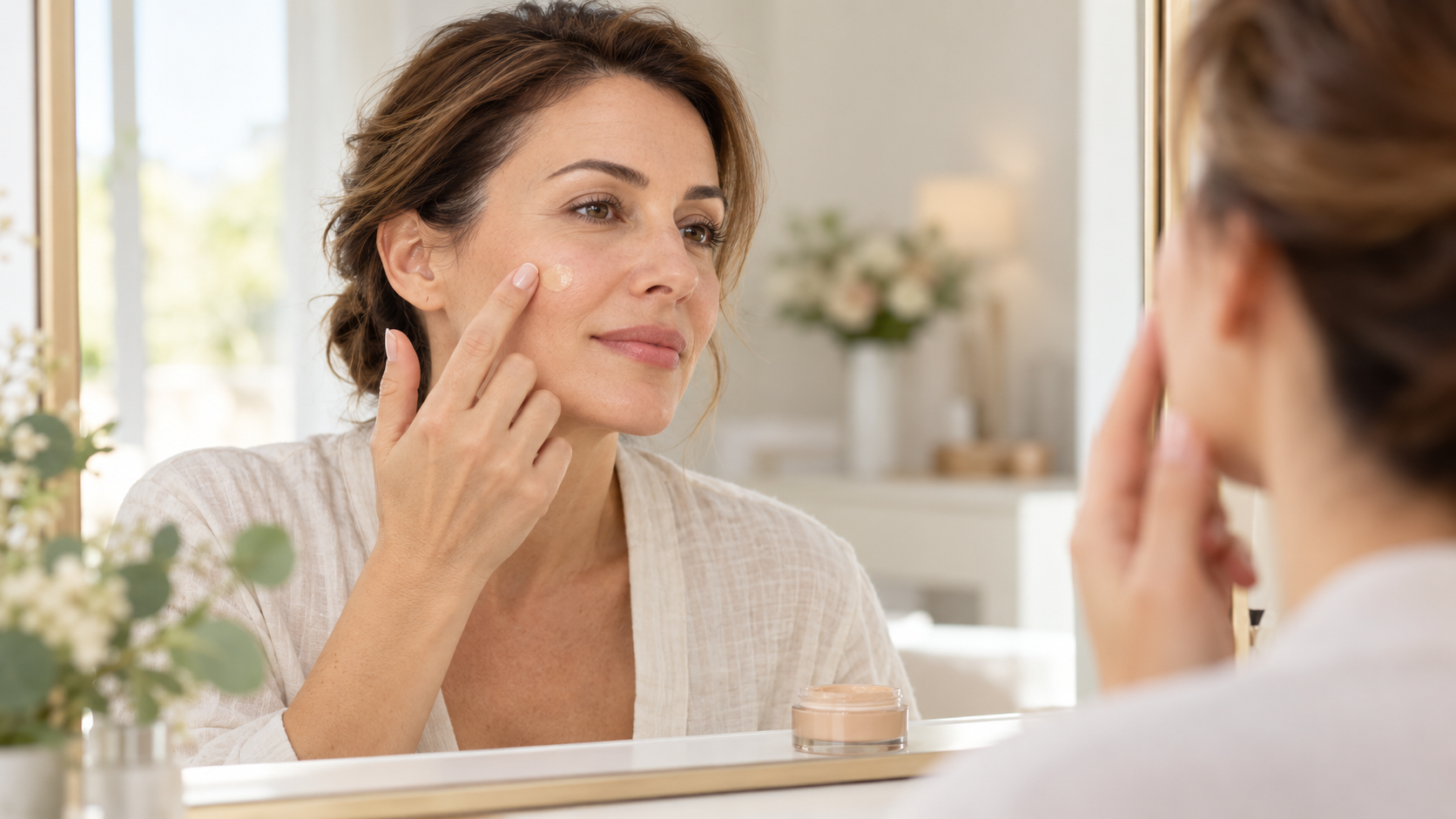
In the first application, the product should be applied with light touches using the fingertips without pulling or pressing on the skin, and the entry points should be left bare.
Gentle application techniques are based on two rules: not to mechanically stress the skin and to prefer upward movements along the line where the threads pass. Instead of pressing and sliding the makeup sponge on the skin, use light tapping motions. Starting with a small amount of product reduces the risk of irritation and allows for observation of the skin's reaction to the product.
Lightweight, mineral-based, fragrance-free products with low allergy risk and non-comedogenic properties should be preferred; new products that have never been used should not be tested during the healing period.
The concept of comedogenicity, or pore-clogging, is one of the fundamental topics in cosmetic , and it has been scientifically shown that certain cosmetic ingredients can trigger the formation of blackheads (Kligman and Mills, 1972). The carrier structure of mineral-based formulas is more advantageous in this respect; it has also been experimentally confirmed that mineral oils are non-comedogenic (DiNardo, 2005).
Product type | Condition during recovery period | Reason |
Mineral-based powder and foundation | Preferred | Low ingredients, low irritation potential |
Fragranced products | To be avoided | Risk of chemical irritation and contact dermatitis |
Heavy concealers | To be postponed | Thick layer suffocates the skin, difficult to clean |
Water-based light products | Suitable | Easily cleaned, does not clog pores |
Light concealers can be used after the entry points have closed; heavy foundations should be postponed until the skin is fully healed.
The difference in concealers is that they are limited to the area applied and are thin-layered. Heavy foundation is applied over the entire surface and requires longer friction during cleaning. Both products should never be applied directly over the entry points. If there are bruises, they should be covered with spot and light touches without pressing on the tissue; remember that makeup does not speed up healing, it only temporarily improves appearance.
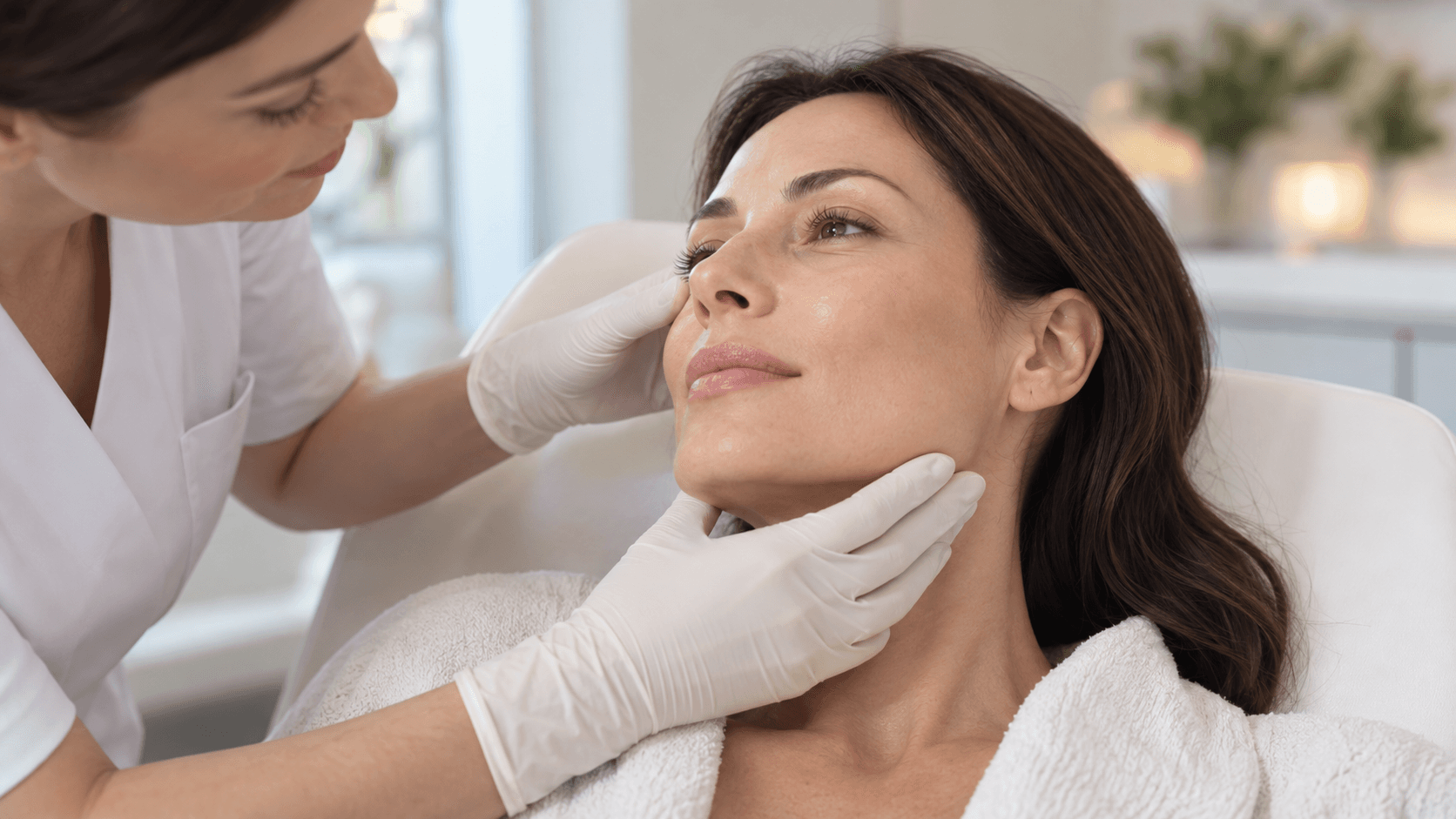
It should be cleaned with a fragrance-free, gentle cleanser, without rubbing and applying pressure in the direction of pulling; it should be done without pressing with a towel.
Choosing a cleanser is critical for protecting the skin barrier; aggressive cleansers damage barrier lipids and weaken healing tissue (Draelos, 2018). When removing makeup, prefer smooth transitions instead of circular motions with your fingertips. Do not apply direct pressure on the areas where the threads are placed during cleansing. When drying the skin after cleansing, press the towel against the surface instead of rubbing.
Makeup should be postponed if there are open or unhealed entry points, increased redness, warmth, pain, discharge, significant sensitivity, or if there is no doctor's approval.
These conditions may be signs of infection or inadequate healing. Discharge from entry points, a feeling of increased warmth in the area, and worsening pain should be taken seriously. Makeup can complicate diagnosis and increase bacterial load if these symptoms are present.
It is necessary to limit facial movements during application and cleansing, use gentle upward touches, and avoid all massage and vigorous rubbing movements.
The threads are in the process of adhering to the surrounding tissue during the first weeks after placement, and mechanical tension can negatively affect this process. Therefore, facial massage, gua sha-like stone applications, and harsh brushing movements should be completely avoided during the healing period. All contact with the skin should be planned according to the principle of minimal pressure.
The return time is determined by the thread technique used, the condition of the entry areas, the skin's healing speed, the level of swelling and bruising, other simultaneous procedures, and the physician's personalized recommendations.
An application limited to single threads requires different healing times compared to a more comprehensive thread planning. If additional procedures such as fillers or skin rejuvenation are performed in the same session, the makeup schedule is determined based on the healing of the latest procedure. Factors such as smoking, diabetes, and malnutrition can slow down tissue repair (Sen et al., 2009). Therefore, general timelines are guiding, but the final decision should be made with the physician at each follow-up.
If healing takes longer than expected, if redness or pain increases after makeup, if there is discharge and significant swelling at the entry points, or if the thread becomes visible from the outside, you should consult a doctor.
Unusual color changes in the skin, severe pain, and noticeable shifting of the thread under the skin are also conditions that require evaluation. These symptoms should not be postponed or attempted to be covered with makeup; as cosmetic coverage can hide an underlying issue that may progress and delay diagnosis.
Waiting for physician approval, not applying makeup until the entry points are closed, using clean applicators, choosing light and skin-friendly products, and not unnecessarily manipulating the skin during healing are the fundamental rules.
The common goal of these rules is to prevent infection and maintain the retention process of the threads. Wound healing is a time-dependent biological process, and it is not possible to shorten this duration with cosmetic products (Martin, 1997). A patient and clean approach ensures both healthy results and a lasting aesthetic effect.
Below you can find the scientific and practical answers to the most common questions.
No. The entry points are open micro-wounds in the first 24 hours, and the risk of infection is highest. Makeup should be completely avoided during this period.
It is safe to use light foundation after the entry points have closed and the physician has given approval. Heavy foundations should be avoided in the first weeks.
Yes. Mineral-based products contain fewer ingredients, have a lower irritation potential, and pose a lower risk of clogging pores (DiNardo, 2005).
No. The area over the entry points should be left bare during application, and pressure should not be applied to these points during cleaning.
Makeup applied with gentle and light touches does not shift the threads. However, firm pressing, rubbing, and massage movements can jeopardize the position of the threads in the early period.
Choose a fragrance-free and gentle cleanser, do not rub, pull, and avoid applying direct pressure to the areas where the threads are located (Draelos, 2018).
If the redness is decreasing and the entry points are closed, light makeup can be applied. If the redness is increasing or accompanied by warmth, makeup should be postponed, and a physician should be consulted.
For most people, a full return to the normal makeup routine is possible within 7 to 14 days. The exact duration is determined by the approval given by the physician during the follow-up examination.
DiNardo, Joseph C. "Is Mineral Oil Comedogenic?" Journal of Cosmetic , vol. 4, no. 1, 2005, pp. 2-3.
Draelos, Zoe D. "The Science Behind Skin Care: Cleansers." Journal of Cosmetic , vol. 17, no. 1, 2018, pp. 8-14.
Gurtner, Geoffrey C., et al. "Wound Repair and Regeneration." Nature, vol. 453, no. 7193, 2008, pp. 314-321.
Kligman, Albert M., and O. H. Mills. "Acne Cosmetica." Archives of , vol. 106, no. 6, 1972, pp. 843-850.
Martin, Paul. "Wound Healing: Aiming for Perfect Skin Regeneration." Science, vol. 276, no. 5309, 1997, pp. 75-81.
Sen, Chandan K., et al. "Human Skin Wounds: A Major and Snowballing Threat to Public Health and the Economy." Wound Repair and Regeneration, vol. 17, no. 6, 2009, pp. 763-771.
Sulamanidze, Marlen A., et al. "Removal of Facial Soft Tissue Ptosis With Special Threads." Surgery, vol. 28, no. 5, 2002, pp. 367-371.