Yükleniyor…
Laser eyebrow lifting is not permanent. The procedure may provide a feeling of skin tightening and a more refreshed appearance. However, the results are often limited, develop gradually, and change over time. Longevity depends on the device’s energy modality, skin thickness, collagen loss, sun exposure, smoking, and the eyebrows’ initial position. Therefore, the promise that the results will “last a lifetime” should be approached with scientific caution (Fisher et al. 2002; Manstein et al. 2004).
The term laser eyebrow lifting refers not to cutting the eyebrow muscle or surgically repositioning the eyebrow tissue upward, but to improving the appearance by stimulating the skin’s surface with controlled heat. The goal is not to completely alter the position of the eyebrow tail, but to reduce the perception of laxity around the forehead and eyebrows. Scientific studies show that collagen loss, disruption of elastin organization, and photodamage play significant roles in skin aging (Fisher et al. 2002). Lasers may activate certain tissue renewal processes. However, this effect does not permanently change tissue position like surgical eyebrow lifting.
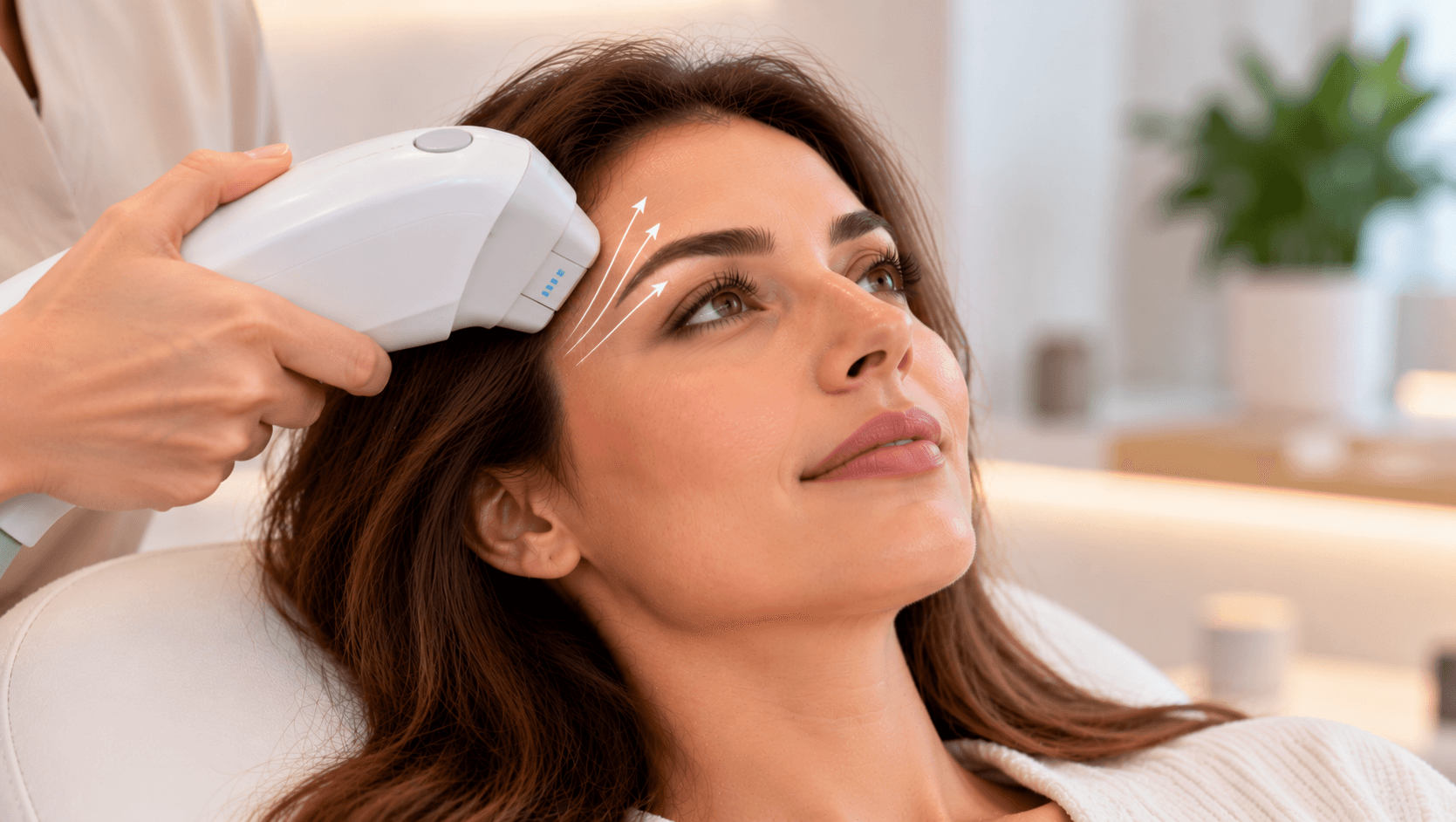
Laser eyebrow lifting is a non-surgical skin rejuvenation approach that delivers light energy to the skin layers in a targeted manner. The heat creates a controlled tissue response. This response may support collagen organization and give the skin a tighter appearance. However, the method is not an intervention that lifts the eyebrow muscle. The concept of fractional photothermolysis indicates that microscopic thermal injury activates the repair process in the surrounding tissue (Manstein et al. 2004).
Four concepts should be clearly distinguished in this section. The first is brow ptosis. Brow ptosis is the downward descent of the eyebrow tail, creating a tired expression over the upper eyelid. The second is collagen. Collagen is the structural protein that provides the skin with strength and fullness. The third is skin elasticity. Elasticity is the skin’s ability to return to its original shape after being stretched. The fourth is photodamage and chronological aging. Together, they weaken the dermis’s support system (Fisher et al. 2002).
Laser light can affect target chromophores and water at different wavelengths. Non-ablative methods aim to heat the dermis while preserving the epidermis. Ablative fractional methods, on the other hand, target more pronounced resurfacing. This difference directly affects recovery time and the risk of side effects. The outcome also depends on the dose, spot density, energy level, and interval between sessions (Manstein et al. 2004).
Heat creates a short-term stress response in the dermis. This response may stimulate fibroblasts and support the synthesis of new collagen. The effect does not appear immediately as a noticeable lift. The tissue response matures over days and weeks (Manstein et al. 2004).
Collagen production is not a one-time switch. During repair after injury, the skin reorganizes matrix proteins. Cellular signals, growth factors, and inflammatory balance work together throughout this process. Excessive energy, however, increases the risk of burns, crusting, or pigment changes instead of the desired rejuvenation. Therefore, the goal is not the highest energy level, but a balanced dose appropriate for the skin type.
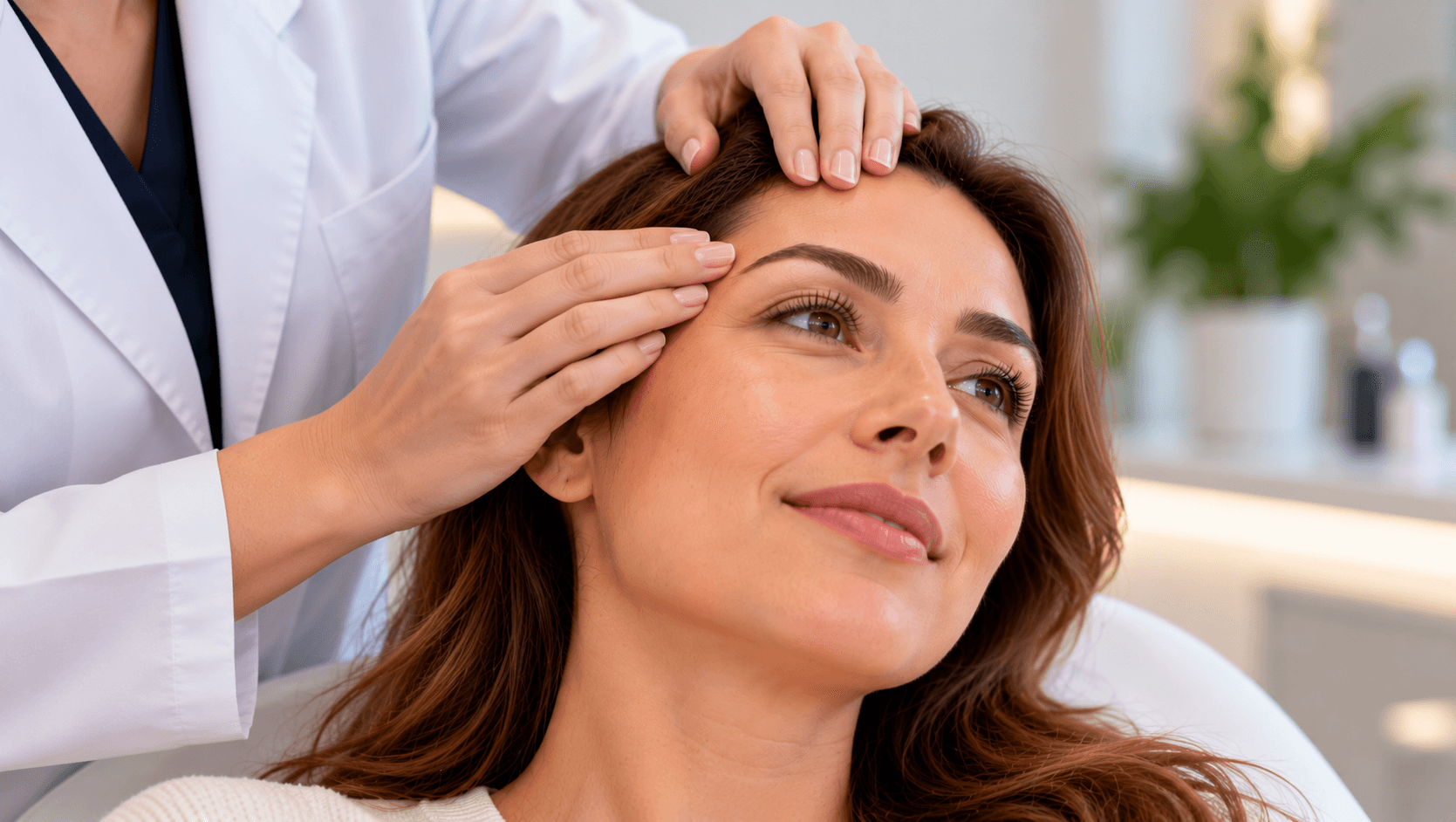
Although they occur in the same visible area, they are not all the same anatomical issue. If the tail of the eyebrow is not positioned high enough, laser treatment may only improve skin tone. If forehead laxity is pronounced, the effect may be more limited. If there is excess upper eyelid skin, the issue is excess tissue rather than skin laxity.
Laser skin tightening does not reduce skin hanging over the upper eyelid. Botulinum toxin can temporarily alter the muscle balance around the eyebrows (Ahn et al. 2000). Surgical brow lifting, on the other hand, repositions the tissue. Confusing these three mechanisms can inflate expectations and increase dissatisfaction.
Redness and a warm sensation may occur in the early period. The initial appearance generally diminishes within a few days. The collagen-related effect is usually noticed over the course of several weeks. The final assessment should not be rushed. A specific timeline does not produce the same results for every skin type (Manstein et al. 2004).
The skin may be sensitive during the first few hours after the procedure. This is usually temporary. Later, early impressions such as smoother skin texture and radiance may become apparent. These result from rapid changes in skin tone. The main tightening effect develops more slowly because dermal remodeling is a cellular process (Fisher et al. 2002).
The device used is important. Non-ablative systems offer a shorter recovery period. Fractional ablative systems may target more powerful resurfacing. However, the risks and time required to return to social activities also increase. The energy selected by the specialist, the number of passes, and the treatment plan affect the outcome. Therefore, there is no single scientific answer to the question, “How many days does it take?”
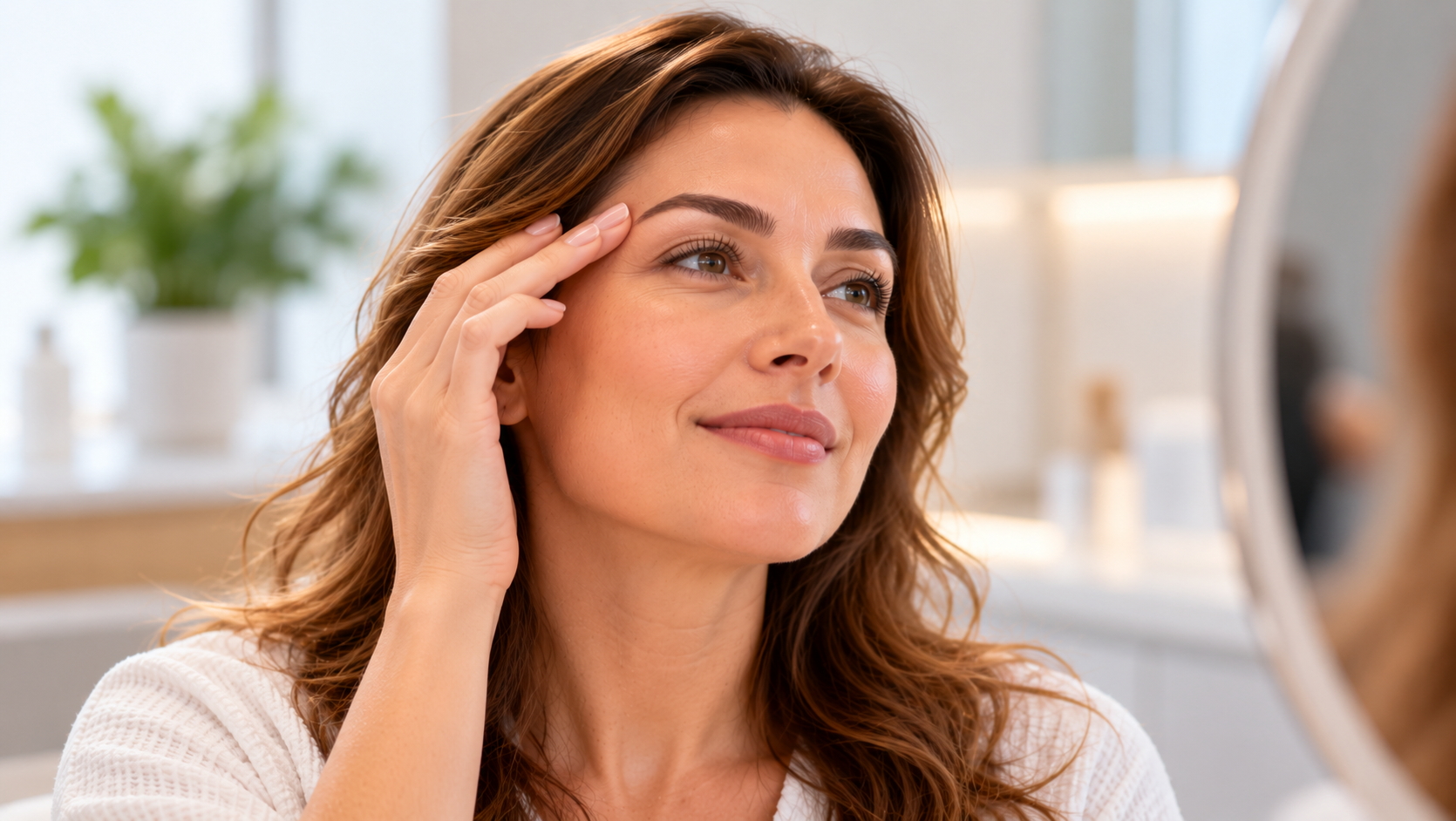
No single factor determines longevity on its own. Age, skin elasticity, the degree of brow drooping, device type, genetic makeup, sun exposure habits, smoking, and skin care all have an impact. The strongest determining factor is how mild the initial problem is.
Factor | How it affects the outcome | Sign to monitor |
Age and elasticity | As collagen loss increases, the duration of the effect may decrease | A decrease in the skin’s rate of recovery |
Degree of brow drooping | Results are more noticeable with mild laxity | The starting position of the brow tail |
Device and protocol | The energy modality changes the balance between recovery and risk | Number of sessions and intensity of passes |
Genetic structure | Bone structure, fat, and skin thickness make a difference | Different appearances at the same age |
Lifestyle | Sun exposure and smoking accelerate renewed damage | Blemishes, dryness, and a tendency toward laxity |
For mild laxity, laser treatment may create a more refreshed appearance by improving skin tone and texture. In cases of pronounced brow drooping, the same method may be insufficient because the problem lies not on the skin’s surface but in the brow support system. This distinction is the most critical consideration when searching for “non-surgical brow lift.”
Sun exposure contributes to the photoaging process. Smoking, meanwhile, impairs vascular health and oxygen transport. Regular moisturizing and appropriate photoprotection may help support the visible duration of the results. They do not provide miracle protection, but they may slow the rate of damage (Fisher et al. 2002).
Laser uses light energy. Focused ultrasound concentrates sound waves on deeper targets. Radiofrequency converts electrical energy into heat. These methods are not the same technology, and their results should not be considered equivalent (Alam et al. 2010; Zelickson et al. 2004).
Feature | Laser | Focused ultrasound | Radiofrequency |
Energy form | Light | Focused sound wave | Alternating current heat |
Target depth | Varies depending on the device and wavelength | Can be directed toward deep support planes | Used in dermal and more superficial planes |
Recovery profile | Wide range depending on the technique | Generally a short social recovery period | Short in most applications |
Expectations for the eyebrow area | Skin tone and impression of firmness | Sensation of tissue firmness | Sensation of superficial tightening |
Key limitation | Does not lift the brow tissue | May not be the same for every brow type | May not correct significant drooping |
Focused ultrasound studies have reported gradual improvements in facial and neck firmness. Nevertheless, these findings do not prove the durability of specific devices (Alam et al. 2010). Radiofrequency studies focus on dermal remodeling and superficial tightening (Zelickson et al. 2004). Device selection should be based on the treatment goal and expert assessment. The brand name alone should not be the deciding factor.
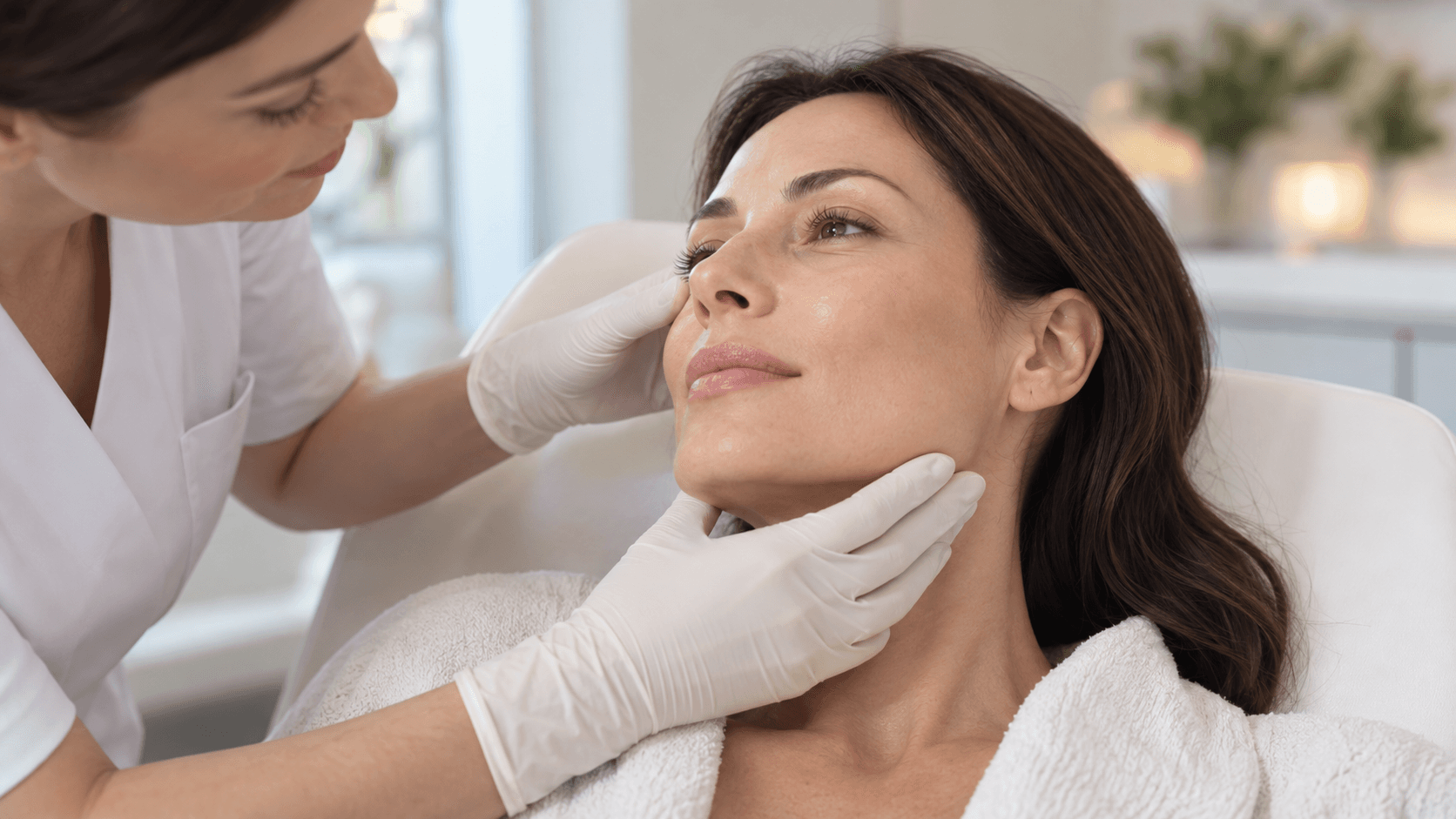
The most suitable candidate is someone with mild laxity around the brows who is considering nonsurgical options and has realistic expectations. If there is significant brow drooping, laser treatment may be insufficient. The final decision is made after evaluating the skin type, medical history, and medication use.
This approach is the first step in addressing the question of “brow lifting methods.” The individual should first define their goal. Do they want to improve skin tone, or significantly elevate the tail of the brow? For the first goal, nonsurgical options may be appropriate. For the second, a surgical assessment may be considered.
Suitability assessment should not be superficial. Skin type, a history of sunburn, a tendency toward postpartum pigmentation, a history of keloids, active infections, isotretinoin use, and certain medications that affect the immune system should be discussed. This information changes the risk profile. A qualified healthcare professional should consider the device and the patient’s expectations together.
The most common effects are temporary redness, sensitivity, a warm sensation, and mild swelling. At higher energy levels, burns, crusting, infection, pigment changes, and scarring may occur. Treatment that is unsuitable for the skin type increases the likelihood of complications (Manstein et al. 2004).
The risk profile of laser treatment differs from that of surgical brow lifting. Surgical methods involve anesthesia, wounds, scarring, and tissue trauma. With laser treatment, uncontrolled heat, incorrect targeting, and excessive dosing are the primary risks. Therefore, the term “milder” does not mean “risk-free.” Every method has its own safety limits.
Medical evaluation is necessary if severe pain, blistering, widespread crusting, open wounds, increasing redness, or changes in skin color persist. Early communication is important for reducing the risk of permanent effects. A scientific approach clarifies the follow-up plan rather than making promises.
During the initial period, the care plan provided by the specialist should be followed. Sun protection is essential. While sensitivity persists, irritating acids, granular cleansers, and vigorous rubbing should be avoided. The time to resume makeup, sweat-inducing exercise, and active skincare products varies depending on the treatment.
The skin barrier may become temporarily sensitive after the procedure. During this period, simple care is safer. The washing water should be lukewarm. Gentle patting dry should be preferred instead of rubbing with a towel. Photoprotection products should be suitable for the skin type and used in a sufficient amount. Regular sunscreen use plays a critical role in managing the risk of pigmentation (Fisher et al. 2002).
The follow-up appointment should not be neglected. If unexpected redness, blistering, or color changes occur, the process should be reevaluated. This monitoring is necessary to ensure a safe outcome. The healing timeline is personal. Before making social plans, the specialist’s advice regarding the appropriate time to resume activities should be obtained.
If a longer-lasting and more pronounced change in position is desired, a surgical brow lift is a stronger option. However, surgical results are also affected by aging. There is no guarantee that the change will remain unchanged for a lifetime. Laser and similar methods improve the appearance of the skin but do not permanently change the position of the tissue.
Comparison | Non-surgical laser approach | Surgical brow lift |
Primary goal | Skin tone, texture, mild tightening | Position of the brow and surrounding tissue |
Extent of change | Limited and gradual | More pronounced |
Recovery | Short in most applications | Longer |
Invasiveness | Low to moderate | High |
Perception of permanence | Temporary and variable | Longer-lasting, but subject to aging |
Why does surgical evaluation become relevant in cases of pronounced brow drooping? Because the issue is not merely loose skin. Forehead muscle balance, fat distribution, bone support, and upper eyelid skin must all be considered together. Surgery can reposition these structures. Laser treatment does not alter this anatomical relationship. The right question is not “which is superior?” but “which problem does it solve?”
Botulinum toxin may indirectly affect brow position by temporarily reducing muscle movements. Its effect is limited and diminishes over time. A thread lift provides mechanical support to the tissue. Neither method works through the same mechanism as laser treatment. Neither can guarantee a permanent lift of significantly displaced tissue (Ahn et al. 2000; Kaminer et al. 2008).
Botulinum toxin changes the pulling balance of certain muscles, particularly those around the eyebrows. This effect may soften facial expressions. However, the result varies depending on the individual’s muscle anatomy and the dose. The need for repeat treatment is natural. A thread lift, on the other hand, provides temporary support through threads placed beneath the skin. Although studies have reported the long-term effects of barbed threads on the face and neck, the results are not equivalent to a surgical lift (Kaminer et al. 2008).
It would not be accurate to say that one method is definitively superior to the other. Suitability, expectations, risks, and lifestyle should be evaluated together. Botulinum toxin may be meaningful for mild expression-related fatigue. If skin laxity is pronounced, it may not be sufficient on its own. Non-surgical expectations and the need for surgery should be clearly addressed together.
The specialist’s training, experience, and ability to communicate clearly should be prioritized. Ask for the exact name of the device, its technology, and the purpose of the procedure. The expected results, risks, alternatives, and potential need for repeat sessions should be discussed clearly. Caution is warranted regarding unrealistic promises of permanence.
A good evaluation begins with the following questions: Which skin concern is being targeted? Is the brow drooping mild or pronounced? What energy level is appropriate for the skin type? How many sessions are planned? How long is the recovery period? Why are focused ultrasound, radiofrequency, botulinum toxin, or surgery being considered as alternatives? These questions should not be left unanswered.
When reviewing before-and-after images, ask about the time interval. Comparisons can be misleading without the same lighting, angle, and facial expression. It is also important to know how many months the result was followed. An early photograph may look impressive. However, claims of permanence can only be discussed with long-term follow-up. Scientific caution is more valuable here than marketing language.
A laser brow lift is not permanent for life. The procedure can be repeated. Depending on the degree of the initial drooping, it may not provide complete correction. The level of discomfort varies from person to person. The time required to return to daily life depends on the intensity of the treatment. Brow position and excess upper eyelid skin are not the same issue.
No. Non-surgical methods aim to renew the skin and improve its appearance. The aging process continues. Collagen support may decrease over time. Therefore, the results can be maintained but cannot be frozen in place (Fisher et al. 2002).
Yes. The need for repetition is determined by the type of device, the initial concern, the response, and the specialist’s follow-up. The same plan should not be replicated for every individual. The intervals should be adjusted according to the skin’s response.
Complete correction should not be expected. The improvement is more noticeable in cases of mild laxity. The effect may be limited when drooping is pronounced. At this point, a surgical evaluation may be a more realistic option.
Discomfort varies depending on individual sensitivity, the treatment area, and the energy level. Most people describe a brief sensation of warmth and pinpricks. If you have a low pain threshold, this should be discussed in advance. The goal is not to endure uncontrolled discomfort, but to create a safe treatment plan.
After light treatments, social plans may be possible on the same day. With more intensive fractional treatments, redness and crusting may last for several days. The schedule should be clarified before treatment. Providing a general number of days would be misleading.
No. Brow position concerns the height of the brow tail. Excess upper eyelid skin is a separate anatomical issue. One affects facial expression, while the other affects the openness of the eye. Both areas should be assessed together when making a decision.
A realistic expectation is a brighter, smoother-textured, and slightly firmer-looking brow area. A laser does not lift drooping brows permanently in the same way as surgery. The best results are achieved in cases of mild concerns, with the right skin type, realistic goals, and regular follow-up.
The safe and clear answer to the question “Is a laser brow lift permanent?” is: it is not permanent, but it may provide supportive benefits. This distinction helps prevent disappointment. It also supports appropriate patient selection. Skin renewal can be meaningful for mild laxity. In cases of pronounced brow drooping, surgical options should remain on the table. The decision should be based on anatomical assessment rather than emotion.
Ahn, M. S., Catten, M., and Maas, C. S. “Temporal Brow Lift Using Botulinum Toxin A.” Plastic and Reconstructive Surgery, volume 105, issue 3, 2000, pp. 1129-1135.
Alam, M., White, L. E., Martin, N., Witherspoon, J., Yoo, S., and West, D. P. “Ultrasound Tightening of Facial and Neck Skin: A Rater-Blinded Prospective Cohort Study.” Journal of the American Academy of , volume 62, issue 2, 2010, pp. 262-269.
Fisher, G. J., Kang, S., Varani, J., Bata-Csorgo, Z., Wan, Y., Datta, S., and Voorhees, J. J. “Mechanisms of Photoaging and Chronological Skin Aging.” Archives of , volume 138, issue 11, 2002, pp. 1462-1470.
Kaminer, M. S., Bogart, M., Choi, C., and Wee, S. A. “Long-Term Efficacy of Anchored Barbed Sutures in the Face and Neck.” Surgery, volume 34, issue 8, 2008, pp. 1041-1047.
Manstein, D., Herron, G. S., Sink, R. K., Tanner, H., and Anderson, R. R. “Fractional Photothermolysis: A New Concept for Cutaneous Remodeling Using Microscopic Patterns of Thermal Injury.” Lasers in Surgery and Medicine, volume 34, issue 5, 2004, pp. 426-438.
Zelickson, B. D., Kist, D., Bernstein, E., Brown, D. B., Ksenzenko, S., Burns, J., Kilmer, S., Mehregan, D., and Pope, K. “Histological and Ultrastructural Evaluation of the Effects of a Radiofrequency-Based Nonablative Dermal Remodeling Device: A Pilot Study.” Archives of , volume 140, issue 3, 2004, pp. 298-300.